Weekly birding round-up: 13 - 19 Feb
Is it still February? Afraid so, folks, and more of it to come. Another largely rather dismal, grey, wet and windy week just elapsed, ironically generating relatively few significant ripples in terms of British or Irish rarities. A wreck of White-billed Diver along the northeast coast and inland patch gold in the form of a Hume’s Warbler were bright notes in the murk from a birder’s perspective (if not that of said divers), but headline-worthy birds remained at a premium – though Norfolk, as the week drew to a close, was making the news...
Thank goodness for the female Redhead this week, still present in recent days in Co.Kerry on Lough Ygnanvan until 19th, the only genuine mega on offer lately.
The meteoric change of rarity fortunes of Red-flanked Bluetail is well-rehearsed in these columns – the well-twitched Winspit (Dorset) bird of 1993 being one of the ultimate unblockers of our generation for all of a heartbeat before, a decade later, bluetails were turning up more or less annually, and in some subsequent years in startling numbers.
Then again, wintering birds are a relatively new thing, and this year has broken the mould anew for the species – we’ve already had two individuals found this winter, one in Scotland and another in Kent, at Crockham Hill Common, that remains present there even as we speak, logged daily on 13th-18th this past week.
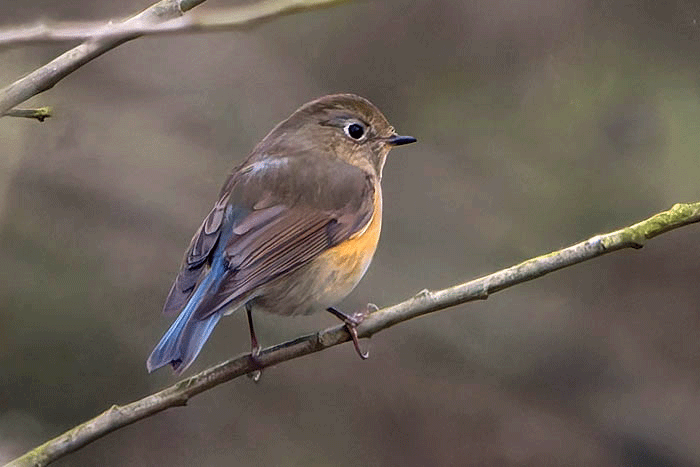
But to that we can now add still another bird, news of which broke on 18th as having been present for around a week near Gressenhall at Wendling Beck Project. A first-winter male, and still present there on 19th, that could prove a pleasant distraction this coming weekend for anyone heading to Norfolk for winter wildfowl.
The most notable seabird event of the past week was by some margin the arrival of dozens of White-billed Diver, primarily off the east coast of Scotland, but with a few outliers scattered in the northeast of England too. Presumably pushed towards shore by persistent strong southeasterlies (where are those when we need them in autumn?) they were a chance for many a birder to add a patch tick or a self-found tick to their lists. Some sites hosted more than one bird, with Inverkeithing (Fife) particularly notable in holding onto three individuals on 14th-16th.
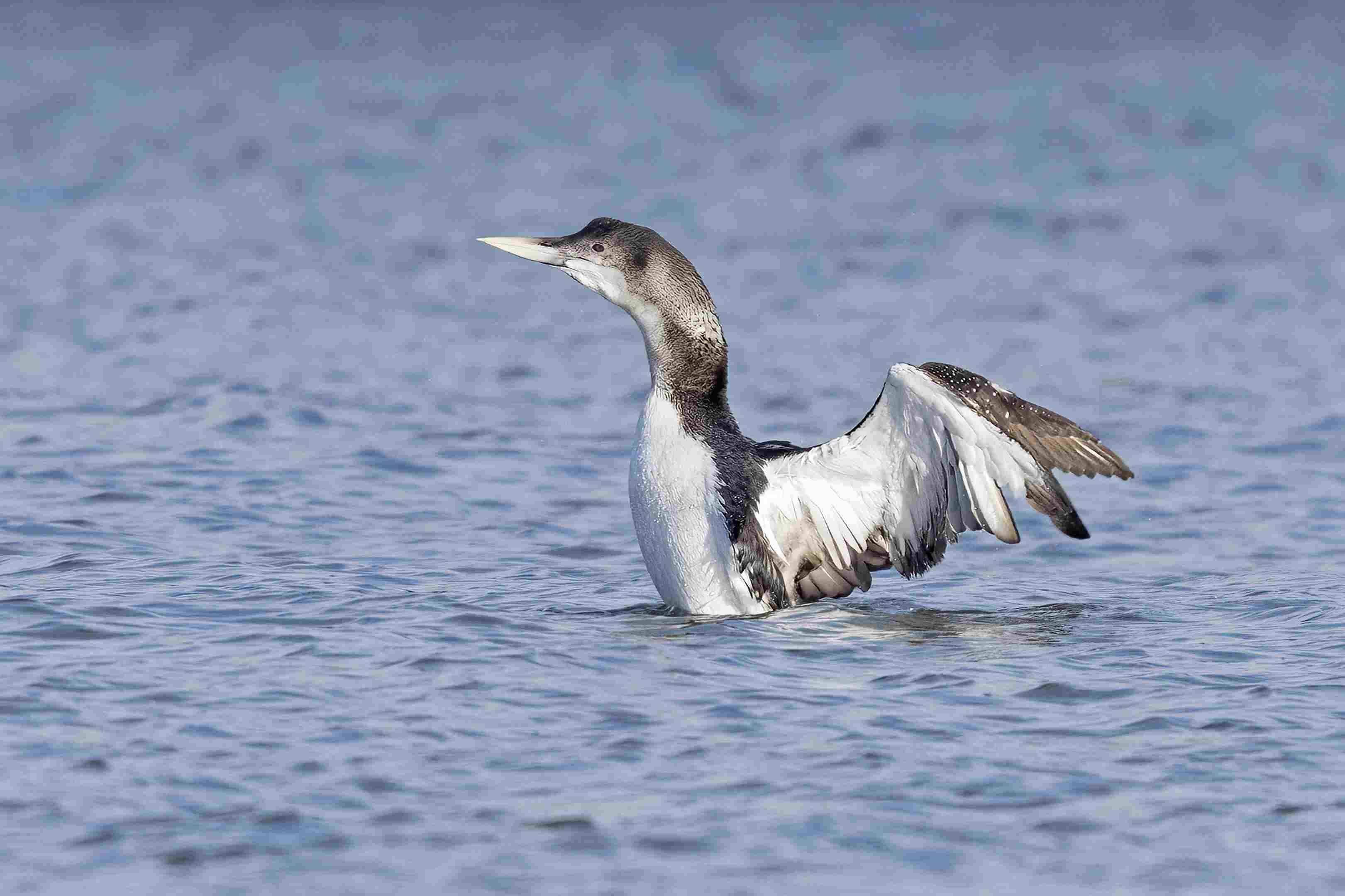
A Pacific Diver remained present in the waters off Mousehole (Cornwall) on 13th-18th, while the Curransport (Co.Donegal) bird remained present there on 13th-19th still.
Little Auk were notable by their absence, with just a handful of birds noted off our coast during the week – seen on 14th from Bamburgh (Northumberland), and on 15th at Snab Point (Northumberland) and Graemeshall (Orkney).
Still a persistence, if that’s the right collective noun, of Glossy Ibis in our midst this week…

Honkers and quackers of various flavours were still very much to the fore in recent days. The Goose Formerly Known As Canada continued to provide its unique charms in a variety of locations, spreading the love to some new stations this week… interior Todd’s Canada Goose were seen on 17th in Norfolk at Bircham Newton, and in Lancashire & North Merseyside at Martin Mere WWT. Two hutchinsii Richardson’s Cackling Goose were seen in Co.Sligo at Lissadell on 16th, with one reported again at Ballygilgan NR on 14th; Scottish birds were seen on 15th-16th at Caerlaverock WWT (Dumfries & Galloway), and on 16th on Islay (Argyll & Bute); and one in Worcestershire again on 16th at Clifton Pits and at Church Farm Pits on 18th. A Cackling Goose was also seen in Lincolnshire this week at Theddlethorpe St Helen on 13th-14th, and Branston Island on 15th-16th, joined by a second bird at Branston Island by 18th.
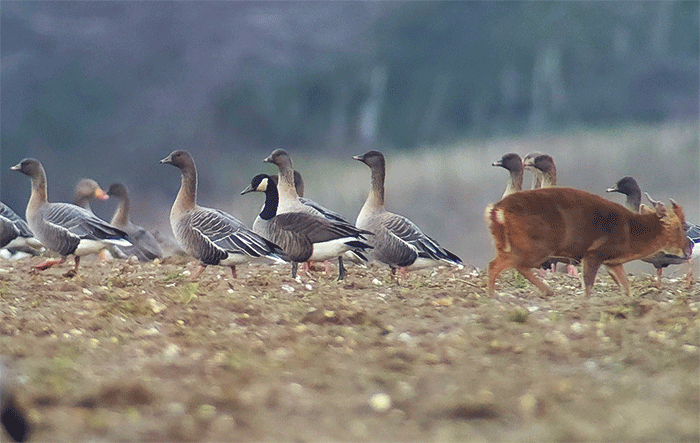
The week was a busy-ish one for Snow Goose, with regular recent birds again seen at Insh Marshes RSPB (Highland & Caithness) on 13th-18th and Kingussie again on 19th, in Lincolnshire around Baston Fen on 13th-19th, and in Lancashire & North Merseyside at Banks Marsh NNR on 13th, Southport again on 17th, and Marshside RSPB on 18th-19th; and further sightings coming in from Lewis (Western Isles) on 13th, and at Slains (Aberdeenshire) on 14th, 17th, and 19th.
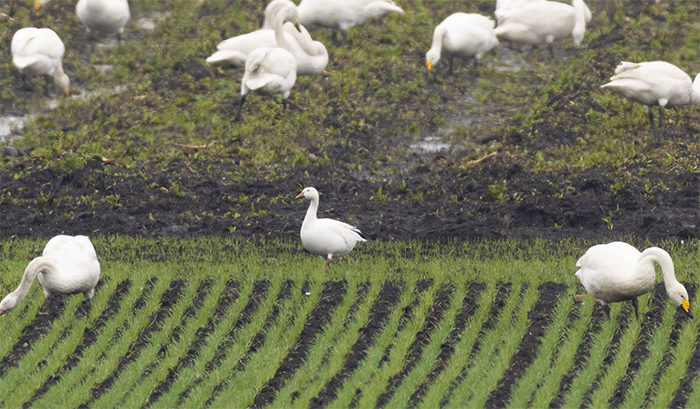
Black Brant this week were seen in Essex still at Heybridge on 14th, Maldon on 16th, and on 18th at The Naze and Tollesbury Wick EWT; in Hampshire at Farlington Marshes HWT on 14th-16th; in East Yorkshire still at Outstrays NR on 14th; and at Blennerville (Co.Kerry) on 13th-17th. Possible Grey-bellied Brant were seen in Ireland at Dublin (Co.Dublin) again on 13th, and Lurgangreen (Co.Louth) on 14th.
Rounding off the geese for another week, the Red-breasted Goose was still present on Islay (Argyll & Bute) on 16th-17th.
Onto the ducks, and with half an eye to the Netherlands where a drake was seen as recently as 18th still, a drake Falcated Duck was found on 19th in Essex at Buckurst Hill. That’s a species with a chequered history in these parts, with many historic records sitting in limbo. Watch this space with this bird…
The drake Blue-winged Teal remained at Loch Loy (Moray) on 13th-18th.
Numbers of American Wigeon picked up anew this week, with eight birds noted – at Carlton Marshes SWT (Suffolk) still on 13th-19th; in Kent at Scotney GPs still on 13th-19th; at Preston (Lancashire & North Merseyside) still on 15th-18th; in Shetland still in the Spiggie area on 13th; and at Bolton-on-Swale YWT (North Yorkshire) on 15th, at Gwbert (Ceredigion) on 15th-16th and Tygwyn on 18th, Poppit Sands (Pembrokeshire) on 17th, and Prestwick Carr (Northumberland) on 15th-16th. Numbers of Green-winged Teal meanwhile remained fairly static, with 10 birds logged during the week.
The week proved fairly busy for Ferruginous Duck, particularly in Cambridgeshire where a drake remained on Ouse Washes on 13th-14th, and a female was seen at Ouse Washes RSPB on 14th also; the drake was still in Hertfordshire at Maple Lodge NR on 16th; a female was seen again in Warwickshire on 17th at Napton Reservoir; a drake was found in Norfolk at Holkham Hall on 18th; and the drake remained in Co.Tyrone at Ballysaggart Lough on 13th-19th.
Lesser Scaup broke into double figures, with 10 birds logged in recent days. In Ireland the drake remained at Tacumshin (Co.Wexford) on 14th; another still on Lough Clubir (Co.Cork) on 13th-18th; the first-winter drake still on Lough Yganavan (Co.Kerry) on 15th; the drake again on Lough Neagh (Co.Armagh) on 17th; and a drake found on 19th at Lough Derravaragh (Co.Westmeath). British birds remained in Leicestershire on Swithland Reservoir on 15th-17th; on Staines Reservoir (Surrey) on 13th-17th; on Abberton Reservoir (Essex) on 16th; in Cornwall at Helston where two remained until 18th; and a female was found in Cheshire & Wirral at Woolston Eyes NR on 13th-19th.
Ring-necked Duck remained pleasingly numerous across Britain and Ireland this week, with Ireland still bursting at the seams with them – eight birds still present on Lough Yganavan (Co.Kerry) on 15th-16th being the peak count of the week’s overall 50 or so birds.

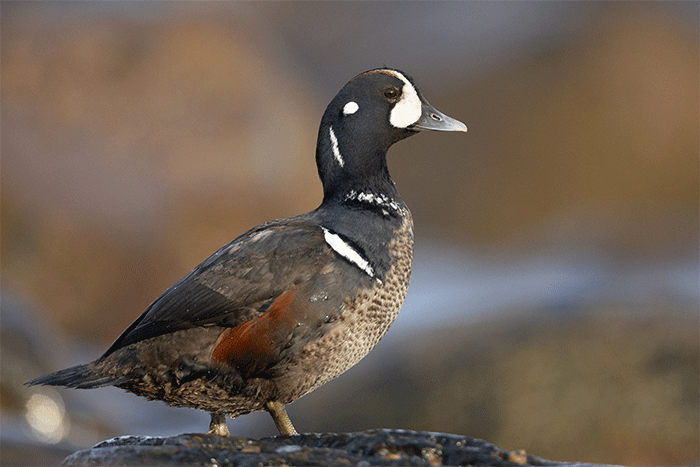
Also in Ireland, the first-winter drake Harlequin Duck remained at Tra na gCloch (Co.Donegal) on 13th-19th.
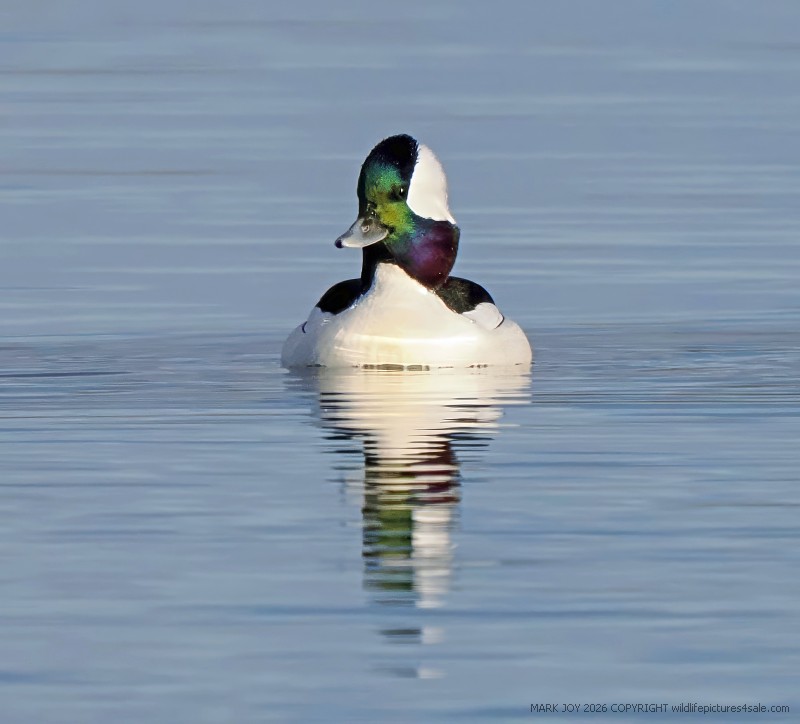
In Wales the drake Bufflehead remained on Anglesey at Llyn Coron on 13th-19th.
Scotland retained its first-winter female King Eider
Conwy laid claim to two Surf Scoter in Colwyn Bay still on 15th; two were also still present at Dornoch (Highland & Caithness) until 16th. Single birds were seen in Scotland off Vatersay (Western Isles) still on 17th-19th, and off Arran (Ayrshire) on 17th.
The drake Black Scoter remained at Dornoch (Highland & Caithness) on 13th-16th; the Rossbeigh (Co.Kerry) bird was also still present on 13th; and a drake was seen in Northumberland off Holy Island on 14th.
Sightings of drake White-winged Scoter came from Fife at Lower Largo on 13th-17th, with a probable noted passing Fife Ness in the morning of 15th.
Finally, the putative second-winter Stejneger’s Scoter was still present off East Wemyss (Fife) on 13th-14th.
Our notable weekly waders contracted sharply, with the best of them the Semipalmated Sandpiper still present at Seafield (Co.Clare) on 13th.
The Long-billed Dowitcher was still present at Montrose Basin (Angus) on 15th-18th.
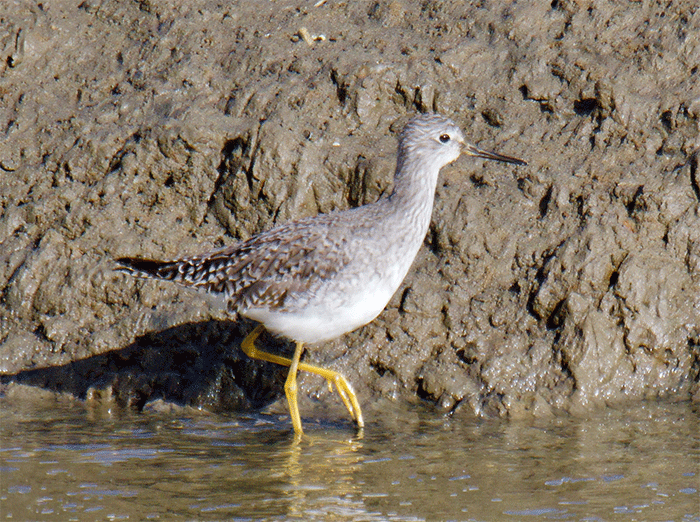
Finally, all three recent Lesser Yellowlegs remained present for another week – on Rathlin Island (Co.Antrim) on 14th still; in Cornwall at Truro on 15th-18th; and in Denbighshire at Rhyl on 13th-18th still.
Ring-billed Gull continued their recent strong showing, with approaching double figures reported over the course of the week. Regulars continued to be seen at Hayle Estuary RSPB (Cornwall) on 13th-18th; at Tralee Bay Wetlands (Co.Kerry) on 13th-17th; and Enniskillen (Co.Fermanagh) on 16th-19th; while one was again seen at Sligo (Co.Sligo) on 17th, and the recent first-winter remained at Fishguard (Pembrokeshire) on 13th-16th and again on 19th. Two were reported from Atlantic Pond (Co.Cork) on 14th, with a second-winter at Cork Lough on 18th; and a second-winter was found in Co.Limerick at Foynes on 19th.
The week was decidedly busy for Kumlien’s Gull - in Cornwall, the juvenile again at Helston on 13th-15th and once more on 19th, and an adult at Hayle on 15th; and in Scotland an adult bird again at Helmsdale (Highland & Caithness) on 15th-19th, two again at Loch Oire (Moray) on 16th, and an adult on Westray (Orkney) on 17th.

Some 20 Iceland Gull were seen during the week, with four at Killybegs (Co.Donegal) on 16th the peak count of their kind; while Glaucous Gull were less numerous, with barely a dozen logged.

Three or four Bonaparte’s Gull were seen this past week – the first-winter in Cornwall again in Penzance on 13th-14th and 19th; with a first-winter on St Mary’s (Scilly) on 19th; and adults at Larne (CoAntrim) again on 15th, and Blennerville (Co.Kerry) again on 16th.
Our only notable raptor this week was the female Pallid Harrier again at Llanrhidian Marsh (Glamorgan) on 13th-17th, and National Wetlands Centre WWT (Carmarthenshire) again on 19th.
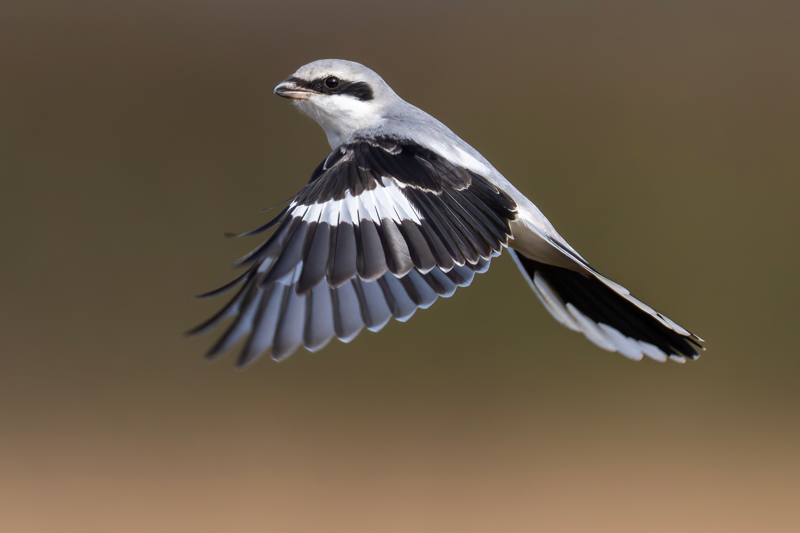
Our weekly passerines begin again with Great Grey Shrike, with both recent individuals again on offer – one in Hampshire at Stoney Cross Plain still on 14th-19th, and the Lincolnshire bird outside Ingham still on 13th-19th.
Five Waxwing at Kincorth (Aberdeenshire) on 14th, and four in Cleveland on 18th-19th at Thornaby-on-Tees were the only groupings of their kind this week. Our other birds were all singletons – on 14th in Kirkwall (Orkney) and at Marsden (Co.Durham); still present in Shetland near Voe on 13th-18th; and one reported on 16th from Hassop (Derbyshire).
The Hume’s Warbler remained in Lowestoft (Suffolk) on 13th-18th, and was joined in the news by another bird near Lea Marston (Warwickshire) on 14th-19th, the latter the epitome of inland winter patch gold.
Yellow-browed Warbler remained at Llanfairfechan (Conwy) on 14th-16th; another remained in Devon at Efford Marsh NR on 14th-19th; one was seen at Penberth Cove (Cornwall) on 16th; and a final bird in a private garden in Crosby (Lancashire & North Merseyside) on 18th.
In Kent the Pallas’s Warbler remained at Faversham Creek on 13th-16th.
In Cornwall the Dusky Warbler remained present at Boscathnoe Reservoir on 13th-19th.
Good news from Suffolk lately, with confirmation that three Fan-tailed Warbler had endured and remained at Walberswick on 16th.
Norfolk’s first-winter male Eastern Black Redstart remained dug into Sheringham on 13th-19th.
Norfolk also retained its Black-bellied Dipper at Bintree on 13th-17th.
A Penduline Tit was again seen in Somerset on 19th at Stockmoor CP.
The Pied Crow remained in Co.Galway around Mervue until 17th.
Finally, the Great-tailed Grackle was still present in Holbury (Hampshire) on 13th-19th, and the probable remained in Lancashire & North Merseyside at Speke Hall on 13th-19th.
Our overseas news starts once more in the Netherlands, where the Black-faced Bunting remained settled on Texel on 13th-19th, the Pygmy Cormorant was still at Natuurpark Lelystad on 13th-19th, and the drake Falcated Duck at Benthuizerplas still on 18th.
In France the Belted Kingfisher was still on the Canal de Nantes a Brest on 14th-16th, and a Sociable Lapwing was seen at Treogat on14th-15th.
Denmark’s Dusky Thrush remained at Refshaleoen on 13th-19th.
Infuriatingly for Shetland birders in the wake of ceaseless easterly winds, the Azure Tit remains settled in Brekstad in Norway on 19th.
Finally, in Cape Verde, the Black-headed Heron remained on Sao Vicente on 15th-17th.
Perhaps unsurprisingly, recent weeks’ invocations of past rarities haven’t come to much in these parts. Weeks at this generally unpromising time of year resist polishing, and even rolling them in glitter can fail to add sparkle. February is the doldrums of the birding year.
Which isn’t to say we abandon all hope. There’s always hope. And a glance at the rarity records of Februarys past provides a few chinks of light in the late winter gloom…
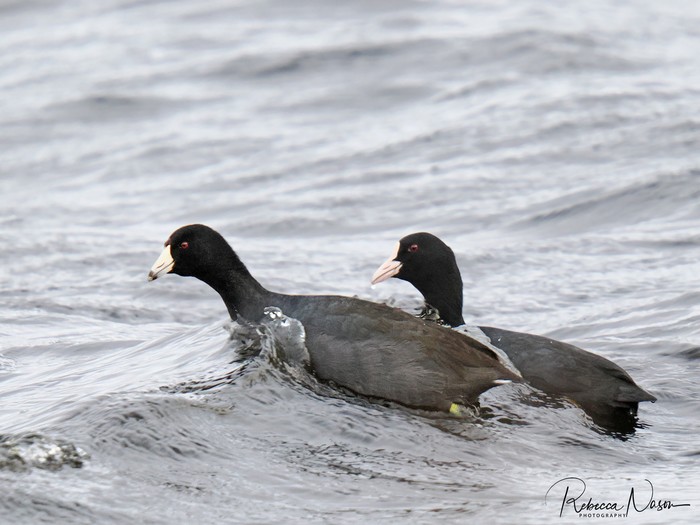
It’s still very much American Herring Gull o’clock in the dying gasps of February, with eight historic records for the coming week. And American Coot and Pied-billed Grebe also historically feature, albeit single birds, but a timely reminder to keep eyes peeled on freshwater near you.
Rare Bird Alert
20 Feb 2026
Many thanks to all this week's contributors for your photos and videos and to everyone who contributed throughout the year.
Get Breaking Birdnews First
Get all the latest breaking bird news as it happens, download BirdAlertPRO for a 30-day free trial. No payment details required, and get exclusive first-time subscriber offers.
Share