Weekly birding round-up: 5 - 11 Dec
If you’d suggested a fortnight ago we’d be rolling into December with two notable birds of the calibre featured in the headlines this week, the odds offered would surely have been long ones. But here we are, 2025 continues to be the gift that keeps on giving, and none of this week’s headline birds seemed unduly daunted by Storm Bram’s torrential rain and strong winds. Does the year still have yet another mega in store for us? One wouldn’t bet against it on current form.
Given we enjoyed a December Scops Owl as recently as only last year – this being the bird that turned up in Broadstairs (Kent) around Christmas time, and remained present there until 9th January 2025 – we’d have been forgiven for not expecting another winter record for a while. After all, of the 85 accepted British records to date at that point, we’d never enjoyed a December bird before.
Then again, last year’s bird in Kent came hot on the talons of a bird on Anglesey at Beaumaris on 19th November, which while not December is still pretty late in the day for the year as a whole. And this latter bird was only the second November record of its kind in the wake of a bird found dead on Orkney on 27th November 1970. It’s perhaps a little early to say there’s a new trend developing here for this traditionally spring and early summer vagrant, but events this week were, at the very least, a striking coincidence…
An initial report of a Scops Owl in Glamorgan at Killay on 6th soon coalesced into a confirmed bird there – it went on to show well into the night for local birders with reports coming out of Wales until almost midnight.
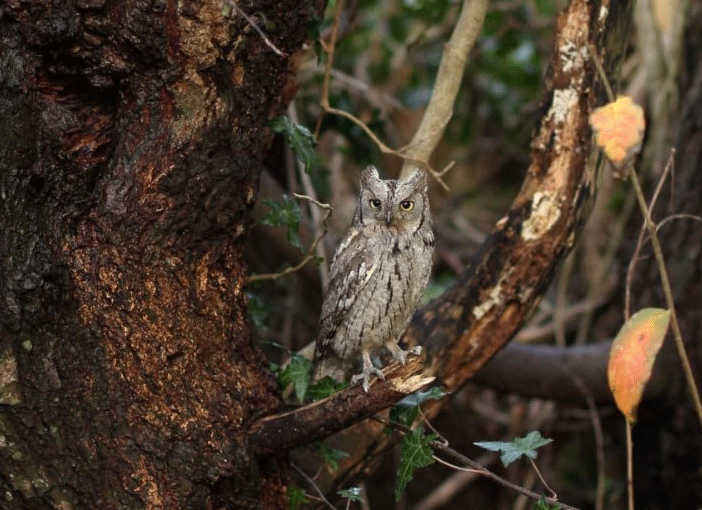
Happily for those from further afield – and, for some, providing the potential to make a day of it in the west with daylight hours spent in Devon, and gathering darkness in Glamorgan – the bird remained unperturbed by the attention it was garnering, and continued to show well daily (or rather, nightly) for those prepared to make the effort to see it, remaining present there until and including the evening of 11th.
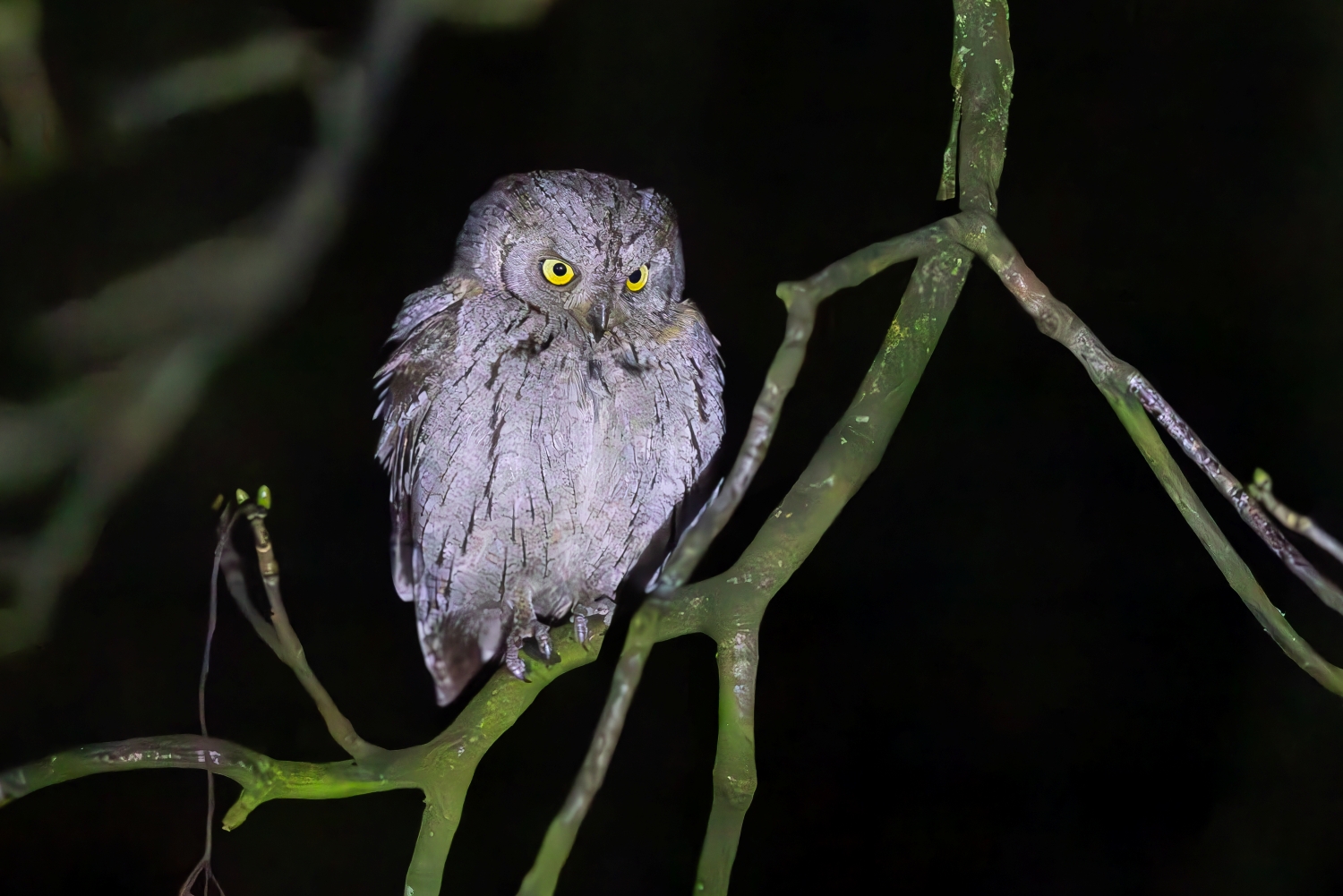
In a Welsh context, this was a truly major find – the country’s prior two records being properly vintage, dating to 25th April 1955 on Skokholm (Pembrokeshire) and, also in Pembrokeshire, the first for Wales way back in spring 1868. To have such an amenable individual, on the mainland, and with the modern amenities of thermal imagers and torches to hand, must have felt like a rare blessing.
Nor was Glamorgan the only Welsh county to enjoy a county first this week, for Flintshire also got in on the act on 8th with a drake Bufflehead seen at Point of Ayr. Maddeningly it was present only for a short period in the early afternoon before heading away, never to be seen again.
Exciting to catch up with the drake Bufflehead that graced Point of Ayr #RSPB over high tide today. No sign of rings & behaving like a wild bird. @rspbcymru.bsky.social @britishbirds.bsky.social #birdingWales @birdsinwales.bsky.social @rspbburtonmere.bsky.social @penrhynbirder.bsky.social
— Mike Pollard (@mikepnature.bsky.social) 8 December 2025 at 18:41
[image or embed]
Way rarer than a Scops Owl in a British context, the recently found Lesser Crested Tern in Devon continued to delight all comers this past week, remaining settled in the Exe Estuary area right through the week to 11th.
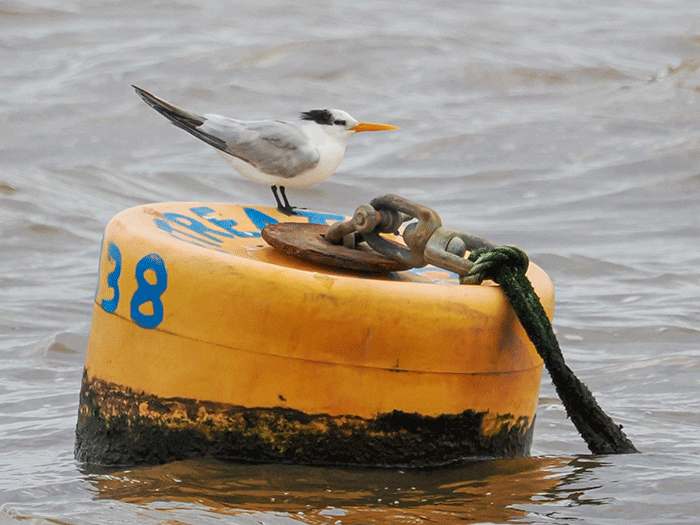
With no good reason for it to shift any time soon, this may well prove to be a fabulous excuse to get out of the house on Christmas Day for locals and, just maybe, birders from further afield too. Will Elsie Mk 2 make it into the New Year? That remains to be seen.
Fast becoming a staple of the weekly winter news once more, the Double-crested Cormorant remained at Doon Lough (Co.Leitrim) on 6th.
Cornwall meanwhile retained the adult Pacific Diver in the Mousehole area, seen again from Penlee Point on 9th and Mousehole itself on 10th; and a White-billed Diver
From feast to famine where Little Auk were concerned, with the prior week’s almost four figure tally replaced, in recent days, with barely double figures in total – these seen on 6th at Hunstanton (Norfolk), Lewis (Western Isles), and Fife Ness (Fife) where two birds were logged; on 9th at Cromer (Norfolk); on 10th off South Uist (Western Isles), where three were seen; and on 11th at Troon (Ayrshire), Barra (Western Isles), and Glenbeigh (Co.Kerry).
Scarce skuas remained just that – a Long-tailed Skua was seen at Musselburgh (Lothian) on 7th; and Pomarine Skua at St Andrews (Fife) on 5th, St Ives (Cornwall) on 6th, and on 11th at Musselburgh and Isle of Whithorn (Dumfries & Galloway).
Single Great Shearwater were logged on 10th from Pendeen (Cornwall), and Bridges of Ross (Co.Clare).
With the exception of the Night Heron reported ‘recently near St John’s Fen End (Norfolk), and a Purple Heron seen again on 11th at Ham Wall RSPB (Somerset), the long-legged beastie interest continued to be supplied by Glossy Ibis. The latter still here, not going anywhere any time soon.
Our sail onto the rarity duckpond with the weekly honkers and quackers begins again with The Goose Formerly Known As Canada - two interior Todd’s Canada Goose were again seen at Ballygilgan NR (Co.Sligo) on 6th, with a hutchinsii Richardson’s Cackling Goose also present there on 6th-8th; two hutchinsii birds remained in Co.Donegal at New Lake on 5th-7th, and a singleton was seen at Drimvore (Argyll & Bute) on 10th.
The recent Red-breasted Goose in Essex was seen again on 6th at Dengie Marshes.
Essex did well for Black Brant, with two at Dengie Marshes on 6th, and one seen at The Naze again on 8th and 10th; another was noted lately in East Yorkshire at Outstrays NR on 5th and again on 11th; while one was seen again on 11th in Lincolnshire at Saltfleet.
A possible Grey-bellied Brant was seen in Lancashire & North Merseyside at Banks Marsh NNR on 5th-9th.
Lancashire & North Merseyside also gave us sightings of Snow Goose at Martin Mere WWT on 6th and 9th, Marshside RSPB on 8th and 10th-11th, and Southport Marine Lake on 11th; Scottish sightings came from Loch of Skene (Aberdeenshire) on 5th, near Ardersier (Highland & Caithness) again on 6th, and at Insh Marshes RSPB (Highland & Caithness) on 8th-10th.
In Dorset the recent drake Baikal Teal remained at Abbotsbury Swannery on 5th.
A drake Black Duck was found on 10th in Co.Kerry at Baile an Reannaigh.
Green-winged Teal crept into double figures again lately across Britain and Ireland. Birds were seen this week at Belvide Reservoir (Staffordshire) on 5th-11th; at Sandbach Flashes (Cheshire & Wirral) on 5th still; at Llangorse Lake (Powys) on 7th; at Wykeham Lakes (North Yorkshire) and North Uist (Western Isles) on 8th; at Castleplunket (Co.Roscommon) on 8th; at Chew Valley Lake (Somerset) on 8th-9th again; at South Huish Marsh (Devon) on 9th-11th; at Treraven Meadows (Cornwall) on 9th; at Tain Links (Highland & Caithness) still on 9th; at Lackford Lakes SWT (Suffolk) and Barra (Western Isles) still on 10th; and on 11th on Achill Island (Co.Mayo).
A trio of American Wigeon remained, respectively, at Ballygilgan NR (Co.Sligo) still on 5th-8th, Big Waters NR (Northumberland) on 6th, and Loch of Spiggie (Shetland) on 7th.
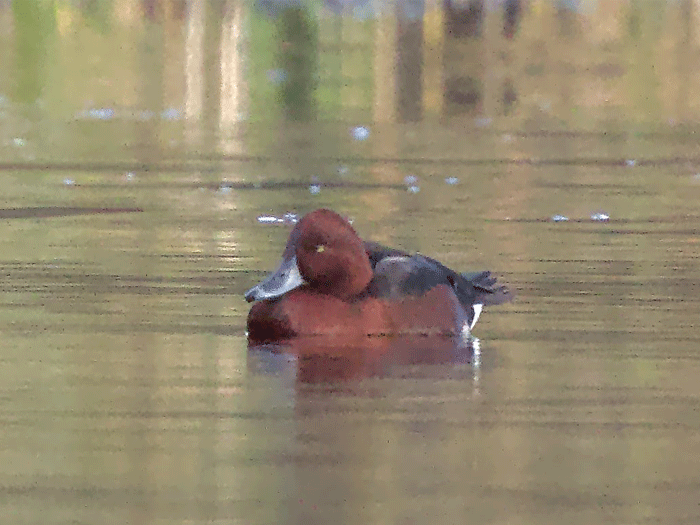
The recent drake Ferruginous Duck remained at West End GPs (Lincolnshire) on 5th-10th; a drake was again seen in Norfolk at Filby Broad on 8th and 10th-11th; and another drake on 10th in Hampshire at Brownwich Farm.
Lingering reservoir ducks (aka Lesser Scaup) were again seen in recent days at Swithland Reservoir (Leicestershire) on 5th-7th, Abberton Reservoir (Essex) on 5th-9th, and Staines Reservoir (Surrey) on 5th-11th; and two remained in Cornwall at Helston on 10th-11th.
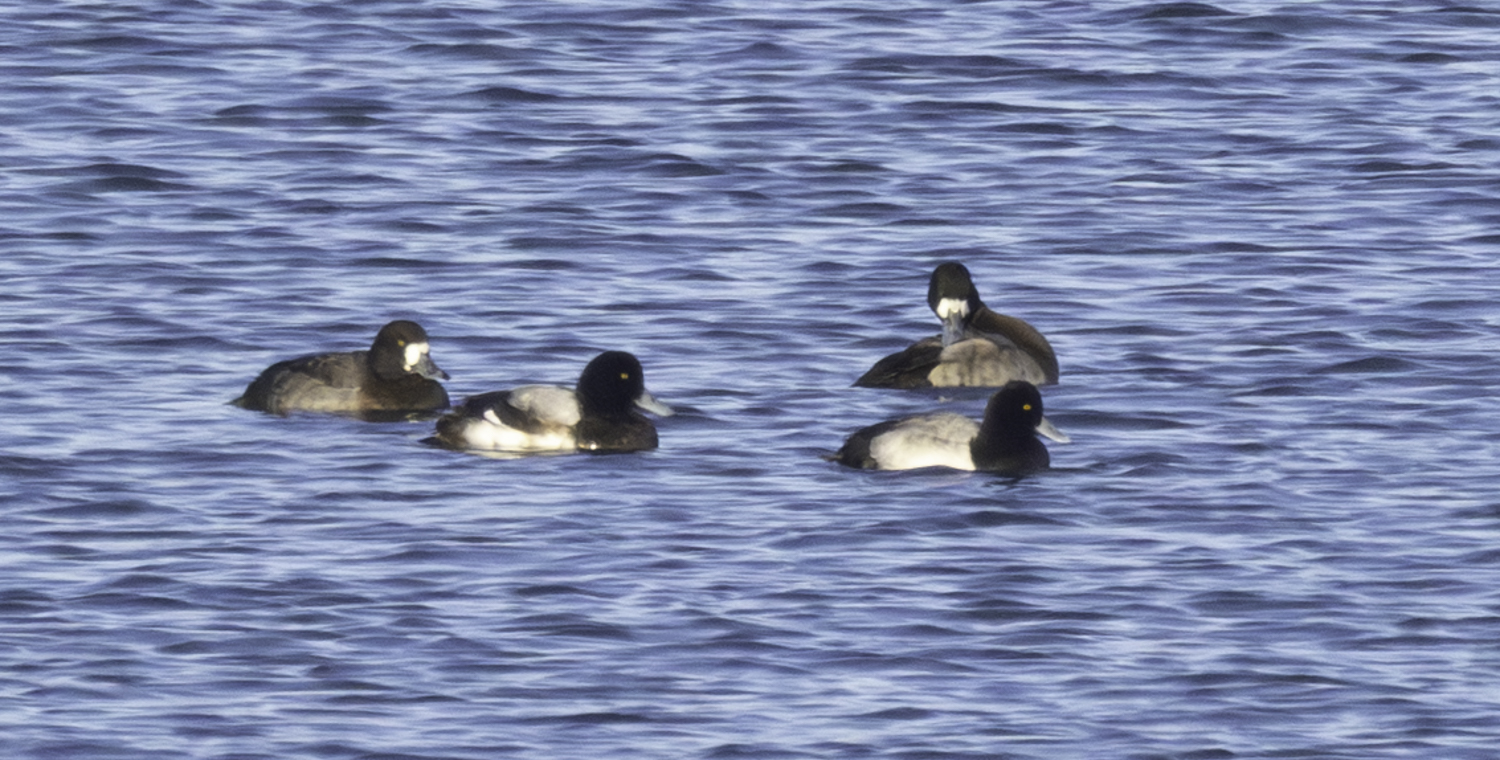
If the week belonged to any diving Aythya, it was Ring-necked Duck - a mighty 50 birds were reported in Britain and Ireland this week, with Ireland enjoying the lion’s share of these – a dozen remained on Urlaur Lough (Co.Mayo) on 8th; three on Knockaderry Reservoir (Co.Waterford) on 6th still; three on Cloonagh Lough (Co.Roscommon) on 6th; and two at Lough Fern (Co.Donegal) on 6th still, and two on Dunfanaghy New Lake (Co.Donegal) on 7th. Four were on Tangy Loch (Argyll & Bute) on 11th; three were still present on Loch Watten (Highland & Caithness) on 8th; and two at Shapwick Heath NNR (Somerset) on 7th-11th still.
Two White-winged Scoter were seen in Lothian’s Gosford Bay on 6th, with one still present off there the following day; and the drake off Leven (Fife) also on 7th.
Two Surf Scoter lingered off Rascarrel (Dumfries & Galloway) still on 5th-6th, with one present there still on 8th; and one lingered off Barra (Western Isles) on 6th. A Welsh individual was still to be found at Llandulas (Conwy) on 5th-11th; and Irish birds at Owenahincha (Co.Cork) still on 7th, and Black Rock Strand (Co.Kerry) on 6th.
Tempting though it is to assume that it would be the same individual seen in the preceding week further north at Scalloway, a female King Eider found in Shetland’s Quendale Bay off Mainland on 11th transpired to be a different individual – this week’s bird being a first-winter, and the Scalloway bird an adult. Cue every birder in Shetland spending the coming week peering into distant eider flocks off mussel lines hoping for another to call their own.
Nice to find a female King Eider just down the road from home in Quendale Bay, Shetland this afternoon. Here's a short video of her keeping company with a female Long-tailed Duck.@RareBirdAlertUK @ScottishBirding @BirdTrack @mcsuk @ShetlandWild @Britnatureguide @Shetnews pic.twitter.com/bgYXejbDtE
— Hugh Harrop Wildlife (@HughHarrop) December 11, 2025
Finally, in Ireland the Harlequin Duck remained in Co.Donegal off Curransport on 5th-8th.
Unbelievable day yesterday. I had the privilege of watching this title fella; Harlequin Duck, along the Donegal coast. What a beauty! @Irishwildlife @Natures_Voice @IoloWilliams2 @ChrisGPackham pic.twitter.com/MDzws4f1Vd
— Kevin Mc Laughlin (@KevinMc78014559) December 7, 2025
A reasonable variety of shorebirds enlivened the weekly waders lately, with a decent geographic spread to what was on offer too. Starting in Ireland, an American Golden Plover was present at Blennerville (Co.Kerry) on 7th.
In Somerset the wintering female Kentish Plover remained at Burnham-on-Sea on 5th-10th.
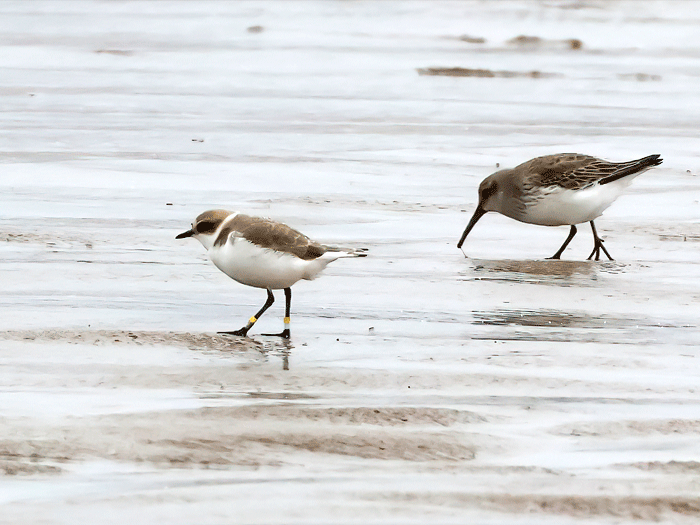
A White-rumped Sandpiper remained at South Slob (Co.Wexford) on 6th; another remained at Lough Beg (Co.Derry) on 10th.
Also lingering in Ireland, the Semipalmated Sandpiper was still present at Seafield (Co.Clare) on 10th.
In Suffolk the steadfast Temminck’s Stint was still present at Minsmere RSPB on 5th-11th.
The Spotted Sandpiper was again seen this week at Ballynagaul (Co.Waterford) on 7th.
In Cornwall the Lesser Yellowlegs remained at Truro on 6th-10th, while the Rathlin Island (Co.Antrim) individual was still present there on 6th-10th also.
Finally, a Grey Phalarope was seen at Crook of Baldoon RSPB (Dumfries & Galloway) on 9th.
A couple of Bonaparte’s Gull provide some variety to the gulls this week, seen again at Dunnet Bay (Highland & Caithness) on 5th, and Larne (Co.Antrim) on 6th.
Further seasoning came in the form of Sabine’s Gull on the coattails of Storm Bram on 10th, noted from near Criccieth (Gwynedd) and Troon (Ayrshire).
Lingering Ring-billed Gull remained in Ireland at Blackrock (Co.Louth) still on 8th, and at Doorly Park (Co.Sligo) still on 7th; while in Cornwall the adult was still to be seen at Hayle Estuary on 5th-10th. Another Co.Sligo sighting came from Cleveragh on 10th.
A mere handful of Glaucous Gull were logged during the week – at Shewalton (Ayrshire) still on 5th-8th; on 5th at Cullercoats (Northumberland) and Cashen Estuary (Co.Kerry); on 7th on Westray (Orkney) and at Spurn (East Yorkshire); on 8th on Benbecula (Western Isles); on 10th on Shetland at Loch of Spiggie on Mainland, and Unst again; and on 11th at Hartlepool (Cleveland). It fell to Cornwall, the Western Isles, and Shetland to provide our sprinkle of Iceland Gull, seen 7th at Drift Reservoir, on 9th on Berneray, and on 11th in Lerwick respectively.
In Wales the adult female Pallid Harrier was once again seen this week at Llanrhidian Marsh (Glamorgan) on 6th-10th.
A fleeting Rough-legged Buzzard proved much less settled, being seen for a mere five minutes near Honing (Norfolk) on 8th.
The week began with two Hume’s Warbler
A late migrant Yellow-browed Warbler was a surprise on Fair Isle (Shetland) on 8th, bringing the weekly tally nationwide to little more than a dozen overall.
A possible Dusky Warbler was reported from Minster Marshes Sewage Works (Kent) on 6th; while one remained at Dunhill (Co.Waterford) on 6th-11th.
The recent Barred Warbler remained in its Redruth (Cornwall) garden on 8th.
In Suffolk, a determined Zitting Cisticola remained present at Walberswick on 5th.
A Hoopoe remained in Lincolnshire at Sandtoft on 8th, having been present in the area for around a week beforehand.
The settled Great Grey Shrike remained in Hampshire at Beaulieu Road Station on 5th-6th.
Numbers of Waxwing firmed up a little, with some 70 birds logged nationwide as a whole, and flock of 25 at Monifieth (Angus) on 11th the best aggregation of them.
In Devon the increasingly bedraggled male Desert Wheatear remained at Bolberry Down on 6th-9th.
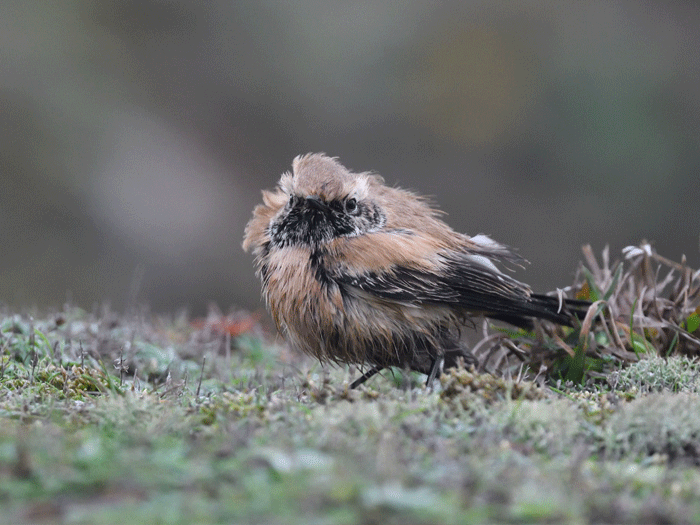
A male murinus / phoenicuroides / rufiventris Eastern Black Redstart was showing well in North Yorkshire at Filey on 5th-11th.
The lingering Richard’s Pipit remained at Brotton (Cleveland) on 5th-10th.
A Little Bunting was seen in East Yorkshire at Flamborough on 7th.
Finally, the settled male Boat-tailed Grackle remained in Hampshire in the gardens at Holbury on 5th-11th. Short of a peckish Sparrowhawk or a bored cat intervening, it seems unlikely it’s moving on any time soon now.
Inevitably the overseas news starts anew this week in the Netherlands, where the drake Spectacled Eider remained present off Texel on 5th-11th; the Pygmy Cormorant at Natuurpark Lelystad on 7th-8th; and the Western Swamphen still at Zevenhuizen on 8th. All relatively so near, and yet so far away.
Germany scored a Dalmatian Pelican at Bocholter Aa on 8th-9th.
In France a Belted Kingfisher was present on Canal de Nantes a Brest in Rostrenen on 8th-11th; a Sociable Lapwing was seen at La Vannelliere on 8th; and the male Northern Harrier remained at Marais de Peychaud on 8th-9th.
Spain’s Cape Gull remained at Laredo on 7th.
Up in Norway, the recent Black-faced Bunting remained at Snig on 11th.
Out on the Azores, the Wood Duck remained on Pico on 6th-9th; and the Yellow-crowned Night Heron remained on Sao Miguel on 5th.
On Cape Verde meanwhile, the Black-headed Heron remained on Sao Vicente on 5th.
Finally, to the east, where three Black Drongo made the news in Saudi Arabia at Roussan on 5th.
By and large the second week of December is historically a quiet one, marking the beginning of the winter doldrums. That said, the past couple of weeks perhaps should dispel any thoughts of precedent setting the tone for what might be found in the coming week…
Prosaically, it’s certainly not too late for a wayward Desert Wheatear to put in an appearance and, as we saw during the week just gone, there may yet be a Hume’s Warbler to come out of the woodwork on some lucky soul’s local patch.
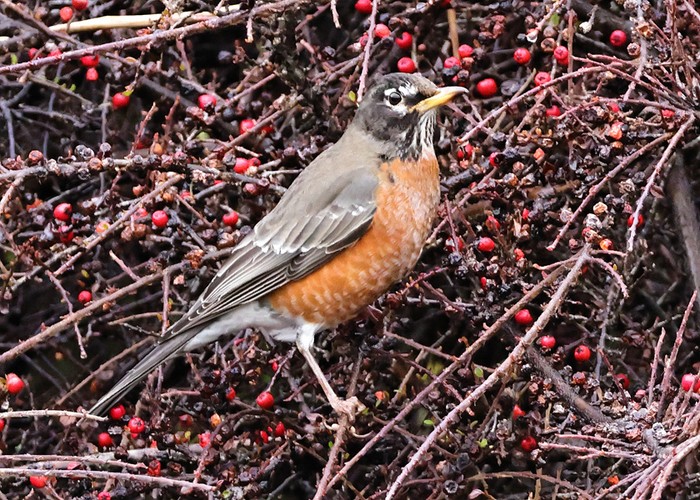
More outrageously, if the year’s to pull yet another rabbit from the hat, why not a hitherto overlooked American passerine. The coming week boasts historic records of American Robin, Slate-coloured Junco, White-throated Sparrow, and Rose-breasted Grosbeak, all of which went on to stay for days or, in most instances, many weeks. Nothing of that ilk would be greeted anything less than enthusiastically in these quarters.
Jon Dunn
12 December2025
Many thanks to all this week's contributors for your photos and videos
Get Breaking Birdnews First
Get all the latest breaking bird news as it happens, download BirdAlertPRO for a 30-day free trial. No payment details required, and get exclusive first-time subscriber offers.
Share