Tracking Devices Alter Diving and Body Mass in European Shags
New research reveals how biologging equipment affects behaviour, chick growth and adult condition in European Shags on the Norwegian coast.
Understanding the cost of being tracked
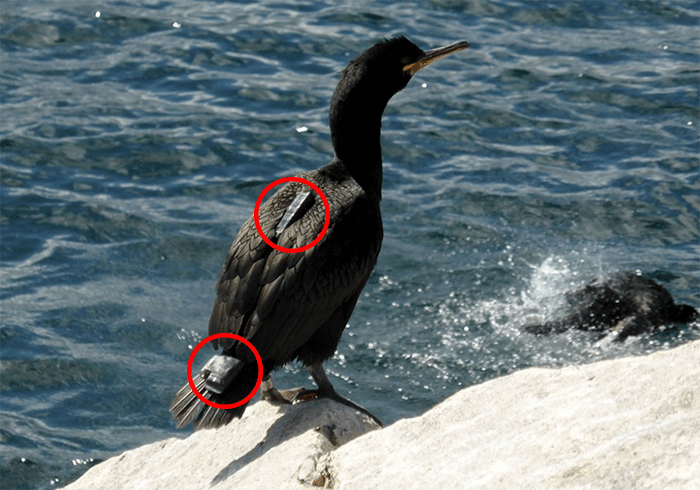
A major long-term study of European Shags breeding on Sklinna, Norway, has shown that biologging devices can alter foraging behaviour, diving patterns and body condition, with consequences that depend heavily on the size, placement and duration of each device. Using multiple types of loggers – GPS, time–depth recorders and video units – researchers assessed how birds responded while rearing chicks.
The study tested short-term deployments of lightweight units against longer-term devices and heavier, drag-inducing video loggers. Birds without devices served as controls, allowing direct comparison of mass change, chick growth and breeding outcomes.
Foraging trips shorten and dives change when devices stay on longer
One of the clearest behavioural shifts occurred in birds fitted with long-term GPS units and leg-mounted dive loggers. These shags made shorter trips from the colony and conducted briefer dives compared with birds wearing lighter, short-term devices.
The attachment location mattered: leg-mounted instruments introduced extra drag for a species that propels itself underwater with its feet. This made dives shallower and shorter, and reduced bottom time. In contrast, birds fitted with heavier video loggers flew and foraged further from the colony, but their dives were noticeably shallower and briefer.
Environmental conditions also played a role. In years with lower prey availability, all birds – with or without loggers – showed increased foraging effort. Nevertheless, the study found that logger-related effects remained apparent across years and sexes.
Carrying a logger costs body mass – especially heavier devices
Regardless of the type of device used, adult shags lost body mass during deployment. In contrast, control birds typically gained mass as the breeding season progressed. The heaviest devices caused the greatest losses, while the smallest units led to relatively modest declines.
Interestingly, mass loss did not scale cleanly with deployment duration. Birds carrying long-term loggers did not lose more mass than those carrying light short-term devices, suggesting they adjusted their behaviour – such as shifting foraging location – to offset energetic costs.
Chick growth stalls when parents wear heavy video loggers
Chick growth rates were markedly affected when parents carried large video loggers. Growth fell to a fraction of that seen in control nests, indicating reduced provisioning rates during these short deployments.
Chicks of parents with lighter loggers grew at comparable rates to those in untagged nests, suggesting that small devices carried for brief periods allow adults to maintain normal feeding rhythms. No reduction in breeding success was detected for long-term GPS deployments.
Adult survival remains high despite behavioural costs
Despite the physiological and behavioural effects, adult survival remained high. Birds carrying any type of logger showed no reduction in year-to-year survival compared with controls. However, female shags fitted with heavier or longer-term devices showed slightly lower survival than males fitted with the same equipment.
Given the species’ long-lived life history, even modest reductions in adult female survival are cause for attention. The results highlight the importance of choosing devices that limit drag and mass, particularly for smaller-bodied individuals.
Refining biologging for the future
The study underscores the need for careful consideration of logger size, placement and deployment duration. While biologging continues to transform the study of seabird ecology, this work shows that equipment can alter the very behaviours researchers are trying to measure.
The authors emphasise that detailed reporting of device characteristics and deployment methods will help refine best practice. Understanding these effects ensures that data remain robust, while safeguarding the welfare and fitness of the birds that carry the equipment.
December 2025
Get Breaking Birdnews First
Get all the latest breaking bird news as it happens, download BirdAlertPRO for a 30-day free trial. No payment details required and get exclusive first-time subscriber offers.
Share this story