62,000 Penguins Likely Starved in South Africa After 2004
New analysis shows how collapsing sardine stocks after 2004 killed tens of thousands of adult African Penguins, creating a population crisis still unfolding today.

A collapse hidden in plain sight
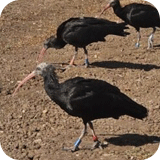
African Penguins Spheniscus demersus have declined for decades, but new research finally clarifies why adult survival suddenly crashed from 2004 onwards. By combining long-term data from Dassen and Robben islands with estimates of prey availability, scientists found that around 62,000 additional adult penguins died between 2004 and 2011 - losses almost entirely attributable to food scarcity.
The scale of the decline is stark. At Dassen Island, more than 44,000 adults are estimated to have died above normal baseline rates. At Robben Island, roughly 17,000 adults were lost in the same years. Together, these deaths surpass the entire global breeding population that remains today.
A critical food threshold crossed
Sardines Sardinops sagax are the principal prey of African Penguins along South Africa’s west coast. The study shows that once sardine biomass fell below 25% of its historic maximum, adult survival plummeted. From 2004 onwards, sardine levels remained consistently below this threshold, leaving penguins without the energy reserves needed to survive key stages of their annual cycle.
The researchers compared adult survival during the food-poor years with earlier, more favourable periods. The difference revealed the magnitude of “excess” mortality - extra deaths directly associated with low prey conditions.
Moult emerges as the most perilous time
Particularly revealing was an analysis of “missing moulters” - adults that bred in a given year but never reappeared to undergo their annual moult. During years of poor prey availability, the proportion of missing moulters rose sharply at both islands.
The moult is a uniquely risky moment in a penguin’s year. Birds must come ashore for several weeks, unable to feed, and must arrive carrying large fat reserves. When sardines were scarce, many adults simply failed to reach this stage alive. The study suggests starvation before moult, rather than death during breeding or post-moult recovery, accounted for much of the adult mortality.
At-sea hunger, not onshore events
The findings help explain a long-standing puzzle: why so many adult penguins were disappearing without leaving stranded bodies on beaches. The answer lies offshore. Birds that could not build up adequate mass before moult likely died out at sea, unseen. These losses manifested only as empty burrows and sharply reduced numbers of moulting adults.
Because adults that successfully moult generally return to breed the following year, the researchers concluded that the key mortality pressure lies in the pre-moult months, when foraging demands are highest and prey shortages most acute.
Fishing pressure and ecosystem change compound the crisis
While climate-driven shifts in the Benguela upwelling system have altered fish distributions, fishing pressure deepened the problem. Between 2005 and 2010, sardine exploitation rates west of Cape Agulhas were often high, including extreme peak years. Removing large volumes of fish from the waters around penguin colonies further reduced the resources penguins rely on during their most vulnerable months.
This combination of ecological change and fishing pressure left penguins with little buffer. Once sardine stocks sank below the critical biomass threshold, mass adult mortality followed.
Recovery depends on rebuilding sardine stocks
Spatial fishing closures around penguin colonies have been introduced in recent years, and some have since been expanded. But the study concludes that local closures alone cannot reverse the decline. Penguins depend on abundant sardine stocks throughout the year, particularly in the months leading to moult.
With the global population now below 10,000 pairs and the species upgraded to Critically Endangered in 2024, the authors argue that stronger prey management - including biomass thresholds and more precautionary quotas - is essential if African Penguins are to recover.
December 2025
Get Breaking Birdnews First
Get all the latest breaking bird news as it happens, download BirdAlertPRO for a 30-day free trial. No payment details required and get exclusive first-time subscriber offers.
Share this story