Griffon Vulture dies from electrocution hours after release in Cyprus
The reintroduced bird was killed within hours of its release, highlighting the severe threat power infrastructure continues to pose to the island’s struggling vulture population.
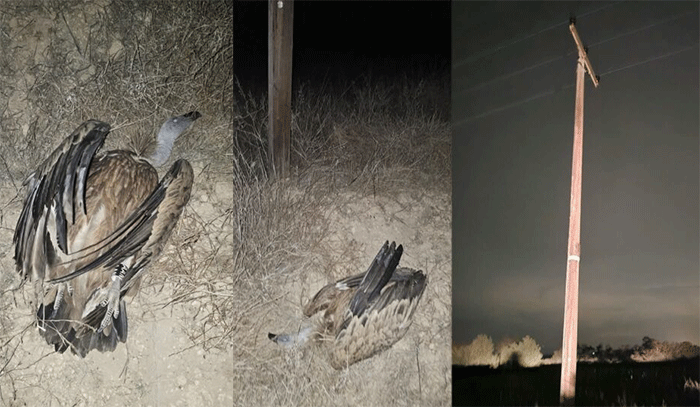
A tragic end to a carefully planned release
A young Griffon Vulture was killed by electrocution in Cyprus just hours after being released back into the wild, bringing an abrupt halt to what was hoped to be a new beginning for the bird. The vulture had recently completed treatment and rehabilitation following a poisoning incident and was considered fit to rejoin the island’s dwindling population.
The release formed part of wider efforts to rebuild Cyprus’s critically low numbers of Griffon Vultures, which remain one of the most threatened bird species in the country. Conservation teams had closely monitored the bird’s progress through recovery and prepared it for return to the wild.
Electrocution remains a major cause of vulture mortality
The vulture’s death occurred after it perched on an unsafe electricity pylon shortly after release. Contact with exposed infrastructure resulted in immediate electrocution. This incident underscores a long-recognised issue on the island, where power lines and uninsulated pylons have repeatedly caused lethal injuries to large soaring birds.
Electrocution and collision with electricity infrastructure are among the leading human-related causes of death for Griffon Vultures in the Mediterranean. Despite ongoing work to identify and mitigate high-risk pylons, the mortality risk remains significant for both resident and reintroduced birds.
A blow to an already fragile population
Cyprus’s Griffon Vulture population has reached critically low numbers in recent years, with conservation organisations working urgently to stabilise and rebuild it. Each bird carries substantial importance for the long-term viability of the population, making this loss particularly difficult.
The vulture had already survived one man-made threat - poisoning - only to be killed by another preventable hazard within hours of release. This sequence highlights the complex suite of pressures facing vultures on the island, where illegal poisoning, habitat change and unsafe power lines combine to create a challenging landscape for survival.
Infrastructure improvements now more urgent than ever
Conservation partners have renewed calls for accelerated action to insulate hazardous pylons and secure high-risk sections of power networks. While progress has been made in modifying some structures, large areas of the countryside still contain dangerous infrastructure that poses an immediate threat to vultures and other large birds.
Teams continue to work with authorities to map priority sites, improve power line safety, and support broader recovery measures including monitoring, supplementary feeding, and public outreach to reduce poisoning incidents.
Looking ahead
Although this vulture’s release ended in tragedy, the conservation effort continues. Organisations remain committed to restoring a stable Griffon Vulture population in Cyprus, but the incident serves as a stark reminder that progress will only be possible if preventable mortality factors - particularly electrocution - are addressed quickly and comprehensively.
December 2025
Get Breaking Birdnews First
Get all the latest breaking bird news as it happens, download BirdAlertPRO for a 30-day free trial. No payment details required and get exclusive first-time subscriber offers.
Share this story