Five Cinereous Vultures released in Douro
Four rehabilitated juveniles and a young bird that survived being shot have entered the wild in Portugal, although one member of the group died soon after release.
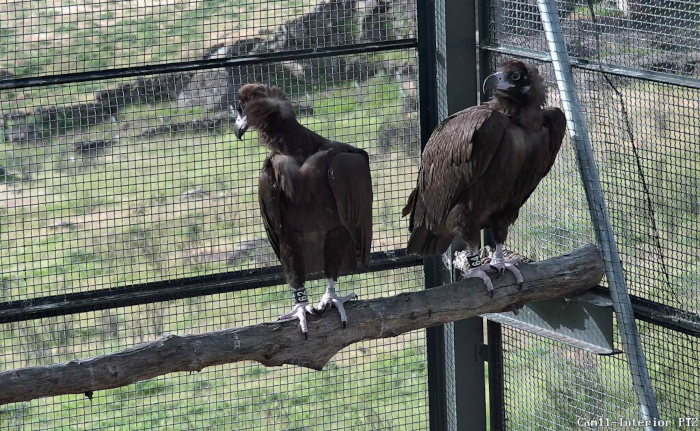
Five Cinereous Vultures have been released from an acclimatisation station in Portugal's Douro Internacional Natural Park, including a bird that survived being shot and carrying more than 22 pellets and projectile fragments.
The group - four males and one female - entered the wild on 6 October during an international workshop on vulture conservation, monitoring and threat detection. Palombar published the original Portuguese account on 21 October, followed by the Vulture Conservation Foundation a day later.
Four birds were juveniles rescued weak or malnourished in central Portugal during September and October 2025. They came from Escalhao, Torredeita, Santa Comba and Guarda and were rehabilitated at specialist wildlife centres before moving to the Douro station in March.
The fifth, named Pousio, hatched in the Vidigueira colony in 2024. It was shot while perched during its first flights away from the nest. Rehabilitation and several months in the large acclimatisation enclosure gave it a route back to the wild after injuries that might otherwise have ended its life.
Veterinarians examined all five birds before release and collected biological samples for future conservation research. Each vulture was already ringed and was fitted with a GPS/GSM transmitter by researchers from the University of Oviedo and Spain's CSIC-linked biodiversity institute.
Tracking showed that the birds initially stayed near the station before beginning exploratory flights across the natural park. Pousio caused early concern because its behaviour suggested difficulty adapting, but the project later reported more encouraging movements.
The outcome was not wholly positive. VCF reports that one member of the group died within days. Technicians were still assessing the evidence, but considered predation by another wild animal the most likely cause. That conclusion remained provisional at publication.
The release forms part of LIFE Aegypius Return, which is working to recover Europe's westernmost Cinereous Vulture population. Young rescued birds are introduced to local conspecifics, allowed to learn the landscape and then released gradually in an effort to encourage fidelity to the Douro.
The transboundary colony now holds ten breeding pairs: five in Portugal and five across the border in Spain's Arribes del Duero Natural Park. Only two pairs were present in 2019. Four vultures from earlier acclimatisation groups have settled permanently in the area, according to the project.
Those figures indicate growth but not security. The colony remains small and exposed to poisoning, shooting, collision, electrocution, food availability and the normal hazards faced by inexperienced birds. GPS data can reveal movements and deaths quickly, but cannot prevent every incident.
The latest release is therefore best viewed as a measured contribution to an existing wild colony, not a completed recovery. Its success will depend on survival, settlement, social integration and eventual recruitment into the breeding population over several years of close tracking.
23 Oct 2026
Get Breaking Birdnews First
Get all the latest breaking bird news as it happens, download BirdAlertPRO for a 30-day free trial. No payment details required and get exclusive first-time subscriber offers.