RBA Round-up: 30 Oct - 5 Nov
The days of autumn are spooling to a close now, and new birds were growing ever harder to find. A trickle of late-autumn warblers washed up on our shores, while the opportunity for notable passerines remained firmly in the gift of the wheatears, with several birds of several species brightening the daily reports. And then, as the week drew to a close, a small flurry of new birds…
For those of us sufficiently old and grizzled to recall the winter of 1993/94, mention of the discovery of Britain’s first Black-faced Bunting overwintering in Pennington Flash CP (Greater Manchester) on 8th March 1994 may still elicit some memories. It seemed preposterous at the time and, in the context of a thriving cage-bird trade importing passerines from Asia into western Europe, there was some scepticism expressed about the bird’s authenticity. It seemed… both possible and yet so very far-fetched that an eastern bunting, hitherto unheard of in this part of the world, should be wintering in Leigh.
While of course any bird that’s at least technically feasible (and even some that aren’t) will always attract its admirers straight out of the blocks in the first days of its stay, there were certainly those of our tribe who didn’t exactly hurry along to Pennington Flash CP. As the bird’s stay extended late into April, more of us checked in with it, the words ‘insurance tick’ being bandied around freely.
Nonetheless, there were some who didn’t go for it, for whom BOURC’s admission of Black-faced Bunting onto Category A of the British List in 1998 may have stung a little. A subsequent one-day bird in October 1999 in Northumberland did little to suggest there’d be many more opportunities forthcoming to connect with one. And then the new century dawned and three more birds came in fairly quick succession between 2001 and 2004. Something seemed to be changing… Then nothing until 2016 – ten years ago – at which point they started to be found with increasing frequency until the present day. For the past five years, since 2022, they’ve been an annual autumn find in Britain. That’s the sort of frequency we once used to associate with Yellow-breasted Bunting, before things went tragically wrong for that species – and to put that comparison into perspective, since 2016 there’ve been a mere three of the latter species seen in Britain.
And this year, there’s been two Black-faced Bunting in Shetland alone, the latter of which was trapped and ringed on Fair Isle on 3rd, remaining on the isle the following day. Never mind Yellow-breasted Bunting – that’s the same number of Black-faced Bunting as Rustic Bunting this autumn on Shetland.
Their status has firmly changed in these parts, and the species is very much in the realms of reasonable fantasy for anyone working an eastern coastal beat in the autumn. Surely one of these days another wintering bird will be found on the British mainland? It doesn’t seem unlikely at all nowadays.
We had fair reason to hope for a Crag Martin this week when news percolated our way of a bird seen in Belgium heading northwest over Zeebrugge on 31st. If one was a betting man, and assuming that powerful flying bird zipped straight across the North Sea, someone on the Norfolk coast was going to score…
As it happened, they didn’t. But that’s not to say that the bird didn’t make it to Britain – or if not the self-same individual, another of its kind. In the afternoon of 5th a Crag Martin brought birding fireworks to Dundee (Angus), showing well at Cox’s Stack, a first record for mainland Scotland, let alone Angus.
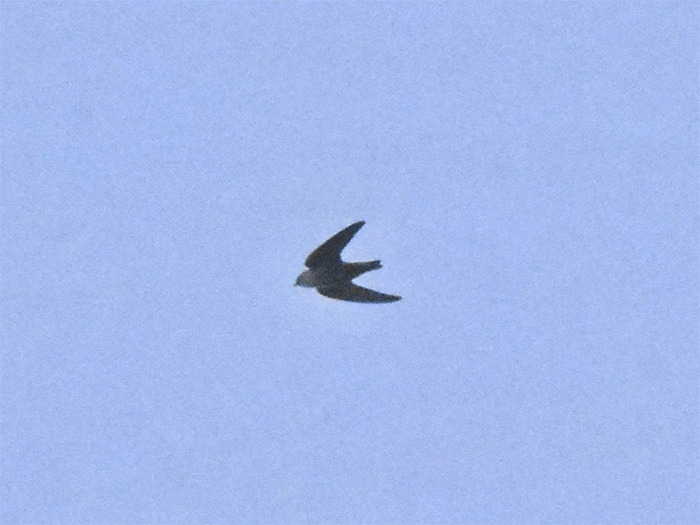
For those able to get there in the fading hours of daylight, a major bird. And one that will surely prove popular for Scottish birders from further afield should it hang on into the coming week.
As the week came to a head on Wednesday and Thursday there was a sense of mounting imminence. Numbers of Hume’s Warbler were picking up, the rare wheatears kept coming thick and fast… surely the week had one more big roll of the dice to play?
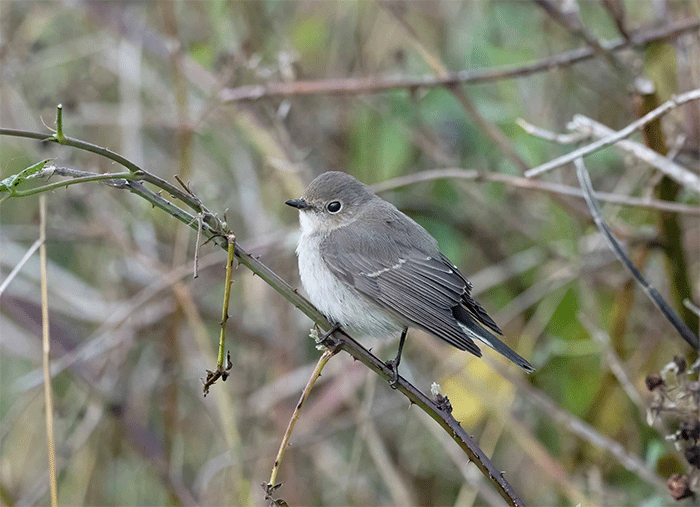
And so it did, with East Yorkshire once again pulling a rabbit out of the hat on 5th in the form of a Taiga Flycatcher at Kilnsea in the late afternoon. East Yorkshire has quite some form in regard of this enigmatic flycatcher, with almost half of all our past accepted records to date coming from there, the most recent a long-staying bird in October and November 2021 at Flamborough. Will this week’s late arrival stick around? Watch this space.
Once again, star billing among the seabirds this week goes to the returning adult Pacific Diver still present at Crookhaven (Co.Cork) on 20th-2nd.
A probable White-billed Diver was noted passing Filey (North Yorkshire) on 2nd; and a confirmed bird at Fife Ness (Fife) on 1st.
Around 150 Little Auk were logged around Britain and Ireland during the course of the week.
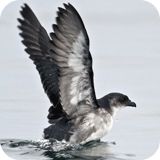
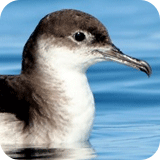
Once again, a dozen sporadic Balearic Shearwater were seen across the region. Our sole large shearwater were the Cory’s Shearwater seen off North Foreland (Kent) on 3rd and Sheringham (Norfolk) on 4th, with a possible in Essex on 4th at Frinton-on-Sea.
Numbers of Leach’s Petrel took a tumble, high pressure and still conditions clearly not conducive to throwing birds within sight of land – a little over a dozen were recorded during the week.
Skuas proved nowhere near so temperamental, with some 95 Pomarine Skua reported including 14 from Holme (Norfolk) on 2nd; and a dozen Long-tailed Skua putting a late cherry on the seawatching cake.
After an absence for a while, a couple of sightings of Purple Heron gave us some notable long-legged beasties this week. One was seen at Sondes Place Fields in Dorking (Surrey) on 30th; while Norfolk gave us an eastbound bird seen in flight at Titchwell RSPB and near Gramborough Hill on 31st.
Down on Scilly, the juvenile Sora remained present on St Mary’s on 31st-1st.
A good dose of variety and colour once more this week among the honkers and quackers and, as is our wont, we start with The Goose Formerly Known As Canada - Cackling Goose were seen at Loch Gruinart RSPB on Islay (Argyll &Bute) on 30th-31st, and at Holkham Freshmarsh (Norfolk) on 3rd.
The early winter Ross’s Goose show continued apace – birds were seen again in Highland & Caithness at Kiltarlity on 30th-31st, and Redcastle on 1st; and in Lancashire & North Merseyside again at Lunt Meadows LWT and Rainford on 1st, and near Hightown on 2nd.
A probable Snow Goose was seen flying west over Cromer (Norfolk) on 31st.
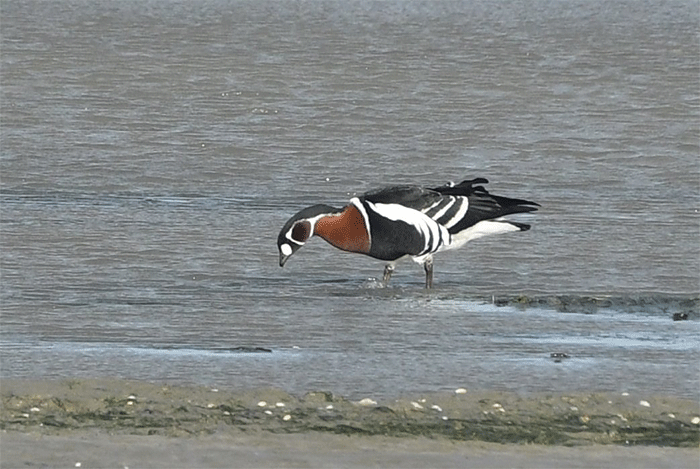
Scottish sightings of Red-breasted Goose came this week from Argyll & Bute, on Islay on 30th-4th still, and at Pettinain (Clyde) on 4th-5th, where two birds were seen. Down south, one was present on the north Kent coast at Seasalter on 2nd.
Seasalter also scored itself Black Brant on 1st, with two birds present there that day. Additional birds this week were found in East Yorkshire at Easington Straight on 1st and Beacon Ponds NR on 2nd-3rd; and at Cley NWT (Norfolk) on 3rd.
American Wigeon numbers rose, with 10 birds logged in Britain during the week. Numbers of Green-winged Teal picked up, with the bird still present at Chew Valley Lake (Somerset) on 31st-1st joined in the news by further individuals at Milton of Culloden (Highland & Caithness) on 30th, and St John’s Loch (Highland & Caithness) on 31st.
In Essex the first-winter drake Ferruginous Duck was again seen at Abberton Reservoir on 30th-31st; Norfolk provided a drake again on Rollesby Broad on 2nd-5th, a female on Filby Broad on 5th, and a female / first-winter drake at Cantley Beet Factory on 1st; and another was reported from Hampshire at Normandy Lagoon on 1st.
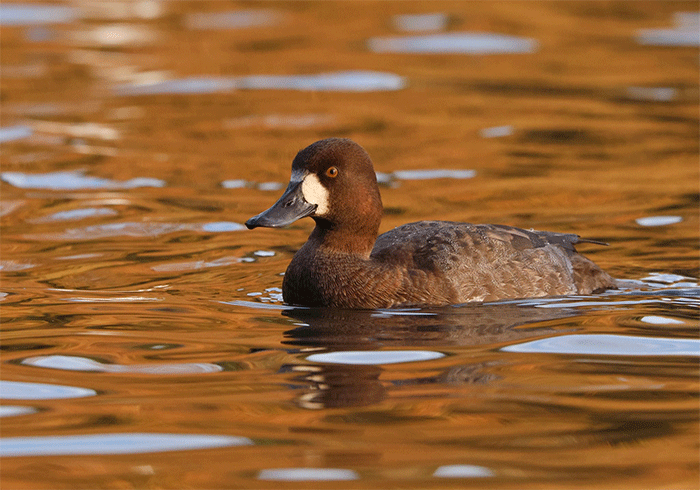
Abberton Reservoir (Essex) also enjoyed a drake Lesser Scaup on 3rd; while a first-winter female was seen on 31st-3rd and again on 5th in Glamorgan at Gnoll CP; and a further bird was reported from Portstewart (Co.Derry) on 5th.
A shade over a dozen confirmed Ring-necked Duck were seen this week, with two again at Boscathnoe Reservoir (Cornwall) on 3rd-5th notable – potentially Cornwall claimed a bigger scalp this week, with six birds reported at Helston Boating Lake on 31st.
Surf Scoter were well-scattered this week. Starting in Scilly, one was again seen off Tresco on 30th, and from St Mary’s on 5th; in Wales the drake remained off Old Colwyn (Conwy) on 30th-2nd; and one was seen in Scotland from Ferny Ness (Lothian) on 3rd. Lastly, in Ireland single birds were seen from Cruisetown (Co.Louth) on 1st, Rossnowlagh Beach (Co.Donegal) on 2nd, and Kinvarra (Co.Galway) on 3rd-4th.
Highland & Caithness gave us King Eider at Golspie on 30th, and Loch Fleet on 1st again. Finally in Shetland the female remained in Lerwick harbour on 2nd.
We should start the weekly waders in Shetland where numbers of American Golden Plover just kept on climbing, starting with two present at Pool of Virkie on 31st-2nd, joined by a third individual there on 3rd; unfortunately there was no sign of the third bird after that, with just two still present there on 5th. Elsewhere birds were seen at Cemlyn Bay (Anglesey) still on 30th-31st, on Holy Island (Northumberland) on 5th, and in Ireland at Lough Beg (Co.Derry) on 30th-3rd, Cashen Estuary (Co.Kerry) on 31st, Black Rock Strand (Co.Kerry) on 3rd, Kincasslagh (Co.Donegal) on 4th, and Lady’s Island Lake (Co.Wexford) and Harper’s Island (Co.Cork) on 5th. One was reported heard only in Cornwall at Skewjack on 31st.
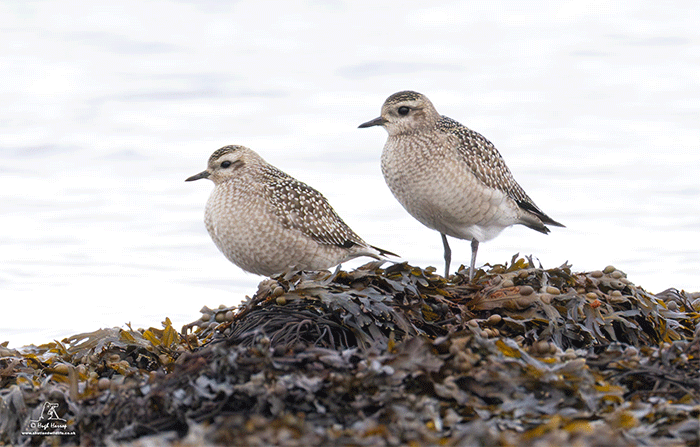
The adult Pacific Golden Plover was again seen at Western Yar Estuary (Isle of Wight) on 30th and 3rd, with an appearance in between in Hampshire at Keyhaven Marshes on 1st.
Late Dotterel were on Scilly on Tresco on 31st and St Mary’s on 3rd-4th; and in Lincolnshire at Alkborough Flats NR on 3rd.
On Scilly the probable Wilson’s Snipe was again seen on St Mary’s at Lower Moors on 31st.
A Long-billed Dowitcher was at Harper’s Island (Co.Cork) on 2nd-4th.
A Greater Yellowlegs found in East Yorkshire at Sammy’s Point and Skefflington on 31st would have been, as a county first, considerably more popular had it stuck around a little longer. One to keep fingers crossed for a re-find over the coming week…
Lesser Yellowlegs meanwhile were the preserve of Ireland – birds were noted at Kilbrittain (Co.Cork) on 31st; Broadmeadows Estuary (Co.Dublin) on 1st-5th; at Tacumshin (Co.Wexford) on 3rd-5th; and Harper’s Island (Co.Cork) on 5th.
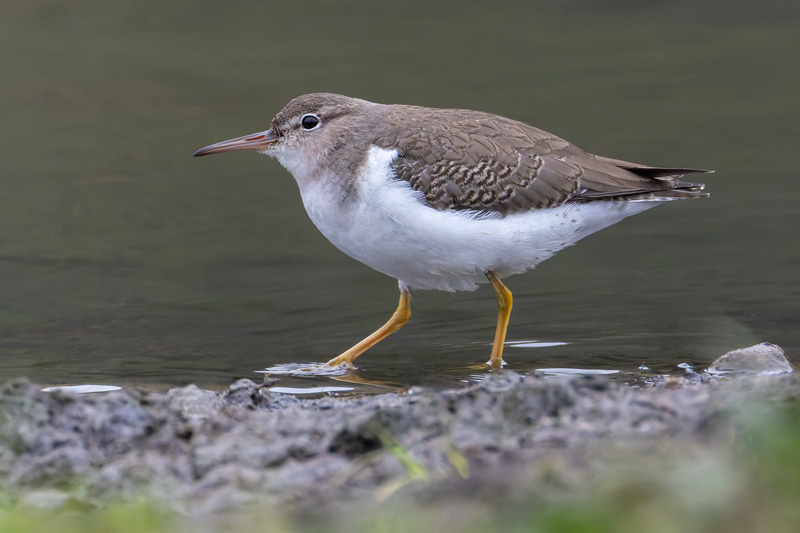
In West Yorkshire the juvenile Spotted Sandpiper remained settled at Nostell Priory on 30th-5th.
Numbers of White-rumped Sandpiper picked up anew this week, with a little over a dozen birds logged – pick of them were four seen at Myroe Levels (Co.Derry) on 1st, while two were present at Tacumshin (Co.Wexford) on 31st.
Myroe Levels (Co.Derry) also enjoyed a Baird’s Sandpiper there on 1st-4th; while one was once more to be seen in Essex at Abberton Reservoir on 31st-5th.
The Semipalmated Sandpiper remained in Co.Kerry at Blennerville on 31st.
A Buff-breasted Sandpiper was once again seen in Shetland on Mainland at Fleck on 30th; and another in Co.Clare at Loop Head on 3rd.
Just one Pectoral Sandpiper showed up this week, seen on South Uist (Western Isles) on 1st.
And finally, Grey Phalarope - only modest numbers of them in recent days, with almost 40 birds logged around Britain and Ireland as a whole.
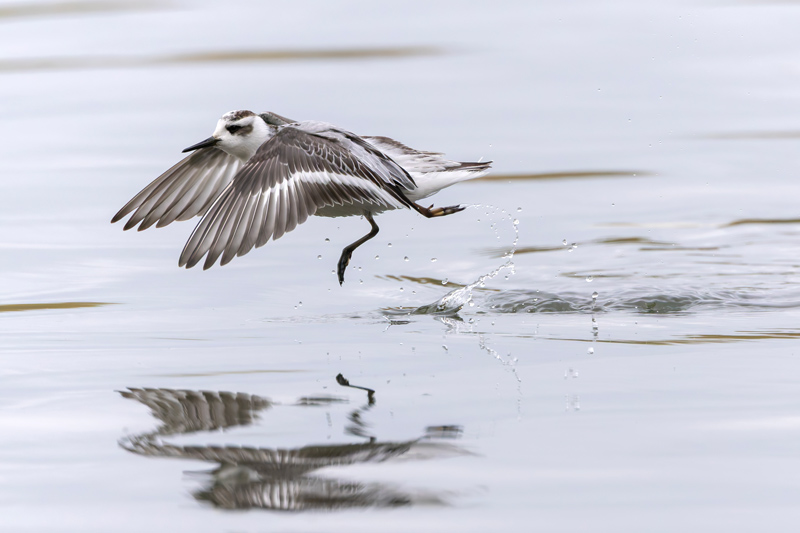
With the drop in Grey Phalarope came a corresponding fall in numbers of Sabine’s Gull - a mere handful seen in recent days. One began the week still present at Stanford Reservoir (Northamptonshire) on 30th, with birds that day also seen at Cley NWT (Norfolk) and Bridges of Ross (Co.Clare); on 31st, another Norfolk sighting at Titchwell RSPB and in East Yorkshire at Flamborough; on 3rd at Cromer (Norfolk), Southwold (Suffolk), and Canvey Island (Essex); and on 4th past Amble harbour (Northumberland).
The week was, however, a busy one for sightings of Bonaparte’s Gull. One was again seen in Northumberland at Stag Rocks on 2nd-4th, after a sighting on 31st at Ross Back Sands; in Angus, sightings came from Scurdie Ness on 30th and 1st, Ferryden on 31st, and Montrose on 2nd-3rd; and in Hampshire at Fishlake Meadows HIWWT on 31st.
The second-winter Ring-billed Gull was seen again at Barnaderg Bay (Co.Galway) on 30th; and a possible was seen in Cornwall at Mevagissey on 30th.
A Glaucous Gull was seen in Northumberland at Beacon Point on 3rd.
Wrapping up the gulls, an Iceland Gull was seen on Mull (Argyll & Bute) on 30th.
In Wales the adult female Pallid Harrier was still to be seen at Llanrhidian Marsh (Glamorgan) on 30th-5th; while a juvenile was present on Anglesey at Cors Ddyga RSPB on 2nd-4th. A juvenile male was seen in Lancashire & North Merseyside near Croston Moss on 31st, at Croston Moss on 2nd-3rd, and Mawdesley Moss on 4th-5th. A final bird for the week was seen in Orkney on Sanday on 30th.
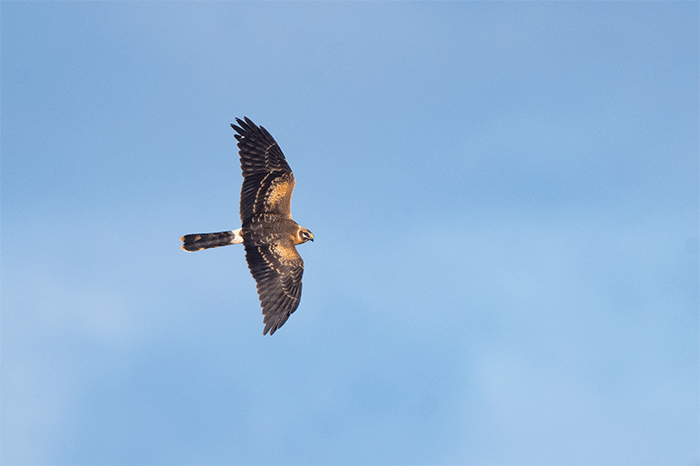
In Wales a Black Kite was present at Mynydd Mawr (Gwynedd) on 31st; and one was seen at Thornton (East Yorkshire) on 4th.
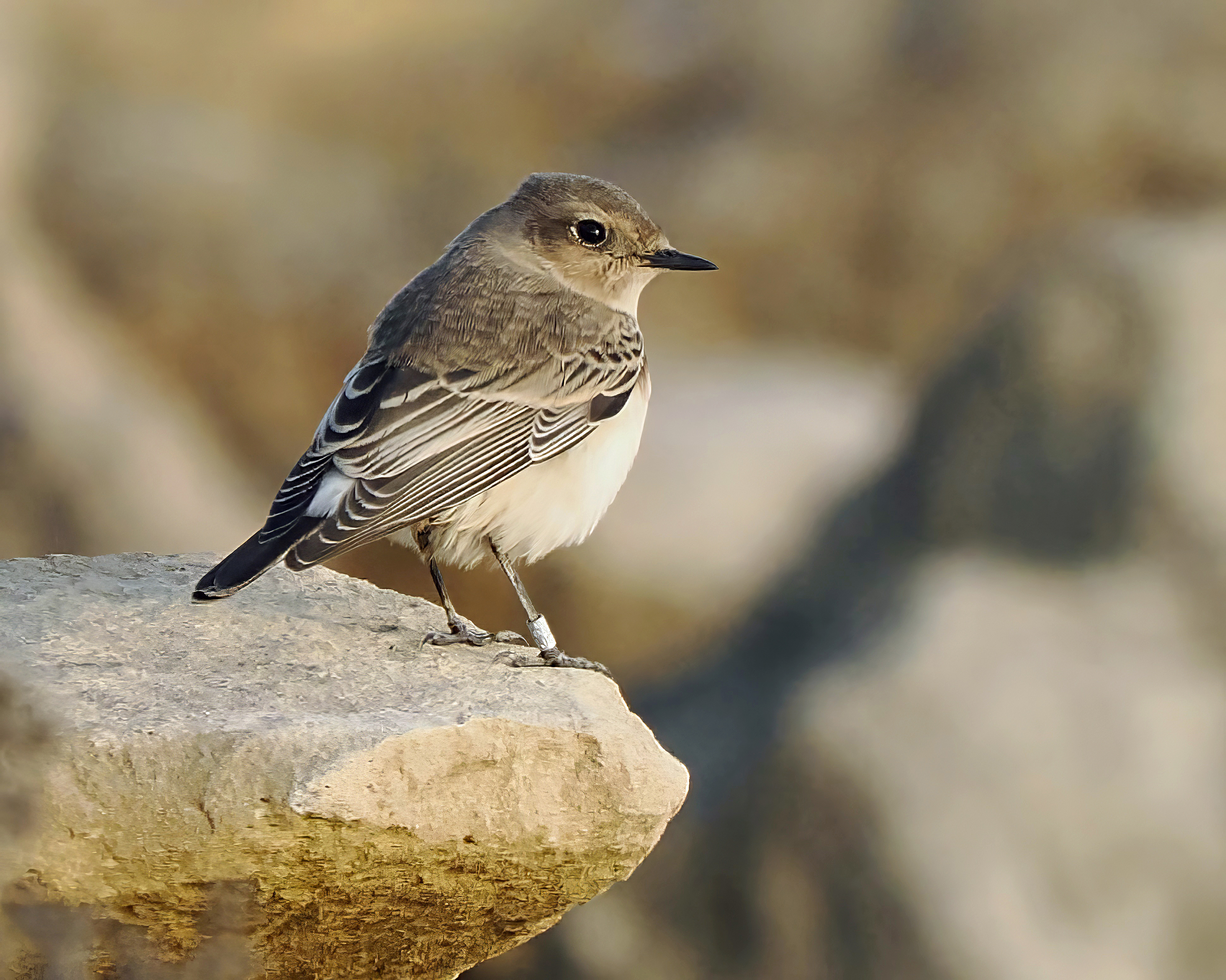
Once again, the week very much belonged to rare wheatears, with a super selection out there for the finding. Scarcest of the bunch for the year to date were the Pied Wheatear up on Orkney Mainland at Sandside Bay on 1st-4th, and on 4th-5th at Filey (North Yorkshire) and Sammy’s Point (East Yorkshire), the latter bird trapped and ringed.
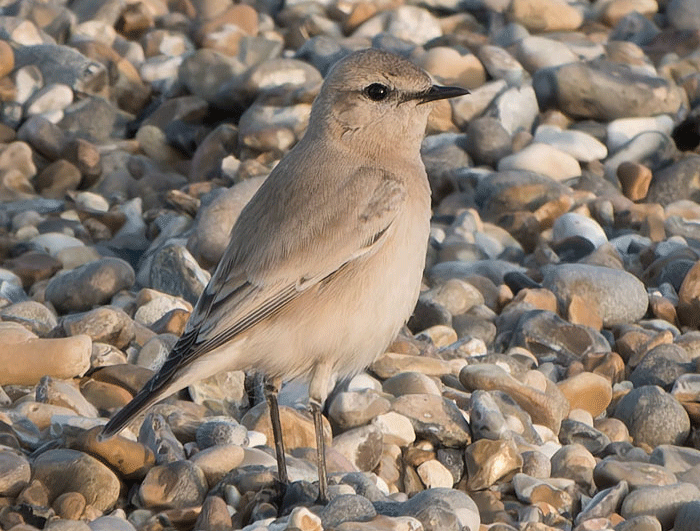
Isabelline Wheatear were seen in Norfolk at Kelling Quags on 30th and Kelling Hard on 31st-1st; on Skokholm (Pembrokeshire) on 31st; at Dungeness (Kent) on 3rd; on 5th at Mains of Slains (Aberdeenshire); with a probable at Pakefield (Suffolk) on 2nd also.
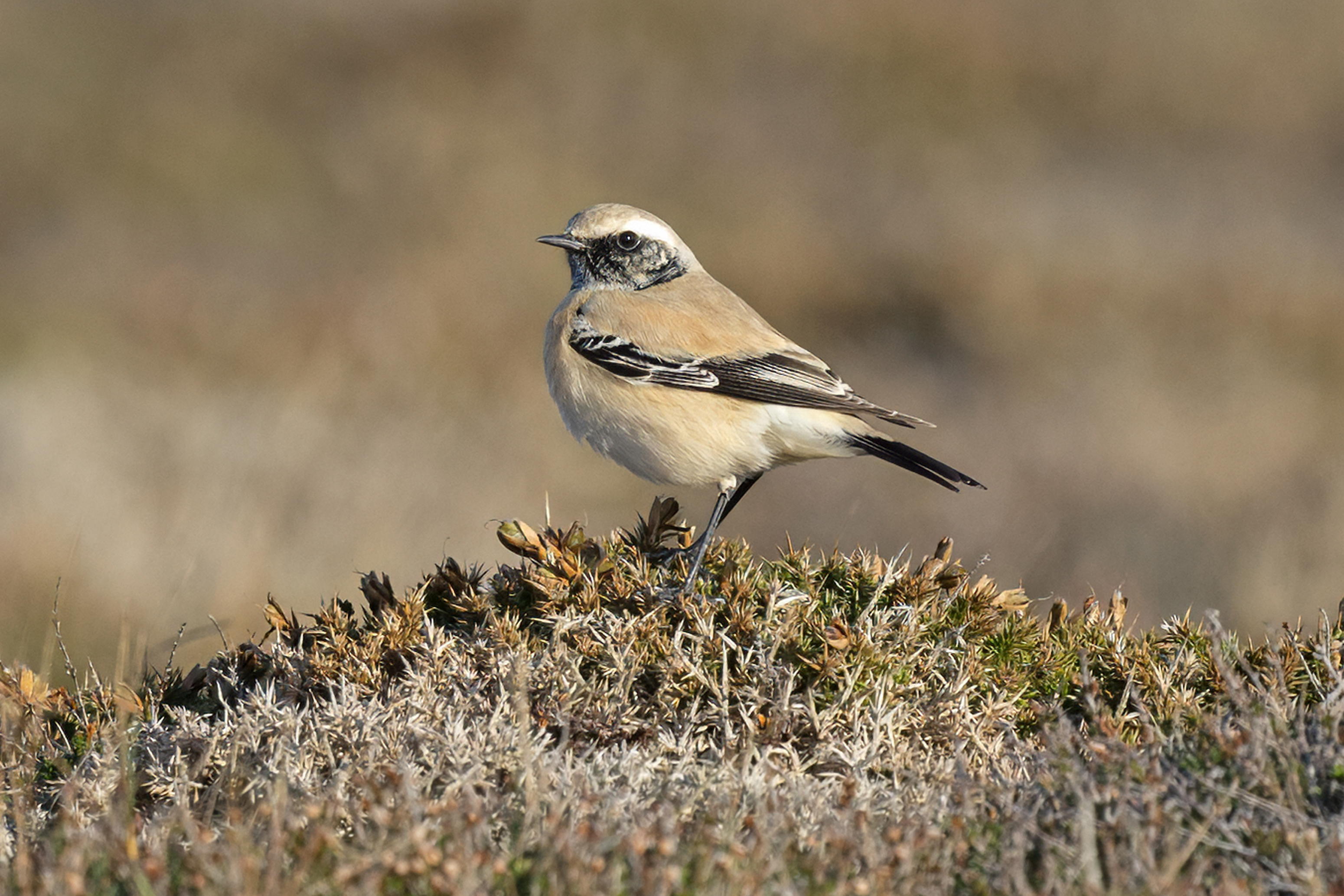
And didn’t we say last week there should be plenty more Desert Wheatear? And there certainly were, the length of Britain. The week began on 30th with birds at Kessingland (Suffolk), Rye Harbour NR (East Sussex), and Brimham Rocks (North Yorkshire); then on 31st-1st at St Agnes Head (Cornwall); on The Lizard (Cornwall) on 1st at Kynance Cove; at Weston Shore (Hampshire) on 3rd; on Fair Isle (Shetland) on 4th-5th, and at Spurn (East Yorkshire) on 4th-5th; and on 5th at Ballycotton (Co.Cork).
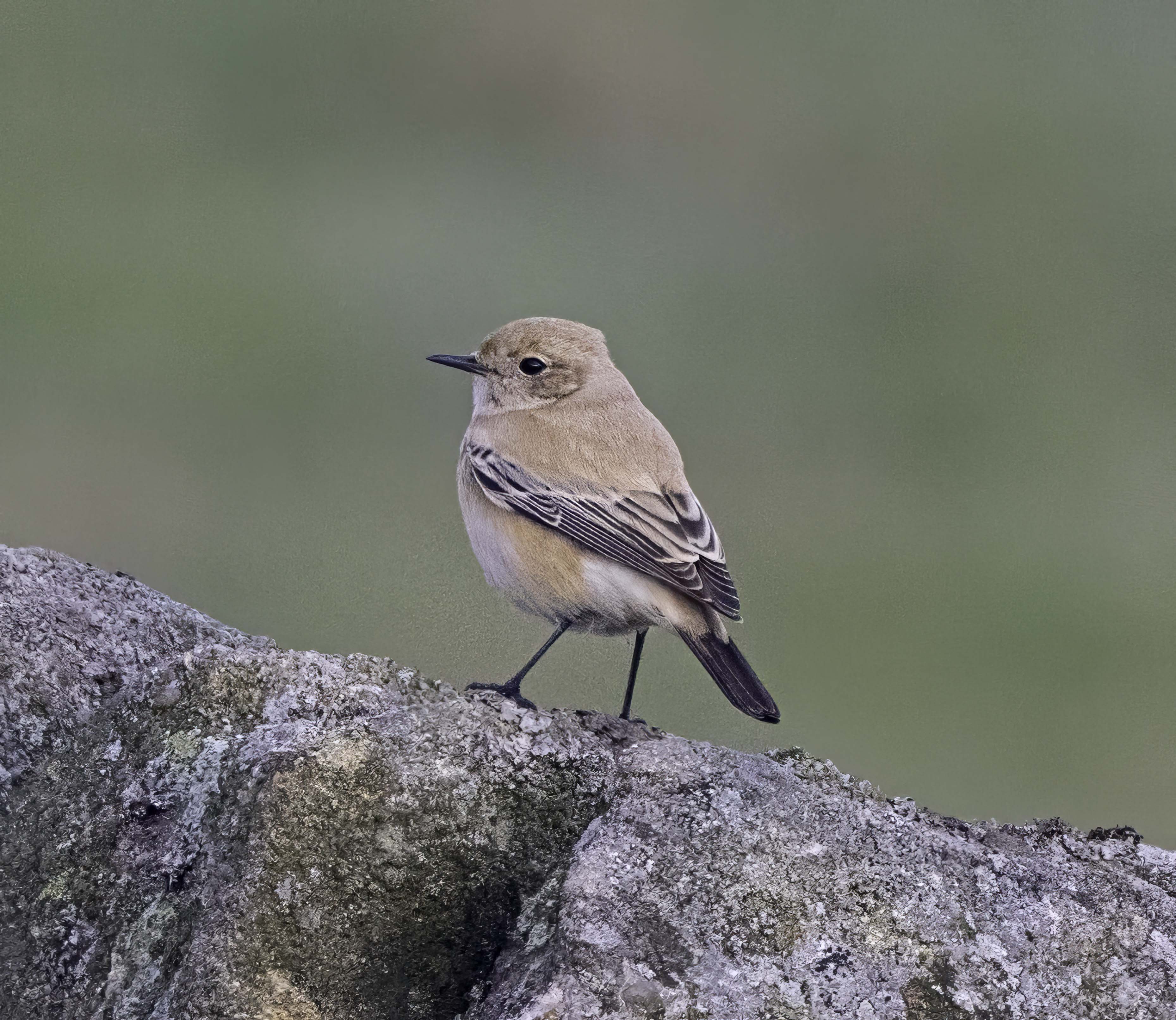
Siberian Stonechat sp were found this week on Portland (Dorset) on 30th, on Yell (Shetland) on 31st, at Burnham Overy Dunes (Norfolk) on 5th, and at Easington (East Yorkshire) on 3rd-5th, the latter considered a probable Amur Stonechat.
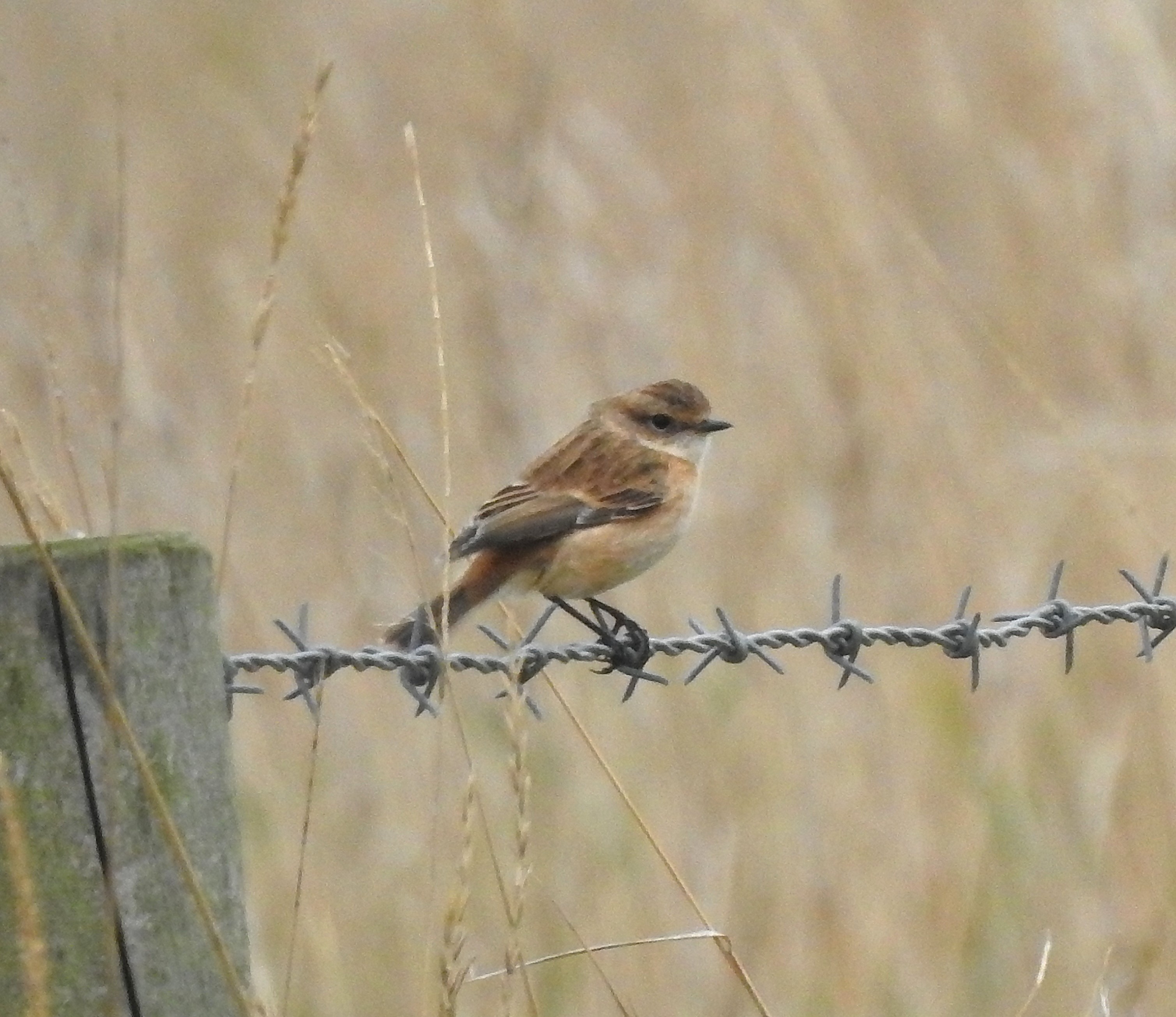
An Eastern Black Redstart was found at Anderby Creek (Lincolnshire) on 5th.
The recent Red-flanked Bluetail remained at Swining on Shetland Mainland on 1st-3rd.
A Bluethroat was seen on Unst (Shetland) on 31st.
A Red-breasted Flycatcher remained on Cape Clear (Co.Cork) on 30th-31st, and another was seen in Co.Cork on Mizen Head on 31st.
Warblers next. Numbers of Yellow-browed Warbler remained light, with some 40 birds logged in total around Britain and Ireland. A handful of their greyer casted counterparts, Hume’s Warbler, were found however – in Suffolk at Southwold on 30th-2nd and near Sizewell on 2nd and 4th; in Norfolk at Holkham Pines on 3rd-5th; trapped and ringed in East Yorkshire at Buckton on 3rd-4th; one by Cornelian Bay (North Yorkshire) on 4th; on 5th, two at Walberswick NNR (Suffolk), and single birds at Kilnsea (East Yorkshire), Gibraltar Point NNR (Lincolnshire), and Great Yarmouth (Norfolk); and still present on Fetlar (Shetland) on 30th-5th.
Brighter altogether, a small arrival of Pallas’s Warbler were found during the week – in Essex at The Naze on 30th; at Kingsdown (Kent) on 31st-1st; on Portland (Dorset) on 31st; at Eastbourne (East Sussex) on 31st; on 1st in Kent in Ramsgate; on 3rd-4th in East Yorkshire at Spurn; at Donna Nook (Lincolnshire) and Holy Island (Northumberland) on 4th; and on 5th at Kilnsea (East Yorkshire) and Holkham Pines (Norfolk). A possible was reported, heard only, in Norfolk on 3rd at Holkham Park; and a further possible on 5th at Richmond East (North Yorkshire).
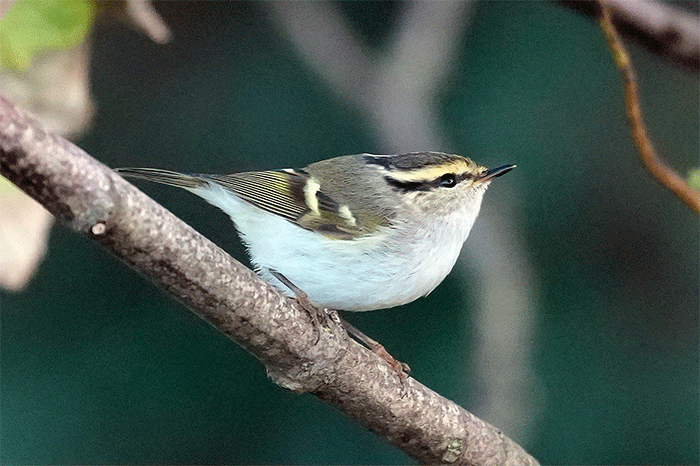
Up on Shetland the Western Bonelli’s Warbler remained on Mainland at Frakkafield on 31st-1st. A Bonelli’s Warbler sp was found in East Yorkshire at Easington on 5th.
Shetland also enjoyed a couple of Dusky Warbler - one on Whalsay on 31st-3rd, and another on Fair Isle on 31st-2nd. Further birds were found this week on 3rd-5th on St Mary’s (Scilly), on 3rd-5th at Spurn (East Yorkshire); on 4th at Donna Nook (Lincolnshire); on 5th at Blackhall Rocks (Co.Durham) and Flamborough (East Yorkshire); and on Brownstown Head (Co.Waterford) on 1st.
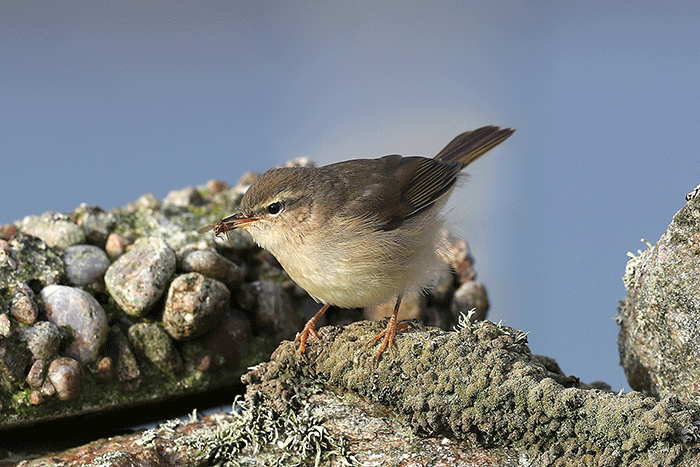
A Radde’s Warbler was seen on Inishbofin (Co.Galway) on 31st-1st.
A handful of Barred Warbler kept the autumn vibes alive – seen on Shetland Mainland in Lerwick on 1st-5th, and Scalloway on 3rd; on Isle of May (Fife) on 30th-31st; on Helvick Head (Co.Waterford) on 31st; and on Rathlin Island (Co.Antrim) on 31st.
A Subalpine Warbler sp was a late surprise on Coquet Island (Northumberland) on 4th.
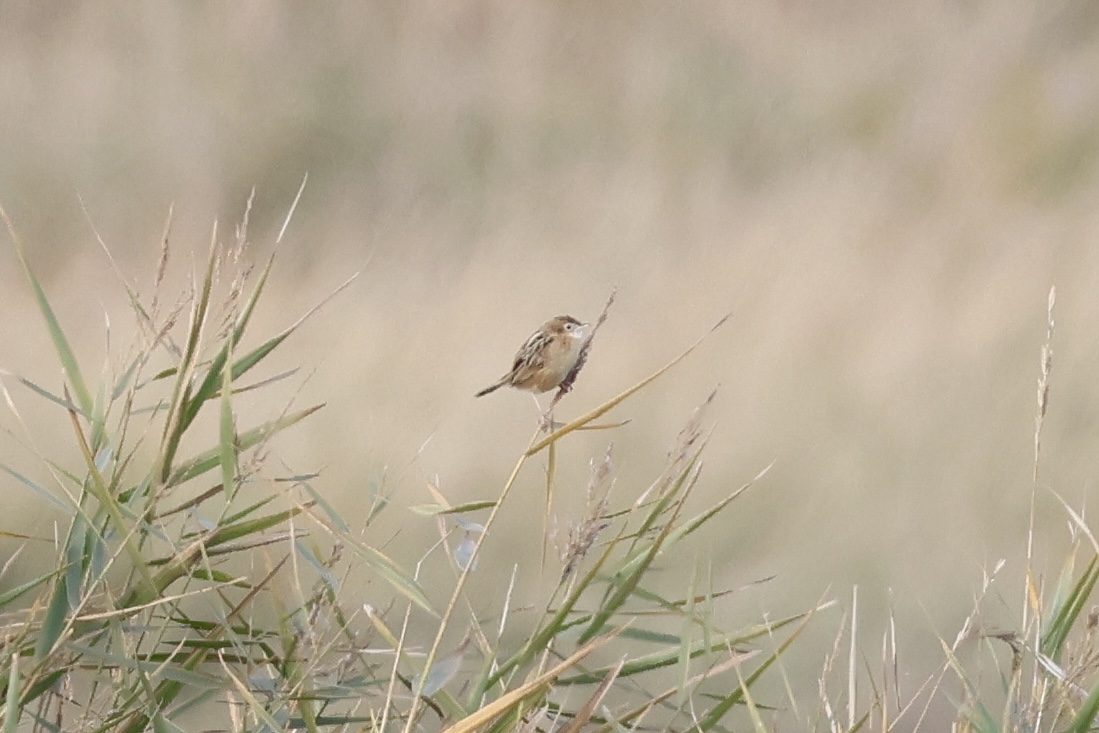
A reminder of one recent warbler colonist came from Suffolk, where six Zitting Cisticola remained at Walberswick on 30th.
Ten Great Grey Shrike were seen during the week, including more birds back on traditional sites, in addition to the recently arrived individual at Thursley Common (Surrey) still on 31st-5th; one was present at Llyn Brenig (Denbighshire) again on 30th-2nd; and one was reported from Pig Bush (Hampshire) on 30th.
As the week drew to a close, an example of erstwhile mega Brown Shrike was found in Highland & Caithness at Braemore on 4th-5th.
An Isabelline Shrike sp was found on 4th at Filey (North Yorkshire).
The prior week’s northern Hoopoe remained on Unst (Shetland) on 30th-1st; additional birds being found in recent days at Bilston (Lothian) on 1st, Aberdour (Fife) on 1st, near Crocketford (Dumfries & Galloway) on 1st, on 3rd at Spurn (East Yorkshire), and on 4th at Hucking (Kent).
A late Wryneck was seen at Fishguard (Pembrokeshire) on 31st.
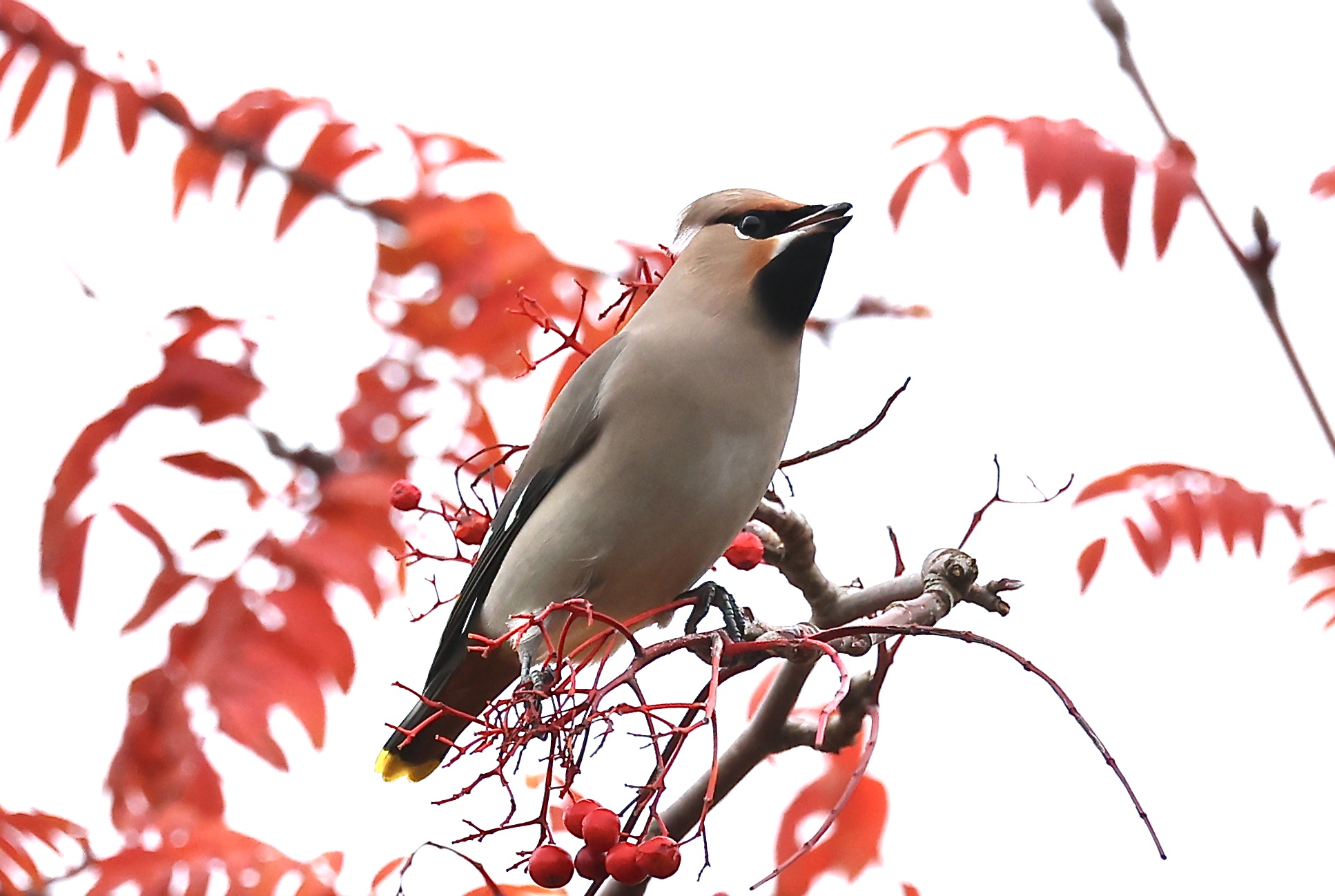
Just over 250 Waxwing nationwide mirrored the influx of their kind into Europe as a whole – the week’s peak count here being 25 birds near Low Newton-by-the-Sea (Northumberland) on 3rd.
In Norfolk, the juvenile Rose-coloured Starling remained in Norfolk at Happisburgh on 30th-4th.
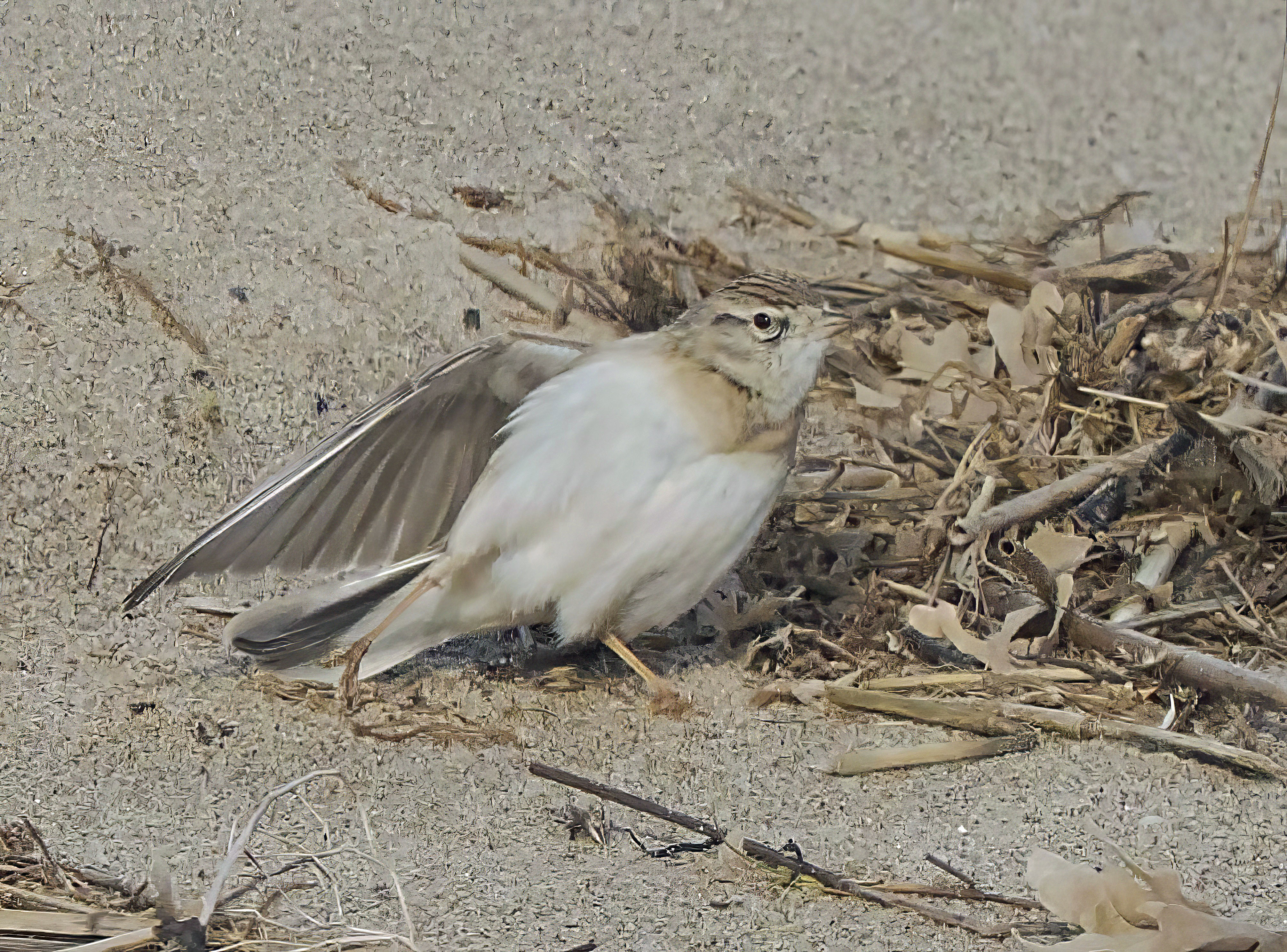
A possible Short-toed Lark was seen in Cornwall at Trevilley on 31st, followed by confirmed birds at Spurn (East Yorkshire) on 3rd-4th, and over North Ronaldsay (Orkney) on 5th.
Down in Kent, two Penduline Tit turned up at Reculver on 30th.
Scilly was set to enjoy an excellent day for rare pipits on 1st, with the best of them being a Blyth’s Pipit found on St Mary’s. Scilly’s had a good run of the species in recent years, this week’s bird taking the archipelago into double figures as a whole, representing a third of all British records to date. Another was found the following day in East Yorkshire on Spurn in the late morning, but this one wasn’t to prove obliging, it not being seen again as the afternoon wore on.
After what’s already been a decent autumn for their kind, an American Pipit was also found on St Mary’s (Scilly) on 1st.
Fair Isle (Shetland) meanwhile began the week with an Olive-backed Pipit still present on the island on 31st; and ended it with it or another on there on 5th also.
Some half a dozen Richard’s Pipit were a fair haul for the week – one came in off the sea at Flamborough (East Yorkshire) on 31st, with another that day at Kelling Water Meadow (Norfolk); one passed over Kynance Cove (Cornwall) on 1st, with another in the county on 2nd at Trevilley; one was reported in Cornwall at Pendeen on 3rd; and another seen on 3rd at The Outstrays NR (East Yorkshire). On 4th one was again seen at Flamborough, and a probable at Low Newton-by-the-Sea (Northumberland).
A possible Citrine Wagtail (or Eastern Yellow Wagtail) was seen at Balcomie (Fife) on 31st.
Common Rosefinch were found in recent days on Tresco (Scilly) on 30th, and at Connor Downs (Cornwall) on 2nd.
Two Serin remained on St Agnes (Scilly) on 30th.
An
Best of the buntings, the Chestnut Bunting remained on Unst on 30th, albeit horrendously elusive and seen only fleetingly.
A Rustic Bunting was found on Tory Island (Co.Donegal) on 2nd.
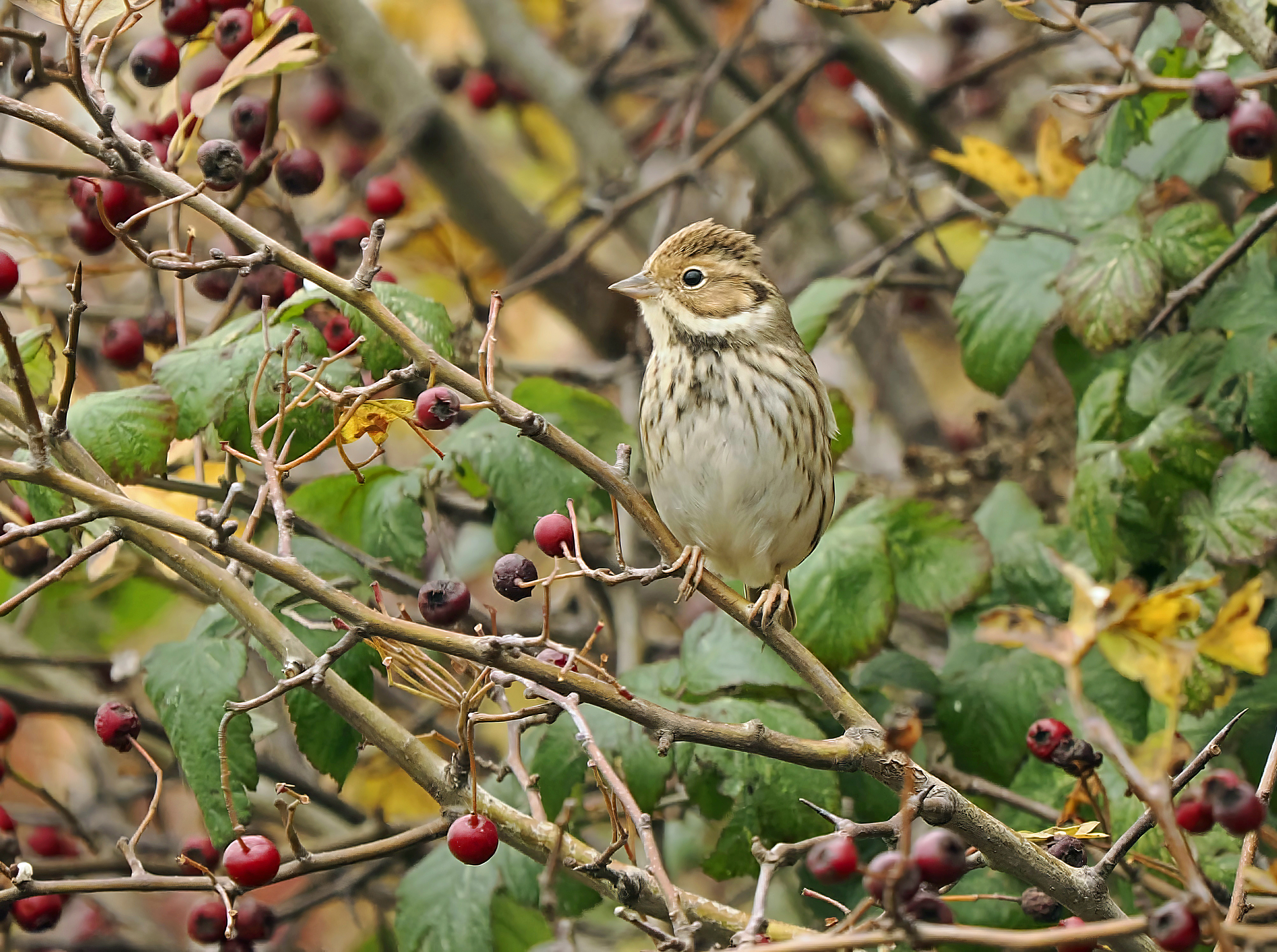
Little Bunting were to be seen on 1st on St Mary’s (Scilly), on 1st-2nd at Kynance Cove (Cornwall), on 3rd at Trevilley (Cornwall), and on 3rd also on Bressay (Shetland), in East Yorkshire at Flamborough on 4th, on 4th-5th in Norfolk at Stiffkey, and on 5th at Kilnsea (East Yorkshire).
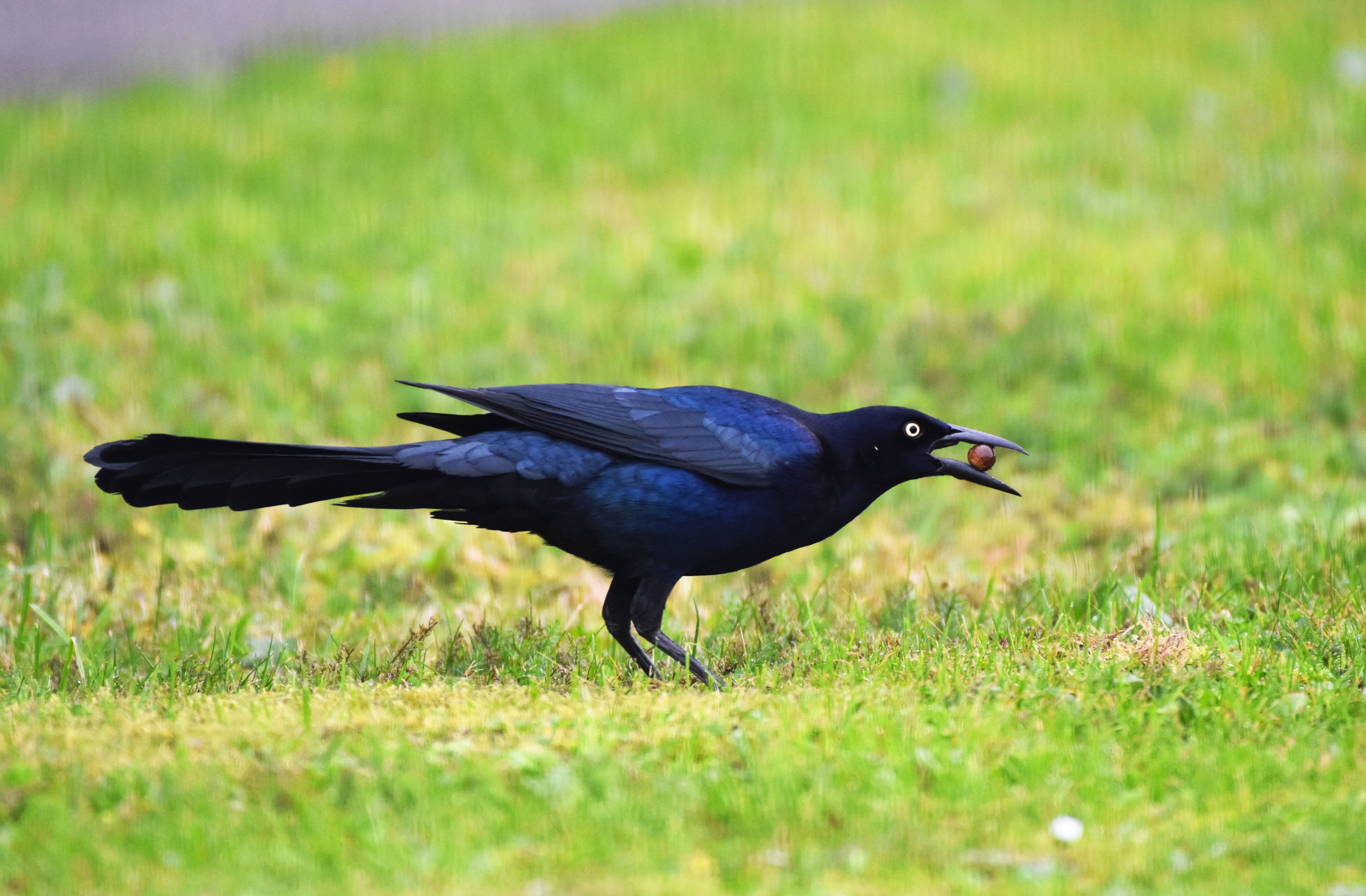
In Lancashire & North Merseyside the adult male Great-tailed Grackle remained at Garston Coastal Reserve on 31st-5th.
As mentioned up in the headlines, first clues this week of what might be bound our way came on 31st with the departure of a Crag Martin from Zeebrugge, heading northwest out to sea through Belgian airspace. More auguries shortly…
Up on Iceland the drake White-winged Scoter remained off Reykjavik on 31st also.
Out in Israel, the recent Pied Bushchat remained at Eilat on 30th.
And now, let’s talk about Sweden. Having quite the week, Sweden, where Asian Desert Warbler was concerned, with sightings coming from Skarsand on 26th-29th, Grunnet on 28th-1st, and Hagby Udd on 1st. Straws blowing in the wind to pay attention to?
Well now, what to make of the second week of November when it looks set this fair?
That’s looking like a lot of lovely light easterlies and south-easterlies coming our way, almost without interruption, right the way through to next Thursday. That’s surely good for some late action…
More Desert and Pied Wheatear feel like they’re approaching a mere formality. Ditto Hume’s and Dusky Warbler. Given recent events, one wouldn’t bet against another Nutcracker either… but what else could all this mean for us?
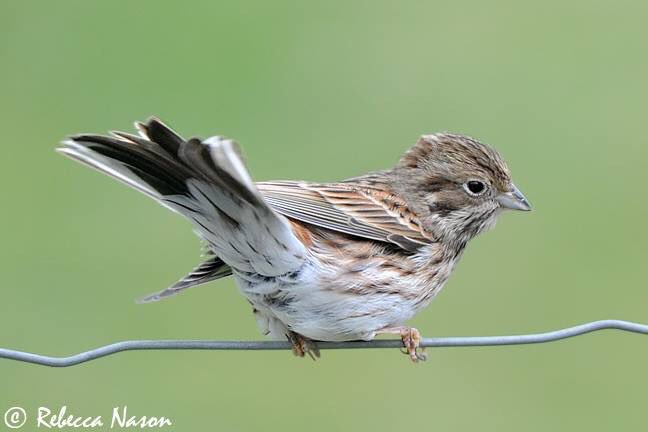
How about another bunting, and a classic late autumn one at that… Here’s to a Pine Bunting pitching down on the east coast this coming week.
Jon Dunn
6 Nov 2026
Many thanks to all this week's contributors for your photos and videos.
Get Breaking Birdnews First
Get all the latest breaking bird news as it happens, download BirdAlertPRO for a 30-day free trial. No payment details required, and get exclusive first-time subscriber offers.
Share this round-up