



Weekly birding round-up: 7 - 13 Aug
If we set aside a presumably ship-assisted bird, lingering rarities made the running this week, with a scatter of scarce migrants to leaven the mix. A quiet-ish week, really, unsurprisingly. Autumn is just getting under way, after all. There’s still plenty of time for fireworks.
Just when the week was closing and feeling fairly quiet and settled, news broke of potentially a massive bird – a Yellow-throated Warbler at an inaccessible, presumably dockside, location in Liverpool Docks (Lancashire & North Merseyside) in the evening of 13th.
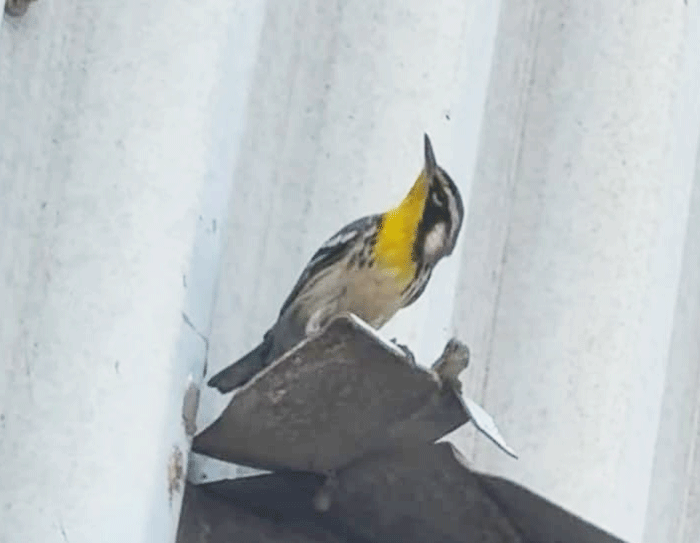
Were this on Scilly or Shetland, or somewhere in the Irish west, and not in an industrial context, we might be eulogising said bird right now. But in a dockland setting? One guesses it depends on your feelings about the acceptability and extent of ship assistance for your rarities, but a bird in an actual port feels inherently like rather a big pill to swallow. Then again, it’s your list…
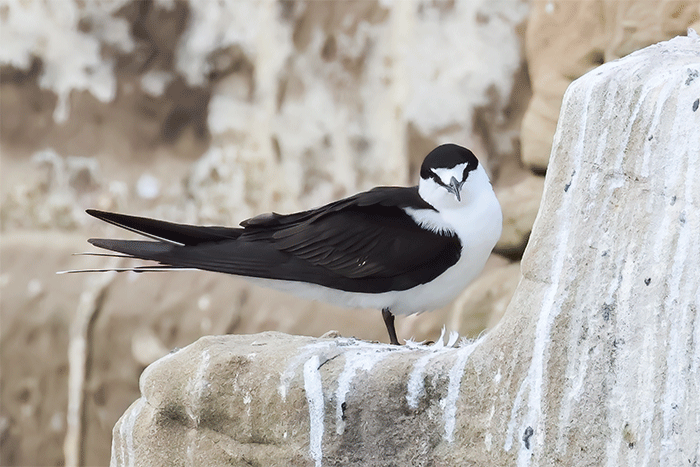
After an absence of a few days, the Sooty Tern made a welcome, if fleeting, return to Coquet Island (Northumberland) on 10th… alas not present there on the island subsequently. Where’s it hanging out in these interim periods? Surely worth some effort looking up and down the east coast at underwatched locations at present…
As we very much anticipated, the week was marked by a further sighting of Fea’s-type Petrel, with Ireland maintaining its dominance for their ilk – this week’s bird was seen passing Bridges of Ross (Co.Clare) on 8th.
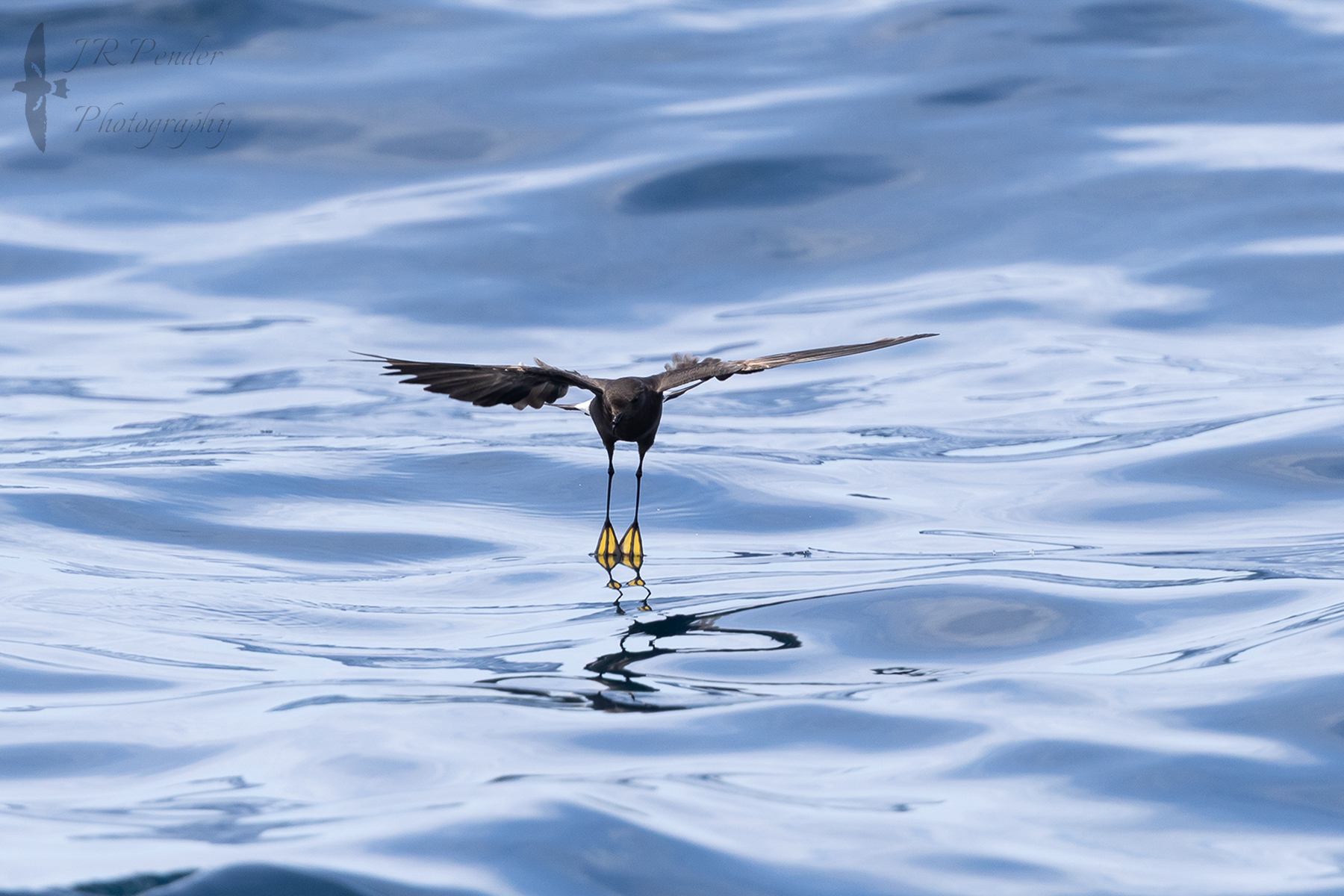
Wilson’s Petrel, more predictably still, were out there for the finding. The week’s peak count were some 50 individuals seen from the Scilly pelagic of 8th. Overall, around 175 birds were logged in British and Irish waters.
Two Leach’s Petrel were seen from the ferry between Mallaig and Lochboisdale (Highland & Caithness / Western Isles) on 7th, and another from North Ronaldsay (Orkney) on 13th.
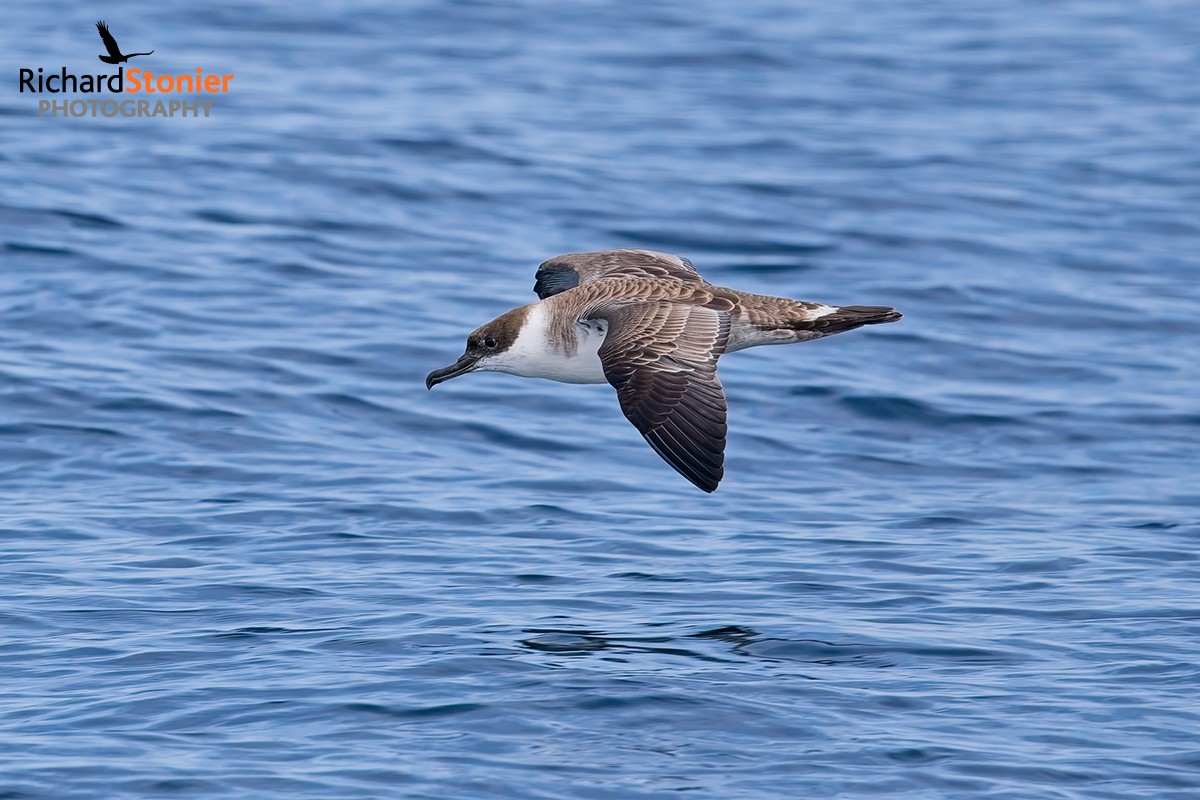
In the absence of any substantial counts of large shearwaters, numbers recorded were on the modest side once more this week. Around 650 Cory’s Shearwater were logged this week, the peak count being 324 birds seen from Cape Clear (Co.Cork) on 13th; and some 170 Great Shearwater, with a peak count of 33 birds noted from a pelagic off Co.Cork on 8th.
Numbers of Balearic Shearwater were also low, with a mere 125 birds recorded, 66 of these being counted off Berry Head (Devon) on 11th.
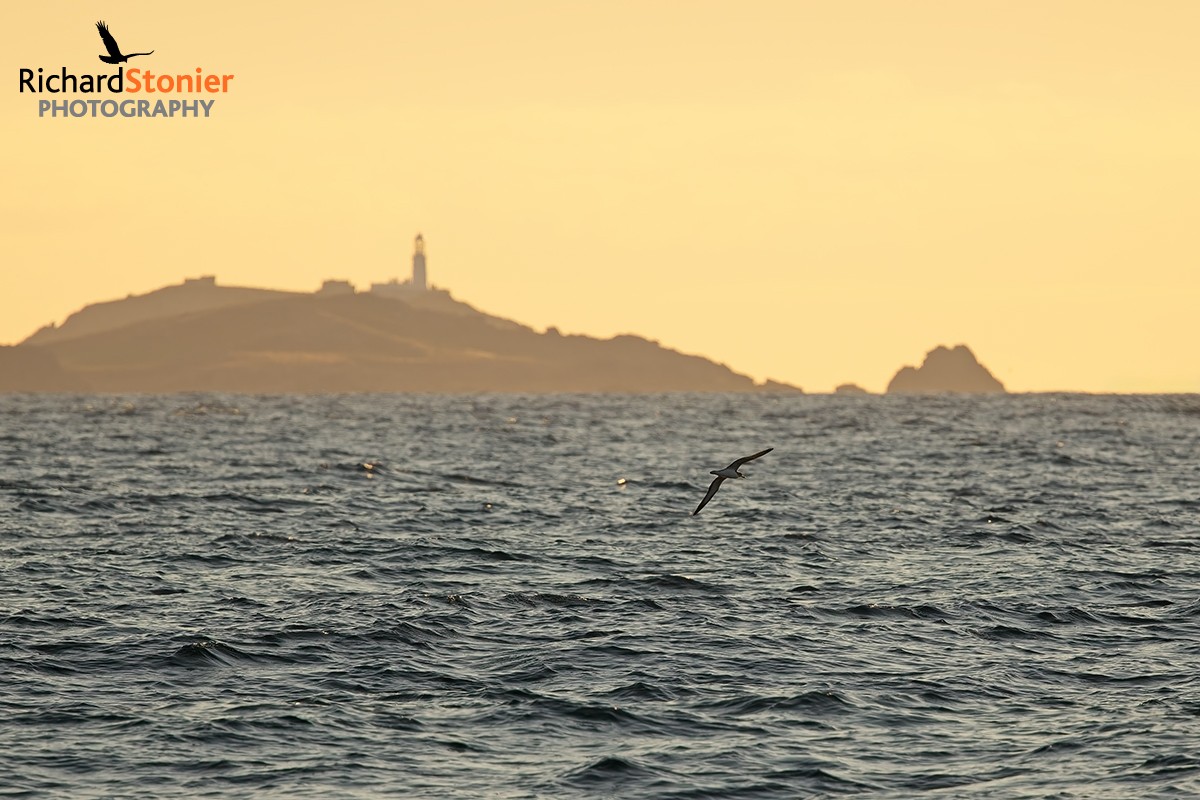
A handful of Pomarine Skua trickled through this week – one was reported from Silecroft (Cumbria) on 9th, with a bird also seen that day in Forth at Blackness; two were seen on 11th in Fife at Kingsbarns; and one on 11th at Howick (Northumberland).
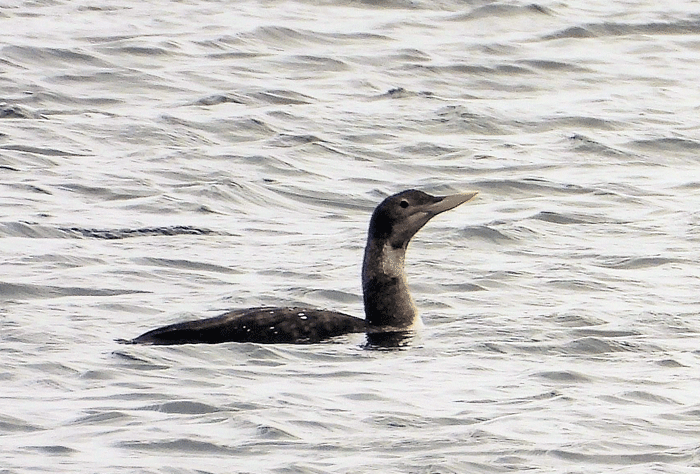
Finally, summer surprises came in the form of a White-billed Diver seen from Barra (Western Isles) on 7th and 13th, and one off Burray (Orkney) on 12th-13th.
Wandering Black Stork continued to be a feature of the week just gone, with the two recent juveniles parting company in East Anglia, one seen in Suffolk at various locales on 7th and once more on 12th at Aldeburgh, and another haunting Norfolk on 7th-9th.
Six Night Heron were once more tallied at Bolton-on-Swale Lake YWT (North Yorkshire) on 8th and 10th-12th; one remained at North Cave Wetlands YWT (East Yorkshire) on 7th-9th; and the recent bird was again seen at Porth Reservoir (Cornwall) on 11th.
An adult Purple Heron was again reported in Somerset at Ham Wall RSPB on 8th, while a juvenile bird was seen there on 9th-11th.
A Spotted Crake was present at Manby Flashes (Lincolnshire) on 7th.
As we know, it does a rare duck’s credentials no good whatsoever to hang around too long, let alone a Hooded Merganser at this time of year… so we merely note in passing that the recent female / first-winter drake Hooded Merganser was still present this week in Suffolk at Alton Water on 7th-11th.
Two drake White-winged Scoter remained off Musselburgh (Lothian) on 7th, with at least one still present there on 9th-10th. Two drake Surf Scoter were consistently seen off there on 7th-10th, with three again present on 9th.
The drake Lesser Scaup was still to be seen on Loch Gelly (Fife) on 9th-11th.
Recent Ring-necked Duck remained on Abberton Reservoir (Essex) on 7th-9th, on Netherfield Lagoons (Nottinghamshire) on 10th, and still present on Clickimin Loch (Shetland) on 13th.
The female Ferruginous Duck was still present at Stanford Reservoir (Northamptonshire / Leicestershire) on 10th-11th.
Lastly, a drake American Wigeon was again seen in Orkney at Graemeshall Loch on Mainland on 8th.
Continuing to delight in Suffolk this past week, the adult Hudsonian Godwit remained present at Cattawade on 7th-13th.
Numbers of White-rumped Sandpiper contracted sharply, with just three birds seen – one still in East Yorkshire at Beacon Ponds NR on 9th-13th; one seen again in Norfolk at Snettisham RSPB on 7th and 10th; a bird at Skinflats Lagoons RSPB (Forth) on 12th; and one in Co.Wexford atr Rosslare Back Strand on 8th-9th.
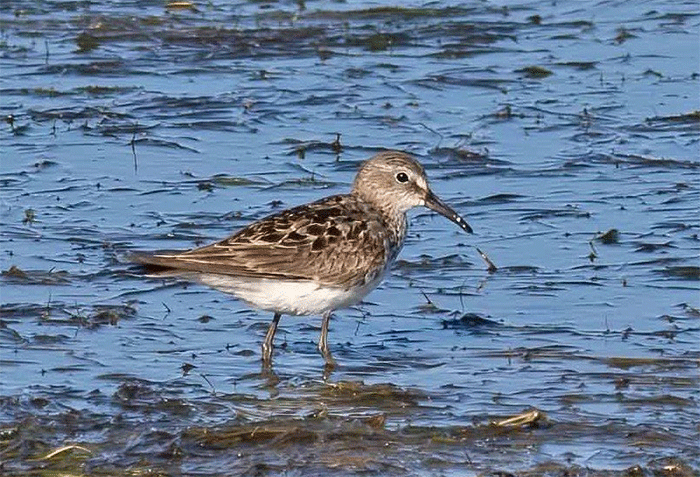
A couple of Baird’s Sandpiper provided variety – one seen at Sheshkinmore Lough (Co.Donegal) on 7th, and another up on Shetland at Pool of Virkie on 9th.
On Orkney, the recent Semipalmated Sandpiper remained on North Ronaldsay on 7th-11th.
A Buff-breasted Sandpiper was once more to be seen in East Yorkshire at Beacon Ponds NR on 8th-10th, followed by one in Cleveland at Scaling Dam on 13th; and two more on 13th at Tacumshin (Co.Wexford).
Half a dozen or so Pectoral Sandpiper were seen over the week – two present at Hesketh Out Marsh RSPB (Lancashire & North Merseyside) on 7th, with one present on the Ribble Estuary that day also; one still present at Conwy RSPB (Conwy) on 7th; another still at Cliffe Pools RSPB (Kent) on 7th-13th; a possible reported at Titchfield Haven NNR (Hampshire) on 10th; one still at Lough Beg (Co.Derry) on 8th-9th; and one at Tacumshin (Co.Wexford) on 9th.
Orkney provided American Golden Plover on 13th on Westray and Mainland.
Orkney also gave us Red-necked Phalarope still present on North Ronaldsay on 10th, and Westray on 7th.
Marking the unfolding seawatching season, a handful of Grey Phalarope were also noted, at sea off Ireland – two west of the Blasket Islands (Co.Kerry) on 9th; and one southwest of Inishmore (Co.Galway) on 11th.
Also a seasonal seawatch staple, a couple of Sabine’s Gull put in an appearance in recent days – seen from Pendeen (Cornwall) on 9th, and off Scarfskerry (Highland & Caithness) on 10th.
In Kent the regular adult Bonaparte’s Gull was again seen at Oare Marshes KWT on 11th-13th; the recent first-summer was again seen in Gloucestershire at Northwick Warth on 7th and New Passage on 12th; and on 12th a bird was found in Fife at Tayport.

The Ring-billed Gull remained at Doorly Park (Co.Sligo) on 8th-11th; another Irish bird was seen at Barnaderg Bay (Co.Galway) again on 7th; and a Pembrokeshire individual at Tenby on 7th.
In Northumberland the female surinamensis American Black Tern was again seen on Coquet Island RSPB on 8th, and at Beacon Point on 9th.
The week proved a good one for sightings of White-winged Black Tern - at Hornsea Mere (East Yorkshire) on 10th; at Etton Maxey Pits (Cambridgeshire) on 11th; and at Baston Langtoft Pits (Lincolnshire) on 11th.
As the week drew to an end, Caspian Tern were found on 12th at Black Devon Wetlands RSPB (Forth) and Kilnsea (East Yorkshire), and on 13th at Spurn (East Yorkshire).
The Black-winged Kite stayed reliably put in Norfolk this week at Sea Palling on 7th-13th still.

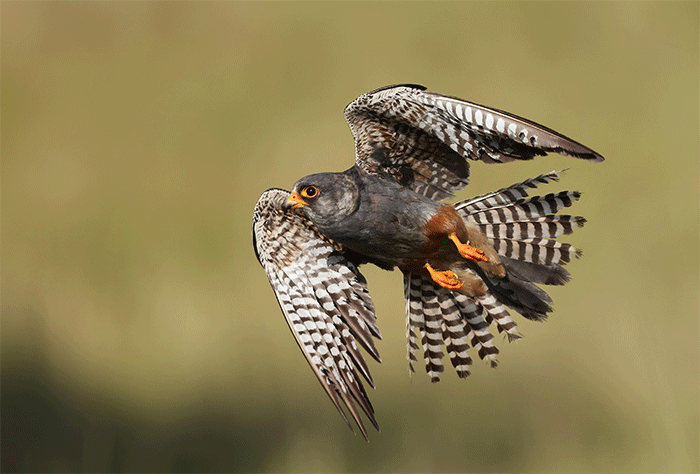
The first-summer male Red-footed Falcon remained at Aberlady Bay (Lothian) on 7th-10th; another was seen in Norfolk at Gressenhall on 7th.
In Kent a male Montagu’s Harrier was seen at Lydd on 8th, with a report of a male the following day in the north of the county at Oare Marshes KWT; and a first-summer male was seen in Norfolk between Horsey and Winterton North Dunes on 8th.
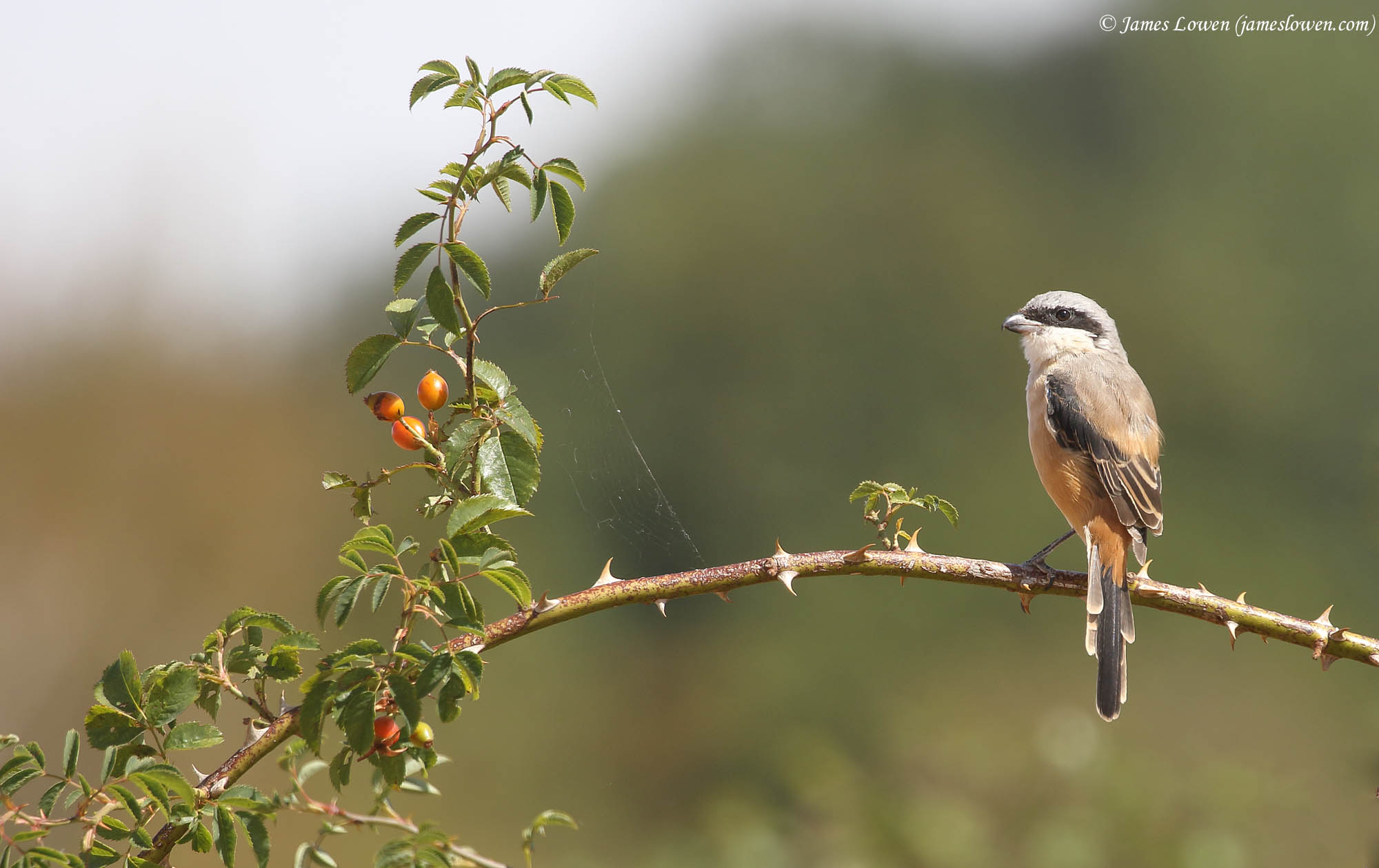
Once again, we must start the passerines with the two recent big-hitters – the Long-tailed Shrike still in Gloucestershire at Eastleach Downs on 7th-13th; and the Blue-cheeked Bee-eater still on North Ronaldsay (Orkney) on 7th-12th.
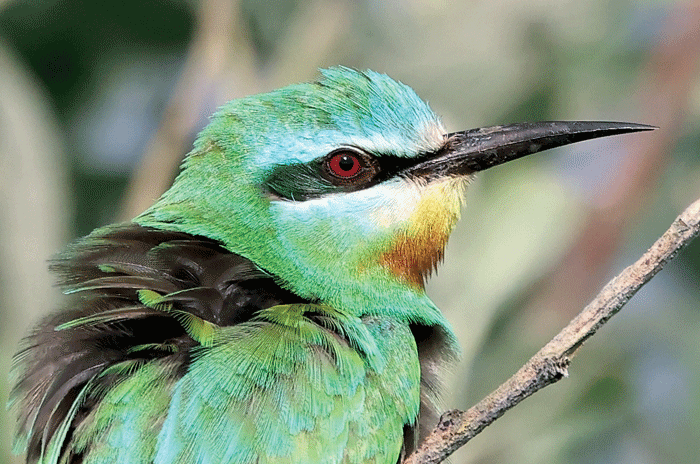
A few Bee-eater brightened the week elsewhere – one over Cresswell Pond NWT (Northumberland) on 8th; another at Kilnsea (East Yorkshire) on 10th; and one heard only at Gramborough Hill (Norfolk) on 8th.
A Woodchat Shrike dropped into Unst (Shetland) on 9th-13th.
In Kent a Wryneck appeared at Langdon Cliffs NT on 9th.
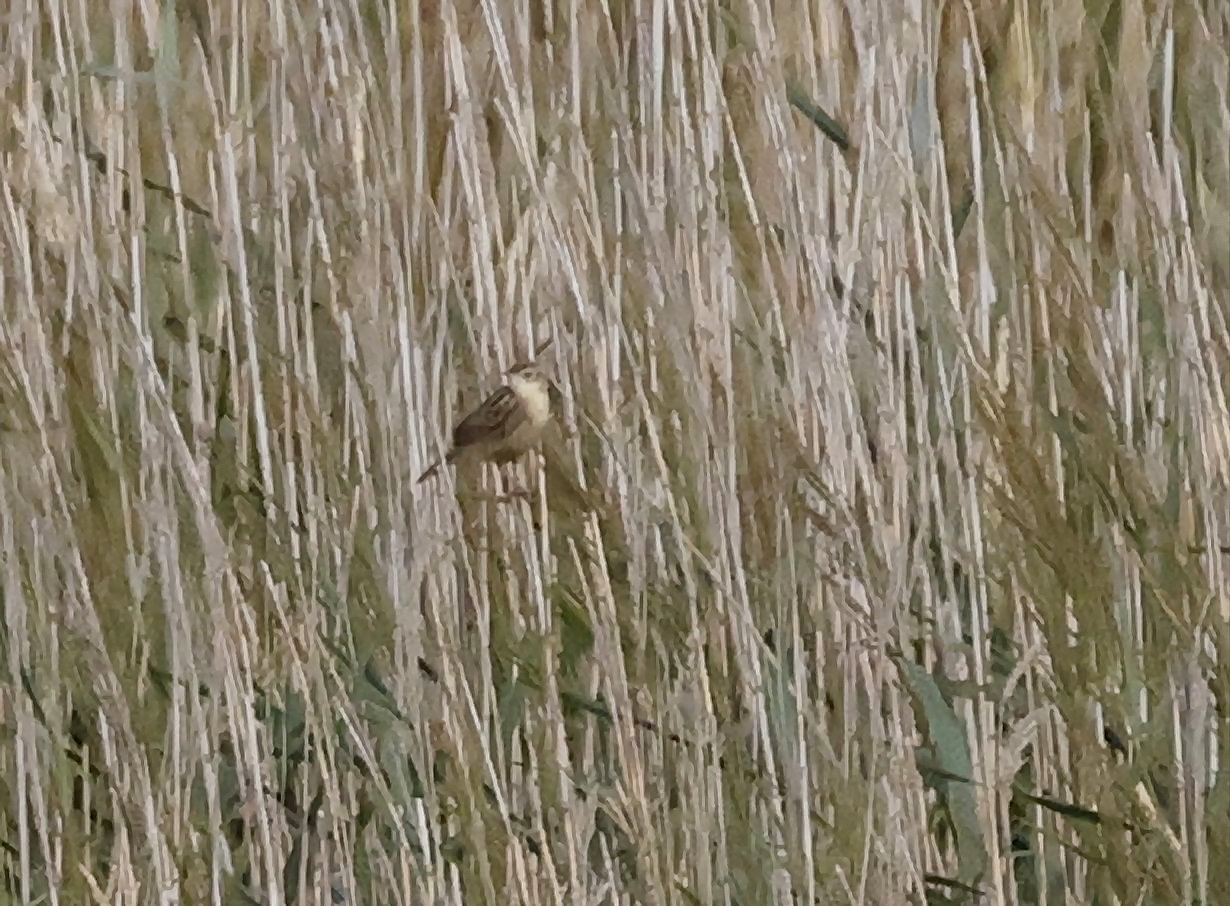
The biggest news on the warbler front this week was, by some margin, the revelation that Zitting Cisticola had consolidated their 2025 breeding bridgehead in Suffolk, with 11 birds present there on 7th; at least four remained in the area until 12th, with eight logged there on 13th still.
A singing Iberian Chiffchaff was present at St Cyrus NNR (Aberdeenshire) on 9th.
In Shetland the male Western Subalpine Warbler remained on Fair Isle (Shetland) on 8th-12th.
A Blyth’s Reed Warbler made it to North Ronaldsay (Orkney) on 10th.
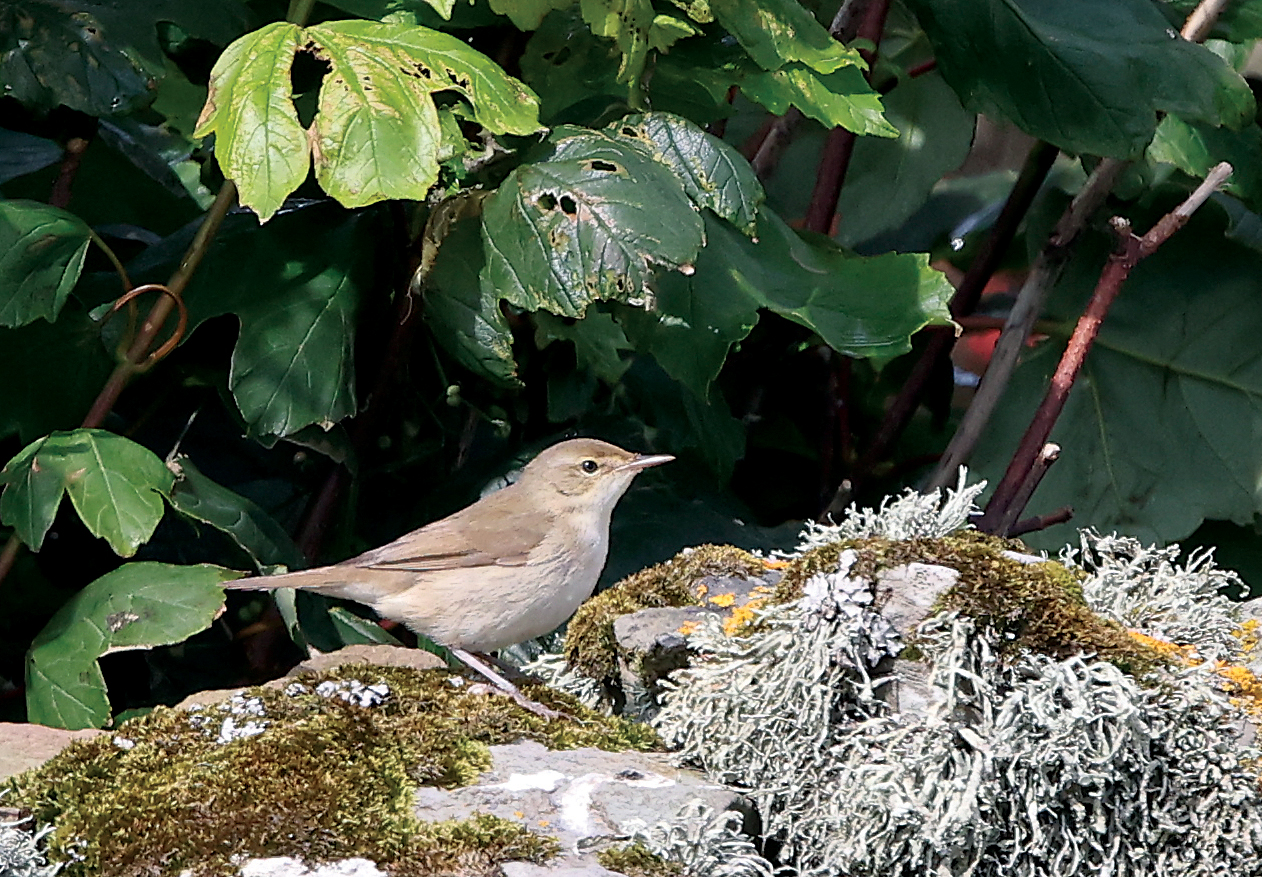
A small arrival of Melodious Warbler occurred during the week – birds found on Lundy (Devon) on 7th, Cape Clear (Co.Cork) on 7th, at Porthgwarra (Cornwall) on 7th, and on Fair Isle (Shetland) on 8th-12th. An Icterine Warbler was seen briefly at Easington (East Yorkshire) on 8th, and another in Devon on 13th at Wembury.
A Barred Warbler lingered on Fair Isle (Shetland) on 7th-13th.
The Bluethroat remained at Sumburgh (Shetland) on 12th.
A Rose-coloured Starling was again seen at Scrabster (Highland & Caithness) on 12th.
An Alpine Swift appeared at Beale (Co.Kerry) on 12th.
A Serin remained faithful on Portland (Dorset) on 7th-10th. Another was on the Skellig Islands (Co.Kerry) on 12th.
Shetland landed a Common Rosefinch on Foula on 12th.
In Cornwall, Ortolan Bunting were noted at Porthgwarra on 7th, and St Levan on 11th.
Finally, up in Fife the White-throated Sparrow remained on Isle of May on 7th-13th.

The Netherlands has enjoyed an excellent year to date for rare waders, and continued that fine run of form this past week with the discovery of a Sharp-tailed Sandpiper at Rottumerplaat on 8th.
Norway was also graced with a quality wader – a Tibetan Sand Plover at Naerlandsstranda on 11th-12th.
In Spain the White-backed Vulture was once more seen at Bolonia on 12th.
Up on Iceland the American Tree Sparrow was again seen at Kjos on 7th.
Finally, much closer to home, a Black-winged Kite was seen on Alderney in the Channel Islands on 9th.
We move inexorably through August this coming week, heading into the second half of the month. That traditionally is a time when, with a whiff of a favourable tail wind across the North Sea, we might hope to see some interesting passerines making landfall on the east coast – the likes of a Thrush Nightingale, or a Booted Warbler perhaps.
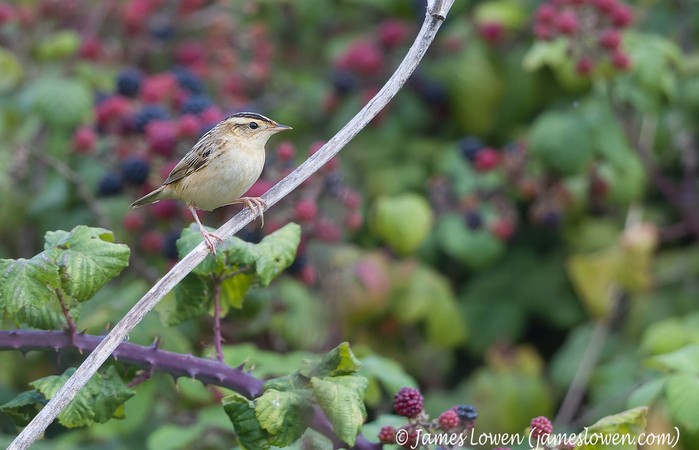
If tradition is to be acknowledged, this is also the time when we might hope for a Two-barred Crossbill or two. But the stand-out historic precedent is, of course, for another passerine entirely at this juncture – and that’s Aquatic Warbler. With well over 100 past records for the coming week – and this notwithstanding their time in the BBRC wilderness during 1983-2015, so numerous had they once been as an autumn migrant at one stage – their glory days may be well behind them, but the time of year remains auspicious for one of their kind.
Jon Dunn
13 Aug 2026
Many thanks to all this week's contributors for your photos and videos and to everyone who contributed throughout the year.
Get Breaking Birdnews First
Get all the latest breaking bird news as it happens, download BirdAlertPRO for a 30-day free trial. No payment details required, and get exclusive first-time subscriber offers.
Share this round-up





