Weekly birding round-up: 26 Jun - 2 Jul
Flaming June went out with a couple of scorching county-first rarities this past week, proof once again that the tempo of rarities rarely slows these days.
The recent discovery of a fine Northern Parula on Fair Isle marked the 399th species recorded on Shetland’s most illustrious isle, and prompted the natural speculation of what the 400th species might prove to be. That a 400th species would occur was, naturally, a case of when rather than if, but few would have predicted that another new species might be found quite so soon after the parula… but that’s exactly what happened this past week.
A fabulous male Trumpeter Finch was discovered on the isle on 28th, a little over a month after the Northern Parula turned up there in late May. The finch sat tight until 30th, perhaps the only minor disappointment being that its stay didn’t coincide with the official opening ceremony of the latest iteration of the Fair Isle Bird Observatory, given several prominent birders had been on the isle for that occasion mere days beforehand.
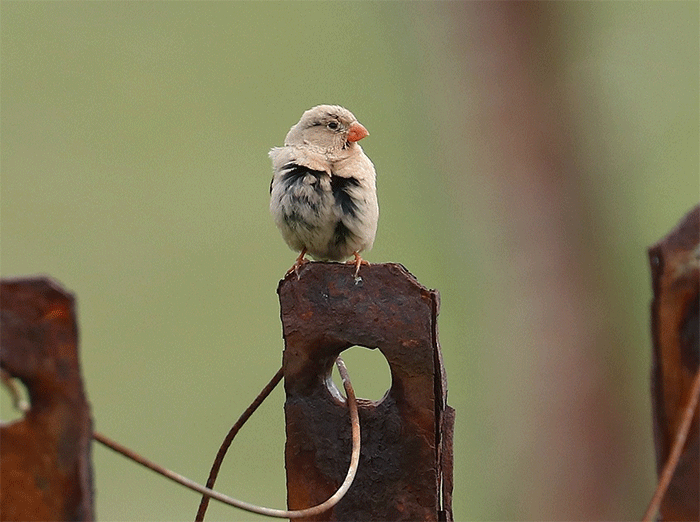
The finch was new to Fair Isle, and indeed to Shetland as a whole. Even now barely a year seems to pass without the archipelago’s birdlist advancing inexorably. What will be next for Shetland? And will it be the 401st species for Fair Isle. We wouldn’t bet against it…
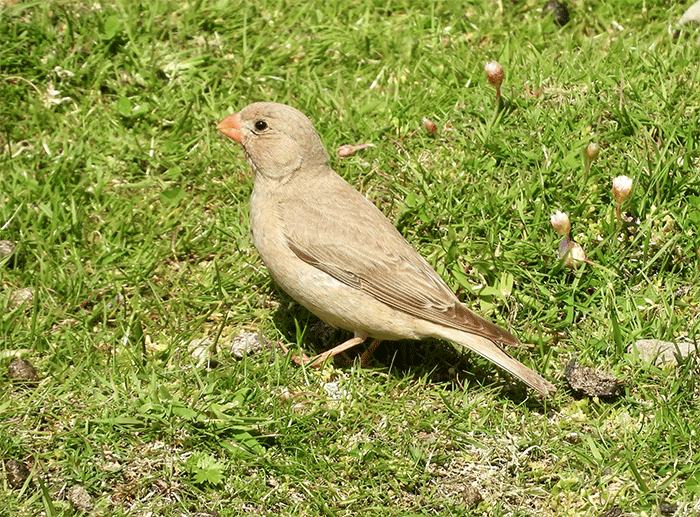
Minor plumage features seemed to suggest that the Fair Isle Trumpeter Finch was one and the same as that last seen on Great Saltee (Co.Wexford) on 10th June, a further remarkable journey north for that wayward individual. It seems like our next headline bird this week may also be a relocating rarity, for the Hudsonian Godwit found at Minsmere RSPB (Suffolk) on 1st appears to be one and the same as the bird present in Portugal at Aveiro Lagoons on 27th.
That’s an even more impressive northerly journey than that made by the finch though, of course, godwits are no stranger to long-haul travel. Why it should be pushing north at this late juncture is anyone’s guess, as it seems a rather counterintuitive direction of travel in midsummer, but then again, other vagrants have displayed wildly wayward internal compasses in the past too.
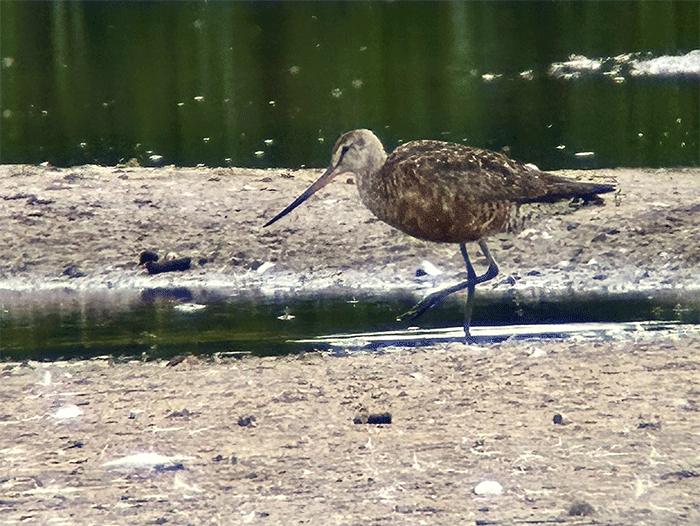
And, just like the aforementioned finch, the Suffolk Hudsonian Godwit was a county first in its own right. It’s worth noting, in passing, that this week’s bird represents the fourth consecutive year in which the species has been recorded in Britain – Shetland in 2023; Cheshire & Wirral and Flintshire in 2024; Hampshire in 2025; and now Suffolk. Another erstwhile mega that, while still an outrageous rarity, seems to be occurring with greater frequency in recent years.
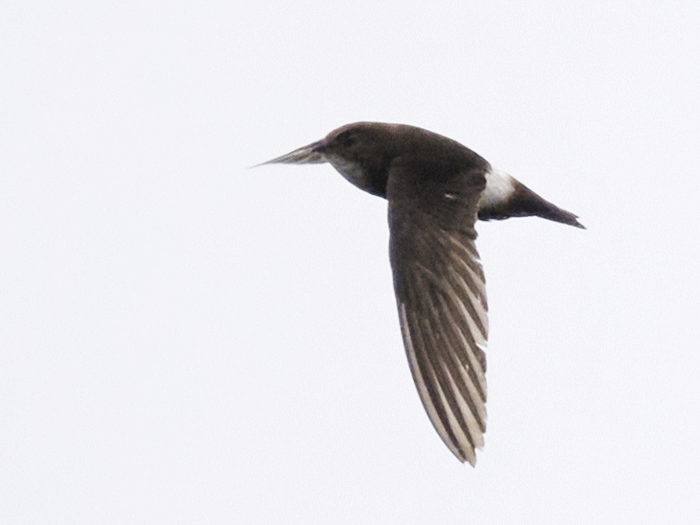
Belated news broke this week of a white-rumped swift that appears to be a Little Swift photographed in Highland & Caithness at Grantown-on-Spey on 6th June – the observer only latterly noticing, when reviewing images, the white rump in question. In a potential twist in the tail, at the time of writing the possibility of a British first House Swift was still being mooted. Watch this space…
There was definitely more of a summer seabird vibe afoot this past week, with some modest counts of larger shearwaters hinting at better things to come in the weeks and months ahead.
Some 40 Great Shearwater were noted across the region, with a peak count of 20 birds seen from Galley Head (Co.Cork) on 29th. A notable northerly record were two seen off Dales Voe (Shetland) on 1st.
Cory’s Shearwater were more numerous still, with around 365 birds logged in Britain and Ireland, and a peak count of 237 birds seen at Galley Head (Co.Cork) on 27th; that same day, and sticking with Galley Head, a probable Scopoli’s Shearwater was also seen.
Numbers of Balearic Shearwater were somewhat muted, with a peak count of their kind coming from traditional stronghold, Portland (Dorset), on 28th when 48 birds were tallied.
Scilly began to come into its own for Wilson’s Petrel, with a dozen birds noted three miles south of St Agnes on 29th, and six seen from the pelagic of 2nd.
A couple of Long-tailed Skua were seen in Scotland on 26th – one from Fair Isle (Shetland), and the other at Embo (Highland & Caithness). A Pomarine Skua was noted from Porthgwarra (Cornwall) on 30th.
Finally, the White-billed Diver remained off Houton (Orkney) on 26th-2nd.
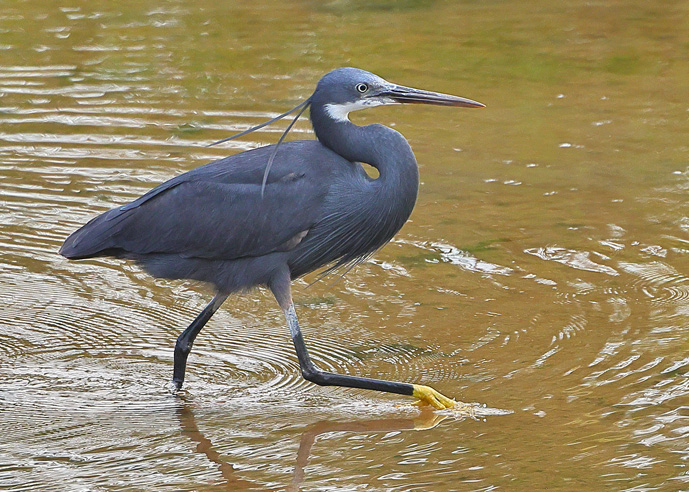
Needless to say, the most notable of the week’s long-legged beasties was the recent Western Reef Heron, which as the preceding week handed over to us had relocated to Pembrokeshire at Sandyhaven Pill. As the new week began it remained present there, sitting tight there up to and including 28th. On 29th it was relocated on the Gann Estuary (Pembrokeshire), remaining there until 2nd.
An adult Purple Heron was seen in flight over Lakenheath Fen RSPB (Suffolk) on 29th.
In Norfolk an adult Night Heron passed over Swanton Morley GPs in the morning of 30th.
A small selection of notable quackers kept things interesting on the rarity duckpond this week, with a few species represented.
The recent Green-winged Teal was seen again at Sandbach Flashes (Cheshire & Wirral) on 30th.
A drake Lesser Scaup was found in Fife on Loch Gelly on 28th-1st.
Meanwhile, the recent drake Ring-necked Duck remained on Nether Kinellan (Highland & Caithness) on 26th-29th.
The drake Ferruginous Duck was still to be seen on Draycote Water (Warwickshire) on 27th-1st; and a female (or hybrid) was present at Dix Pit (Oxfordshire) on 27th-28th.
A drake Surf Scoter was seen off Flamborough (East Yorkshire) on 28th; and two drakes at Musselburgh (Lothian) on 28th-2nd.
A late flurry of waders enlivened proceedings in the dailies no end this week, chief among the non-headliners being the adult Pacific Golden Plover seen in East Yorkshire at Spurn and Beacon Ponds NR on 1st-2nd; this being one and the same as the bird seen at Spurn on 25th.
A bit of video of the Pacific Golden Plover seen briefly at Beacon Ponds this morning before flying off west @spurnbirdobs pic.twitter.com/QYMGN7UYhS
— John Hewitt (@wathingsmecca) July 2, 2026
In Essex the American Golden Plover appeared once again at Old Hall Marshes RSPB on 30th-2nd.
North Ronaldsay (Orkney) enjoyed a Semipalmated Sandpiper on 26th-1st, and a Pectoral Sandpiper on 28th. Near(ish) neighbour Fair Isle (Shetland) had a Pec Sand drop in on 26th too. Another probable Semi-p was seen at The Outstrays NR (East Yorkshire) on 1st.
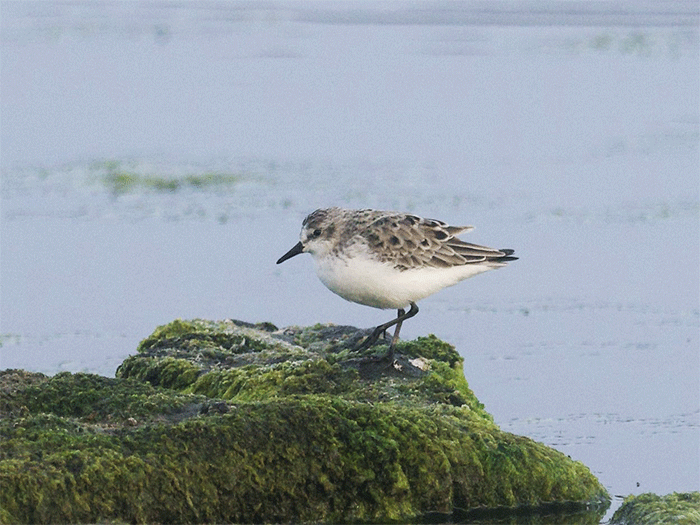
A White-rumped Sandpiper was present at Farlington Marshes HWT (Hampshire) on 26th-27th, with another adult seen at Cairnbulg (Aberdeenshire) on 30th-1st.
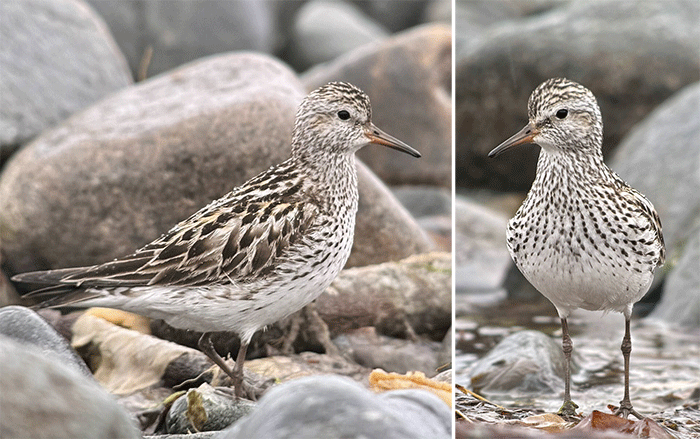
Farmoor Reservoir (Oxfordshire) enjoyed a Temminck’s Stint on 26th.
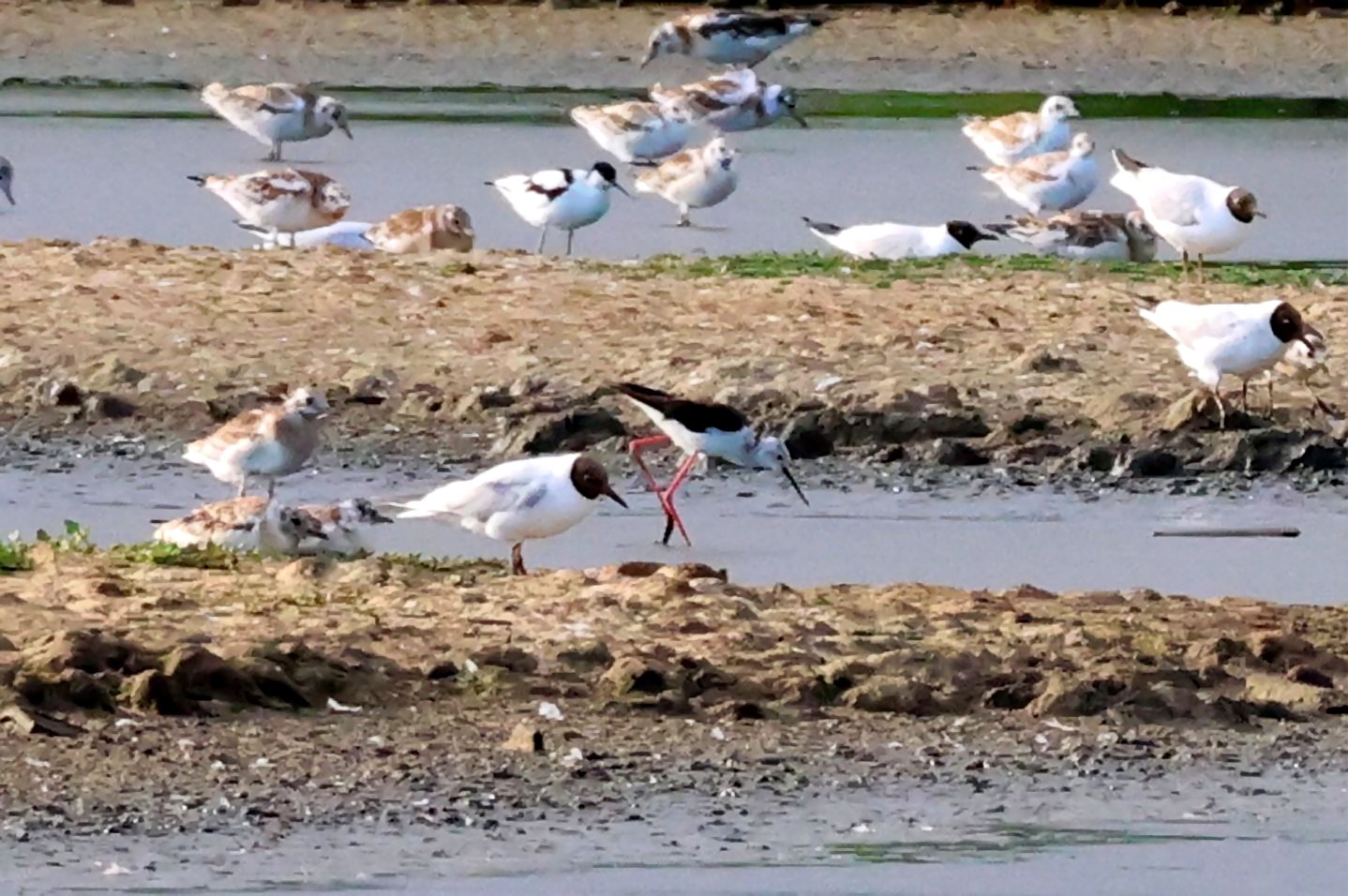
In Norfolk two Black-winged Stilt were seen at Welney WWT on 26th and, evoking the shade of the late Sammy, at Titchwell RSPB on 30th-2nd.
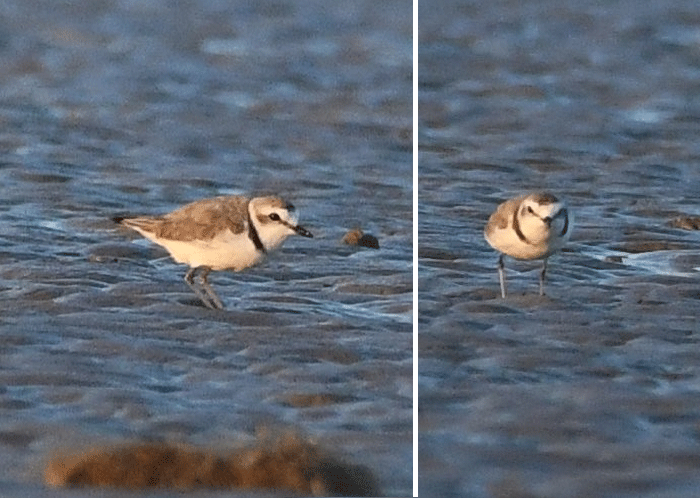
Lastly, in Kent a Kentish Plover was nominally self-determining at Lade on 30th.
Once again a scatter of Bonaparte’s Gull provided variety among the bin bag botherers – one again seen on Shetland on 30th and 1st at Scatsta; at Blanket Nook (Co.Donegal) still on 26th; and at Cairnbulg (Aberdeenshire) on 27th-30th.
A Sabine’s Gull was noted off Porthgwarra (Cornwall) on 30th.
Scotland provided a trio of Glaucous Gull - on Westray (Orkney) still on 28th-29th; at Stenness (Orkney) again on 28th; and on South Uist (Western Isles) again on 28th.
Onto the terns, the recent Caspian Tern was still present at Loch Leven (Perth & Kinross) on 26th-27th; while another was seen in Kent at Dungeness RSPB on 1st-2nd.
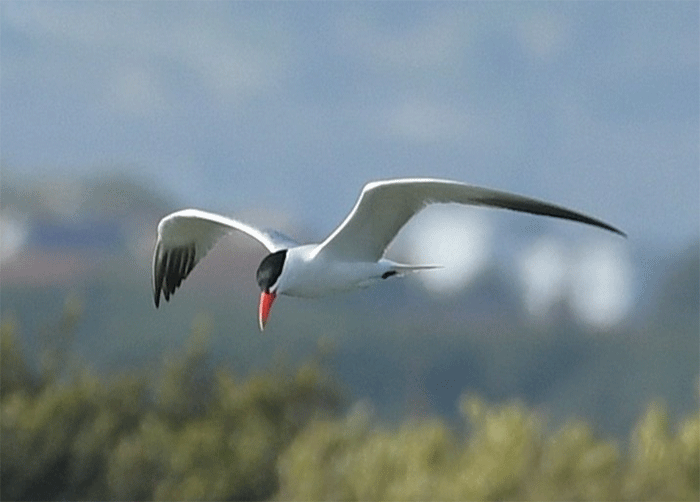
A Gull-billed Tern was seen at Ballycotton (Co.Cork) on 2nd.
In Co.Louth the Least Tern was again seen at Baltray on 27th.
In Northumberland the female surinamensis American Black Tern remained present at Long Nanny 27th-2nd.
Finally, the recent adult White-winged Black Tern was still present at Tacumshin and Lady’s Island Lake (Co.Wexford) on 26th-2nd.
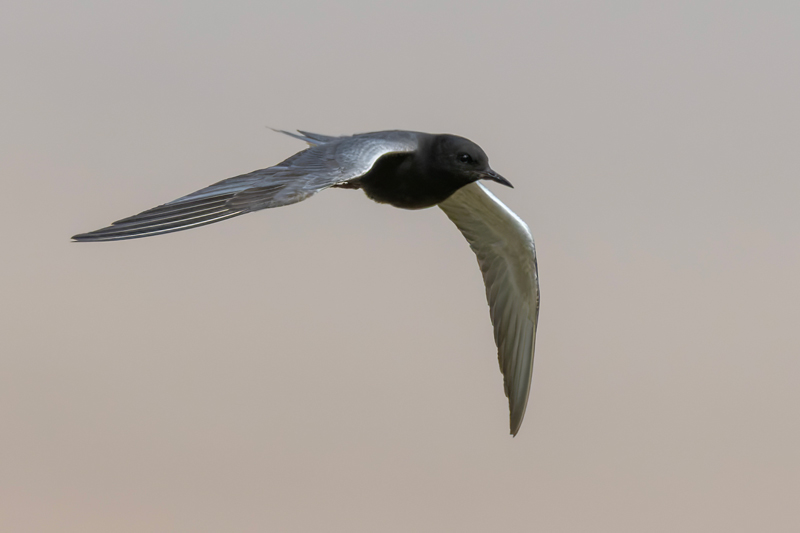
Firmly a Norfolk resident these days, the Black-winged Kite remained present at Sea Palling on 26th-1st. What must be presumed to be the same individual was seen some way inland on 2nd at Beeston St Lawrence.
A ringtail Montagu’s Harrier was reported from Frampton Marsh RSPB (Lincolnshire) on 28th.
A probable Red-footed Falcon was seen at Terrington Marsh (Norfolk) on 28th, and a confirmed bird at Potter Heigham (Norfolk) on 30th.
Echoes of one of our headline birds this week, albeit less belated, an Alpine Swift was found over the cliffs at Noss (Shetland) on 30th; and Pallid Swift seen at Spurn (East Yorkshire) on 27th-28th.
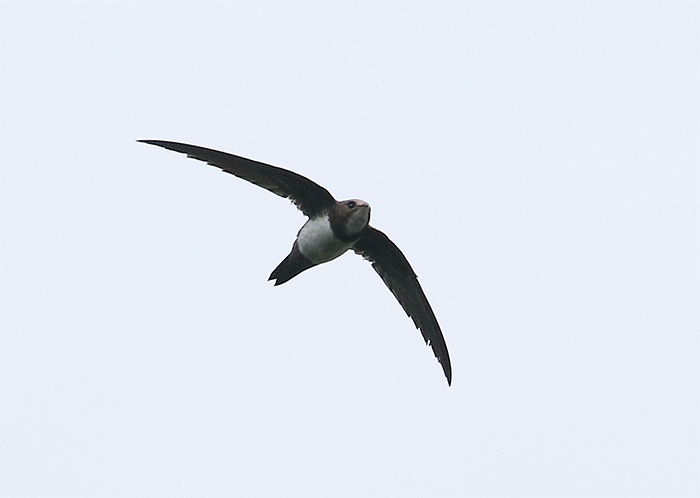
A Hoopoe was seen at Berrow Green (Worcestershire) on 27th-28th.
Flyover Bee-eater became a thing again this week, with six noted in East Sussex on 29th at Ninfield and, in Kent on 1st, seven over Dungeness and three over Ashford.
A Wryneck was seen at Old Berrow (Warwickshire) on 28th.
A female Red-backed Shrike was present on Fair Isle (Shetland) on 2nd.
In Devon a Woodchat Shrike was reported from East Prawle on 29th.
A Golden Oriole was present in Bucknell Wo od (Northamptonshire) on 27th, and reported again from there on 1st.< /p>
The singing Iberian Chiffchaff remained in Broxa Forest (North Yorkshire) on 30th.
A singing Greenish Warbler appeared in Lincolnshire at Huttoft Bank Pit LWT on 29th.
Marsh Warbler were to be found this week on the outskirts of Lerwick (Shetland) on 28th, and at Loch of Strathbeg RSPB (Aberdeenshire) on 1st.
Shetland also retained its Icterine Warbler on the margins of Lerwick on 26th-28th.
A Melodious Warbler was found on Fair Isle (Shetland) on 1st, with a Western Subalpine Warbler trapped and ringed on there on 1st also.
An adult Rosy Starling was seen at Strichen (Aberdeenshire) on 27th.
The irrepressible Fair Isle (Shetland) wasn’t done with us yet, for two Serin were present on there on 28th, one of them trapped and ringed on 29th, and one still present on the isle on 2nd; Portland (Dorset) also boasted at least one and possibly two males on 27th, and a female on 28th.
Finally, Common Rosefinch were present on Shetland Mainland at Boddam on 26th, on Orkney at Lamb Holm on 26th also, and on Skye at Aird of Sleat (Highland & Caithness) on 27th-2nd.
As noted in our headlines, a Hudsonian Godwit was big news in Portugal at Aveiro Lagoons on 27th.
On 29th, a Spur-winged Lapwing was seen in Spain at Llobregat Delta.
Still present in Sweden the territorial Wilson’s Snipe remained at Storsjo on 29th.
Finally, in France, two Elegant Tern remained at Polder de Sebastopol on 30th.
And here we are, rattling into July, a new month albeit one not historically particularly renowned for wall-to-wall rarities. We’ll need, if precedent is anything to go by nowadays, to take our pleasures where we find them in the coming weeks.
That’s not to say the first week of the month is entirely bereft of past highlights. Waders have done a lot of the heavy lifting in living memory – three White-tailed Lapwing records come from the week ahead; two Greater Sand Plover; and one Siberian Sand Plover.
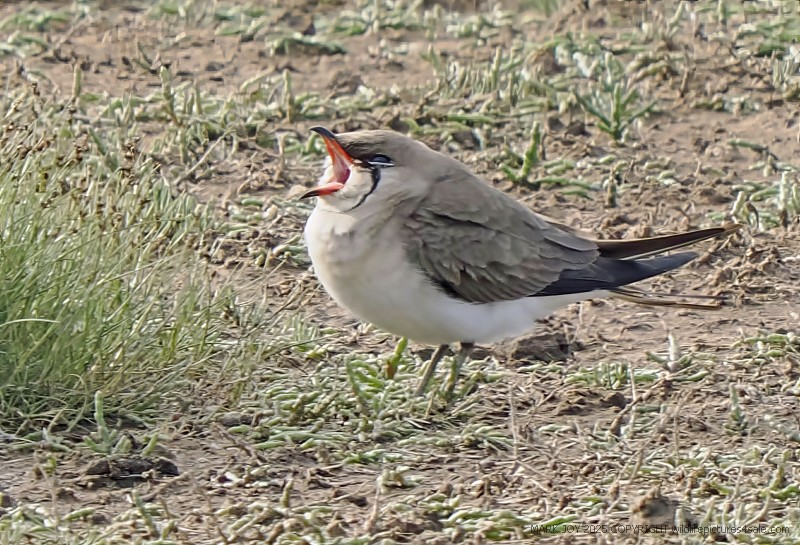
A mega shorebird would do us very nicely indeed. And if we’re looking for shorter odds, the coming week has approaching double figures of past Collared Pratincole, always a pleasure wherever one’s found.
Jon Dunn
3 Jul 2026
Many thanks to all this week's contributors for your photos and videos and to everyone who contributed throughout the year.
Get Breaking Birdnews First
Get all the latest breaking bird news as it happens, download BirdAlertPRO for a 30-day free trial. No payment details required, and get exclusive first-time subscriber offers.
Share