



Weekly birding round-up: 29 May - 4 Jun
The spring may be winding down and handing over to summer now, but that’s not to say that new birds of note weren’t out there to be found this past week – not least a first for Ireland. The big one travels late and alone, they say, and there’s time yet in the coming month for that truism to be proved again. Hopefully… But for now, what of the past week’s events?
We do love a national first in these parts, and Irish birders got to enjoy just that this past week with the discovery of a Trumpeter Finch on Great Saltee (Co.Wexford) on 29th-2nd.
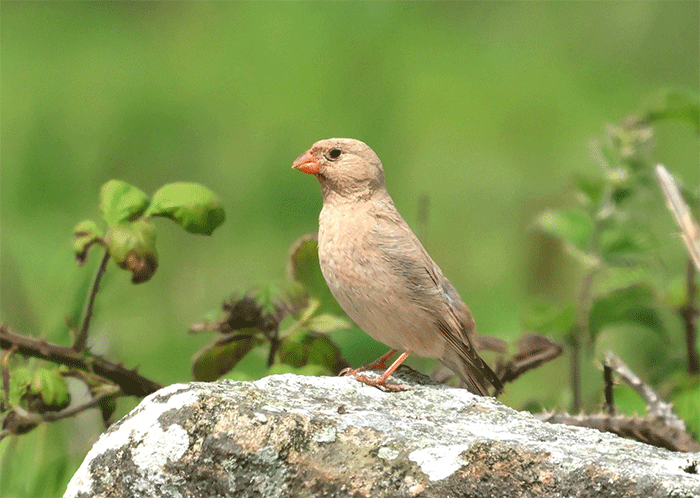
A first for Ireland would be good enough, but one that stayed around for a few days? That was always going to go down well, and the bird was understandably well-twitched.
Ireland’s 1st Trumpeter Finch on Great Saltee Island, Co Wexford on 29th, May, 2026!
— Vittorio Caschera (@Victor_Caschera) May 29, 2026
Great Find by Jim Dowdall. pic.twitter.com/nufVCwbzPF
Not quite annual, but doing their level best to be so, a Collared Flycatcher was found in Highland & Caithness at Insh on 29th. While British records are knocking on the doors of 60 birds to date nationwide, the species remains a quality bird at a local level, not least in Highland & Caithness, where the last bird was one present at Camster on 9th May 2018 and, before that, the county first was another one-day bird at Stoer on 12th June 2013. Alas, this week’s bird was set to follow that trend of one-day brevity.
Our notable seabirds this week begin up in Shetland, where the adult Pacific Diver remained present off Unst until 1st.
Scotland also gave us our White-billed Diver this week, with sightings in Orkney coming from Houton on Mainland on 30th, North Ronaldsay on 31st, and Westray on 1st; while the recent bird remained off John O’Groats (Highland & Caithness) on 29th.
Passage skuas were ever harder to come by in recent days, unsurprisingly. Single Pomarine Skua were logged on 29th at Bowness-on-Solway (Cumbria), Dawlish Warren NNR (Devon), and Bryher (Scilly), and on 30th at Nairn (Highland & Caithness); while three birds were noted from North Uist (Western Isles) on 29th; five more were seen on 4th, with two among their number seen from Brandon Point (Co.Kerry). Single Long-tailed Skua were seen off Cape Clear (Co.Cork) on 31st, and The Lizard (Cornwall) on 1st; and six were seen from North Uist on 29th.
Sporadic Balearic Shearwater were noted during the week, amounting with a late flurry to some 60 birds reported in all, with the peak day count being 15 seen off Portland (Dorset) on 4th.
A Wilson’s Petrel was seen from Pendeen (Cornwall) on 4th.
And finally, a probable Fea’s Petrel sp was seen on 4th from Burnham-on-Sea (Somerset).
Principal interest among the long-legged beasties this week was the Squacco Heron seen on 31st at Cronykeery (Co.Wicklow).
In Dorset on Studland’s Little Sea an adult Night Heron was found on 30th; another bird was heard at night passing over Hastings (East Sussex) on 1st; on 2nd further birds were noted at Bempton (East Yorkshire), and near Basildon (Essex).
In Cambridgeshire the recent Purple Heron remained at Etton-Maxey Pits on 1st-3rd. A probable was seen at Leighton Moss RSPB (Lancashire & North Merseyside) on 31st; and a possible on 2nd at Shoreham-by-Sea (West Sussex).
A Corncrake was found on Lundy (Devon) on 29th; and another was reported heard in song at Ellerton (East Yorkshire) on 31st.
Were it not for the Red-breasted Goose seen briefly at Adwick Washlands RSPB (South Yorkshire) on 30th we’d have no honkers whatsoever to report upon this week. The rarity duckpond is getting rather denuded as we head into summer…
In Somerset the recent drake Blue-winged Teal remained at Ham Wall RSPB on 29th-2nd.
The drake Black Duck was once more seen on Cross Lough (Co.Mayo) on 3rd.
A drake Ferruginous Duck was again present on Draycote Water (Warwickshire) on 1st-3rd; a female was seen on 4th again at Maple Lodge NR (Hertfordshire).
Our sole Ring-necked Duck this week were the drake still present on the Western Isles near Tarbert on 29th-30th; one on Orkney at Loch of Bosquoy again on 3rd; and one at Kenfig Pool NNR (Glamorgan) on 3rd also.
The recent female King Eider remained in Shetland off Mainland this week, seen from Gulberwick still on 29th-30th before decamping back to Lerwick on 30th-4th; while the drake remained in Highland & Caithness on Loch Fleet on 29th.
Two drake White-winged Scoter were again seen at Kirkcaldy (Fife) on 29th, with one still there until 4th.

Another week, and another Broad-billed Sandpiper, this time a bird in Devon at Dawlish Warren NNR that settled there for a couple of days on 29th-30th.
Waders from a wholly different vector put in an appearance this week, with White-rumped Sandpiper seen at Tacumshin (Co.Wexford) on 30th-1st; and Baird’s Sandpiper at Frampton Marsh RSPB (Lincolnshire) on 30th, and in Aberdeenshire on 2nd-3rd at Meikle Loch and the Ythan Estuary on 2nd.

Pectoral Sandpiper meanwhile were seen in Highland & Caithness at St John’s Loch on 1st; and at Saltfleetby-Theddlethorpe Dunes NNR (Lincolnshire) on 2nd-3rd.
In Co.Derry the Marsh Sandpiper was once more at Lough Beg on 29th and 1st.
Numbers of Temminck’s Stint fell away in recent days – in Norfolk, birds were seen at Salthouse Marshes on 29th, and Cley on 30th-31st; in Lincolnshire sightings came from Frampton Marsh RSPB on 1st, and Saltfleetby-Theddlethorpe Dunes NNR on 2nd; one was present in Derbyshire at Middleton Moor on 29th-30th; and a bird was reported from Kessingland Beach (Suffolk) on 30th.
Two Black-winged Stilt remained in Lincolnshire at Frampton Marsh RSPB on 29th-30th, with one still present until 2nd; two were seen at Hanningfield Reservoir (Essex) on 31st; and two were reported at Tacumshin (Co.Wexford) on 1st.
A female Kentish Plover was seen on 3rd-4th in Cumbria at Bowness-on-Solway.
An American Golden Plover was present on North Uist (Western Isles) on 29th-1st.
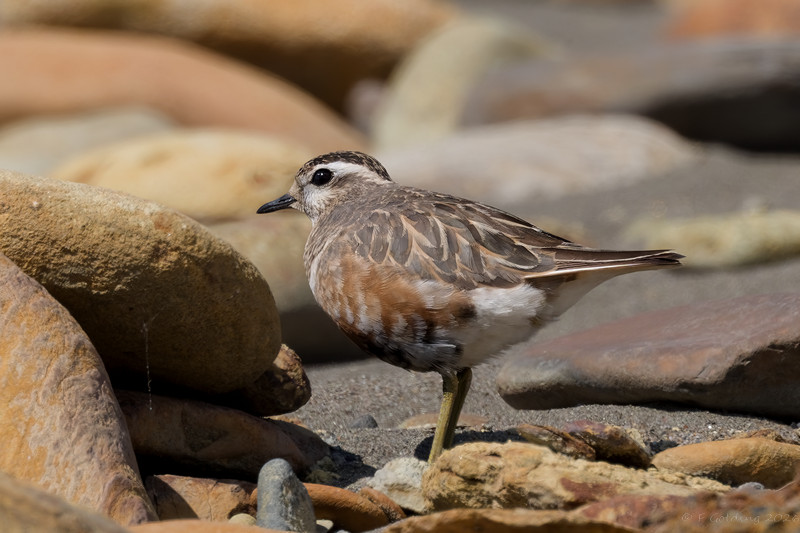
A late-running Dotterel was seen in Northumberland at Lyne Sands on 31st-1st.
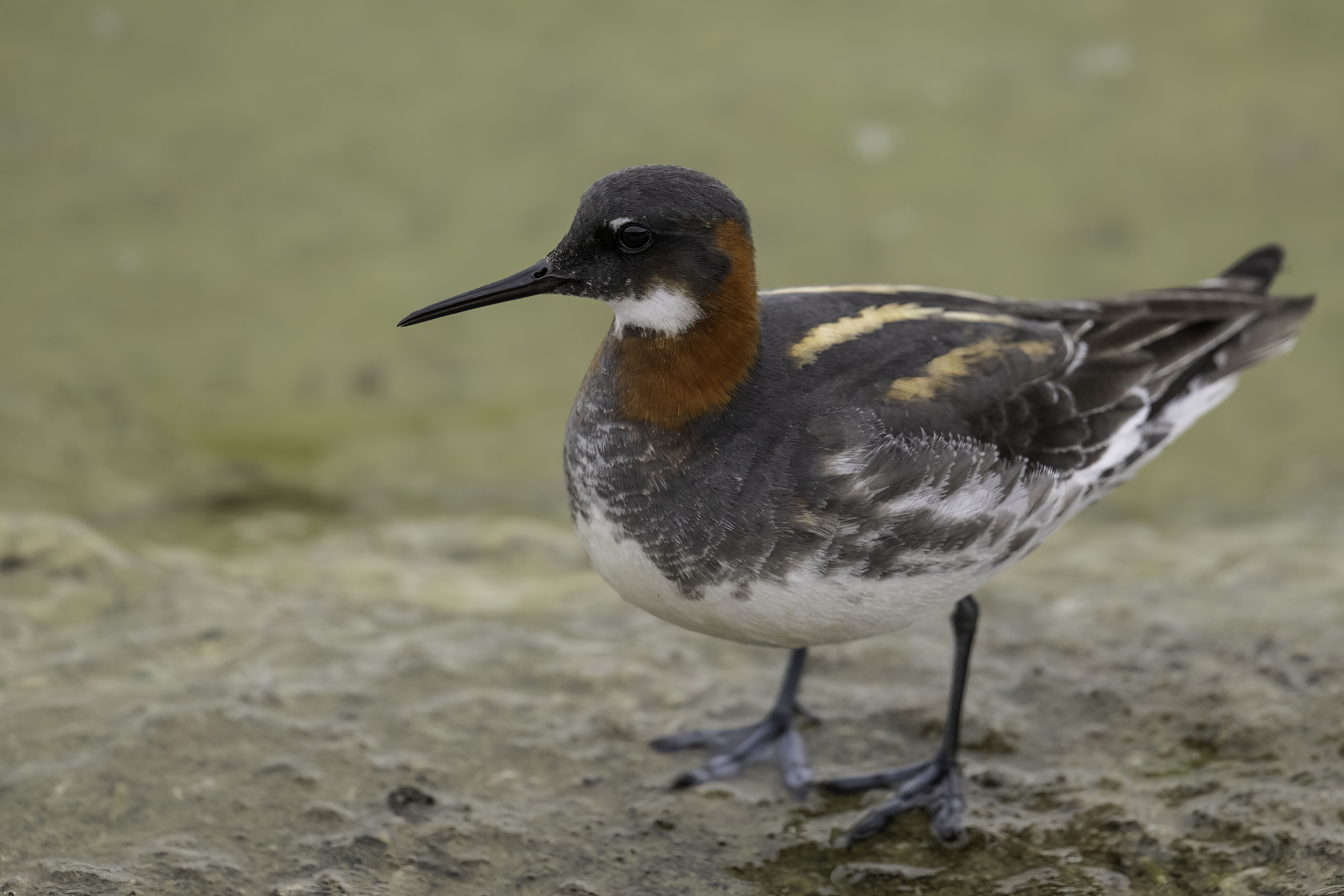
Finally, in the north Red-necked Phalarope were seen on Fair Isle (Shetland) on 30th, and North Ronaldsay (Orkney) on 31st; and females were found much further south on Farmoor Reservoir (Oxfordshire) on 1st, and at Aldeburgh Town Marsh (Suffolk) on 4th.
In Shetland the recent Ring-billed Gull was once more seen around Noss on 30th-31st; and another at Cross Lough (Co.Mayo) on 3rd.
A Sabine’s Gull was reported from West Aberthaw (Glamorgan) on 4th.
With the exception of a handful of white-wingers, that pretty much concludes the gulls - Glaucous Gull were noted in the Western Isles on North Uist on 29th-30th and South Uist on 29th, on Westray (Orkney) again on 1st and 4th, and on Shetland around Grutness on 3rd-4th; and Iceland Gull in the Western Isles on North Uist on 29th-1st, on St Kilda still on 30th-31st, and at Bantry (Co.Cork) on 4th.
Onto the terns then. Happy news – the Least Tern was back this week at Portrane (Co.Dublin).
In Northumberland the female surinamensis American Black Tern remained settled at Long Nanny on 29th-4th.
An adult White-winged Black Tern was seen in Cumbria at Hodbarrow RSPB on 29th and again on 2nd-3rd.
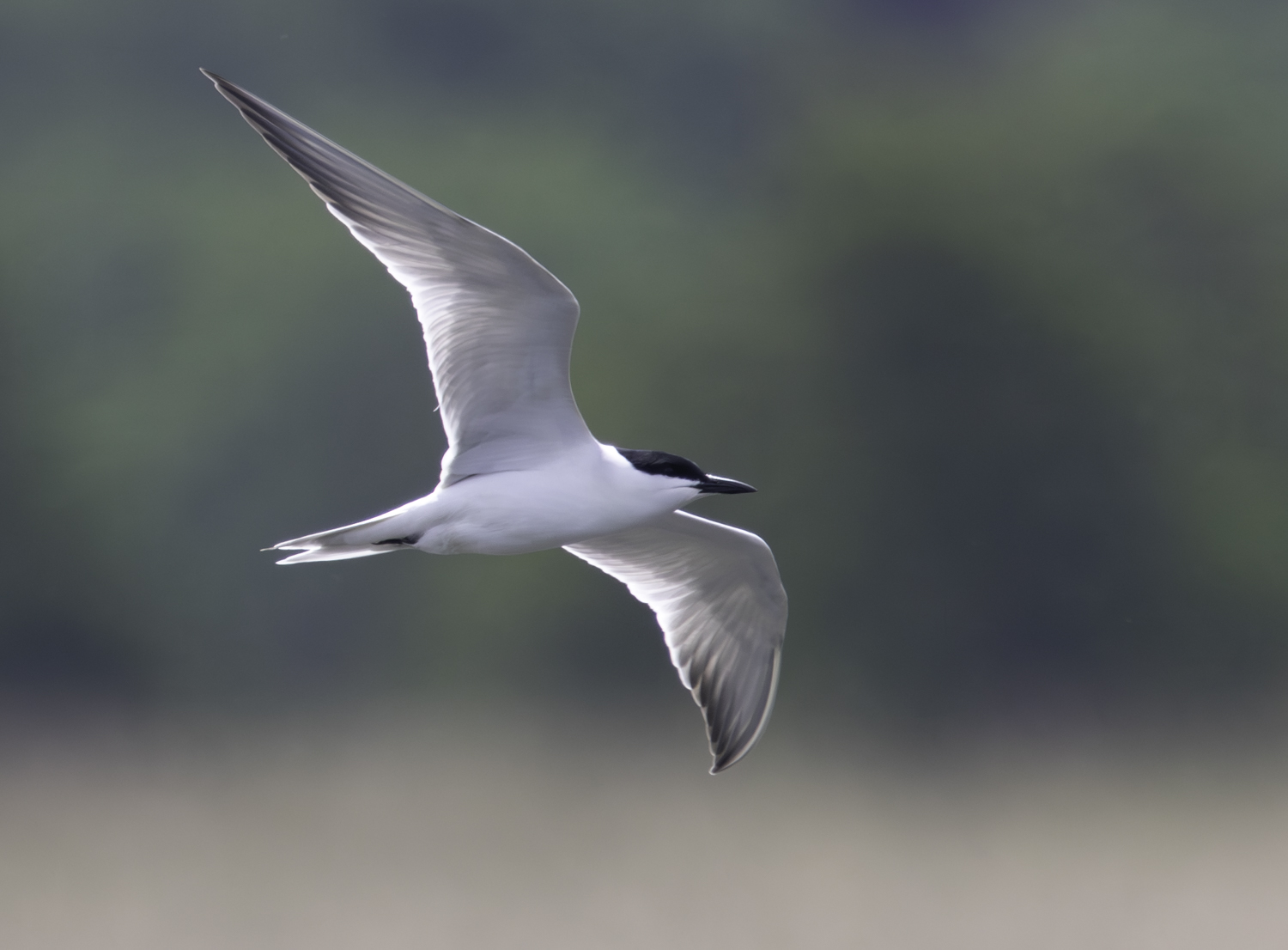
Finally, Gull-billed Tern were seen in Norfolk on 29th at Salthouse and Cley NWT; and in Suffolk on 30th-1st at Minsmere RSPB.
First and foremost among the raptors, the Black-winged Kite remained a fixture at Hempstead Marshes in Norfolk on 29th-4th.
Also in Norfolk, a Montagu’s / Pallid Harrier was seen at Hickling Broad NWT on 29th; with Montagu’s Harrier noted at Walsey Hills NOA on 30th, Winterton North Dunes on 31st, Scolt Head Island on 31st, and Horsey on 1st and 3rd-4th; and another bird was logged at South Foreland (Kent) on 29th. Another possible Montagu’s Harrier was seen on 3rd at Abberton Reservoir (Essex).
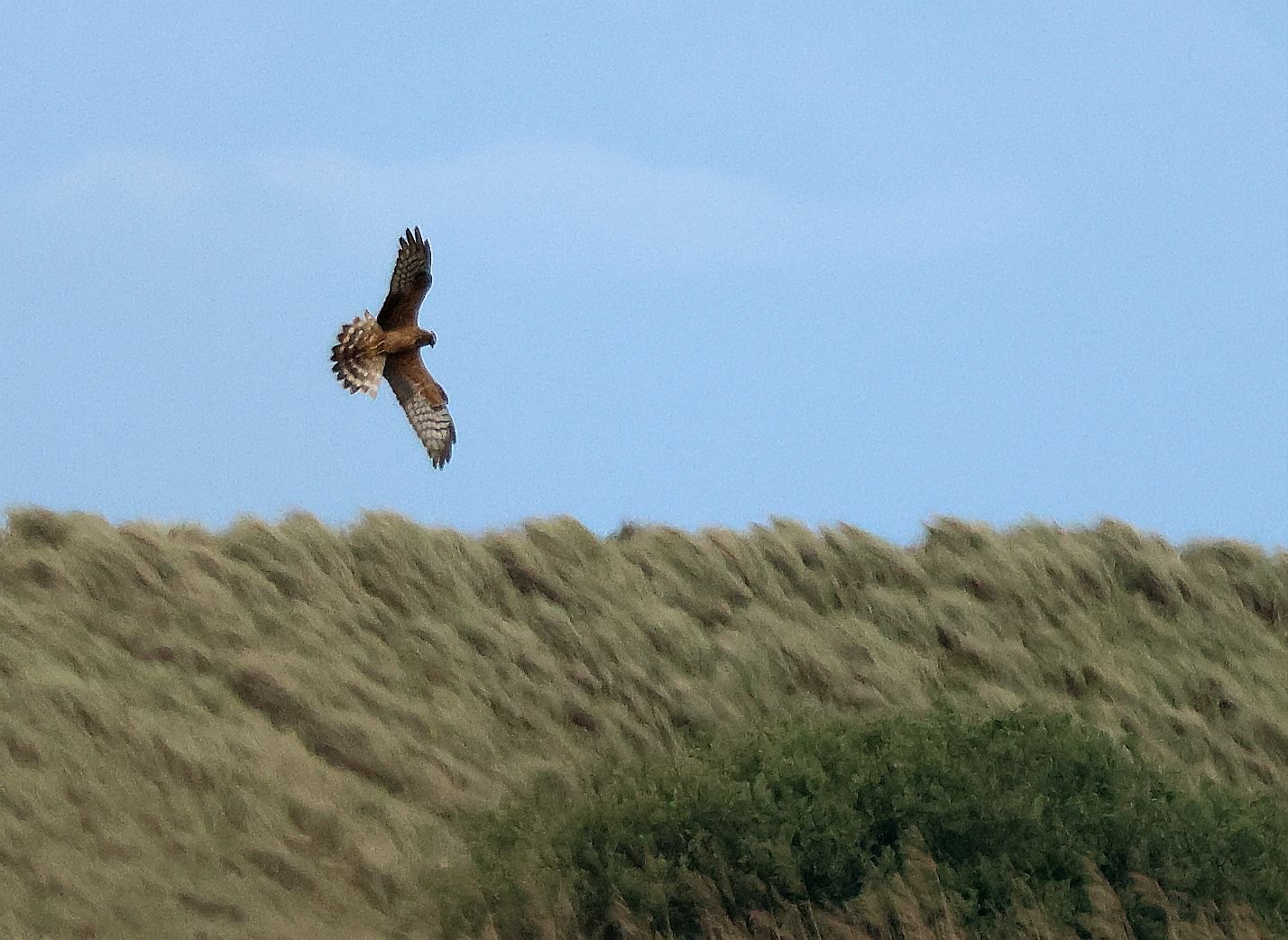
Kent also gave us sightings of Black Kite at St Margaret’s-at-Cliffe and Kingsdown on 30th. Norfolk provided sightings on 3rd from near Holt, Swanton Novers, and Pensthorpe; while another was seen that day in Somerset at West Buckland; on 4th one was noted in Norfolk at East Carleton.
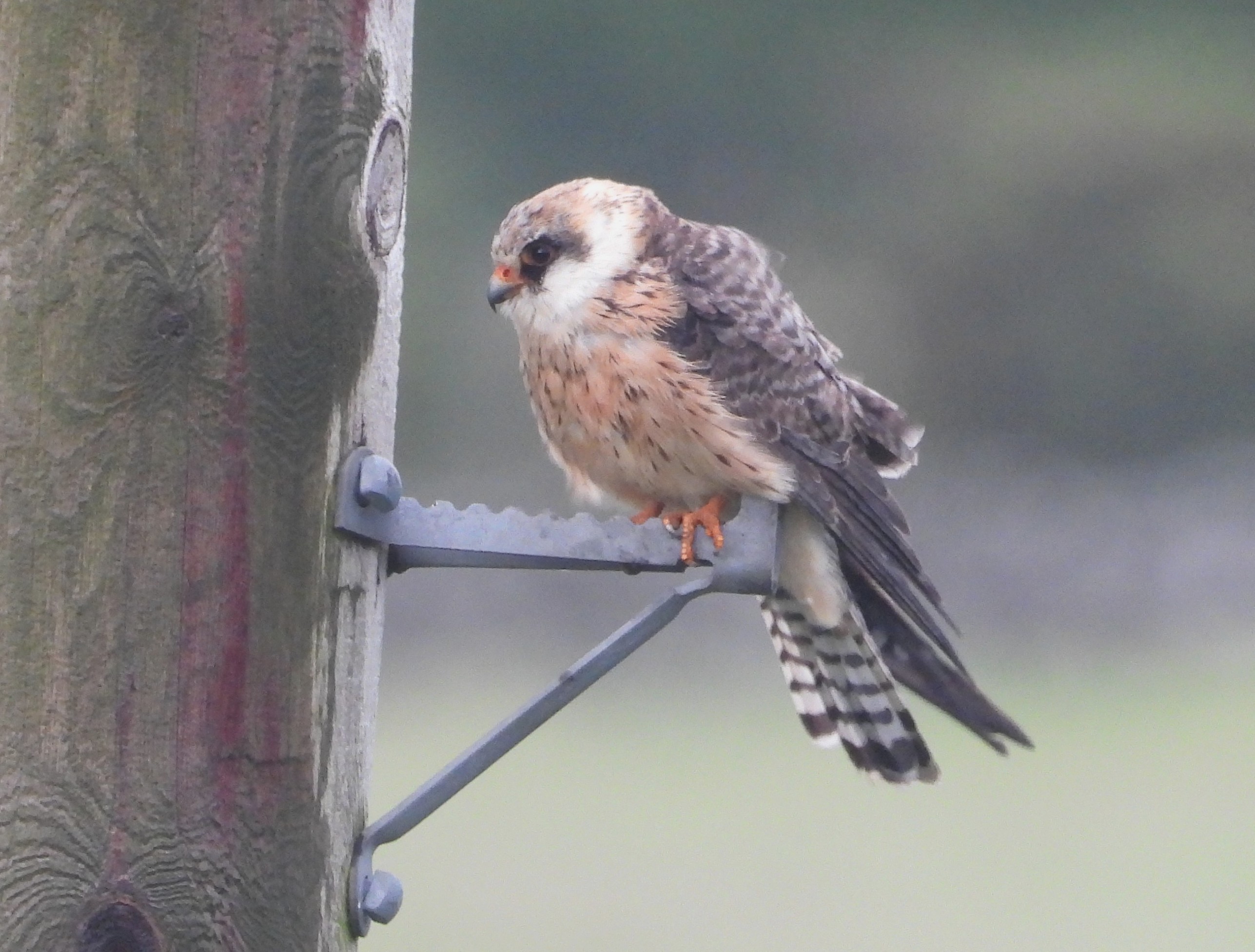
The week was once again a busy one for sightings of Red-footed Falcon. On 29th one was seen over the M40 south of Warwick (Warwickshire), and another in Lincolnshire at Alkborough Flats NR; on 31st Lincolnshire scored again at Anderby Creek, another was found in Oxfordshire at Rushy Common, while one was seen in a garden in Kilkenny (Co.Kilkenny); Ireland notched up a bird on 1st-4th at Cooley Point (Co.Louth); another was seen on 1st-3rd at Worth Marshes RSPB (Kent); and final birds for the week on 3rd at Hutton Buscel (North Yorkshire) and Walberswick NNR (Suffolk).
Starting once more with the colourful stuff, a handful of Hoopoe were seen this past week – flashing over Eyebrook Reservoir (Leicestershire) on 29th, with another reported that day on St Agnes (Scilly); and on 31st-1st in East Yorkshire at Flamborough.
The past week’s influx of Bee-eater had largely melted away – hopefully more from some of them in due course – leaving relatively few to be seen in the week just gone – a mere 15 or so birds were reported, with five lingering on Portland (Dorset) on 1st-2nd the largest flock.
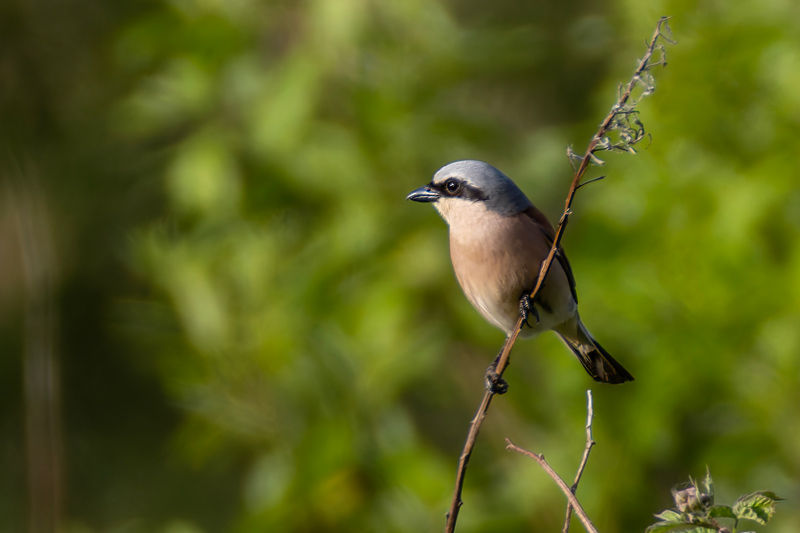
A dozen or so Red-backed Shrike were seen during the week, well scattered across northern Britain.
The recent Woodchat Shrike remained at South Stack RSPB (Anglesey) on 29th-4th, while another was present at Ambersham Common (West Sussex) on 30th.
Golden Oriole remained relatively numerous, with a little under 20 birds recorded over the course of the week. Notable were two birds on St Mary’s (Scilly) on 30th-31st; and birds trapped and ringed on North Ronaldsay (Orkney) on 29th, and on Lundy (Devon) on 30th.
In Co.Galway the Pied Crow remained just outside Galway on 3rd.
A Red-rumped Swallow was found on Iona (Argyll & Bute) on 30th.
Two of our recent Iberian Chiffchaff remained on offer, these being the stalwart bird at Hardwick Hall CP (Co.Durham) on 30th-4th still, and the newly found individual near Broxa (North Yorkshire) on 29th still.
An elusive Greenish Warbler was found on Whalsay (Shetland) on 30th; another was found on 3rd in Kent at Langdon Cliffs NT.
In Shetland, Fair Isle continued to be the place to be for Marsh Warbler, with two present there on 29th and 1st-3rd; one was trapped and ringed a little further south on North Ronaldsay (Orkney) on 1st, with a singing bird on there on 3rd. Singing birds on mainland Britain were present at Beachy Head (East Sussex) on 29th, Out Newton (East Yorkshire) on 30th, and Peterhead (Aberdeenshire) on 3rd-4th.
Somerset’s singing Great Reed Warbler remained at Shapwick Heath NNR on 29th-4th; on 31st another was found in song at Bawdsey (Suffolk), while another bird was found that day up on Westray (Orkney).
The Western Subalpine Warbler remained on Isle of May (Fife) on 29th still; while on Shetland birds were found on Unst on 31st-1st, and on Mainland at Boddam on 2nd-4th.
A Melodious Warbler was trapped and ringed on Portland (Dorset) on 29th.
A dozen Icterine Warbler meanwhile were logged during the week, with four on Fair Isle (Shetland) on 30th the peak count of their kind.
A Bluethroat was found in Southampton (Hampshire) on 2nd.
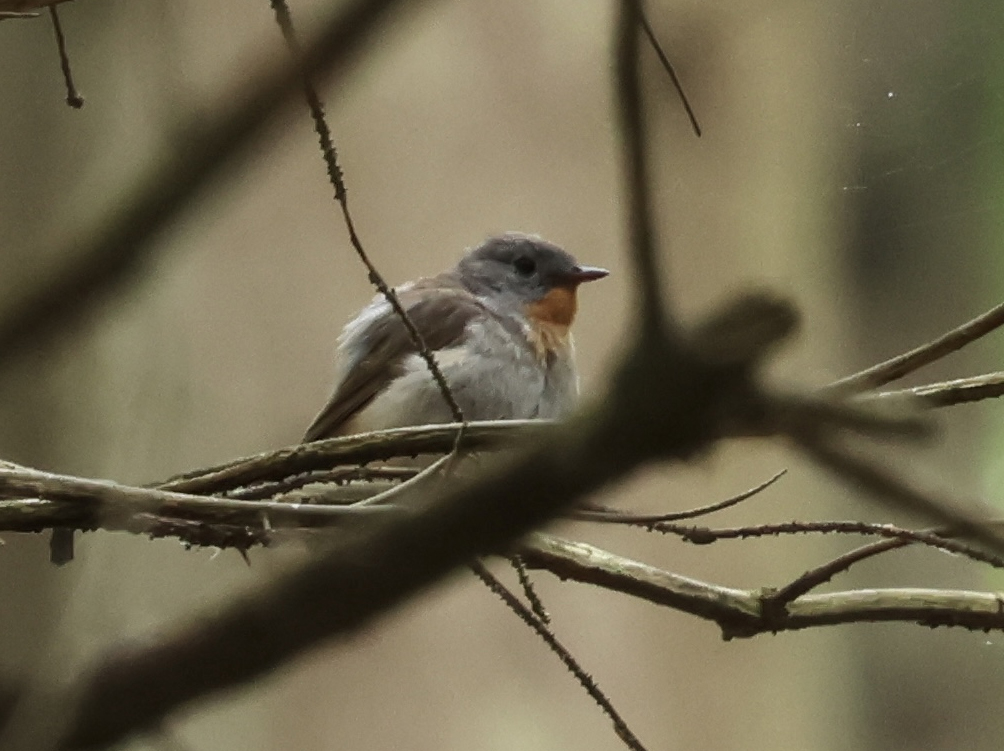
A singing Red-breasted Flycatcher settled into Culloden Wood (Highland & Caithness) on 29th-4th; one present on North Ronaldsay (Orkney) on 31st was joined by a second bird there on 1st; one was found on 30th at Flamborough (East Yorkshire); and another on 4th on Tiree (Argyll & Bute).
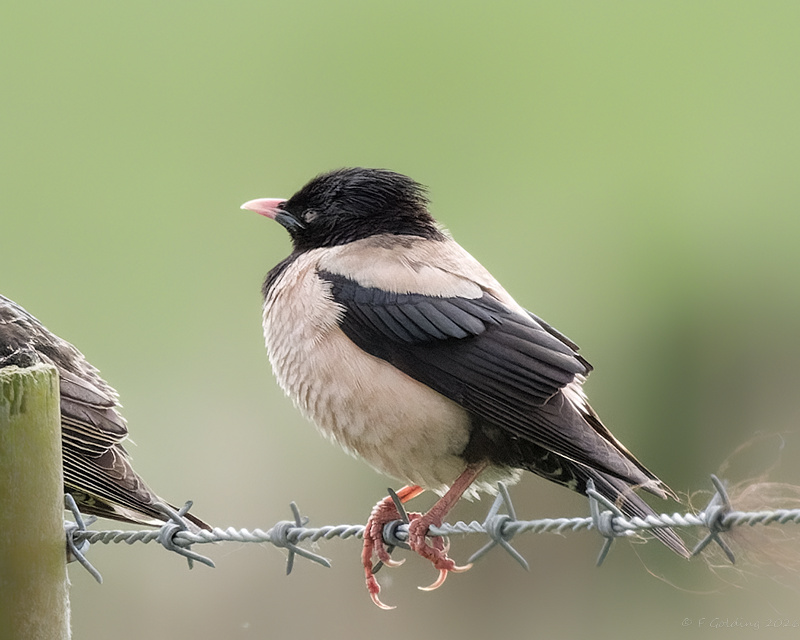
A small arrival of Rosy Starling brightened the week – birds were found in Northumberland on 29th-1st at Long Nanny, and on 1st-4th at Low Newton-by-the-Sea; in an Anglesey garden on 30th; on 31st at Cheddleton (Staffordshire); and on 4th at Doll (Highland & Caithness).
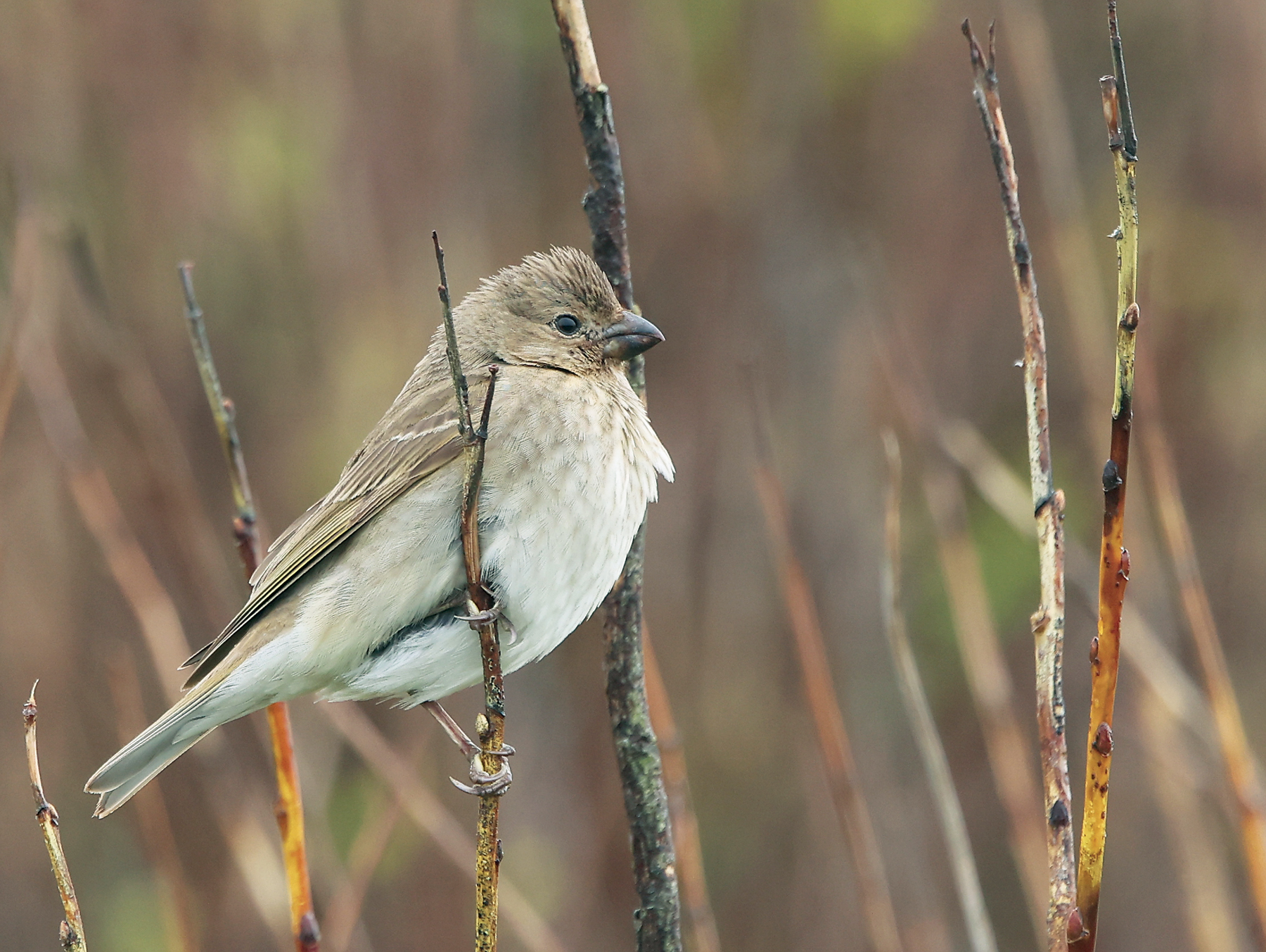
Common Rosefinch just about crept into double figures this past week, all but two of which were in Shetland – the exceptions being one present on St Kilda (Western Isles) on 30th-31st, and a singing bird at Kilnsea (East Yorkshire) on 30th-31st.
Spurn and Kilnsea enjoyed Serin on 1st-2nd, while another remained at North Foreland (Kent) on 30th-31st.
The singing male Black-headed Bunting remained on Orkney at Deerness on 30th.
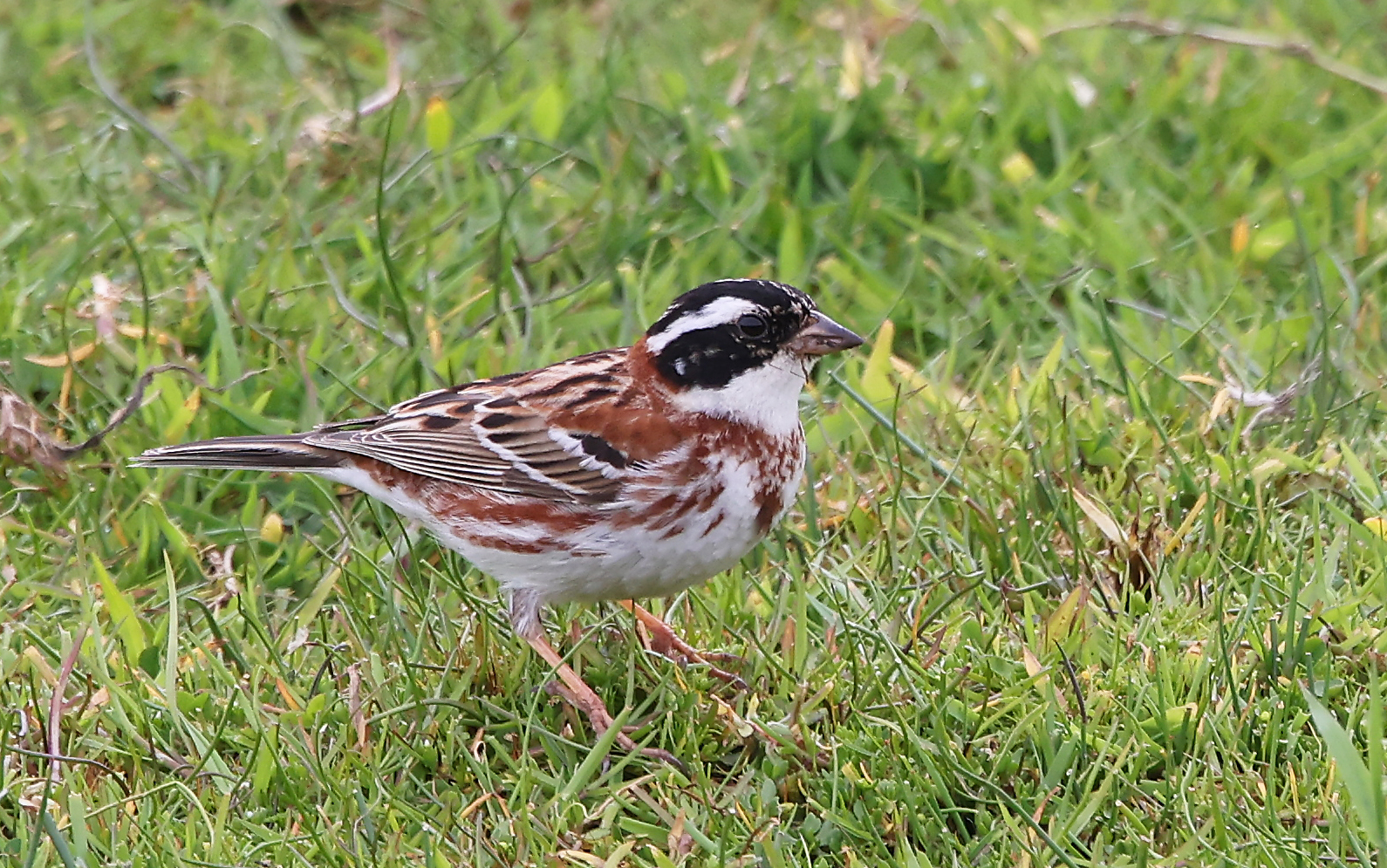
To the north, a singing male Rustic Bunting was seen on Fair Isle (Shetland) on 31st-1st.
Finally, in Lancashire & North Merseyside the male Great-tailed Grackle remained at Speke Hall on 30th-31st.
Starting the overseas news up on Iceland, a White-winged Scoter was present at Berufjorour on 29th again.
Heading into Scandinavia, the displaying Wilson’s Snipe was still present in Sweden at Storsjo on 29th-1st.
In Denmark, the Great-tailed Grackle remained at Blavands Huk on 31st.
An Eastern Long-legged Buzzard was found in the Netherlands at Wynzerdyk on 29th-30th. A Bearded Vulture was seen over Midsland aan Zee on 29th.
In Germany a Pygmy Cormorant was present at Grossenmeer on 1st.
France again enjoyed the best of terns this past week, with Elegant Tern on 29th still at Polder de Sebastopol, and the Bridled Tern still on 30th-4th on Ile aux Moutons. A Western Reef Heron was seen on 1st at Marais Royal.
A White-backed Vulture was seen in Portugal at Vila Pouca de Aguiar on 3rd.
Much further afield, in Mauritania on 29th a Wahlberg’s Eagle was seen at Cape Blanc.
Out on Cape Verde a Lesser Moorhen was present on Sal on 3rd.
Seven Short-tailed Shearwater were again seen at sea off Kuwait on 3rd.
Finally, in Turkiye on 30th a male Red-headed Bunting was seen at Berirli Eco Park, Trabazon.
The coming week, for all the pace of migration is dwindling, offers much material with which to daydream. Not least a first for Britain in the form of the Citril Finch on Fair Isle (Shetland) on 6th-11th June 2008. Hard to believe that was almost 20 years ago now…
Further quality finches are available – the coming week boasts three past Trumpeter Finch too. You want another first for Britain? You can have one – the Sulphur-bellied Warbler on Lundy (Devon) on 8th June 2021. You want another? There was the Tree Swallow on 6th-10th June 1990.
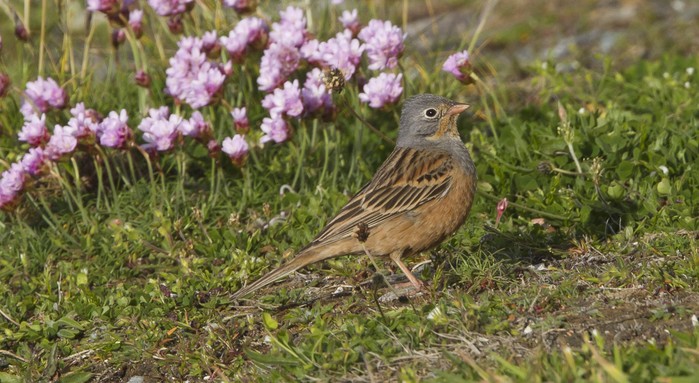
Yes, early June is a time to relish. Or it can be, anyway. And while firsts for Britain get ever more unlikely to materialise these days, let’s not write off the week’s potential for a mega. Almost half of Britain’s records of Cretzschmar’s Bunting come from the week ahead over the years. One to savour whenever one is found, that.
Jon Dunn
5 Jun 2026
Many thanks to all this week's contributors for your photos and videos and to everyone who contributed throughout the year.
Get Breaking Birdnews First
Get all the latest breaking bird news as it happens, download BirdAlertPRO for a 30-day free trial. No payment details required, and get exclusive first-time subscriber offers.
Share





