Weekly birding round-up: 8 - 14 May
Cold northerly winds defined the week but were necessary for the strong passage of Long-tailed Skuas recorded in the far northwest, and to halt the progress of good numbers of migrating Temminck's Stints and Wood Sandpipers. However, four Subalpine Warblers were logged, and new for the year this week were Red-backed Shrike and Little Bittern bringing the total of species recorded in Britain and Ireland so far in 2026 to 353.
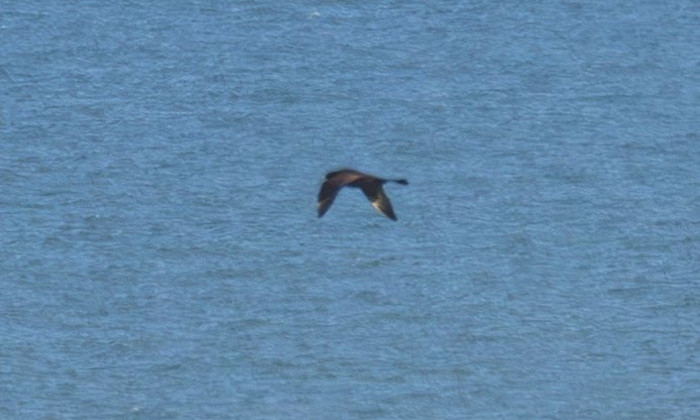
In May 1971 it was discovered that the northbound spring passage of Pomarine Skuas could be witnessed in the Western Isles from Aird an Runair, Balranald, North Uist, with Long-tailed Skuas later noted there from May 1976. Inshore skua passage is dependent on the weather with classic years requiring strong winds from the west or northwest during the key period in May. In 1983 388 moved north past North Uist between 18th and 22nd May (including 271 on 21st May), 206 between 18th May and 4th June 1986, 105 between 10th and 19th May 1987, and in 1991 the best passage ever noted saw 1,398 move north there between 6th May and 10th June, with the majority between 12th and 25th May and including 540 on 19th May. Spring 2002 saw 697 logged with 485 between 4th and 29th May 2009, 1,119 between 10th May and 5th June 2011 (including 144 on 28th May), and in 2012 550 on the evening of 13th May alone. 2013 rewrote the record books with over 3,500 logged between 4th and 23rd May including 1,450 on 22nd May with a single flock of 450! However, 2015 stole the show when 4,735 were recorded during May including 762 on 11th; 1,310 on 12th, 440 on 15th, 850 on 16th, 235 on 17th, 320 on 24th, 325 on 28th, and 203 on 31st.
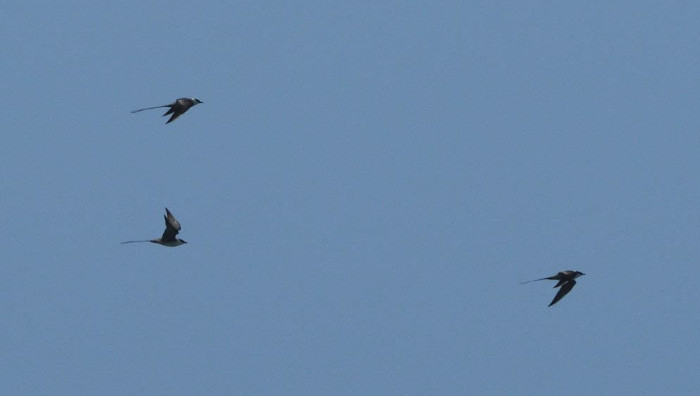
In spring 2026 the first Long-tailed Skuas to be recorded at Aird an Runair were four on 8th May followed by 308 on 12th and two on 13th May, and 11 noted at Ardvule Point, South Uist on 12th. In Highland on 12th 70 passed north at Rubha Reidh and 16 at Stoer, and 18 passing Neist Point, Isle of Skye on 14th, with overland passage on 13th and 14th seeing at least 13 birds seen crossing the Great Glen northeast from Fort William towards Inverness, and 14 appearing on the other side at Alturlie Point on 14th. The Long-tailed Skua bird day total from around Britain and Ireland for this week was 497 with records from Ayrshire (12, Saltcoats, 13th), Cumbria (3, Bowness-on-Solway, 13th), Shetland (Ulsta, Yell, 10th), and a series of records from Loch Indaal, Islay, Argyll.
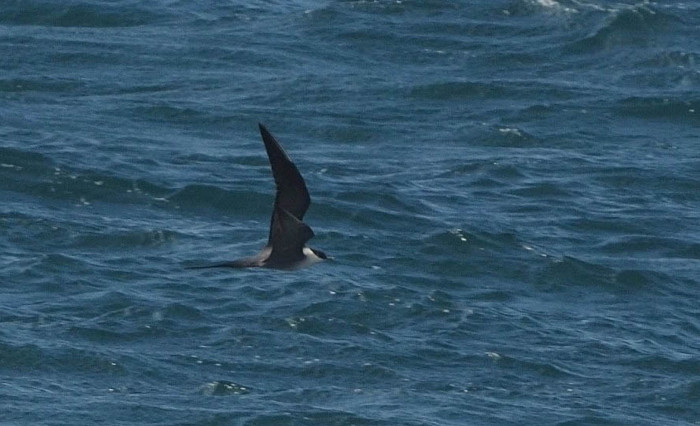
Associated with the Long-tailed Skuas were Pomarine Skuas with the bird day total from around Britain and Ireland for the week being 177, with a peak of 98 on 12th and especially notable records being on 12th 73 north at Aird an Ruinair, North Uist, Western Isles, 14 off Rubha Reidh, Highland, and four passing Achill Island, County Mayo, and on 13th seven at Fort William, Highland. Smaller numbers were noted at classic watchpoints such as Tiree (Argyll), Saltcoats (Ayrshire), Stoer (Highland), Blackpool and Heysham (Lancashire), Wats Ness, Mainland (Shetland), Burnham-on-Sea (Somerset), and Ardvule Point, South Uist (Western Isles). In the English Channel peaks counts were 24 east at Dungeness, Kent on 8th with a further 13 the following day.
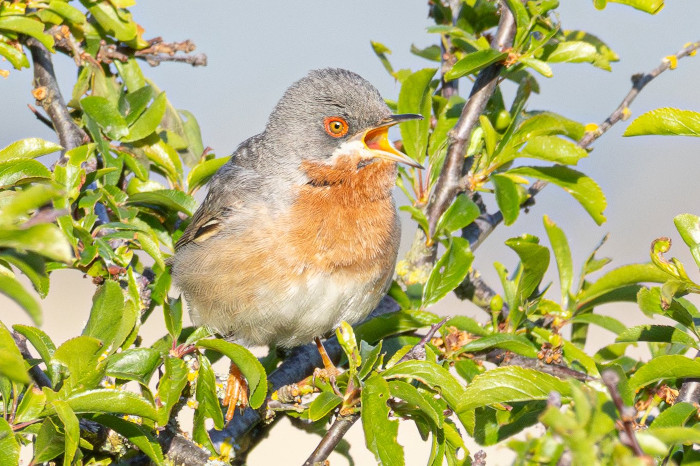
Four Subalpine Warblers was a good showing considering the lack of conducive weather. Single females were trapped and ringed at Calf of Man (Isle of Man) and Portland Bill (Dorset) bird observatories on 10th and 12th respectively and will await genetic analysis before being identified, but males on Skomer, Pembrokeshire on 8th-9th and, most popularly, in song at Cow Gap, Beachy Head, East Sussex on 12th-14th were both confirmed as Eastern Subalpine Warblers.
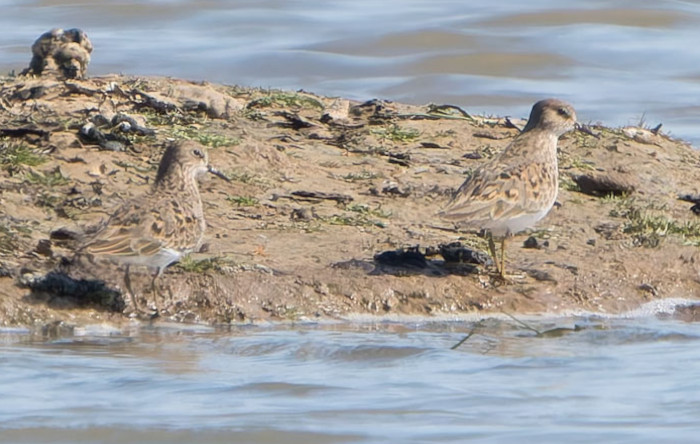
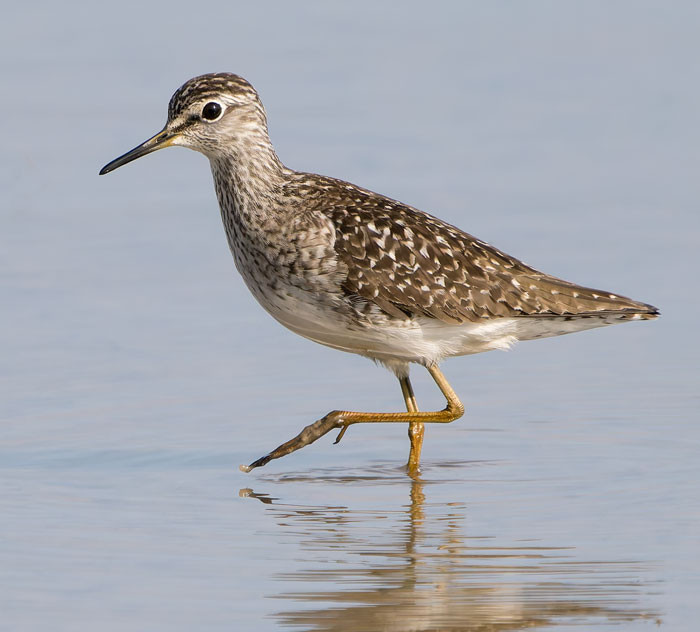
A notable total of 145 Temminck's Stint bird days this week with peaks of 29 on 10th and 28 on 14th, with records from 18 counties and notable counts of four at Cley, Norfolk on 9th-10th and Low Newton-by-the-Sea, Northumberland on 14th, and three at each of Dungeness, Kent on 8th, Pett Level, East Sussex on 10th, Minsmere, Suffolk on 11th-14th, and Finningley, South Yorkshire and Hickling Broad, Norfolk on 14th. Associated with the Temminck's Stints was a total of 369 Wood Sandpiper bird days this week with a peak of 93 on 10th, with records from 40 counties and notable counts of 11 at Cley, Norfolk on 9th, eight at Loch of Strathbeg, Aberdeenshire on 12th, seven at both Branston Island, Lincolnshire on 9th and Saltholme, Cleveland on 10th, and six at both Washington, County Durham on 10th-11th, and Manby Flashes, Lincolnshire on 11th.
What was probably a Scopoli's Shearwater flew north past Flamborough Head, East Yorkshire on 10th on the same date that the first Balearic Shearwater of the summer was recorded at Portland Bill, Dorset. On 13th in Ireland single Leach's Petrels passed Bridges of Ross, County Clare, and Copeland Islands, County Down.
The adult Pacific Diver remained at Achill Island, County Mayo throughout and a total of 14 White-billed Divers was logged most notable of which were one still inland in Forth at Loch Venachar on 9th, one in County Clare at Lahinch on 9th-10th, one off Seahouses, Northumberland on 13th, with others in Aberdeenshire (two at Portsoy), Highland (two), Moray (three), and the Western Isles (up to three off Port Skigersta, Lewis on 8th, and one passing Aird an Runair, North Uist on 12th).
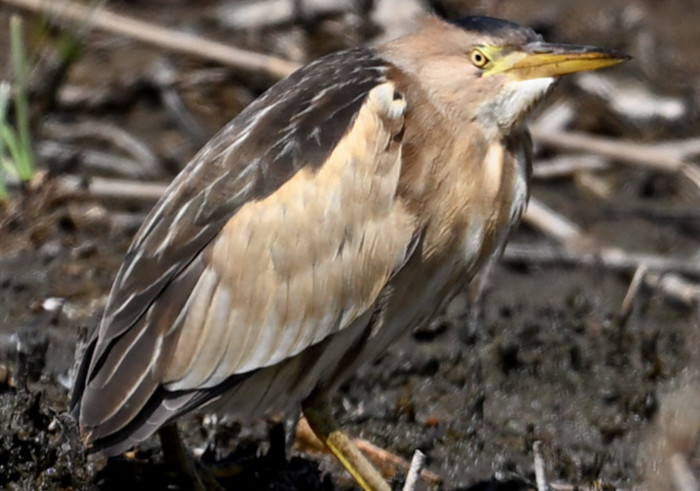
The highlight was a female Little Bittern in the Isles of Scilly on St Mary's on 13th where it eventually showed well at Porth Hellick Pool.
In County Cork a Squacco Heron at Ardra Beg until 10th was presumably the same as that at nearby Ballintrim on 24th April, with another in County Cork this week at Lough Cluhir on 9th. Three Purple Herons comprised a first-summer still in Cornwall at Walmsley Sanctuary on 9th, a first-summer at Nunnery Lakes, Norfolk on 13th, and one at Worth Marsh, Kent on 14th, and the six Night Herons were all brief encounters: at Empingham, Leicestershire on 9th, two at Lodmoor, Dorset on 11th, at least two on St Mary's, Isles of Scilly on 11th-12th, and an adult at Ellerton, North Yorkshire on 13th. Perhaps 34 Glossy Ibises were logged across 15 counties including, most notably, 12 at Llanelli, Carmarthenshire on 9th where three then lingered until 11th, three still at Branston Island, Lincolnshire on 11th and three at Otmoor, Oxfordshire throughout, and four scattered singles in Ireland.
Once again the wildfowl highlights came from the north side of the Firth of Forth in Fife where two adult drake White-winged Scoters remained off Methil until 9th after which all the action moved upriver to Kirkcaldy where at least one White-winged Scoter was present from 10th-14th where it associated with Eider and showed exceptionally well even coming ashore on occasions. A second adult drake White-winged Scoter was off Kirkcaldy on 12th with both an adult drake Black Scoter and an adult drake Surf Scoter also present there from 10th-14th. In Highland the first-winter drake King Eider remained at the mouth of Loch Fleet throughout.

That an adult Black Brant lingered in East Yorkshire at Kilnsea throughout was to be expected, as it and the accompanying High Arctic breeding Dark-bellied Brent Geese traditionally linger late into the spring in Europe, but the three Tundra Bean Geese at Slimbridge, Gloucestershire until 10th; Breydon Water, Norfolk on 10th; and Fen Drayton, Cambridgeshire on 9th-14th are part of an unexplained and seemingly increasing trend for this species to be present in Britain in summer.
All Nearctic dabbling ducks this week were in the far north with three American Wigeons in the Western Isles - a drake still at Loch Stiapabhat, Lewis on 8th, and a pair at Loch Paible, North Uist on 10th-13th - and another drake on Fetlar on 9th-10th, whilst a drake Green-winged Teal was on Lewis on Great Bernera at Valasay on 8th.
The adult drake Lesser Scaup present intermittently in Buckinghamshire since 2nd April again spent the whole of this week at College Lake with Tufted Ducks and it raises the possibility that it has paired with a female Tufted Duck that is currently incubating eggs. Although apparent hybrid Lesser Scaup x Tufted Ducks have previously been identified in Britain the species has never been proved to breed here as either a pure or hybrid pair. Another drake Lesser Scaup was present briefly at Minsmere, Suffolk on 12th. Four Ring-necked Ducks comprised a female still in Highland at Loch Laide on 9th, and drakes in Devon at Beesands Ley on 10th-11th, in Shetland on Mainland on 11th-14th, and in Orkney at Loch of Bosquoy, Mainland on 14th. In Scotland single redhead Smew were in Shetland at Loch of Belmont, Unst on 8th-11th, and in Highland at Loch Garten on 14th.
An apparent female hybrid Black Duck x Mallard in Lothian at Burdiehouse on 13th is the sixth such report from Lothian this millennium following birds at Musselburgh Lagoons on 2nd-21st January 2001, 8th September-3rd October 2009, and 7th-12th May 2011, Aberlady Bay on 21st June 2001, and Water of Leith on 6th December 2025. Further up the Firth of Forth a male hybrid Black Duck x Mallard was at Skinflats, Forth on 13th May-13th July 2024. A pure Black Duck has only been recorded in southeast Scotland once; a female at Tyninghame, Lothian intermittently between 9th February 1985-27th April 1986.
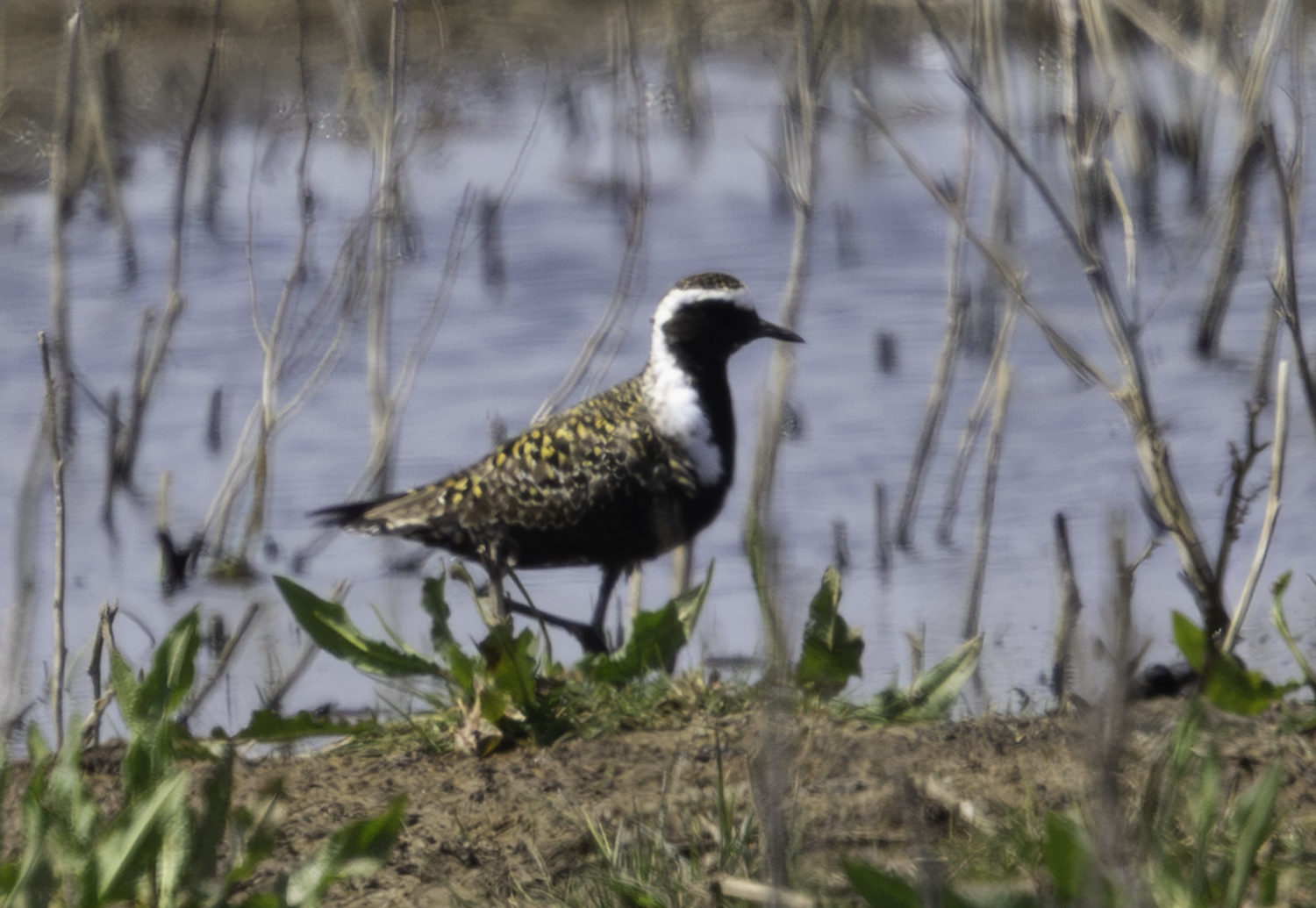
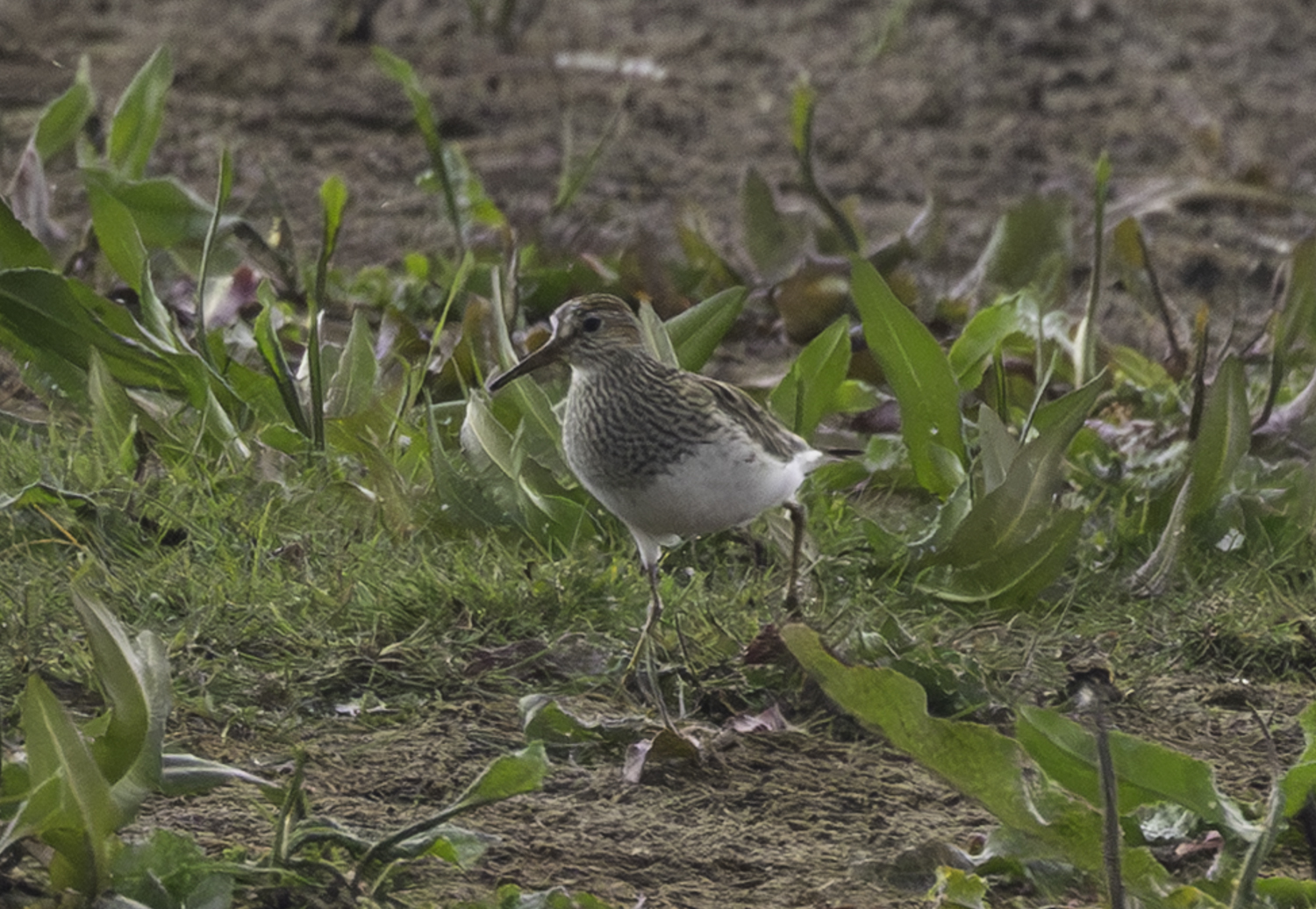
Nearctic waders comprised both the Spotted Sandpipers still present in East Sussex on the Ouse Estuary at Piddinghoe on 8th, Lesser Yellowlegs new in Nottinghamshire at Slaynes Lane on 10th and in County Cork at Clonakilty on 12th, Buff-breasted Sandpipers in Lincolnshire on 10th and at Welney, Norfolk on 11th, four American Golden Plovers, with one new at Ballycotton, County Cork on 13th, and others present throughout at Old Hall Marshes, Essex, and Frampton Marsh, Lincolnshire, the latter joined by a second bird on 11th, and Pectoral Sandpipers at Nosterfield, North Yorkshire on 9th-14th, both North Ings and Swillington Ings, West Yorkshire on 10th, Llanelli, Carmarthenshire on 10th-14th, Loch Don, Mull, Argyll on 12th-13th, Old Hall Marshes, Essex on 12th-14th, and Berneray, Western Isles on 13th.
Passage Dotterel were recorded in Aberdeenshire (3), Argyll (5), Cambridgeshire (13 together at Gamlingay on 10th), County Down, Orkney (3), Pembrokeshire (3), North Yorkshire (2), and the Western Isles (9 in three trips). A Stone Curlew was a notable visitor to Flamborough Head, East Yorkshire on 14th.
Black-winged Stilt reports this week came from Goonhilly Downs, Cornwall, and a female at Frampton Marsh, Lincolnshire both on 8th-10th, Rye Harbour, East Sussex on 9th-10th, at Ken Hill Marshes, Norfolk on 11th, and a female at Fen Drayton, Cambridgeshire on 12th. An adult male in Somerset at Portishead from 8th-13th seems almost certain to be an escape from captivity due its confiding nature and choice of atypical habitat. In 2014 two Black-winged Stilts bearing rings escaped at Blunham, Bedfordshire in January with one of these then present later that year in Cambridgeshire and Norfolk until 29th December. In 2024 an adult male bearing an avicultural ring was present in Norfolk at Ken Hill Marshes and later Titchwell between at least 5th July and 12th January 2025. Famously, a male Black-winged Stilt present at Druridge Pools, Northumberland on 31st July-16th August 1993 relocated to Norfolk where it ranged between Snettisham, Holme, Thornham, Scolt Head Island, before ultimately settling at Titchwell where it remained until 21st May 2005. Although an accepted record, the anomalous residency of this migratory species coupled with its peculiar repeated attraction to Oystercatchers strongly suggests it was an escape and lends credence to the assertion made soon after its arrival that it had escaped from a private collection at East Dereham, Norfolk.
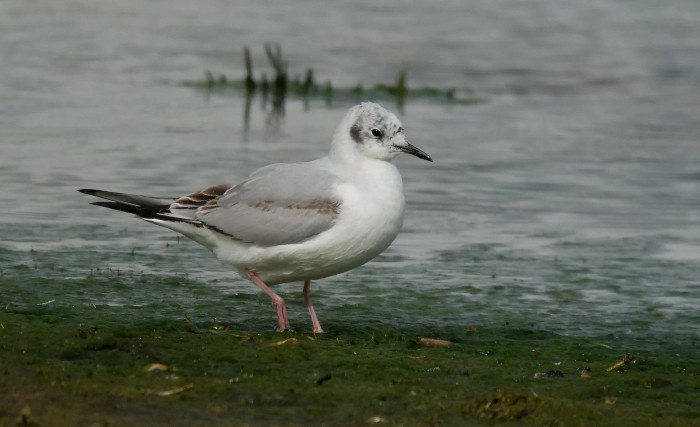
Three Bonaparte's Gulls this week, all first-summers, with one still at Inch Island, County Donegal on 8th, in Dorset one on The Fleet between Chickerell and Abbotsbury throughout, and one at Belvide Reservoir, Staffordshire from 11th; the second record for this hallowed site following a first-summer there on 16th to 22nd April 2020.
Glaucous Gulls were recorded in Orkney (two including the long-staying adult still at Ring of Brodgar, Mainland on 14th), County Cork (two together at Rochestown on 11th), and the Western Isles (at least two first-summers), with immature Iceland Gulls in County Cork, Highland, Moray, Shetland, and the Western Isles (at least three).
Late news of a Whiskered Tern in East Sussex at Pett Level last week was the second in England this spring, whilst the returning Elegant Tern was still present in County Galway on 8th at the tern colony at Inishroo where it had earlier been present on 18th-26th July 2022 and 21st-28th May 2023 before decamping to County Mayo in 2024 and 2025.
In Britain - away from population nucleus of Coquet Island, Northumberland - adult Roseate Terns were in West Sussex at Church Norton on 9th, eight at Newbiggin-on-the-Sea, Northumberland and one passing Portland Bill, Dorset on 10th, one at Minsmere, Suffolk on 13th, and four at Brownsea Island, Dorset on 14th, and on Anglesey at Cemlyn Bay where at least one on 13th-14th. The latter bird was paired to a hybrid Roseate x Common Tern with such adult hybrids present in the tern colony there since at least 2018, and hybrid pairings between Roseate and Common Tern off Anglesey on The Skerries in at least 2016 (two pairs), 2017, 2020, and 2022 when a pair fledged three hybrid young and an additional further hybrid pair Roseate Tern x (Common x Roseate Tern) were also present. Successful hybridisation between these species has also occurred in this millennium at Bootle, Merseyside and Leith, Lothian.
The adult Black-winged Kite remained at Hempstead Marshes, Norfolk throughout and with the passage of time it appears increasingly likely that all records of this species in Britain since the first in 2023 relate to the same individual. Transient Black Kites were seen at Otmoor, Oxfordshire on 8th and Llyn Tegid, Gwynedd on 9th whilst in Cornwall one was seen over Skewjack and St Buryan on 10th an Cadgwith on 11th.
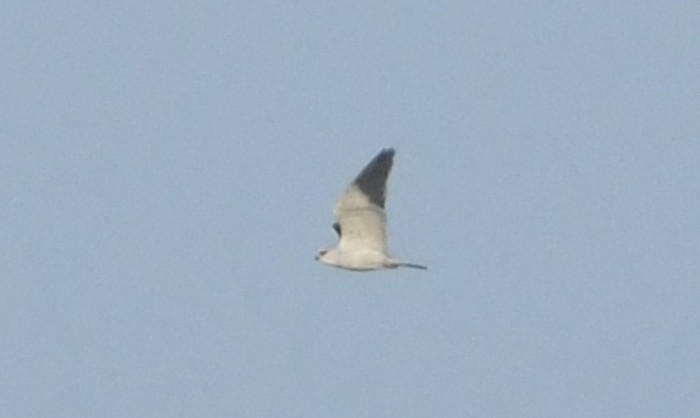
A total of ten Red-footed Falcons with up to two females at Worth Marshes, Kent on 8th-9th, two at Willow Tree Fen, Lincolnshire on 8th with an adult male remaining there until 10th, another adult male still in Suffolk at Carlton Marshes on 8th, a first-summer male at North Duffield Carrs, North Yorkshire throughout and joined by a second from 12th, a male briefly at Paxton Pits, Cambridgeshire on 10th, and two females together at Goonhilly Downs, Cornwall on 11th. Two Pallid Harriers were reported on 9th with a male on Handa Island, Highland and another at John o' Groats, Caithness, and just three Montagu's Harriers: in Nottinghamshire at Lound on 9th, Norfolk at Blakeney on 11th, and Wyberton, Lincolnshire on 13th. Incoming Honey Buzzards were noted in Dorset at Portland Bill on 9th, Swineham on 10th, and both Middlebere and Stanpit Marsh on 11th, Alvecote, Warwickshire on 10th, and Beachy Head, East Sussex on 12th, whilst in Norfolk singles were logged at Swanton Morley on 12th, Norwich on 13th, and Sea Palling on 14th.
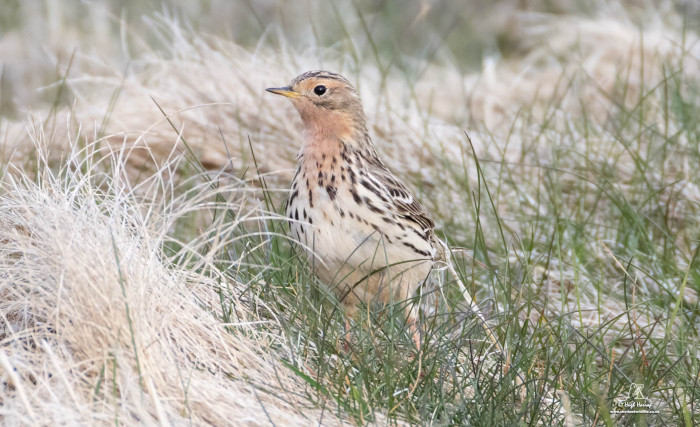
Defying the northerly winds was a Red-throated Pipit in Shetland at Sumburgh Head on 13th, whilst in Norfolk a Tawny Pipit flew over Waxham on 8th and in East Yorkshire a Richard's Pipit was reported at Flamborough Head on 9th.
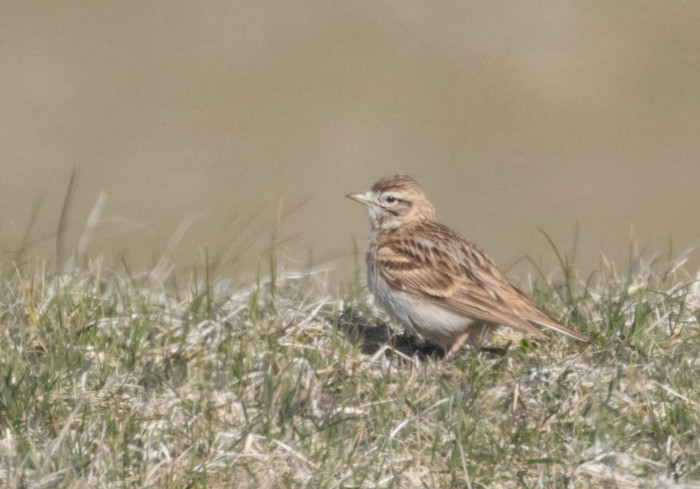
The Short-toed Lark remained on Fair Isle until 9th and four Grey-headed Wagtails comprised males at Ringstone Edge Reservoir, West Yorkshire and Scaling Dam Reservoir, Cleveland on 9th, Longhaugh Point, Clyde on 10th, and Cley, Norfolk on 13th-14th.
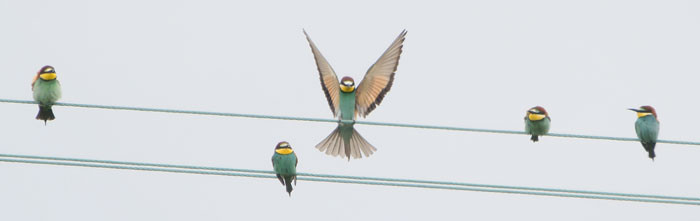
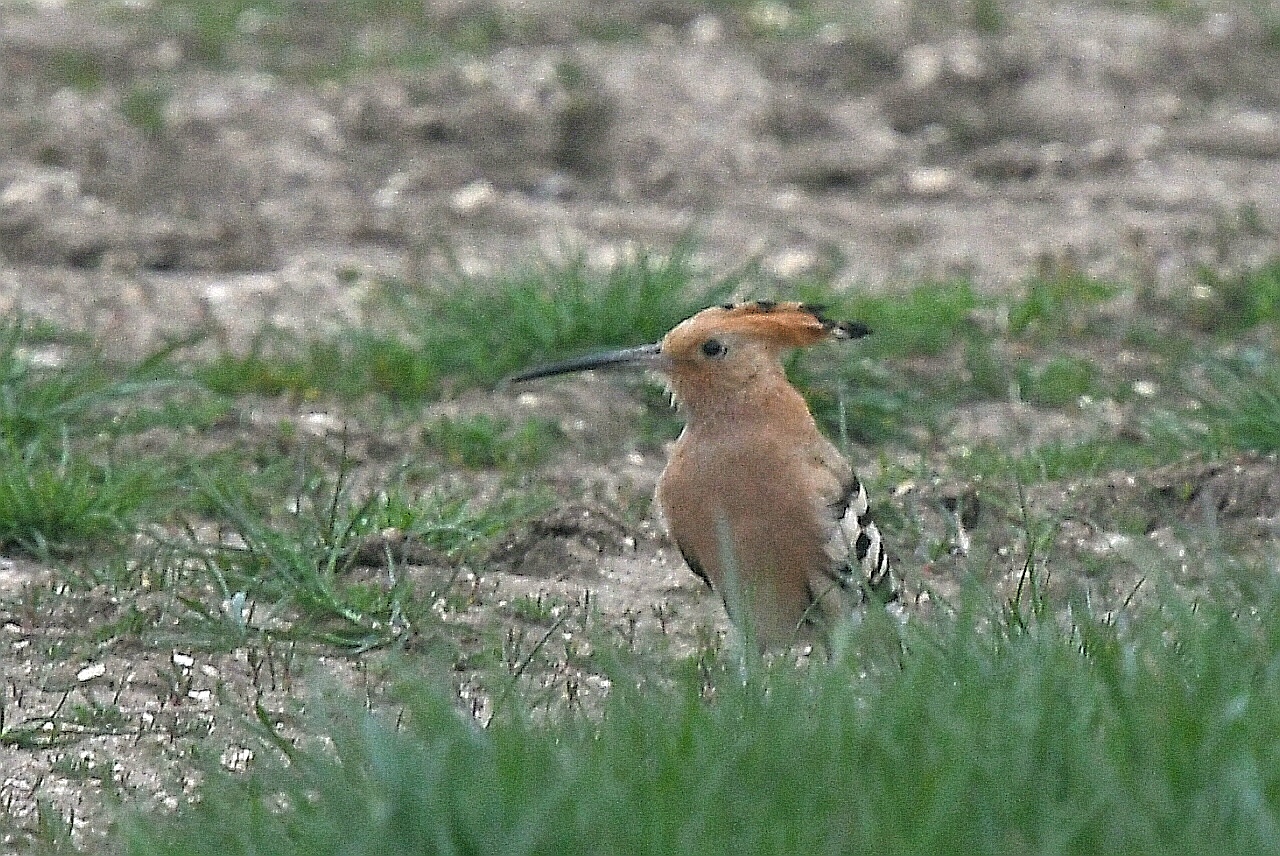
The flock of 13 Bee-eaters remained in Norfolk at Hempstead on 8th when three more flew over Weymouth, Dorset with a single passing over South Stack, Anglesey on 9th. Hoopoes were seen in Cornwall, Lincolnshire, Somerset, Suffolk (in song at Lowestoft on 11th-14th) on Worcestershire, East Yorkshire (at Bempton on 9th-10th), and a total of 12 Golden Orioles comprised singles in Ceredigion (at Ynys-hir on 8th), Devon (on Lundy on 11th), Gwynedd (Foryd Bay on 12th), Kent (North Foreland on 12th), and North Yorkshire (Gristhorpe on 13th), two in Pembrokeshire, and at least five on the Isles of Scilly (including at least three on St Mary's alone on both 8th and 11th).
At least one Zitting Cisticola remained in Suffolk at Corporation Marshes, Walberswick on 8th, Great Reed Warblers were in song at Belvide Reservoir, Staffordshire on 8th-9th and at Fowlmere, Cambridgeshire on 9th, the Iberian Chiffchaffs remained on territory at both Westleton Heath, Suffolk until 11th and at Hardwick Hall, County Durham throughout, with another candidate (or doppelganger) still in song at Durlston Head, Dorset on 12th.
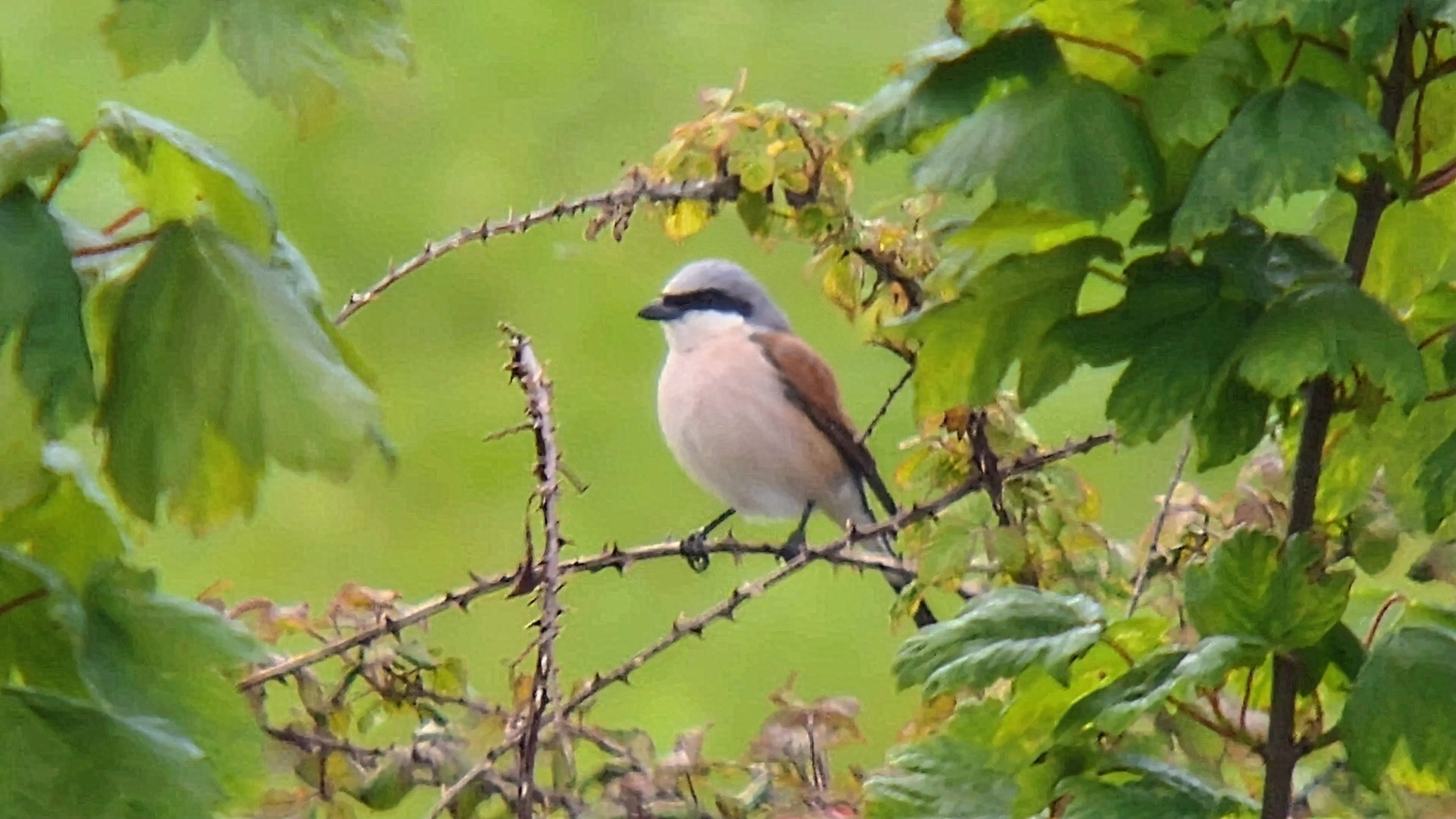
Just two Red-backed Shrikes - males at Hope Point, Kent on 10th and Morston, Norfolk on 13th - but four Woodchat Shrikes: at Steart, Somerset on 8th, at Morfa, Glamorgan on 9th, on Bryher, Isles of Scilly until 10th, and at Clynelish Muir, Brora, Highland throughout.

Otherwise, a Serin flew east at Birling Gap, East Sussex on 9th, an Alpine Swift flew northeast at Pendeen, Cornwall on 10th, Red-rumped Swallows were at Titchfield Haven, Hampshire on 10th-11th and at Ballycotton, County Cork on 13th, and the male Great-tailed Grackle remained on territory at Speke Hall, Merseyside throughout.
In Spain up to three Elegant Terns were in Alicante at Salinas de Pinet whilst in France one at Polder de Sebastopol, Barbâtre, Vendée until 12th was joined by a second on 10th, whilst the returning Bridled Tern was still at Île aux Moutons, Finistère on 13th, and in the south of the country a Red-necked Nightjar was in song at Ortaffa, Occitanie on 13th and a Blue-cheeked Bee-eater at La Garde, Toulon, Var on 14th.
In the Benelux an unidentified grackle species was in Belgium at Zuidelijke Bufferzone, Melseledijk on 10th, and Bonelli's Eagle flew over Brecht, Antwerp on 9th, and Benedenste Jannezand, North Brabant, Netherlands the following day. In Scandinavia, in Sweden a Black-throated Accentor was trapped and ringed at Stora Fjäderägg on 14th, the adult Dalmatian Pelican was seen again over Bomhus, Gävle on 8th and both returning male Wilson's Snipes continued to display at Kallkällhult, Värmland and Storsjö, Jämtland, whilst in Norway a Black-faced Bunting was new at Lista, Farsund, Agder on 11th-13th. In the Azores a drake Wood Duck was at Lagoa Azul, São Miguel on 13th, and an American Coot remained in Iceland at Sandgerðistjörn Ponds, Sandgerði until 12th. Further afield, in Kuwait a pelagic into the Persian Gulf off Al Ahmadi on 11th produced two Short-tailed Shearwaters with an amazing 24 logged there the following day, and on 13th a Semipalmated Plover was identified on Sal, Cape Verde.
Looking back through the history books, this coming week in previous years has produced some outstanding rarities, with celebrated firsts including:
Britain
- 15th Marmora's Warbler Midhope Moor South Yorkshire 1982
- 15th White-crowned Sparrow Fair Isle Shetland 1977
- 15th Thrush Nightingale Fair Isle Shetland 1911
- 16th Little Swift Skewjack Cornwall 1981
- 17th White-winged Black Tern Horsey Mere Norfolk 1853
- 18th Elegant Tern Dawlish Warren Devon 2002
- 19th Rock Thrush Therfield Hertfordshire 1843
Ireland
- 16th Western Black-eared Wheatear Cosheen, Castletownsend, County Cork 1916
- 16th Great Reed Warbler Tuskar Rock, County Wexford 1920
- 19th Bermuda Petrel at sea 170 nautical miles WNW of Slea Head, Kerry 2014 (not included in Category A)
- 20th White-crowned Sparrow Ballinacarraige, West Beara, County Cork 2003
- 20th Rock Thrush Port Oriel, Clogher Head, County Louth 1974
- 21st Cetti's Warbler Ballymacoda, County Cork 2001
Western Palearctic
- 16th Black Scoter Kökar, Åland, Finland 1926
- 18th Yellow-shafted Flicker Ålborg, Denmark 1972
- 18th Yellow-headed Blackbird Polder Waal en Burg, Texel, Netherlands 1982
- 21st Red-breasted Nuthatch Heimaey, Vestmannaeyjar, Iceland 1970 (found dead)
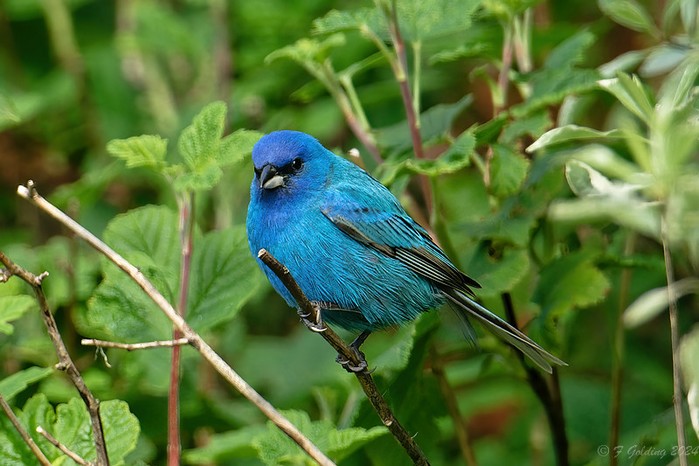
Whilst other classic British twitches launched this week were the Hudsonian Godwit in Hampshire in 2025, Indigo Bunting in County Durham in 2024, Dusky Thrush in Kent in 2013, Cream-coloured Courser in Herefordshire in 2012, Thick-billed Warbler in Shetland in 2003, Common Yellowthroat in Shetland in 1997, Lark Sparrow in Norfolk in 1991, Baillon's Crake in County Durham in 1989, and Trumpeter Finch in West Sussex in 1984.
The presence of a Pallas's Sandgrouse in Finland at Ilomantsi on 2nd May 2026 gives hopes of another one here with the majority of individuals of this species in Britain in the modern era (1964, 1969 (3), and 1975 (2), and 1990) have been discovered between 11th and 26th May, and that in 1888 this species was recorded in 17 recording areas across Britain and Ireland in this coming week alone simply boggles the mind.
Aiming lower, scarcities still to be recorded in Britain or Ireland in 2026 include Red-necked Phalarope, White-winged Black Tern, Rose-coloured Starling, Ortolan Bunting, Citrine Wagtail, and Marsh, Icterine, and Blyth's Reed Warblers.
Chris Batty
15th May 2026
Many thanks to all this week's contributors for your photos and videos and to everyone who contributed throughout the year.
Get Breaking Birdnews First
Get all the latest breaking bird news as it happens, download BirdAlertPRO for a 30-day free trial. No payment details required, and get exclusive first-time subscriber offers.
Share