Weekly birding round-up: 3 - 9 Apr
We’re still not into the heart of spring, but the Mediterranean species were beginning to make themselves known in these parts this past week. Nonetheless, it fell to Nearctic vagrants to make all the running for yet another week…
Not even a first for the year in Britain, but nonetheless always a quality find wherever one’s made, a Killdeer settled this week for a few days at Chapel Amble (Cornwall) on 3rd-6th.
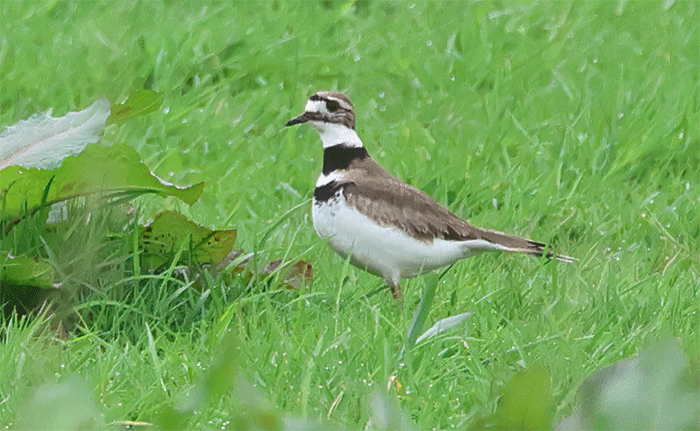
Intuitively, one might expect this not to be such big news for a county of the heft and calibre of Cornwall where birds from the west are concerned, but one would be somewhat mistaken. Cornwall’s had just the three past records, all one-day birds, and the most recent on 20th November 2002 at Godrevy. After almost a quarter century wait, another twitchable example was always going to draw some local attention.
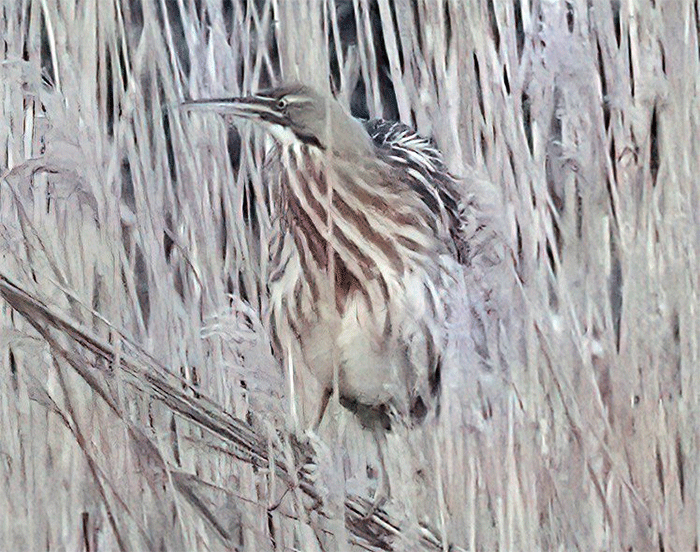
Happily for all concerned, the American Bittern remained in Co.Cork at Cuskinny NR until 9th.
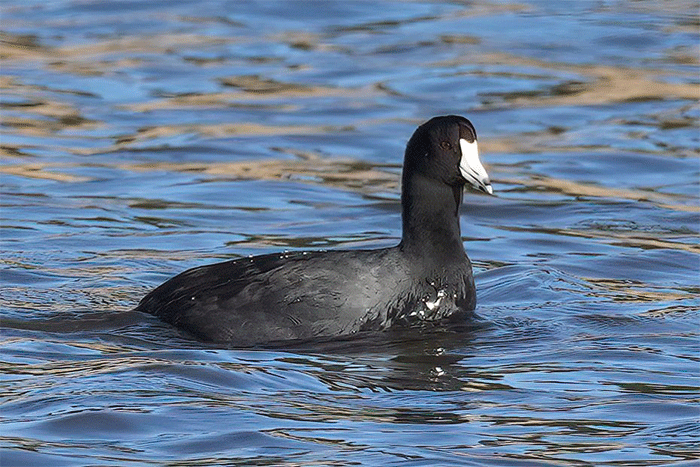
Last but not least in the headlines, the American Coot was still present at Lady’s Island Lake (Co.Wexford) throughout the week until 7th.
Starting the weekly seabirds once again in Ireland, the Pacific Diver remained off Coolsiva Quay (Co.Clare) on 6th.
Numbers of White-billed Diver picked up again once more, helped significantly by the six birds seen from Portsoy (Aberdeenshire) on 4th. Two were still to be seen off Inverkeithing (Fife) on 3rd-7th; and single birds at Loch Venachar (Forth) still on 3rd-8th, Roseisle (Moray) on 4th-6th, in Bluemull Sound (Shetland) on 4th, at Pease Bay (Borders) still on 6th, at St Combs (Aberdeenshire) on 7th, and on 8th at Holm (Orkney), North Queensferry (Fife), and Kintradwell (Highland & Caithness).
A Little Auk was seen on 3rd at Whitesands (Pembrokeshire).
In Cornwall, a Balearic Shearwater was seen from Cape Cornwall on 4th. A Cory’s Shearwater was reported from Soar Mill Cove (Devon) on 5th.
A Pomarine Skua was seen in Cornwall at St Austell Bay on 4th, and another off Dungeness (Kent) on 8th.
Finally, the Double-crested Cormorant was again seen at Lough Gill (Co.Sligo) on 5th-6th.
Apart from the American Bittern, our long-legged beasties this week were a sorry bunch without any particularly notable birds upon which to report. There were, however, Glossy Ibis still. There are always Glossy Ibis these days…
Kicking off the honkers and quackers as usual with The Goose Formerly Known As Canada, interior Todd’s Canada Goose were seen again on Tiree (Argyll & Bute) on 6th-8th, and at Marshside RSPB (Lancashire & North Merseyside) again on 6th also; while hutchinsii Richardson’s Cackling Goose were seen at Clifton Pits (Worcestershire) again on 9th, in Dumfries & Galloway at Crook of Baldoon RSPB on 3rd, and Martyr’s Stake again on 6th-8th, and in Argyll & Bute at Drimvore on 3rd again, and Islay on 4th still.
A Ross’s Goose was seen fleetingly at Tangy Loch (Argyll & Bute) on 9th.
In Lancashire & North Merseyside the Snow Goose was still present at Marshside RSPB on 3rd-8th.
Two Black Brant were seen in East Yorkshire at Paull Holme Strays on 3rd, with one again around Kilnsea on 5th-9th; and in Ireland, birds were seen at Webb’s Field (Co.Wicklow) on 4th-8th still, and Blennerville (Co.Kerry) on 5th still. A possible Grey-bellied Brant was on Tiree (Argyll & Bute) on 6th-8th.
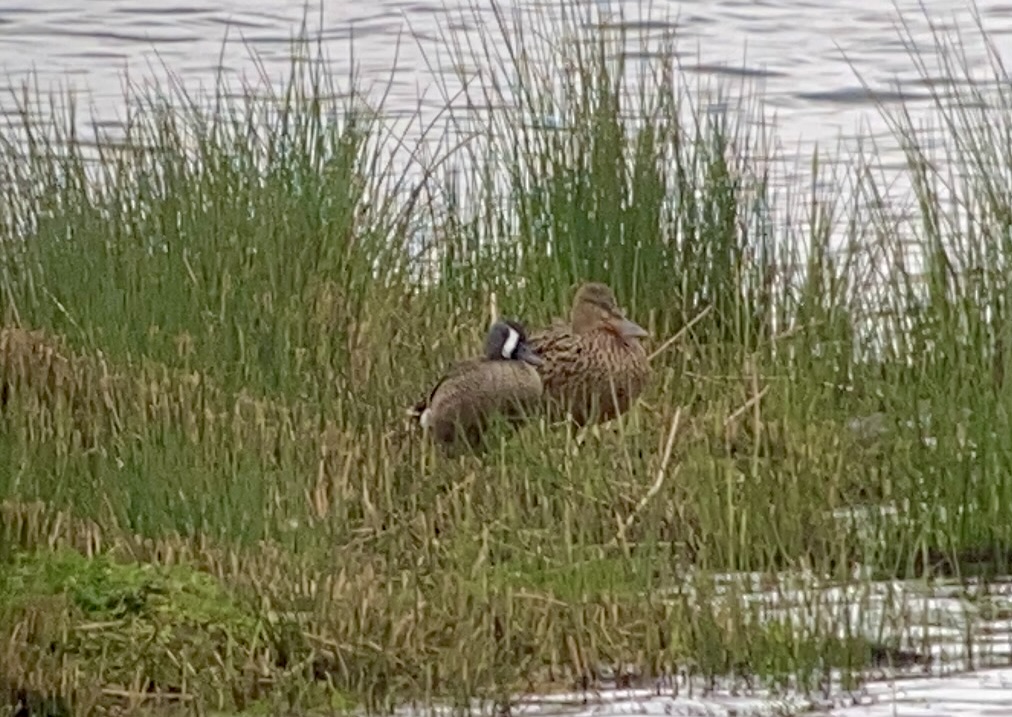
A Blue-winged Teal was seen in Dorset at Abbotsbury Swannery on 7th; and another sighting this week came of a drake at Potteric Carr YWT (South Yorkshire) on 9th.
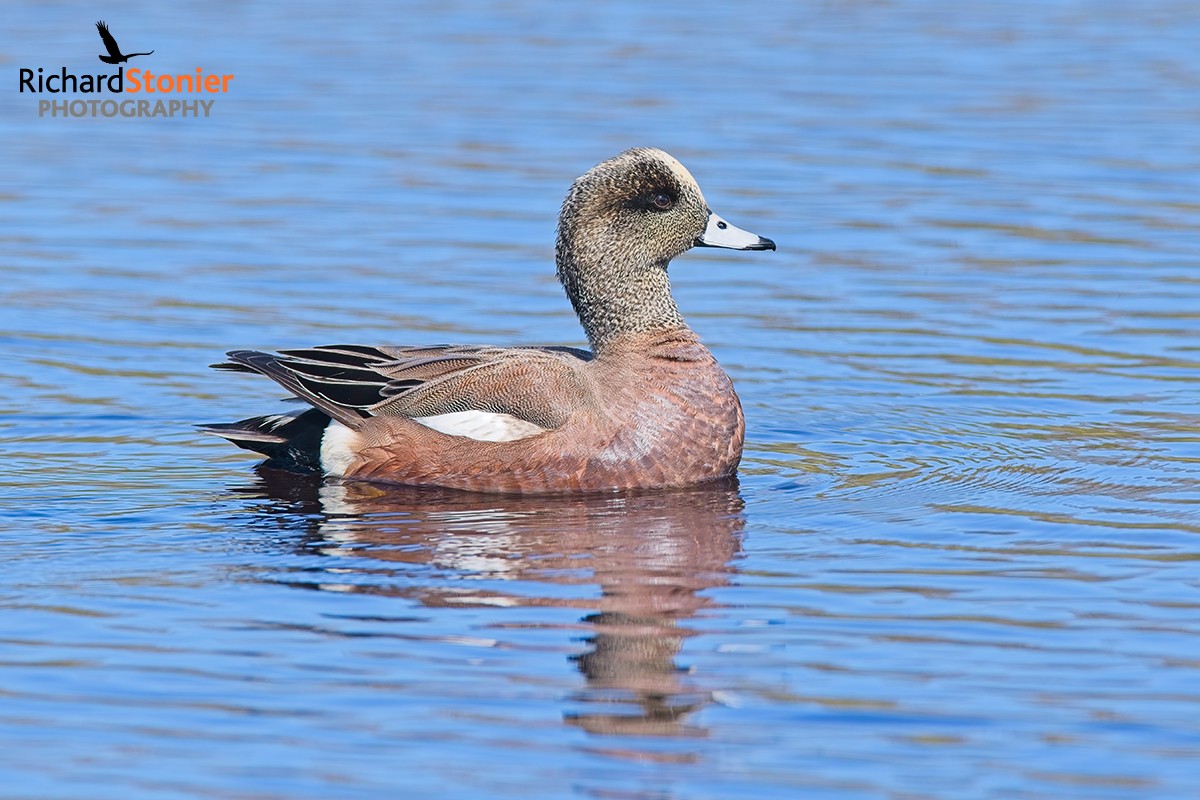
American Wigeon enjoyed an excellent showing this past week, with a remarkable flock of five first-winter drakes found on Ogmore Estuary (Glamorgan) on 5th-9th. Further birds remained on Shetland at Loch of Spiggie on 4th-8th; on Newshot Island (Clyde) on 3rd-4th still; and a bird settled on St Mary’s (Scilly) on 4th-9th.
Numbers of Green-winged Teal remained fairly constant, with a little under 20 birds recorded in recent days across Britain and Ireland, including two at Cahore Marsh (Co.Wexford) on 7th-8th, and two on 9th at Cors Ddyga RSPB (Anglesey).
The Ferruginous Duck was still present at Ryton Pools CP (Warwickshire) on 4th-7th.
Two Lesser Scaup remained on Clifton Pits (Worcestershire) on 4th-9th; and single birds were seen at College Lake NR (Buckinghamshire) still on 3rd-9th, at Budworth Mere (Cheshire & Wirral) on 4th, in Somerset at Blagdon Lake on 4th and Cheddar Reservoir on 5th, at Ellesmere (Shropshire) again on 8th-9th, and at Tacumshin (Co.Wexford) on 3rd-6th still.
A shade under 50 Ring-necked Duck in Britain and Ireland this week were a return to recent form for the species, with Ireland boasting some chunky counts once again – 14 birds on Lough Yganavan (Co.Kerry) on 3rd-5th, and 13 birds on Urlaur Lough (Co.Mayo) on 8th still.
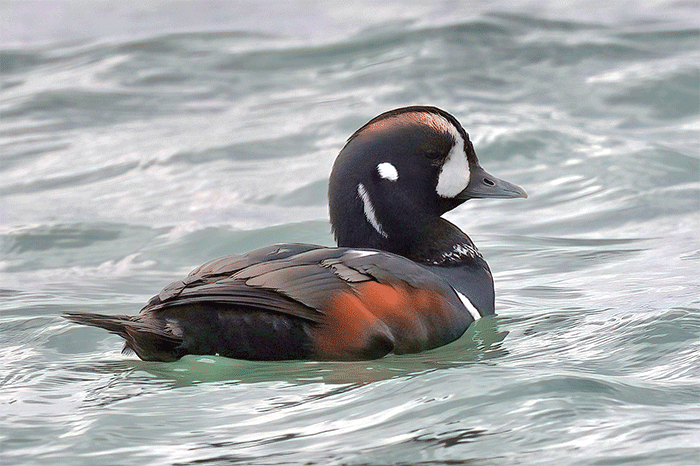
In Co.Donegal the first-winter drake Harlequin Duck remained off Curransport on 3rd-9th.
The first-winter drake King Eider remained at Loch Fleet (Highland & Caithness) on 5th-9th.
The drake White-winged Scoter remained at Methil (Fife) on 4th-9th, while two were reported at Kincraig Point (Fife) on 6th. The second-winter Stejneger’s Scoter was still present in Fife at East Wemyss on 3rd-5th and 8th-9th, and Buckhaven on 6th again. The Black Scoter was still present at Rossbeigh (Co.Kerry) on 5th-6th.
Surf Scoter this week were seen again at Penmaenmawr (Conwy) on 4th-6th, Vatersay (Western Isles) on 3rd-9th still and off Barra on 9th, and at Rossbeigh (Co.Kerry) on 6th.
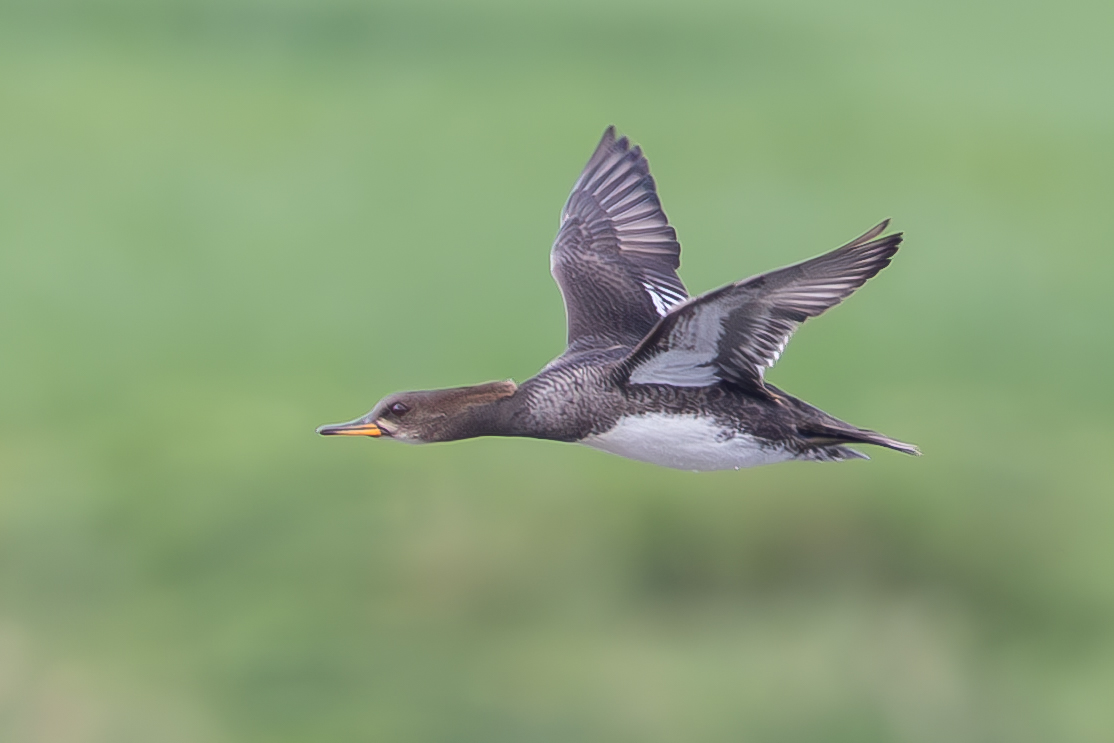
Finally, a female Hooded Merganser, capable of flight, turned up at Alvecote Pools NR (Warwickshire) on 5th-9th.
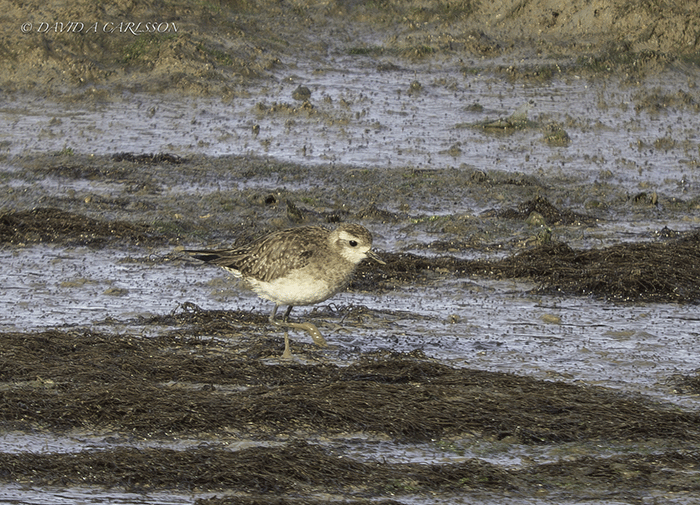
The weekly waders woke up again this past week, as we’ve seen in the headlines, and that wasn’t all… Three American Golden Plover were seen lately, one remaining at Tacumshin (Co.Wexford) on 5th-8th, another at Hook-with-Warsash LNR (Hampshire) on 3rd-9th, and a new bird in Co.Cork at Pilmore Beach on 5th.
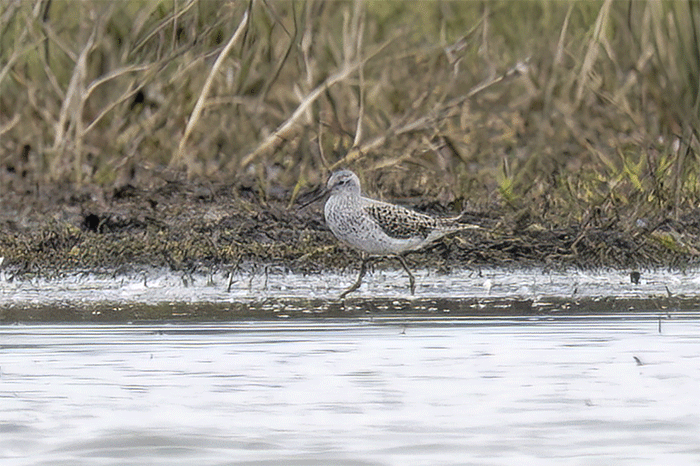
Further variety came in the form of a Marsh Sandpiper on 7th-9th at Boldon Flats NR (Co.Durham).
Three Lesser Yellowlegs remained with us, one in Denbighshire at Rhyl on 5th-9th, another on Rathlin Island (Co.Antrim) still on 3rd-8th, and the Truro (Cornwall) bird again there on 9th.
And was that all? No, it was not, because we also had two Long-billed Dowitcher, one apiece for Montrose Basin (Angus) on 4th, and Tacumshin (Co.Wexford) on 5th-9th.
Finally, the first Irish Black-winged Stilt of the spring was found at Ballinoulart (Co.Wexford) on 9th.
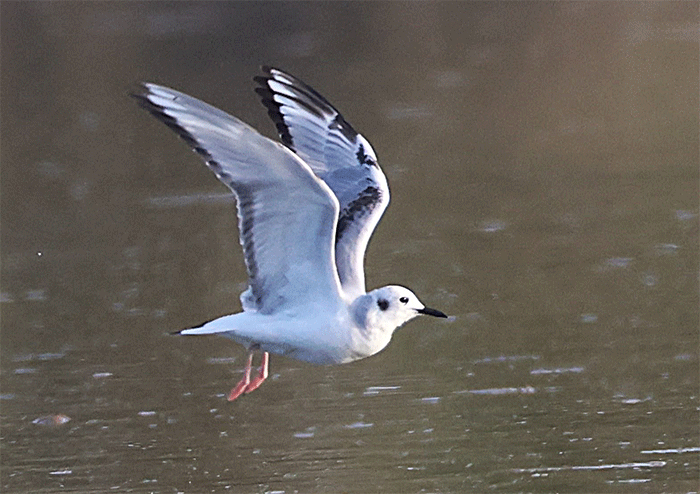
Swooping into the gulls’n’terns like a Herring Gull after a poorly guarded ice cream, and there we find Bonaparte’s Gull continued to be a prominent feature of the week just gone. In Cornwall one remained at Hayle Estuary on 3rd-8th; one was again seen in Lancashire & North Merseyside at Myerscough Quarry on 6th; a Dorset bird was found on 8th at Chickerell, with two present there the following day; and Irish sightings came from near Whitehead (Co.Antrim) on 3rd, at Cahore Marsh (Co.Wexford) on 7th-8th, and at Tacumshin (Co.Wexford) on 9th.
Ireland made most of the running for Ring-billed Gull, with the exceptions being one at Stithians Reservoir (Cornwall) on 4th, and a bird again at Loch Turret (Perth & Kinross) on 5th and 8th. Another was reported on 8th in Devon at Drakes Place Reservoir. Irish sightings came from Barnaderg Bay (Co.Galway) on 3rd-9th still; at Portmagee (Co.Kerry) on 4th; in Sligo (Co.Sligo) still on 5th; at Blennerville (Co.Kerry) again on 6th; and at Cork Lough (Co.Cork) still on 7th.
Numbers of further white-wingers remained modest, with barely half a dozen Glaucous Gull recorded, including two on North Uist (Western Isles) on 3rd; and a little over a dozen Iceland Gull.
In Dorset, the adult Forster’s Tern remained at Holes Bay on 3rd-4th; then at Lytchett Bay and finally back on Brownsea Island NT on 7th.
Dorset also laid claim to a probable Caspian Tern seen passing Portland Bill distantly on 8th.
The juvenile Northern Harrier was again seen at Tacumshin (Co.Wexford) on 5th.
An unconfirmed report of a male Pallid Harrier seen heading west near Patrington (East Yorkshire) in the morning of 6th was followed by a male seen heading north over Foulshaw Moss (Cumbria) that afternoon. An adult male seen in Norfolk on 9th at Weybourne, Overstrand and Winterton was followed, that afternoon, by a male present at Minsmere RSPB (Suffolk).
A Black Kite was seen at Stodmarsh NNR (Kent) on 8th, followed by one present at Seasalter on 9th. Another probable was seen on 9th near Upper Sheringham (Norfolk).
Let’s kick off the passerines this week with Hoopoe, for little says southern promise quite like these funky birds – over 25 arrived this week, mostly in the English southwest, with five seen on St Martin’s (Scilly) alone on 6th.

Wryneck meanwhile arrived on 8th on Tresco (Scilly), and Great Saltee Island (Co.Wexford).
An Alpine Swift scythed into Dinas Cross (Pembrokeshire) airspace on 7th, followed by another at Felixstowe Ferry (Suffolk) on 9th, and a probable also on 9th at Worth Marsh RSPB (Kent).
East Yorkshire scored a Red-rumped Swallow at Spurn on 8th.
The standout of today's sightings was our 1st Red-rumped Swallow of 2026 heading south past The Warren and briefly visiting Chalk Bank between at least 99 Swallows, 272 Sand Martins and 17 House Martins also heading south. #Spurnbirds (1/2)
— Spurn Bird Observatory (@spurnbirdobs) April 8, 2026
Red-rumped Swallow by Jack Petit ?? pic.twitter.com/v2q50k9xyf
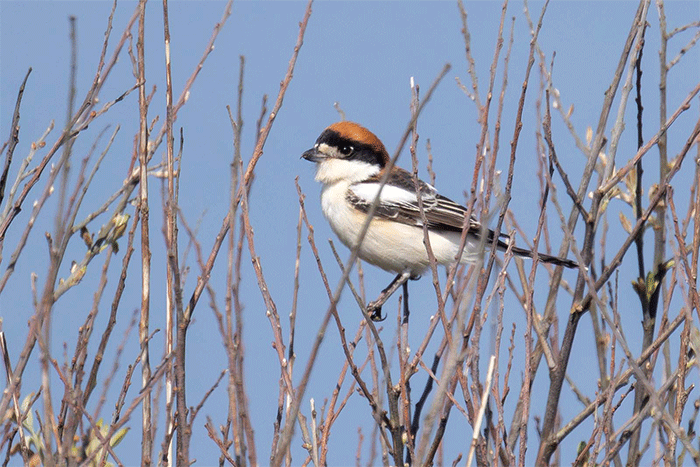
A handful of Woodchat Shrike brought more colour in the early part of the week – one on Portland (Dorset) on 4th, another on St Mary’s (Scilly) on 5th, one on Great Saltee Island (Co.Wexford) on 8th-9th, and one at Nanquidno (Cornwall) on 9th.
In Norfolk, the recent Great Grey Shrike remained at Old Hunstanton on 3rd-7th. Further birds were seen near Ingham (Lincolnshire) still on 6th; at Llanberis (Gwynedd) on 6th also; and at Middleton-in-Teesdale (Co.Durham) on 7th-8th.
Fifteen Waxwing were seen on 7th at Rothiemurchus (Highland & Caithness).
A male Sardinian Warbler was trapped and ringed at Hilbre Island (Cheshire & Wirral) on 8th.
Great Saltee Island (Co.Wexford) extended its run of form on 8th with a male Western Subalpine Warbler.
The Hume’s Warbler remained in Warwickshire near Lea Marston on 3rd-7th, while the Lowestoft (Suffolk) bird was again seen there on 9th.
A Yellow-browed Warbler was singing at Penryn (Cornwall) on 9th, with another reported that day at Charminster (Dorset).
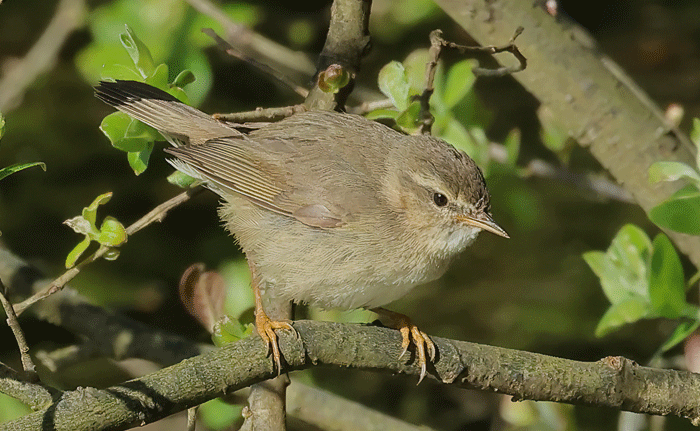
In Cornwall the Dusky Warbler remained present at Boscathnoe Reservoir on 5th-9th.
Four Zitting Cisticola were again seen in Suffolk at Walberswick on 4th, while at least two remained there on 8th.
A Bluethroat was again seen in Dorset on 8th at Swineham GPs, with another that day also at South Foreland (Kent).

A Richard’s Pipit was noted over West Runton (Norfolk) on 3rd.
Serin enjoyed a moment in the sun, with a notable arrival of their kind this week. Birds were logged on 6th on St Mary’s (Scilly); The Lizard (Cornwall); Portland (Dorset); St Catherine’s Point (Isle of Wight); Foreness Point (Kent); and Landguard NR (Suffolk). On 8th further birds were seen at Beachy Head (East Sussex), and Long Nab (North Yorkshire); and on 9th one was present at Southsea (Hampshire).
A Little Bunting was an excellent London find, seen at Hornchurch CP on 6th.
Finally, in Hampshire the Great-tailed Grackle was still in Holbury on 3rd-9th; and the probable remained in Lancashire & North Merseyside at Speke Hall on 3rd-9th.
Our overseas news remained on the quiet side. In the Netherlands the first-winter male Black-faced Bunting remained on Texel on 3rd-8th, now in song at times.
A Black-browed Albatross was seen heading north past Gilleleje (Denmark) on 6th.
In Germany, a Sociable Lapwing was present near Soest on 4th.
Meanwhile, in France the Belted Kingfisher was again seen, at Etang du Coronc on 5th.
As the past week quietly reminded us, spring migration is firmly getting under way now, with the possibility of reorientating Nearctic waders or wildfowl augmented by the possibility of wayward European passerines making landfall in these parts.
Possibility’s one thing. What we’ll get this coming week is quite another. Historically the coming week is a strong one for Bonaparte’s Gull and Alpine Swift, and surely one or two of either is on the cards. The same may be said for Little Bittern, and Black-winged Stilt too. At a national level, none of the above will be setting the world on fire. But on your local patch? Yes please.

Jon Dunn
10 Apr 2026
Many thanks to all this week's contributors for your photos and videos and to everyone who contributed throughout the year.
Get Breaking Birdnews First
Get all the latest breaking bird news as it happens, download BirdAlertPRO for a 30-day free trial. No payment details required, and get exclusive first-time subscriber offers.
Share