Snowy Owl among migratory species given stronger global protection at UN summit
Key listings highlight growing pressures on Arctic and oceanic birds, alongside wider action for migratory species
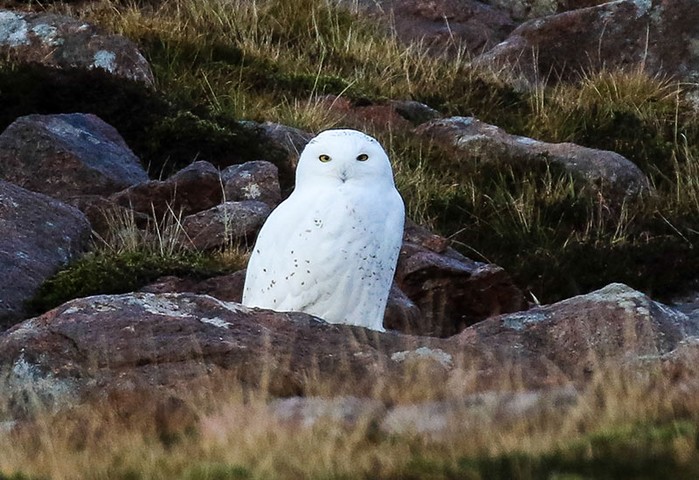
Two species at the centre of new protections
Snowy Owl and Flesh-footed Shearwater are among the bird species to receive new or upgraded protection following a major United Nations wildlife summit in Brazil.
Agreed under the Convention on the Conservation of Migratory Species (CMS), the measures reflect increasing concern over birds that rely on vast and often fragile ecosystems spanning multiple countries and oceans.
Snowy Owl added to international cooperation framework
The Snowy Owl has been added to Appendix II of the convention, signalling the need for coordinated international action to safeguard the species across its range.
An iconic Arctic breeder, the species is closely tied to tundra ecosystems and the availability of prey such as lemmings. Climate change is increasingly affecting these systems, with shifting snow conditions and prey cycles influencing breeding success and long-term population trends.
While best known in Britain as a rare winter visitor during irruption years, the listing reflects concerns across its circumpolar range.
Flesh-footed Shearwater receives highest level of protection
The Flesh-footed Shearwater has been added to Appendix I, the highest level of protection under CMS, highlighting more urgent conservation concerns.
This long-distance seabird breeds in the southern hemisphere before dispersing widely across the Pacific and Indian Oceans. Its movements expose it to a range of threats, particularly fisheries bycatch, plastic ingestion and marine pollution.
Declines at several breeding colonies have raised alarm, prompting the need for stronger, coordinated international measures to address threats across its oceanic range.
Other bird species also recognised
While Snowy Owl and Flesh-footed Shearwater are among the most high-profile listings, a number of other bird species were also included in the latest CMS decisions.
Several migratory shorebirds, including Hudsonian Whimbrel, Hudsonian Godwit and Lesser Yellowlegs, were added to Appendix I, reflecting significant declines across the Americas.
In addition, a number of seabirds - particularly petrel species - were listed on both Appendix I and II, highlighting the need for both strict protection and international cooperation.
A broader signal for migratory birds
The listings underline a wider pattern - that migratory birds across a range of habitats, from Arctic tundra to open ocean and coastal wetlands, are facing increasing pressures.
Habitat loss, climate change, illegal killing and marine threats continue to impact species throughout their flyways, often far from the places where they are most frequently observed.
International cooperation remains key
By strengthening protections under CMS, the latest decisions aim to improve coordination between countries, ensuring that conservation measures extend across entire migratory routes.
For Snowy Owl and Flesh-footed Shearwater, as well as the many other species included, the effectiveness of these measures will depend on how they are implemented on the ground - and across the oceans - in the years ahead.
April 2026
Get Breaking Birdnews First
Get all the latest breaking bird news as it happens, download BirdAlertPRO for a 30-day free trial. No payment details required and get exclusive first-time subscriber offers.
Share this story