


Historic ban on lead ammunition comes into force
Britain bans lead ammunition, but a three-year phase-out leaves wildlife at risk in the interim
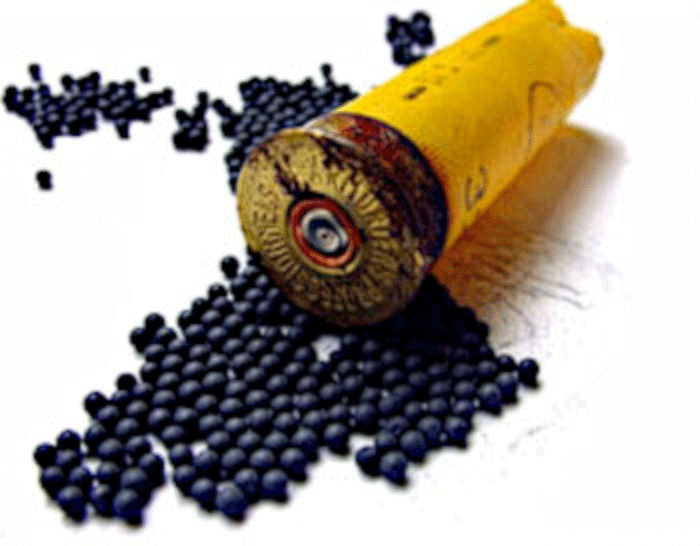
Legislation banning the use of lead ammunition in outdoor shooting came into force across England, Scotland and Wales on 1 April 2026, marking what conservationists are calling a historic moment for wildlife protection after a campaign spanning several decades.
Lead poisoning has long been recognised as a significant mortality factor for waterbirds and raptors, with estimates suggesting up to 100,000 waterbirds dying annually in the UK as a direct result of ingesting lead shot — either from contaminated sediments, spent pellets in the environment, or from feeding on shot quarry species. Whooper Swan, Bewick's Swan, Mute Swan and diving ducks are among the species most frequently documented as victims of lead poisoning, though the impact extends across a wide range of wetland and upland birds.
The new legislation introduces a phased transition. Lead bullets for outdoor target shooting will be restricted from 1 April 2028, with a near-comprehensive ban on the use and sale of lead shot and large calibre lead bullets for hunting and target shooting following on 1 April 2029, subject to a small number of exemptions.
Sarah Fowler, Chief Executive at WWT, said: "Today has been decades in the making. With lead ammunition claiming the lives of up to 100,000 waterbirds every year in the UK, this is a major and historic win for wildlife and the habitats they depend on."
The RSPB's Kate Jennings added that while the legislation represented a critical step forward, attention must now turn to ensuring robust implementation and enforcement.
The scope of the ban does not yet extend to Northern Ireland, though a parallel process is under way at EU level. A crunch meeting at the end of April will consider whether to extend a similar restriction on lead shot across all 30 countries of the European Economic Area — a move that, if passed, would create safer conditions for migratory birds across much of the Western Palearctic flyway system, with potentially significant implications for species that winter in Britain and Ireland.
For birders and conservationists who have followed this issue over many years, 1 April 2026 represents a watershed. The challenge now shifts from legislation to compliance — and the degree to which enforcement agencies are resourced to deliver meaningful change on the ground.
April 2026
Get Breaking Birdnews First
Get all the latest breaking bird news as it happens, download BirdAlertPRO for a 30-day free trial. No payment details required and get exclusive first-time subscriber offers.
Share this story





