Record volunteer turnout reveals changes in UK's breeding birds
Collared Dove down 40%, Greenfinch showing tentative signs of recovery, and Song Thrush bucking the trend — the 2025 BBS report paints a complex picture of winners and losers among the UK's familiar breeding species
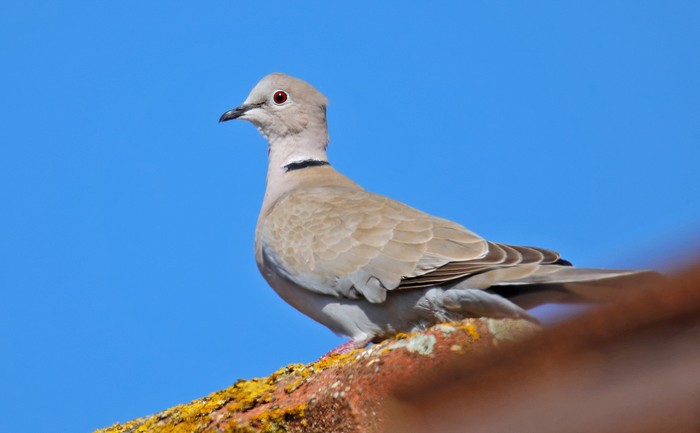
The 2025 Breeding Bird Survey has delivered its most comprehensive dataset to date, with more than 2,800 volunteers surveying a record number of sites during the breeding season. The resulting report provides the most detailed assessment yet of the state of the UK's breeding bird populations — and the findings make for sobering reading for many once-familiar species.
Perhaps the starkest finding concerns Collared Dove, which has declined by over 40% since 2005. A relatively recent addition to the British avifauna — first breeding here in the 1950s following a remarkable natural westward range expansion across Europe — the species had become a fixture of towns, gardens and suburban landscapes. Scientists have linked the ongoing decline to Trichomonosis, the same virulent protozoan disease that has driven severe population crashes in Greenfinch and Chaffinch in recent years.
By contrast, the closely related Woodpigeon continues to thrive, with numbers up 33% since the mid-1990s. Stock Dove, more typically associated with farmland and woodland edge habitats, has fared even better, recording a 57% increase since 1995.
Robin and Great Spotted Woodpecker are among the other species showing positive trends, while Blue Tit, Great Tit, Bullfinch and Jay have all declined over the past decade following earlier population growth in the 1990s and 2000s. The picture for Bullfinch and Jay highlights an increasingly familiar geographic divergence, with populations holding up or even increasing in Scotland while continuing to fall in England. Even Goldfinch — whose population boom through the 1990s was one of the more celebrated success stories of recent decades — is now showing regional declines, with a 34% five-year decrease in London and a 13% fall in south-east England. Green Woodpecker has fared particularly badly, with a 35% decline across much of England between 2014 and 2024.
There is, however, some genuinely encouraging news. Song Thrush, which suffered widespread and well-documented declines through the 1970s and 1980s, has recorded a 37% increase over the last 30 years — a small but significant turnaround for a species that has long been a cause for concern. And after a near-70% collapse between 2005 and 2020, the Greenfinch population has at least stabilised over the past five years, with tentative signs of a local increase in parts of England.
James Heywood, BBS National Organiser, said: "This report highlights that even some very familiar common species are showing signs of decline and that we need to be vigilant. And with the UK and devolved nations all undergoing major changes to land management, particularly in respect of new or yet to be determined farming schemes and payments, it remains as important as ever to monitor our bird populations as indicators of our countryside's health."
The broader context remains stark. Of the 26 Birds of Conservation Concern Red List species with reported BBS trends, 20 remain in long-term decline — and none are increasing.
The full report can be read here.
April 2026
Get Breaking Birdnews First
Get all the latest breaking bird news as it happens, download BirdAlertPRO for a 30-day free trial. No payment details required and get exclusive first-time subscriber offers.
Share this story