



Weekly birding round-up: 6 - 12 Mar
Proving you just can’t keep a good duck down, the past week featured the appearance of yet another top drawer duck in what’s already been a sparkling winter and early spring for wildfowl, and the reappearance of former rarity royalty in Norfolk. No, not him… This was a truly classy week for early March.
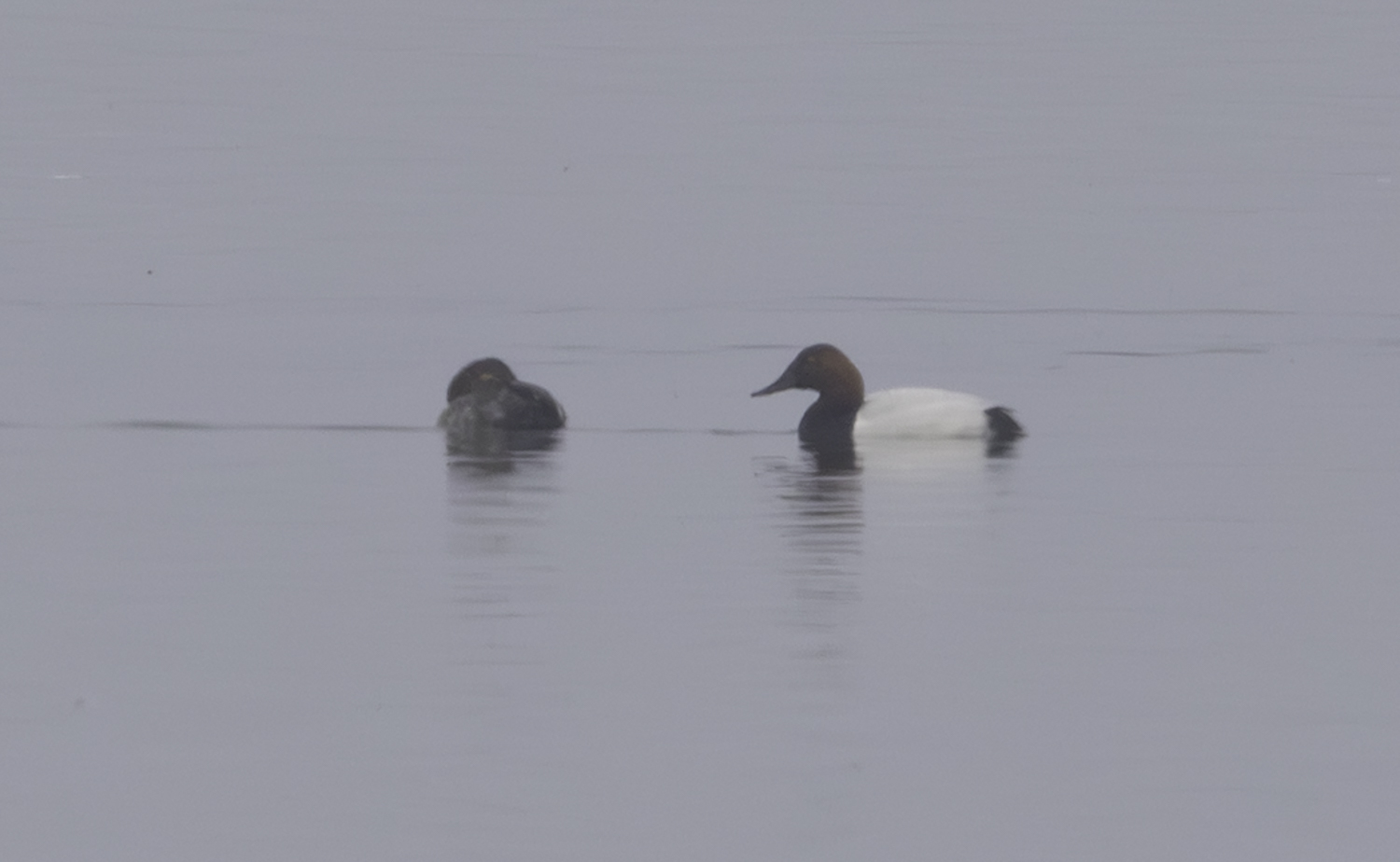
It comes to something doesn’t it when we have a week that features both Redhead and Canvasback in Britain and Ireland as a whole? The long-staying female Redhead in Ireland this week was joined in the daily news by a drake Canvasback, found on Abberton Reservoir (Essex) on 7th and still present there until 12th.
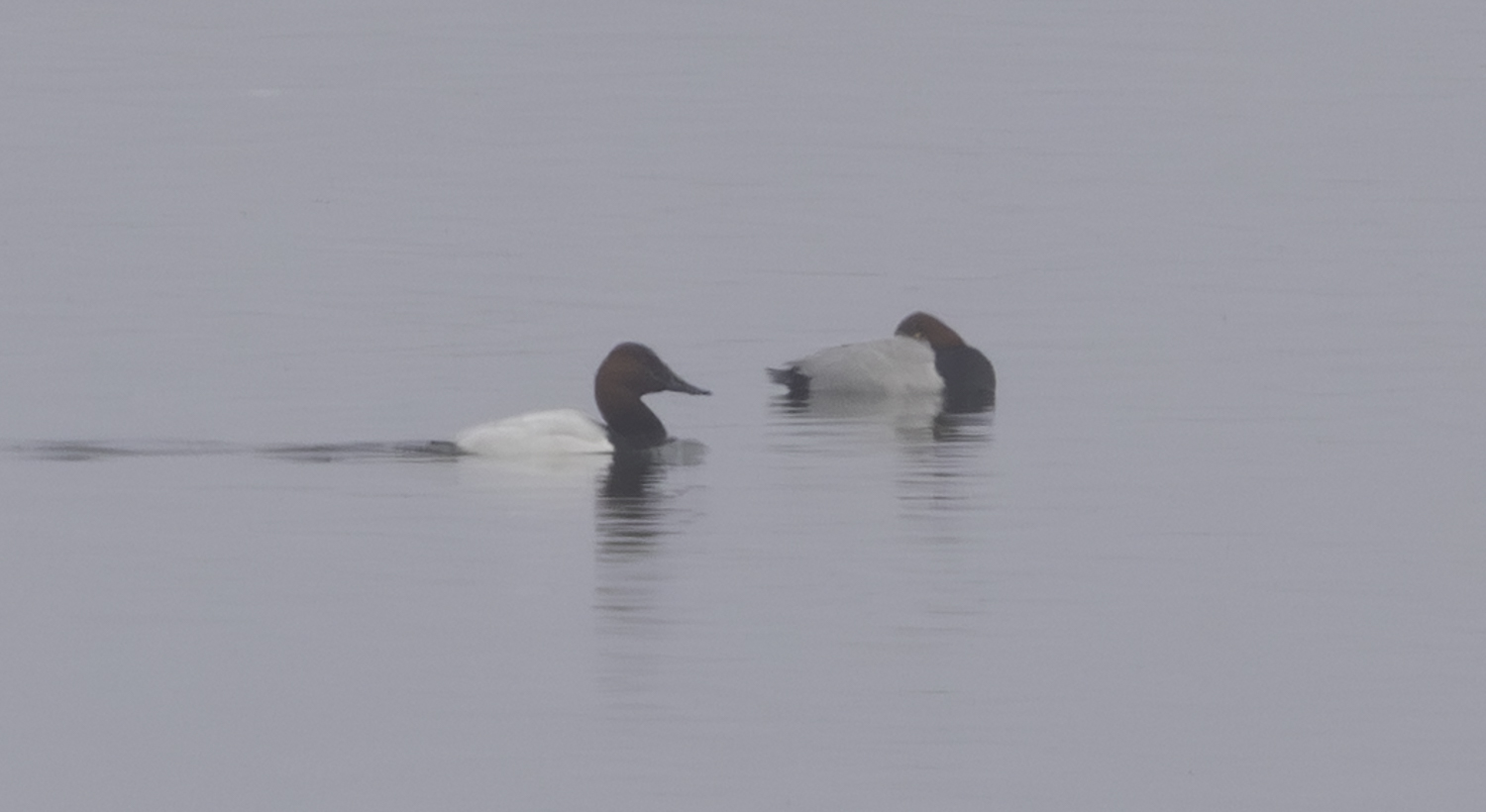
There must be a fair chance that this is one and the same individual last seen there on 25th February 2025 – first found on Abberton on 11th November 2023, he wintered into early 2024, and then returned later that year to see out the winter into 2025. Where he’s been thus far this past winter is another matter, but this week the Essex Canvasback show was back on the road for another year.
On the subject of returning birds – or did it ever really go away* – up in Norfolk this week the Black-winged Kite was back in the Ludham Bridge area on 8th-12th, and all set to be a popular weekend draw anew should it stick around a while yet.
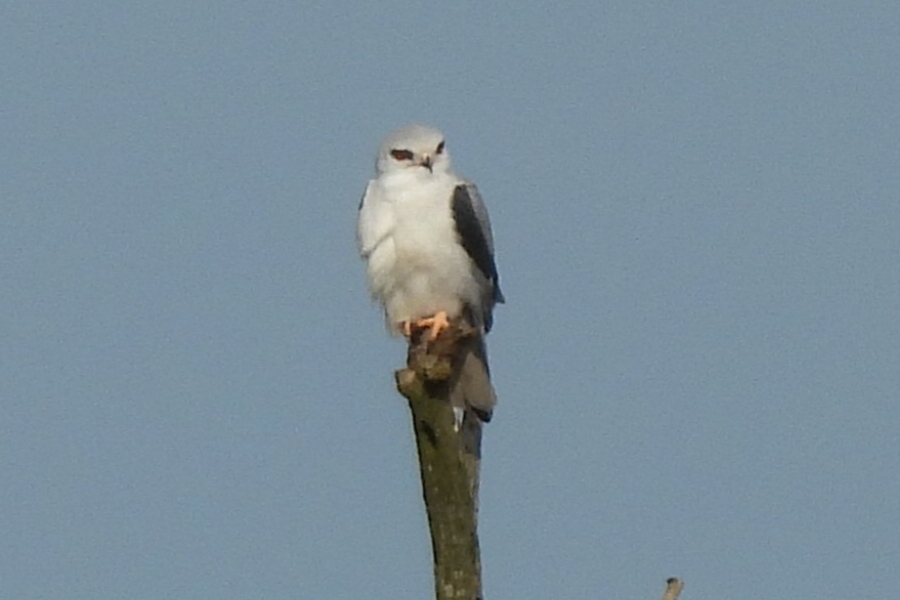
* well, maybe not far at all. Belated news this week came of it seen on 26th February at Rockland Broad (Norfolk).
Kicking off the seabirds for another week, the Double-crested Cormorant was once again seen in Ireland on Colgagh Lough (Co.Sligo) on 7th.
Also in Ireland, the Pacific Diver remained at Magheraroarty (Co.Donegal) on 6th-7th, while in Cornwall one was seen from Gwithian on 8th.

There were still plenty of White-billed Diver to be seen this week around Scotland, with numbers massing in Orkney adding to the existing largesse that’s been brought within sight of land lately, giving a weekly haul of some 25 birds noted nationwide. Six birds were seen off Papa Westray (Orkney) on 8th; and Inverkeithing (Fife) peaked with four birds present there on 8th.
Single Little Auk were seen in recent days in the bay between North and South Inishkea (Co.Galway) on 9th, and from Fife Ness (Fife) on 10th; while two were reported from Clogher Head (Co.Louth) on 7th.
Finally, a Balearic Shearwater was seen from Porthgwarra (Cornwall) on 8th.
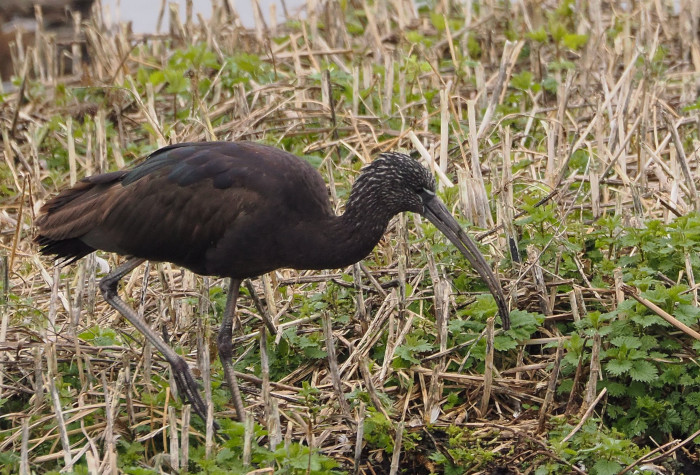
Finally, a little southern colour brightened the long-legged beasties this week, breaking the monopoly of Glossy Ibis - an adult Night Heron in Devon at Topsham on 8th.
So very, very many entertaining honkers and quackers again this week… Starting with the former, and The Goose Formerly Known As Canada - in Lancashire & North Merseyside an interior Todd’s Canada Goose was present at Marshside RSPB on 6th, and again at Banks Marsh NNR on 8th-11th, while one remained on Tiree (Argyll & Bute) on 9th; and two hutchinsii Richardson’s Cackling Goose were still present at Dunfanaghy New Lake (Co.Donegal) on 7th.
The Ross’s Goose remained in the Machrihanish area (Argyll & Bute) on 8th-11th.
The recent pair of Snow Goose remained in Ireland at Toonsbridge (Co.Cork) on 6th-12th; in Scotland one was still present at Insh Marshes RSPB (Highland & Caithness) on 7th-10th, and one was again at Drumlemble (Argyll & Bute) on 12th; and in England the bird remained in Lancashire & North Merseyside again at Marshside RSPB on 6th-10th.
The Red-breasted Goose was still present on Islay (Argyll & Bute) on 11th.
At least one Black Brant remained in East Yorkshire this week in the Kilnsea area on 6th-10th, with two at Outstrays NR on 9th, and two again at Kilnsea Wetlands on 12th; in Essex, sightings came from The Naze on 7th, and Heybridge GPs on 10th; and one was seen in Co.Dublin at Dalkey Island on 10th-12th with a possible Grey-bellied Brant also those dates at the latter site.
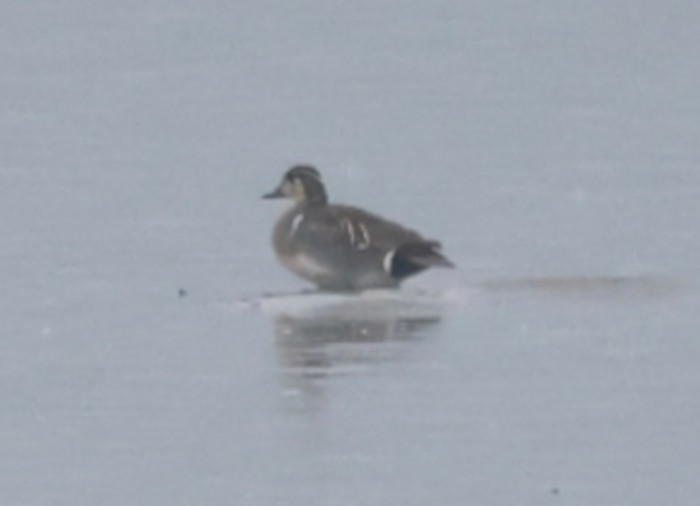
The Baikal Teal was once more seen at Waungron (Glamorgan / Carmarthenshire) on 7th-10th.
Numbers of American Wigeon contracted a little lately. One remained on Shetland in the Spiggie area on 7th-8th; the Newshot Island (Clyde) bird remained there on 6th; and in northern England the Blagdon Hall (Northumberland) individual was still present on 6th-7th, and the Bolton-on-Swale Lake YWT (North Yorkshire) bird again there on 11th. Further south in England sightings came from Ferry Meadows CP (Cambridgeshire) on 7th-8th; Scotney GPs (Kent) again on 7th; and Otmoor RSPB (Oxfordshire) on 8th-12th. In Wales, a bird was still to be seen on the Teifi Estuary at St Dogmaels (Pembrokeshire / Ceredigion) on 6th-12th and at Gwbert (Ceredigion) still on 11th.
Three Green-winged Teal were noted on South Uist (Western Isles) on 6th, two of which remained at Howmore until 8th; another Western Isles sighting came from Benbecula on 7th. One was still present on Orkney at Ingeness on 6th, while another settled at Mersehead RSPB (Dumfries & Galloway) on 6th-7th, and the Islay (Argyll & Bute) bird was seen on there again on 12th. The Lincolnshire bird lingered at Branston Island on 7th-10th, while one was seen again at Parkgate Marsh (Cheshire & Wirral) on 10th, joined there by a second individual on 11th. A final bird remained at Llanfairfechan (Conwy) on 10th.
Pick of the diving ducks, the female Redhead remained on Lough Yganavan (Co.Kerry) on 6th-8th.
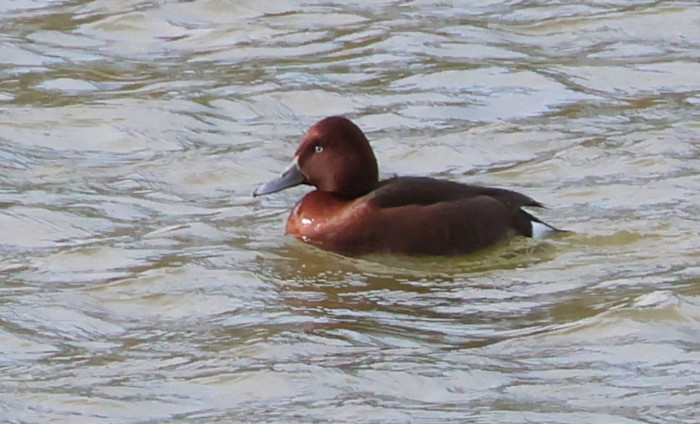
Ferruginous Duck remained in Co.Tyrone at Ballysaggart Lough still on 6th-11th, at Holkham Hall (Norfolk) on 6th-10th, and in Warwickshire at Bubbenhall on 6th; further Warwickshire sightings came on 7th-11th at Ryton Pools CP.
Two Lesser Scaup remained present on Clifton Pits (Worcestershire) on 6th-11th, while lingering singletons remained at Abberton Reservoir (Essex) on 7th-10th, Tacumshin (Co.Wexford) on 6th-8th, and on Lough Clubir (Co.Cork) on 11th still; a female was on Lough Neagh (Co.Antrim) on 7th; and a second bird at Abberton Reservoir as the week closed on 12th.
We continued to creak at the seams with Ring-necked Duck in Britain and Ireland this week, with the peak count of the 55 or so present overall coming from Ireland where 11 birds remained on Lough Yganavan (Co.Kerry) on 11th; 10 on Urlaur Lough (Co.Mayo) on 11th-12th were a respectable tally, while Britain’s best count were six birds on Benbecula (Western Isles) on 7th.
In Co.Donegal the first-winter drake Harlequin Duck remained off Curransport on 6th-9th.
Ireland also held onto its drake Black Scoter at Rossbeigh (Co.Kerry) on 6th-7th.
The drake White-winged Scoter was still present at Port Seton (Lothian) on 6th-11th, and the putative second-winter Stejneger’s Scoter was still present in Fife around Buckhaven on 6th-9th.
In the Western Isles, single Surf Scoter remained off Vatersay on 8th and Barra on 9th; two were still present off Arran (Ayrshire) on 9th; one was still present at Gullane Point (Lothian) on 7th-8th; and in Conwy, one was still off Old Colwyn on 7th.
Finally, the feel-good female Hooded Merganser reappeared this week in Gloucestershire at Pilning Wetland on 10th.
The pick of the weekly waders was once more the Semipalmated Sandpiper still present at Seafield (Co.Clare) on 7th.
The Spotted Sandpiper meanwhile remained settled at Ballynagaul (Co.Waterford) on 6th-11th.
Augmenting our weekly tally of Long-billed Dowitcher, the adult was again seen in Co.Wexford at Tacumshin on 6th-9th; other recent birds remained at Montrose Basin (Angus) on 7th, and on North Ronaldsay (Orkney) on 6th.
All three recent Lesser Yellowlegs were still present for another week, being seen in Cornwall at Truro on 6th-12th, in Denbighshire at Rhyl still on 6th-9th, and on Rathlin Island (Co.Antrim) still on 8th-9th.
Finally, the female Kentish Plover remained at Burnham-on-Sea (Somerset) on 8th.
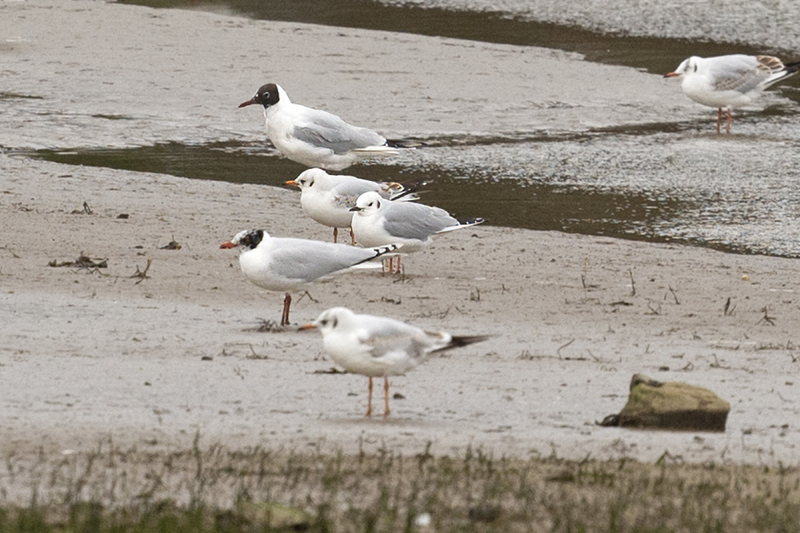
Two Bonaparte’s Gull remained in Cornwall at Hayle on 7th-10th with one still present there on 11th; while up country in Devon another was present on the Plym Estuary on 7th-12th; an adult was present on South Uist (Western Isles) on 8th-9th; and an adult at Sandy Bay (Co.Antrim) on 8th.

An inland English rarity, a first-winter Ring-billed Gull was a pleasant surprise this week in Oxfordshire at Port Meadow on 7th-8th; the first-winter also remained at Fishguard (Pembrokeshire) on 11th; and the adult on Hayle Estuary RSPB (Cornwall) on 12th. Further birds were seen lately in Ireland at Blackrock (Co.Louth) still on 7th, at Cork Lough (Co.Cork) still on 7th-11th, at Tralee Bay Wetlands (Co.Kerry) still on 7th-11th, and at Barnaderg Bay (Co.Galway) still on 6th. A final report came of a bird at Stranraer (Dumfries & Galloway) on 11th.
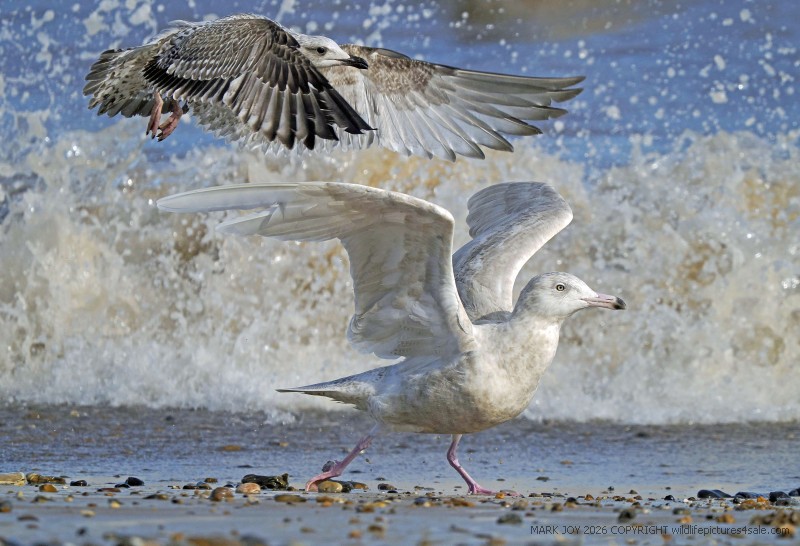
The third-winter Kumlien’s Gull remained settled this week up on Unst (Shetland) on 7th still, a juvenile was found on 11th in Cork (Co.Cork), and the recent adult remained at Blennerville (Co.Kerry) on 11th. Other white-wingers were still to be seen in similar numbers as of recent weeks – a little over a dozen Glaucous Gull, and some 20 Iceland Gull, the latter providing a small peak count of four present at Killybegs (Co.Donegal) on 6th.
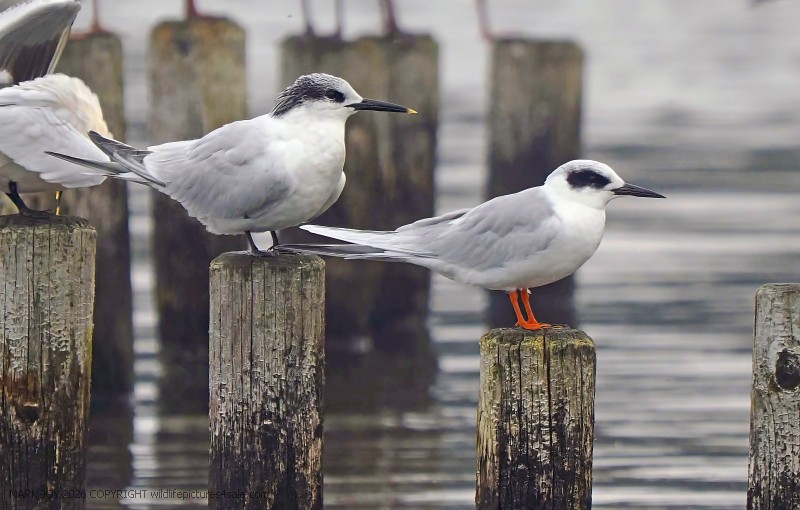
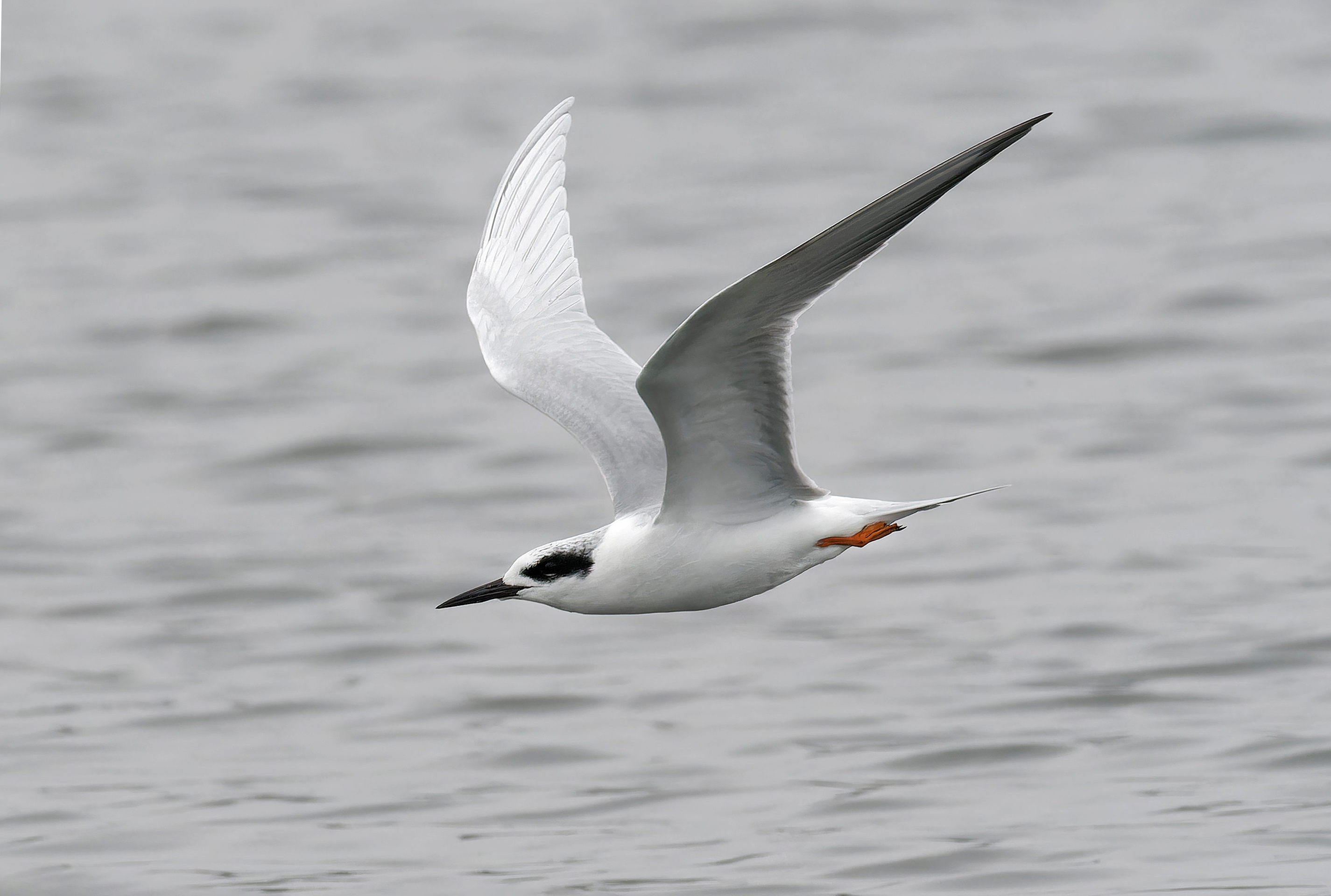
Saving the best for last, the returned adult Forster’s Tern showed well at times in Poole Harbour (Dorset) this past week, spending time being particularly compliant in Poole Park on 6th-12th.
In Ireland, a probable second-winter male Northern Harrier was again seen at Tacumshin (Co.Wexford) on 6th; the juvenile female was again at Cahore Marsh on 11th.
A female Pallid Harrier passed over Berkeley (Gloucestershire) on 11th.
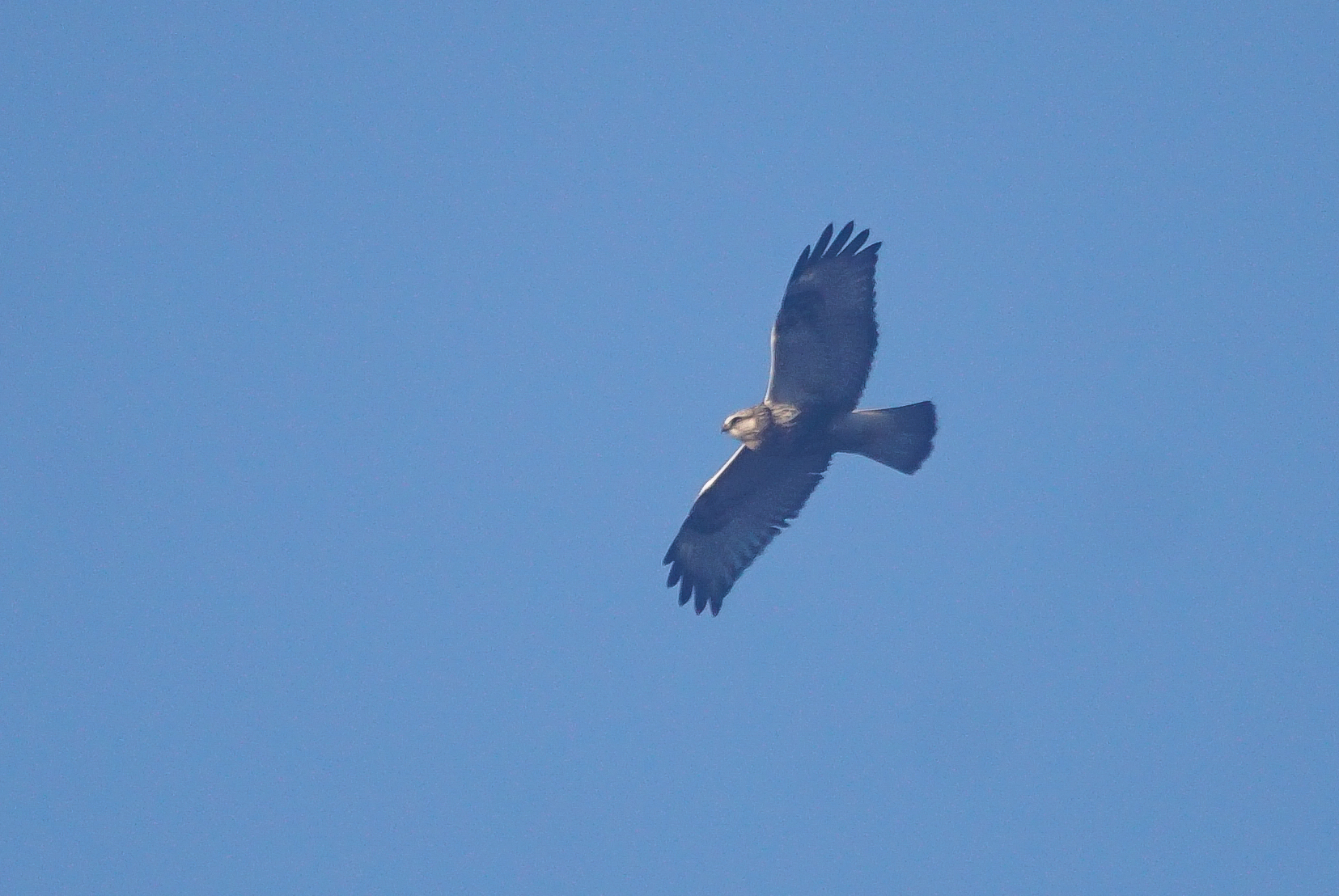
A Rough-legged Buzzard was seen near Moffat (Dumfries & Galloway) on 6th.
Certainly a feeling of the changing of the guard where passerines and their kind were concerned in recent days, albeit several regulars continued to linger awhile yet…
Great Grey Shrike remained in the Beaulieu Road Station area of Hampshire on 6th-11th; near Ingham (Lincolnshire) still on 6th-11th; and at Llyn Brianne Reservoir (Ceredigion) on 7th still.
Second helpings of the Fillingham Great Grey Shrike on Friday afternoon. Occasionally came quite close and did a couple of mins of its hovering hunting technique. Plus bonus Barn Owl. pic.twitter.com/ynq7gOiZnj
— James Walsh (@JamesWalsh60) March 8, 2026
A handful of Waxwing were noted lately – one in Lerwick (Shetland) on 6th; two in Bawtry (South Yorkshire) on 8th; and one reported at Loch Morlich (Highland & Caithness) on 10th.
Both recent Hume’s Warbler remained in Lowestoft (Suffolk) on 6th-12th, and at Lea Marston (Warwickshire) on 6th-9th.
A Yellow-browed Warbler was still hanging on at Torpoint (Cornwall) on 7th, and another was seen this week at Holcombe (Devon) on 9th.
In Kent the Pallas’s Warbler remained at Faversham Creek on 6th-12th.
In Cornwall the Dusky Warbler remained present at Boscathnoe Reservoir on 8th-9th, indulging in some song for good measure.
At least one Zitting Cisticola remained in Suffolk at Walberswick on 11th.
Kent’s wintering Red-flanked Bluetail remained at Crockham Hill Common on 6th-11th.
Another week, another Serin… this time it was the turn of Portland (Dorset) to enjoy one of these funky little finches, on 9th.
A Little Bunting made a brief appearance at North Foreland (Kent) on 12th.
Finally, in Hampshire the Great-tailed Grackle was once more a fixture in Holbury on 6th-9th, while the probable remained in Lancashire & North Merseyside at Speke Hall on 6th-11th.
We should probably start the overseas news this week in Spain, where the country was enjoying vagrants from two very different points of the compass… a female Moussier’s Redstart in Valencia at El Dosel on 6th-9th, and a Common Yellowthroat at Cartaya on 9th. The Cape Gull meanwhile continued its residency at Laredo on 7th.
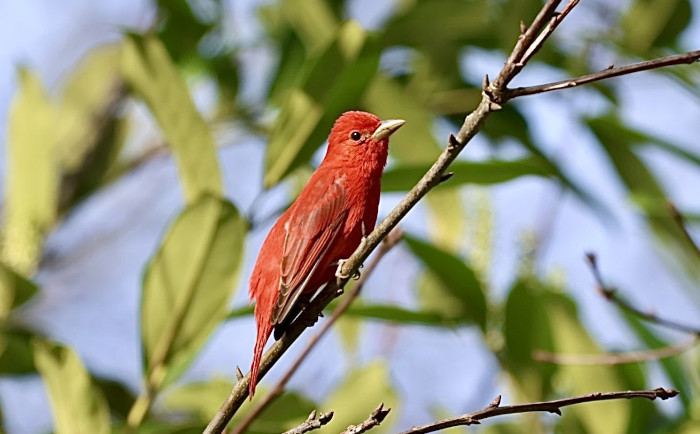
In Portugal the male Summer Tanager was still present at Porto on 7th-11th.
A Sociable Lapwing was seen in France at Cernay on 8th-12th.
In the Netherlands the Black-faced Bunting remained on Texel on 7th-11th; the Pygmy Cormorant still at Natuurpark Lelystad on 12th; and a Baikal Teal was seen on 12th at Susteren.
Also lingering for a good while now, in Denmark the Dusky Thrush was still present at Refshaleoen on 7th.
Up on Faroe, the Short-billed Gull was still present at Vagar on 7th.
Rare news from Turkey this week, where a Three-banded Plover was seen at Hancagiz Dam on 10th.
On Cape Verde, Sao Vicente held onto Black-headed Heron, Black Heron, and Yellow-billed Egret on 7th, with two of the latter present there on 9th. On Boa Vista the Western Willet remained on 6th-7th.
Finally, out on the Azores the Swallow-tailed Kite remained on Pico on 8th.
At the time of writing, it looks like much of the coming week will be dominated by yet more weather sweeping at us off the Atlantic. Maybe a drop of rain for a change…
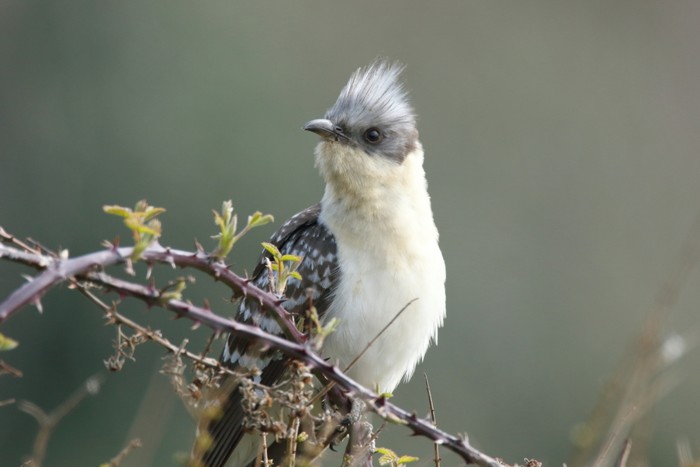
But then as the week wears on, there seems like a chance of some reasonable southerly-ish winds coming up at us across the Bay of Biscay. Surely more Red-rumped Swallow and Alpine Swift… and is it too early for a Great Spotted Cuckoo? No. It is not. Let’s be having you.
Jon Dunn
13 Mar 2026
Many thanks to all this week's contributors for your photos and videos and to everyone who contributed throughout the year.
Get Breaking Birdnews First
Get all the latest breaking bird news as it happens, download BirdAlertPRO for a 30-day free trial. No payment details required, and get exclusive first-time subscriber offers.
Share





