Weekly birding round-up: 9 - 15 Jan 2026
We’re settling into the New Year now and getting back to the usual weekly routines after the excesses of Christmas. Two recent headline birds remained in Britain and Ireland respectively, while a new flash of winter colour was found in the English southeast. Never a dull moment these days…
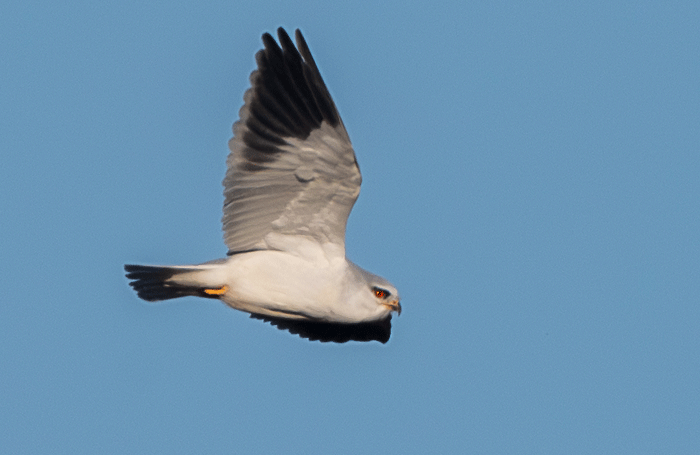
Having already made it into 2026, it was pleasing that the recent Black-winged Kite hadn’t forsaken Norfolk, and seems to be wintering in the county rather than merely passing through – it turned up again at Horsey Mere on 11th, and continued to be seen in the Hickling Broad NWT area on 11th-15th. The prospect of a weekend birding visit to Norfolk remains more enticing than ever…
Not content with kicking off the New Year with an adult Ross’s Gull and an adult male Siberian Thrush in quick succession, Kent continued to add to its January account this week with the discovery of a wintering Red-flanked Bluetail at Crockham Hill Common on 10th.
It’s been well-rehearsed in these parts, the startling change in status the species has undergone since the early 1990s, from mega rarity to annual scarcity, but winter birds still remain very much the exception rather than the norm. With a bird also seen in the past fortnight up in Highland & Caithness, we’re left wondering if there may yet be one or two further birds lurking out there somewhere for the finding…
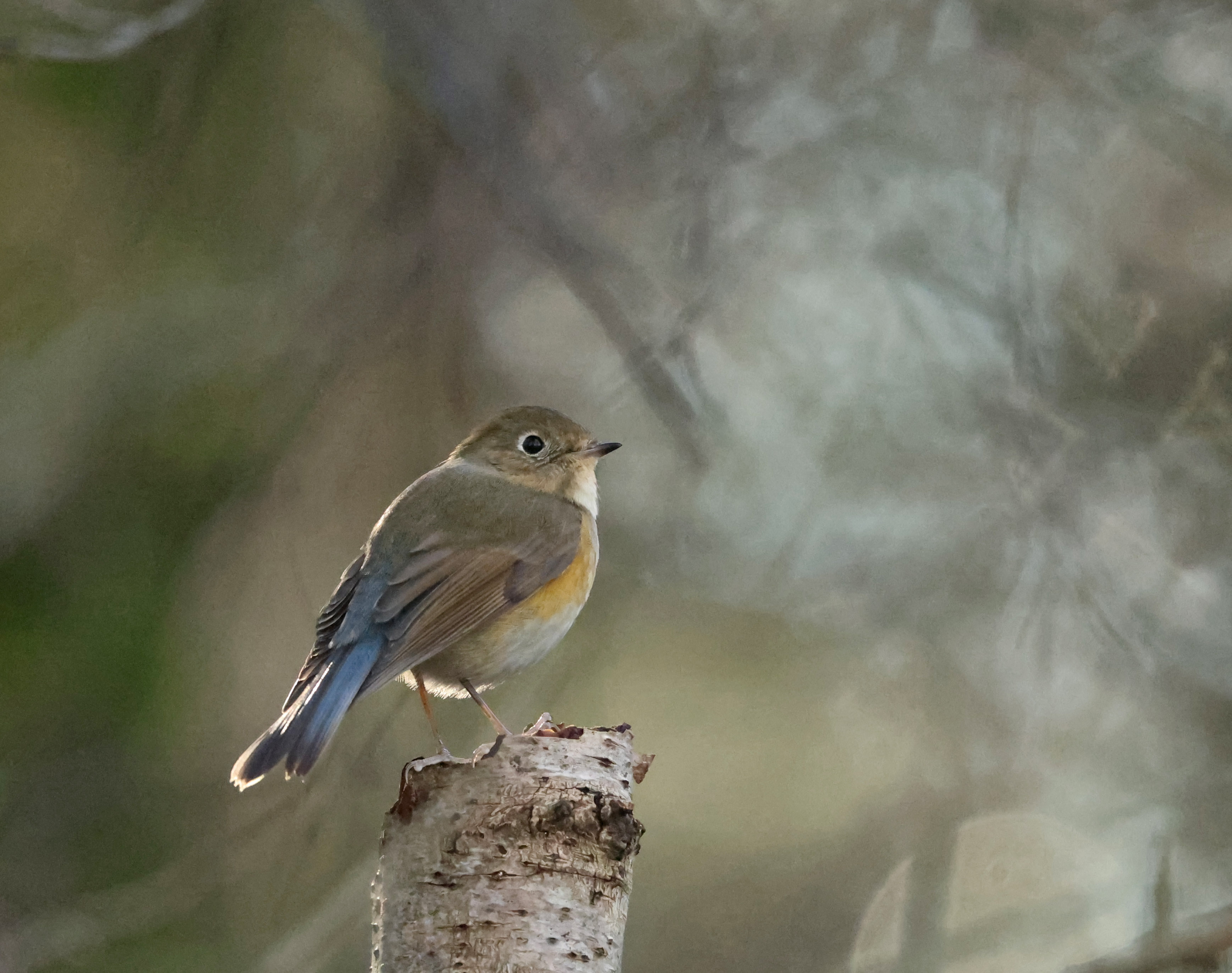
This week’s bird, a female / first-winter male, remained in Kent until 14th, providing a somewhat more obliging start to the birding year than either aforementioned gull or thrush, neither of which chose to linger. It’ll be interesting to see how long this bluetail endures as the winter unfolds.
While there’s been no further sign of the recent Pied-billed Grebe in Co.Wexford since the initial sighting, the recent American Coot has proven to be made of sterner and more obliging stuff, staying put at Tacumshin this past week on 10th-13th.
Continuing to attract attention this past week, the resident Double-crested Cormorant remained on Doon Lough (Co.Leitrim) on 9th-15th.
Two Pacific Diver were seen in recent days in Cornwall off Mousehole on 12th, and again on 15th.
A shade under 40 Little Auk were noted during the week, with the lion’s share being seen from Fife Ness (Fife) on 11th.
A single Pomarine Skua was seen in Northumberland off Cullercoats on 9th.
As ever these days, Glossy Ibis remained omnipresent this week.
A Spotted Crake was reported from Henfield Levels (West Sussex) on 14th.
If the long-legged beasties are quiet at this time of year, the same certainly can’t be said for the honkers and quackers – there was plenty of action our there again this past week, from top to bottom and side to side of Britain and Ireland.
Starting with geese, and The Goose Formerly Known As Canada, the possible parvipes Lesser Canada Goose remained on Islay (Argyll & Bute) on 9th.
Also present still in Argyll & Bute at the start of the week, the recent Ross’s Goose remained near Campbeltown on 9th; with a bird found on 14th at Cleish and on 15th near Baleave (Perth & Kinross) too.

Snow Geese meanwhile lingered in recent days in Lincolnshire around Deeping Lakes LWT on 9th-15th, and in Lancashire & North Merseyside at Marshside RSPB on 11th still.
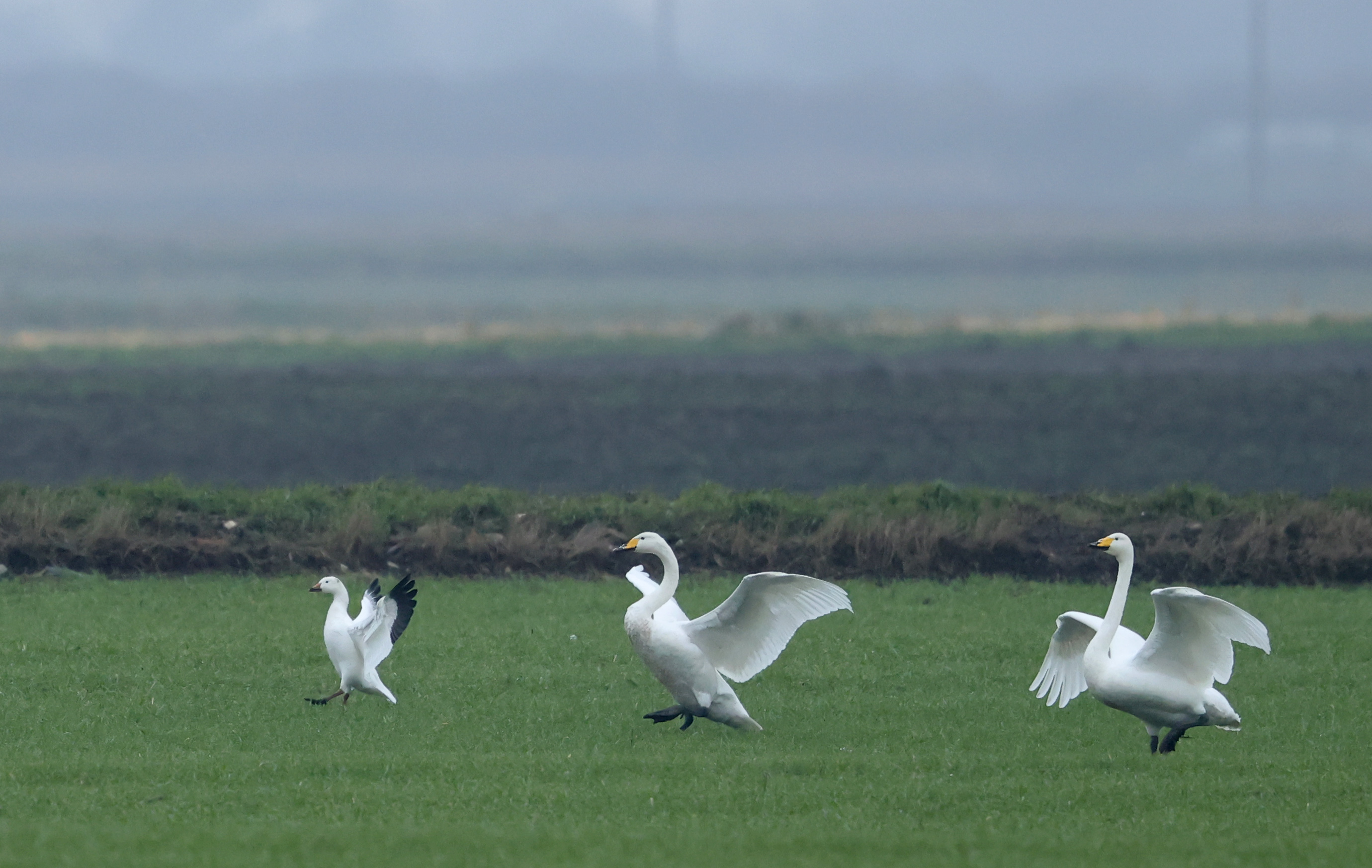
Essex supplied most of the week’s Black Brant sightings, with birds noted at Fleet Head and Heybridge Basin on 10th, and Wallasea Island RSPB on 10th-11th. Another was seen in Hampshire at Hayling Island on 12th; and bird was reported from Wells (Norfolk) on 14th. A possible Grey-bellied Brant was at Sandymount Strand (Co.Dublin) on 14th.
Essex also held a Red-breasted Goose at Fleet Head on 10th.. One remained on Islay (Argyll & Bute) on 13th also.
Onto the ducks, and a drake Blue-winged Teal on Loch Loy (Moray) on 12th-14th was new.
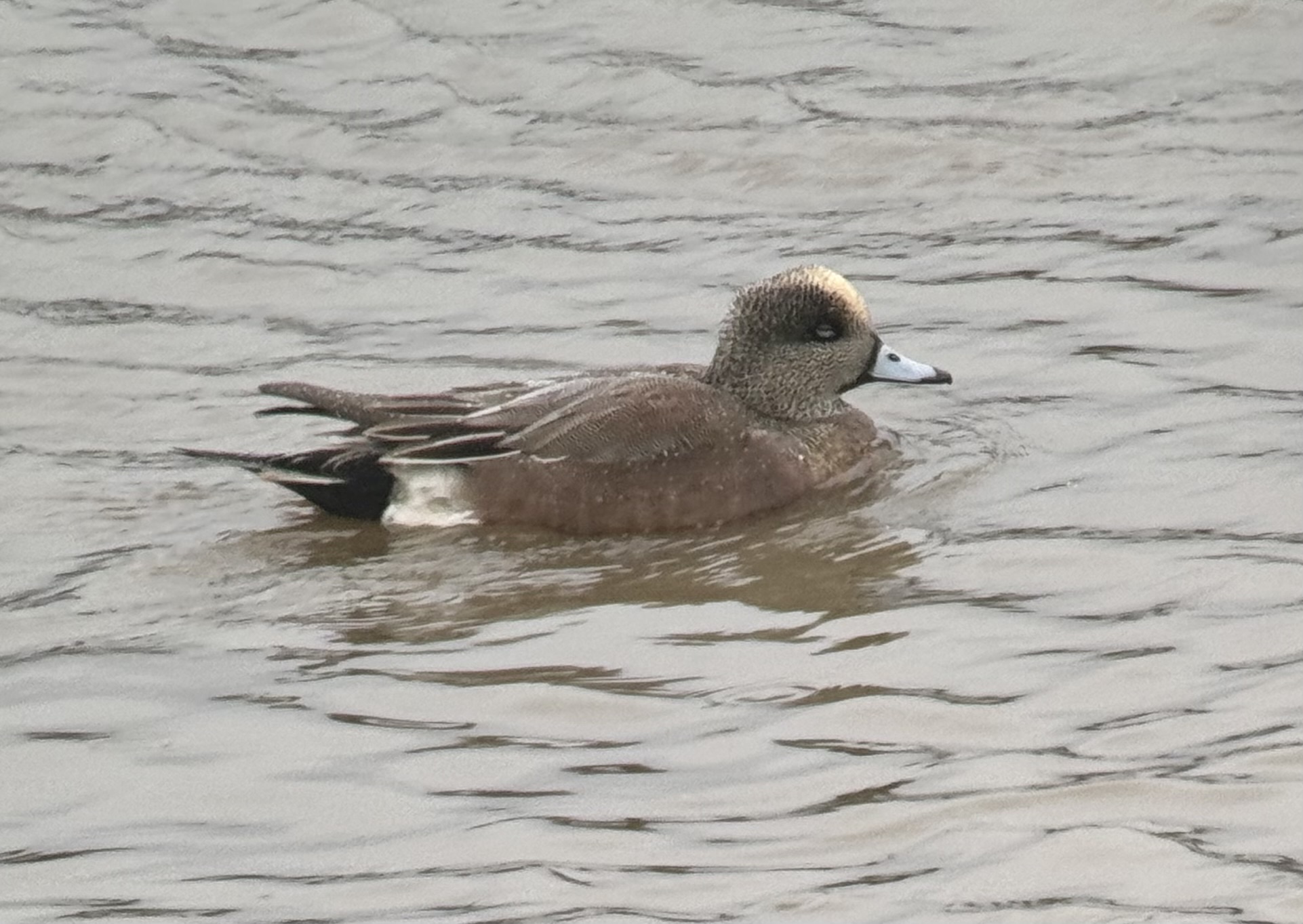
Numbers of American Wigeon logged in Britain and Ireland as a whole picked up a little, with a dozen birds seen in total; Green-winged Teal also remained relatively numerous, with the first stand-alone week of the year accounting for a dozen birds seen across the region.
Cambridgeshire sported Ferruginous Duck at Paxton Pits NR again on 11th, at Milton CP on 12th-13th, and at Earith on 14th. Elsewhere, the drake remained on Filby Broad (Norfolk) on 12th-15th, and the Hampshire drake was again seen at Brownwich Pond on 9th.
Lesser Scaup enjoyed a strong week, with a dozen of their kind seen across Britain and Ireland as a whole. Two were still to be seen in Cornwall at Helston on 10th-14th; the female remained in Leicestershire on Swithland Reservoir on 9th-15th; the drake in Perth & Kinross on Loch Leven on 9th; the female / juvenile drake at Ellesmere (Shropshire) on 9th-15th; the drake on Abberton Reservoir (Essex) on 11th-15th; Co.Wexford sightings at Lady’s Island Lake on 10th and Tacumshin on 11th still; in Co.Cork at Lough Clubir still on 12th-15th; and on Staines Reservoir (Surrey) still on 13th. Additional birds this week were seen on Lough Ennell (Co.Westmeath) on 9th-13th, and at Wraysbury Reservoir (Berkshire) on 11th; and a possible female at Linford Lakes NR (Buckinghamshire) on 14th.
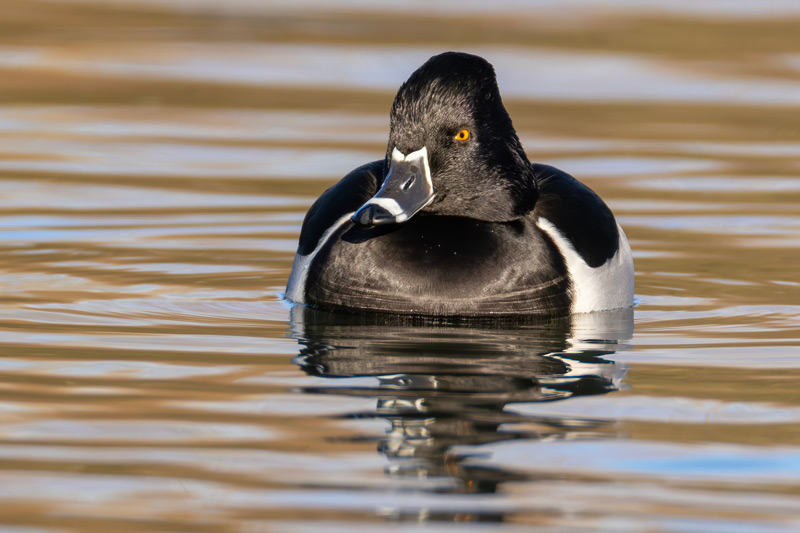
Numbers of Ring-necked Duck remained high, with 40 birds logged over the course of the week. Our peak counts were quartets present on Tangy Loch (Argyll & Bute) still on 9th, and Upper Lough Erne (Co.Fermanagh) still on 11th; three remained on Dunfanaghy New Lake (Co.Donegal) on 10th; and duos were seen at Killarney (Co.Kerry) on 10th; Knockaderry Reservoir (Co.Waterford) on 10th still; at Urlaur Lough (Co.Mayo) on 11th still; and in Somerset at Shapwick Heath NNR on 10th still and Ham Wall RSPB on 11th-14th.
Two of our recent Bufflehead remained on show at, respectively, Foryd Bay (Gwynedd) on 9th-10th and again on 14th, and Kilbrean Lake (Co.Kerry) on 9th-15th still.
Ireland also continued to be blessed by the ongoing presence of the increasingly colourful first-winter drake Harlequin Duck at Curransport (Co.Donegal) on 10th-15th still.
In Highland & Caithness the first-winter drake King Eider remained at Dornoch Bay on 9th-15th, with a second bird present there on 14th; while in Shetland the first-winter female was still in Quendale Bay on 10th-15th.
The recent drake Black Scoter was still present at Dornoch (Highland & Caithness) on 9th-15th. The second-winter drake White-winged Scoter remained in Aberlady Bay (Lothian) on 9th.
Two Surf Scoter remained off Dornoch (Highland & Caithness) on 9th-14th; one at Colwyn Bay (Conwy) on 10th-15th still; one still off Gilman Point (Carmarthenshire) on 14th; one off Barra (Western Isles) still on 15th, and a bird seen off Vatersay on 15th also; and a further bird seen this week at Rockcliffe (Dumfries & Galloway) on 10th.
Into the weekly waders and, for the second consecutive round up of 2026, another Dotterel put in an appearance. The last was seen briefly in Kent at Scotney GPs on 30th December; and this week, a bird was present on Tiree (Argyll & Bute) on 13th-15th.
In Somerset the female Kentish Plover remained off Burnham-on-Sea on 9th-13th.
Co.Clare’s Semipalmated Sandpiper remained at Seafield on 9th-13th.
Suffolk’s wintering Temminck’s Stint was seen again at Minsmere RSPB on 12th and 14th.
The juvenile Spotted Sandpiper remained at Ballynagaul (Co.Waterford) on 9th-12th.
In Angus the Long-billed Dowitcher was still present at Montrose Basin on 10th-14th.
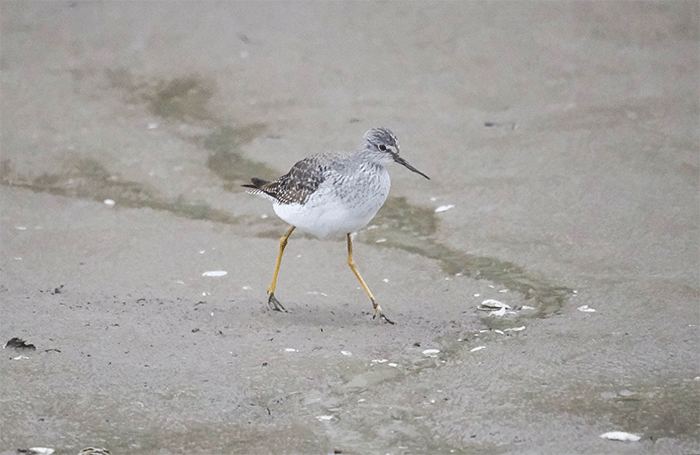
The settled Cornish Lesser Yellowlegs remained at Truro on 10th-15th, while the recently found bird in Wales at Rhyl (Denbighshire) was also proving steadfast this past week, still present there on 9th-15th; and the Rathlin Island (Co.Antrim) bird was again seen there on 14th.
Finally, a Grey Phalarope was seen on the sea off Dawlish Warren NNR (Devon) on 12th.
The weekly gullfest begins in Ireland, where an adult Bonaparte’s Gull was found at Reenard Point (Co.Kerry) on 13th.
Ireland also featured strongly for Ring-billed Gull, with birds logged in Co.Cork on 9th, where a first-winter was seen again at Rosscarbery, and a second-winter at Mardyke, the latter bird remaining there on 13th; in Co.Sligo at Doorly Park, where the first-winter remained on 11th; at Blennerville (Co.Kerry) still on 14th; and at Arklow (Co.Wicklow), where a first-winter was present on 9th-13th. In Britain the adult remained at Hayle Estuary RSPB (Cornwall) on 10th.
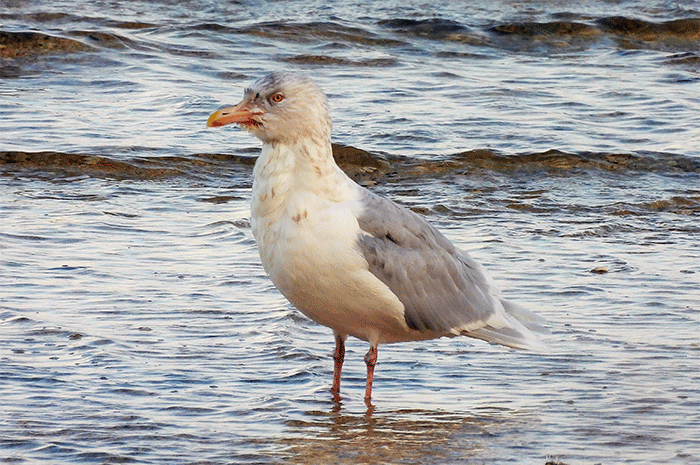
White-wingers continued to hold up their side of the winter compact, with around 20 apiece of Glaucous Gull and Iceland Gull again noted across the course of the week. All were single birds bar duos of Glaucous Gull in Orkney on 15th on Mainland and Westray; and two Iceland Gull seen at Vatersay (Western Isles) on 10th.
The weekly raptors commence in Co.Wexford, where both the juvenile and adult male Northern Harrier were again seen at Tacumshin on 9th.
In Wales the female Pallid Harrier was again seen at Llanrhidian Marsh (Glamorgan) on 10th and 15th, and at National Wetlands Centre WWT (Carmarthenshire) again on 13th.
Kicking off the penultimate section of bird news, two of the recent Hoopoe seen lately remained this week at Sandtoft (Lincolnshire) on 10th, and Killarney (Co.Kerry) on 13th again respectively.
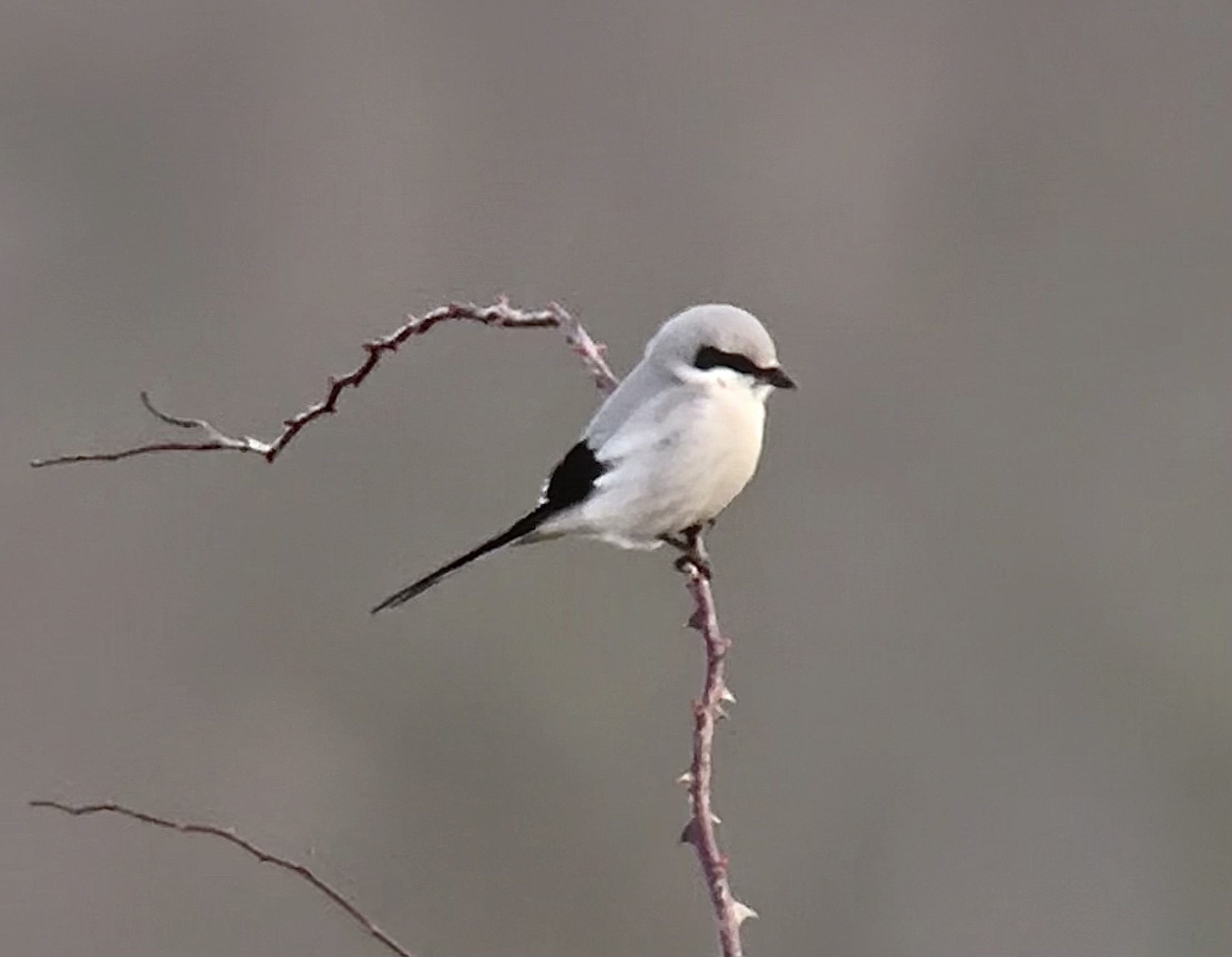
In Hampshire the Great Grey Shrike was still to be seen at Beaulieu Road Station on 10th-12th, while another was found in Lincolnshire outside Ingham on 10th-15th.
Around 70 Waxwing were noted during the course of the week, with the settled flock present at Monifieth (Angus) still holding the largest aggregation of their kind, with a peak count there of 35 birds on 10th.
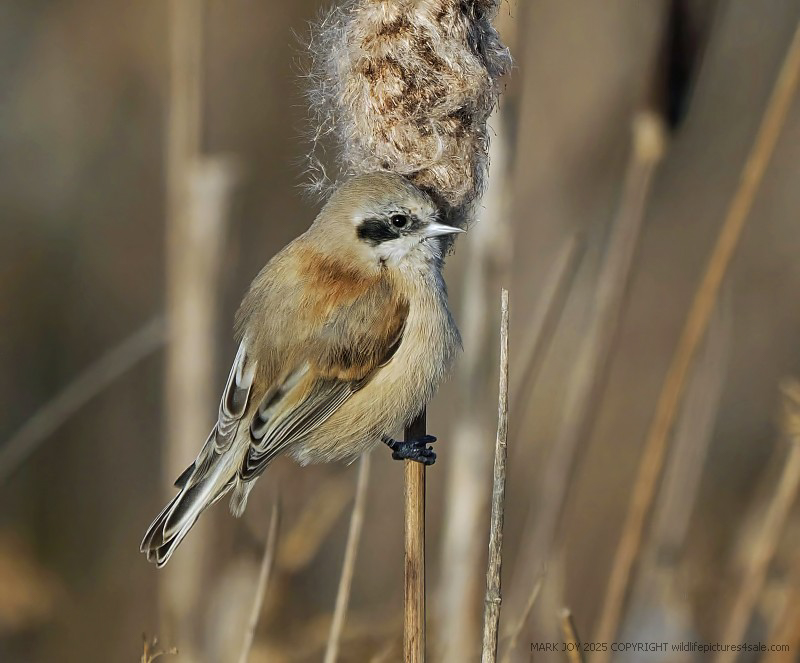
In Gloucestershire the three recent Penduline Tit continued their residency at Aust Wetlands on 9th-15th. Two more were noted this week in Somerset at Greylake RSPB on 10th.
There was a significant drop in the numbers of Yellow-browed Warbler logged during the past week probably related to reduced birder effort as we all returned to our daily, non-birding commitments. Birds were logged at Efford Marsh NR (Devon) on 9th-12th; Hatch Pond LNR (Dorset) on 9th-14th; Torpoint (Devon) on 10th; Frome (Somerset) on 10th; Silk Mills LNR in Taunton (Somerset) on 10th; Hurley (Warwickshire) on 11th-15th; in Dublin (Co.Dublin) on 13th; and at Raunds (Northamptonshire) on 15th. A probable was seen at Flackwell Heath (Buckinghamshire) on 10th; and a further bird reported at Hartcliffe (Somerset) on 12th.
In Cornwall the Pallas’s Warbler remained at Helston Loe Pool on 9th-10th.
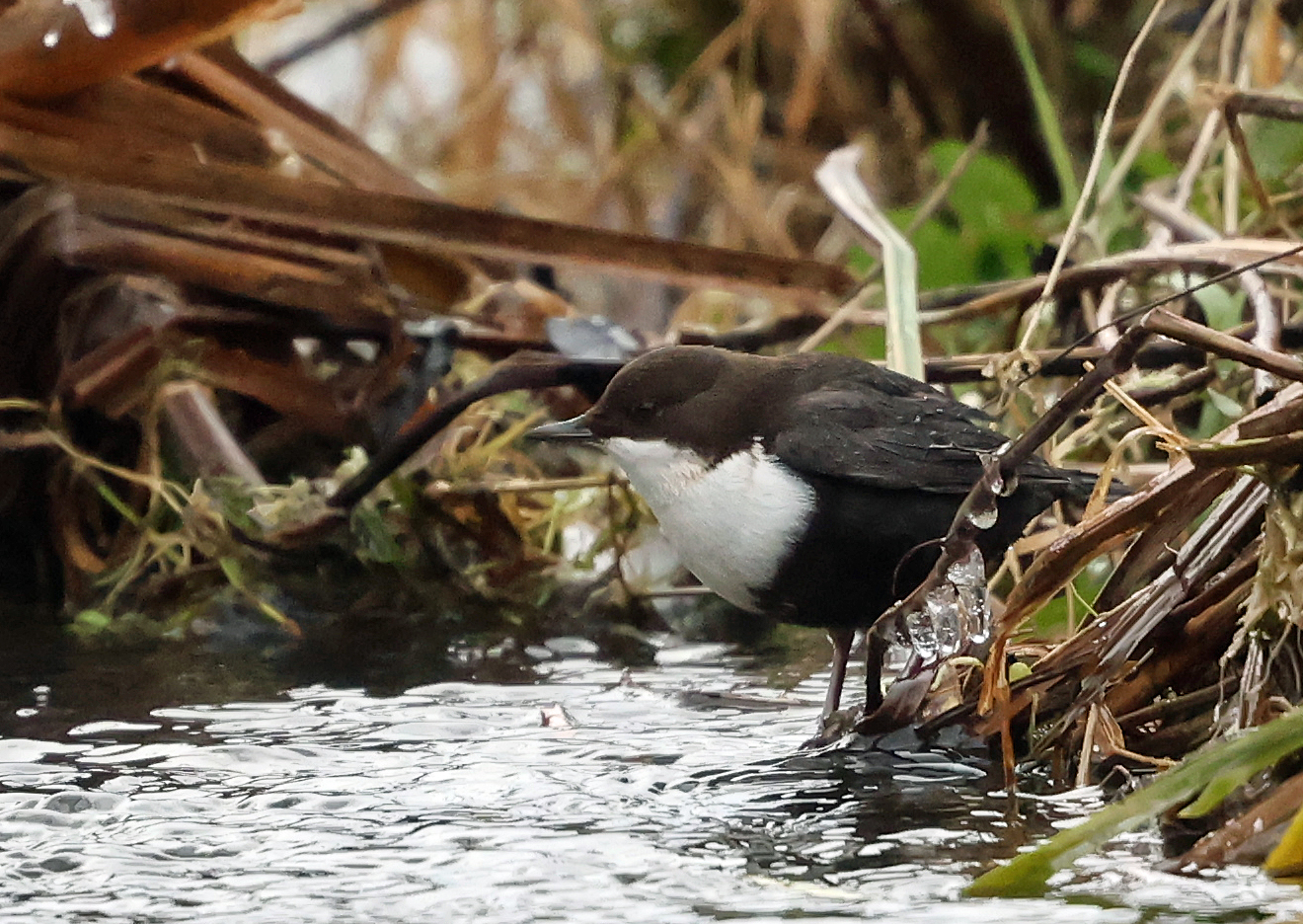
The Black-bellied Dipper remained in Norfolk at Bintree Mill on 9th-11th and again on 15th.
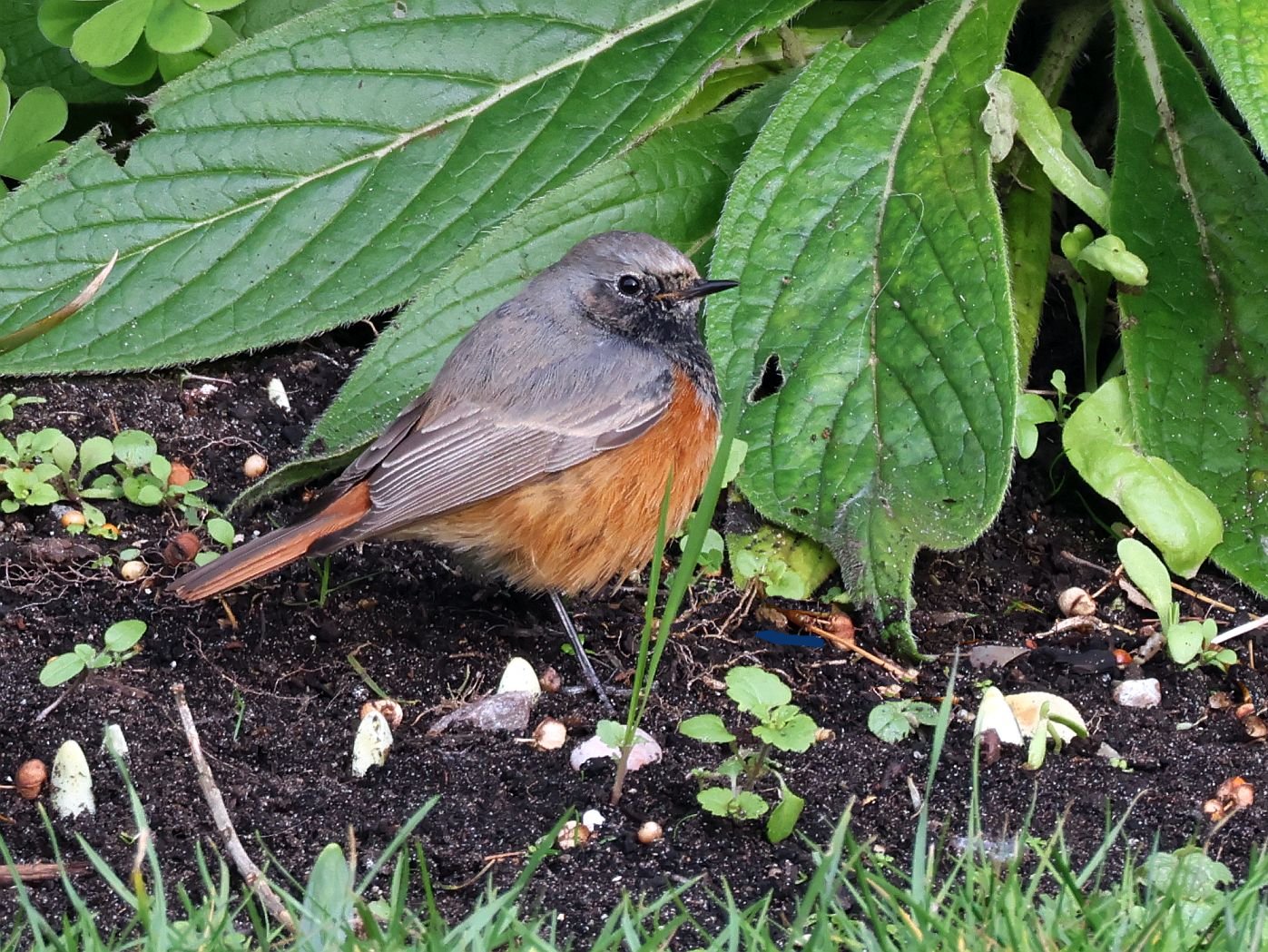
Norfolk also retained its popular first-winter male Eastern Black Redstart at Sheringham on 9th-15th.
The Richard’s Pipit remained in Cleveland at Brotton on 10th.
Presumably the same bird seen months back at Mervue in Co.Galway, a Pied Crow was seen not a million miles away at Doughiska on 9th.
Finally, the Great-tailed Grackle remained in Hampshire at Holbury on 10th-15th, now giving bursts of song too.
The near continent continued to tease British birders for still another week, with France leading the charge with the discovery of a White-winged Snowfinch at Le Havre on 10th. The Belted Kingfisher was still on the Canal de Nantes a Brest on 10th-13th, while a Dalmatian Pelican was found on 13th at Fouenchamps.
The Netherlands also gave food for thought with an accentor, either Siberian or Black-throated, at Eemshaven on 9th; while the strong>Black-faced Bunting remained on Texel on 10th-15th.
p>To Scandinavia next, where in Denmark the Dusky Thrush remained at Refshaleoen on 9th-15th, and in Norway the Azure Tit was still lighting up Brekstad on 9th-11th.In Iceland the White-winged Scoter remained off Reykjavik on 14th, and the Baltimore Oriole in Reykjavik on 15th.
On Faroe, the Short-billed Gull was still present at Miovagi on 14th.
In Spain the long-staying Cape Gull remained at Laredo on 11th.
Another week, another wayward Allen’s Gallinule - this time on Greek island Crete, on 12th at Gavdos.
In Cyprus the Desert Finch remained at Paphos Wetland on 15th.
And out on Cape Verde, Western Willet remained on Boa Vista on 13th and Sal on 15th.
It continues to be the time of year to find a decent duck or a good gull, as records from the past 50 years amply demonstrate – the late 1990s gave rich pickings on the British rarity duckpond, with drake Falcated Duck at Old Hall Marshes (Essex) on 16th January 1994, and the drake Canvasback that arrived at Wissington Beet Factory (Norfolk) on 18th January 1997…
…while since the turn of the century Irish birders have enjoyed Slaty-backed Gull found at Killybegs (Co.Donegal) on 17th-18th January 2015, and Thayer’s Gull found at Cleggan (Co.Galway) on 19th January 2010.
And that’s not to mention a rich supporting cast of other quality quackers and great gulls over the years. All that said, the coming week looks to be reasonably settled and with some periods of light winds wafting our way off the near continent. Is it too much to dare dream the recent White-winged Snowfinch or Lesser Short-toed Lark sp in northern France could drift our way?
Probably yes. If we have to settle for a passerine of lesser rarity stature, it could well be another Penduline Tit lurking in the reedbeds beside your local lake or coastal patch. Five birds seen in England in the past week isn’t bad going, but who’d bet against there being one or two more out there for the finding if those ducks and gulls aren’t playing ball?
Jon Dunn
16 January 2026
Many thanks to all this week's contributors for your photos and videos and to everyone who contributed throughout the year.
Get Breaking Birdnews First
Get all the latest breaking bird news as it happens, download BirdAlertPRO for a 30-day free trial. No payment details required, and get exclusive first-time subscriber offers.
Share