Weekly birding round-up: 12 - 18 Dec
Both of our recent headliners made it into the new week, in Glamorgan and Devon respectively, but neither were to prove long-staying, both vanishing in the wake of Storm Bram as it blew through the country. Presumably Bram’s mix of strong winds and torrential rain weren’t to an owl’s liking… and while a tern is arguably better placed to weather the storm, it’s also equally well-equipped to move on to pastures new. These notwithstanding, it was Ireland’s turn to shine once more with a duck…
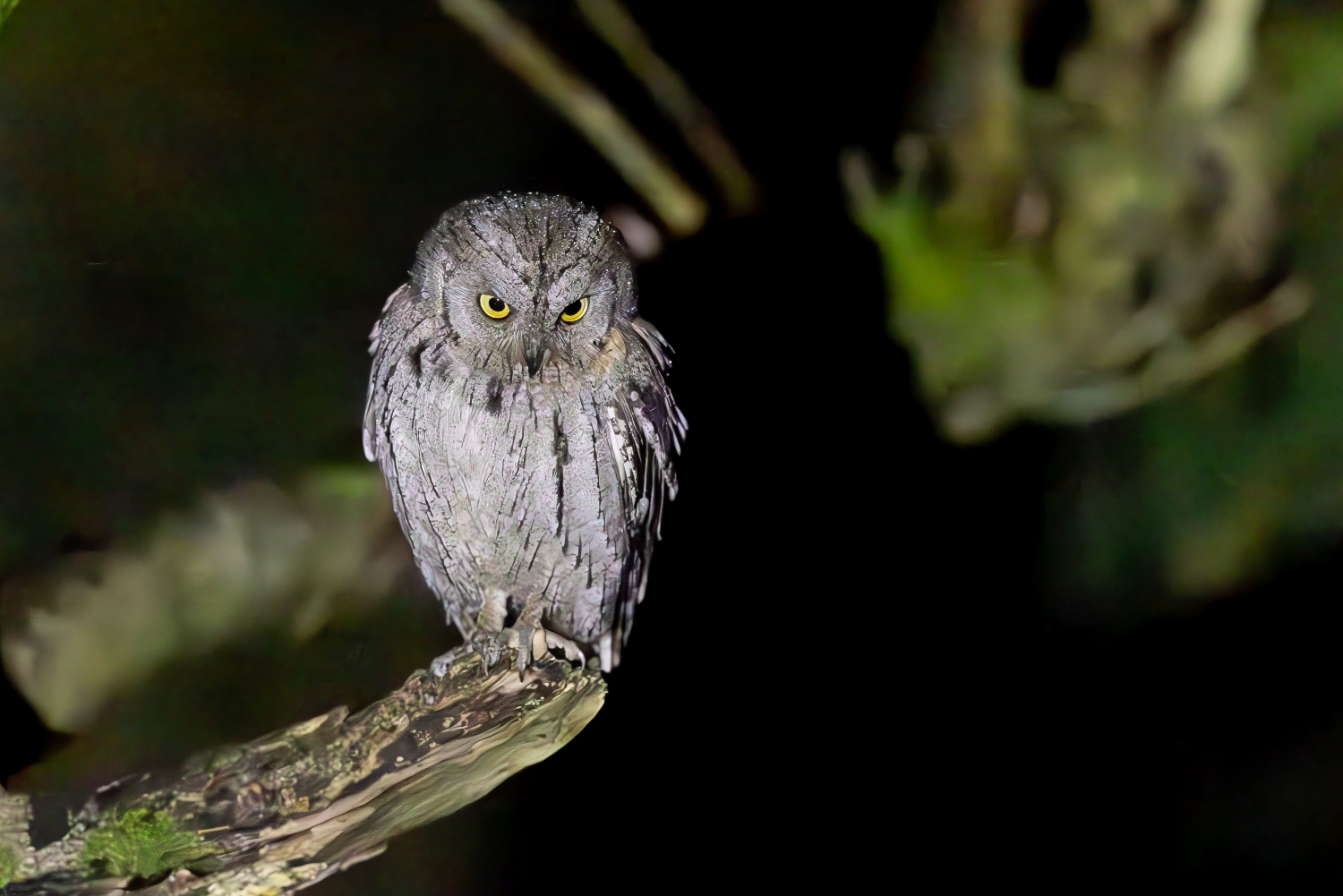
Showing well in the evenings as the preceding week gave way into the week just gone, the Scops Owl in Glamorgan was once again noted at Killay as night fell on 12th. But after that… not a squeak of news. It appears to have done a flit.
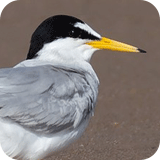
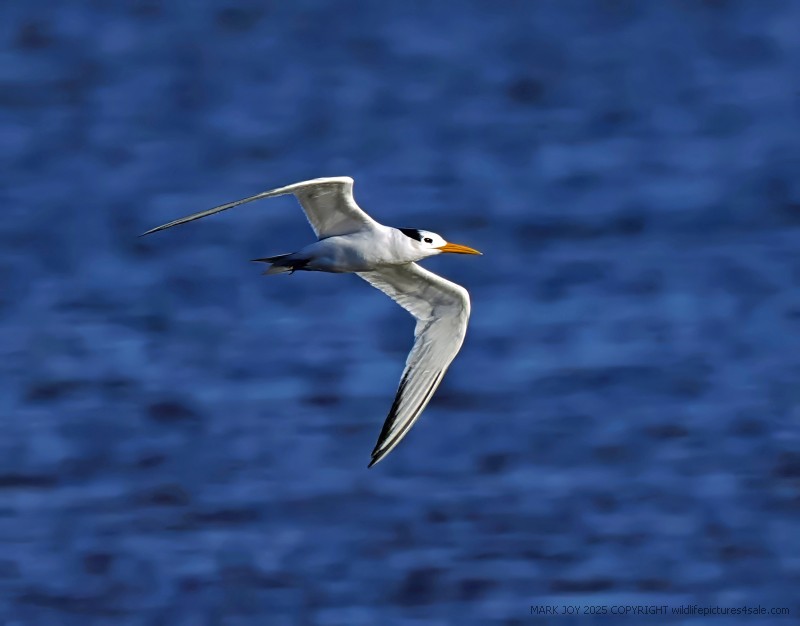
Similarly destined to do a bunk after an early showing during the week, the recent crowd-pleasing Lesser Crested Tern in Devon was still to be seen at Exminster Marshes RSPB on 12th, but not thereafter. This feels more surprising than the absence of the Glamorgan owl, but there must be a fair chance the tern will be found again somewhere in the estuaries of the English southern counties in the coming days or weeks.
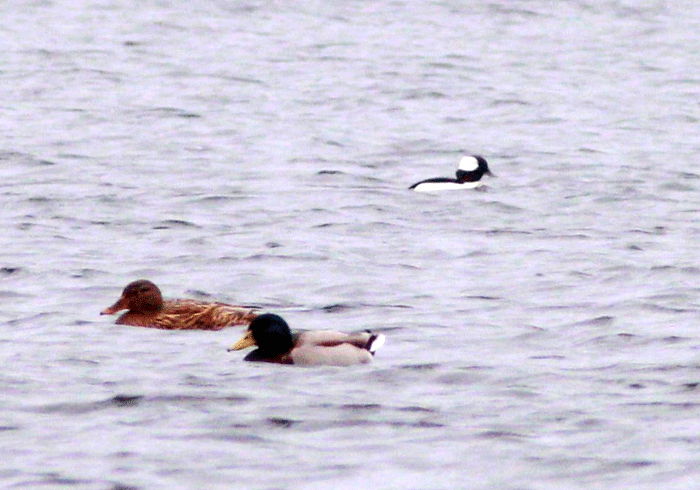
As we noted recently with the sighting of a drake Bufflehead at on Lough Leane (Co.Kerry) on 18th-20th November, Ireland’s been blessed in the last few years with a flurry of sightings of the species. That trend was further bolstered this past week with the discovery of a drake at Kilbrean Lake (Co.Kerry) on 13th – a bird that, like the last, was prepared to settled down for a few days, remaining on the lake until 18th. Indeed, could it be one and the same as the Lough Leane individual? It seems highly likely, given Kilbrean Lake’s just a few miles away to the northwest.
Quiet times indeed this week for seabirds. Cornwall had the best of them, with a settled Pacific Diver off Mousehole on 12th-16th, and a second bird seen from there on 15th.
Two Little Auk were noted passing Sandwich Bay (Kent) on 14th, while a single bird was seen off Vatersay (Western Isles) on 15th, another on 17th at St Abb’s Head (Borders), and a final bird at Fife Ness (Fife) on 18th.
Glossy Ibis - still plenty of ‘em – notwithstanding, there was a little variety in the long-legged beasties courtesy of a Night Heron reported in Devon over Kentisbeare on 14th and again on 16th.

The weekly honkers and quackers commence as ever with The Goose Formerly Known As Canada - two hutchinsii Richardson’s Cackling Goose remained at Dunfanaghy New Lake (Co.Donegal) on 12th-16th; while another remained at Drimvore (Argyll & Bute) on 13th-18th.
A Black Brant remained in East Yorkshire at Outstrays NR on 12th-13th. Essex sightings came on 17th at East Mersea, and on 18th at Burnham-on-Crouch.
A possible Grey-bellied Brant was at Blackrock College (Co.Dublin) on 17th.
Red-breasted Goose this week were seen on Islay (Argyll & Bute) on 16th, and on 18th at Burnham-on-Crouch (Essex).
In Lancashire & North Merseyside a Snow Goose remained at Marshside RSPB on 13th-17th; while in Scotland birds were seen at Insh Marshes RSPB (Highland & Caithness) on 12th-18th still, near New Pitsligo (Aberdeenshire) on 14th, and at Loch of Skene (Aberdeenshire) again on 18th.
Scotland gave us Green-winged Teal at Loch of Strathbeg RSPB (Aberdeenshire) on 13th-16th, at Mersehead RSPB (Dumfries & Galloway) on 12th, and at Aberlady Bay (Lothian) on 18th. English birds were noted at Belvide Reservoir (Staffordshire) still on 12th-17th; at South Huish Marsh (Devon) still on 12th-14th; and at Fine Jane’s Brook (Lancashire & North Merseyside) on 12th. In Ireland a bird remained on Broadmeadows Estuary (Co.Dublin) on 12th-15th.
American Wigeon remained at Big Waters NR (Northumberland) on 14th, and Loch of Spiggie (Shetland) on 16th-18th.
Drake Ferruginous Duck were still to be seen this week at West End GPs (Lincolnshire) on 15th-18th, and in Norfolk at Filby Broad on 12th.
Half a dozen Lesser Scaup were on offer, well-scattered around the region – two still in Cornwall at Helston on 14th-18th; one in Surrey still at Staines Reservoir on 12th-18th; the Essex bird still on Abberton Reservoir on 13th-17th; and Irish individuals at Portmore Lough RSPB (Co.Antrim) on 14th again, and at Lough Clubir (Co.Cork) on 16th.
A shade over 30 Ring-necked Duck were logged during the week, down on the preceding period, but in the absence of news from Co.Mayo’s Urlaur Lough that’s still an awful lot of birds. Multiples included five on Tangy Loch (Argyll & Bute) on 12th still; three at Knockaderry Reservoir (Co.Waterford) on 15th still; and several sites in Britain and Ireland alike boasting duos.
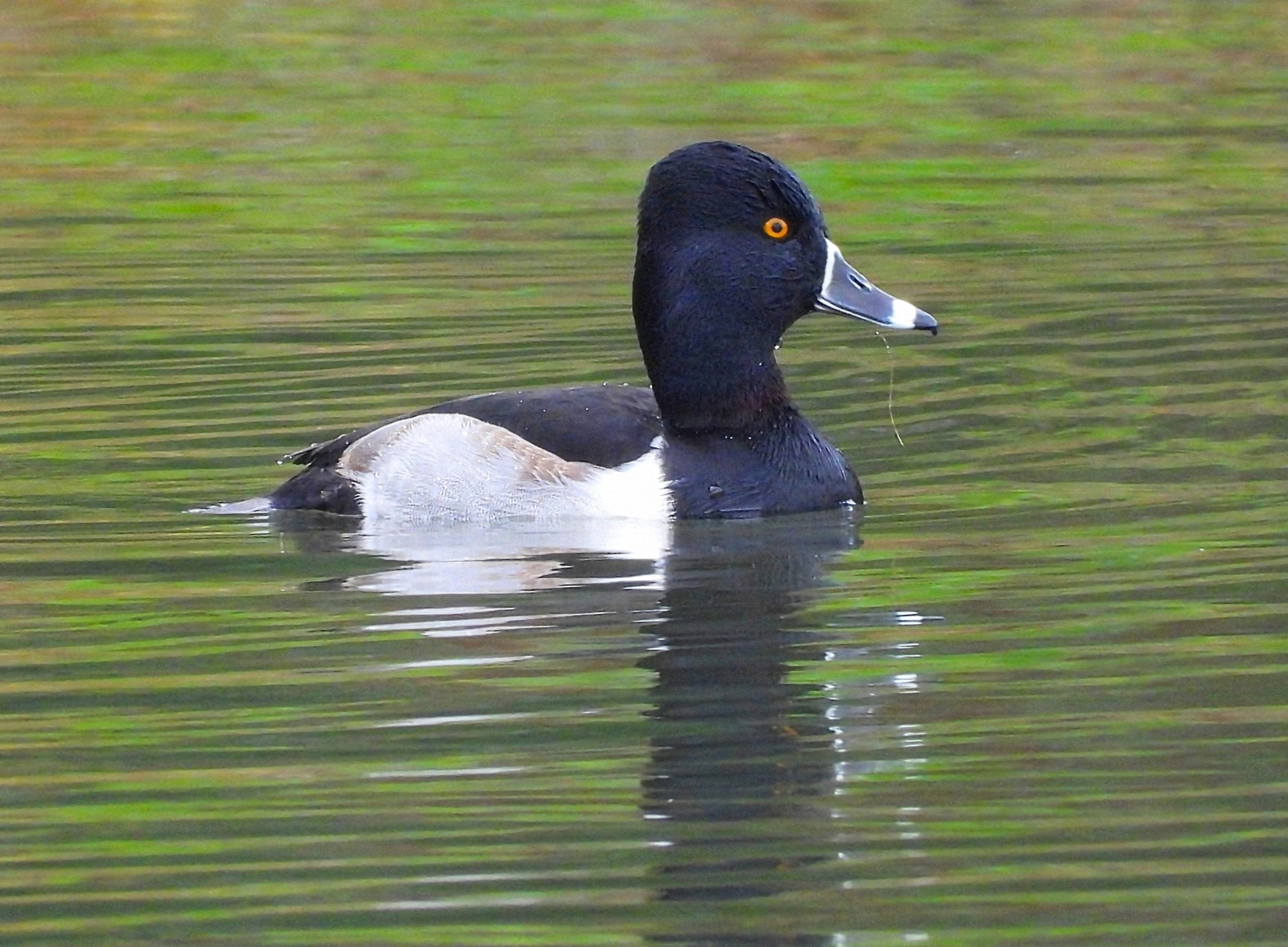
A drake Black Scoter was found on 16th-18th at Dornoch (Highland & Caithness).
A drake White-winged Scoter meanwhile was seen again at Leven (Fife) on 12th.
Two Surf Scoter were also present at Dornoch (Highland & Caithness) on 16th-18th; one remained at Colwyn Bay (Conwy) on 12th-16th; and one was seen passing Pennington Marshes (Hampshire) on 13th.
The recent first-winter female King Eider remained in Quendale Bay off Mainland Shetland on 12th-17th; and a first-winter drake was found at Dornoch (Highland & Caithness) on 14th-18th.
Finally, in Ireland the Harlequin Duck remained in Co.Donegal off Curransport on 12th-18th.
The weekly waders won’t distract us for long – there weren’t a great many on offer, but still a decent variety of them nonetheless.
Starting in Co.Clare, the Semipalmated Sandpiper remained at Seafield on 12th-17th.
Suffolk’s wintering Temminck’s Stint was still present at Minsmere RSPB on 12th-18th.
The Spotted Sandpiper remained at Ballynagaul (Co.Waterford) on 13th-16th.

In Somerset the wintering female Kentish Plover remained at Burnham-on-Sea on 12th-17th.
Back in the news after an absence of weeks, a Long-billed Dowitcher was again seen at Montrose Basin (Angus) on 16th-18th.
In Cornwall the Lesser Yellowlegs remained at Truro on 13th-17th; and the Rathlin Island (Co.Antrim) individual was still present there on 12th-16th.
Also quiet times this week for bin bag botherers, with relatively little of note to report upon. Chief among those were Ring-billed Gull - birds remained in Ireland at Doorly Park (Co.Sligo) still on 12th, and in Cornwall at Hayle Estuary on 12th-17th; another Irish example was seen at Cork Lough (Co.Cork) on 17th-18th. Another first-winter was reported at Lower Farm GPs (Berkshire) on 13th.
Glaucous Gull remained in short supply, with two on Westray (Orkney) on 12th, and three at Loch of Spiggie (Shetland) on 17th notable accretions. Otherwise it was all singletons – at Dunmore East (Co.Waterford) on 13th; at Hartlepool Headland (Cleveland) on 13th-14th and again on 17th; on Orkney Mainland at Stenness still on 14th; and on 15th on Skye (Highland & Caithness) and South Uist (Western Isles).
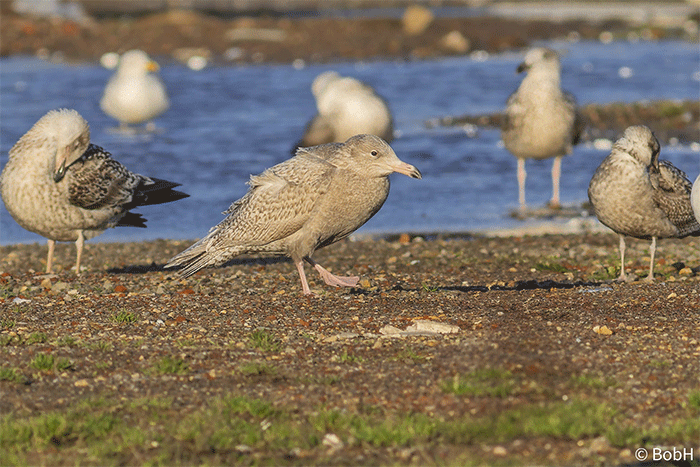
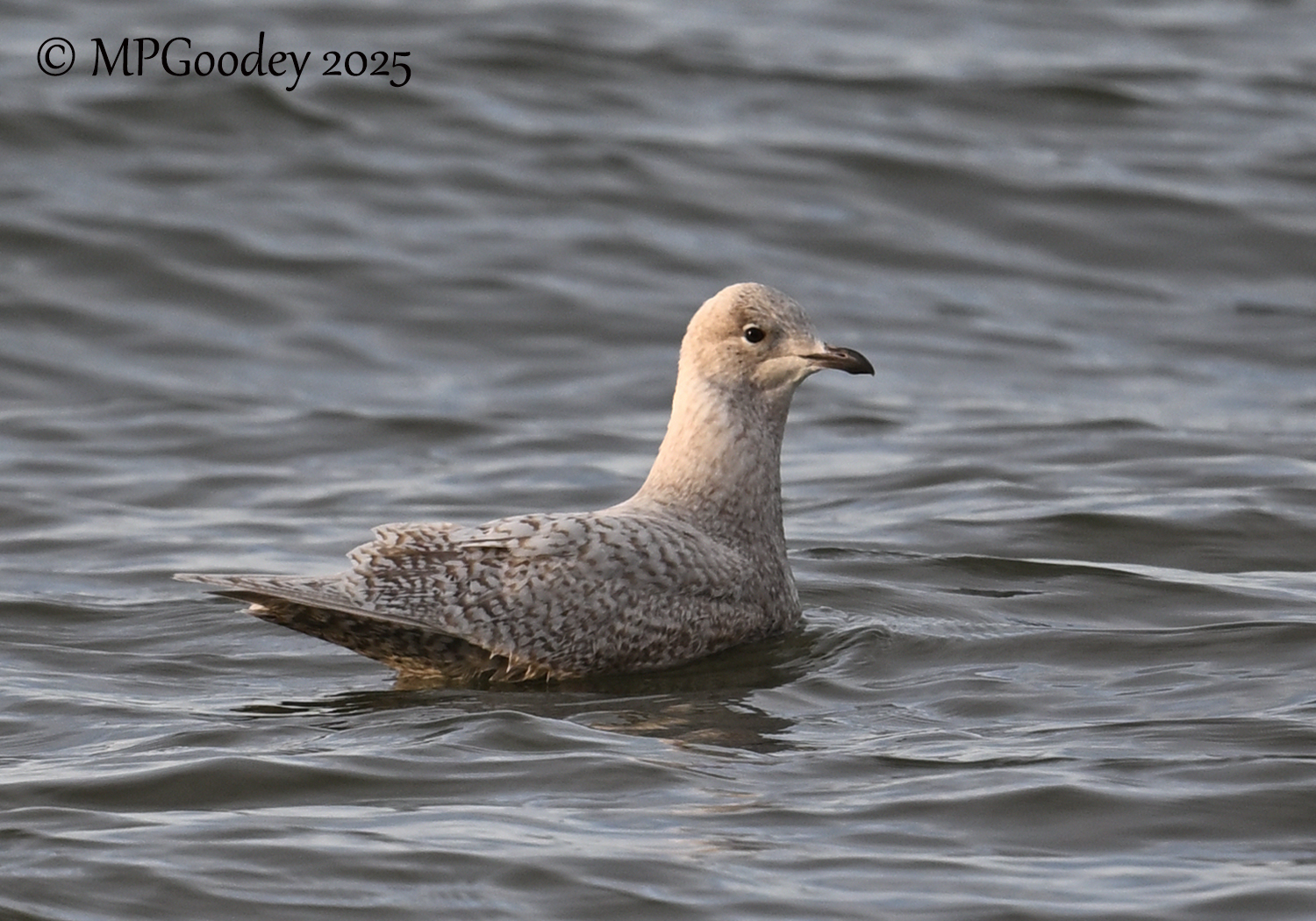
A widely scattered handful of Iceland Gull were also logged in recent days – up north, on North Ronaldsay (Orkney) on 12th, Yell (Shetland) on 13th, and Loch of Spiggie (Shetland) on 17th; down on St Mary’s (Scilly) on 13th-15th; and in Ireland at Carrolls Cross (Co.Waterford) on 13th, and Galway (Co.Galway) on 14th.
Our rare raptors this week start in Ireland, where the juvenile Northern Harrier was again seen at Tacumshin (Co.Wexford) on 15th.
Meanwhile in Wales the adult female Pallid Harrier was logged this week at Llanrhidian Marsh (Glamorgan) on 12th-13th, and National Wetlands Centre WWT (Carmarthenshire) on 13th-14th.
The week’s run through the passerines et al begins with Hoopoe, providing a late dash of colour in recent days. Sightings from Suffolk gardens came from Erwarton on 13th, and Chelmondiston on 14th; while another was seen on 16th in Lincolnshire still at Sandtoft.
The recent Great Grey Shrike remained in Hampshire at Beaulieu Road Station on 12th-14th, with another Hampshire sighting at Picket Bottom on 13th; and another was seen this week at Dersingham Bog (Norfolk) on 14th.
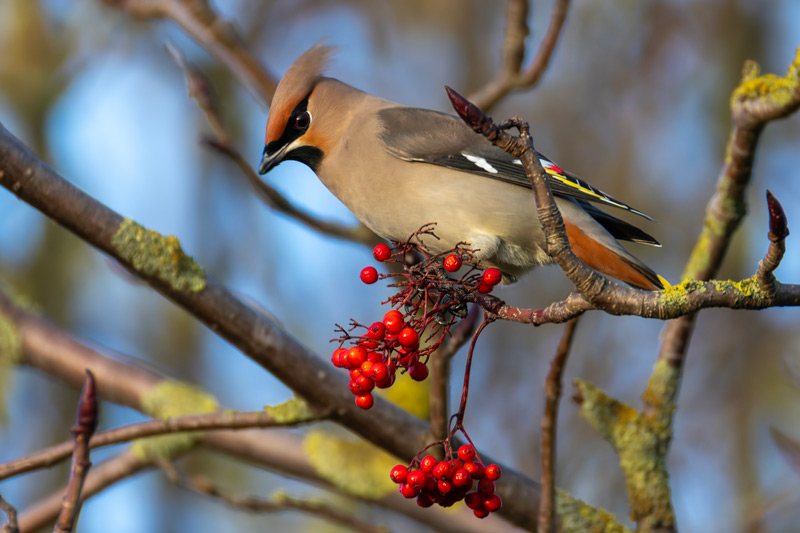
Some 75 Waxwing were noted nationwide during the week, the largest flock recorded being some 35 birds in Angus at Monifieth on 13th.
Two Penduline Tit were in Gloucestershire at Aust Warth on 16th.
A probable Pallid Swift remained at North Foreland (Kent) until 17th.
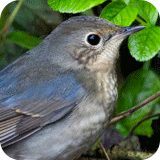
The Black-bellied Dipper was again seen in Norfolk at Bintree Mill on 17th.
A probable Hume’s Warbler reported from Swanpool (Cornwall) on 13th was followed by confirmation that two remained at Holkham Pines (Norfolk) until 16th at least – one was certainly still present there on 17th.
Numbers of Yellow-browed Warbler nationally remained steady, with a dozen birds reported across the course of the week.
In Kent the Dusky Warbler remained at Minster Marshes Sewage Works on 13th-14th, while in Ireland the settled individual was still present at Dunhill (Co.Waterford) on 12th-18th. Another was found in Cornwall at Boscathnoe Reservoir on 18th.
The recent Barred Warbler was again seen in a Redruth (Cornwall) garden on 13th.
In Suffolk, three Zitting Cisticola remained present at Walberswick on 13th, with at least one still present there on 14th.
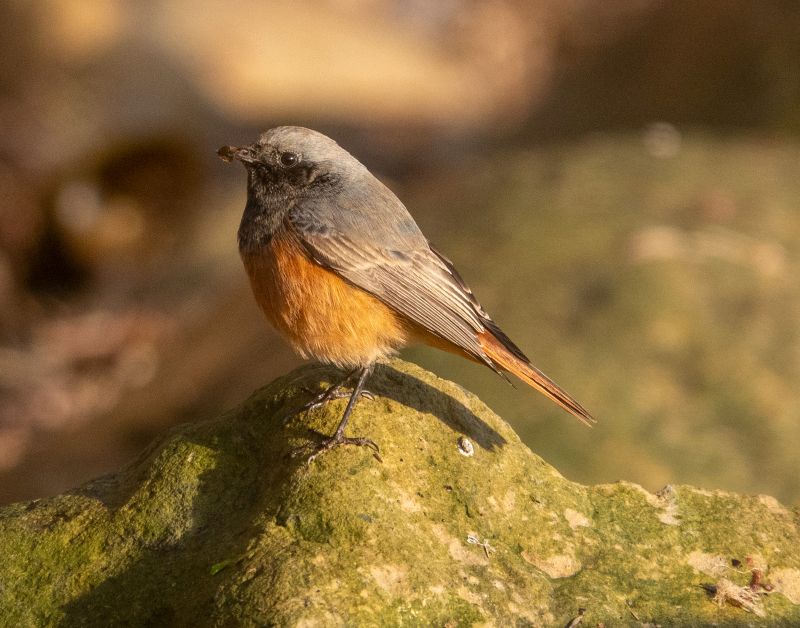
A male murinus / phoenicuroides / rufiventris Eastern Black Redstart remained in North Yorkshire at Filey on 12th-16th.
The lingering Richard’s Pipit remained at Brotton (Cleveland) on 12th-16th.
A Little Bunting was seen in East Yorkshire at Flamborough on 7th.
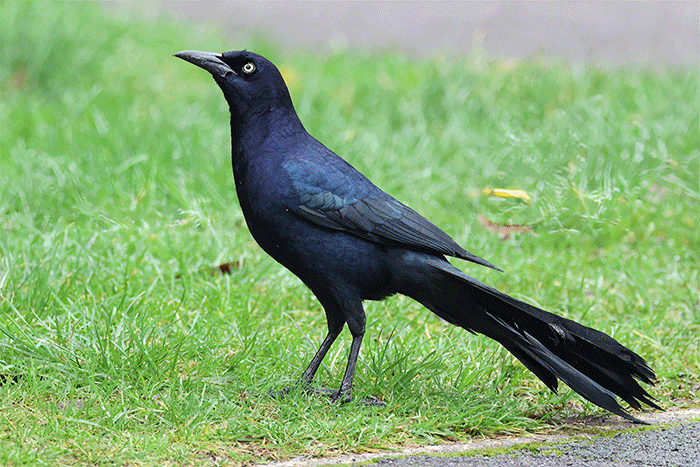
Finally, the settled male Boat-tailed Grackle remained in Hampshire in the gardens at Holbury on 13th-16th.
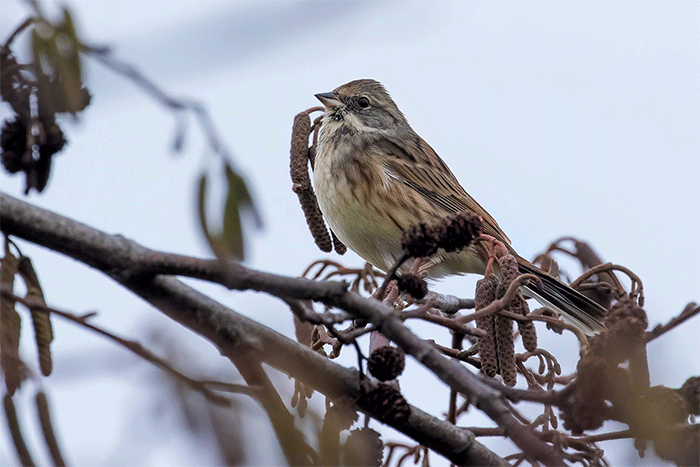
The Netherlands’ remarkable year for Black-faced Bunting continued with yet another bird found, this one on Texel on 13th-18th, where the drake Spectacled Eider also remained on offer on 13th-18th; the Pygmy Cormorant was still to be seen at Natuurpark Lelystad on 14th; and the Western Swamphen still at Zevenhuizen on 14th.

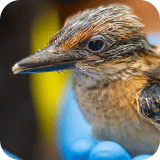
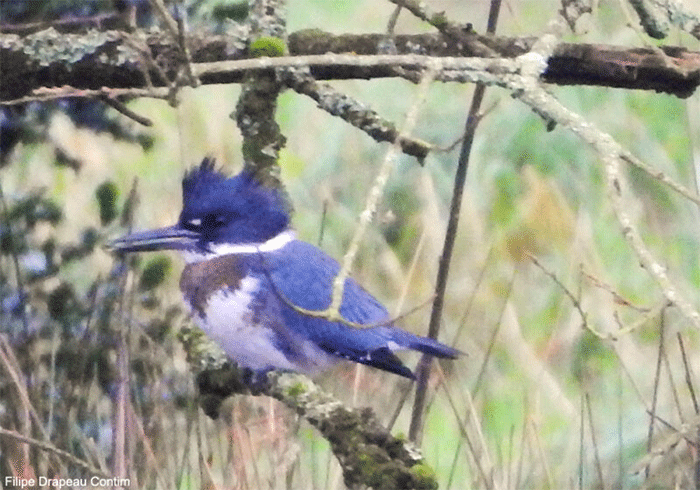
In France the Belted Kingfisher remained on Canal de Nantes a Brest in Rostrenen on 12th-18th, the male Northern Harrier remained at Marais de Peychaud on 14th, and a Forster’s Tern again at Kerguelen on 17th. Most notably of all, and almost within sight of Britain, a Lesser Short-toed Lark sp was present on the beach at Pas de Calais on 17th, having been there for a few days beforehand. Oh for that to cross the Channel…
Spain’s Cape Gull remained at Laredo on 12th-13th.
Out on the Azores, a Great Blue Heron was on Pico on 16th.
With glittery things very much in the forefront of our minds as Christmas bears down upon us in all its over-decorated glory, the coming week – traditionally a quiet one, as befits the time of birding year – can, if not be polished, then certainly be rolled in glitter. A glance at the record books suggests we needn’t (quite) abandon all hope just yet…
Scarce and rare ducks and gulls are all eminently possible, and both give cause for wild optimism even for those obdurately working a local patch inland away from the traditional coastal rarity hotspots. Rarer still, but equally as likely to turn up out of the blue in a field somewhere utterly random as on a coastal headland, the coming week has some historic form for Little Bustard - a popular species whenever and wherever it turns up in Britain, this would be a lovely early Christmas present should we be so blessed before the big day.
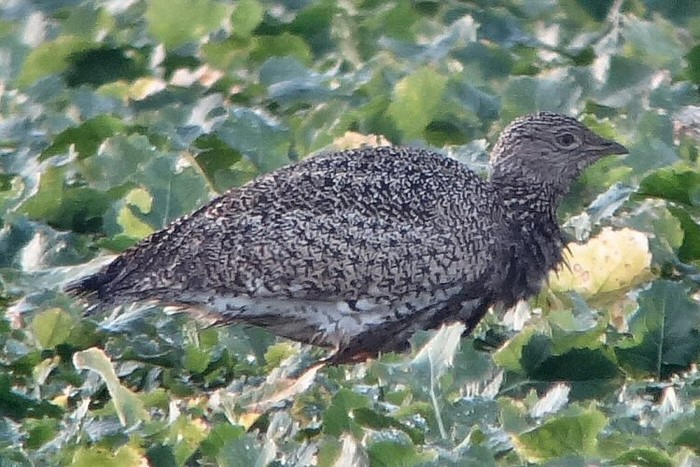
Jon Dunn
19 December2025
Many thanks to all this week's contributors for your photos and videos
Get Breaking Birdnews First
Get all the latest breaking bird news as it happens, download BirdAlertPRO for a 30-day free trial. No payment details required, and get exclusive first-time subscriber offers.
Share