Weekly birding round-up: 13 - 19 June 2025
After the extraordinary tenor and tempo of the preceding week, things calmed down somewhat on the birding front in the week just gone. That said, two new birds in recent days were locally very well received indeed, in Shetland and Somerset respectively.
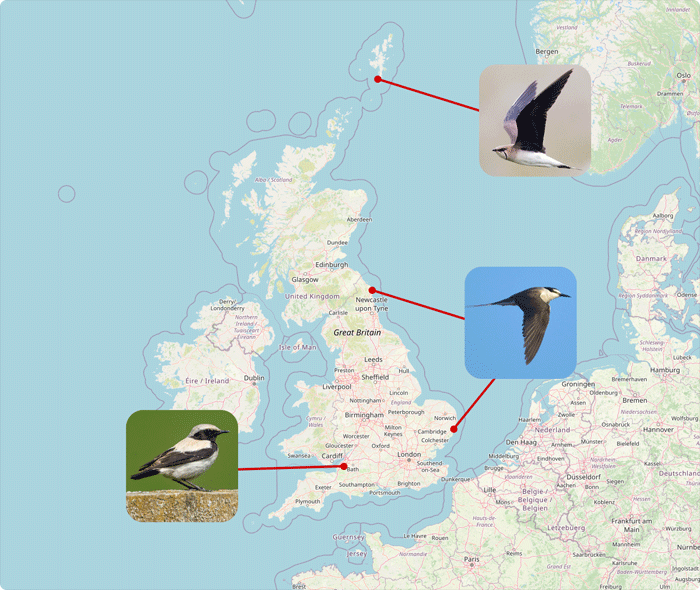
Far from an annual mainstay in Britain as a whole, the arrival of a Black-winged Pratincole anywhere is always cause for local celebration. In Shetland, perhaps more so than elsewhere – the county has but two records on the books, one dating back to 18th-19th May 1927 on Fair Isle, its stay cut short there when it was ‘secured’ to spend eternity in the care of the National Museum of Scotland…
…and the other more recently, a confiding juvenile bird that turned up on Fetlar on 10th-30th August 2021. Given half a chance, it seems, a Black-winged Pratincole can feel pretty happy to linger in the isles.
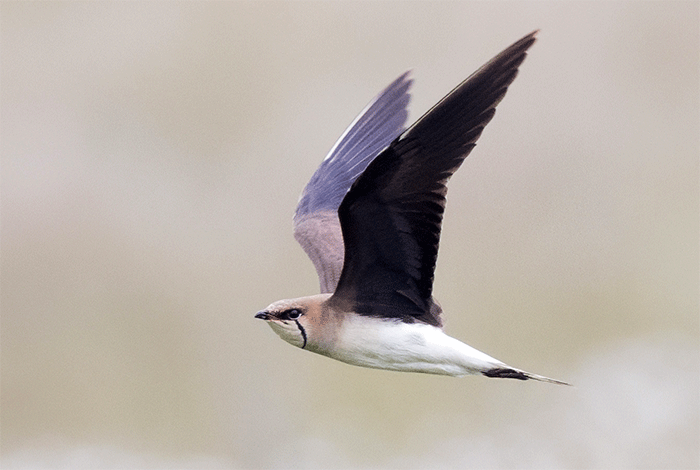
And so that proved to be the case this week, with a fine bird found at Loch of Spiggie on 13th, and staying put right through the week until the close of play on 19th. A locally much appreciated bird.
Alas, last week’s Bridled Tern wasn’t for lingering, for it abandoned the north on 13th, putting in a fleeting appearance at Coquet Island RSPB (Northumberland) that day…
But nor was Northumberland to its liking this year, for on 14th it flew through Minsmere RSPB (Suffolk), and presumably has continued down to France again. Maybe this mobile bird will be back again before the summer’s out?
Think Desert Wheatear and one’s mind naturally turns to the closing chapters of autumn, and the opening salvoes of winter. That’s when they traditionally turn up in these parts, for preference on a bitterly cold beach somewhere.
They’re not a species we associate with June or, for that matter, Somerset in June. We’ve just the one historic June record, one that evokes the fate of the Fair Isle Black-winged Pratincole, for the Desert Wheatear found on Pentland Skerries (Orkney) on 2nd June 1906 was killed and also resides with the National Museum of Scotland.
As for Somerset, they’re a rare beast at any time of year. The county’s first was a male at Clevedon on 19th November 1997… and that’s it.
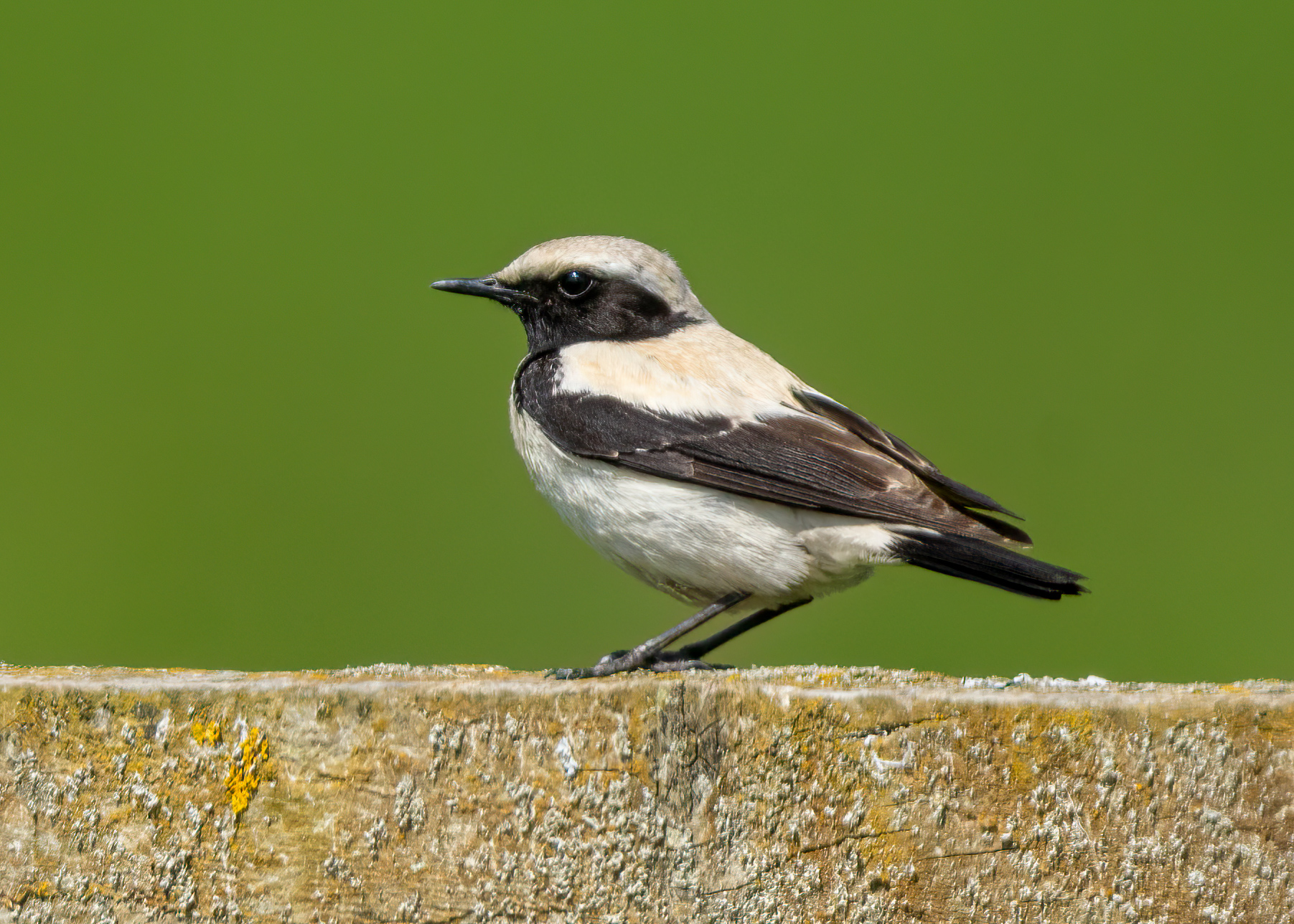
Until this week, when an absolutely stonking male was found on 14th at Keynsham. Obligingly, it remained there throughout Sunday 15th before doing a bunk. A very popular bird indeed in the county, no doubt.
A shot across our bows came this week from Scilly, where the first Wilson’s Petrel of the summer pelagic season was recorded on 16th. Inevitably, this will be the first of a very great many to be seen in the weeks and months that stretch ahead of us. Back in the day, this was one of the great prizes that lured folk to board the venerable Scillonian and head out into the Western Approaches. Times have changed… nowadays, we’ve our sights set on far rarer seabirds than woebegone Wilson’s. With the summer seabird season now formally under way, let’s see what else those Scilly pelagics can find. Meantime, another bird was found on 18th offshore from Seven Heads (Co.Cork).
Also set to become a weekly fixture in the not too distant future, half a dozen Cory’s Shearwater were seen from Cape Cornwall (Cornwall) on 13th. A Great Shearwater was seen off Seven Heads (Co.Cork) on 18th.
Numbers of Balearic Shearwater were modest lately, with a shade over 50 birds noted during the course of the week. The lion’s share of these were seen from Portland (Dorset), with a peak count there of 21 on 18th.
Scarcer skuas were almost absent from the dailies. A single Pomarine was noted from Calf of Man (Isle of Man) on 13th, and two from the Skerries ferry (Shetland) on 15th; and a single Long-tailed from Porthgwarra (Cornwall) on 13th.
Scilly was the place to be for the best of the long-legged beasties this week, with a female Little Bittern present on St Mary’s on 15th-19th the headline bird, and a supporting cast of a Purple Heron also present on St Mary’s on 13th-18th still.
Another probable singing male Little Bittern was reported from Middleton Lakes RSPB (Staffordshire) on 14th.
Night Heron, meanwhile, were seen at Lodmoor RSPB (Dorset) on 14th, and at Brickfields Pond NR (Denbighshire) on 16th.
And so to Glossy Ibis - not scraping into double figures on the whole this week, it was Lincolnshire once more that set the pace, with sightings coming from Stallingborough still on 13th-15th; Deeping Lakes LWT still on 14th and 19th; Whisby Nature Park again on 14th; and Rimac on 17th-18th. Elsewhere, birds remained at Otmoor RSPB (Oxfordshire) on 13th-19th; Sanday (Orkney) again on 17th; and Langford Lowfields RSPB (Nottinghamshire) again on 15th, followed by sightings at Misson on 16th-17th.
Predictably precious little to report this week on the rarity duckpond. Potentially outstaying its welcome in Aberdeenshire, the drake Cinnamon Teal remained at Loch of Strathbeg RSPB on 13th-17th.
A Green-winged Teal settled into Welney WWT (Norfolk) on 13th-19th.
The female (or hybrid) Ferruginous Duck remained in Cambridgeshire at Ouse Fen RSPB on 16th; and the drake was still to be seen at Draycote Water (Warwickshire) on 16th-19th.
A drake Ring-necked Duck remained on Inch Island Lake (Co.Donegal) on 18th.
Finally, a probable drake Black Scoter was noted off Blackhall Rocks (Co.Durham) on 15th.
Firmly taking the baton from the wildfowl in our headlong dash into the developing summer, waders were once again a varied and wonderful lot this past week.
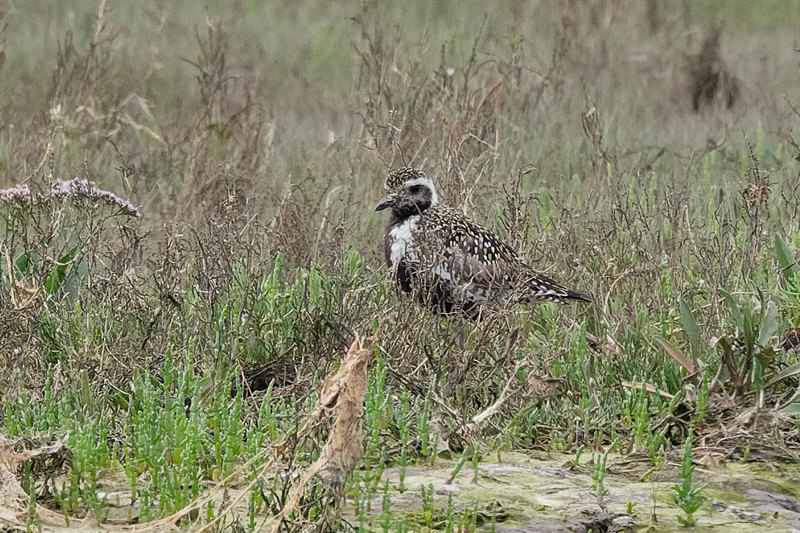
Away from Shetland, the star bird of those on offer had to be the adult Pacific Golden Plover seen in the Greatham Creek area (Cleveland) on 15th-19th. Surely not the last of the summer, that.
This was run a close second by our second pratincole species of the week, a Collared Pratincole at St Aidan’s RSPB (West Yorkshire) on 19th – with eyes cast towards Scandinavia this week, could we ever manage three species in Britain at once?
In Aberdeenshire the recent Broad-billed Sandpiper remained on the Ythan Estuary on 13th-14th.
Ayrshire’s long-staying Western Sandpiper remained present at Maidens on 13th-19th.
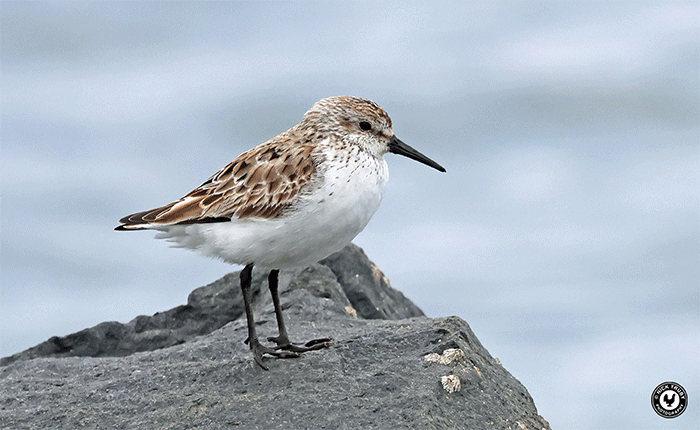
The recent White-rumped Sandpiper was again seen in Co.Derry on the Bann Estuary on 15th-18th.
A trio of Temminck’s Stint were seen in recent days – one in Shetland at Loch of Spiggie on 14th, another at Montrose Basin (Angus) on 17th, and a final bird at Saltholme RSPB (Cleveland) on 19th.
Last but not least, an adult Lesser Yellowlegs was found on 18th at Medmerry RSPB (West Sussex).
Kicking off the gulls ’n terns, a Sabine’s Gull was logged from Worms Head (Glamorgan) on 17th.
The first-summer Bonaparte’s Gull remained in Cornwall at Hayle Estuary RSPB on 14th.
A first-summer Laughing Gull was reported from St Mary’s (Scilly) on 18th.
A couple of Glaucous Gull were seen in Scotland this week – one at Donmouth (Aberdeenshire) on 15th, and another at Marwick Head (Orkney) on 17th.
Scotland also accounted for our Iceland Gull sightings – in Aberdeenshire at Cairnbulg on 13th, and again in Aberdeen on 14th and 16th.
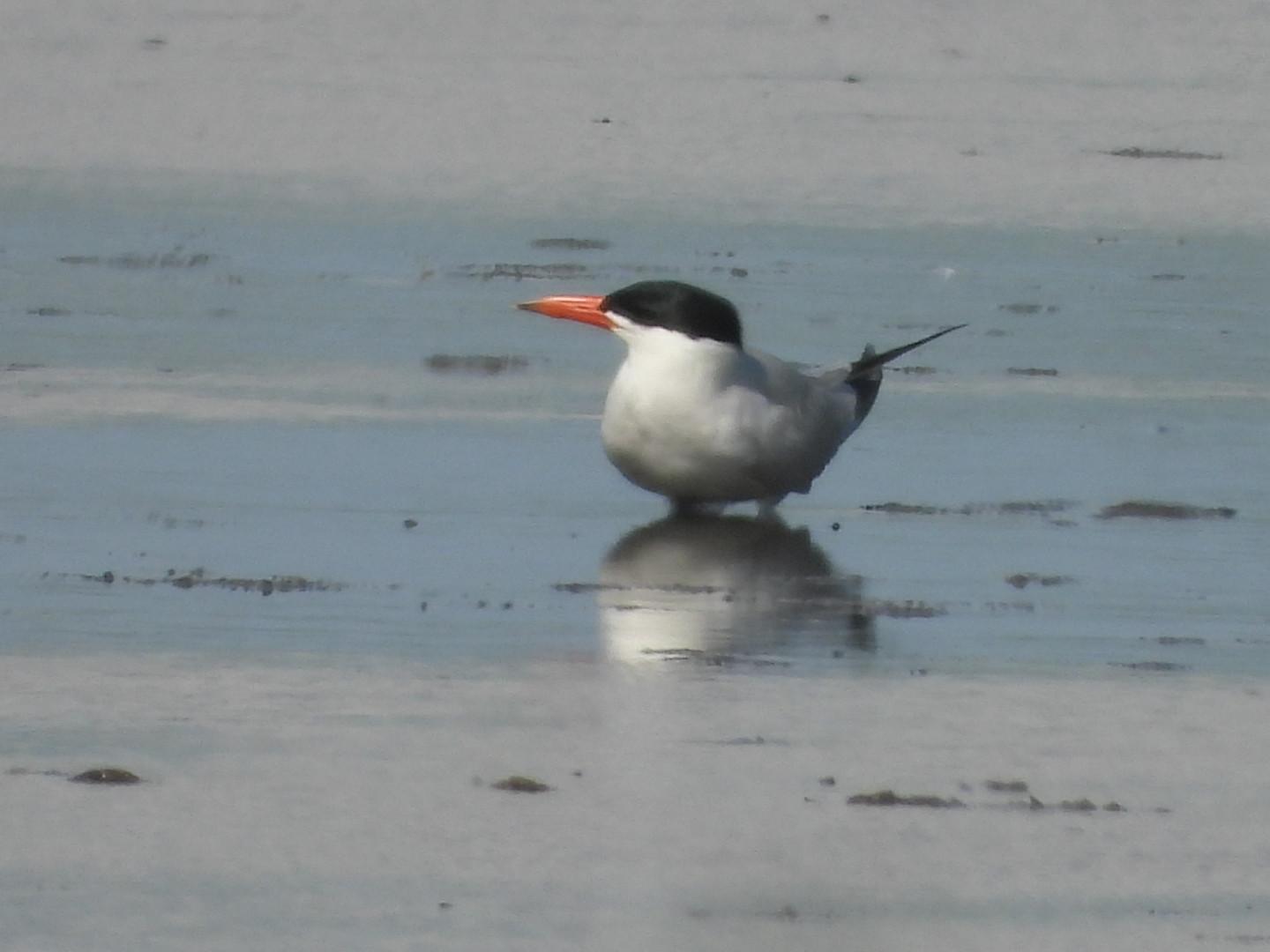
New in, a Caspian Tern proved mobile in eastern England, being seen initially at Hen Reedbed SWT (Suffolk) on 13th, relocating to Lakenheath RSPB (Norfolk / Suffolk) on 14th-15th and 17th; with a sighting also on 17th at Abberton Reservoir (Essex).
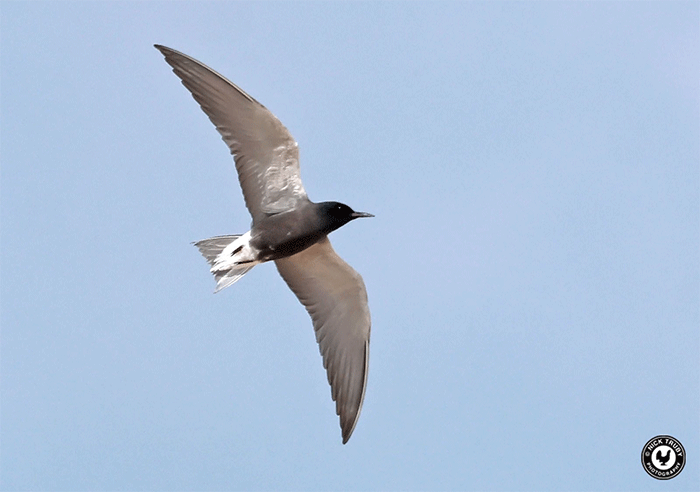
Our returning pair of vagrant terns were once more being seen this week in Co.Dublin and Northumberland respectively. The adult male Least Tern was again seen near Portrane (Co.Dublin) on 14th-18th; and the adult female surinamensis American Black Tern remained at Long Nanny (Northumberland) on 13th-19th. She presumably also accounts for the probable seen at Coquet Island RSPB (Northumberland) in the afternoon of 19th.
Significantly quieter times than of late where rarer raptors were concerned, our headline bird being the recent Pallid Harrier still present on Unst (Shetland) on 13th.
Other than that, it was all about Black Kite this week. Confirmed birds were noted at Beccles (Suffolk) on 14th, Wicken Fen NT (Cambridgeshire) on 17th, and coming in off the sea at Dover (Kent) on 17th. One was reported from Ham Wall RSPB (Somerset) on 13th; and a probable was also seen in Somerset on 13th at Compton Martin.
For five long days it looked like we’d finally hit a week with nary a Hoopoe. But then there was one in a garden at Blunham (Bedfordshire) on 18th, and all was well with the world again.
A handful of Bee-eater were seen lately – two birds on 14th at Beachy Head (East Sussex), and singletons in East Yorkshire on 14th at Spurn and Aldbrough, and at Land’s End (Cornwall) on 16th and again on 18th. On 19th birds were noted at Berry Head (Devon), and Kingsdown (Kent).
Beachy Head: 2 Bee-eaters found by Andrew Whitcomb toured various locations on the headland early this morning before heading off west at 08.45hrs. ?? @SussexBirding pic.twitter.com/kQyw4IWTah
— Beachy Head Birder (@BEACHYBIRDER) June 14, 2025
The recent Woodchat Shrike remained in Cheshire & Wirral on 13th near Daresbury; and another was reported on 13th near Bridport (Dorset).
Shetland had Red-backed Shrike covered this week, with single birds seen on 13th-15th at Pool of Virkie, on 15th-18th on Fetlar, and in Scalloway on 16th; while two were seen on Whalsay on 17th. East Yorkshire broke the mould with a female at Spurn on 19th.
In Co.Galway the Pied Crow remained at Mervue on 13th-17th.
Singing Golden Oriole this week were noted in Suffolk on 14th at Boyton, and on 16th at Benacre; and in Kent on 17th at Reculver. Another was reported on 16th near Witney (Oxfordshire).
An Alpine Swift was reported on 17th from Dunsop Bridge (Lancashire & North Merseyside).
In Fife, the singing male Iberian Chiffchaff remained on territory in Tentsmuir Forest on 13th-19th.
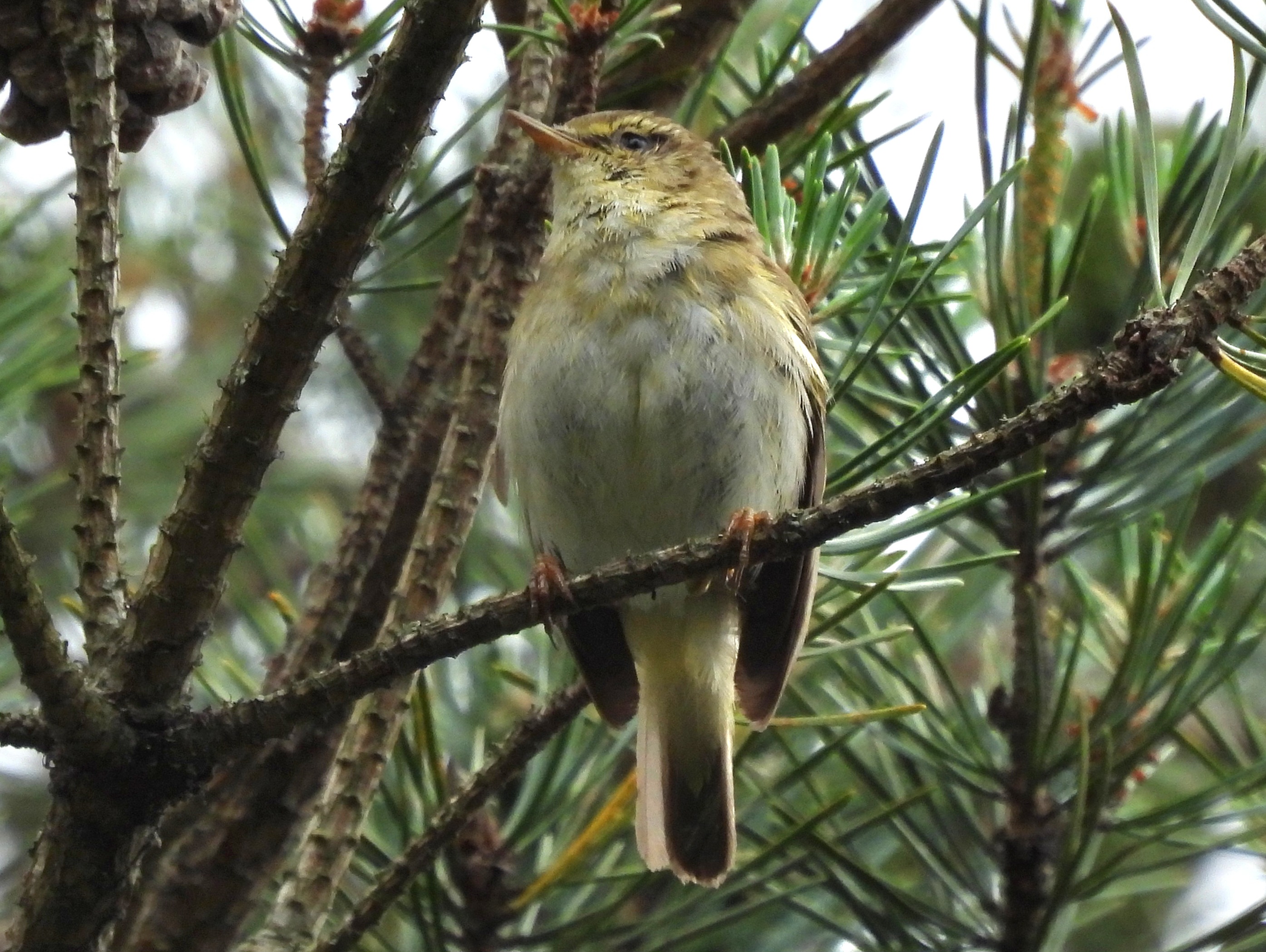
The Northern Isles scored a couple of Greenish Warbler on 13th, being trapped and ringed that day on North Ronaldsay (Orkney) and Fair Isle (Shetland), the latter bird remaining present there on the following day.
Fair Isle also retained its recent Great Reed Warbler until 19th, while the Hornsea Mere (East Yorkshire) bird was also still settled down there on 13th-19th.
A Blyth’s Reed Warbler was trapped and ringed on Bardsey (Gwynedd) on 14th.
Cley (Norfolk) held onto its recent Marsh Warbler on 13th-19th; additional birds were in Shetland at Burn of Burrafirth on 13th, on Whalsay on 14th, on Fetlar on 15th, on Fair Isle where two were logged on 17th, and at Loch of Clickimin on 19th. Further sightings came from North Ronaldsay (Orkney) where one was seen on 14th and trapped and ringed on 16th.
A Savi’s Warbler was in song at Rimac (Lincolnshire) on 19th.
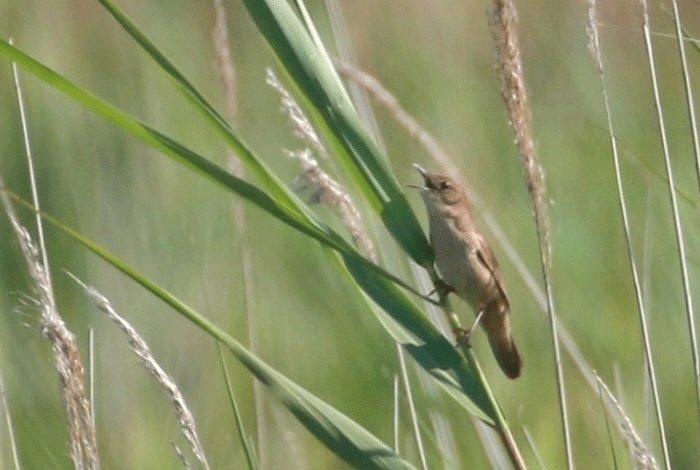
North Ron also held a singing Icterine Warbler on 15th; while another was seen on Fair Isle on 16th-17th.
Honours were shared between North Ronaldsay and Fair Isle for Eastern Subalpine Warbler this week – the former’s recent female remained on there on 15th, while a male was found on the latter island on 17th.
The singing male white-spotted Bluethroat remained in Gloucestershire at Slimbridge WWT on 13th-18th.
A Serin was found in East Sussex at Hastings CP on 13th; and another was singing on St Mary’s (Scilly) on 14th.
A singing male Common Rosefinch was found on Mull (Argyll & Bute) on 13th, with another seen on Shetland at Geosetter on 14th..
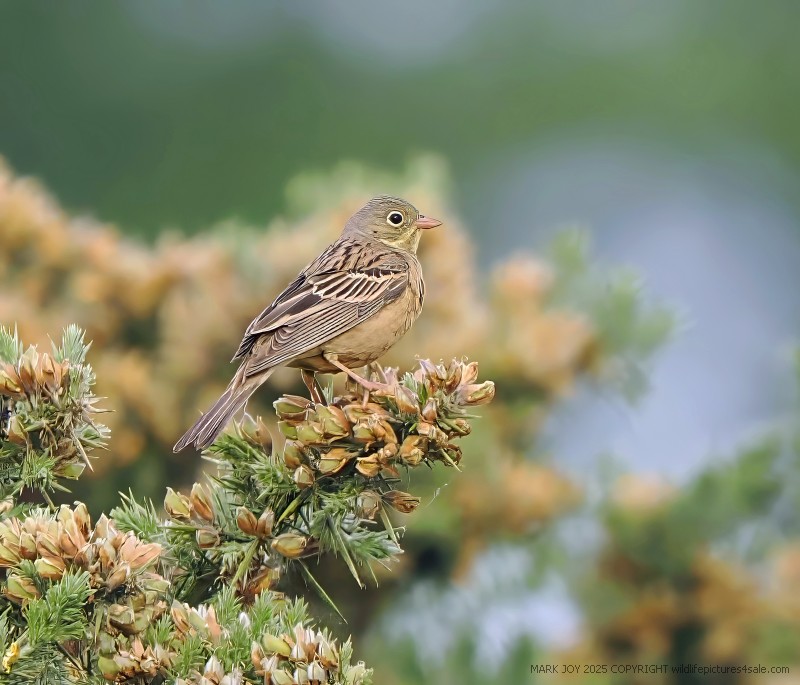
Finally, the recent Ortolan Bunting in North Yorkshire remained in Wykeham Forest on 15th-19th.
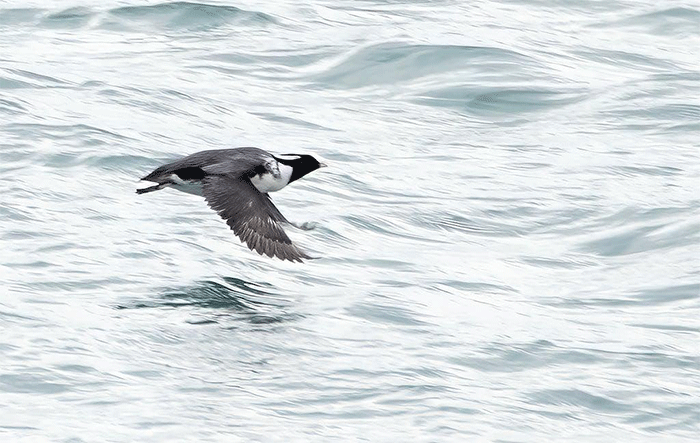
Biggest news of the week by some margin came from Iceland, where an outrageously showy Ancient Murrelet was to be seen at Kopasker on 13th-19th.
Sweden added another Pallas’s Reed Bunting to the year’s account, a female at Utlangan on 13th; while the recent displaying Wilson’s Snipe remained at Storsjö on 14th-19th, and at Kallkallhult still on 15th-19th.
An Eastern Long-legged Buzzard was found in Denmark on 15th at Froslev Mose; and an Egyptian Vulture at Boto Nor ved Noreso on 18th.
Finland meanwhile scored an Oriental Pratincole at Merijarvi on 14th-17th.
In the Netherlands the wandering immature Lammergeier was seen again at Kardinge on 14th and Hefswal on 15th.
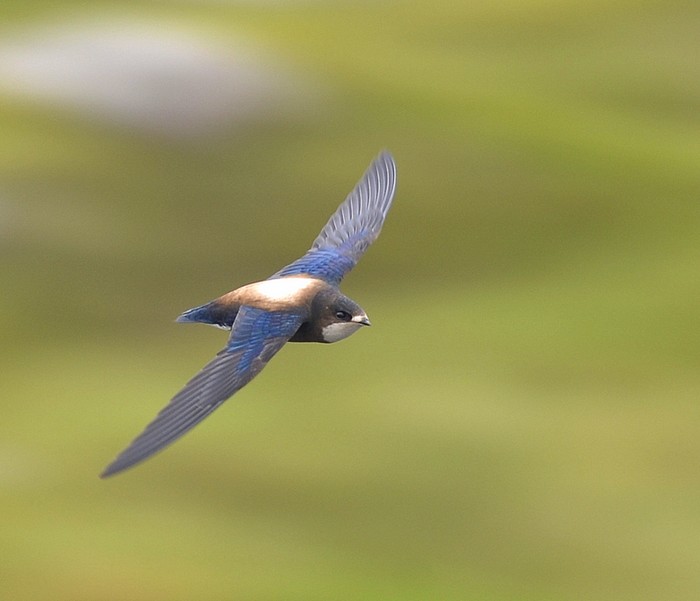
In France, the returning White-rumped Swift was back at its favoured Red-rumped Swallow colony at Minerve on 14th. Speaking of returning birds, the Elegant Tern remained at Polder de Sebastopol on 19th.
Italy’s territorial Pacific Swift remained settled in Cornaiano on 14th-19th.
Spain’s Cape Gull remained at Laredo on 18th-19th. Two Elegant Tern were present on 19th at Salinas de Pinet.
We’re rattling towards the closing days of June now. Is it time for things to quieten down? It’s been a pretty spicy month to date, so we can live in some justifiable hope for a grand finale…
We’ve already invoked the Finnish Oriental Pratincole this week, and it’s worth noting that two British records of this still top drawer rarity come from the week ahead… The timing’s certainly propitious.
Three historic records of White-throated Needletail also owe themselves to the coming week. We raised the possibility of the returning Pacific Swift coming back to Shetland someday soon, but a available needletail would significantly up the ante for a nation’s twitchers…
Jon Dunn
20 June 2025
Many thanks to all this week's contributors for your photos and videos
Share