Climate change already reshaping UK bird populations, report warns
New RSPB and BTO evidence highlights growing risks for upland birds, seabirds and rare species, while some southern species expand their ranges.
Climate change is already affecting bird populations across the UK, altering where species live, how common they are, and the timing of key events such as breeding and migration, according to a new report from the RSPB and BTO.
The report, Climate change and the UK’s birds: Impacts, risks and conservation responses, says rising temperatures, changing rainfall patterns and more frequent extreme weather events are driving significant changes in British birdlife.
Upland birds and seabirds face growing risks
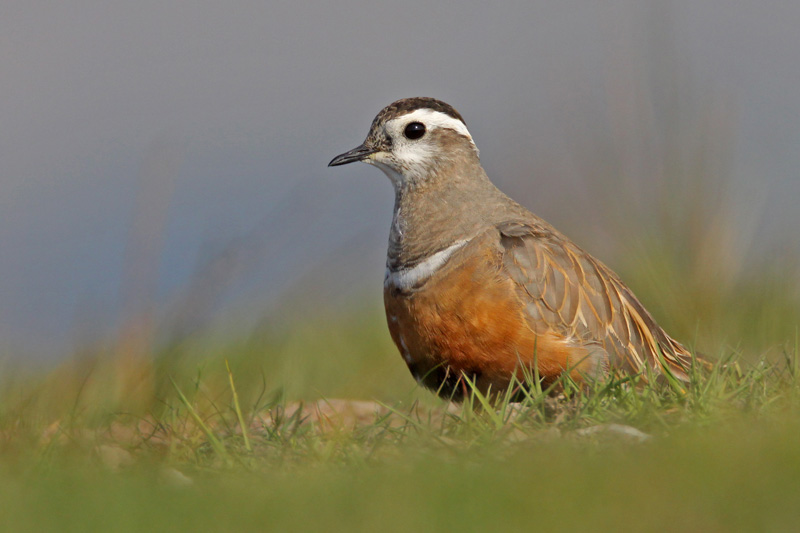
Upland species such as Dotterel and Golden Plover are among those expected to be most affected, with changing soil moisture and habitat conditions creating increasing pressures in the high ground where they breed.
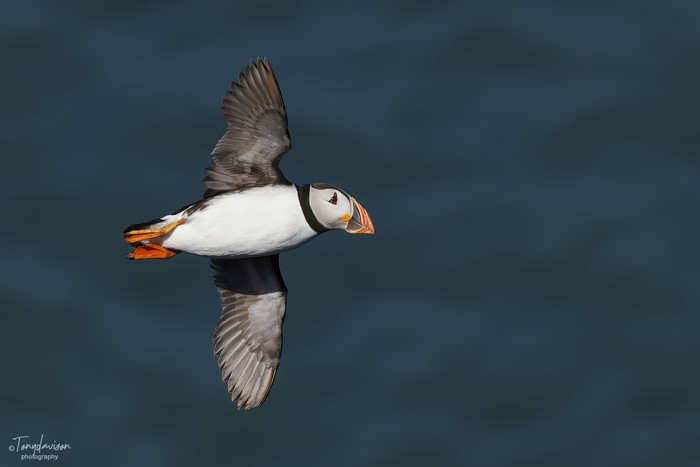
Seabirds are also highlighted as a major concern. Puffin and Arctic Tern are among the species being affected by warming seas, reduced food availability and greater exposure to storms. The report warns that, under high-emission climate scenarios, some seabird populations could decline by more than 80% by 2050.
Katie-jo Luxton, the RSPB’s director of conservation, said climate change was already reshaping the UK’s birdlife and that the warning signs were “impossible to ignore”. She said protected areas, and the landscapes linking them, would become increasingly important as species respond to a changing climate, but were already under pressure from development and changes in land use.
Rare and specialist birds most exposed
The report says rare bird species are particularly vulnerable because of their small populations, restricted ranges and reliance on specific climatic conditions, often at the edge of their UK distribution.
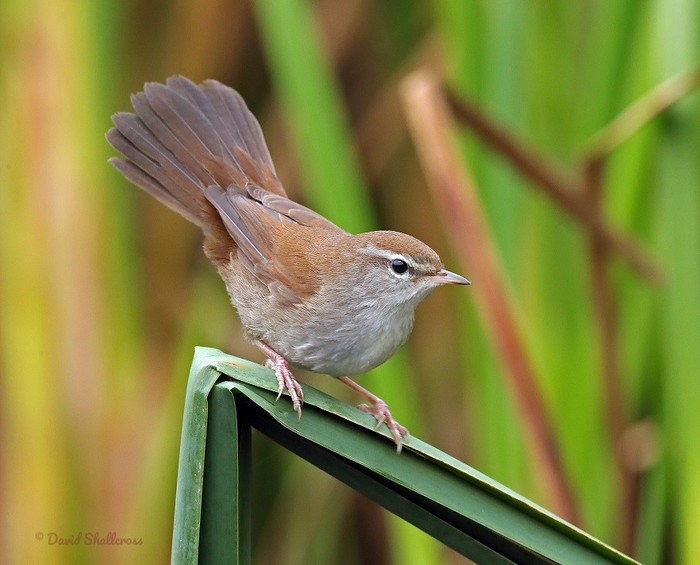
Some adaptable and warm-adapted species are faring better. Cetti’s Warbler and Little Egret have expanded rapidly across the UK, helped by milder winters and improved breeding conditions. However, the report cautions that gains by adaptable generalists may coincide with declines in more specialised birds, reducing the diversity of bird communities.
Wintering and migration patterns are changing
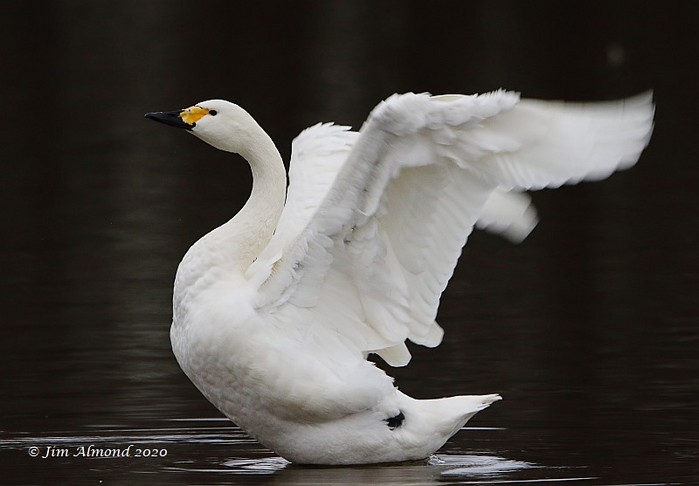
Climate change is also altering the winter distribution of waterbirds. Some Arctic-breeding species are wintering further north and east, reducing the need to cross the North Sea to the UK. This is contributing to declines in species such as Bewick’s Swan and Goldeneye.
Professor James Pearce-Higgins, BTO’s director of science, said this year’s record-breaking May and June temperatures would have affected breeding birds, and that climate change would continue to influence UK birds through both extreme weather and more complex ecological effects.
Some migratory birds also face seasonal mismatches, where breeding no longer coincides with peak insect availability. If birds cannot bring forward their arrival or nesting dates quickly enough, breeding success may be affected.
Protected areas will be increasingly important
The RSPB and BTO say protected areas on land and at sea will become more important as refuges, stepping-stone sites for colonising species and focal points for conservation action.
The report says planning on land and at sea will be needed to ensure renewable energy and other developments do not add further pressure to vulnerable species, particularly seabirds. It also says protected areas must be better connected to the wider landscape so birds can move and adapt as conditions change.
The report concludes that climate change is already having measurable effects on UK birds, with further changes expected as temperatures rise and weather patterns continue to shift.
July 2026
Get Breaking Birdnews First
Get all the latest breaking bird news as it happens, download BirdAlertPRO for a 30-day free trial. No payment details required and get exclusive first-time subscriber offers.
Share this story