Review of the Year 2025: Part 2
July
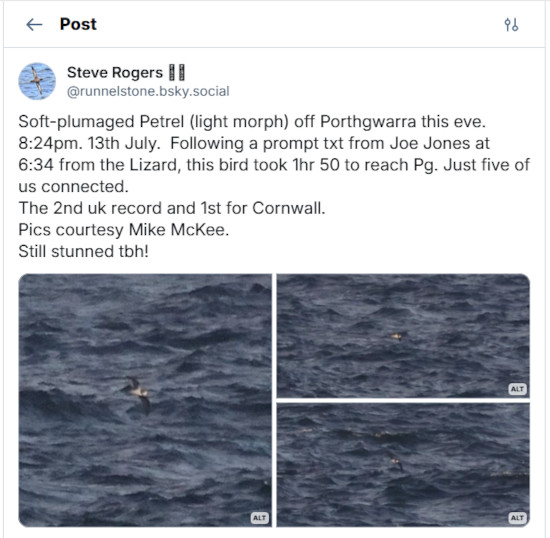
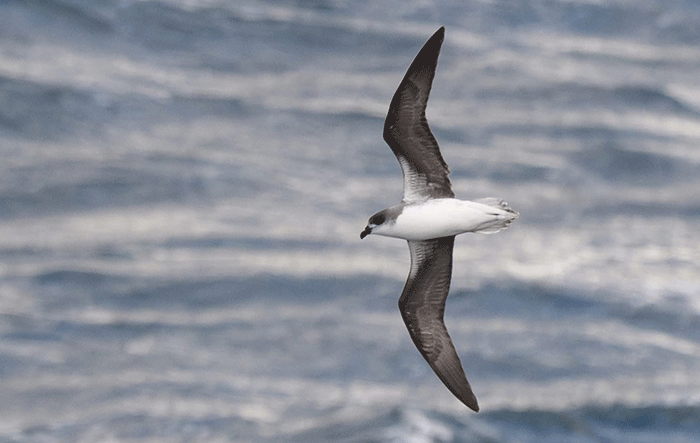
July was dominated by an exceptional run of seabird records in Cornwall, headlined by Britain’s second Soft-plumaged Petrel on the 13th. First found off Coverack, the bird was subsequently tracked to Lizard Point and, a couple of hours later, Porthgwarra. The same county also produced four sightings of Fea’s Petrel species during the month, alongside a Scopoli’s Shearwater off Porthgwarra on the 14th. Three Barolo Shearwaters were recorded, including further sightings from a pelagic off Scilly on the 9th and from Bridges of Ross, County Clare on the 14th.
Away from seawatching, Kent hosted a Zitting Cisticola at Foreness Point on the 2nd and briefly on the 3rd, representing the first twitchable individual in Britain since 2009. Cambridgeshire added a Dark-eyed Junco at Ely on the 9th, while a Black-headed Bunting spent seven days on Foula, Shetland from the 5th. On Fair Isle, the Great Reed Warbler remained until the 2nd and the Eastern Subalpine Warbler until at least the 26th, with a Western Subalpine Warbler trapped at Fleetwood, Lancashire on the 10th. The territorial Savi’s Warbler at Rimac, Lincolnshire lingered until the 6th, and the White-spotted Bluethroat at Slimbridge, Gloucestershire was last reported on the 26th.
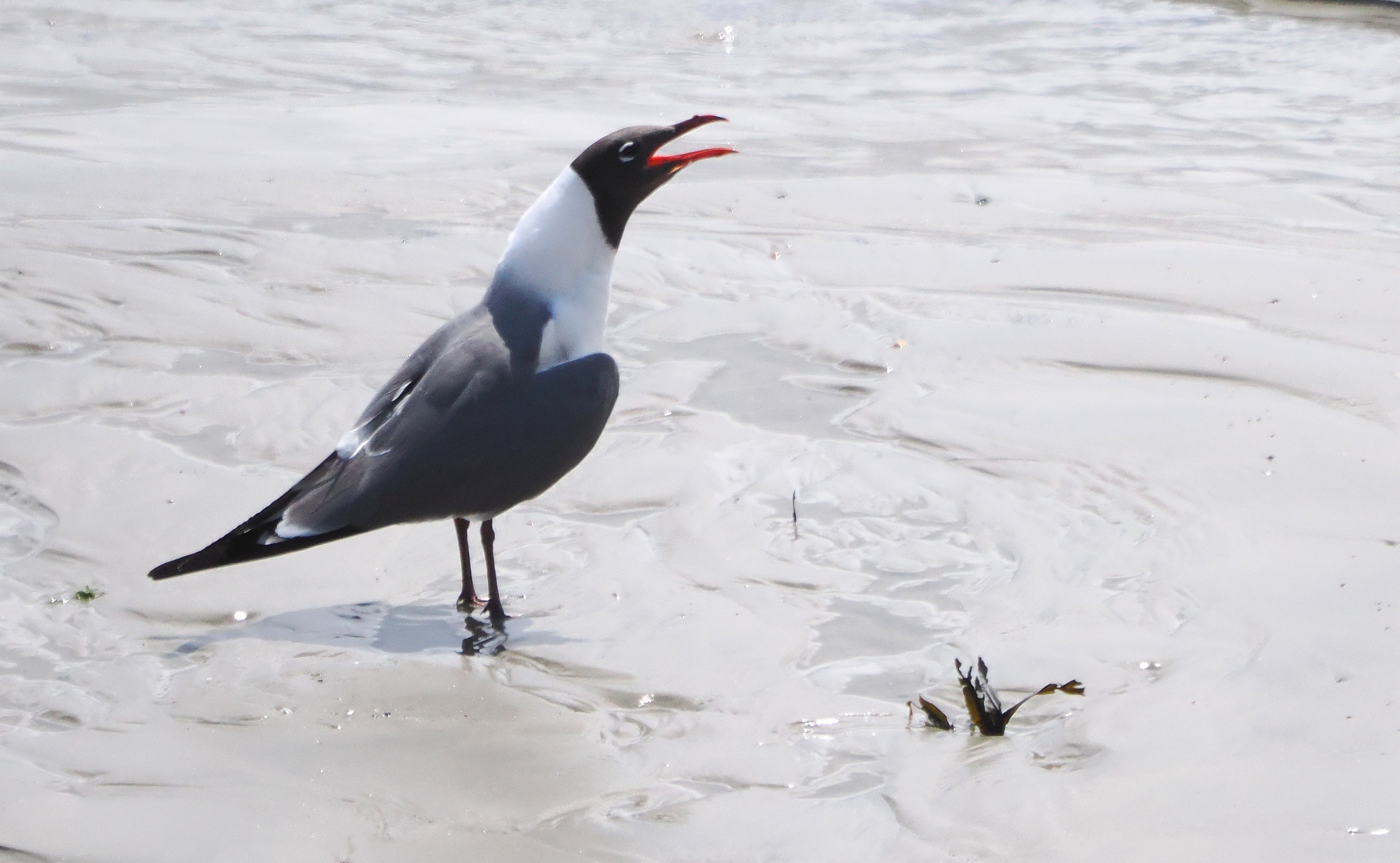
In Ireland, the Least Tern was seen intermittently at Portrane, County Dublin until the 25th, and was also recorded at Laytown, County Meath on the 30th, the first time it has been recorded in that county. The American Black Tern remained in Northumberland until mid-month before relocating to Tyninghame Bay, Lothian from the 24th. Caspian Terns were widespread, with up to nine birds recorded across eight counties. Laughing Gulls lingered in County Kerry from the 17th to the 22nd and in Cornwall from the 27th, with further brief sightings in the Isle of Man, Kent and Devon. The Bonaparte’s Gull remained in Kent throughout, while another was still present in County Cork on the 9th.
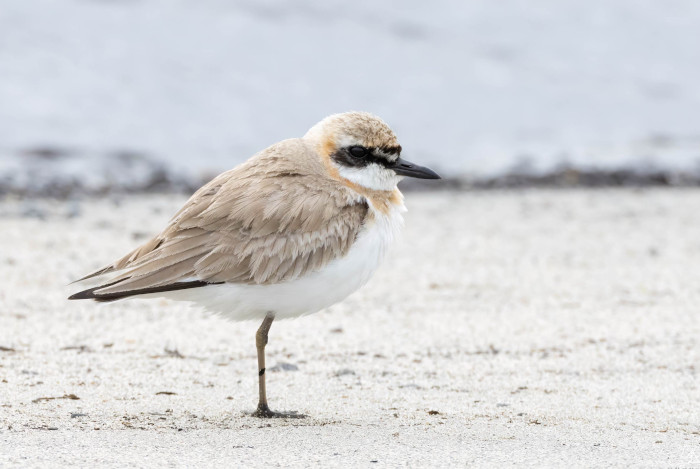
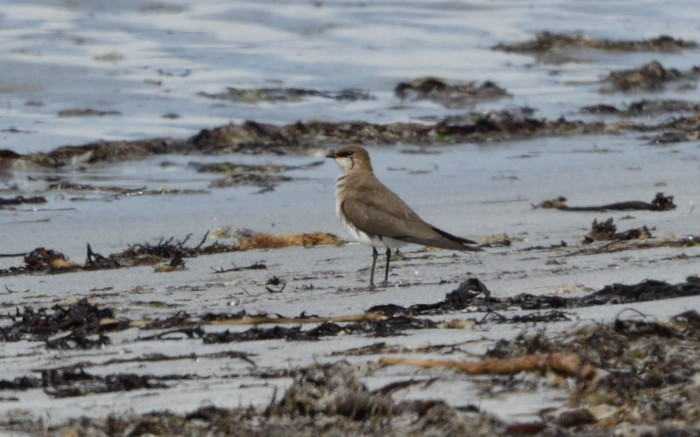
Shetland again featured prominently. A male Greater Sand Plover was present at Haroldswick, Unst on the 9th and 10th, followed by a Baird’s Sandpiper at nearby Baltasound on the 22nd. On Mainland, the Black-winged Pratincole stayed until the 12th, while another was present in the Western Isles from the 15th to the 30th. Collared Pratincoles were recorded in Norfolk on the 1st and in Suffolk from the 7th to the 9th. Cambridgeshire added a Spotted Sandpiper at Dernford Farm Reservoir briefly on the 6th, while a Semipalmated Sandpiper was present in Scilly from the 6th to the 8th. The long-staying Western Sandpiper remained in Ayrshire.
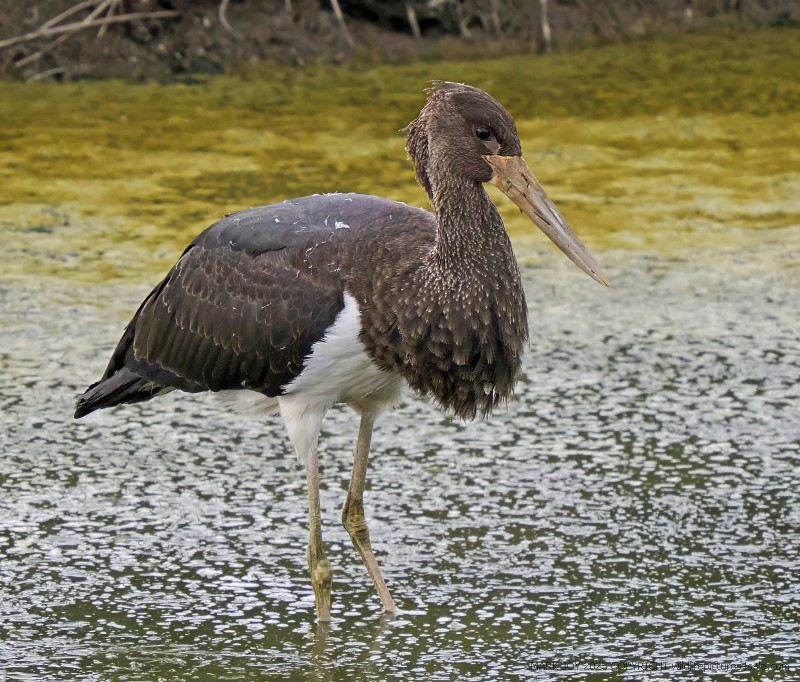
Further wader highlights included Pacific Golden Plovers in Orkney from the 7th to the 8th and in Norfolk on the 16th. A Long-billed Dowitcher arrived at Tacumshin, County Wexford on the 23rd and remained until the end of the month. Lesser Yellowlegs were recorded in Hampshire throughout, in Lancashire from the 7th, and in County Cork on the 26th. A Black Stork was briefly present at Ogston Reservoir, Derbyshire on the 18th, before another arrived at Boyton, Suffolk on the 22nd.
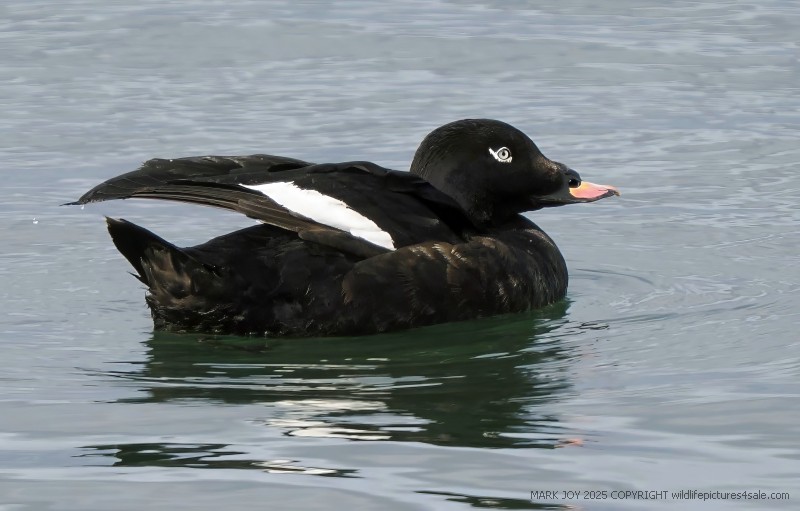
In Angus, a White-winged Scoter present from the 5th was joined at Kinnaber by a second bird from the 29th, with additional sightings in north-east Scotland on the 13th and in Lothian throughout. A Lesser Scaup at Belvide Reservoir, Staffordshire on the 23rd was joined by a second from the 24th, while at least one was present in Greater Manchester throughout the month. Up to seven Ferruginous Ducks were recorded across five counties.
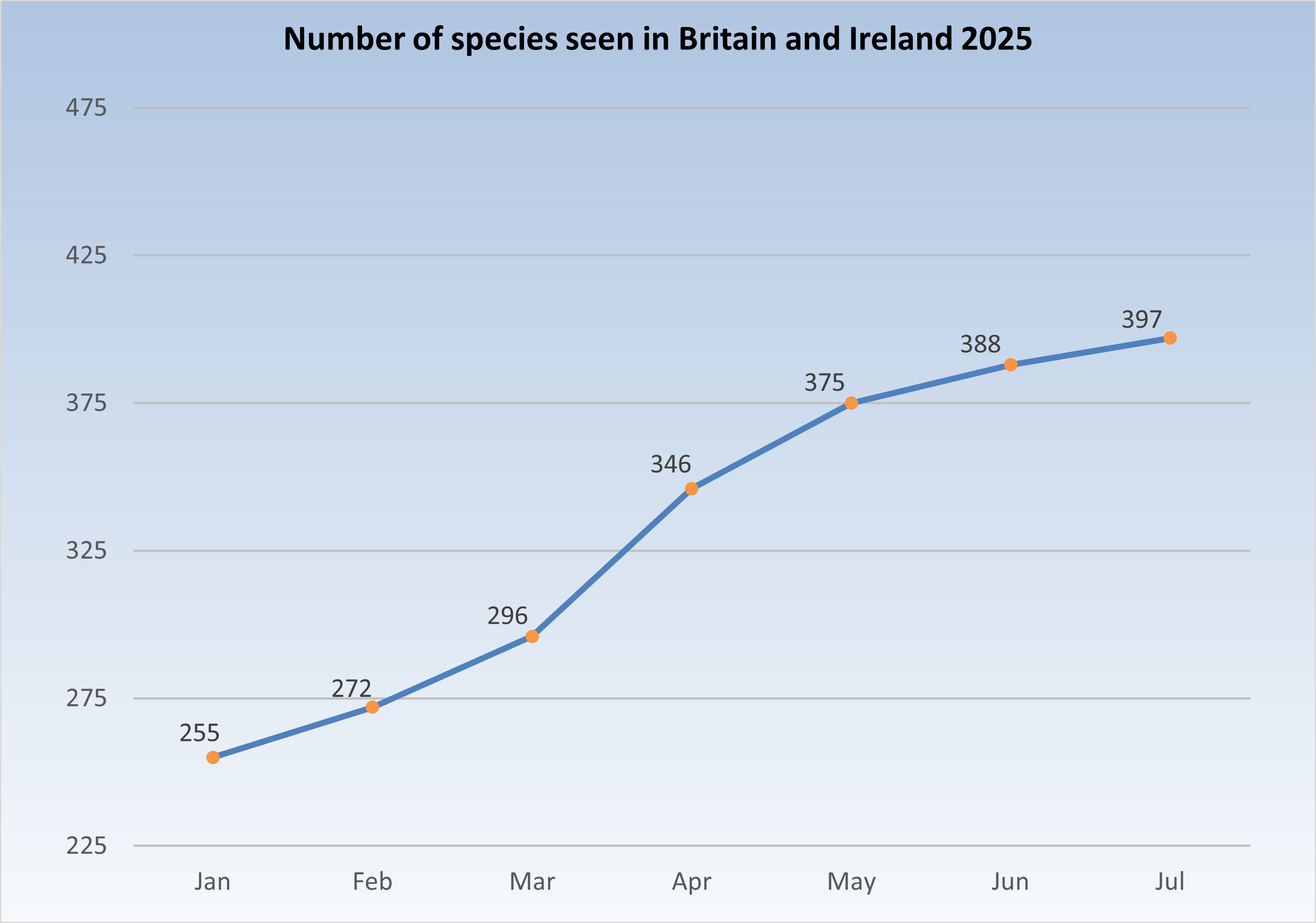
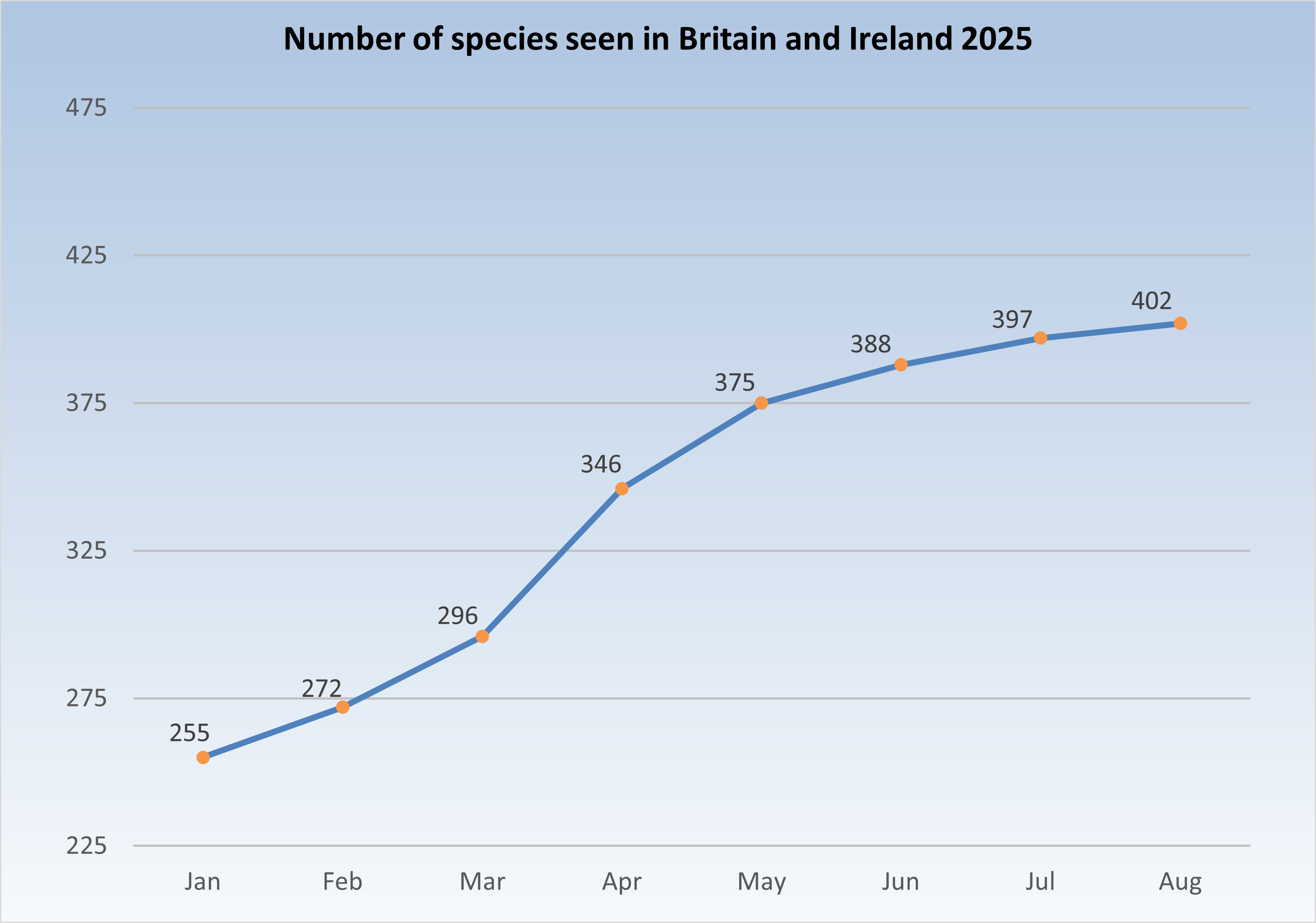
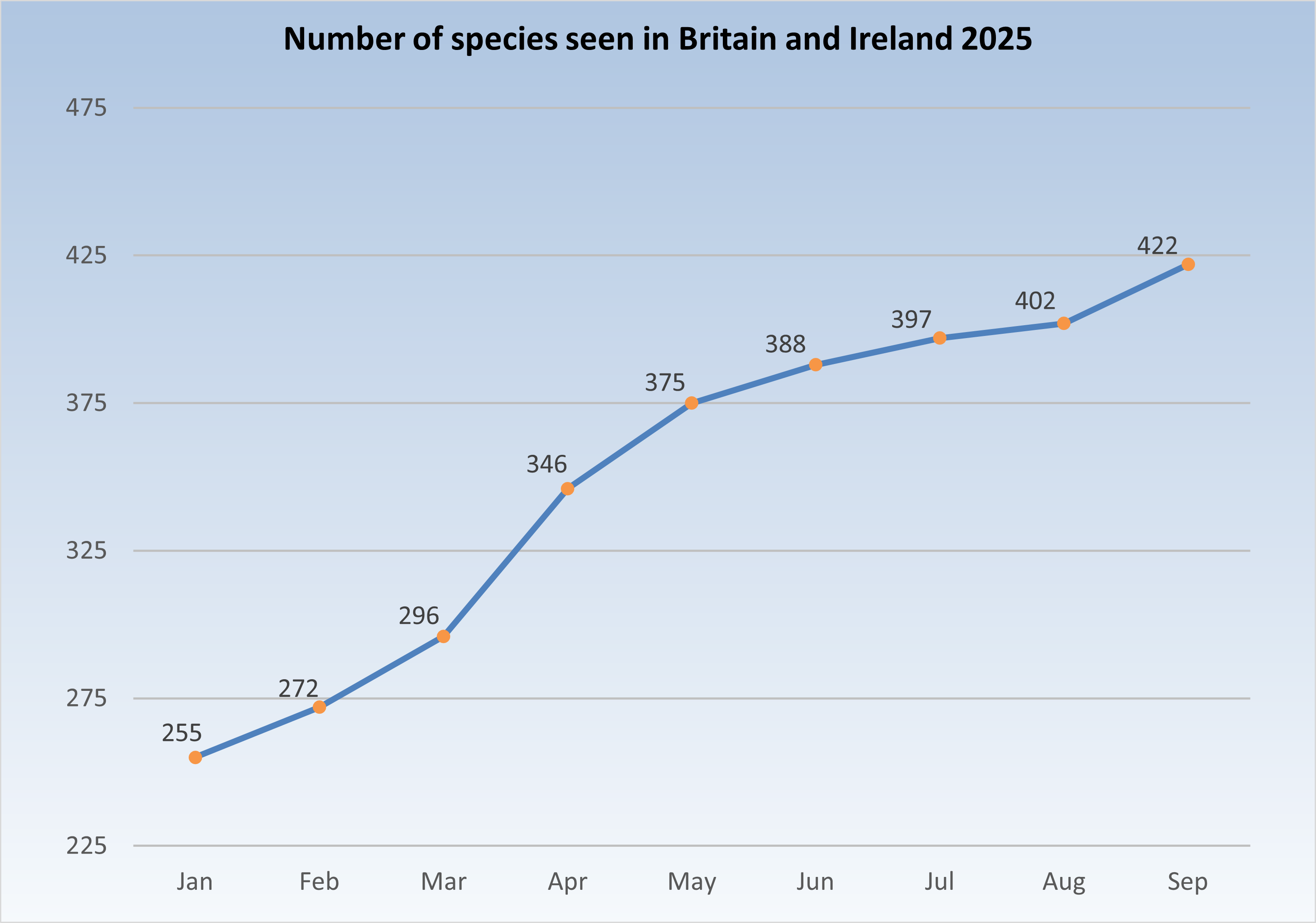
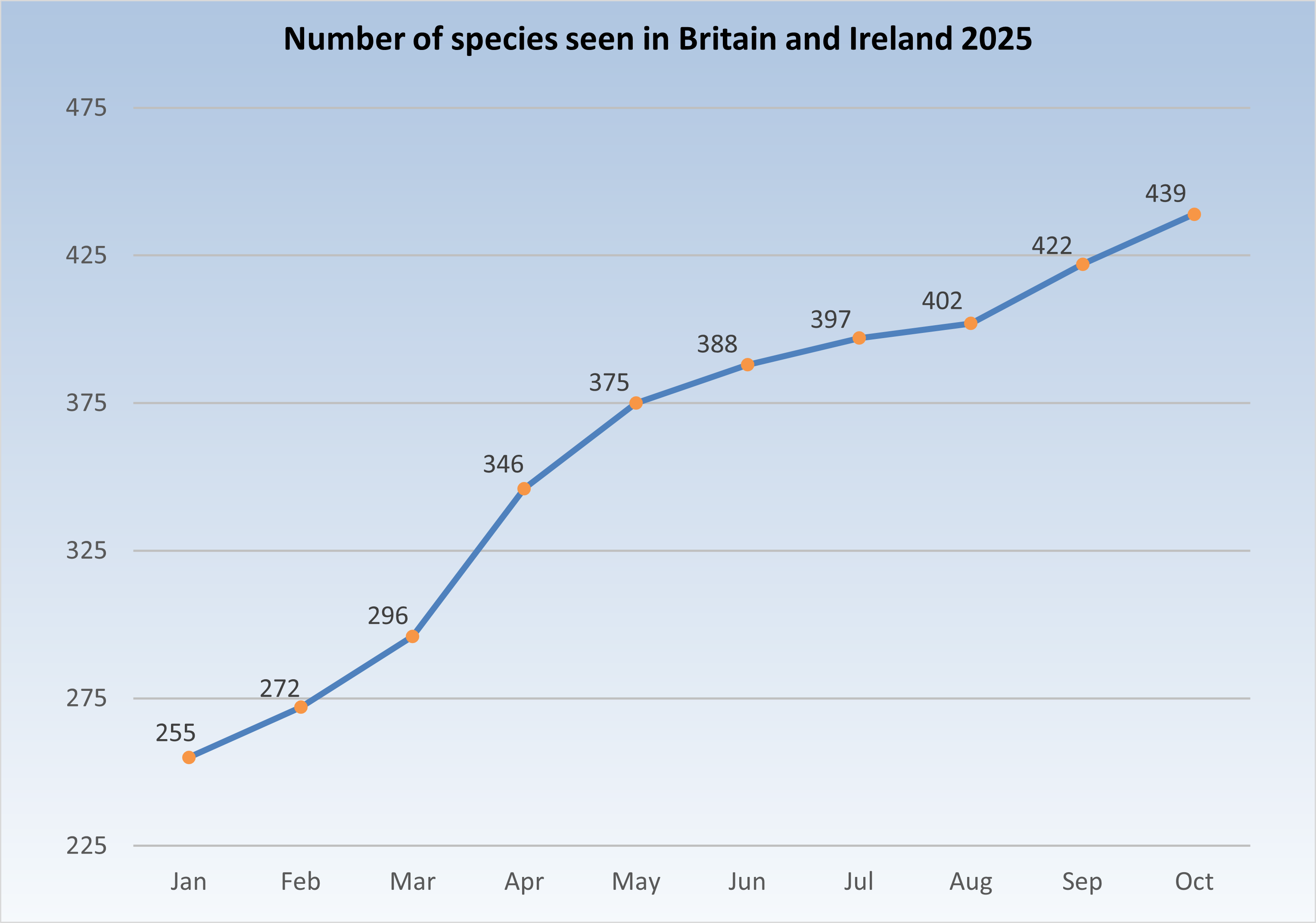
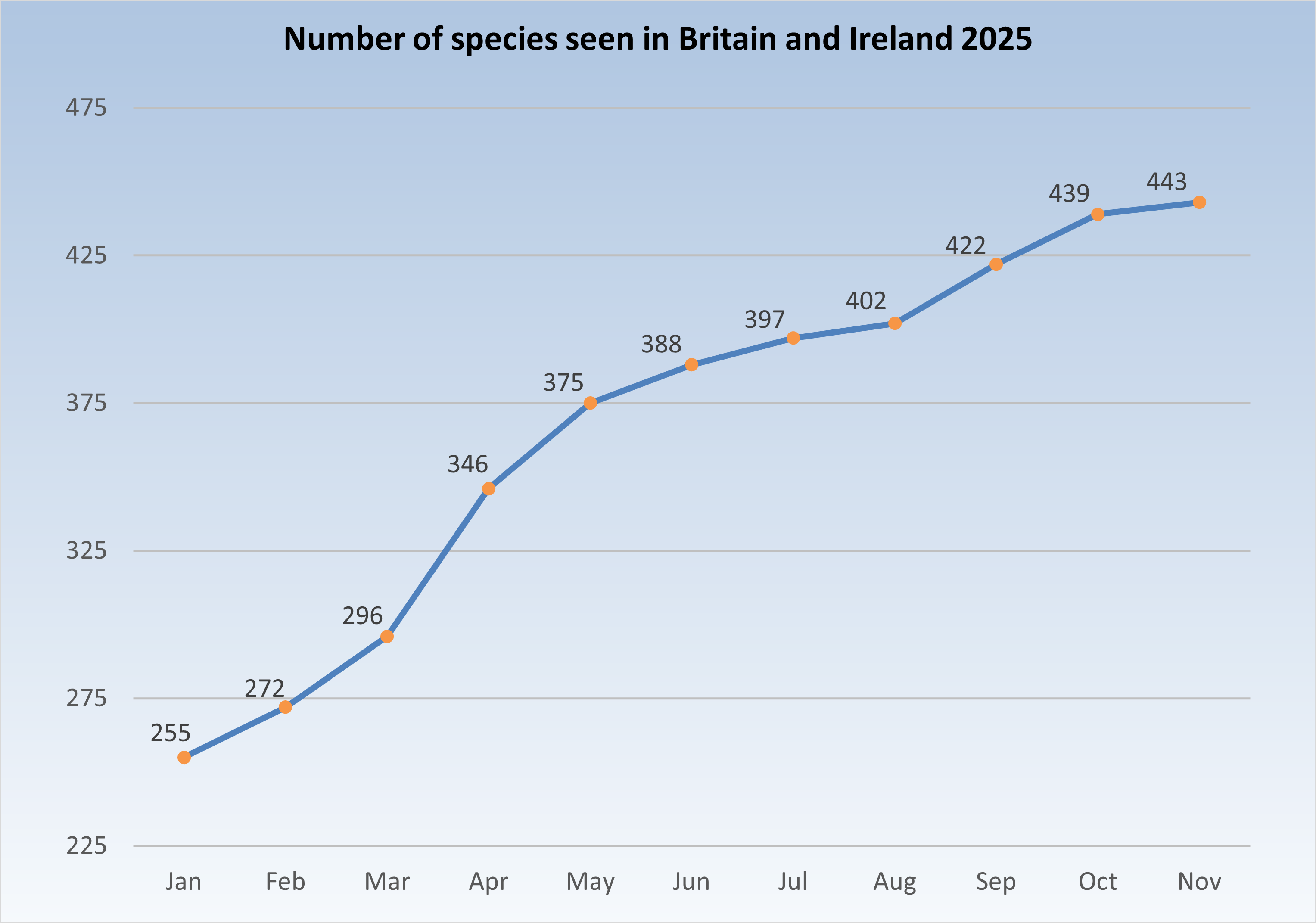
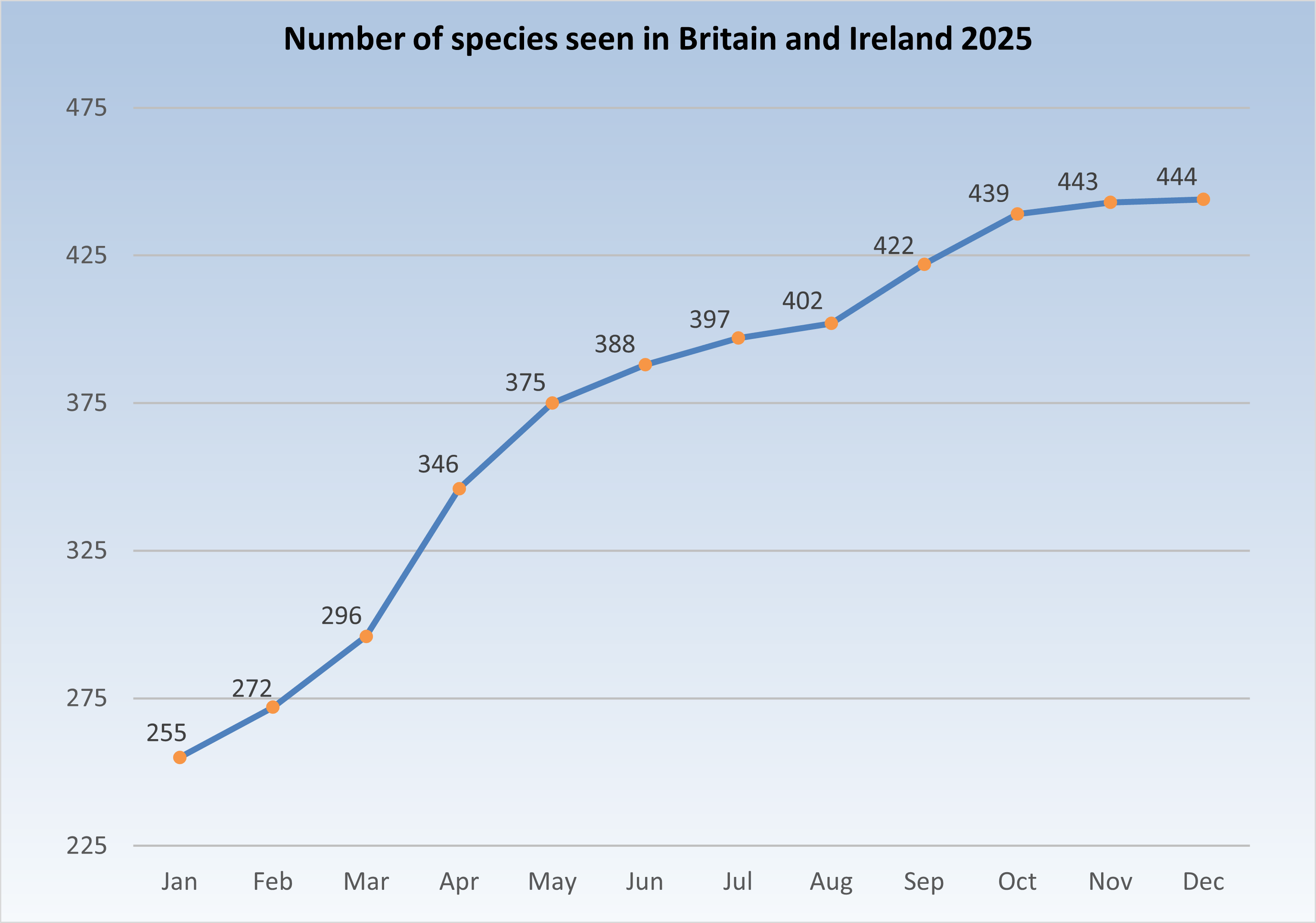
By the end of July, the total number of species recorded in Britain and Ireland during 2025 had reached 397.
August
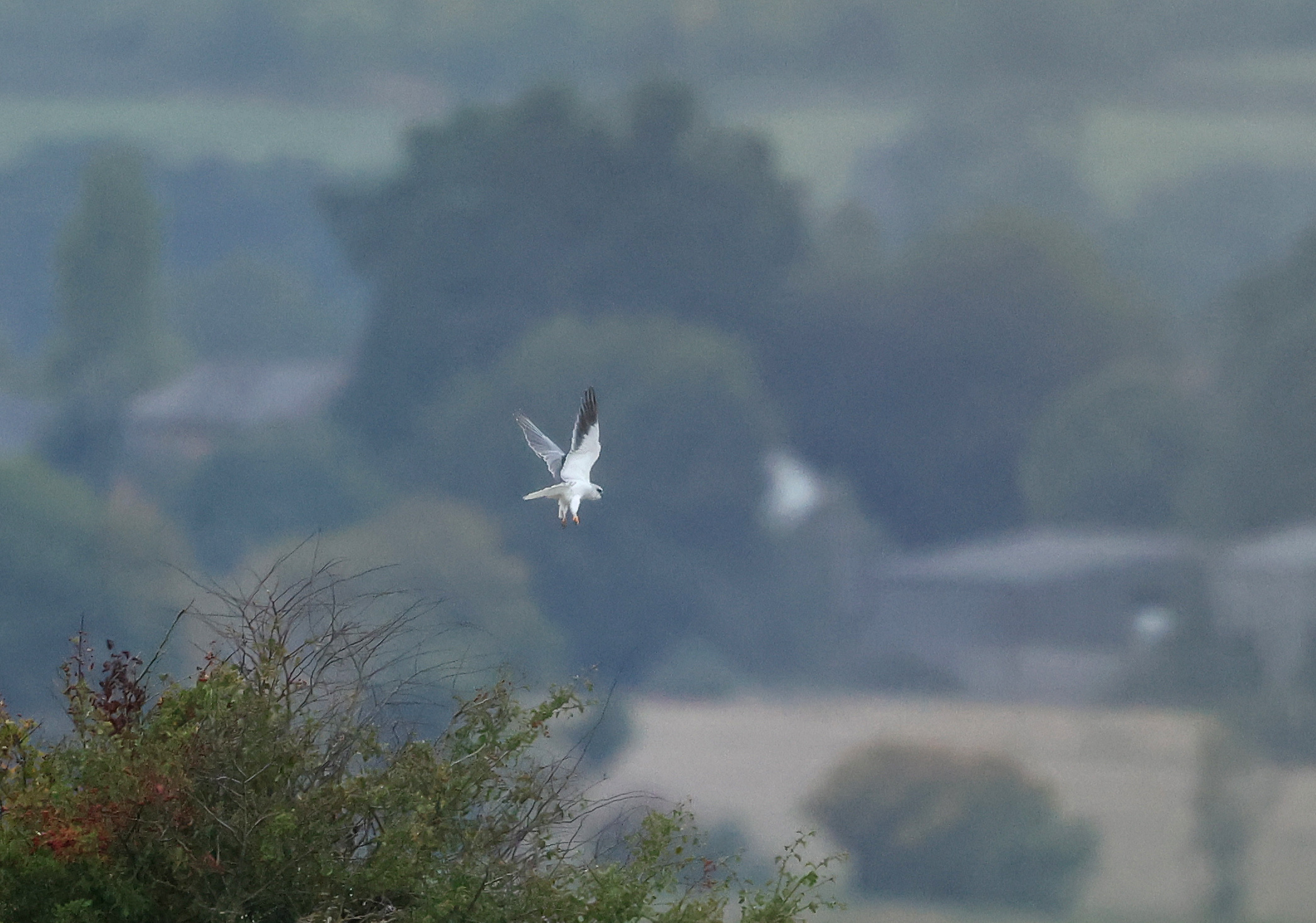
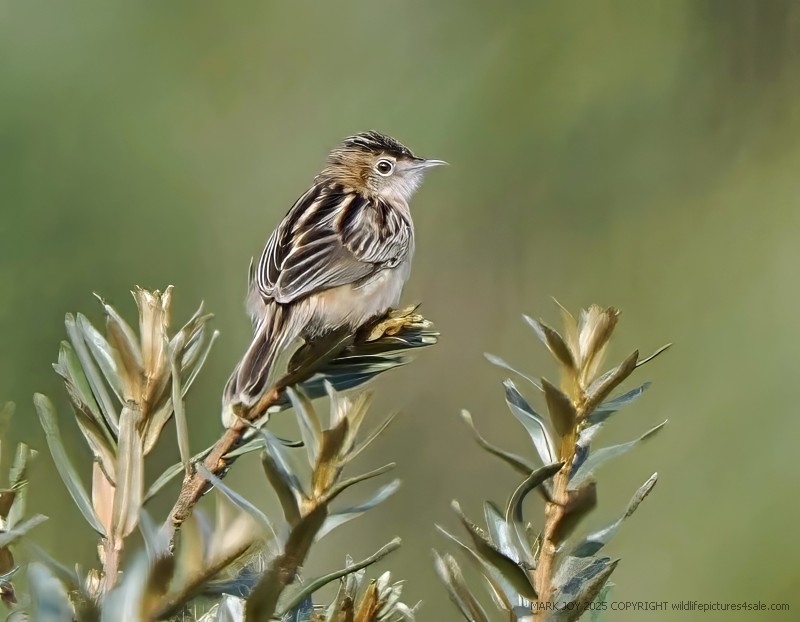
August was headlined by the second Black-winged Kite for Britain, present in Gloucestershire at Frampton-on-Severn from the 20th to the 21st. The month also marked a significant milestone with the arrival of three Zitting Cisticolas: one in Kent at Lydd Ranges from the 17th to the 21st, and two together in Suffolk at Walberswick. The latter culminated in the first successful breeding of the species in Britain, when four recently fledged juveniles were logged at the site from the 22nd onwards.
Scotland added further interest when a Bridled Tern appeared in Fife at Fife Ness on the 23rd and at Elie Ness on the 25th, having visited Musselburgh Lagoons, Lothian on the 24th. Seawatching elsewhere produced an Elegant Tern in County Mayo at Annagh Head on the 3rd, eight widespread sightings of Fea’s Petrel species from the 4th, a Yelkouan Shearwater off Lyme Bay, Devon on the 7th, and Barolo Shearwaters at Galley Head, County Cork on the 6th and later passing Brora, Highland and Nybster, Caithness on the 17th. The month concluded with a Scopoli’s Shearwater at sea off Coverack, Cornwall on the 30th.
Several lingering rarities carried over into August. A Northern Harrier was still present in County Clare on the 5th, the American Black Tern remained in Lothian until the 6th, the Azorean Yellow-legged Gull was still in County Mayo on the 9th, and the Double-crested Cormorant persisted in County Leitrim until the 10th. The Western Sandpiper remained in Ayrshire until the 26th, a Laughing Gull was still in County Kerry on the 29th, and both a Black Stork in Suffolk and an Eastern Subalpine Warbler on Fair Isle were present throughout the month.
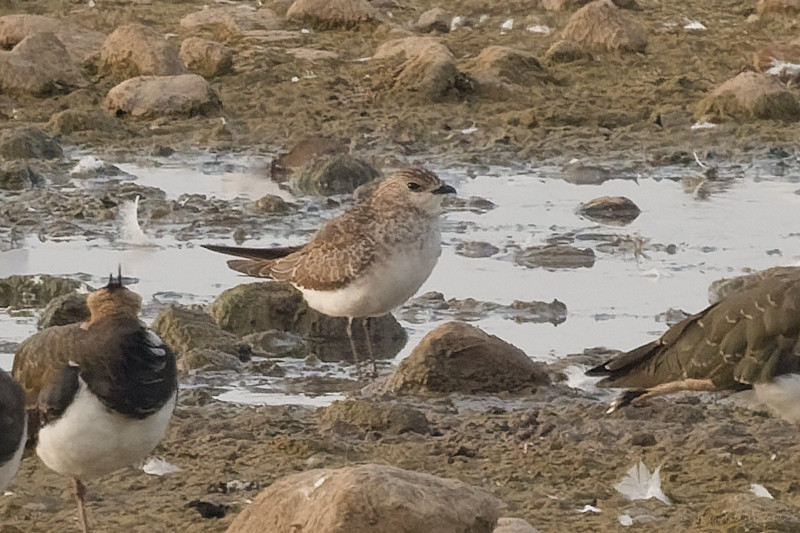
Other discoveries were widespread. Kent produced a Gull-billed Tern at Graveney on the 3rd and later a Sardinian Warbler there briefly on the 25th. At least one Black-winged Pratincole was responsible for sightings in Lincolnshire on the 11th and from the 23rd to the 26th, in Northumberland from the 11th to the 13th, and in Angus on the 16th. Northamptonshire added a Blyth’s Reed Warbler at Stanford Reservoir on the 16th, while at least two Marsh Sandpipers were logged, with sightings in Avon on the 19th, Devon from the 20th to the 23rd, Gwent from the 24th to the 30th, and Oxfordshire on the 28th and 29th. Booted Warblers were found in Essex at Holland Haven and in Pembrokeshire at Grassholm on the 21st, a Citrine Wagtail appeared in the Western Isles at South Uist from the 21st to the 22nd, and a Pallid Harrier was recorded in Wiltshire at Amesbury on the 24th. Norfolk produced a Baltic Gull at Titchwell on the 25th, followed by a Franklin’s Gull in Orkney at North Ronaldsay on the 26th. Late in the month, a Baird’s Sandpiper was found in County Mayo at Leam Lough on the 28th, a Kentish Plover appeared on the Isle of Wight at Bembridge from the 28th to the 30th, and a Pallid Swift was recorded at Carrahane Strand, County Kerry on the 31st.
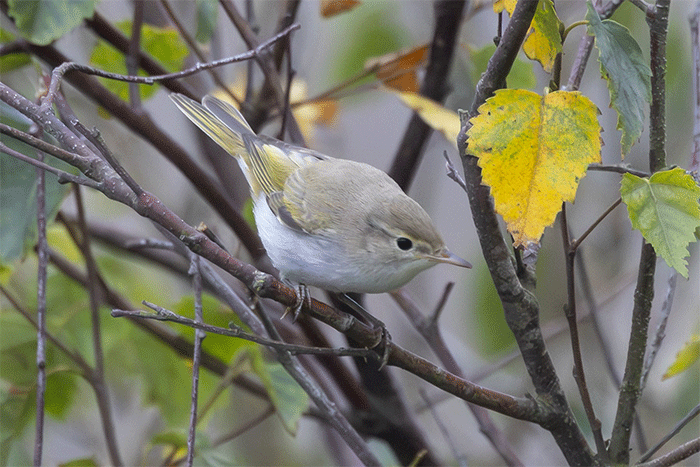
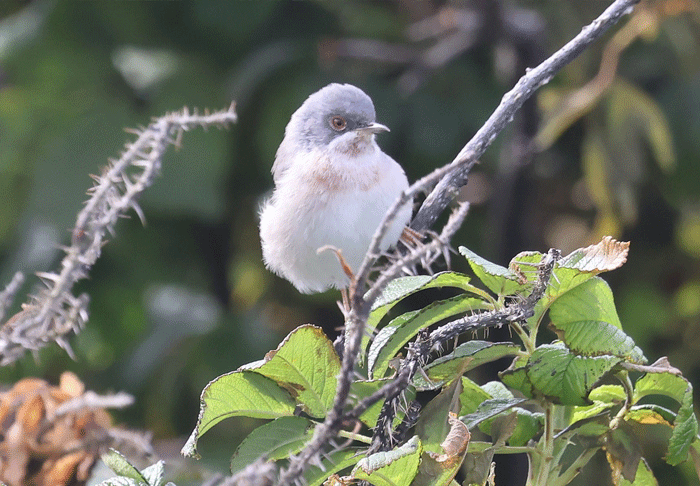
The supporting cast in August included two each of White-winged Scoter, Semipalmated Sandpiper, Subalpine Warbler species and Caspian Tern. Three Aquatic Warblers, three Pacific Golden Plovers and three Lesser Scaups were logged, alongside four Long-billed Dowitchers and four Bonaparte’s Gulls. Six Western Bonelli’s Warblers, six Lesser Yellowlegs and six Ferruginous Ducks were recorded, together with a total of seven Greenish Warblers. These records helped bring the total number of species recorded in Britain and Ireland during 2025 by the end of August to 402.
September
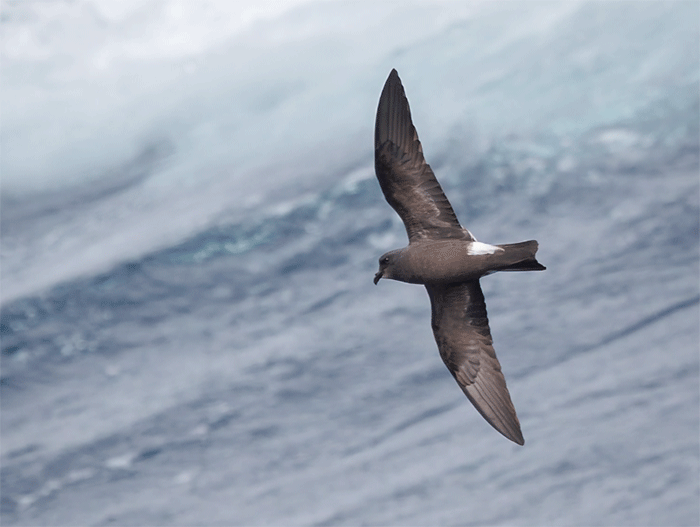
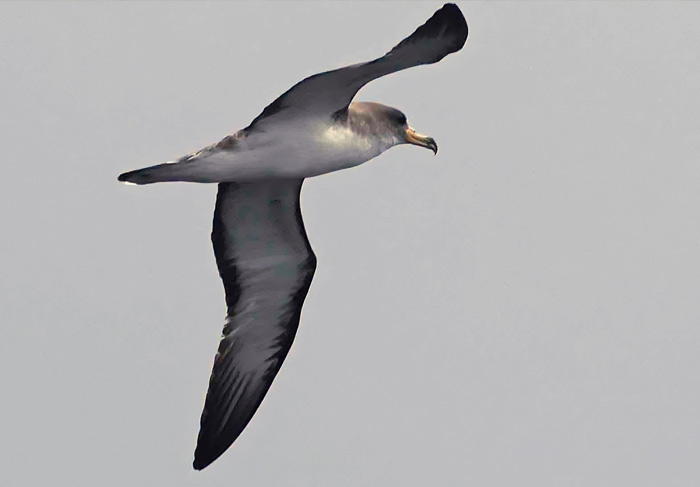
September was defined by an extraordinary seabird discovery, with up to 95 Band-rumped Storm-petrel species found at sea southwest of the Isles of Scilly at The Canyons from the 17th to the 19th. Another individual was seen from land at Coverack, Cornwall on the 2nd. Other rare seabirds during the month included Scopoli’s Shearwaters around Scilly on the 1st and 26th, Barolo Shearwaters passing Pendeen Watch, Cornwall on the 4th and 15th, and a South Polar Skua there on the 11th. A further South Polar Skua was recorded at sea off western Ireland on the 22nd, while a Yelkouan Shearwater was logged at Bardsey, Caernarfonshire on the 16th. Six sightings of Fea’s Petrel species were also noted.
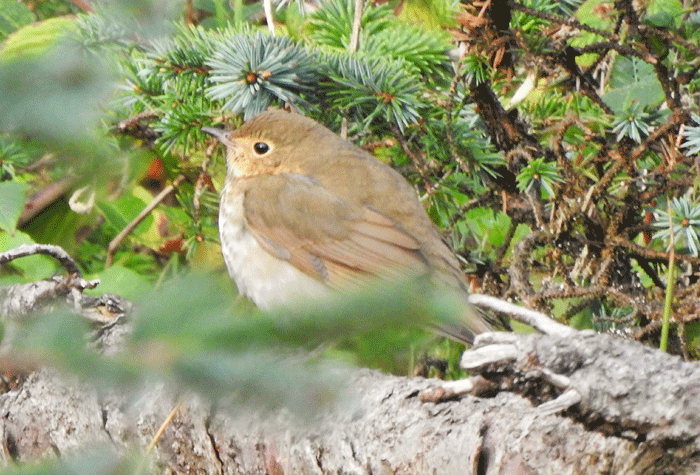
Nearctic arrivals were widespread. A Stilt Sandpiper was present at Broad Lough, County Wicklow from the 1st to the 3rd, while the Black Duck remained in County Mayo on the 9th. A Blue-winged Teal appeared in Shetland from the 19th, and the Western Isles produced a Swainson’s Thrush on Barra from the 20th to the 22nd. Orkney hosted an American Pipit on North Ronaldsay from the 23rd to the 25th, with a Franklin’s Gull present on nearby Westray from the 15th to the 30th. Devon recorded a Grey-cheeked Thrush on Lundy on the 29th, while County Donegal added a Swainson’s Thrush at Malin More from the 29th. The Western Sandpiper in Ayrshire, Forster’s Tern in Dorset and Laughing Gull in County Kerry were all present throughout the month.
Additional Nearctic totals included two Spotted Sandpipers and two Hornemann’s Redpolls, three White-winged Scoters and three Long-billed Dowitchers, four Bonaparte’s Gulls, eight Wilson’s Phalaropes, 10 Semipalmated Sandpipers and a total of 16 Baird’s Sandpipers.
Eastern rarities also featured prominently. An Aquatic Warbler was found in Dorset at Wareham on the 2nd, followed by a Black-winged Pratincole in Caithness at Loch Calder from the 2nd to the 14th. A Booted Warbler appeared in Dorset at Portland Bill on the 8th, while Fair Isle produced a Great Snipe on the 10th. Ireland added a Terek Sandpiper in County Sligo at Ballysadare on the 14th, and County Durham hosted a Pechora Pipit at South Shields from the 21st to the 22nd. Shetland delivered a Pallas’s Grasshopper Warbler on Unst from the 22nd to the 23rd, followed by a Black-faced Bunting on Mainland at Sandwick on the 28th and a Siberian Thrush at Scatsta on the 29th.
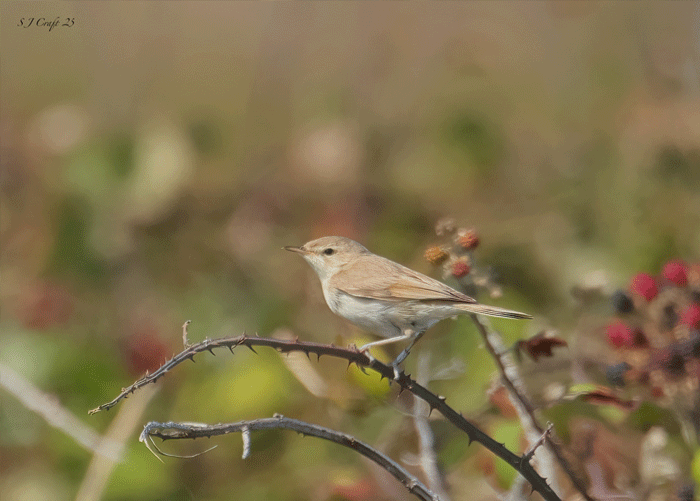
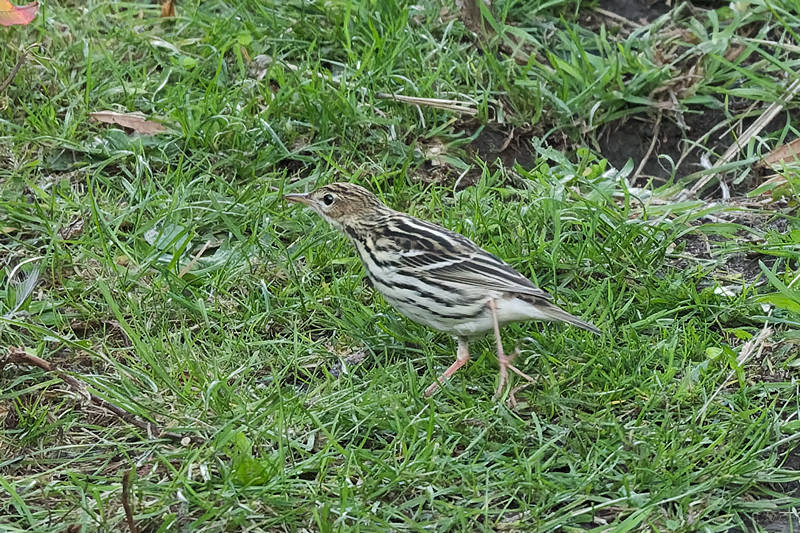
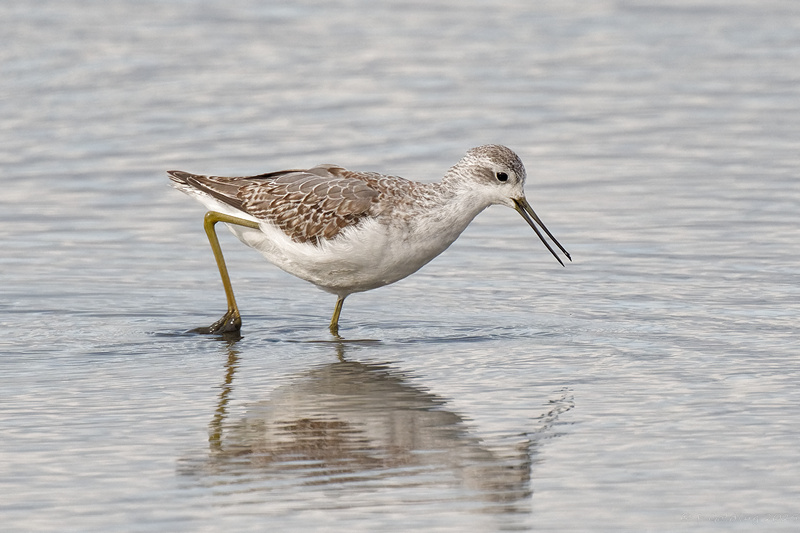
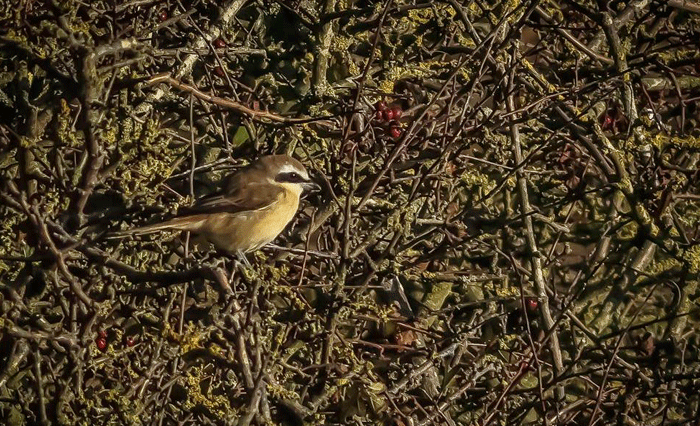
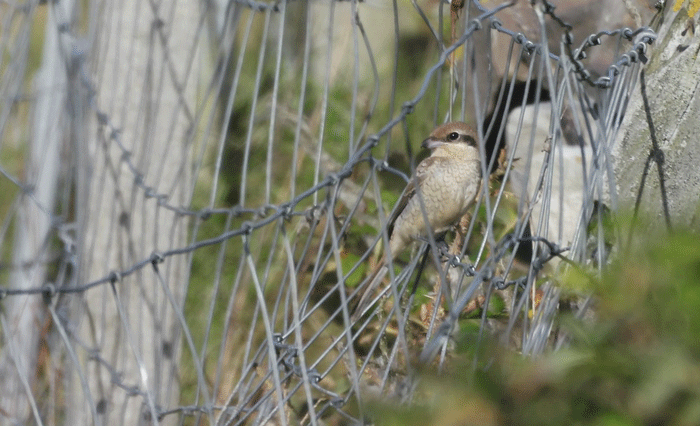
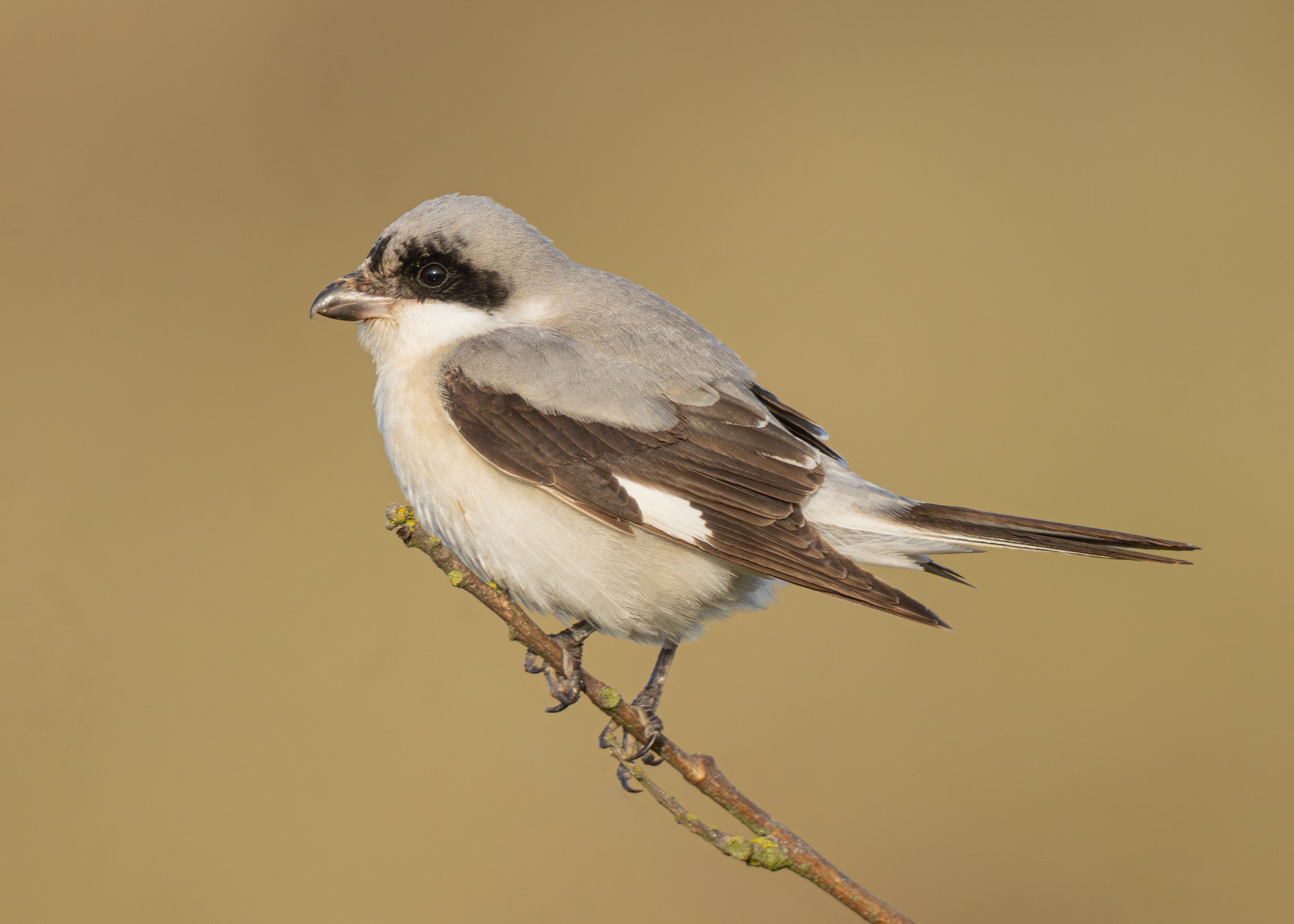
Elsewhere, a Red-throated Pipit was recorded in Merseyside at Marshside on the 22nd, a Lesser Grey Shrike was present in Norfolk at Winterton Dunes from the 22nd to the 29th, and a Paddyfield Warbler appeared in Scilly on St Mary’s from the 28th. Dorset added a Yellow-browed Bunting at Abbotsbury on the 29th, while Norfolk recorded an Isabelline Shrike species at Happisburgh on the 30th. Monthly totals also included two each of Marsh Sandpiper, Rustic Bunting and Pallid Harrier, three Brown Shrikes, three Isabelline Wheatears and three Pacific Golden Plovers, and four Siberian Stonechats.
Southern influences continued with the Eastern Subalpine Warbler still on Fair Isle on the 4th, at least one Pallid Swift along the Suffolk coast from the 4th to the 5th, and the Black-winged Kite first seen in Gloucestershire in August relocating to Norfolk at Hickling Broad from the 5th to the 11th. The Azorean Yellow-legged Gull remained in County Mayo on the 8th, while Scilly hosted a Black-headed Bunting on Bryher on the 10th. The Western Isles added a Lesser Kestrel on St Kilda on the 18th, Kent recorded a Kentish Plover at Seasalter on the 20th, and Shetland produced an Eastern Bonelli’s Warbler on Unst on the 23rd and a Subalpine Warbler species on Whalsay on the 28th. Norfolk added a Tawny Pipit at Winterton Dunes on the 25th, Dorset recorded a Little Bittern at Weymouth on the 27th, and Cornwall closed the month with a Great Reed Warbler at Nanquidno on the 30th. Throughout the month, up to three Zitting Cisticolas remained in Suffolk.
The wider supporting cast included two each of Black Stork and Squacco Heron, three Ferruginous Ducks, and five Western Bonelli’s Warblers. By the end of September, the total number of species recorded in Britain and Ireland during 2025 had reached 422.
October
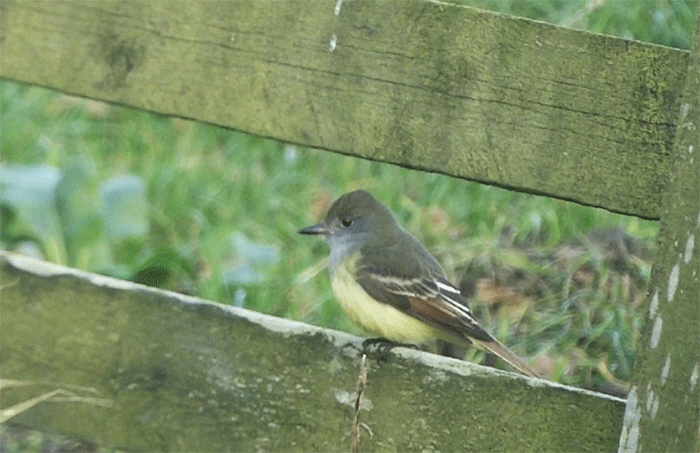
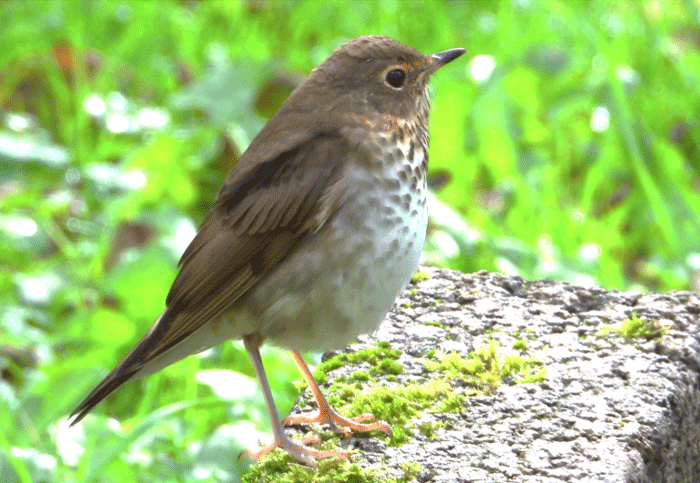
October delivered one of the most remarkable moments of the year with the discovery of a Great Crested Flycatcher on Mainland Shetland in mid-month, representing the first record for Britain and the Western Palearctic. The month also produced a notable influx of Nearctic landbirds. A Black-billed Cuckoo was found dead in Devon at Ilfracombe on the 5th, while Grey-cheeked Thrushes were recorded in County Donegal on Tory Island from the 5th to the 12th and later on Lundy, Devon on the 29th. A Northern Parula was present in County Cork at Firkeel from the 6th to the 14th, followed by a Mourning Dove on St Agnes, Isles of Scilly from the 7th to the 16th and a Veery on Islay, Argyll from the 13th to the 14th.
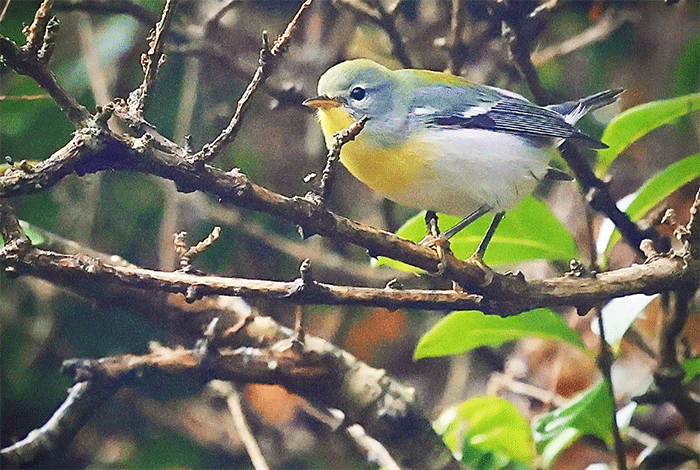

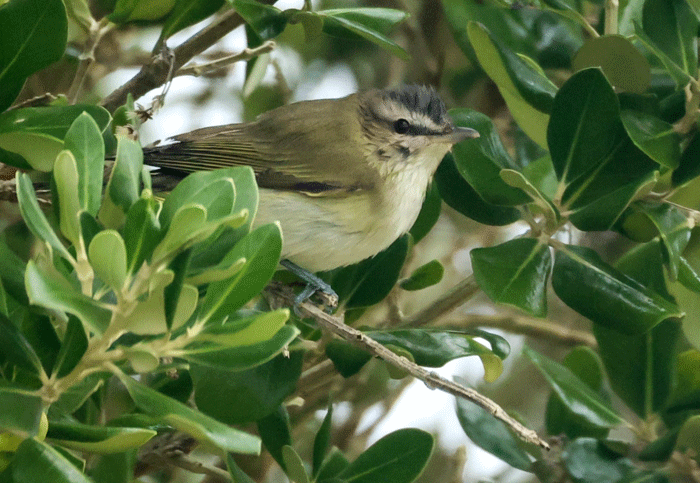
Swainson’s Thrushes were recorded in both County Donegal and Shetland, while Blackpoll Warblers were logged in County Donegal, Shetland and the Western Isles. Red-eyed Vireos were present in County Donegal, with four individuals, and in the Western Isles, while American Pipits were found in County Clare, County Galway with two birds, County Waterford and Scilly. In total, 25 Nearctic landbirds of 10 species had been recorded so far during the autumn.
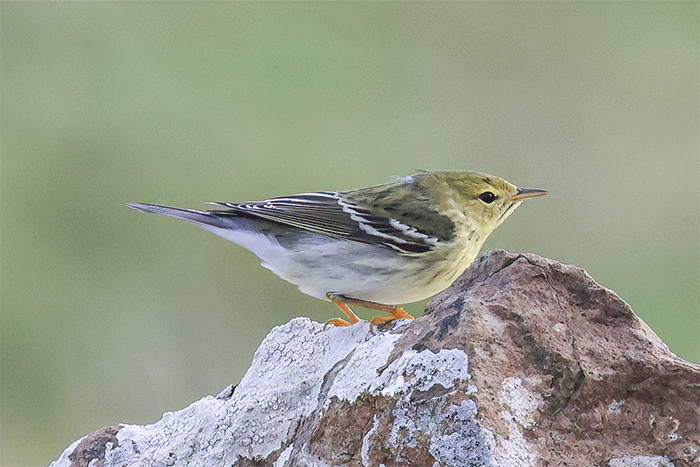
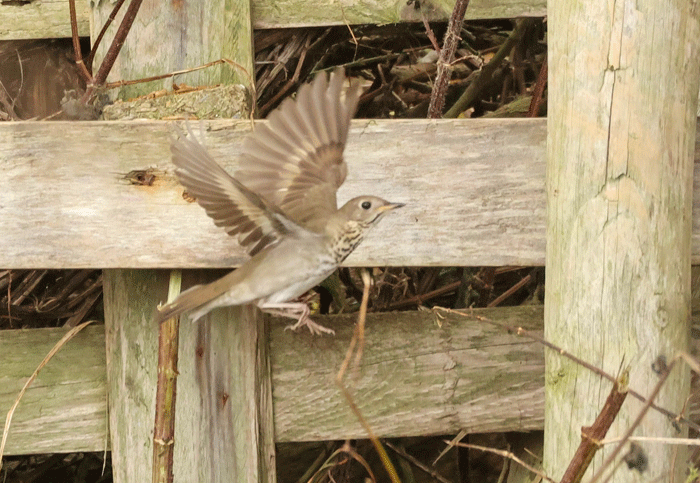
Other North American visitors included a Hudsonian Whimbrel on North Ronaldsay, Orkney on the 2nd, with a Franklin’s Gull there until the 15th. In Scilly, a Wilson’s Phalarope lingered until the 6th and a Spotted Sandpiper until the 18th. A Forster’s Tern remained in Dorset until the 6th, with perhaps the same bird passing Lizard Point, Cornwall on the 30th. The Blue-winged Teal persisted in Shetland until the 13th, while a Pacific Diver returned to County Cork from the 15th. The Western Sandpiper was still present in Ayrshire on the 30th. Totals for the month included two each of White-winged Scoter, Black Scoter and Laughing Gull, four Northern Harriers and four Long-billed Dowitchers, five Cackling Geese, eight Baird’s Sandpipers, nine Bonaparte’s Gulls and Lesser Scaups, and 12 Semipalmated Sandpipers.
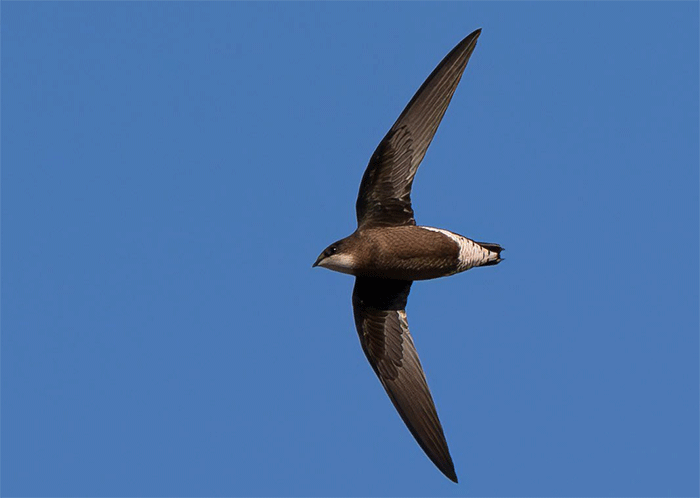
The most sought-after rarity was a White-throated Needletail, first present in Yorkshire at Tophill Low and then between Bempton Cliffs and Burniston from the 8th to the 10th. Presumably another was seen in north-east Scotland at Loch of Skene on the 9th, with one of the two later appearing in Highland at Brora and Helmsdale from the 13th to the 15th.
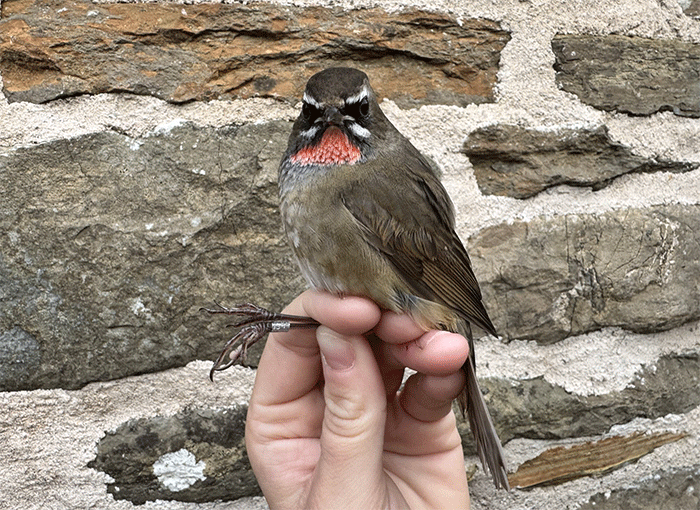
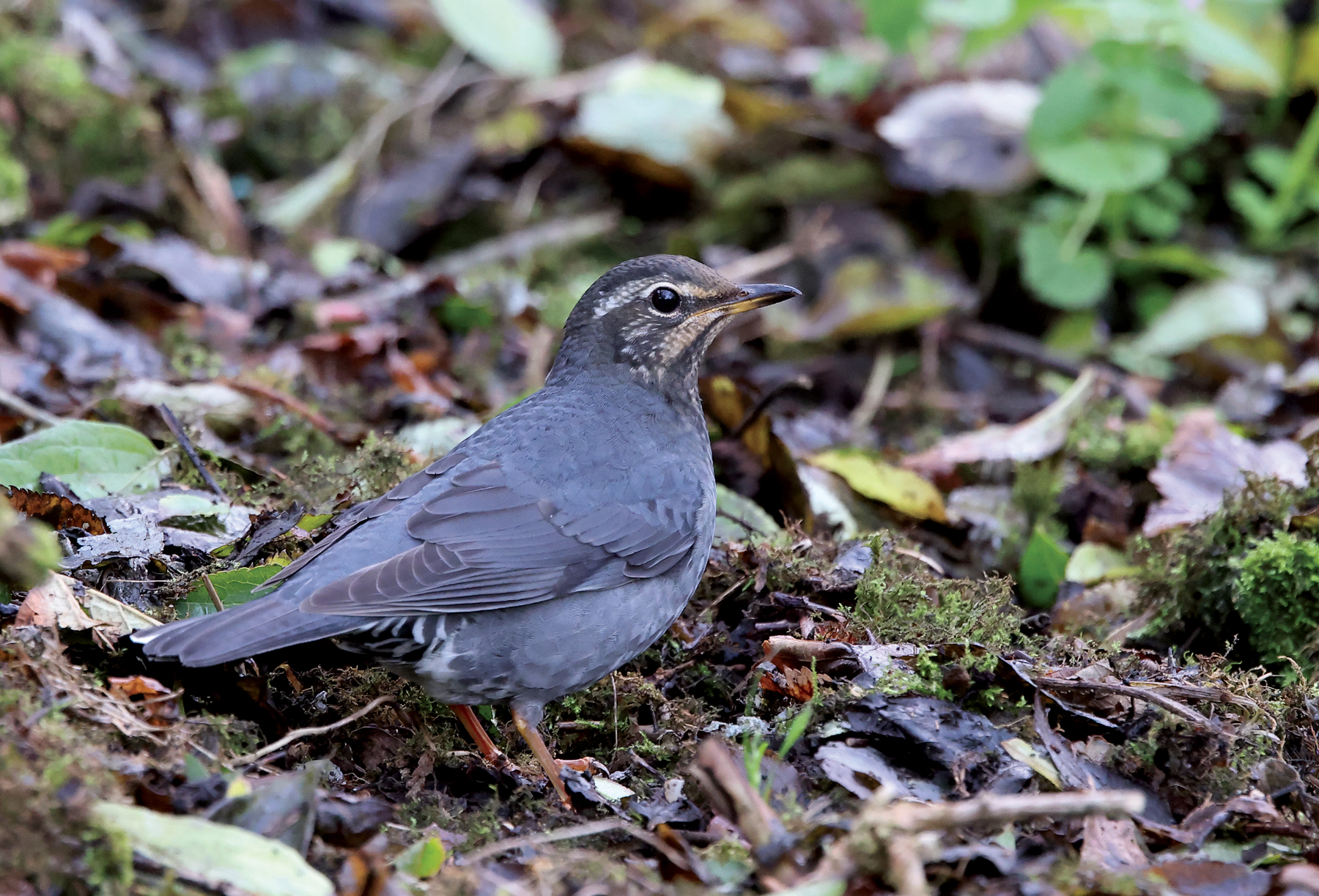
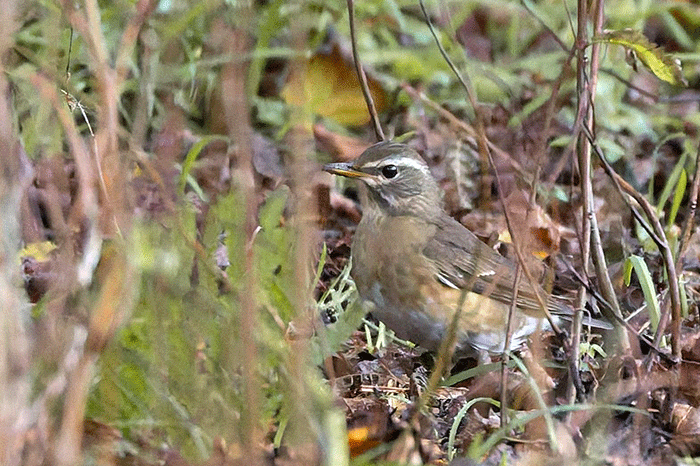
Eastern vagrants were widespread. Orkney produced a White’s Thrush on Sanday on the 1st, a Rufous-tailed Robin on North Ronaldsay on the 21st, followed by a Black-throated Thrush there on the 23rd and a Siberian Rubythroat on the 28th. In Shetland, a Siberian Thrush was present at Asta, Mainland from the 2nd to the 10th, a Lanceolated Warbler appeared on Fetlar on the 5th, and a Black-faced Bunting was found at Bridge of Fitch, Mainland on the 21st. England added a Turkestan Shrike in Suffolk at Dunwich Heath from the 2nd to the 10th, a Baikal Teal in Dorset at Abbotsbury from the 14th, a Lanceolated Warbler in Cornwall at Nanjizal on the 14th, and a Black-faced Bunting at Spurn, East Yorkshire from the 20th to the 22nd. Scilly hosted an Eyebrowed Thrush on St Mary’s from the 21st to the 22nd, while Sussex recorded an Isabelline Shrike species at Henfield from the 26th.
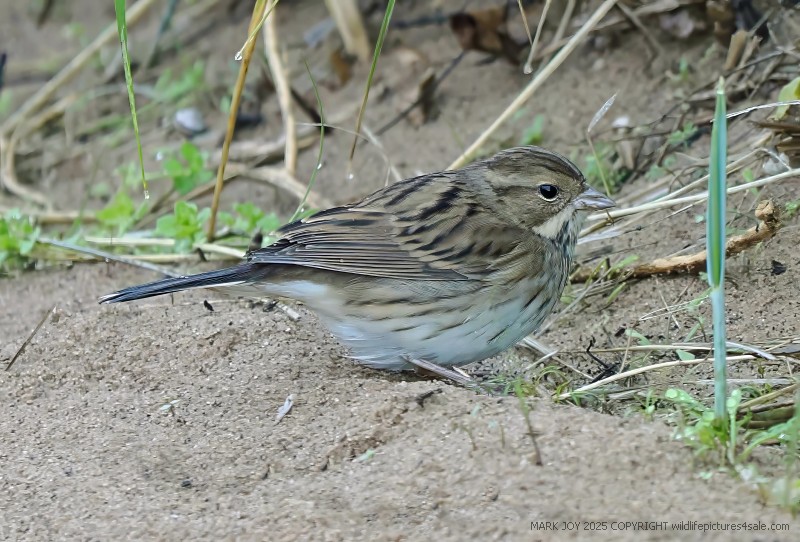
Ireland contributed a Daurian Shrike in County Wexford at Ring Marsh from the 29th. Scotland added an Eastern Yellow Wagtail on St Kilda in the Western Isles on the 15th, a Marsh Sandpiper in Lothian until the 17th, a Red-breasted Goose returning to Argyll from the 18th, and an Eastern Nightingale at Rattray Head, north-east Scotland from the 20th to the 22nd. Monthly island totals included two each of Isabelline Wheatear, Steppe Grey Shrike, Paddyfield Warbler, Black-headed Bunting, Siberian Stonechat and Coues’s Redpoll, three Brown Shrikes, four Red-throated Pipits and four Ferruginous Ducks, seven Hume’s Warblers, eight Pallid Harriers, 10 Rustic Buntings and 11 Northern Long-tailed Tits.
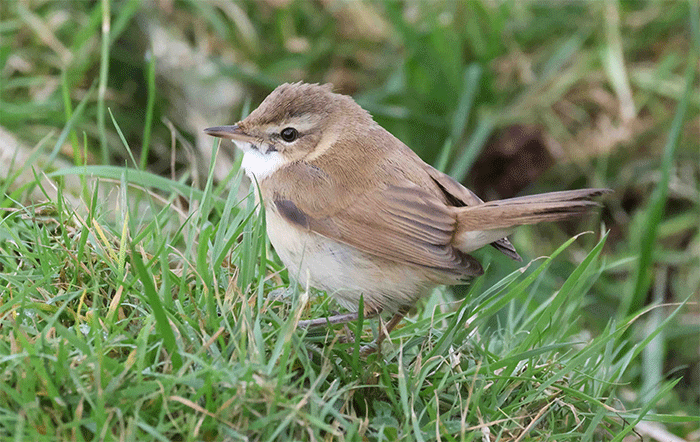
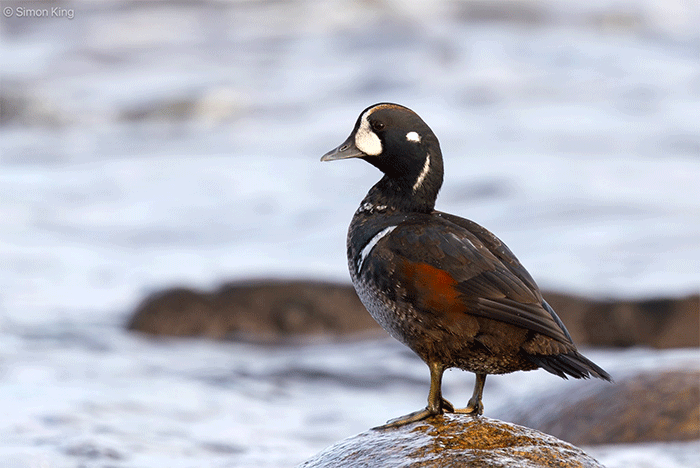
In Ireland, the first two Harlequin Ducks for the country were discovered at Magheraroarty, County Donegal on the 9th, with one remaining at Carrickboyle until the end of the month. The Azorean Yellow-legged Gull was still present in County Mayo on the 15th. County Cork produced a Western Bonelli’s Warbler at Old Head of Kinsale on the 8th, later relocated at Mizen Head from the 12th to the 26th, a Tawny Pipit on Cape Clear on the 11th, a Black-browed Albatross passing there on the 18th, and a Fea’s Petrel species off Ballycotton on the 30th.
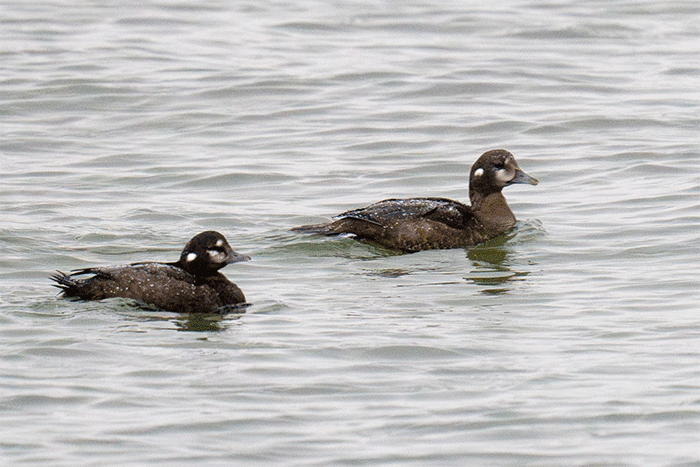
Elsewhere in Britain, a Western Subalpine Warbler was present in Shetland at Levenwick, Mainland from the 3rd to the 16th, with two Hornemann’s Redpolls around the archipelago. A Pallid Swift was recorded in North Yorkshire at Burniston on the 22nd, a Fea’s Petrel species was seen at sea off Cornwall on the 23rd, a Gull-billed Tern appeared in Lincolnshire at Sandilands on the 24th, three Zitting Cisticolas remained together in Suffolk on the 30th, and a Black-browed Albatross passed off Cley, Norfolk on the 31st.
By the end of October, the total number of species recorded in Britain and Ireland during 2025 had reached 439.
November
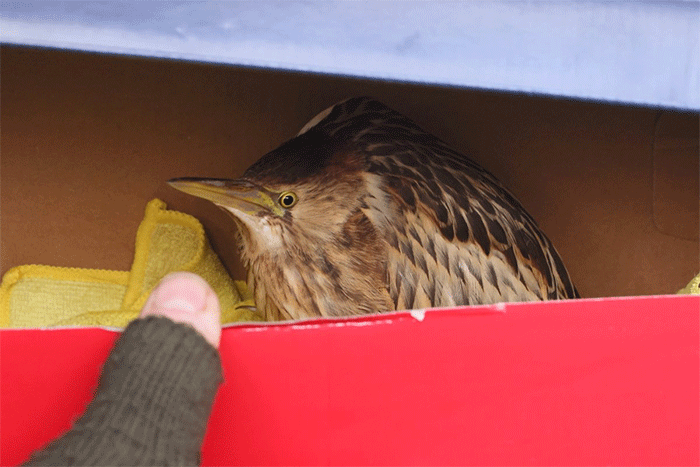
November opened with a major seabird highlight when the first Irish Soft-plumaged Petrel was recorded passing Seven Heads and Galley Head, County Cork on the 3rd. Other rarities from the south followed, including a Ferruginous Duck in Cambridgeshire from the 8th to the 24th, the Kentish Plover returning to Somerset from the 10th, and an Eleonora’s Falcon briefly in Argyll on Islay on the 12th. Black-browed Albatrosses were recorded off Titchwell, Norfolk on the 17th and passing St Ives, Cornwall on the 28th. A Little Bittern taken into care at North Shields, Northumberland on the 23rd added to a strong late-autumn mix, alongside up to three Zitting Cisticolas still present in Suffolk and a notable total of 28 Pallid Swifts during the month.
Eastern arrivals were widespread and sustained. Black-faced Buntings were present on Fair Isle from the 1st to the 28th, with further individuals in Cornwall at Nanjizal and in Dorset at Portland Bill, both seeing birds on the 6th. Shetland hosted up to two Western Oriental Turtle Doves together at Hillwell, Mainland from the 1st to the 9th. A Brown Shrike remained in Suffolk until the 2nd, while Orkney added an Eyebrowed Thrush at Finstown, Mainland on the 4th, followed by a Siberian Stonechat on nearby Stronsay on the 7th. Shetland continued to produce with a Siberian Rubythroat on Unst from the 7th to the 9th and a Pechora Pipit at Scalloway, Mainland from the 8th to the 9th. Dorset recorded a Pine Bunting at St Aldhelm’s Head on the 13th, while the Daurian Shrike in County Wexford remained until the 15th. The Baikal Teal stayed on in Dorset throughout the month.
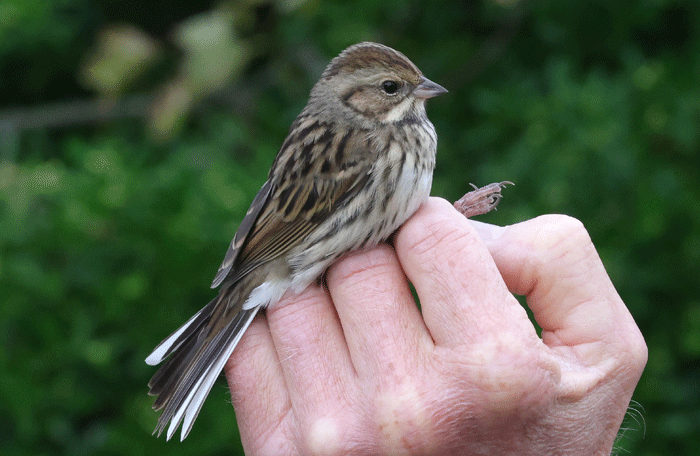
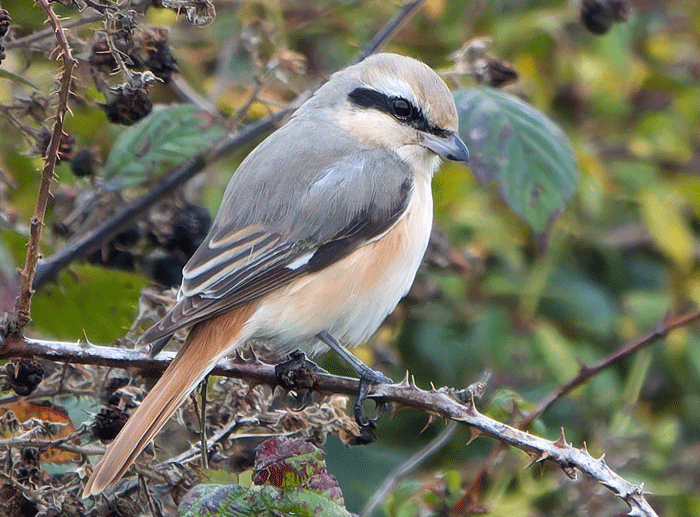
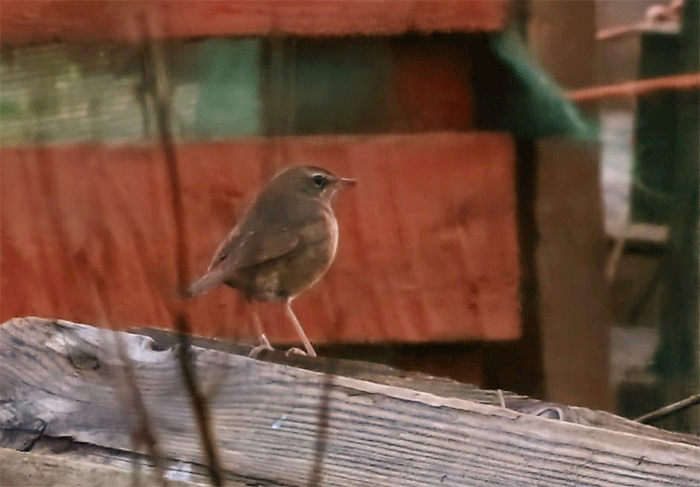
Monthly totals from the east included two each of Isabelline Wheatear, Desert Wheatear, unidentified Isabelline Shrike species, Steppe Grey Shrike, Red-breasted Goose and Pallid Harrier. Three Eastern Black Redstarts, all in Yorkshire, were logged, alongside a record total of 20 Hume’s Warblers.
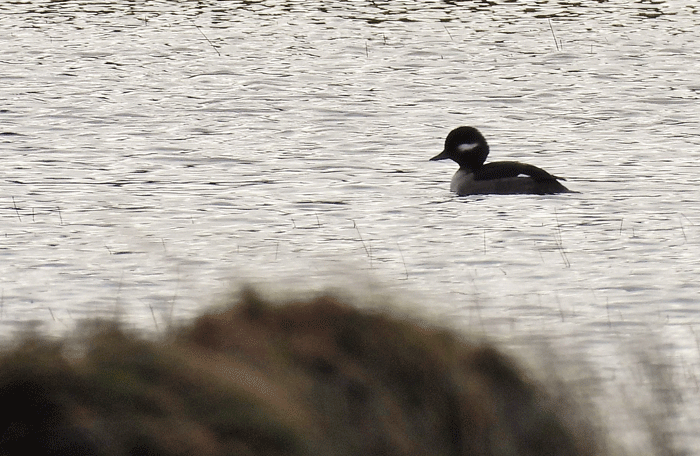
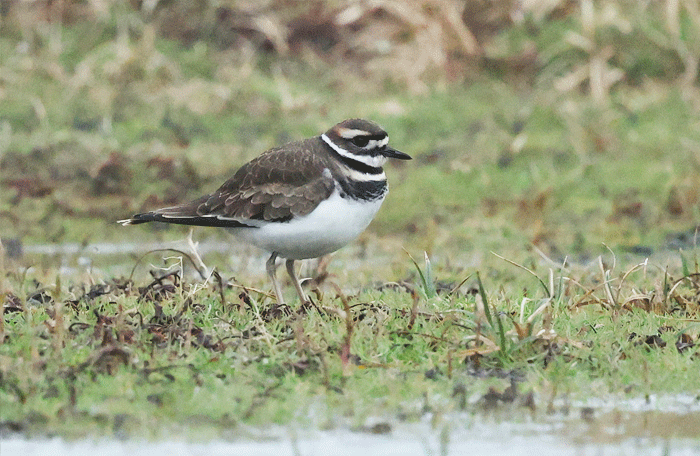
Nearctic vagrants continued to feature prominently. Buffleheads were recorded in the Western Isles on Barra on the 2nd and later in County Kerry at Lough Leane from the 18th to the 20th. Orkney produced a Rose-breasted Grosbeak at Tankerness, Mainland on the 4th. A Killdeer was found in Pembrokeshire on Skokholm and Skomer from the 5th to the 6th, with perhaps the same bird later appearing in County Wexford at South Slob from the 27th. Hampshire added a White-throated Sparrow on a boat in Southampton Water on the 7th. The long-staying Western Sandpiper was still present in Ayrshire on the 7th, while a Blue-winged Teal arrived in Cornwall at Hayle from the 8th to the 26th. County Waterford recorded a Spotted Sandpiper at Ballynagaul from the 13th to the 18th, and Ross’s Goose was present in north-east Scotland at Loch of Skene and Fraserburgh from the 15th to the 24th. Franklin’s Gulls were observed at Hayle, Cornwall on the 15th and later on Vatersay, Western Isles on the 23rd.
A particularly notable record came on the 17th with the first British American Barn Swallow, form erythrogaster, found in the Western Isles on North Uist. A Semipalmated Sandpiper was present in County Clare at Seafield from the same date, while the Double-crested Cormorant remained in County Leitrim throughout the month. Totals for Nearctic waterbirds included two White-winged Scoters and two Long-billed Dowitchers, three Northern Harriers and three Pacific Divers, four Bonaparte’s Gulls, six Cackling Geese and 15 Lesser Scaups.
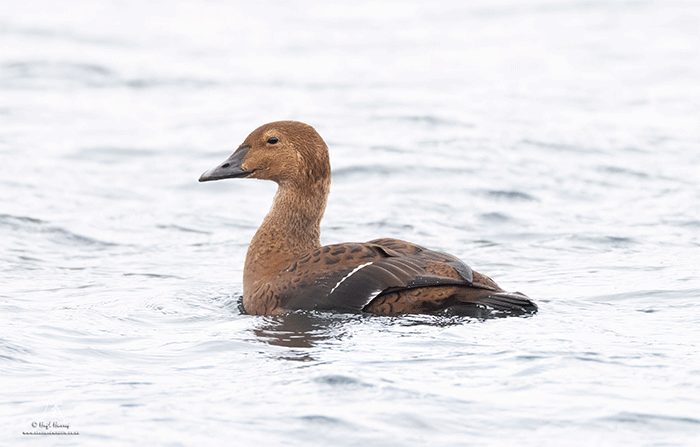
From the north, a male Harlequin Duck remained in County Donegal throughout November, while Shetland hosted two King Eiders and five Northern Long-tailed Tits. Across Britain, a total of five Coues’s or Hornemann’s Redpolls was logged.
By the end of November, the total number of species recorded in Britain and Ireland during 2025 had reached 443.
December
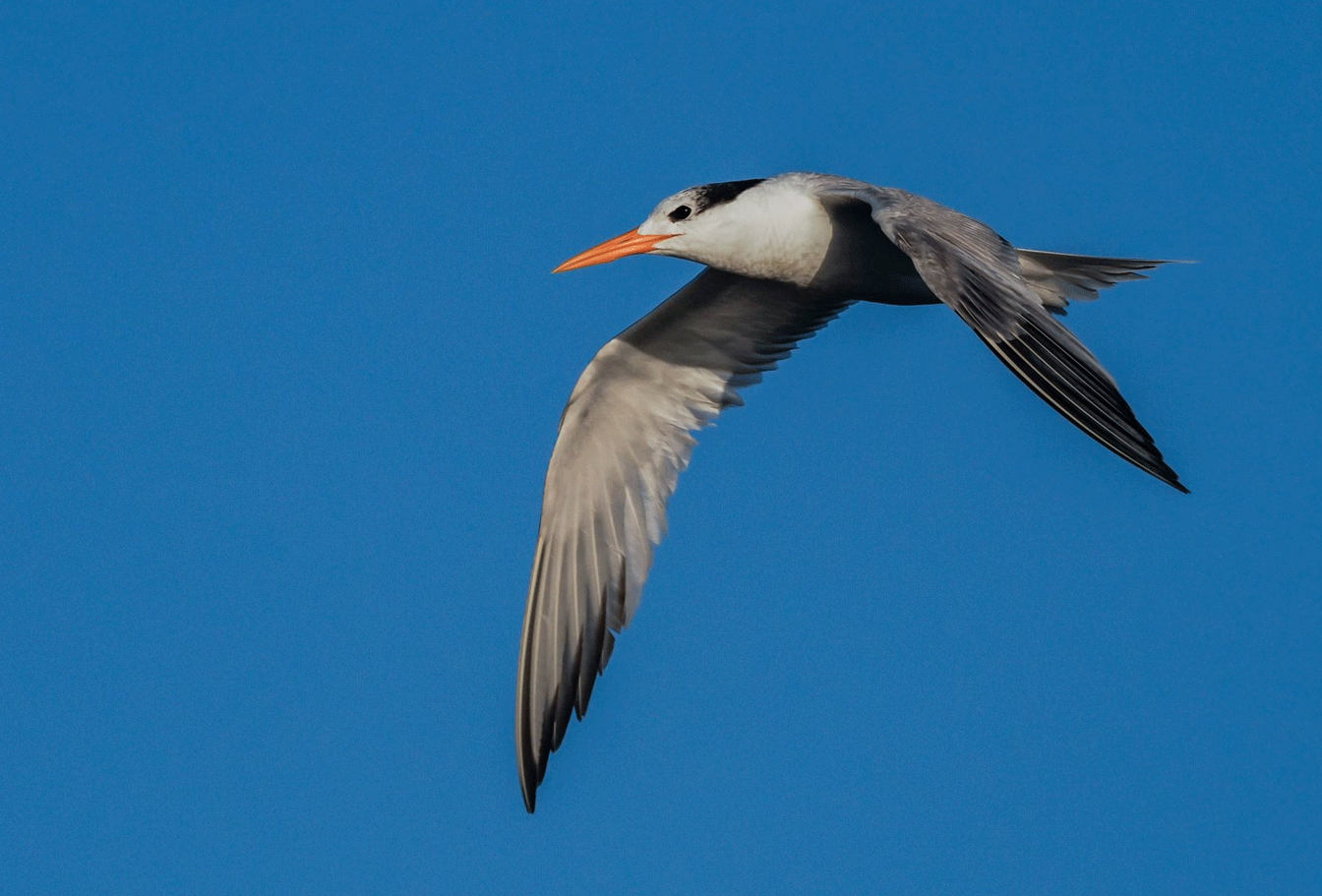
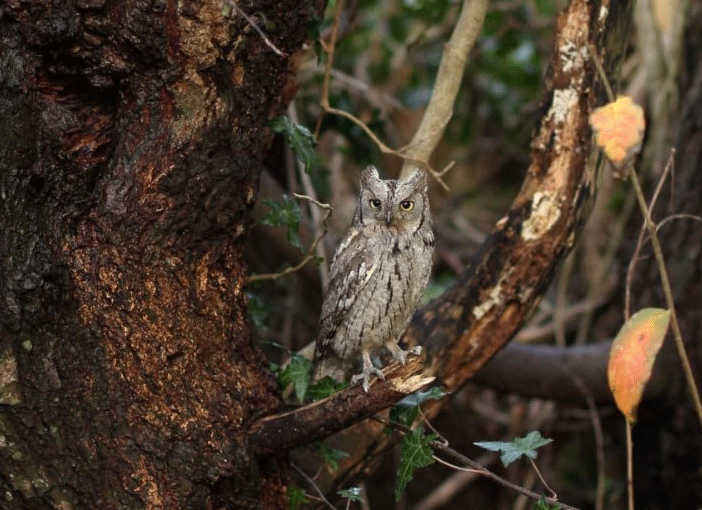
December closed the year with a remarkable tern, when a Lesser Crested Tern was discovered in Devon at Seaton Marsh on the 1st before relocating to the Exe Estuary from the 3rd to the 12th. It was the first Lesser Crested Tern recorded in Britain for over 20 years. Shetland added a female Siberian Rubythroat at Scousburgh, Mainland from the 1st to the 3rd, while south Wales produced a showy Scops Owl at Swansea, Glamorgan from the 6th to the 12th. North Wales then hosted a male Bufflehead, initially in Flintshire at Point of Ayr on the 8th before it relocated to Foryd Bay, Gwynedd from the 19th to the 23rd. The month ended with the Black-winged Kite appearing at St Benet’s Abbey, Norfolk from the 26th to the 28th.
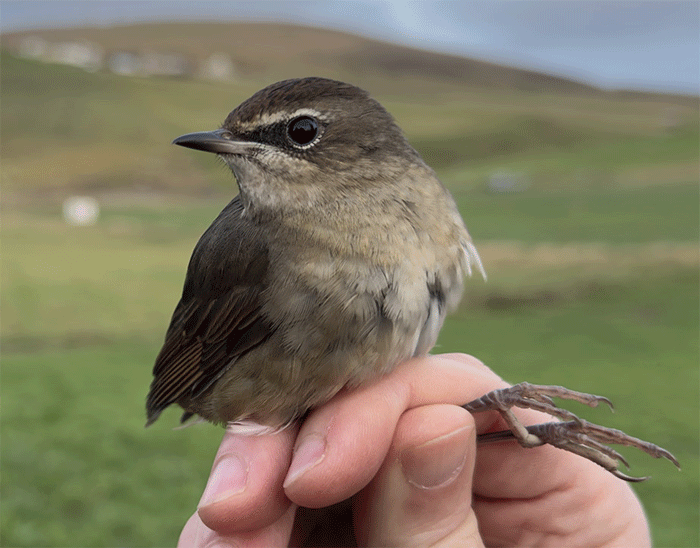
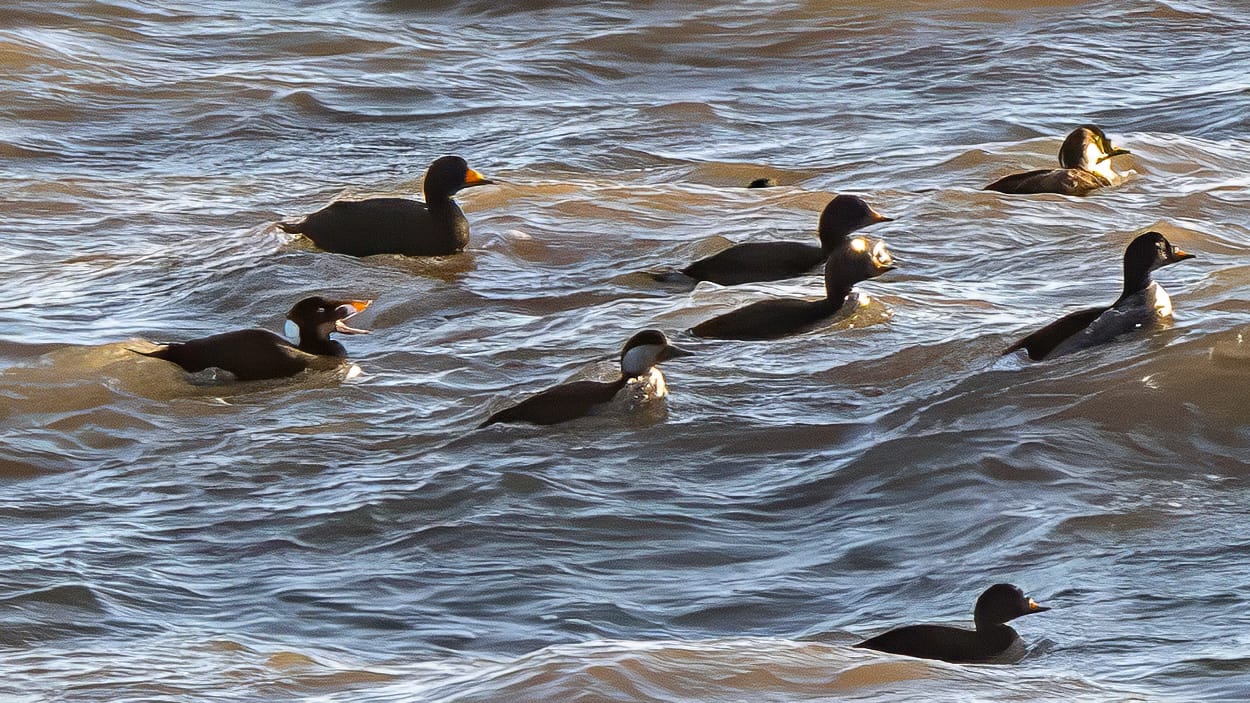
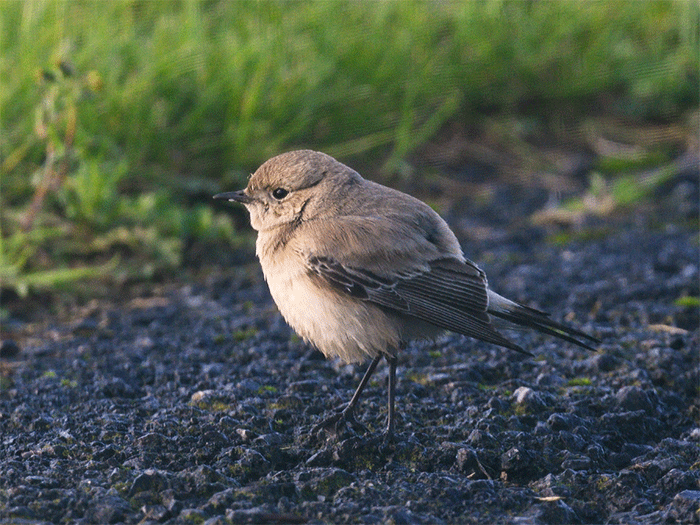
Elsewhere, a series of additional discoveries added further interest. Male Black Scoters were recorded in Dumfries and Galloway at Rascarrel on the 2nd and in Highland at Dornoch from the 16th to the 27th. Norfolk hosted a Black-bellied Dipper at Bintree from the 3rd to the 28th, while Devon produced a Desert Wheatear at Bolberry from the 4th to the 9th. Eastern Black Redstarts were present in North Yorkshire at Filey from the 5th to the 28th and later in Norfolk at Sheringham from the 24th to the 28th. Ireland added a Black Duck in County Kerry at Ballyferriter from the 10th to the 21st, while Shetland recorded a Northern Long-tailed Tit at Veensgarth, Mainland from the 19th to the 25th. An unidentified Daurian or Turkestan Shrike appeared briefly in East Yorkshire at Flamborough Head on the 22nd, and Ross’s Geese were recorded at Drumlemble, Argyll from the 23rd to the 27th and at Muir of Ord, Highland on the 28th.
Several birds carried over from November into early December. The Black Duck and Azorean Yellow-legged Gull were both still present in County Mayo on the 1st, while the Killdeer remained in County Wexford until the 2nd. A Desert Wheatear lingered in Dorset until the 4th, with the Baikal Teal there until the 5th. The Double-crested Cormorant was still present in County Leitrim on the 21st, a Semipalmated Sandpiper remained in County Clare until the 22nd, and a Spotted Sandpiper lingered in County Waterford until the 27th. Up to three Zitting Cisticolas stayed together in Suffolk until the 25th, while a Long-billed Dowitcher remained in Angus until the 26th. Pallid Harriers in Carmarthenshire and Glamorgan and in Pembrokeshire were present until the 27th, and the Harlequin Duck in County Donegal, the Bufflehead in County Kerry and the Kentish Plover in Somerset were all still present on the 28th.
The supporting cast for the final month included two Red-breasted Geese, three Northern Harriers, all in Ireland, and three each of King Eider, Pacific Diver, Bonaparte’s Gull and Todd’s Canada Goose. Four White-winged Scoters and four Hume’s Warblers were recorded, alongside five Richardson’s Cackling Geese, eight Ferruginous Ducks and a total of 12 Lesser Scaups.
By the close of December, the 2025 list stood at 444 species recorded across Britain and Ireland, built through steady accumulation rather than reliance on any single defining period. A productive winter and spring set the pace, summer delivered a notable run of seabirds, and an autumn rich in Nearctic landbirds and eastern vagrants ensured momentum was maintained through to the year’s end.
Many thanks to all the photographers who contributed images throughout 2025 and of course to all the bird-finders for sharing news of their discoveries
Get Breaking Birdnews First in 2026
Get all the latest breaking bird news as it happens, download BirdAlertPRO for a 30-day free trial. No payment details required, and get exclusive first-time subscriber offers.
Share