


Review of the Year 2025: Part 1
2025 opened with no sense of easing into proceedings. From the opening days of January, Britain and Ireland were already hosting a strong mix of long-staying winter rarities and fresh discoveries, setting a tone that would carry through much of the year. What followed was not defined by a single burst of activity, but by a steady accumulation of quality records across all seasons.
As winter gave way to spring, lingering Nearctic waterfowl, early overshoots and returning migrants ensured the list continued to grow, before summer brought a run of seabirds and scarce breeders that pushed expectations higher still. By the time autumn arrived, the groundwork had been laid for a period that would produce some of the year’s most talked-about records and ultimately reshape the final totals.
Here is part one (Jan-June) of our lookback on the years best birds from around Britain and Ireland.
January
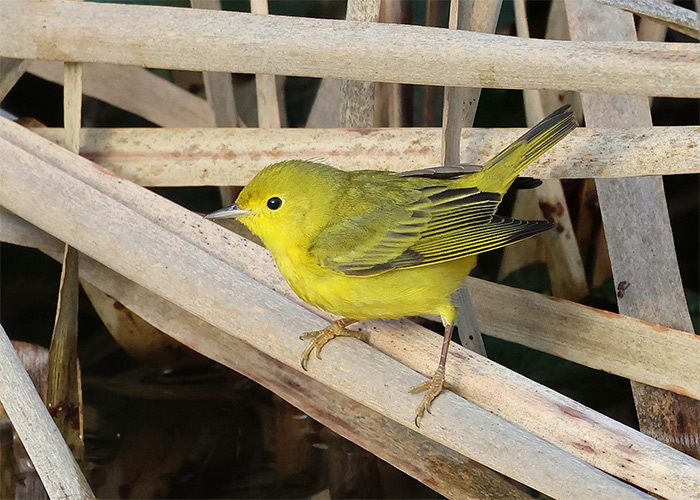
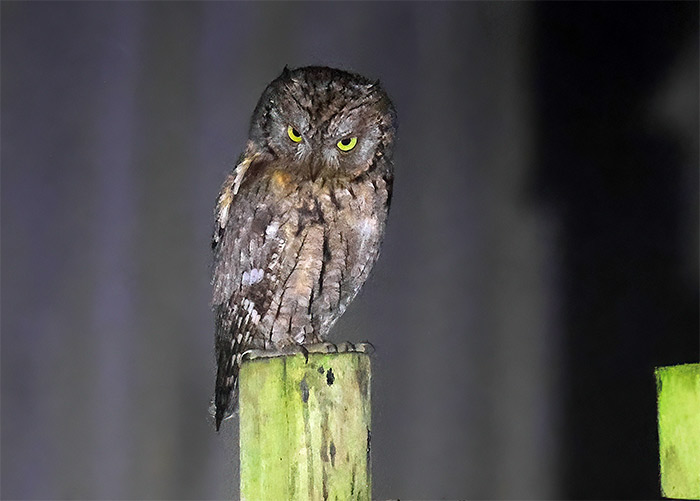
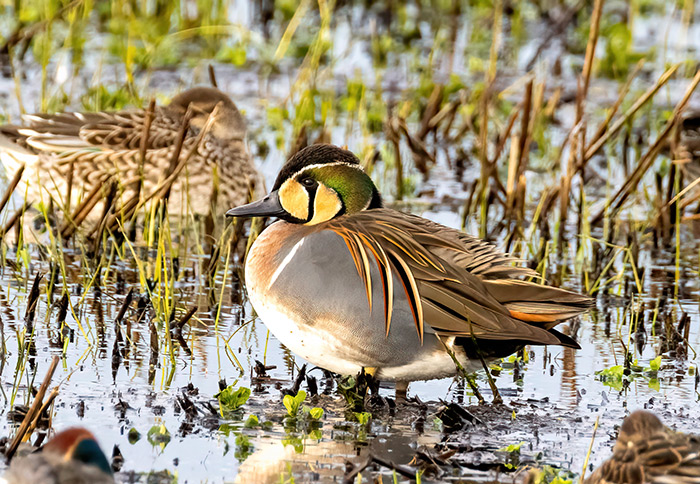
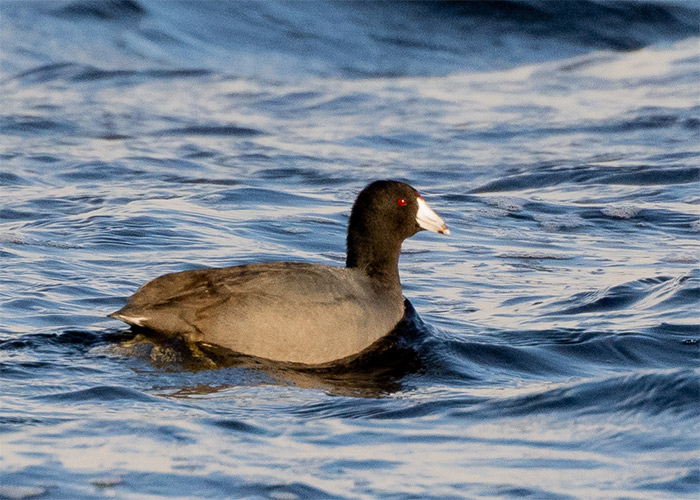
The year opened with a strong cast of lingering rarities still anchoring the opening days. New Year’s Day 2025 found both the Yellow Warbler in Kent and the Baikal Teal in Somerset still present, though neither lasted beyond the 3rd. Elsewhere, the Northern Harrier remained in County Wexford until the 6th, while the Grey-headed Lapwing in Northumberland and the Scops Owl in Kent both persisted until the 9th. An Olive-backed Pipit stayed on in Cornwall until the 19th, the Red-breasted Goose lingered in Cumbria until the 21st, and several transatlantic visitors showed remarkable staying power: Double-crested Cormorant in County Leitrim, Canvasback in Essex, Kentish Plover in Somerset, Penduline Tit in Cheshire, and both American Coot and Bufflehead in Shetland were all present throughout the month.
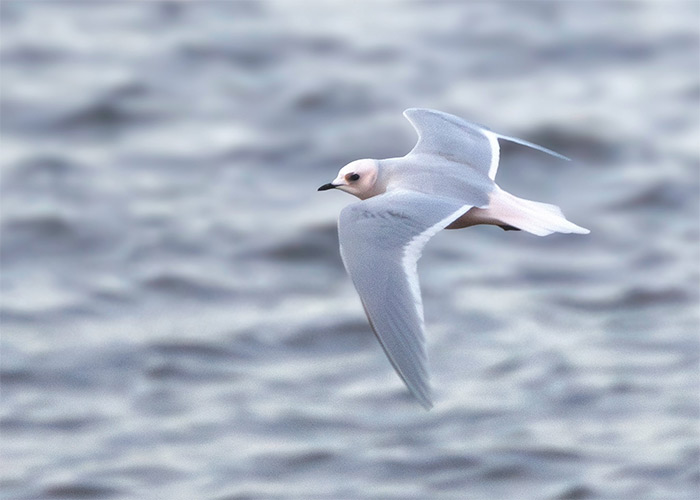
Fresh discoveries added further momentum from the outset. A Least Sandpiper appeared in Somerset at Steart from the 2nd, while a Lesser Yellowlegs was found at Pennington Marshes, Hampshire on the same day, remaining until the 18th. Inland Northumberland hosted a White-billed Diver at Druridge Bay from the 6th to the 11th, and a Ross’s Gull ranged between Whitburn, County Durham and North Shields, Northumberland from the 8th to the 10th. From the 9th, an American Pipit settled at Ross Back Sands, Northumberland, while Carmarthenshire produced a Desert Wheatear at Pendine from the 10th to the 25th.
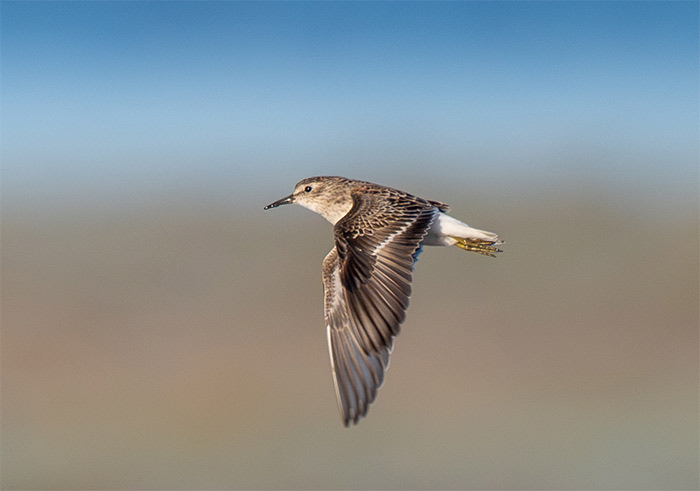
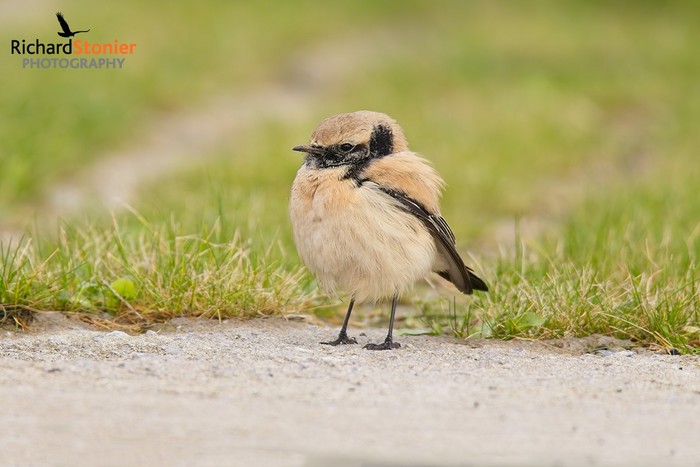
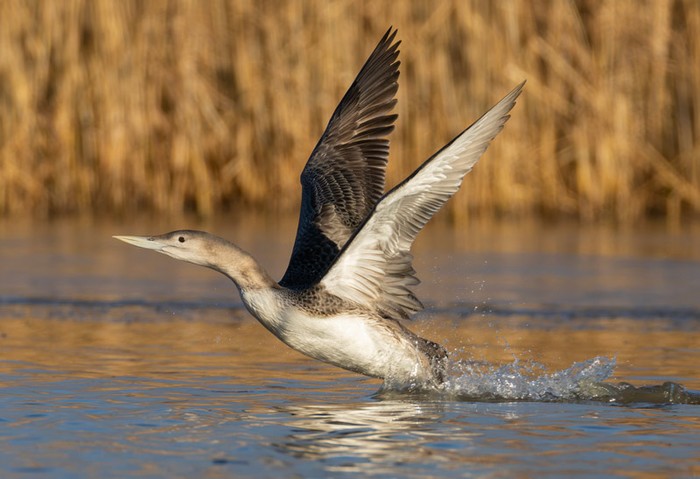
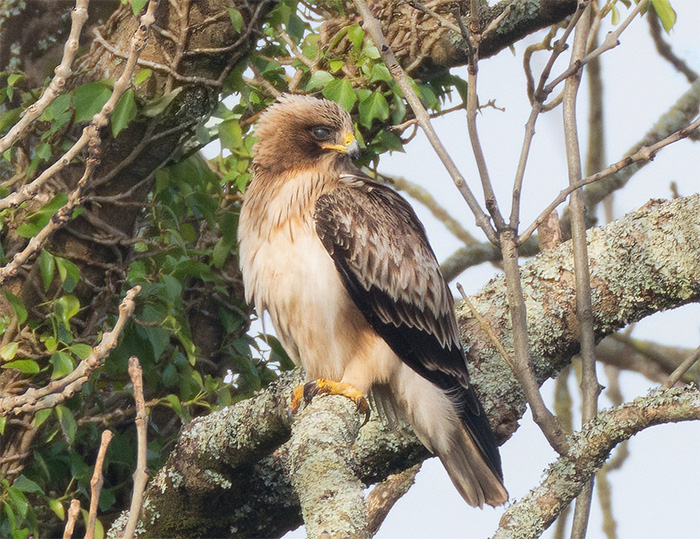
Cornwall delivered a series of headline moments. The juvenile pale morph Booted Eagle reappeared at Marazion from the 12th, having last been seen in the county on 11th October 2024, followed by a Brown Booby reported at Gwithian on the 14th and a Black-browed Albatross reported at Boscastle on the 23rd. Shetland also contributed brief but notable encounters, with a Snowy Owl on Unst and a Gyr Falcon on Yell both on the 14th, before a first county record of Ross’s Goose was discovered at Scatsta, Mainland from the 16th.
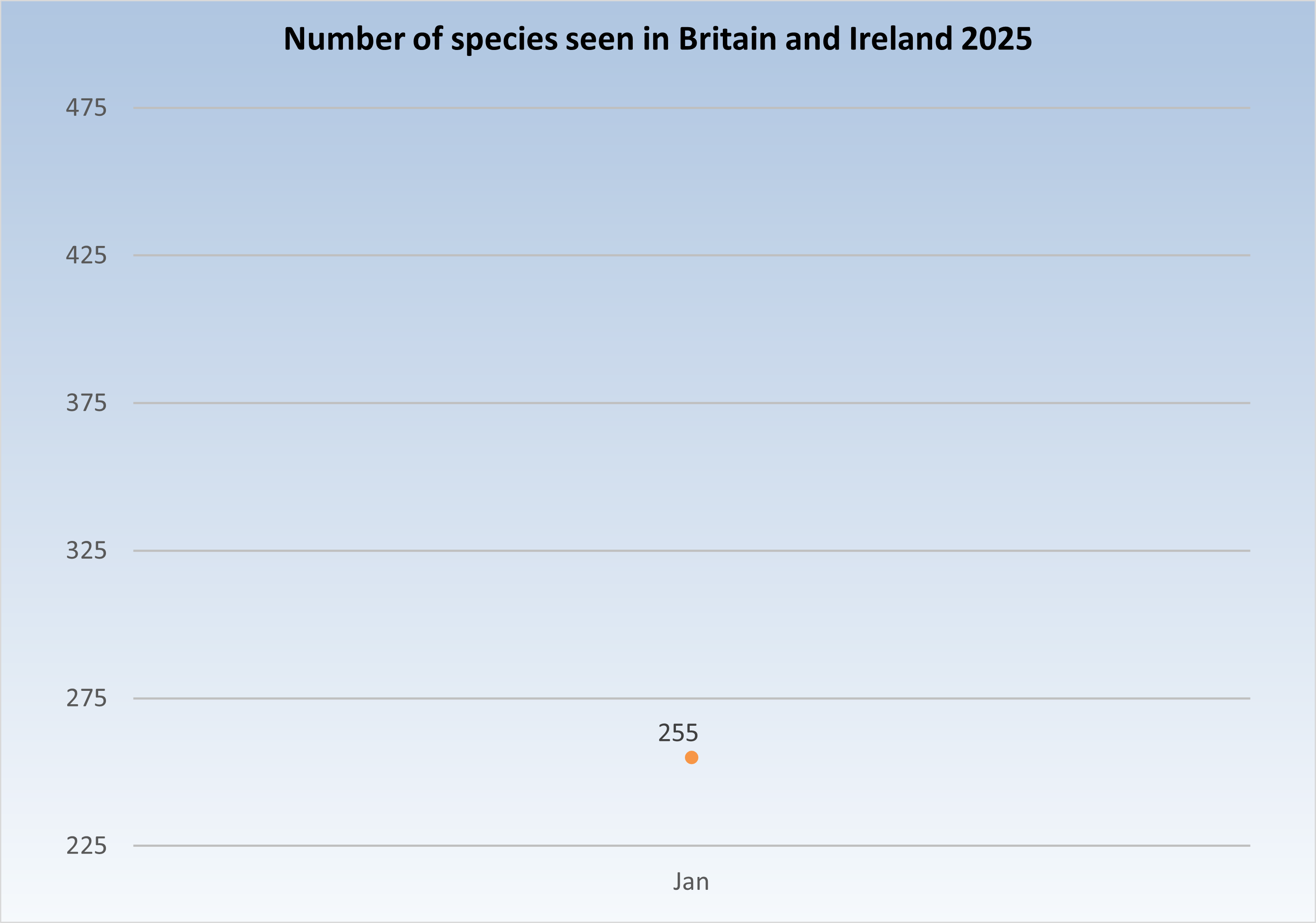
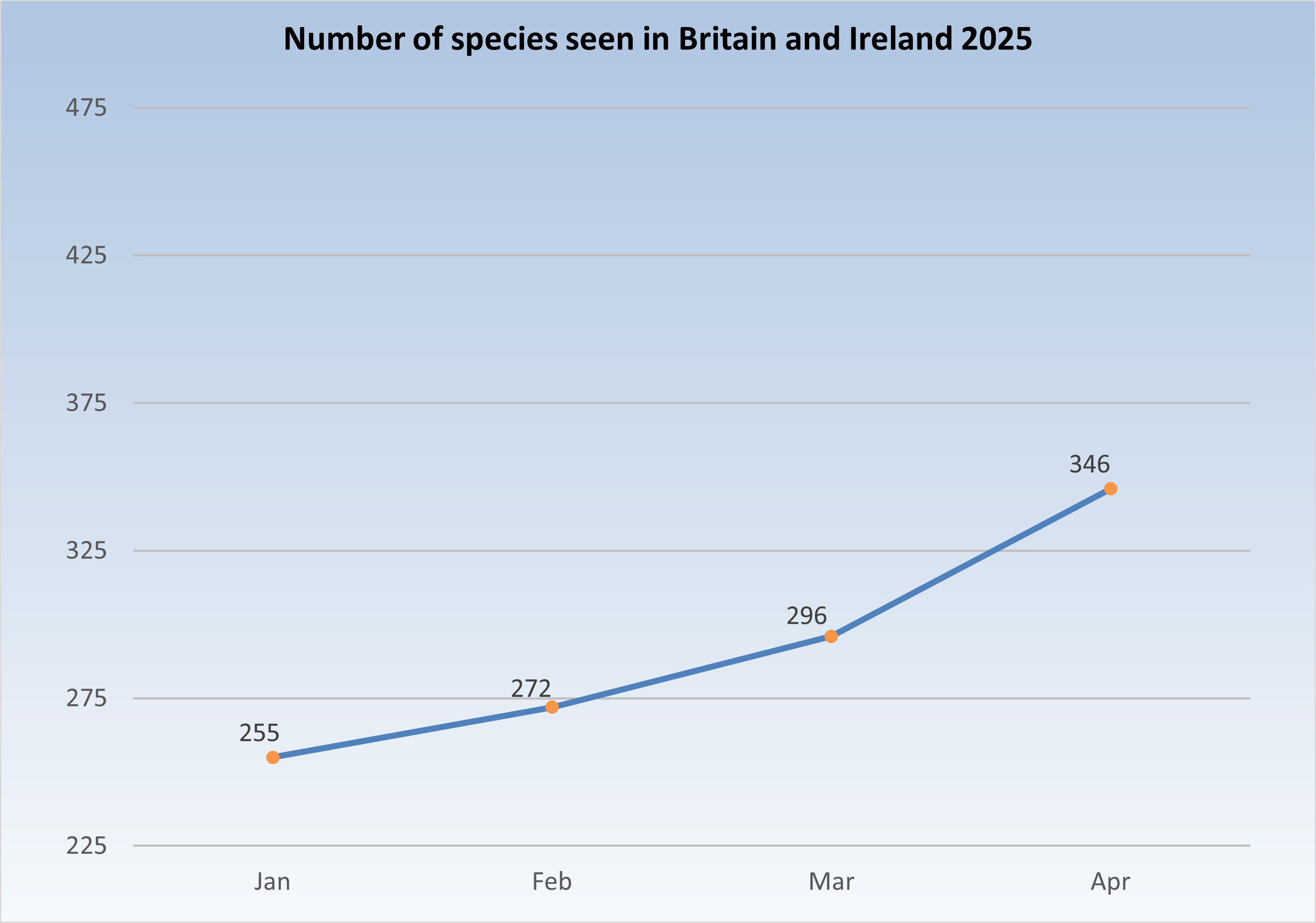
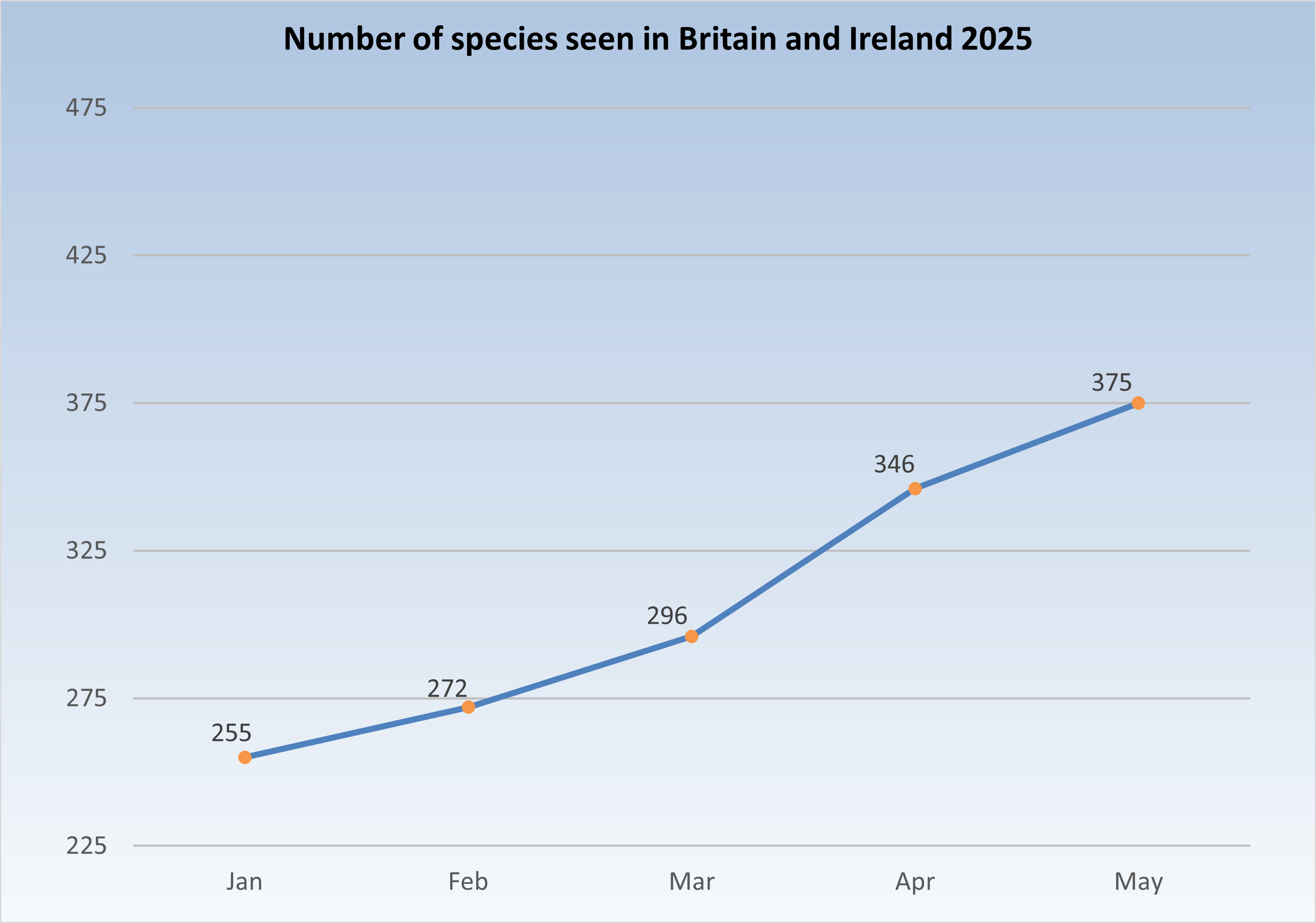
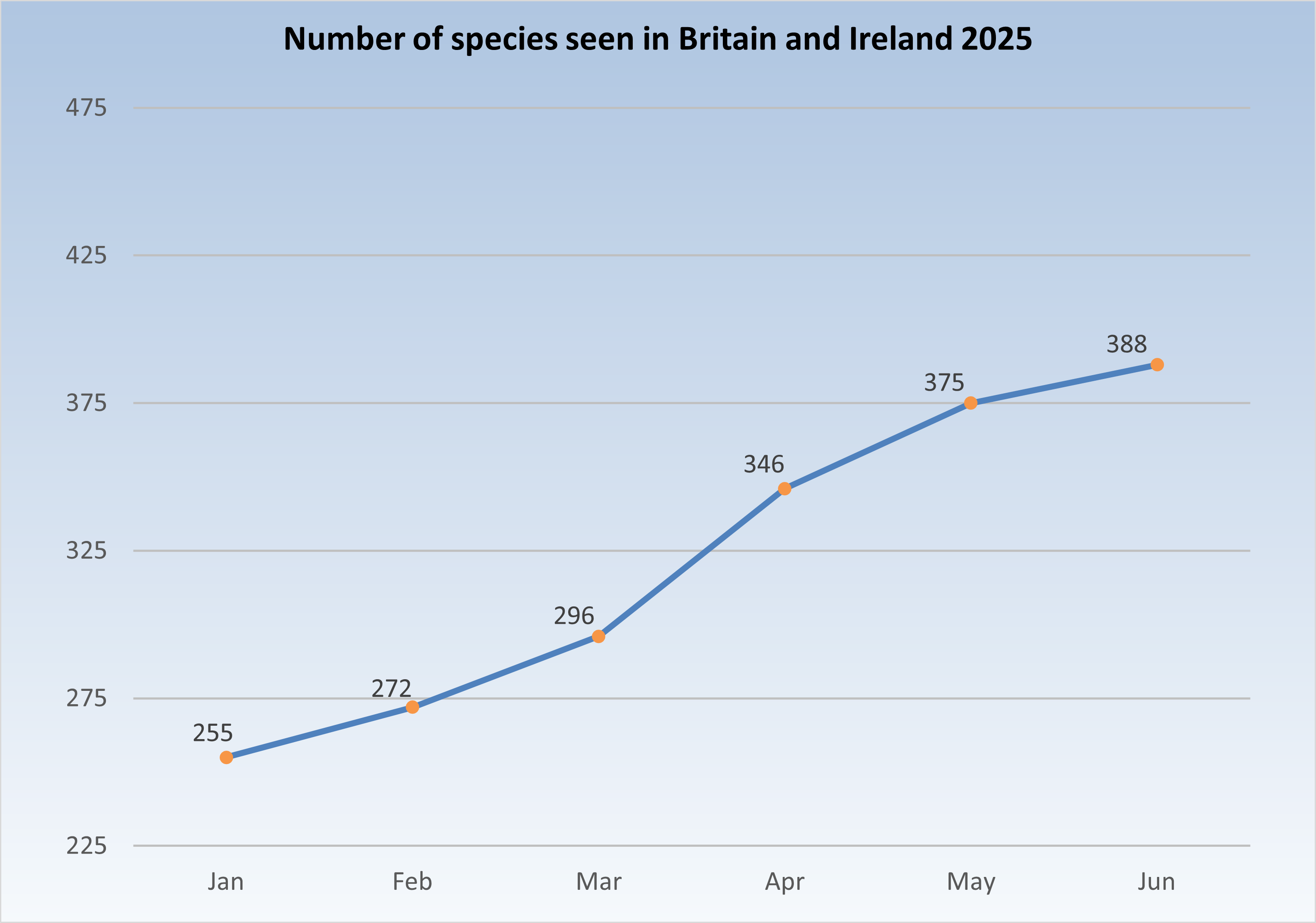
Away from the headline finds, January also produced a solid supporting cast. Two Black Scoters were recorded, in County Kerry and Northumberland, along with three each of Pacific Diver, Pallid Harrier and Long-billed Dowitcher. Four White-winged Scoters and four Richardson’s Cackling Geese were logged, alongside five Bonaparte’s Gulls, 11 Ferruginous Ducks and a total of 22 Lesser Scaups. Altogether, these records helped bring the number of species recorded across Britain and Ireland during January to 255.
February
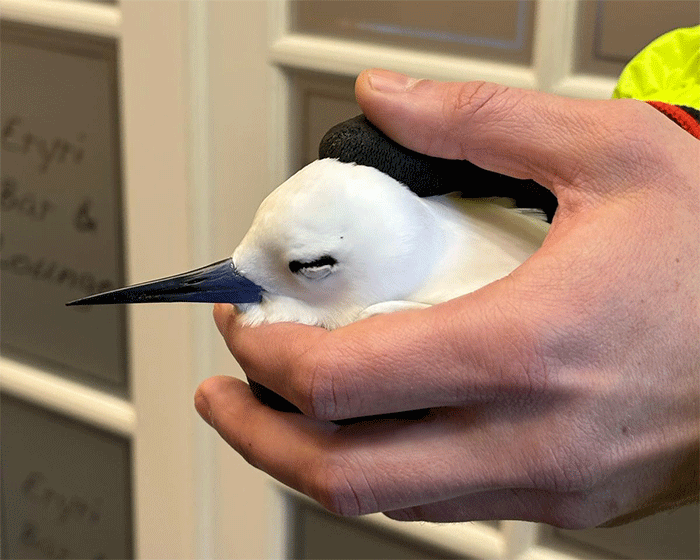
February was defined by an extraordinary and ultimately tragic record. On the 27th, a Blue-billed White Tern was picked up in Gwynedd at Llanberis and taken into care. This represented the first Western Palearctic record of this tropical noddy, but sadly the bird later died.
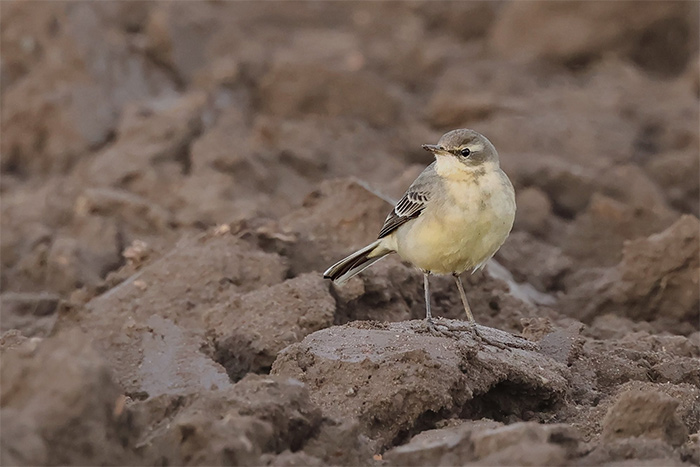
Elsewhere, the month produced a steady stream of notable discoveries. A second-winter Ross’s Gull appeared in the Western Isles at Ardivachar, South Uist on the 5th, followed by a Hornemann’s Redpoll in Shetland at North Gluss, Mainland on the 9th. An Eastern Yellow Wagtail was found in Lincolnshire at Winteringham from the 19th, with a Black-throated Thrush turning up in Hampshire at Bordon on the 23rd. Ireland added a King Eider in County Mayo on The Mullet on the 25th, and the month closed with a Lesser Yellowlegs discovered at Buckroney Marsh, County Wicklow on the 27th.

A number of January’s lingering rarities were confirmed as still present. The Baikal Teal remained in Somerset on the 1st, while the American Pipit continued in Northumberland until the 10th. Pacific Diver stayed on in Cornwall until the 22nd, the Canvasback in Essex until the 23rd, and the Kentish Plover in Somerset until the 24th. In Ireland, the Azorean Yellow-legged Gull was still in County Mayo on the 25th, and the Double-crested Cormorant lingered in County Leitrim until the 27th.
Several long-stayers remained throughout the month, including the Booted Eagle in Cornwall, Least Sandpiper in Somerset, Black Duck in County Mayo, Pacific Diver in County Cork, and Penduline Tit in Cheshire. Shetland continued to hold American Coot, Bufflehead and Ross’s Goose for the duration.
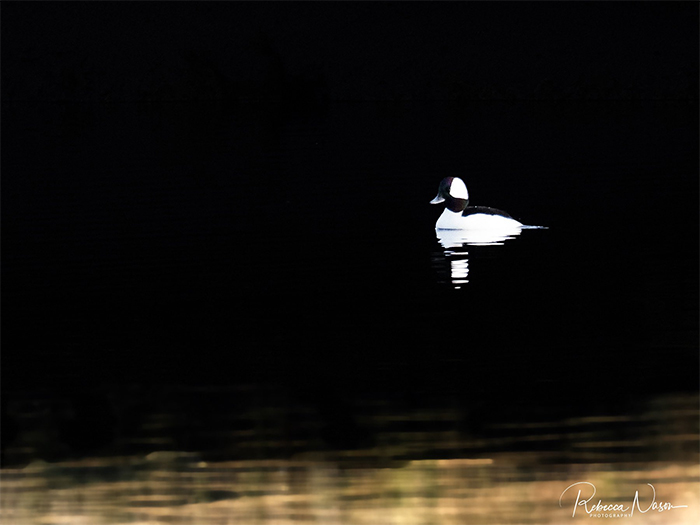
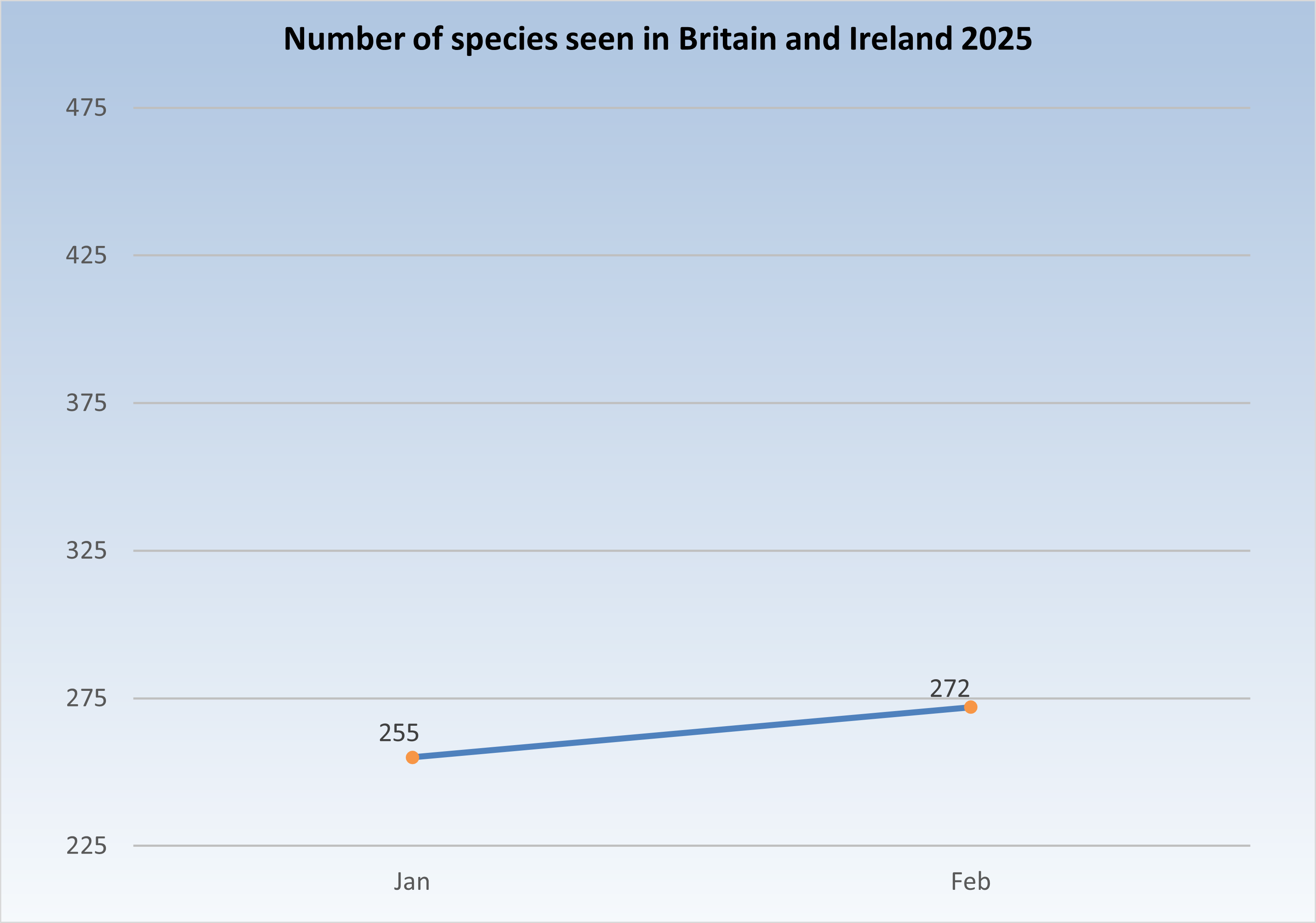
Beyond the headline records, February’s supporting cast included two each of Black Scoter, Red-breasted Goose and Long-billed Dowitcher, along with three White-winged Scoters, three Pallid Harriers and three Bonaparte’s Gulls. Five Ferruginous Ducks were recorded, alongside seven Richardson’s Cackling Geese and a total of 15 Lesser Scaups. Together, these records helped bring the number of species recorded across Britain and Ireland so far during 2025 to 272.
March
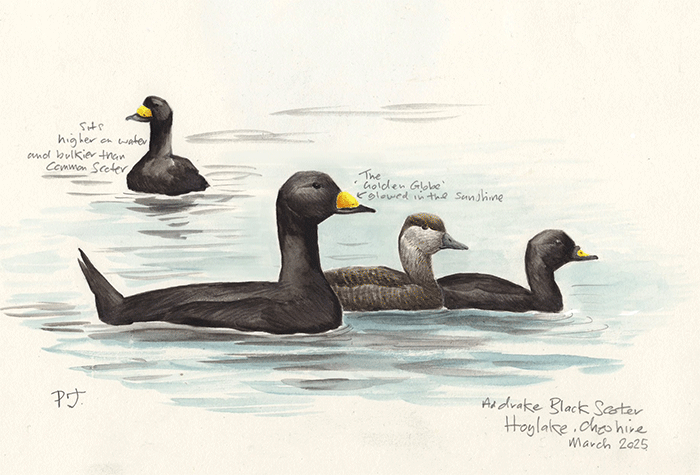
March delivered a steady flow of discoveries alongside the first clear signs of spring movement. Early in the month, an Olive-backed Pipit was found in North Merseyside at Southport on the 4th, followed by a Black Scoter in Wirral at Hoylake from the 5th to the 20th. A King Eider appeared briefly in Lothian at Portobello on the 6th, while Lincolnshire hosted a Dark-breasted Barn Owl at Bourne from the 12th to the 30th. Mid-month brought a Blue-winged Teal to County Wexford at Tacumshin on the 17th, followed by two together in East Yorkshire at Brough from the 20th to the 23rd, and the month closed with a Least Sandpiper discovered in Hampshire at Needs Ore Point on the 23rd.
The first spring arrivals from Africa began to feature from the 16th, when both an Alpine Swift and a Black Kite were in Cornwall at Cot Valley and St Erth respectively. These were followed by a male Ashy-headed Wagtail at Pendeen from the 21st to the 24th, with another Ashy-headed Wagtail on Tresco, Isles of Scilly on the 24th. Kent contributed an Iberian Chiffchaff at Dungeness on the 22nd, while Black Kites were recorded at Kingston and Worth Marsh on the 31st. Between the 22nd and the 28th, six White-spotted Bluethroats were located, comprising three in County Waterford and single birds in County Wexford, Sussex and East Yorkshire.

A number of notable rarities continued from earlier months. The Eastern Yellow Wagtail in Lincolnshire lingered until the 1st, followed by the Penduline Tit in Cheshire until the 2nd and the Black-throated Thrush in Hampshire until the 3rd. The Least Sandpiper remained in Somerset until the 6th, with the Kentish Plover there until the 11th. The Double-crested Cormorant reappeared in County Sligo from the 10th to the 19th, while both the Black Duck and Azorean Yellow-legged Gull were still present in County Mayo on the 19th. A Pacific Diver was recorded in County Cork on the 23rd, and the returning Forster’s Tern was back in Dorset from the same date, also visiting Lancashire from the 28th to the 30th. A Black Scoter was again noted in County Kerry on the 28th, and American Coot, Bufflehead and Ross’s Goose were all still present in Shetland on the 30th.
The pale morph Booted Eagle remained a feature of the month, present in west Cornwall throughout, with it or another bird visiting Pilning, Gloucestershire on the 22nd and Ringmore, Devon on the 30th.
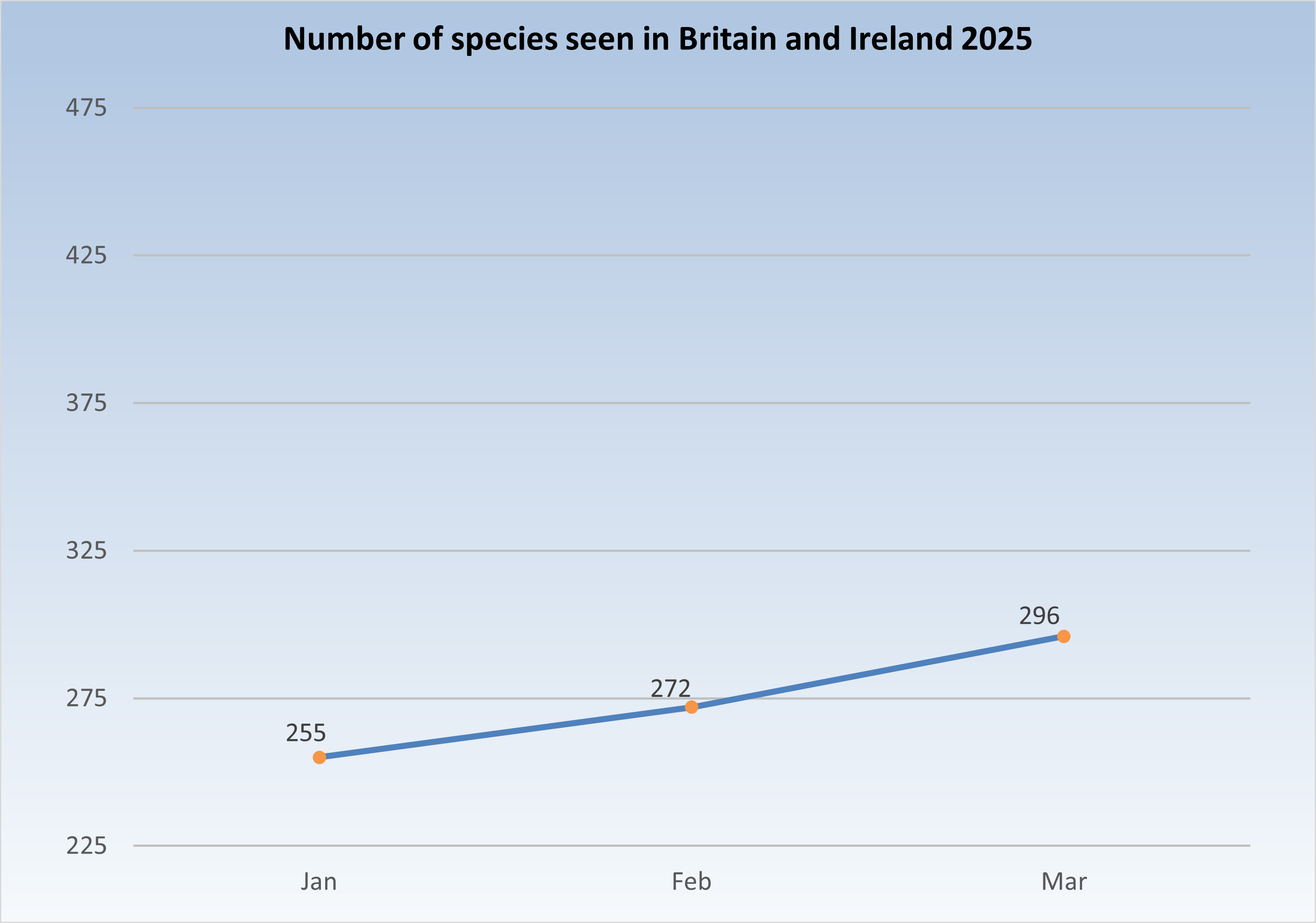
March’s supporting cast included two Red-breasted Geese in Argyll and Cumbria, three each of Pallid Harrier and Long-billed Dowitcher, and four White-winged Scoters, all in the Firth of Forth. Six Bonaparte’s Gulls and six Richardson’s Cackling Geese were logged, alongside eight Ferruginous Ducks, including two pairs, and a total of 21 Lesser Scaups. Together, these records helped bring the number of species recorded in Britain and Ireland so far this year to 296.
April
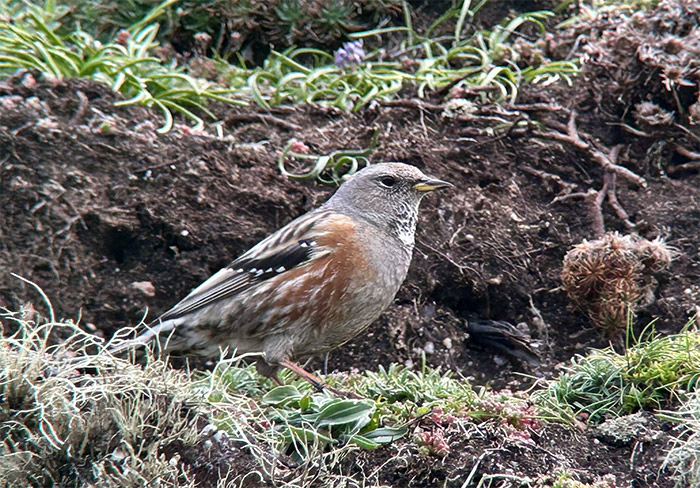
April opened with a notable accentor theme. An Alpine Accentor was found in Cornwall at Nanjulian from the 2nd to the 6th, followed by another on the Isle of Wight at Blackgang on the 5th, and a third at Flamborough Head, East Yorkshire on the 29th, the first in that county since the winter of 1862/1863.
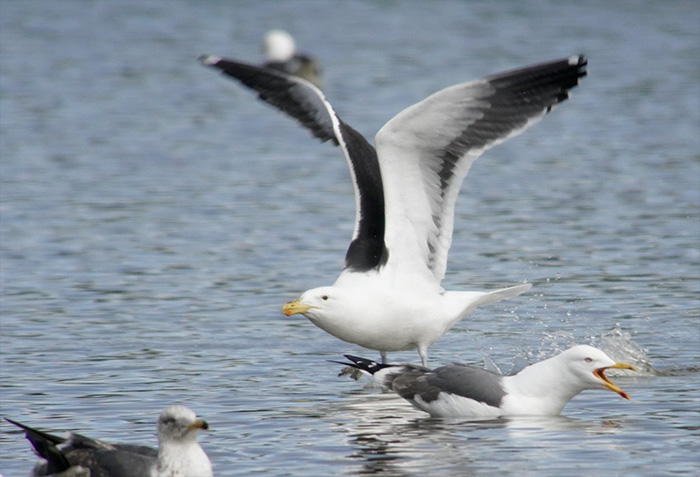
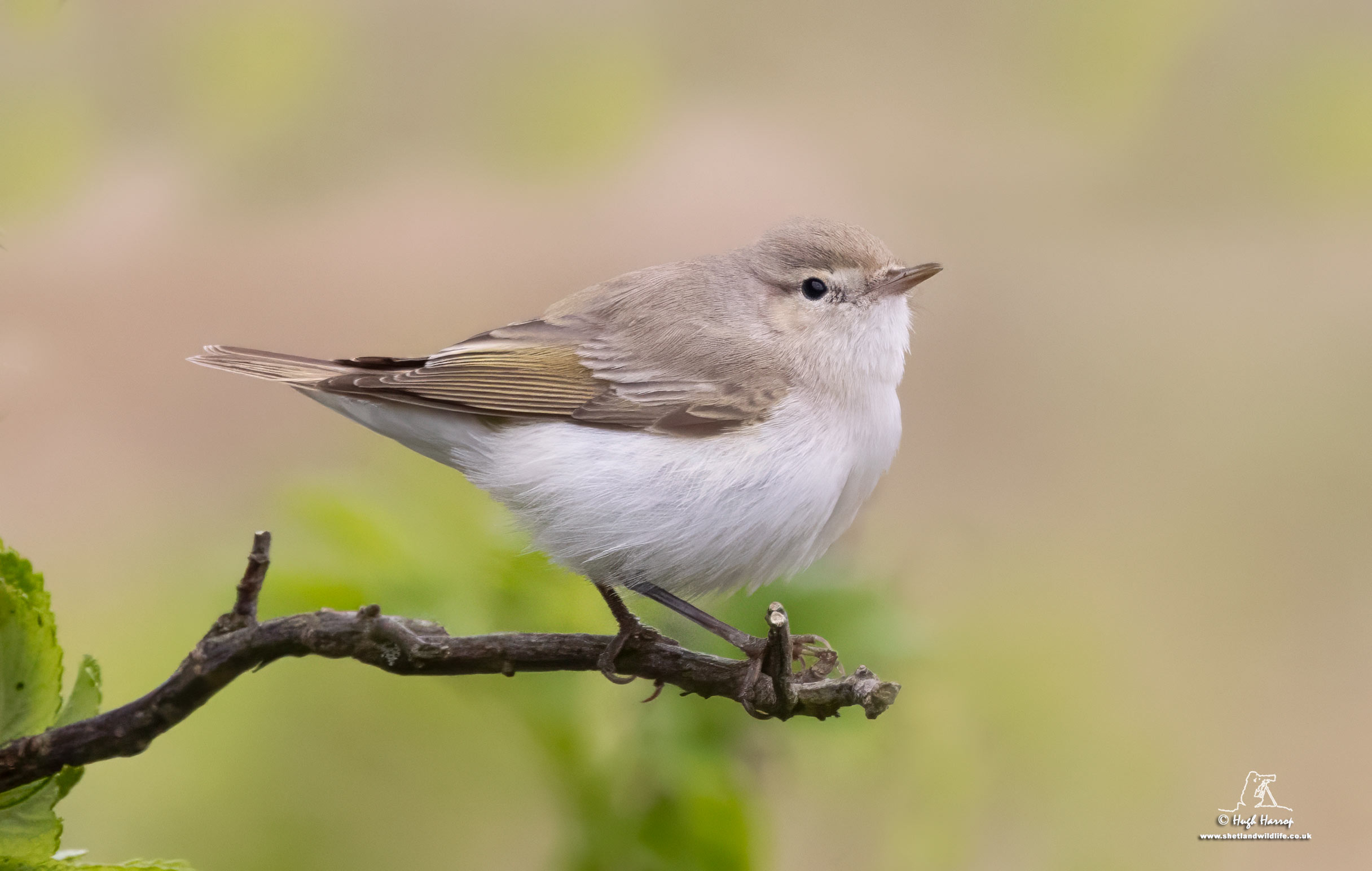
Seawatching and passerine highlights followed. A Barolo Shearwater was reported passing Prawle Point, Devon on the 19th, with a first-winter Franklin’s Gull reported there on the 29th. In Shetland, a vocal Eastern Bonelli’s Warbler held territory at Skaw, Whalsay from the 19th to the 23rd, while Norfolk recorded its first Crag Martin at Winterton Dunes on the 23rd. Rarest of all was an adult Cape Gull found inland at Redcar Tarn, West Yorkshire from the 26th to the 27th, either the second British record or the same individual first seen in Cambridgeshire in 2022 returning for a fourth summer.
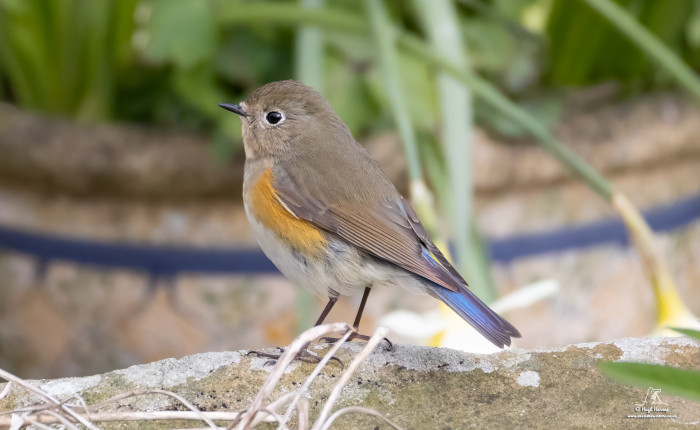
Elsewhere, a male Black Scoter was present in Fife at Ruddons Point from the 6th to the 19th, with perhaps the same bird in Lothian at Musselburgh Lagoons on the 22nd. A Snowy Owl was reported in Highland at Strathy on the 7th, while the Isles of Scilly produced a Pallid Swift on St Mary’s on the 9th, followed later in the month by a Tawny Pipit on Bryher on the 27th and a Red-footed Falcon on the 30th. Shetland added a Red-flanked Bluetail at Grutness on the 10th and a Siberian Stonechat on Noss on the 25th. In Somerset, a Whiskered Tern was present at Durleigh Reservoir from the 11th to the 19th, and Hampshire hosted a Black Stork at Beaulieu Road Station on the 19th.
Further discoveries included a female Baikal Teal in Hertfordshire at Wilstone Reservoir on the 20th and 21st, a Hornemann’s Redpoll on Bardsey, Gwynedd over the same dates, and on the 21st both a White-throated Sparrow in Hampshire and a Caspian Tern in Kent at Swalecliffe. Dorset produced a Little Bittern at Bournemouth on the 22nd, while a Broad-billed Sandpiper appeared in Gwent at Goldcliff from the 26th to the 30th. The month ended with a Citrine Wagtail in Cornwall at Land’s End on the 28th and a Lesser Yellowlegs in County Cork at Harper’s Island on the 29th and 30th.
Two Booted Eagles were recorded during April. A pale morph was present in Cornwall until the 4th before relocating to Broadstairs, Kent on the 10th and 11th, then Beeston Bump and Glandford, Norfolk on the 14th and 20th respectively, before passing over Manby, Lincolnshire on the 30th. A dark morph was present on Lundy, Devon from the 29th to the 30th.
Several lingering rarities were confirmed as still present. A Red-breasted Goose remained in Argyll until the 1st, while the Least Sandpiper, now in West Sussex at Bracklesham Bay, was present from the 2nd to the 30th. An Elegant Tern returned to County Mayo on the 6th, the Ross’s Goose was still in Shetland on the 14th, with American Coot there until the 18th. The Forster’s Tern remained in Dorset until the 25th, the Double-crested Cormorant was still in County Sligo on the 26th, and the Dark-breasted Barn Owl lingered in Lincolnshire until the 29th.
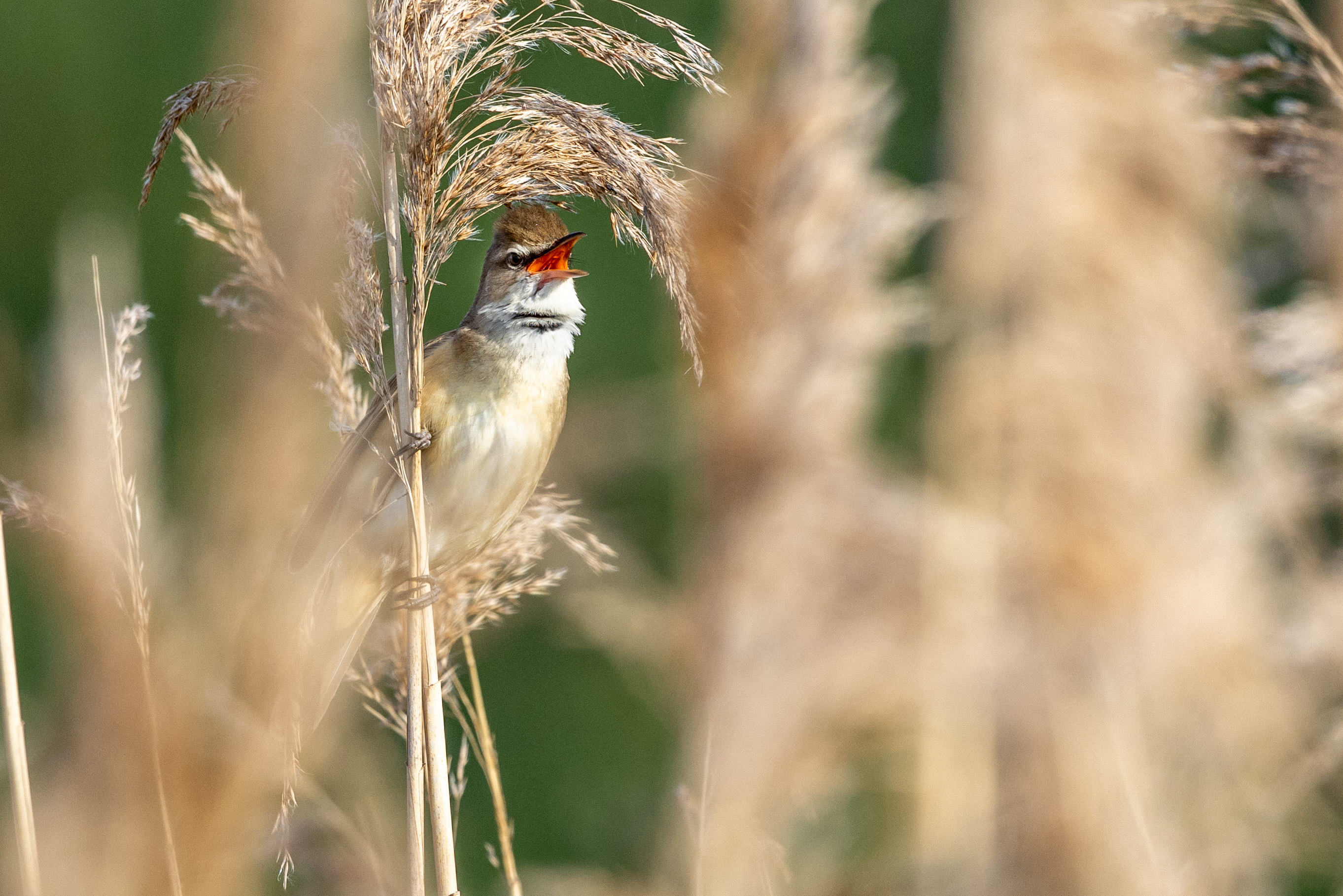
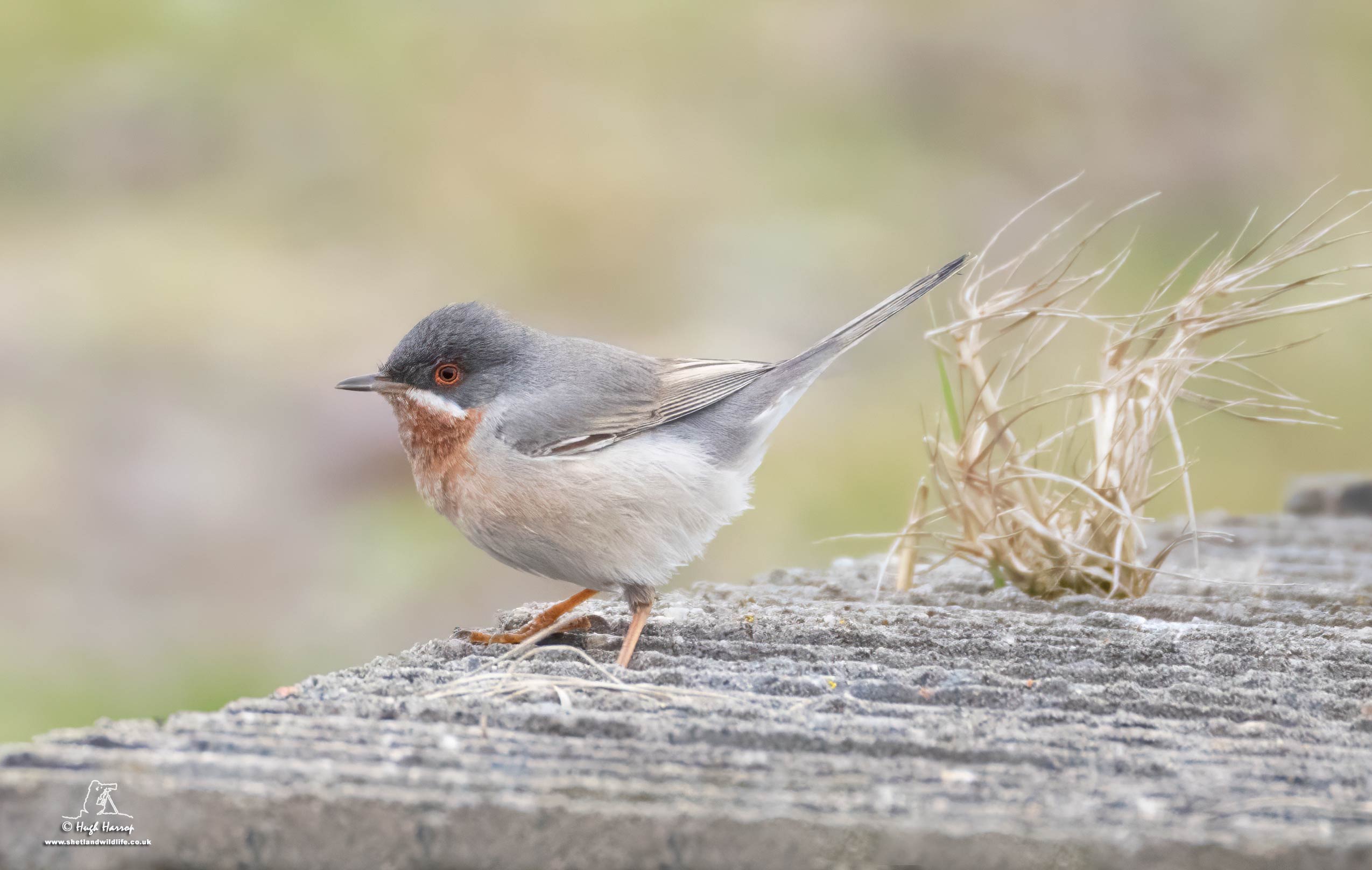
April’s supporting cast included two each of Red-throated Pipit, Long-billed Dowitcher, Kentish Plover and Ashy-headed Wagtail, three Blue-winged Teal, three Great Reed Warblers, three Savi’s Warblers and three Iberian Chiffchaffs. Four White-winged Scoters, four Pacific Divers and four Bonaparte’s Gulls were logged, alongside six Pallid Harriers and six Ferruginous Ducks. Thirteen Lesser Scaups were recorded, as well as a total of 13 Subalpine Warblers, including at least three Western Subalpine Warblers and five Eastern Subalpine Warblers. These records helped bring the total number of species recorded in Britain and Ireland so far this year to 346.
May
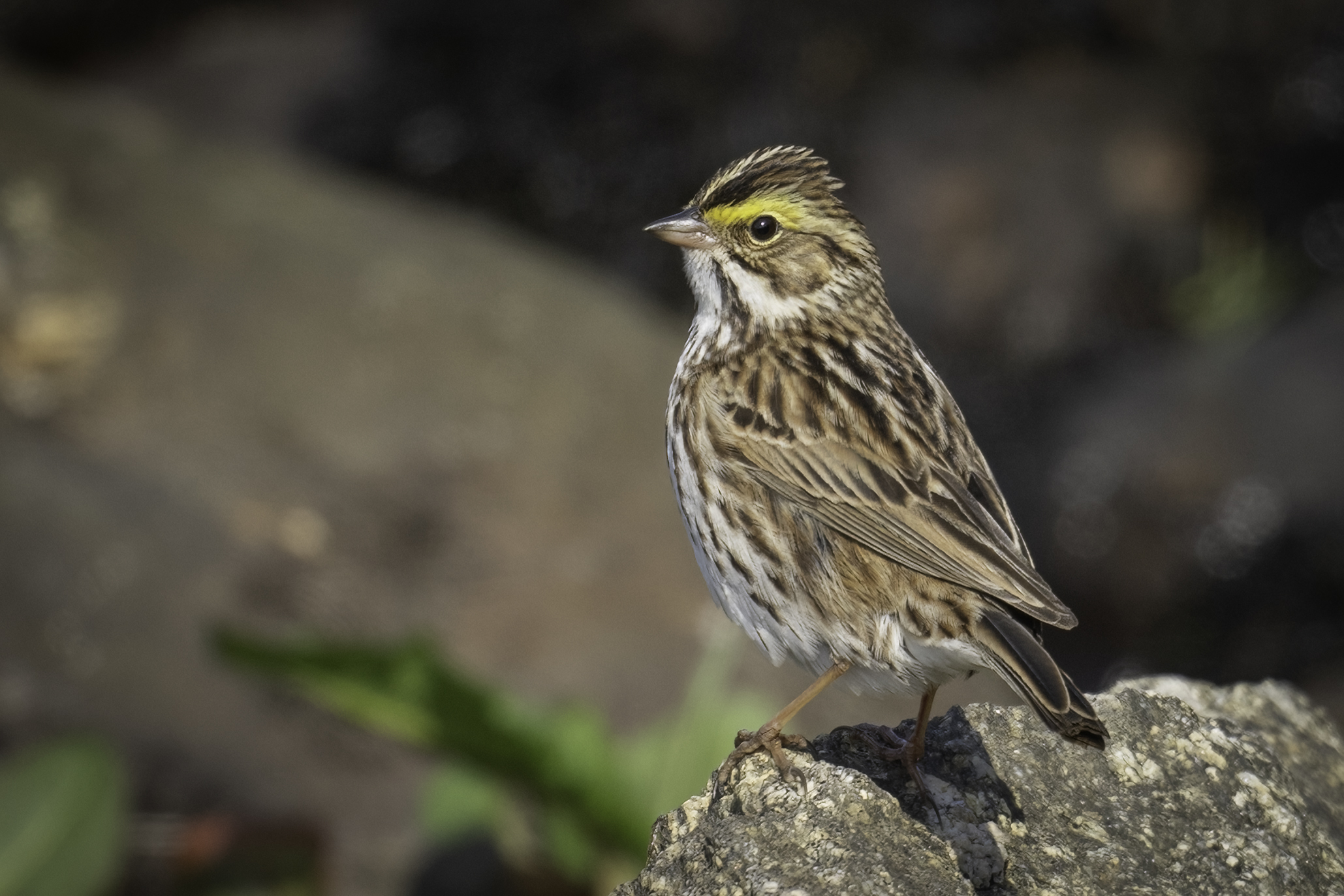
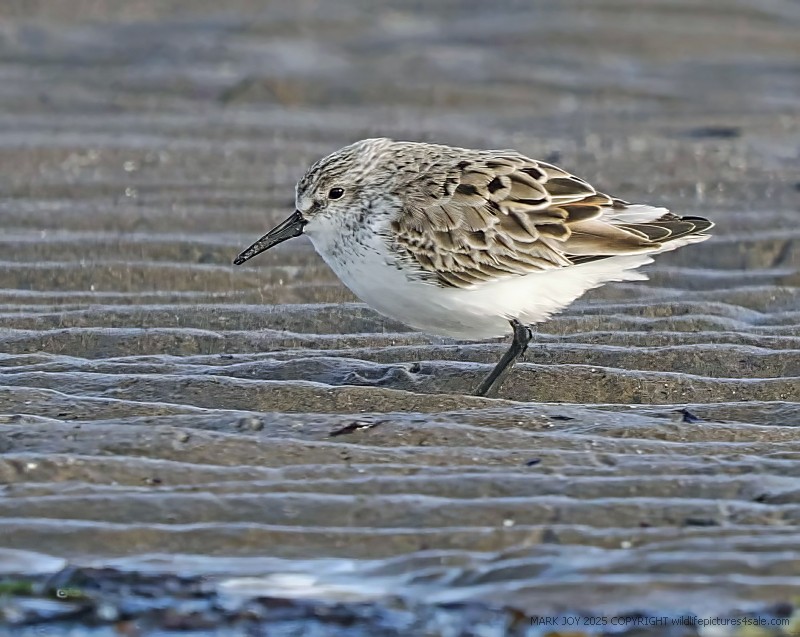
May was highlighted by the fourth Savannah Sparrow for Britain, present in Shetland at Skaw, Unst on the 12th. A strong Nearctic theme ran through the month, beginning with a Blue-winged Teal in London at Rainham Marshes from the 1st to the 3rd. Solitary Sandpipers followed, with one at the Butt of Lewis, Western Isles on the 5th and 6th and another on St Mary’s, Isles of Scilly on the 14th. A Long-billed Dowitcher appeared in Argyll on Islay on the 6th and 7th, followed by a White-rumped Sandpiper in County Londonderry at the Bann Estuary on the 11th. A male Northern Harrier was recorded in County Clare at Kilrush on the 16th, with a Hudsonian Godwit at Titchfield Haven, Hampshire from the 16th to the 22nd. Later in the month, an American Herring Gull was seen in Caithness between John o’ Groats and Duncansby Head on the 25th and 26th, while a Western Sandpiper remained in Ayrshire throughout, having been present since the 12th November 2024 but previously misidentified as a Little Stint.
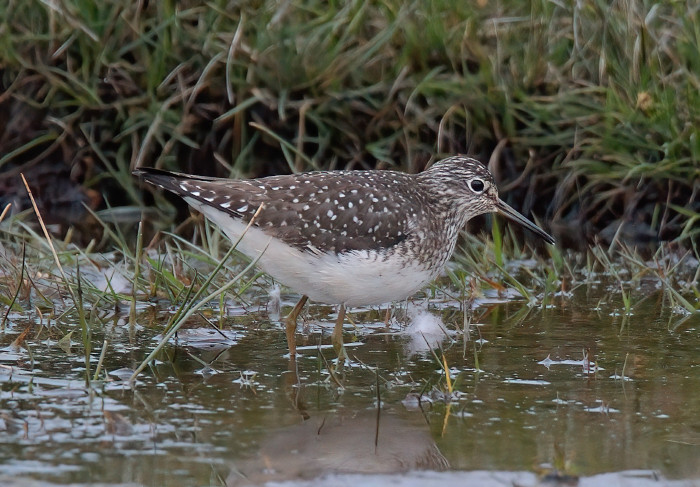
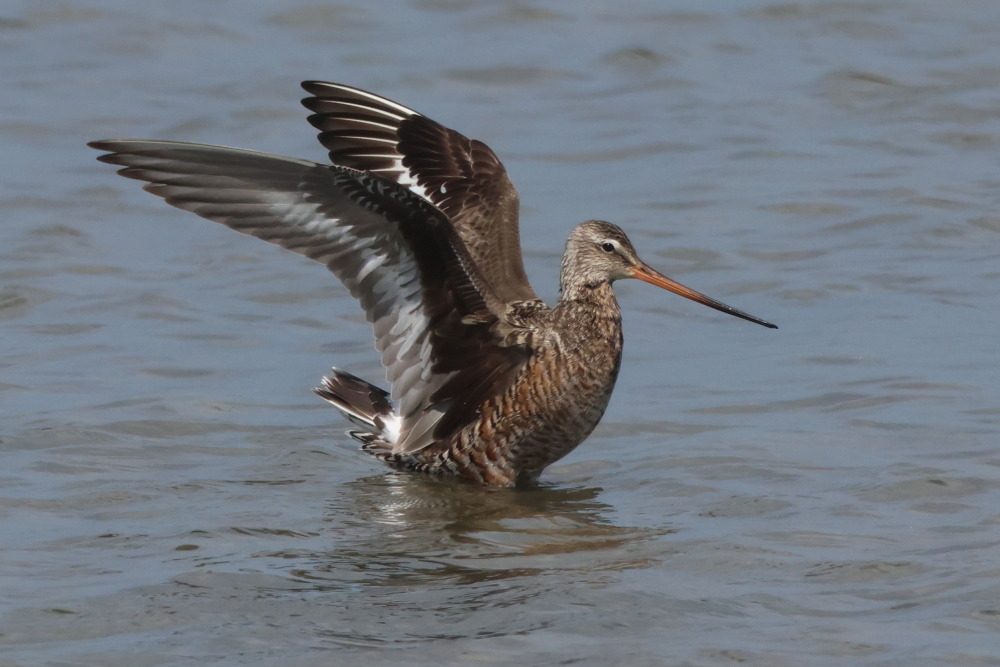
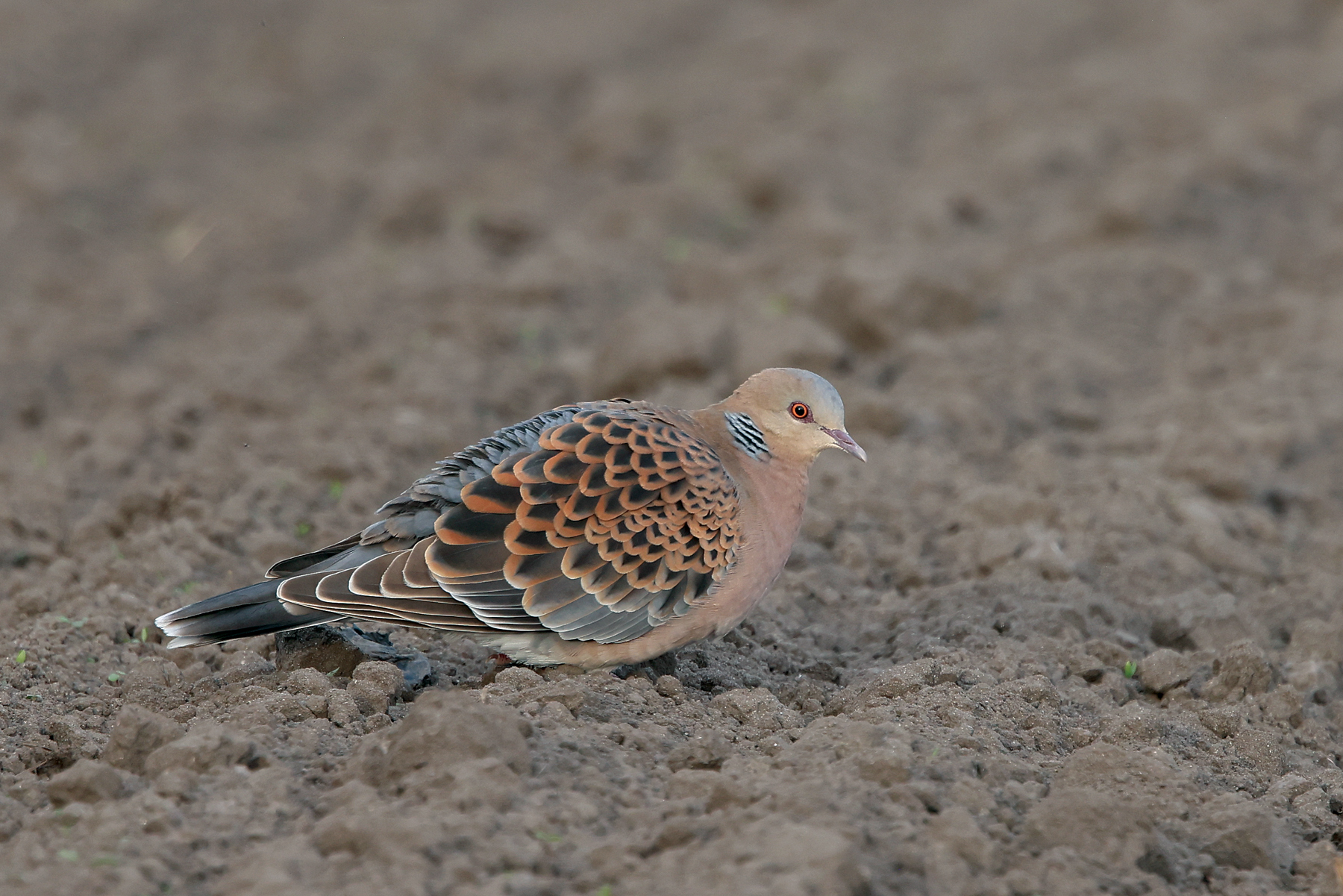
Discoveries from elsewhere included a Little Bittern on St Mary’s, Isles of Scilly from the 1st to the 2nd, followed by a Citrine Wagtail on nearby Bryher on the 7th. Ireland produced a Marsh Sandpiper in County Cork at Clogheen Marsh on the 3rd, while Cleveland recorded an adult Ross’s Gull briefly at Marske on the 4th. A Baltic Gull was found in Oxfordshire at Stanton St John on the 8th, and the same day saw a Western Bonelli’s Warbler singing in Kent at Sandwich Bay. A male King Eider appeared in Highland at Strathcarron on the 9th, while Shetland hosted a Western Oriental Turtle Dove on Unst on the same date, later relocating to Loch of Hillwell, Mainland from the 12th to the 19th. Hampshire produced a Collared Pratincole at Farlington Marshes on the 11th before it briefly relocated to Medmerry, West Sussex on the 13th. Kent added a Whiskered Tern at Dungeness and Worth Marsh on the 13th and 14th, while Shetland recorded a Red-throated Pipit on Fair Isle from the 14th to the 18th.
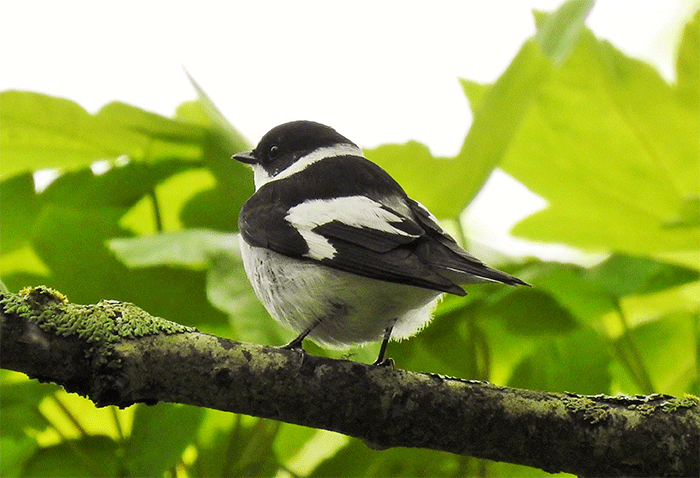
Mid- to late May brought further highlights, including Eastern Bonelli’s Warblers singing on Barra, Western Isles on the 15th and at Dungeness on the 25th. A male Black-headed Bunting was present in Kent at Foreness Point on the 19th, followed by a juvenile Pallid Harrier in Norfolk at Strumpshaw Fen on the 20th. The Isle of Wight hosted a Thrush Nightingale at Luccombe Down on the 22nd, while Barra added a Collared Flycatcher in song from the 23rd to the 25th. On the 23rd, a Black-headed Wagtail was also recorded at Achiltibuie, Highland.
Several rarities continued from earlier months. The Broad-billed Sandpiper in Gwent lingered until the 1st, while the pale morph Booted Eagle roamed Norfolk and Suffolk until the 26th. The Dark-breasted Barn Owl was still present in Lincolnshire on the 9th, the Blue-winged Teal remained in East Yorkshire until the 10th, and the Double-crested Cormorant was still in County Sligo on the 15th. A Least Tern returned between County Louth and County Dublin from the 17th, the American Black Tern was back in Northumberland from the 18th, and the White-spotted Bluethroat remained on territory in Gloucestershire throughout.
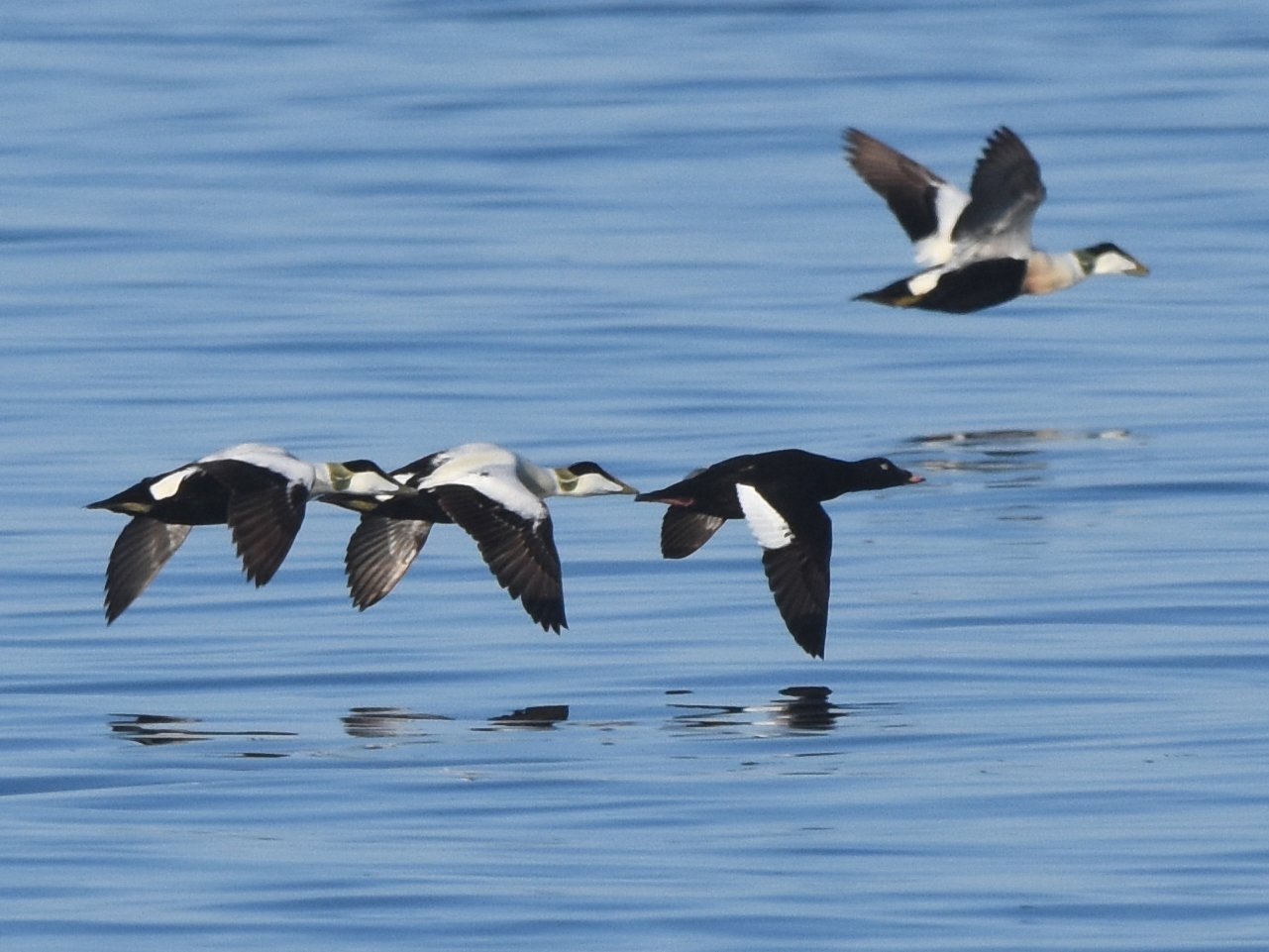
May’s supporting cast included two each of Pacific Diver, Tawny Pipit, Squacco Heron, Spotted Sandpiper, Rustic Bunting, Lesser Scaup and Iberian Wagtail. Three White-winged Scoters, three Black Storks, three Savi’s Warblers, three Great Reed Warblers, three Iberian Chiffchaffs, three Kentish Plovers, three Bonaparte’s Gulls and three Ferruginous Ducks were recorded, alongside seven Lesser Yellowlegs and a total of 14 Subalpine Warblers, including at least five Western Subalpine Warblers and six Eastern Subalpine Warblers.
By the end of May, the total number of species recorded in Britain and Ireland during 2025 had reached 375.
June
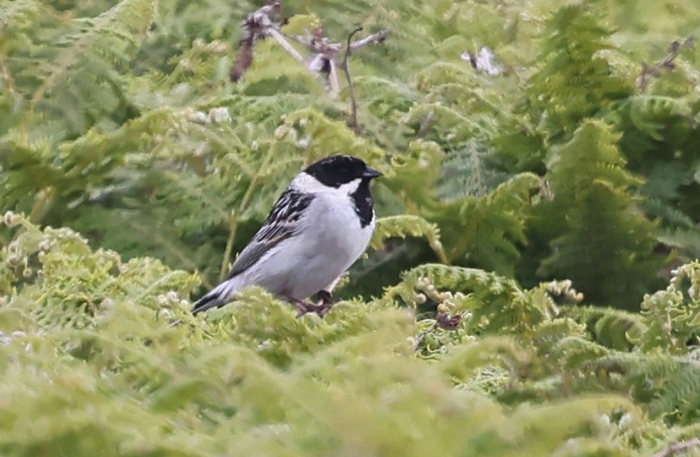
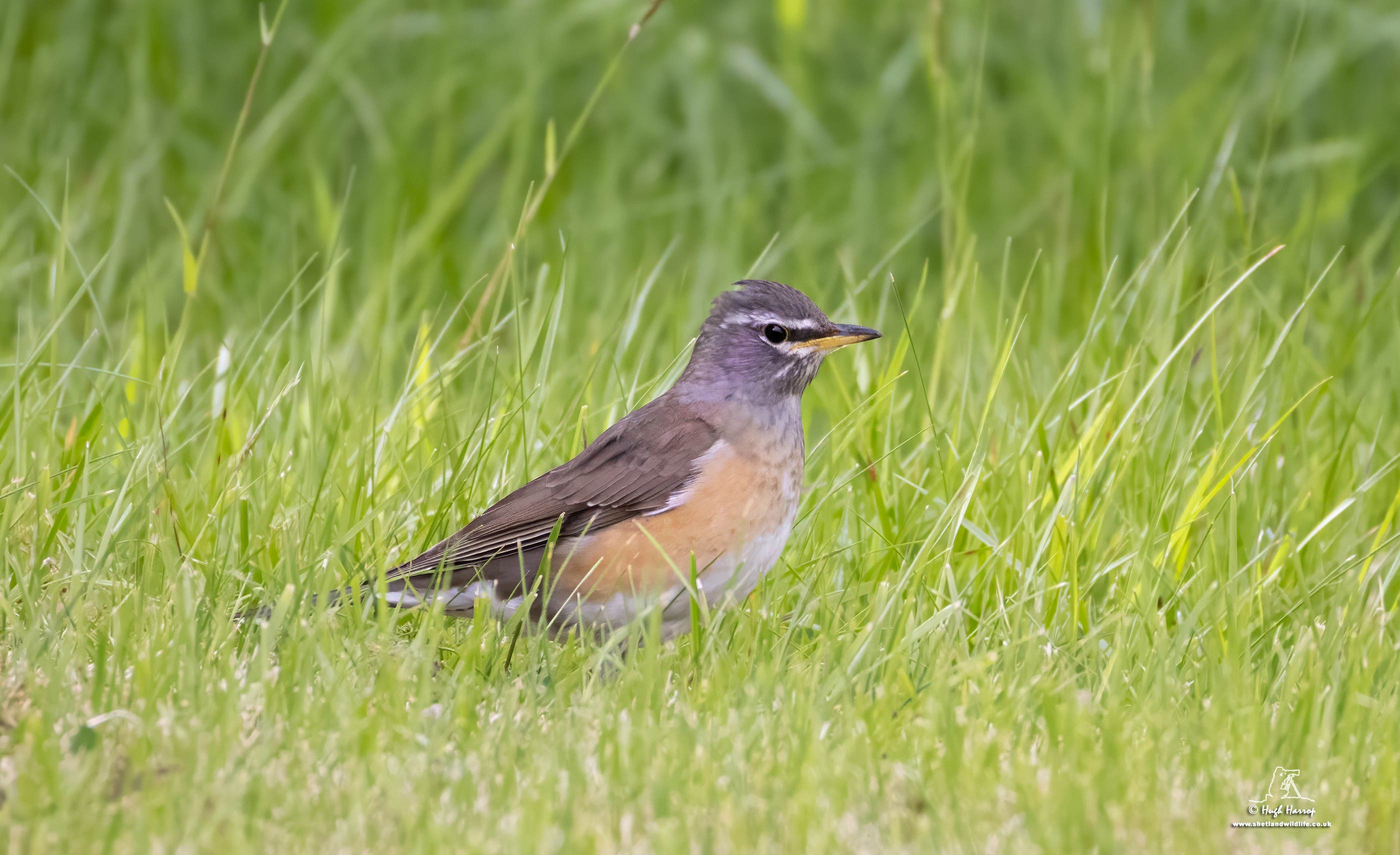
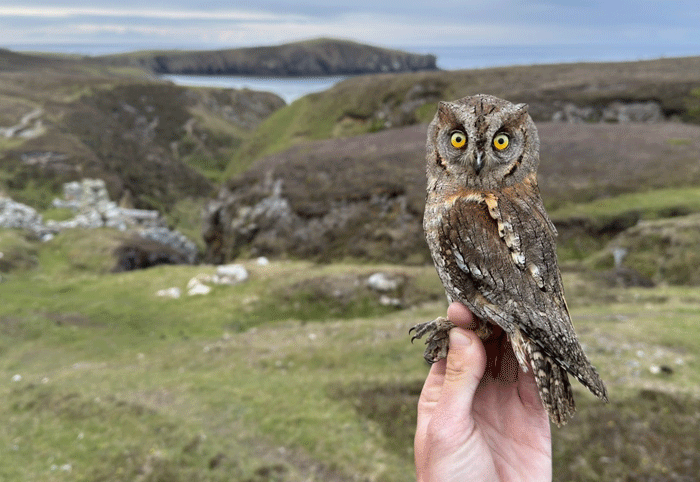
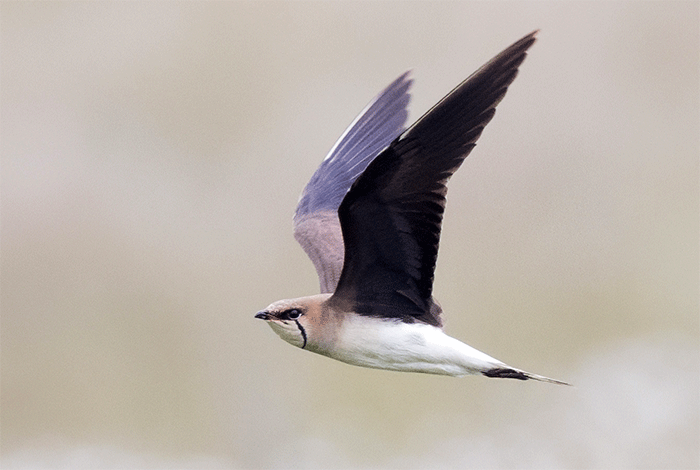
June was busy from the outset, with Shetland dominating proceedings in the opening days. An Eyebrowed Thrush was present on Yell at Gutcher from the 1st to the 7th, followed by Britain’s fifth Pallas’s Reed Bunting, a male, on Fair Isle on the 2nd. The same day also produced a Scops Owl on Fair Isle and a Great Snipe on Papa Stour. Later in the month, a Pallid Harrier was recorded on Unst from the 11th to the 13th, while Mainland Shetland hosted a Black-winged Pratincole at the Loch of Spiggie from the 13th. A White-throated Sparrow rounded off the month in Shetland at Sumburgh Head on the 25th.
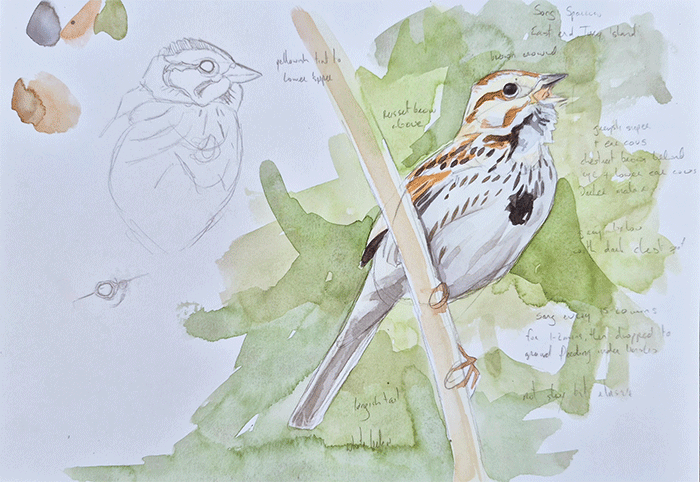
Elsewhere, a series of major discoveries unfolded. Another White-throated Sparrow was found near Strathy, Highland from the 5th to the 20th, followed by Song Sparrows in East Yorkshire at Thornwick Bay from the 8th to the 10th and, later in the month, the first Irish Song Sparrow in County Donegal on Tory Island from the 23rd to the 28th. Argyll added a Blue-cheeked Bee-eater on Iona from the 9th to the 10th, Norfolk produced a brief Eleonora’s Falcon at Walcott on the 10th, and Kent hosted a Western Orphean Warbler singing at Cliffe on the 11th. Cornwall contributed another Barolo Shearwater, passing Pendeen Watch on the 26th.
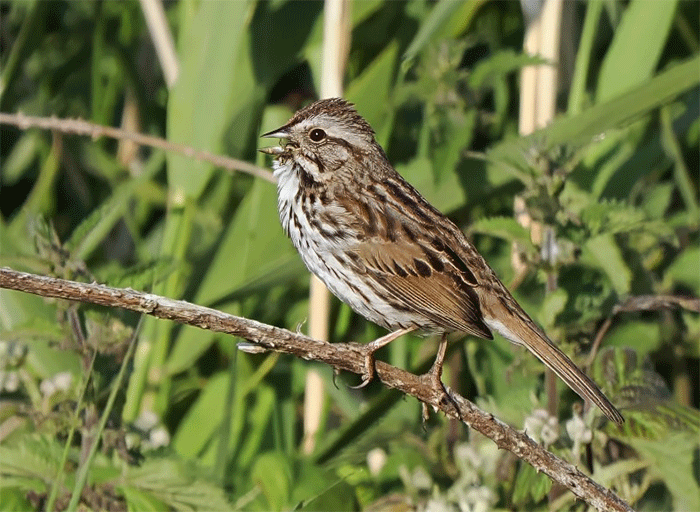
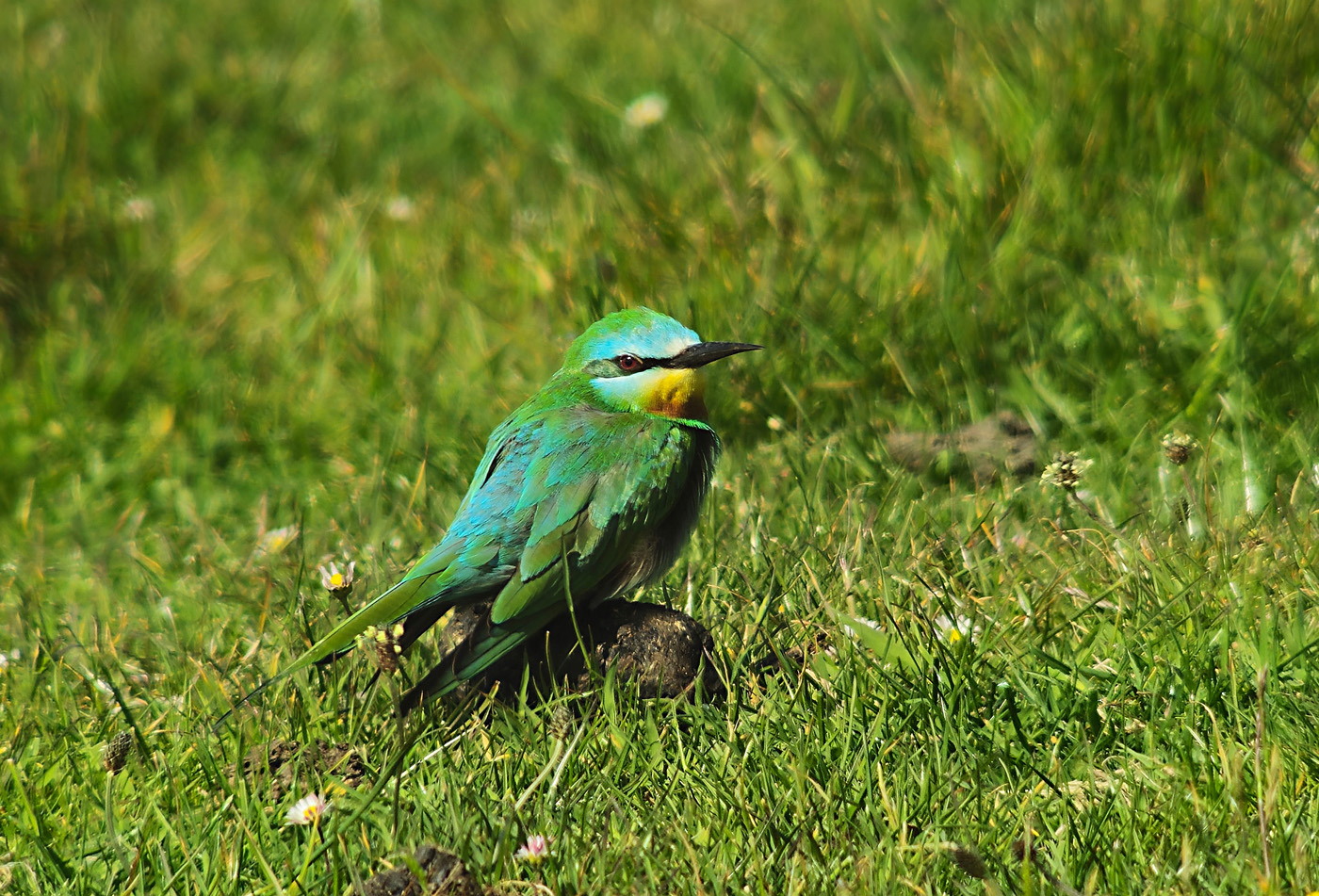
A wide spread of additional discoveries characterised the month. A Whiskered Tern was present in Cornwall at Helston from the 1st to the 4th, while a territorial Iberian Chiffchaff held territory in Fife at Kinshaldy from the 8th to the 22nd. Orkney recorded a Snowy Owl on Eday on the 10th, and Ireland produced Stilt Sandpipers in County Antrim at Portmore Lough on the 11th and in County Londonderry at Lough Beg the following day. Aberdeenshire added a Broad-billed Sandpiper at the Ythan Estuary from the 11th to the 14th, Cambridgeshire hosted a Squacco Heron at Reach on the 11th, and East Yorkshire recorded a Pallid Swift at Spurn on the 13th. A male Desert Wheatear appeared in Avon at Keynsham from the 14th to the 15th.
Mid-month produced Pacific Golden Plovers, with one in Cleveland at Greatham Creek from the 15th to the 25th and another in Carmarthenshire at Llanelli on the 30th. A Little Bittern was present on St Mary’s, Isles of Scilly from the 15th to the 24th, while Lesser Yellowlegs were recorded in West Sussex at Medmerry on the 18th and later in Hampshire at Pennington Marshes from the 21st to the 24th. A Collared Pratincole moved through several counties, appearing in West Yorkshire at St Aidan’s on the 19th, then in Lincolnshire at Frampton Marsh from the 22nd to the 29th, before relocating again to Ouse Fen, Cambridgeshire on the 29th. London recorded an Alpine Swift at Orpington on the 20th, West Yorkshire hosted a Spotted Sandpiper at Mirfield on the 24th, and Greater Manchester added a Lesser Scaup at Pennington Flash on the 30th.
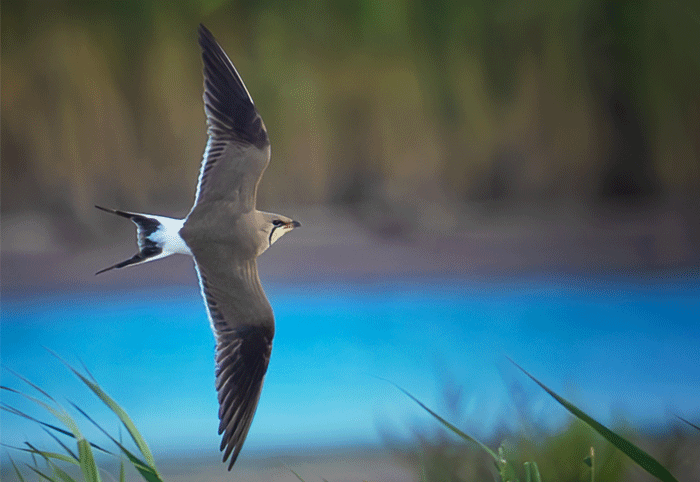
The Bridled Tern from the previous summer returned to the east coast, visiting Sands of Forvie, Aberdeenshire on the 12th, Coquet Island, Northumberland on the 13th, and Minsmere, Suffolk on the 14th. Lingering rarities included the Least Tern in County Dublin and the American Black Tern in Northumberland, both still present on the 29th, on which date a White-winged Scoter returned to Lothian. The long-staying Western Sandpiper in Ayrshire and the White-spotted Bluethroat in Gloucestershire were present throughout the month.
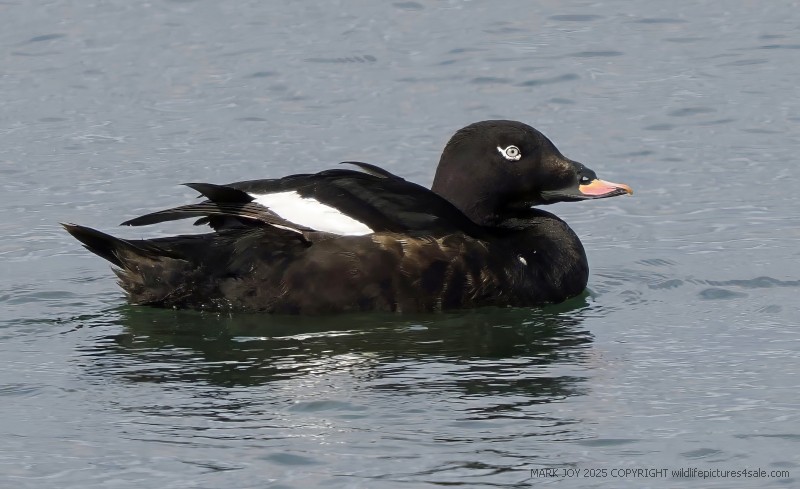
June’s supporting cast included two each of Gull-billed Tern, Caspian Tern, Bonaparte’s Gull, Savi’s Warbler, Greenish Warbler and Red-rumped Swallow. Three Eastern Subalpine Warblers and three White-rumped Sandpipers were logged, alongside four Great Reed Warblers and four Ferruginous Ducks, and a total of eight Blyth’s Reed Warblers.
By the end of June, the year list already stood at 388 species, built through a first half that combined long-staying winter rarities, a productive spring passage and a June that continued to deliver right through to the month’s end. From lingering Nearctic waterfowl and early African migrants to summer seabirds and scarce passerines, the opening six months produced both consistency and quality.
As the first half of 2025 has shown, Britain and Ireland delivered an extraordinary sequence of rare birds and unforgettable moments, from long-staying winter rarities to eye-watering Nearctic overshoots and remarkable seasonal discoveries. The sheer diversity and quality of sightings through January to June underlines just how dynamic this year has been, and how dedicated our birding community continues to be in recording every milestone. With so many stories already told, Part Two will take us through the rest of the year’s spectacle — from summer’s seabird spectacles and migrant surges to autumn’s show-stopping vagrants and late-season gems — rounding off what has truly been a year to remember.
Many thanks to all the photographers who contributed images throughout 2025 and of course to all the bird-finders for sharing news of their discoveries
Get Breaking Birdnews First in 2026
Get all the latest breaking bird news as it happens, download BirdAlertPRO for a 30-day free trial. No payment details required, and get exclusive first-time subscriber offers.
Share





