24 vultures poisoned and decapitated in Senegal
Deliberate removal of heads points to illegal wildlife trade as major threat alongside toxic carcasses
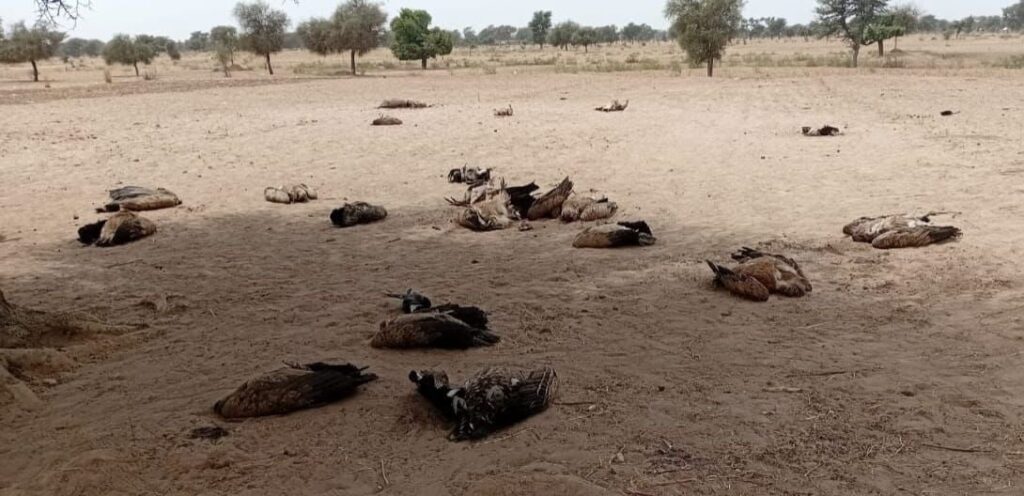
A grim discovery in Senegal
Twenty-four vultures have been found dead in Senegal in a suspected poisoning incident, with a disturbing detail - many of the birds had been deliberately decapitated. The case, reported by the Vulture Conservation Foundation, highlights not only the continued threat of poisoned carcasses but also the growing impact of the illegal wildlife trade.
The birds were discovered around a contaminated carcass, suggesting they had died after feeding. However, the subsequent removal of their heads indicates human intervention after death, pointing to a secondary motive beyond predator control.
Link to illegal wildlife trade
The decapitation of vultures is strongly associated with the belief-based use of vulture parts in traditional practices. Heads in particular are highly sought after in some regions, where they are used in rituals or sold in local markets.
This means poisoning incidents can serve a dual purpose - killing vultures quickly and efficiently, before body parts are harvested. Conservationists warn that this combination of threats is accelerating declines in already vulnerable populations.
Poisoning remains a major driver
Across Africa, poisoning continues to be one of the leading causes of vulture mortality. Carcasses are often laced with toxic substances intended to kill carnivores such as lions or hyenas, but vultures are disproportionately affected due to their scavenging behaviour.
Because vultures gather in large numbers to feed, a single poisoned animal can result in mass mortality events. Incidents involving dozens of birds, like this one in Senegal, are not uncommon and can have serious consequences for local populations.
Why vultures matter
Vultures play a vital role in ecosystems by rapidly disposing of carcasses, helping to limit the spread of disease and reduce the presence of other scavengers such as feral dogs.
Their decline has been linked to wider ecological and human health impacts, reinforcing the importance of protecting these species from both poisoning and exploitation.
Calls for urgent action
Conservation organisations are calling for stronger enforcement against wildlife poisoning and illegal trade in vulture parts. Tackling both issues together is seen as essential to prevent further losses.
Key priorities include:
- Cracking down on the illegal trade in vulture body parts
- Stronger regulation and enforcement of toxic substances
- Rapid response to poisoning incidents to limit further deaths
- Community engagement to reduce demand and raise awareness
This latest incident is a stark reminder that vultures face multiple, overlapping threats - and that without coordinated action, further losses are inevitable.
March 2026
Get Breaking Birdnews First
Get all the latest breaking bird news as it happens, download BirdAlertPRO for a 30-day free trial. No payment details required and get exclusive first-time subscriber offers.
Share this story