



Weekly birding round-up: 28 Aug - 3 Sept
In many senses a classic early autumn week, the week just gone. A decent smattering of Scandinavian drift, but nothing earth-shattering in its midst. Still some high quality seabirds to be had too. And the sense of imminence is just beginning to build now we’re into September. The first drop-everything bird of the autumn is yet to drop. But it’s surely coming.
They’re beginning to come along like buses these days, Eleonora’s Falcon. A couple of recent sightings in Kent in the past month or so barely raise an eyebrow beyond local birders – a stark contrast with the not-so-long-ago times when any report, particularly one in the silly season of August, was greeted with some knowing scepticism.
Yet how wrong we cynics may have been all along. Proven recent records show that, far from being the stuff of string or wishful thinking, Eleonora’s Falcon can and do make it here, perhaps more regularly than ever we gave them credit for. Ditto quite a few interesting raptors, come to think of it.
This week it was the turn of the Isle of Man where, on 31st, a pale morph was photographed at an undisclosed location. Time was also not so long ago when some would have tied themselves in knots at that secrecy. Amazing, isn’t it, what a couple of past recent twitchable birds do for the anxiety levels and stridency of some in our community.
Congrats to Brian Liggins who photographed this apparent 2nd cal year Eleonora’s Falcon over Glascoe Dub, Isle of Man yesterday ??????
— Neil G Morris (@Neil_G_Morris) September 1, 2026
A Manx first if accepted by MBRC. Just ten British records up to 2022. pic.twitter.com/Gt5SP375dU
Much less mired in controversy was the Elegant Tern found this week in Co.Kerry at Beale and Littor Strands on 27th-2nd. Present in the area pretty much daily throughout the week, this was fairly reliable for those so inclined to partake. Does this represent the same individual as that last seen in Co.Galway at Inishroo earlier this year on 8th May? It may well do, but with Elegant Tern at large elsewhere in Europe, it’s not a wholly forgone conclusion. Either way, idle speculation aside, a top drawer bird.
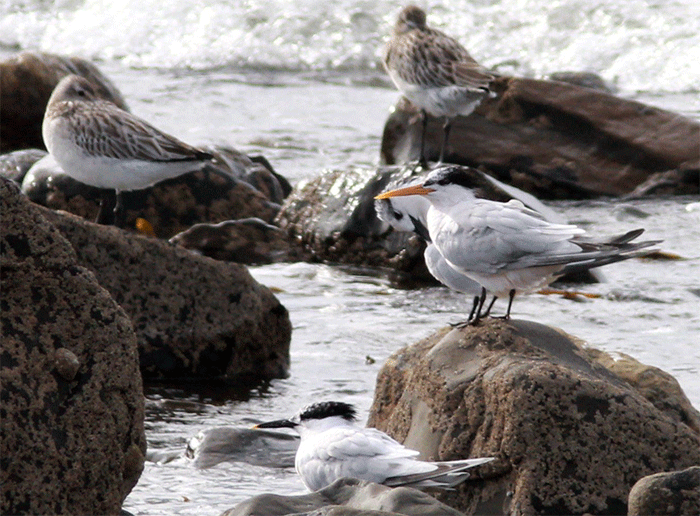
A classic autumn rarity, and one that’s always well-received, pitched down onto Scilly this week staking an early claim for the archipelago’s autumn chops – a fine Solitary Sandpiper on Tresco on 2nd-3rd.
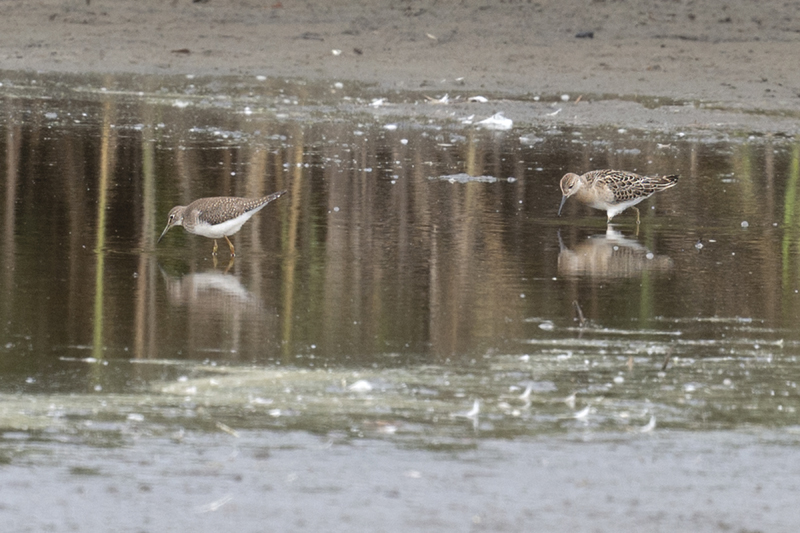
Scilly, of course, has quite some dominance where past British records of Solitary Sand are concerned – almost half of the 39 accepted British records to the end of 2024 owe themselves to the fortunate isles. To those 17 birds we can now add another of these elegant waders.
The seawatching tempo showed little sign of easing this past week, pleasingly for birders in Britain and Ireland alike. From an Irish perspective, what could be more pleasing than Barolo Shearwater turning up on three successive days at the same site? Step forward Bridges of Ross (Co.Clare) on 29th, 30th, and 31st. Different individuals, or the same bird circulating around the area? Who knows, but welcome nonetheless. Elsewhere, Barolo Shearwater sightings came from Cornwall’s Pendeen on 28th and 31st, with a possible from St Ives also on 31st. Finally, on 3rd back in Ireland, another was seen from Annagh Head (Co.Mayo).
Returning to Bridges of Ross, a probable Scopoli’s Shearwater was reported on the morning of 31st.
Numbers of large shearwaters rose once more, with around 5,400 Cory’s Shearwater noted, and some 1,300 Great Shearwater. Balearic Shearwater meanwhile picked up a little, with around 530 birds logged during the course of the week, the English southwest accounting for the lion’s share of them as usual.
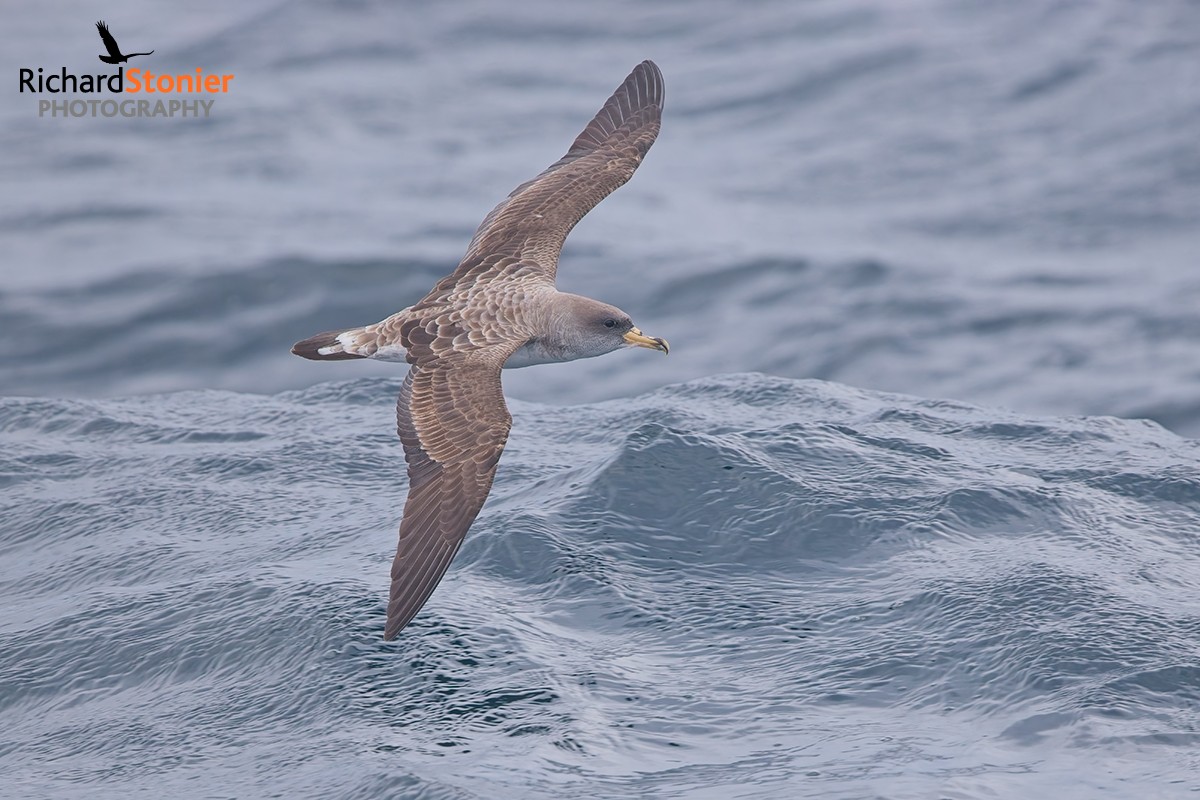
Ireland was mainly where it was at for Fea’s Petrel sp, with the mighty Bridges of Ross (Co.Clare) scoring two birds on 28th; and one seen from Galley Head (Co.Cork) on 30th. Cornwall got in on the act on 2nd with a bird seen passing Porthgwarra in the mid-morning, and another seen at sea on 2nd off Plymouth (Devon).
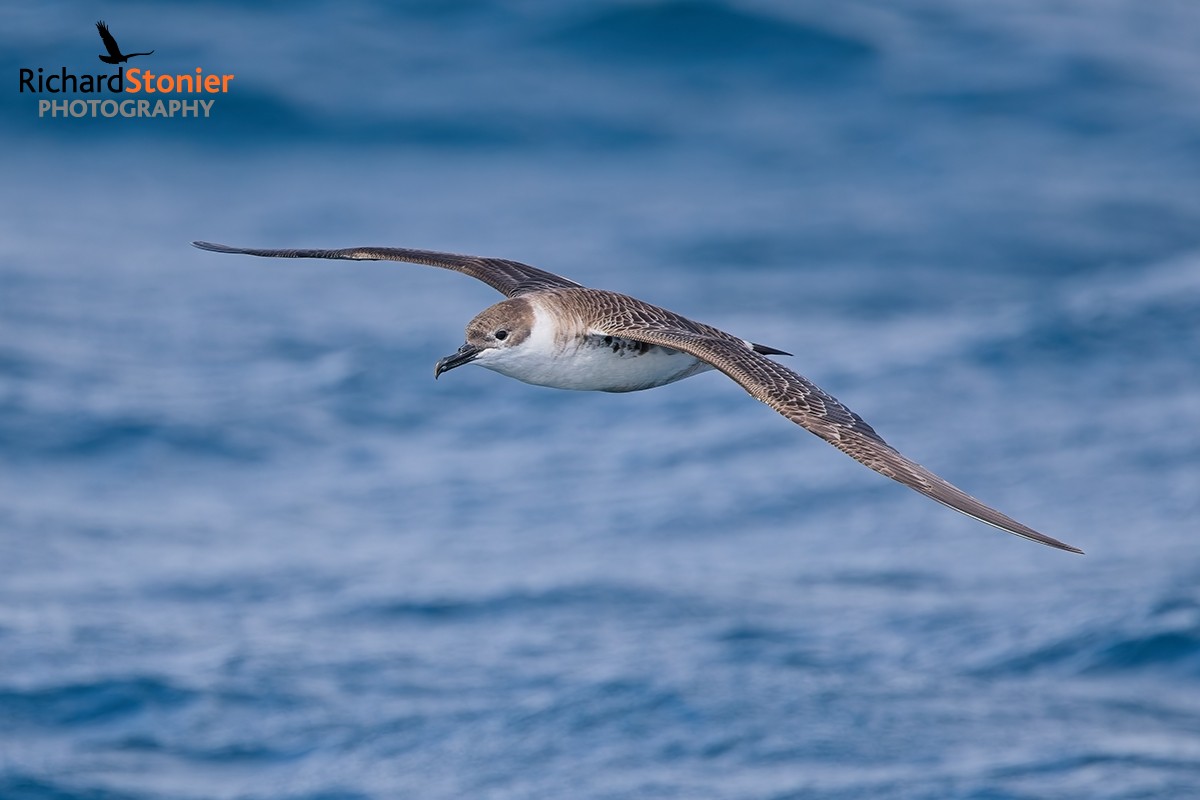
A Band-rumped Petrel sp was a fine find passing west by Pendeen (Cornwall) in the morning of 31st.
Once again, in the region of 140 Wilson’s Petrel were logged during the course of the week – the Scilly pelagics again doing much of the heavy lifting, with 36 birds recorded on both 28th and 30th.
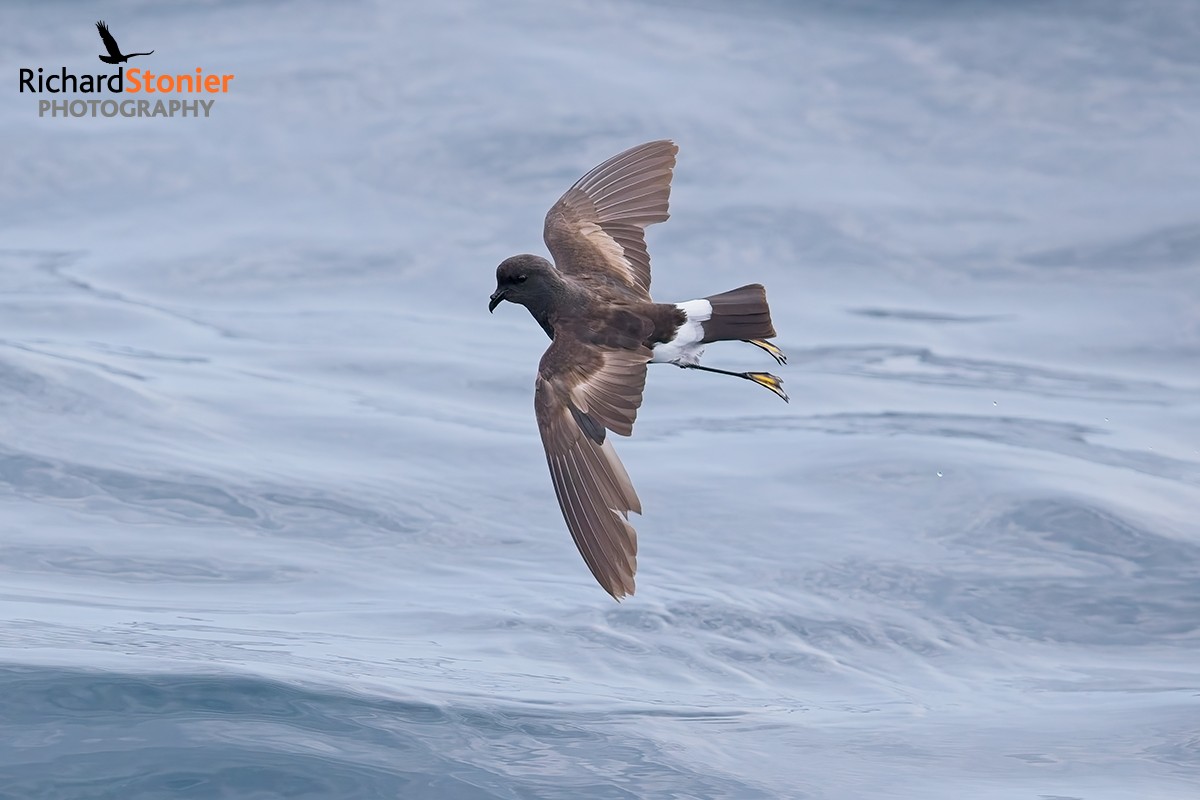
Leach’s Petrel jumped into double figures this week, nudging 50 birds in total, helped on their way by a count of 28 birds at Bridges of Ross (Co.Clare) on 3rd.
Fife landed a cracker on 2nd with an adult Brown Booby seen heading north past Fife Ness in the early morning.
Ireland meanwhile dropped another seabird bombshell in the form of a South Polar Skua seen from, where else, Bridges of Ross (Co.Clare) on 3rd.
Scarce skuas remained a regular commodity for those gazing seawards, with around 30 Pomarine Skua and 40 Long-tailed Skua respectively logged during the course of the week around Britain and Ireland.
Having gone awol for a while, the White-billed Diver reappeared off Barra (Western Isles) on 31st. In Highland & Caithness the recent Pacific Diver remained off Big Sand on 29th-2nd.
Suffolk remained the epicentre of Black Stork sightings this week, with a single bird noted once more at Woodbridge on 30th and 1st; one at Shingle Street on 30th; one on the Deben Estuary on 1st; and final sightings on 3rd at Iken and Martlesham Creek.
Two Night Heron remained at Bolton-on-Swale Lake YWT (North Yorkshire) on 28th.
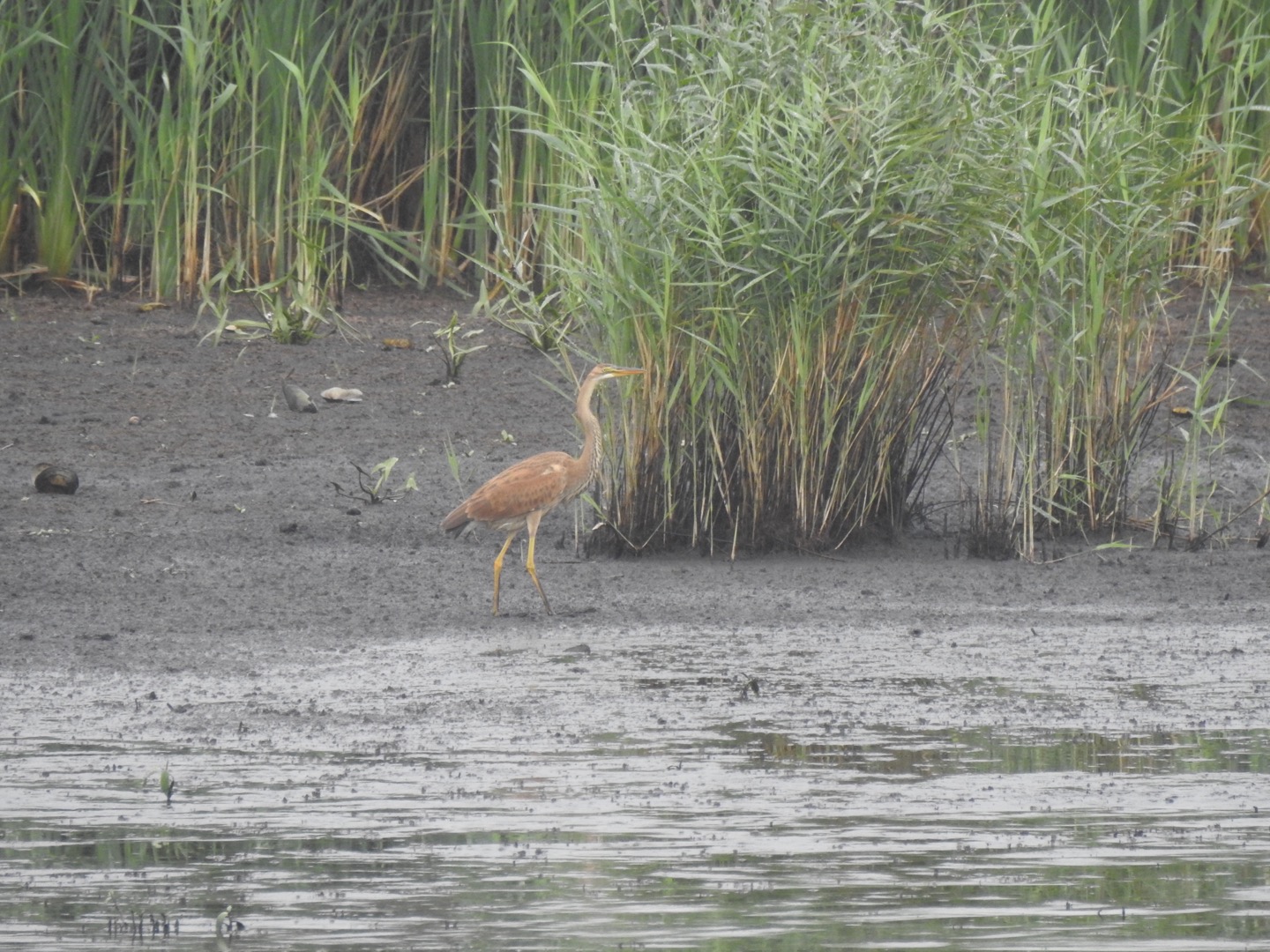
A slightly busier week than of late for Purple Heron saw recent regulars still present in Somerset at Ham Wall RSPB on 28th-2nd, and in Kent at Stodmarsh NNR on 29th-30th; and new birds seen at Doxey Marshes NR (Staffordshire) on 28th, and Aldeburgh (Suffolk) on 1st.
The recent Spotted Crake remained at Titchwell RSPB (Norfolk) on 28th-1st; further birds were noted this week on Tresco (Scilly) on 29th-3rd, heard at Marazion RSPB (Cornwall) on 29th, and seen on Anglesey at Rhoscolyn on 1st.
A Corncrake made a spirited attempt to stow away on board the Spirit of Discovery seven miles off Scarborough (North Yorkshire) on 29th; land-based birds were seen this week at Abbot’s Cliff (Kent) on 28th, on St Mary’s (Scilly) on 1st, walking the high street in Lowestoft (Suffolk) on 2nd, and on Shetland Mainland at Levenwick on 3rd.
Commencing the quackers with seaduck, we’ve just the one Surf Scoter off Musselburgh (Lothian) on 28th-3rd still.
Ring-necked Duck meanwhile continued to be represented by the female still present on Abberton Reservoir (Essex) on 28th-3rd.
Ferruginous Duck enjoyed a bit of a moment, with the birds still present at Stanford Reservoir (Northamptonshire / Leicestershire) on 28th-30th and in Oxfordshire at Dix Pit still on 31st-3rd joined in the daily news by sightings from Norfolk on Filby Broad on 30th-31st, and one on Wilstone Reservoir (Hertfordshire) on 30th-2nd.
Pathetic news from Co.Armagh this week concerned a Blue-winged Teal shot dead by a wildfowler on Lough Neagh on 1st.
The quackers wrap up with the news, with a certain inevitability, that the Hooded Merganser was still present in Suffolk at Alton Water on 1st. Too much of a good thing now?
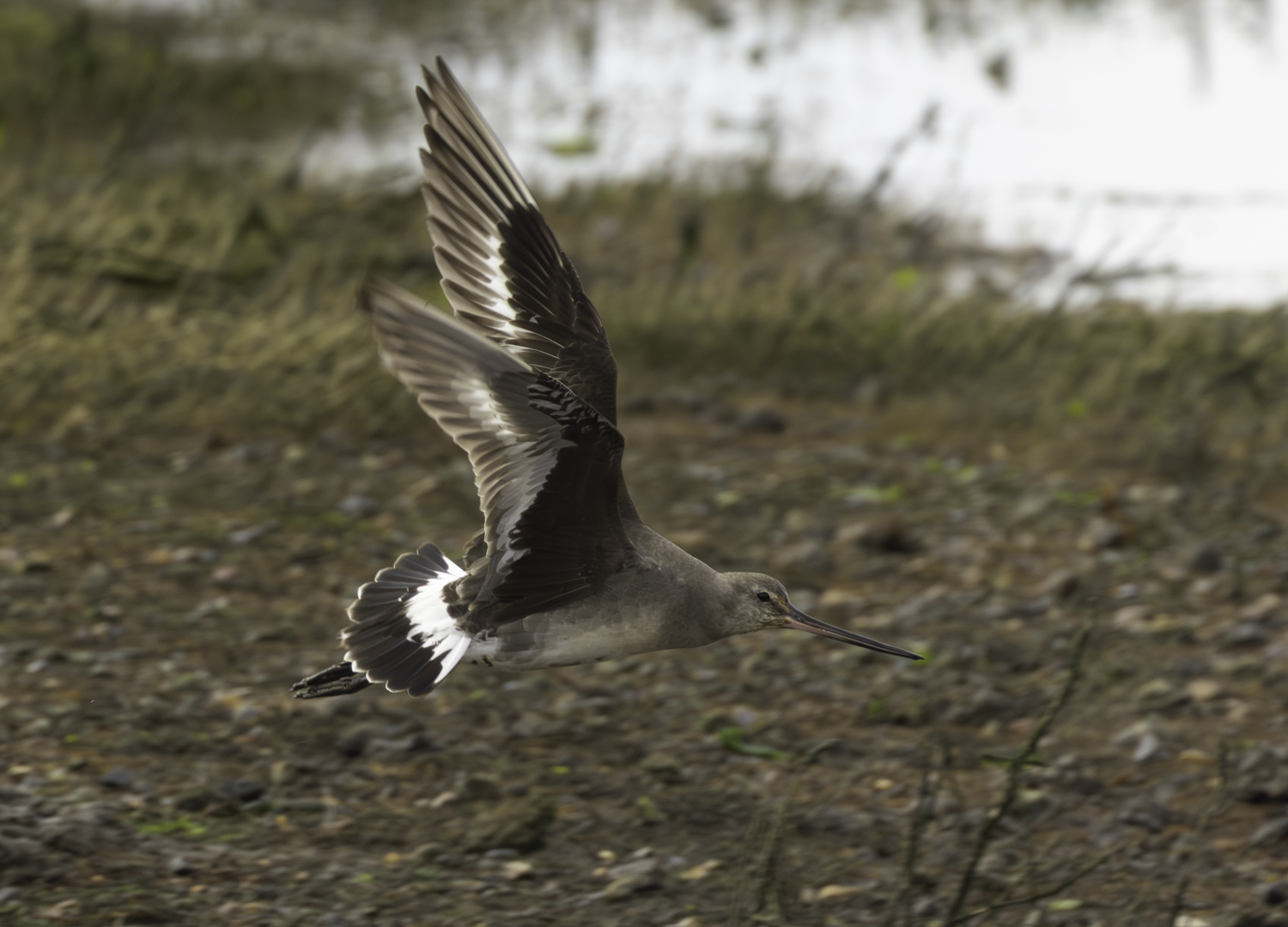
Ample variety to be had this week on the wader front, so we’ll quickly dispense with the erstwhile mega formality of the adult male Hudsonian Godwit, still present at Cattawade (Suffolk) on 28th-3rd, and move onto other, fresher news.
Foremost among that must be the Great Snipe found on Holy Island (Northumberland) on 28th. The species is something of a paradox – on paper, far from the rarest of waders on the British list. But in practice, they’re a chimaera, hard to catch up with at the best of times. Right place, right time tends to be the order of the day with this chunky snipe.
Up on North Ronaldsay (Orkney), an adult American Golden Plover was to be seen on 30th-3rd.
Dotterel were on the move this week, with a fair scatter of birds noted – one lingering on Great Orme’s Head (Conwy) on 28th-3rd still; two again at Porthgwarra (Cornwall) on 29th; three present on Lundy (Devon) on 30th, with two still present on the island on 1st; and single birds seen on Unst (Shetland) on 30th, at Easington Straight (East Yorkshire) on 30th; on St Agnes (Scilly) on 1st-2nd; and at Dungeness (Kent) on 2nd.
The adult Spotted Sandpiper remained on Broadmeadows Estuary (Co.Dublin) on 28th-2nd; and a juvenile was found at Helston Loe Pool (Cornwall) on 28th.
Irish sightings of White-rumped Sandpiper came from Co.Wexford at Ring Marsh on 28th, and Lady’s Island Lake on 29th; British birds were seen at Benacre Broad (Suffolk) still on 28th and 2nd, on South Uist (Western Isles) on 28th-31st, and back in Suffolk at Covehithe Broad on 1st.
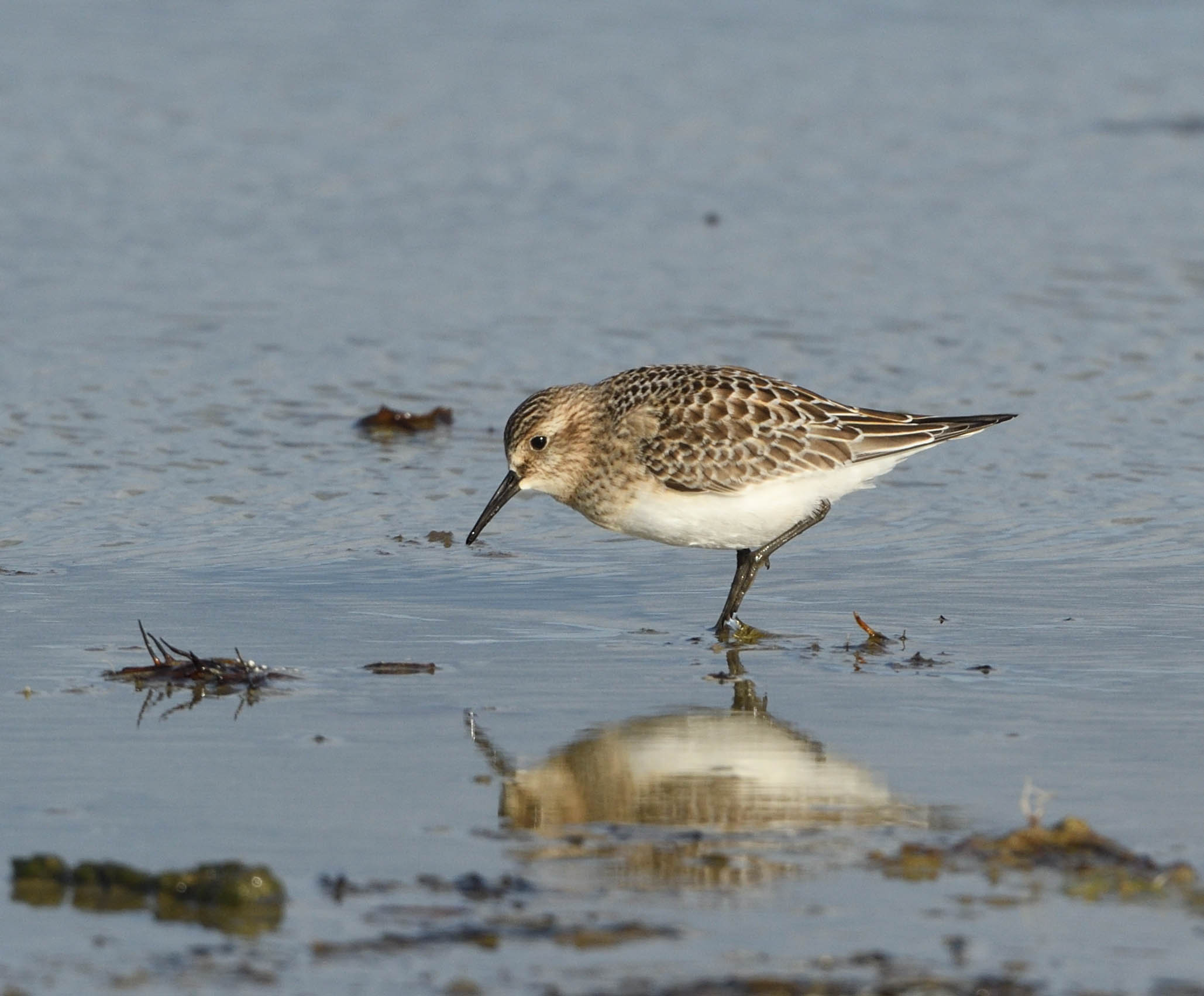
The week proved a good one for Baird’s Sandpiper, with some half a dozen to report. Pembrokeshire supplied sightings at Dale Airfield still on 29th, and on the Nevern Estuary on 28th-30th; one came and went on Shetland’s Pool of Virkie on 30th and 1st; one was present at Meols (Cehshire & Wirral) on 3rd; and in Ireland birds were seen in Co.Kerry at Carrahane Strand on 28th-1st and Ventry on 28th-2nd, at Shannon (Co.Clare) on 30th-2nd, and at Tacumshin (Co.Wexford) on 31st-3rd.
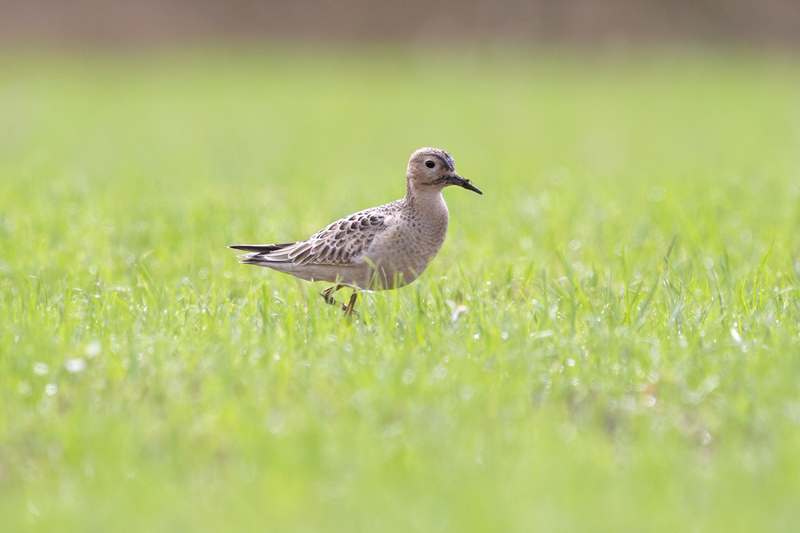
A Buff-breasted Sandpiper was seen at Tacumshin (Co.Wexford) on 1st-3rd; and British examples at Dale Airfield (Pembrokeshire) on 31st-1st, on St Mary’s (Scilly) on 1st-3rd, and on Lundy (Devon) on 3rd.
Pectoral Sandpiper approached double figures in Britain and Ireland this week – lingerers remained on 28th at Daventry Reservoir (Northamptonshire); on 28th-31st on Abberton Reservoir (Essex); on 28th-3rd on Tresco (Scilly); and on 28th-1st at Tacumshin (Co.Wexford). Further sightings came from Hule Moss (Borders) on 29th; Cley Marshes NWT (Norfolk) on 30th; Polbathic Creek (Cornwall) on 30th; Wilstone Reservoir (Hertfordshire) on 1st; and at Fen Drayton Lakes RSPB (Cambridgeshire) and the Ythan Estuary (Aberdeenshire) on 3rd; and still on Achill Island (Co.Mayo) on 3rd. Another was reported on 2nd at Farlington Marshes HWT (Hampshire).
Two Temminck’s Stint remained in Cambridgeshire at Dernford Farm Reservoir on 28th-31st; single birds meanwhile were logged at Porth Reservoir (Cornwall) still on 28th-31st, and at Pegwell Bay (Kent) on 28th, Old Hall Marshes RSPB (Essex) on 28th and 31st, on Foula (Shetland) on 1st, and at Frampton Marsh RSPB (Lincolnshire) on 2nd.
Half a dozen Red-necked Phalarope were recorded during the week – these being singletons at Kingsbury Water Park (Warwickshire) on 28th-31st; at Baron’s Haugh RSPB (Clyde) on 28th-29th; North Point Pools (Norfolk) on 28th-29th; Redmires Reservoir (South Yorkshire) on 28th-31st; Grafham Water (Cambridgeshire) on 29th; and at Jury’s Gap (East Sussex) on 31st.
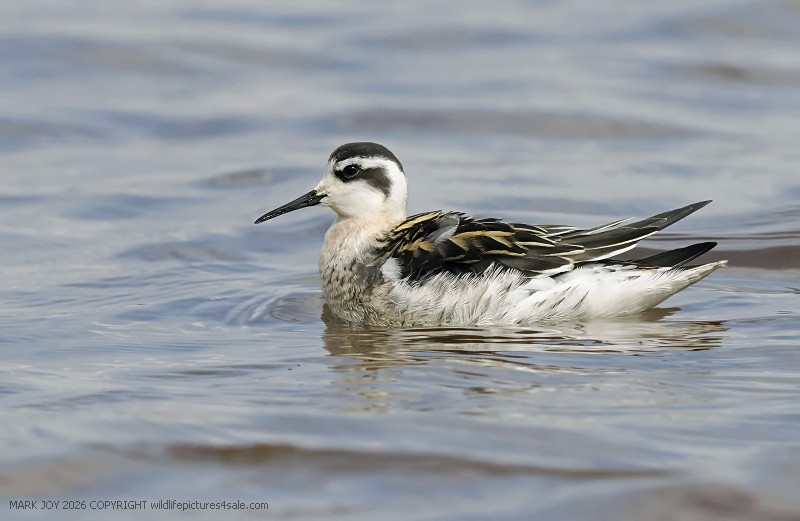
Numbers of Grey Phalarope lifted a little further, with some 45 birds seen in Britain and Ireland as a whole, and a peak count of 13 seen from Bridges of Ross (Co.Clare) on 31st.
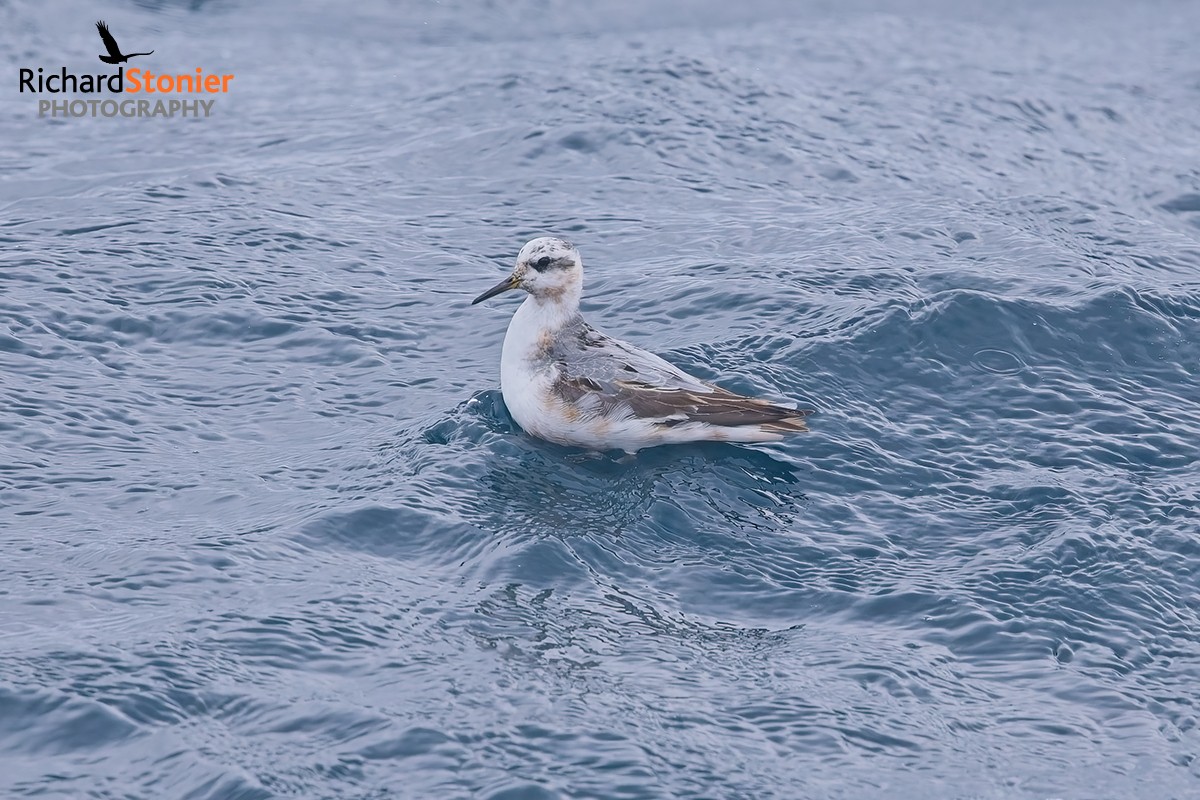
With a rise in Grey Phalarope came a corresponding uplift, albeit modest, of Sabine’s Gull this week – some 55 birds were noted across the region, and a peak count made of half a dozen apiece for Bridges of Ross (Co.Clare) on 28th, and Pendeen (Cornwall) on 31st.
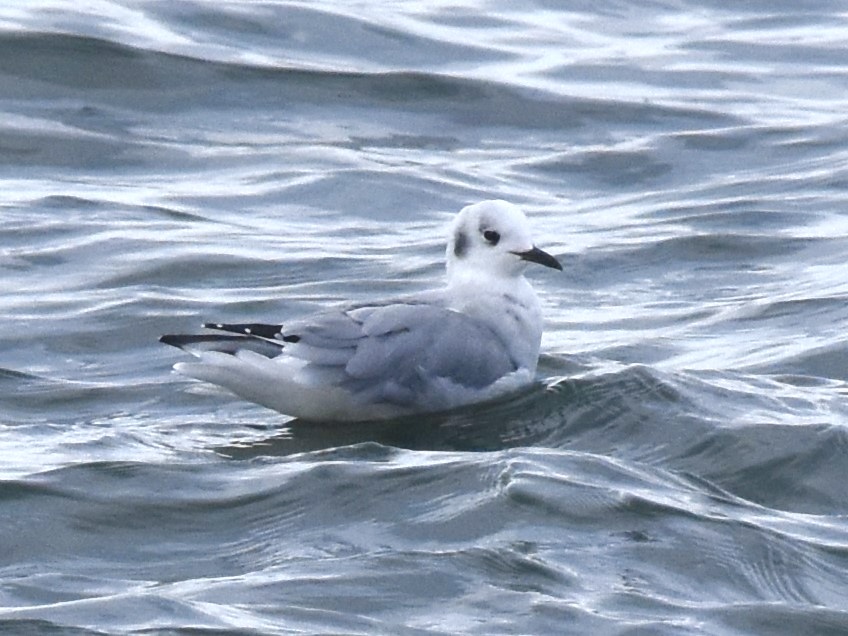
In Kent the regular adult Bonaparte’s Gull was still present at Oare Marshes KWT on 29th-3rd, and another was found at Anstruther (Fife) on 30th-31st.
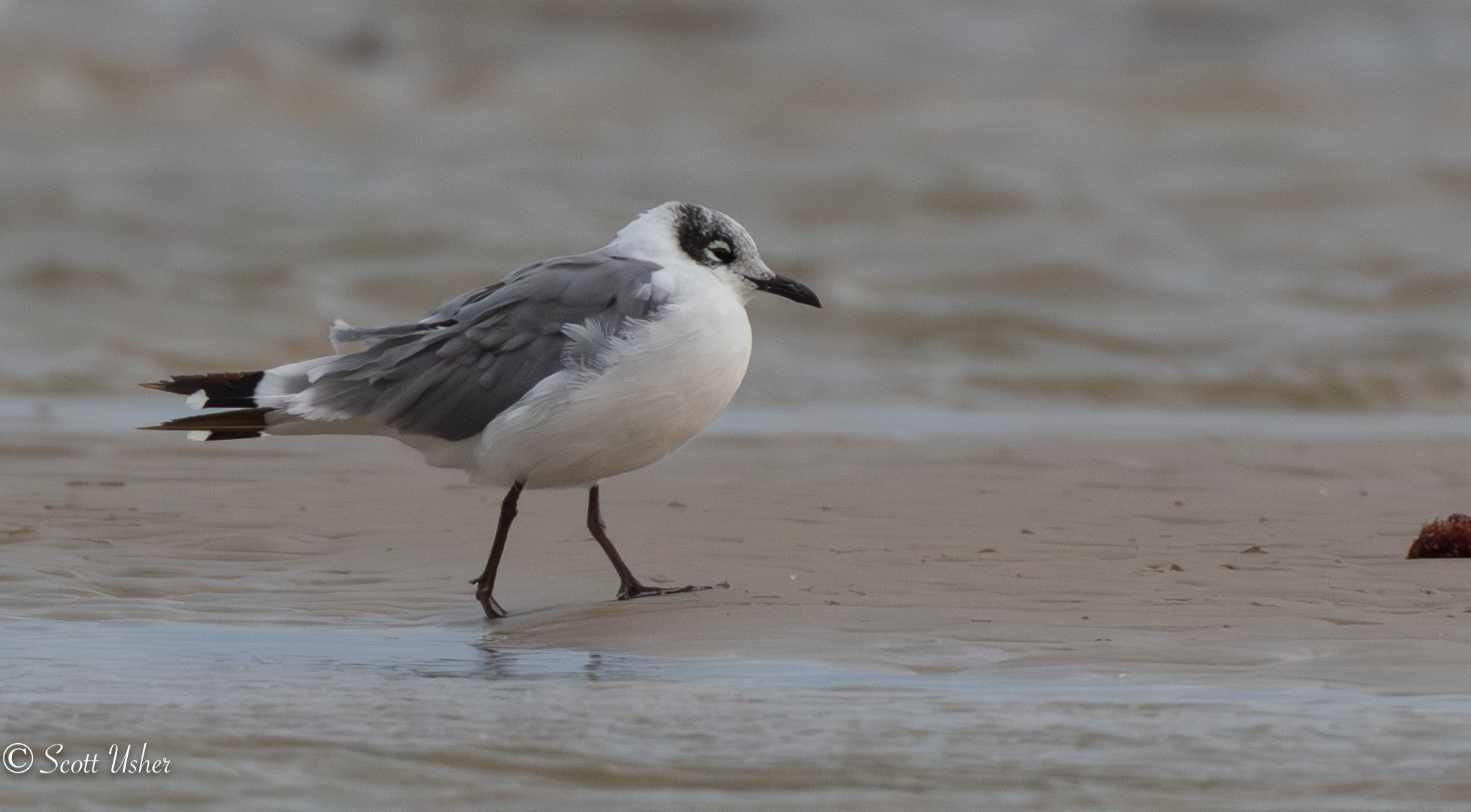
The recent adult Franklin’s Gull continued its wandering ways, being seen again in Dorset at Stanpit Marsh on 28th and Mudeford on 30th, and at Milford-on-Sea (Hampshire) on 29th.
The Ring-billed Gull was again seen at Doorly Park (Co.Sligo) on 29th-30th.
The regular Glaucous Gull was still to be found on Orkney Mainland at Stenness on 30th-1st; and another seen on North Uist (Western Isles) on 30th and 3rd. An adult Iceland Gull was at Belfast Lough RSPB (Co.Antrim) on 31st. In Co.Louth the recent Kumlien’s Gull was again seen at Cruisetown Strand on 29th, and in the harbour at Clogher Head on 30th-3rd.
Kent held onto its recent White-winged Black Tern at Dungeness on 28th-3rd; further birds this week were found at Pendeen (Cornwall) on 29th, and in Lancashire & North Merseyside at Fairhaven Lake on 1st-3rd.

A Whiskered Tern was found on 2nd at Shapwick Heath NNR (Somerset).
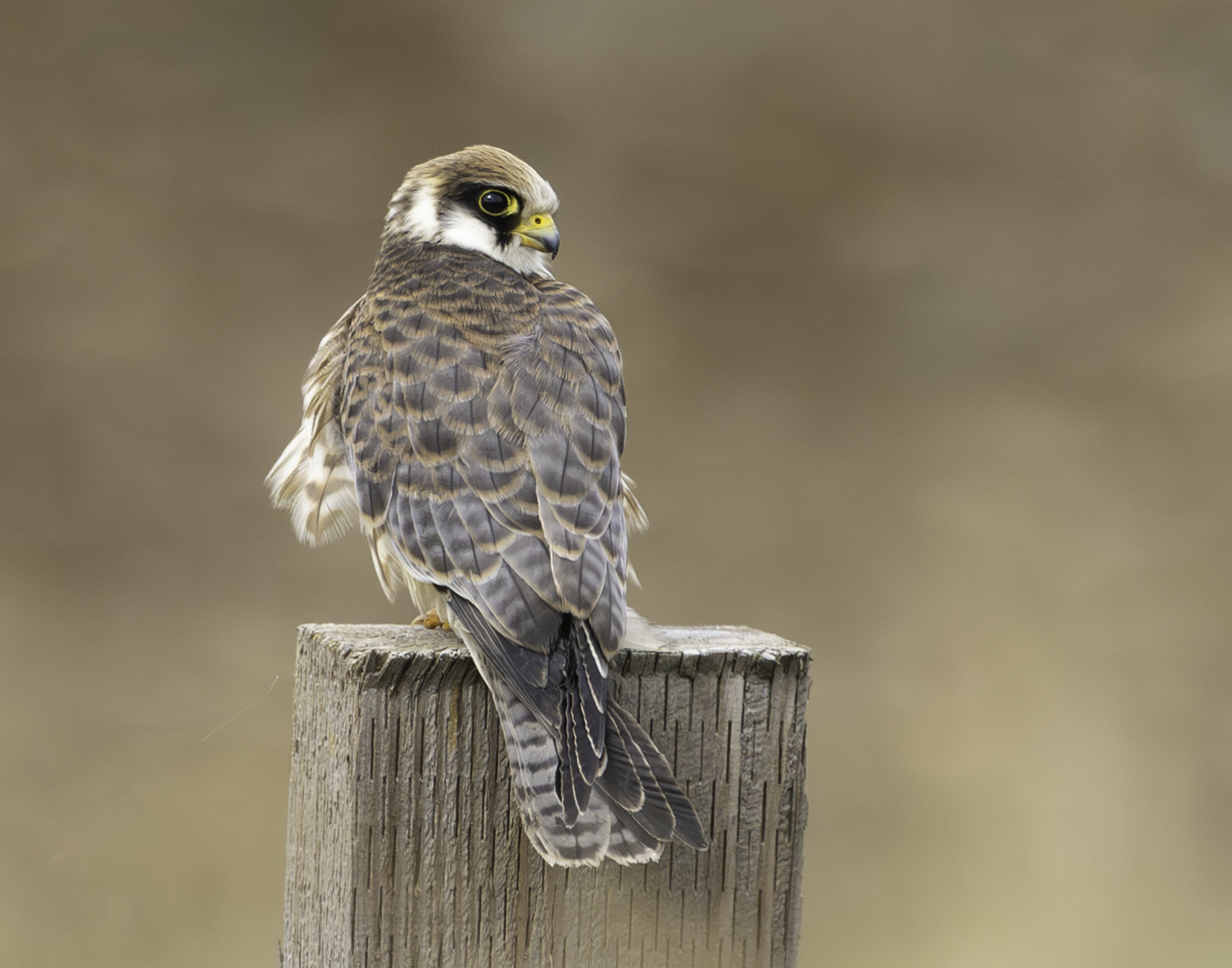
One of the more bizarre and somewhat unsavoury chapters of recent rarity history wrote itself this week, with a confiding juvenile Red-footed Falcon present in Lowestoft (Suffolk) on 1st-3rd apparently finding itself the focus of the unwanted attention of a falconer. Charitably, one might assume the bird was thought to be in need of care, but realistically were that the case the appropriate channels should have been followed, rather than an unsolicited attempt by a private individual to catch the bird…
Less controversial were the flurry of Pallid Harrier sightings this week. One continued to delight around the South Mainland of Shetland on 29th-3rd while, elsewhere in Shetland, sightings came from the extremities of Out Skerries on 27th-30th, Unst on 29th, and in the North Mainland at Saltness on 30th. In a terrific twist in the tail, the South Mainland bird was joined there at Brow Marsh by a second individual in the evening of 3rd. More unanticipated than Shetland birds, and hence delightfully so, was the juvenile individual present at Rainham Marshes RSPB (London) on 29th.
Some half a dozen Montagu’s Harrier sightings were also welcome. Birds were seen at Eastleach Downs (Gloucestershire / Oxfordshire) again on 28th; at Scolt Head Island (Norfolk) on 30th-31st; at Holkham Pines (Norfolk) on 31st; heading out to sea off the Suffolk coast between Lowestoft and Kessingland on 31st; at Minsmere RSPB (Suffolk) on 1st; at Hazlewood Marshes SWT (Suffolk) on 2nd; and a possible at Emsworthy Mire DWT (Devon) on 1st.
Additional Montagu’s / Pallid Harrier were logged at Boyton Marshes RSPB and Shingle Street (Suffolk) on 31st, and Burnham Overy Dunes (Norfolk) on 31st.
Finally, the Black-winged Kite remained steadfast in Norfolk this week at Sea Palling right through until 3rd.
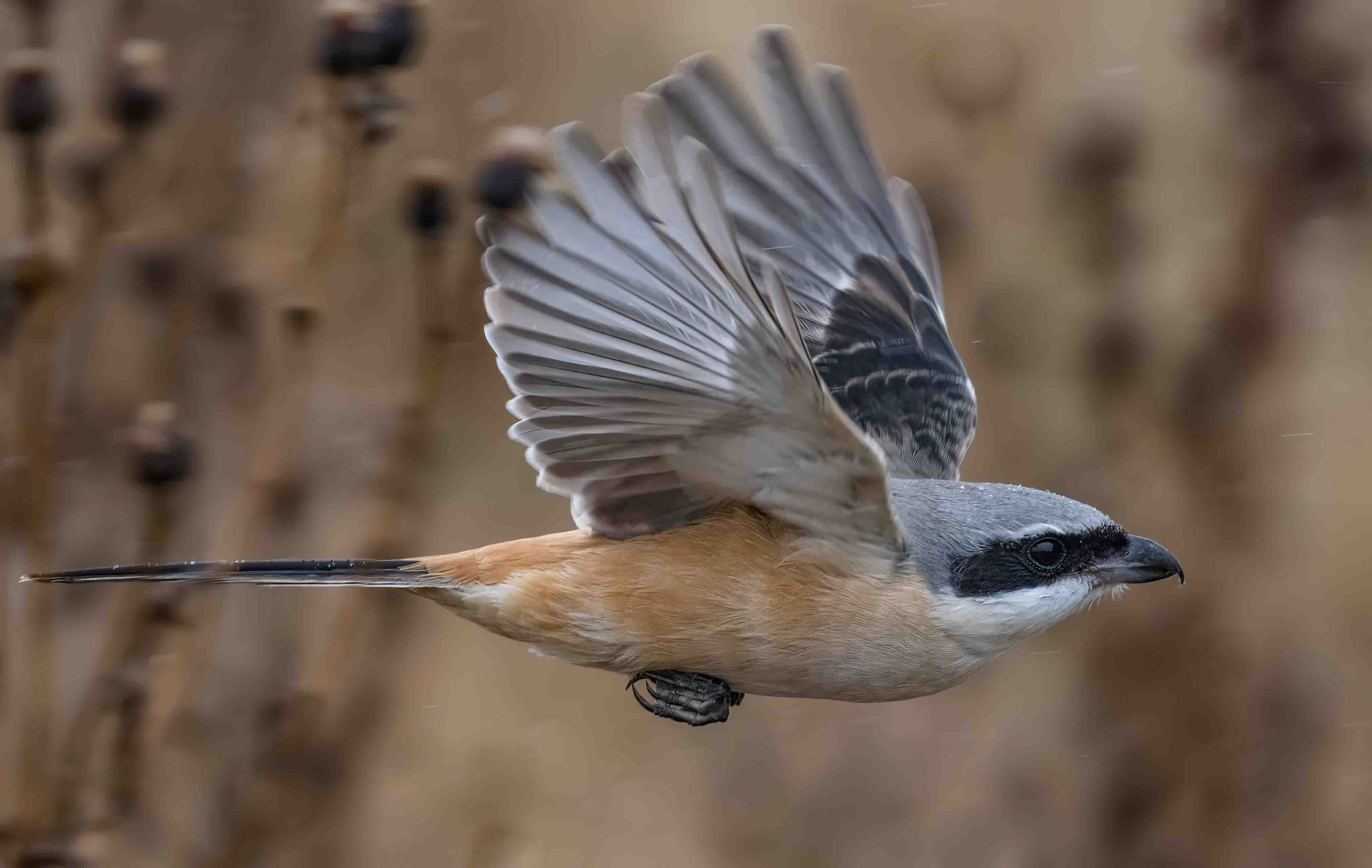
Winning points now not only for rarity and sheer good looks, but also its obduracy and staying power, in Gloucestershire the magnificent Long-tailed Shrike remained at Eastleach Downs this week on 28th-3rd.
Numbers of Red-backed Shrike picked up nicely over the week, with almost 20 birds recorded the length of the east of Britain from Shetland in the north to Kent in the south.
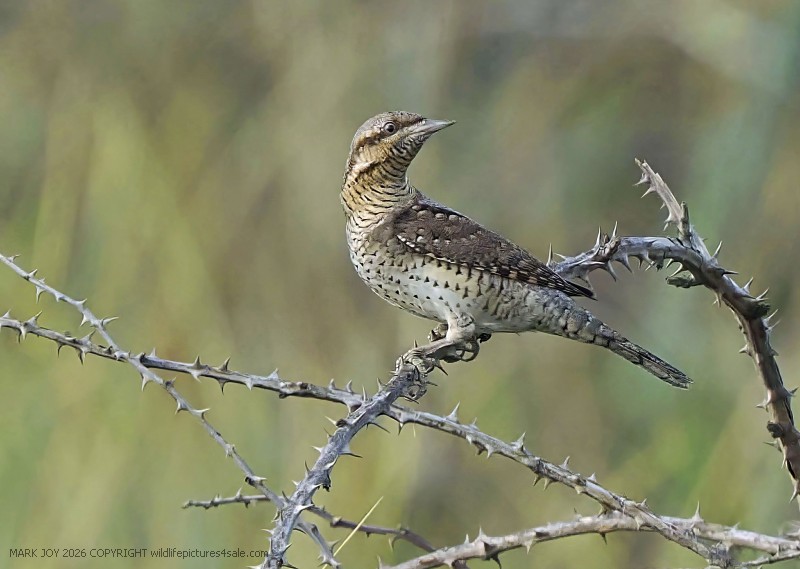
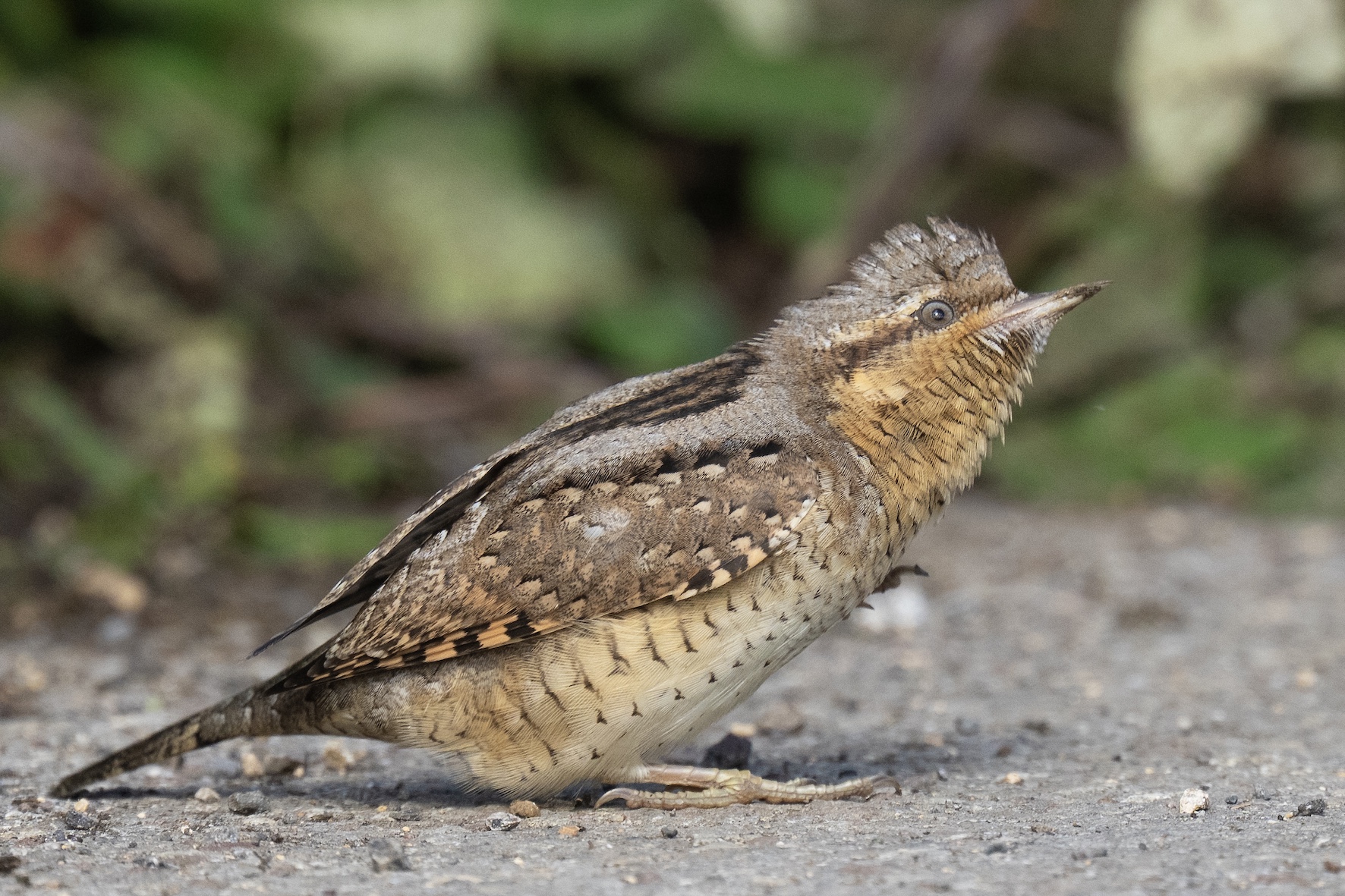
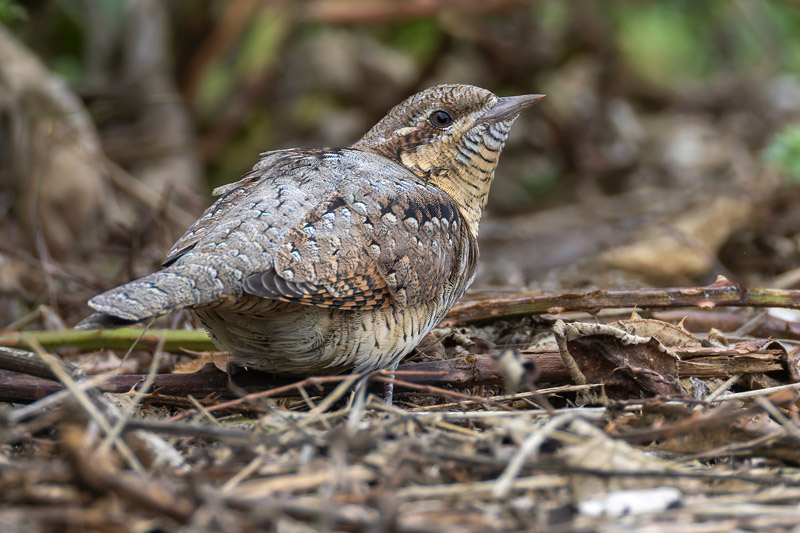
Wryneck soared, with some 80 birds recorded across Britain and Ireland.
A Hoopoe was seen in Cornwall at Trewellard on 28th.
An Alpine Swift enlivened Berry Head (Devon) on 29th.
Onto the warblers, and straight out of the blocks of intrigue was a probable Olivaceous Warbler sp at St Cyrus NR (Aberdeenshire) on 30th—31st…
A trio of Western Bonelli’s Warbler were seen during the week – at Ballycotton (Co.Cork) on 28th, on Bardsey (Gwynedd) on 29th, and at Brownstown Head (Co.Waterford) on 29th. A Bonelli’s Warbler sp was frustrating at Coumeenoole (Co.Kerry) on 29th also.
Very much as anticipated, the week just gone was a good one for Greenish Warbler, with a shade over half a dozen seen – at John o’Groats (Highland & Caithness) on 28th-29th; in Aberdeenshire at St Combs on 29th-31st, Cruden Bay on 29th, and Newtonhill on 29th; at Eyemouth (Borders) on 29th; at Spurn (East Yorkshire) on 30th; on Shetland at Toab on 30th; and on St Mary’s (Scilly) on 2nd. A possible was heard only on 3rd at Melton (East Yorkshire).
Shetland also gave us Blyth’s Reed Warbler on Foula still on 28th, and on Shetland Mainland at Channerwick again on 31st.
A Marsh Warbler was seen off and on at Sumburgh (Shetland) on 28th and 31st; and another probable heard in Northumberland near Cresswell on 29th.
On Fair Isle (Shetland), the steadfast male Western Subalpine Warbler remained present on 31st, while the Subalpine Warbler sp remained on Whalsay (Shetland) on 28th.
Four Melodious Warbler were logged during the course of the week – still at Tarmon (Co.Mayo) on 28th, and on Skokholm (Pembrokeshire) on 29th-1st; one present at Galley Head (Co.Cork) on 28th; and a final bird on St Mary’s (Scilly) on 3rd.
Icterine Warbler were only slightly more numerous – these being birds seen on 28th at Forvie NNR (Aberdeenshire), Barns Ness (Lothian), and South Gare (Cleveland); and on 29th at Newtonhill (Aberdeenshire) and Isle of May (Fife).
Numbers of Barred Warbler recorded this week fell away somewhat, with barely 20 seen – notable were duos on Out Skerries (Shetland) on 30th, and North Ronaldsay (Orkney) on 31st.
At least two Zitting Cisticola remained at Walberswick NNR (Suffolk) on 30th-1st.
A Rose-coloured Starling was found on Portland (Dorset) on 2nd; and another seen again on 3rd at Scrabster (Highland & Caithness).
In Shetland the Bluethroat was once more seen at Sumburgh on 1st.
A couple of Red-breasted Flycatcher were found on 28th at Trow Quarry (Co.Durham), and on 28th-29th at Barns Ness (Lothian).
Shetland did well for Citrine Wagtail this week, with birds seen in Lerwick on 28th, on Fair Isle on 29th-1st, at Sumburgh on 31st, at Loch of Spiggie on 1st, and trapped and ringed at Rerwick on 2nd. At the opposite end of the country one was present on Tresco (Scilly) on 28th-3rd.
Fair Isle held onto a Common Rosefinch on 28th-3rd, with two present on the island on 31st. One more Shetland bird was present on Mainland at Scousburgh on 31st; and two were present on North Ronaldsay (Orkney) on 31st, one remaining present on 1st.
Serin this week were seen on 28th at Selsey Bill (West Sussex) and at Spurn (East Yorkshire); and on 29th at Malahide (Co.Dublin).
The two recent Ortolan Bunting continued to prove popular at Merthyr Tydfil (Glamorgan) on 28th-2nd, with one still present there on 3rd; and singletons were to be seen on Lundy (Devon) still on 28th-29th, at Barns Ness (Lothian) on 28th, on Isle of May (Fife) on 28th, at Porthgain (Pembrokeshire) on 28th, and on Bardsey (Gwynedd) still on 28th also.
Finally, in Fife the White-throated Sparrow was still to be seen on Isle of May on 28th-3rd.
Giving us some serious if-only vibes, a Nutcracker was seen flying through Bentwoud-Oost in the Netherlands this week on 28th.
In Spain the Elegant Tern remained at Salinas de Pinet on 1st, and a South Polar Skua passed Estaca de Bares on 2nd.
We plucked low-hanging fruit last week with a prediction of Greenish Warbler in the coming days. Not a hard call, given their propensity for the closing days of August.
Now we’re into September, it’s high time the baton was passed to Arctic Warbler, and it would be a brave birder who bet against one in the coming week. That is, were the weather forecast to feature a breath of an easterly. But, at the time of writing, that ain’t the forecast we’re looking at. So maybe not on the warbler front after all. Our eyes should probably turn to the west…
Historically, the coming week features a decent array of American warblers - Black-and-white, Hooded, Tennessee, Yellow, American Redstart, Northern Waterthrush, but this is rare stuff indeed. If we’re to keep it a little real, a half-decent wader seems a more attainable goal in the days to come.
Past records suggest it’s absolutely the week in which to bump into a Baird’s Sandpiper. A classy self-find wherever one thrashes a local patch, that. And if you want to shoot for the absolute stars? Let’s not forget, the coming week marks the anniversary of our one and only Purple Martin, present on Lewis (Western Isles) on 5th-6th September 2004. If we can unblock Long-tailed Shrike in 2026, this monster needs to be next in our dreamy sights.
Jon Dunn
4 Sept 2026
Many thanks to all this week's contributors for your photos and videos and to everyone who contributed throughout the year.
Get Breaking Birdnews First
Get all the latest breaking bird news as it happens, download BirdAlertPRO for a 30-day free trial. No payment details required, and get exclusive first-time subscriber offers.
Share this round-up





