



Weekly birding round-up: 17 - 23 Apr
There was definitely a whiff of spring in the air this week, with some decent warblers turning up, a small arrival of Black-winged Stilt, a hint of the Camargue… but alas nothing as rare as the lark that was found in the actual Camargue this week, more of which anon…
Belated news this week concerned an adult female Little Crake found in Cleveland at Coatham Marsh TVWT on 13th.
They’re not quite annual these days, Little Crake, with 2025 and 2022 both representing blank years, so any bird is generally well-appreciated if available – and this one would have been especially so, for it represented a county first for Cleveland.
@teesbirds.bsky.social This bird was photographed on the 13/4 at Coatham marsh. We belive it is a Little Crake. Could anyone confirm identification please
— gdougydouglas.bsky.social (@gdougydouglas.bsky.social) 20 April 2026 at 13:30
[image or embed]
One of two megas to land in Britain and Ireland as the week drew to a close on 23rd, an adult Elegant Tern was found on Lob Island (Co.Galway) amidst the Sandwich Tern colony there.
The species has been annual now in Ireland since 2022, with records perhaps relating to a returning bird. Last year’s sightings both hailed from Co.Mayo, a spring bird seen on 6th April 2025 on Achill Island, and an autumn record coming from Annagh Head on 3rd August. It remains to be seen whether the Lob Island tern colony holds any lingering attraction for this week’s bird.
Annoyingly briefly, a dark morph Eleonora’s Falcon was seen heading east on 23rd at Dersingham Bog NNR, but not logged again latterly. The species has been a semi-regular fixture in Norfolk bird news in recent years, part of the general movement of formerly achingly rare raptors from the stuff of legend in Britain to almost anticipated every year. Will this one be pinned down in the days to come? Watch this space.
A first-summer Ross’s Gull provided one of the week’s standout records. It was discovered during the morning at Titchwell RSPB, where it spent time on the freshmarsh, before later being relocated inland in a ploughed field at nearby Thornham.
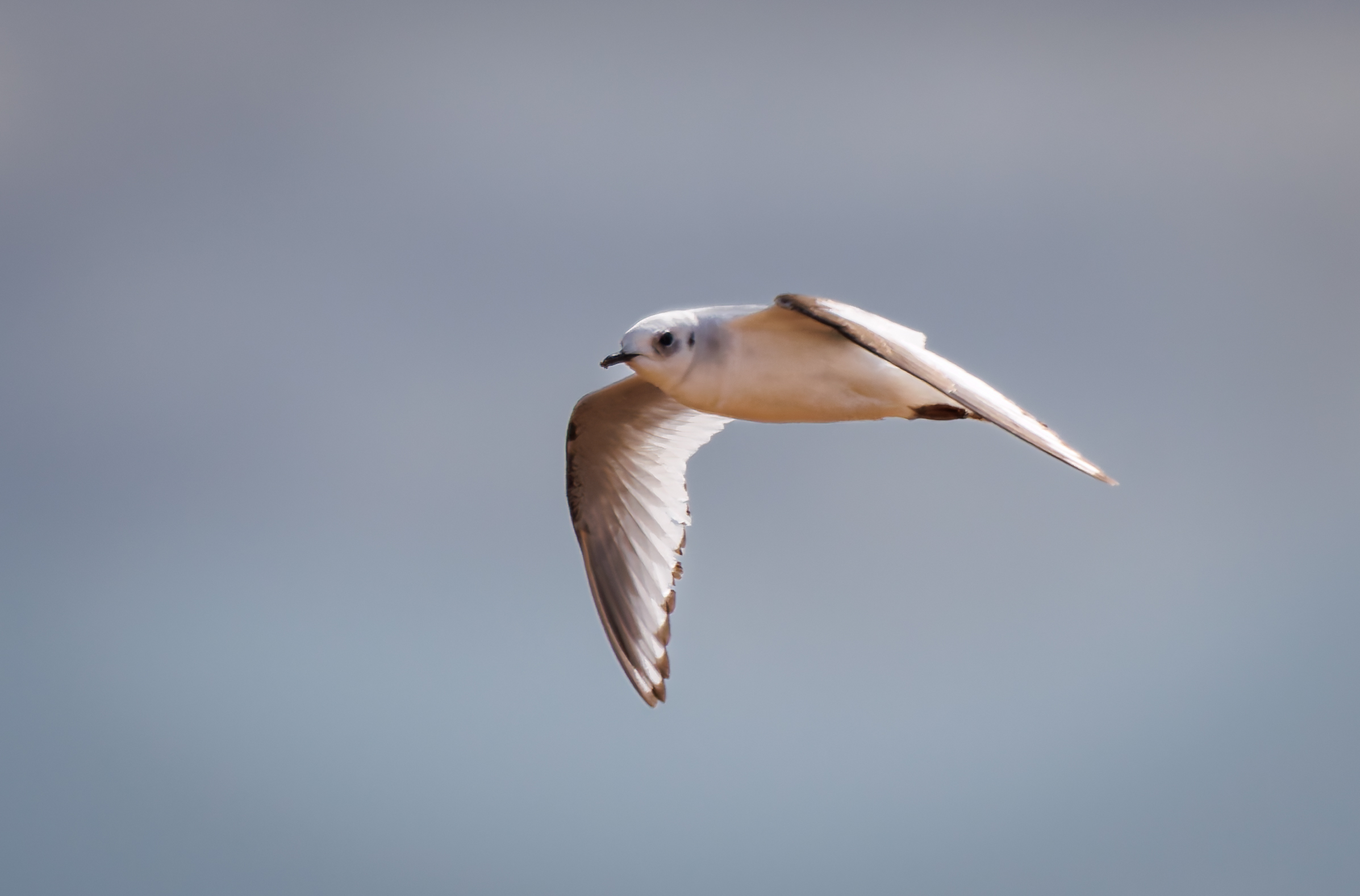
This constitutes only the third record for Norfolk, following previous occurrences involving adults in May 1984 and during December 2005 to January 2006. April records are notably scarce, with just seven of the 106 British records occurring during the month.

The weekly seabirds start again in Ireland, where the Double-crested Cormorant continued its long residency, this week seen once again at Lough Gill (Co.Sligo) on 18th.
As for divers, the Pacific Diver was still present off Achill Island (Co.Mayo) on 19th.
Numbers of White-billed Diver continued to hold firm in Scotland, with around 25 birds in total logged over the course of the week. Peak counts lately were quartets, four birds being seen from Portknockie (Moray) on 17th-20th, and four off Portsoy (Aberdeenshire) on 19th.
Pioneering Pomarine Skua began to move up the English Channel in small numbers this week, with some 40 birds in all noted between Cornwall and Kent. Big movements are still a way off, but the skuas are coming…
A Balearic Shearwater was seen on 22nd from Selsey Bill (West Sussex).
The faintly southern European vibe this week was helped by the long-legged beasties, with a Night Heron in Devon at Seaton Marshes on 17th followed by another on 23rd on St Mary’s (Scilly), and one in Essex on 23rd at Blue House Farm EWT.
Further colour came in the form of Purple Heron at Saltfleet (Lincolnshire) on 19th, Stodmarsh NNR (Kent) on 20th, and Ham Wall RSPB (Somerset) on 21st and 23rd.
In Ireland the American Bittern remained in Co.Cork at Cuskinny Marsh NR on 18th-20th.
A Black Stork was reported on 22nd heading south over Badlesmere (Kent).
A Corncrake was present on St Agnes (Scilly) on 20th.
A little more variety this week for The Goose Formerly Known As Canada, with the hutchinsii Richardson’s Cackling Goose still present at Clifton Pits (Worcestershire) on 17th-20th supplemented by two further birds on North Uist (Western Isles) on 18th-20th, and an interior Todd’s Canada Goose at Winless (Highland & Caithness) on 20th.
Our only Snow Goose were the bird still present at Marshside RSPB (Lancashire & North Merseyside) on 17th-23rd, and one seen passing over Loch Eriboll (Highland & Caithness) on 23rd.
A Black Brant remained at Blennerville (Co.Kerry) on 17th; and the Kilnsea (East Yorkshire) area bird was seen again there on 22nd.
The flock of five American Wigeon remained in Glamorgan on Ogmore Estuary on 17th-21st, with one present there on 22nd; further singletons remained on Shetland at Loch of Spiggie on 17th-20th, and on St Mary’s (Scilly) still on 17th-23rd.
Two Green-winged Teal remained on Anglesey at Cors Ddyga RSPB still on 17th, with one still present there until 19th. Further single birds were noted at Wheldrake Ings YWT (North Yorkshire) still on 18th; at St Aidan’s RSPB (West Yorkshire) on 18th-22nd; on the Ythan Estuary (Aberdeenshire) on 19th-23rd; on the Eden Estuary (Fife) on 20th-23rd; and at Burton Mere Wetlands RSPB (Cheshire & Wirral) on 20th-21st.
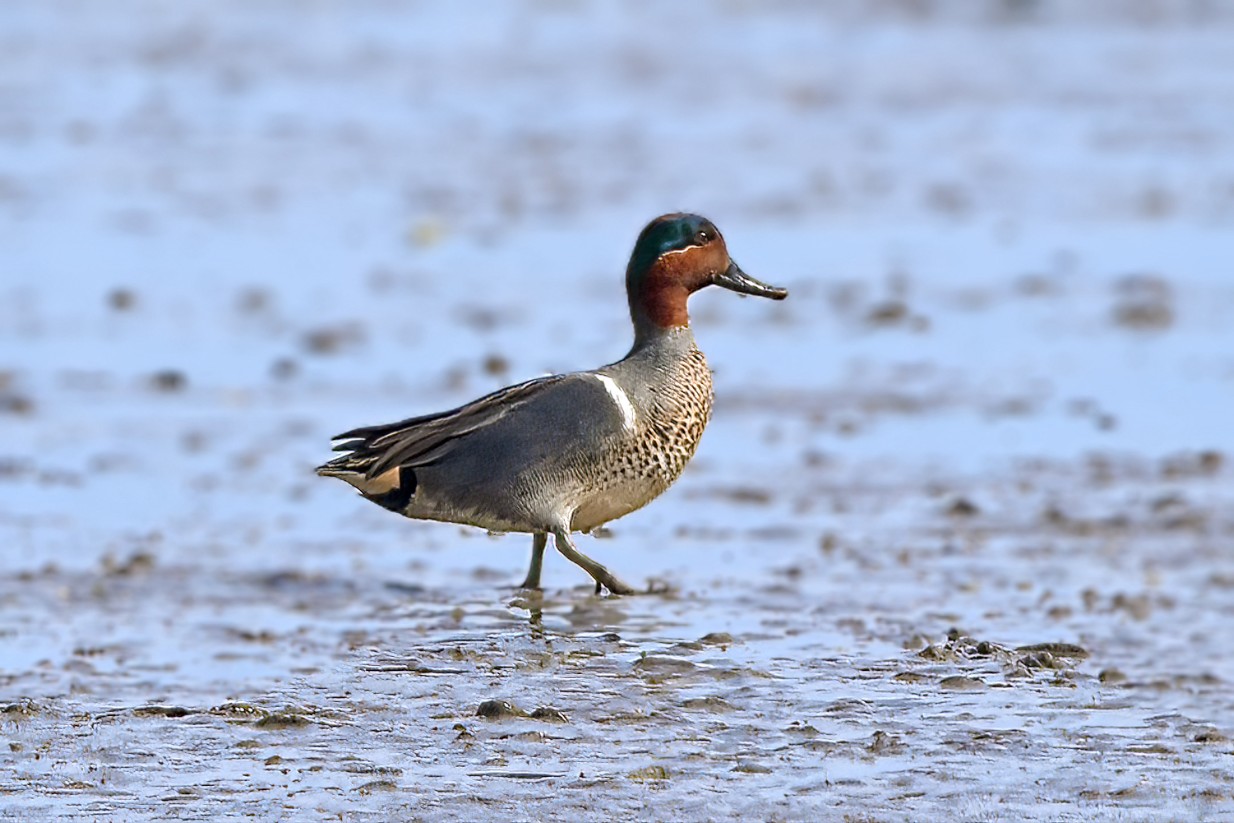
Two Blue-winged Teal, a drake and female, were seen in Co.Clare on 22nd-23rd at Ballycar.
Ferruginous Duck remained at Ryton Pools CP (Warwickshire) on 18th-23rd, and Maple Lodge NR (Hertfordshire) on 18th-20th also.
Two Lesser Scaup remained on Clifton Pits (Worcestershire) on 17th-19th; single birds were still to be seen at College Lake NR (Buckinghamshire) on 18th, at Wilstone Reservoir (Hertfordshire) on 17th-23rd, and at Ellesmere (Shropshire) still on 19th-20th.
Some 35 Ring-necked Duck remained in Britain and Ireland this week, with Ireland still doing the heavy lifting in their regard – at least 10 birds remained on Urlaur Lough (Co.Mayo) on 19th, while five were to be seen at Lough Barry (Co.Fermanagh) on 18th.
In Co.Donegal the first-winter drake Harlequin Duck remained off Curransport on 17th-22nd.
The first-winter drake King Eider remained at Loch Fleet (Highland & Caithness) on 18th-22nd, and a female was found off Lerwick (Shetland) on 21st-22nd.
Drake White-winged Scoter were still present off Methil (Fife) on 17th-21st, and off Seacliff (Lothian) on 19th-20th; on 22nd things went totally off-piste with three drakes present at Methil, two of which remained there the following day, when one was present at Gullane Point (Lothian) also. A Black Scoter drake was also noted from Methil on 20th-22nd. The second-winter Stejneger’s Scoter was still present in Fife at East Wemyss on 17th-23rd.
Numbers of Surf Scoter in Fife at Methil peaked with four birds this week on 18th. Further single birds were seen at Roseisle (Moray) on 21st; off Vatersay (Western Isles) still on 18th; at Great Ormes Head (Conwy) on 19th; and still off Cape Clear (Co.Cork) on 20th.
In Warwickshire, the female Hooded Merganser remained at Alvecote Pools NR on 17th-20th.
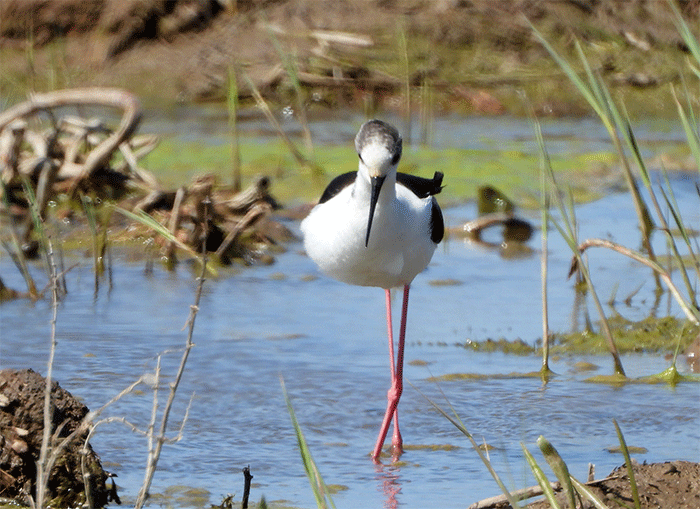
Topping our weekly wader news was the small arrival of Black-winged Stilt in recent days, hopefully portents of some breeding attempts to come. On 18th duos were seen at Worth Marsh RSPB (Kent) and Pulborough Brooks RSPB (West Sussex), the latter pair still present there on 21st. On 19th a singleton was seen in Essex at Blue House Farm EWT; a further single bird was seen in Lincolnshire on 20th-21st at Frampton Marsh RSPB. Two more were found on 20th in Somerset at Steart WWT. On 22nd-23rd a singleton was seen in Cambridgeshire at March Farmers.
A first-winter American Golden Plover was seen in Oxfordshire this week at Otmoor RSPB on 18th-20th.
A Kentish Plover was reported on 20th at Rye Harbour NR (East Sussex).
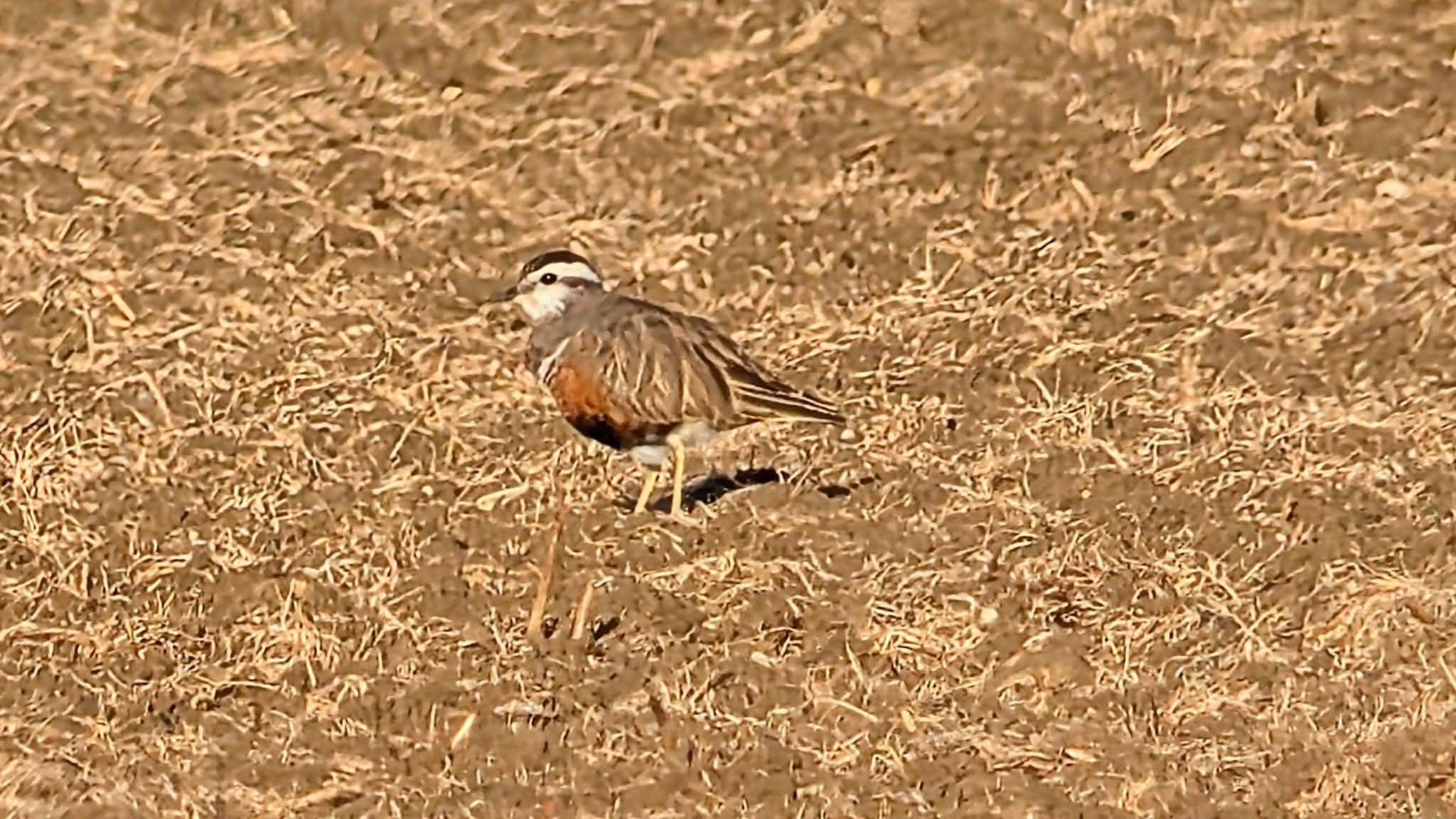
The week was also notable for the start of the northward passage of Dotterel bound for their upland breeding stations – a single bird was seen on 18th-19th at Dinas Dinlle (Gwynedd); three were present at Danna Island (Argyll & Bute) on 19th; and a trip of six were seen in Cambridgeshire outside Gamlingay on 21st-23rd.
Northbound waders came a little scarcer still, with four Pectoral Sandpiper noted lately – at Breydon Water (Norfolk) on 18th; at Lough Beg (Co.Derry) on 18th; at Anderby Marsh (Lincolnshire) on 19th-20th; and at Minsmere RSPB (Suffolk) on 23rd.
A Temminck’s Stint was reported from Pannel Valley NR (East Sussex) on 23rd.
Long-billed Dowitcher were seen again at Montrose Basin (Angus) on 20th-23rd still, and at Tacumshin (Co.Wexford) still on 19th-20th.

In Co.Durham the recent Marsh Sandpiper remained at Boldon Flats NR on 17th-19th.
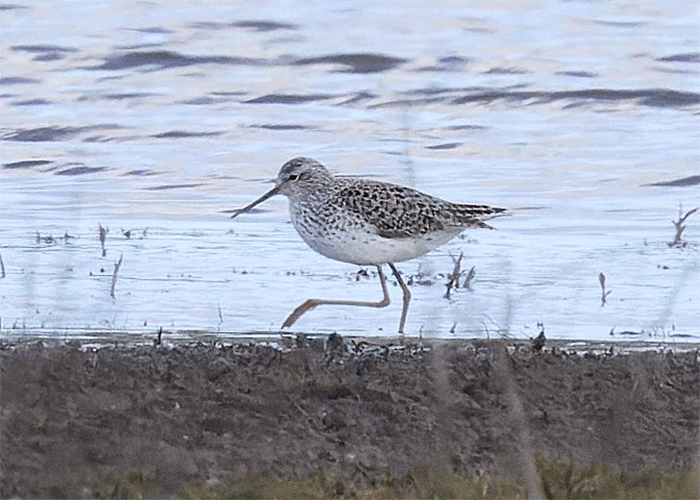
Eventually managed some photos of the Boldon Flats Marsh Sandpiper on the near side of the pond yesterday before it flew off. pic.twitter.com/LfBQUEvUYG
— Ian Mills (@tyneWearbirding) April 20, 2026
All three overwintering Lesser Yellowlegs remained on site for another week, being seen in Denbighshire at Rhyl on 18th still, at Truro (Cornwall) still on 17th-22nd, and on Rathlin Island (Co.Antrim) still on 18th-19th; while last week’s new bird was again seen at Leighton Moss RSPB (Lancashire & North Merseyside) on 21st.
Compared to the preceding week, the Bonaparte’s Gull show calmed down significantly, albeit there were still several birds on offer. One continued to linger in Cornwall on the Hayle Estuary on 17th-18th; one also remained in Dorset at Chickerell on 19th, with a sighting that day in the county also at Swineham Point; the adult remained at Tacumshin (Co.Wexford) on 18th-22nd; and a bird was seen in Devon on 23rd at Seaton Marshes.
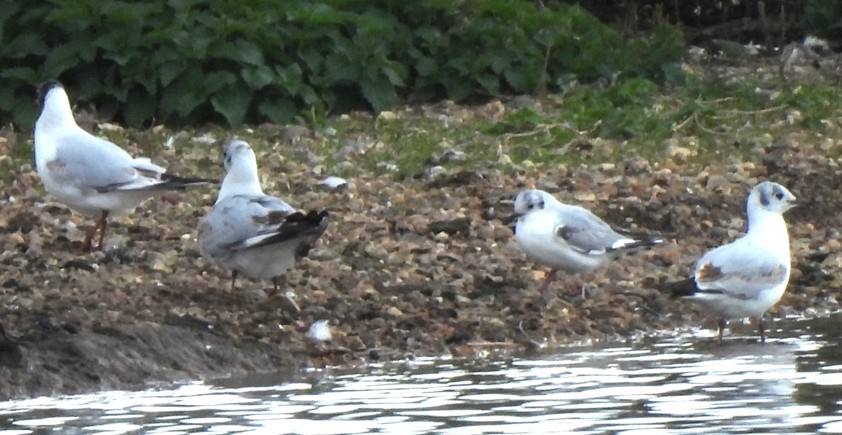
A Sabine’s Gull was seen from Bardey (Gwynedd) on 17th.
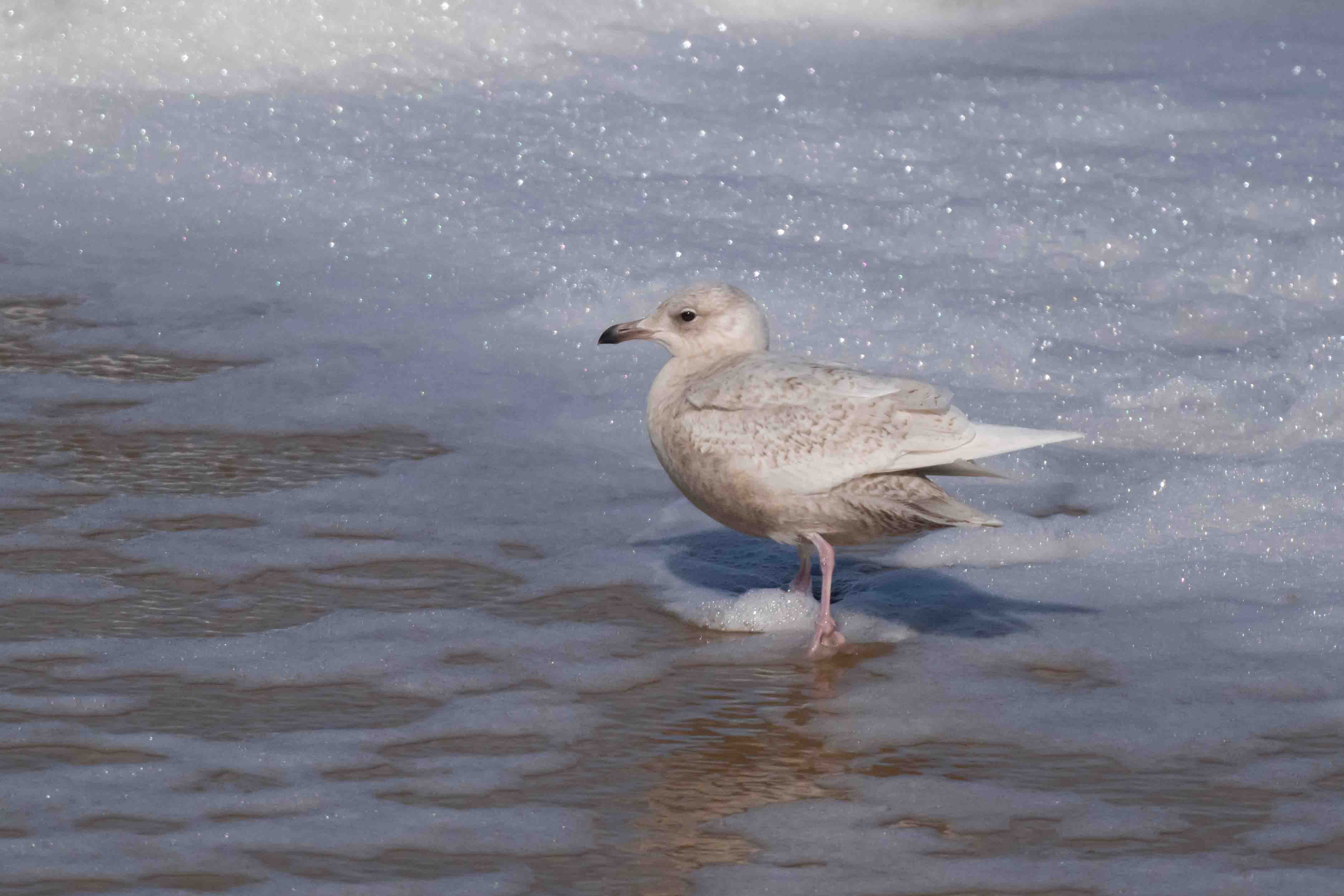
White-wingers continued their steady decline. Glaucous Gull were reduced to a mere handful, birds being noted at West Runton (Norfolk) still on 17th-19th; in Cork (Co.Cork) on 19th; on Westray (Orkney) on 20th; and still on Orkney Mainland at Stenness on 23rd. Iceland Gull were barely more numerous, struggling to make double figures, birds being logged in Shetland at Loch of Hillwell on 17th and Loch of Spiggie on 21st; on St Kilda (Western Isles) still on 17th; on the Bann Estuary (Co.Derry) on 18th; in Cork (Co.Cork) on 18th-19th and 23rd; on Westray (Orkney) on 19th; at East Wemyss (Fife) on 19th; at Waxham (Norfolk) again on 19th; and reported from Druridge Bay CP (Northumberland) on 23rd. A Kumlien’s / Thayer’s Gull was seen passing Hascosay (Shetland) on 22nd.
Finally, in Dorset, the adult Forster’s Tern was seen again at Brownsea Island NT on 17th-18th, once more at Lytchett Bay on 21st-22nd, and at Ham Common LNR on 23rd.
A male Pallid Harrier was seen heading north past Nybster (Highland & Caithness) on 21st, and again there on 22nd. An immature was seen in Gloucestershire on 23rd at Sharpness.
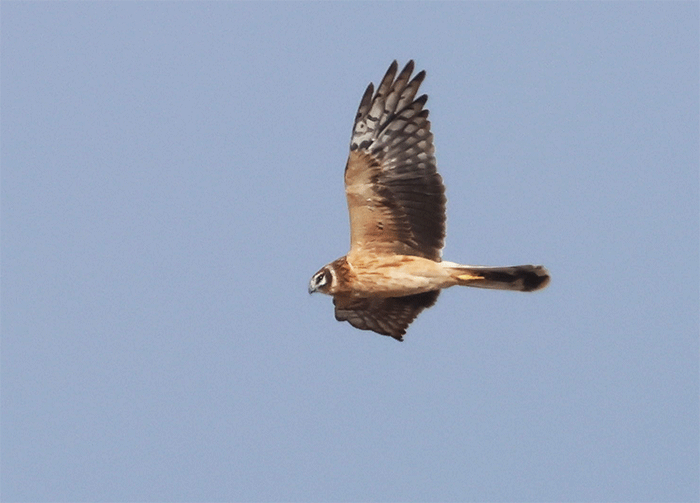
Highland & Caithness also accounted for reports of Rough-legged Buzzard, at Kinbrace on 17th and Lochindorb on 18th. A further bird was seen in Lothian at Gladhouse Reservoir on 22nd.
Black Kite sightings had a strong Cornish bias, coming from Land’s End on 19th, Sennen on 19th-20th, Trevescan on 21st, and Polgigga on 21st; with additional reports in the county owing themselves to Carn Marth on 19th, Budock Water on 20th, and Ashton on 21st. Elsewhere, one was seen in Hampshire at Hook Links on 20th, another at St David’s (Pembrokeshire) on 22nd, and further birds were reported from Kent at New Romney on 20th, West Hill (Devon) on 22nd, and Islay (Argyll & Bute) on 23rd.
It’s the passerines we have to thank this week for reminding us that spring was getting under way with a vengeance, not least the warblers, with several quality scarce species logged as the week wore on.
Starting in East Yorkshire, a Great Reed Warbler was trapped and ringed at Spurn on 18th.
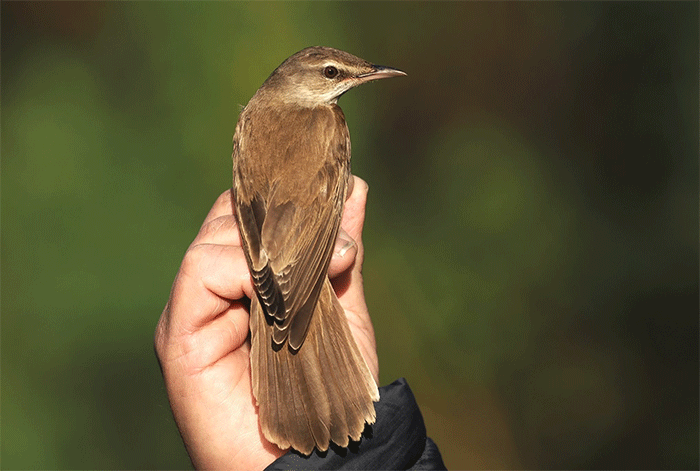
A Savi’s Warbler was found in song in Suffolk at Levington Creek on 23rd.
A couple of Western Subalpine Warbler males were found, one in Cornwall on The Lizard on 17th-19th, and the other on Great Saltee Island (Co.Wexford) on 18th-20th. A further female Subalpine Warbler sp was seen briefly on St Agnes (Scilly) on 21st, and another at Pendeen (Cornwall) on 22nd.
Lingering Hume’s Warbler remained determined not to move on just yet at Lowestoft (Suffolk) on 17th-23rd, and near Lea Marston (Warwickshire) on 18th-22nd still.
Yellow-browed Warbler were seen at Dungeness (Kent) on 19th, and also reported that day from Bavelaw Marsh (Lothian).
The singing Pallas’s Warbler remained at St Ives (Cornwall) on 17th-23rd.
The week was particularly notable for the presence of several Iberian Chiffchaff, continuing the species’ slide from mega rarity to mere scarcity – birds were seen (and heard) at Hardwick Hall CP (Co.Durham) still on 17th-23rd, and Dunglass Burn (Borders) still on 17th-19th; and in Suffolk at Hollesley Marshes RSPB on 17th, and Westleton Heath on 17th-23rd.
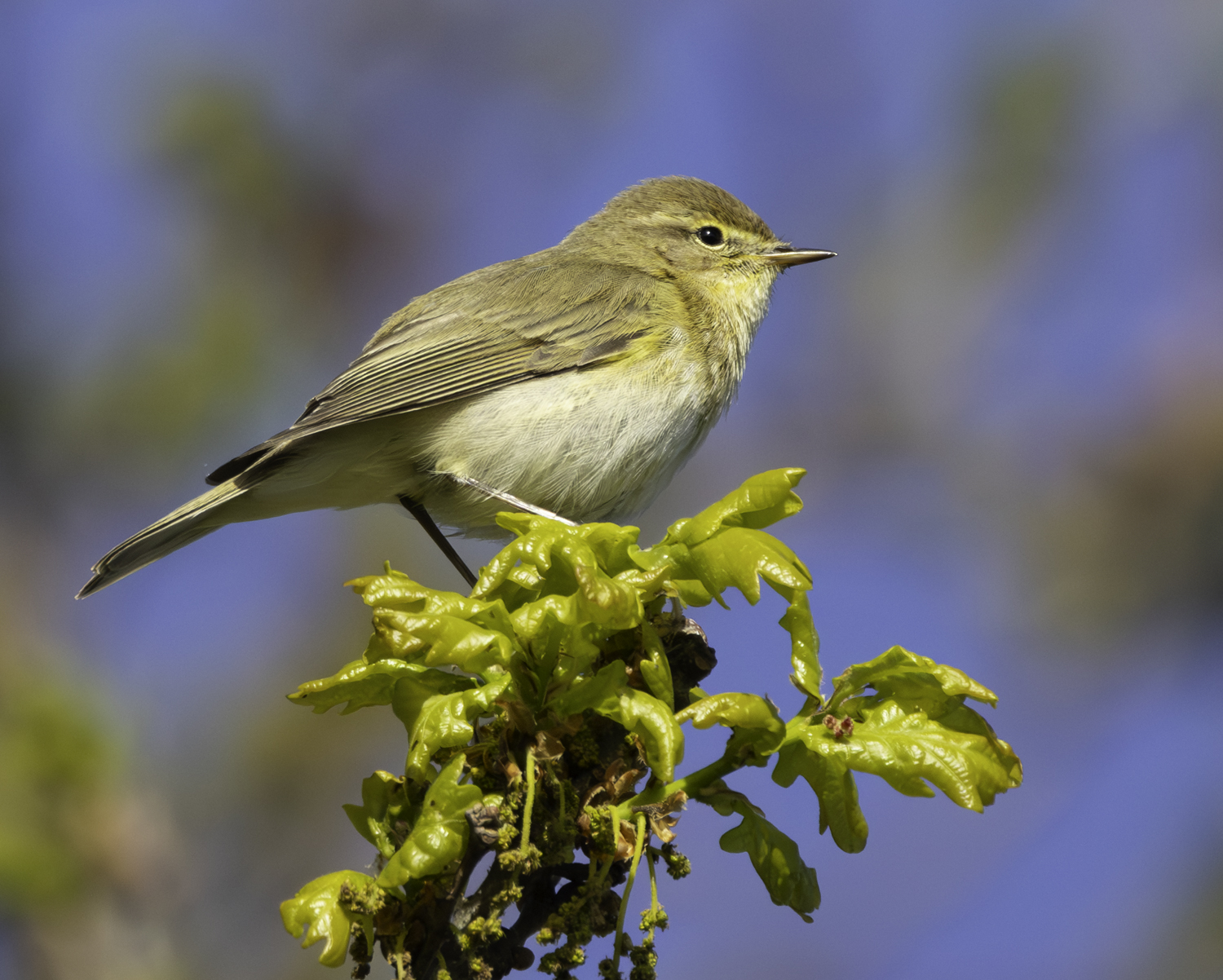
In Cornwall, the Dusky Warbler remained at Boscathnoe Reservoir on 18th-23rd.
Finally, two singing male Zitting Cisticola remained at Walberswick (Suffolk) on 23rd.
Numbers of Hoopoe held firm for the week, with around 25 birds noted in recent days across Britain and Ireland.
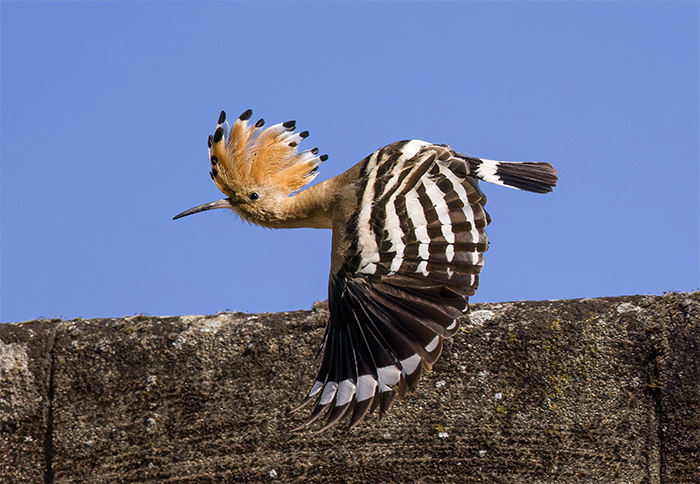
A couple of Wryneck were also seen – at Burton (Cheshire & Wirral) on 19th, and also on 19th at Carnsore Point (Co.Wexford).
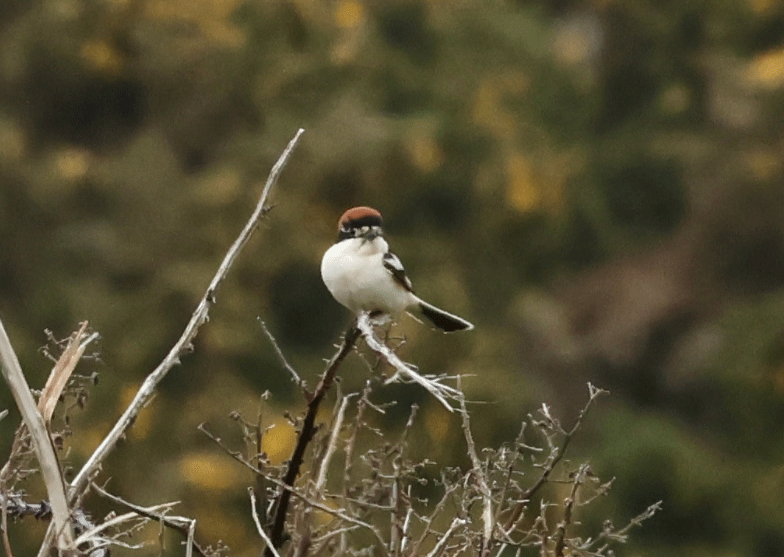
The week was a good one for Woodchat Shrike, with the lingering bird still at Nanquidno (Cornwall) on 17th-22nd joined in the dailies by further birds at Mullion Cove (Cornwall) on 19th-23rd; at Pagham Harbour (West Sussex) on 18th-19th; Pembrey Burrows LNR (Carmarthenshire) on 20th-23rd; and Fethard-on-Sea (Co.Wexford) on 22nd-23rd, and Ballynacarriga (Co.Cork) on 22nd. A further bird was reported from Chapel Six Marshes (Lincolnshire) on 17th.
Golden Oriole were seen near Penygroes (Gwynedd) on 17th, and on Scilly on St Agnes and St Mary on 21st; on 22nd birds were found at Nanquidno (Cornwall), and Cape Clear (Co.Cork); and on 23rd another on Scilly on St Martin’s.
Scilly also scored a Short-toed Lark on St Mary’s on 18th-20th.
Red-rumped Swallow were seen at Old Harry (Dorset) on 18th, in East Yorkshire on 19th at Aldbrough and Spurn, and on 22nd at Thetford (Norfolk).
In Dorset the popular male Bluethroat continued to hold territory at Swineham GPs on 17th-23rd.
Serin were present on St Mary’s (Scilly) on 21st-23rd, with two birds present on the isle on the latter date. A further bird on 23rd was seen at Birling Gap (East Sussex) coming in off the sea.
Finally, in Hampshire the male Great-tailed Grackle was again seen at Millbrook on 17th; and the male remained in Lancashire & North Merseyside at Speke Hall on 17th-23rd.
Big news came this week from France, where a White-winged Lark was found in the Camargue near Etang de Beauduc on 18th-20th. Oh for another British record… On 22nd an Elegant Tern was seen at Polder de Sebastopol.
A Subalpine Warbler sp was present on Alderney (Channel Islands) on 22nd.
In Sweden a Dalmatian Pelican was tracked on 19th, seen at Skarpo in the morning and Ostersund in the evening.
Denmark meanwhile enjoyed an Eastern Imperial Eagle at Skagen on 17th.
Further afield, two Tawny Eagle were present near Sidi Bel Abbes in Algeria on 17th.
And finally, on Cape Verde the Black-headed Heron remained on Sao Vicente on 17th-18th.
A notable non-avian highlight came from Scotland, where a Walrus was recorded during the week. The animal was first noted in Orkney in mid-April before reappearing at Lossiemouth Marina in Moray, where it hauled out to rest. Part of the harbour was cordoned off while the Walrus recovered, with the British Divers Marine Life Rescue team monitoring the situation and urging the public to keep their distance.
Walrus today at Lossiemouth Harbour pic.twitter.com/IDmioZ6Xi3
— Andy Lawson (@mtnsofscotland) April 21, 2026
How maddening, when gazing into the murky depths of the RBA crystal ball, to attempt to manifest a rare, large lark only for it to arrive in France and not Britain in the past week.
Must try harder...
The last week of April traditionally has some fine pedigree to its name, with a host of good birds to conjure with. From America alone, a variety of rare sparrows, plus Red-winged Blackbird, Brown-headed Cowbird, and Eastern Phoebe. From other points of the compass, a myriad of Subalpine Warbler of all flavours, and rarer stuff too - Moussier’s Redstart and Black Lark standing out.
Realistically, the coming week is a good one for a Whiskered Tern, and that’s an attainable dream for anyone with some water on their local patch.

Jon Dunn
24 Apr 2026
Many thanks to all this week's contributors for your photos and videos and to everyone who contributed throughout the year.
Get Breaking Birdnews First
Get all the latest breaking bird news as it happens, download BirdAlertPRO for a 30-day free trial. No payment details required, and get exclusive first-time subscriber offers.
Share





