



Weekly birding round-up: 19 - 23 Dec
A truncated Round Up this, as we step into Christmas – the weekly deep dives into the rarity and scarcity goings on will be back in the early New Year, though of course the daily news never stops here, and you can rely on RBA to let you know if any Christmas crackers ensue in the coming days. (As we all know, a lot depends on whether you’ve been naughty or nice in the past year…) But the past few days, what of them? Let’s have a look…
The prior week’s drake Bufflehead, relocated in Co.Kerry at Kilbrean Lake, remained there in recent days on 20th-22nd.
But before that, there was news of another drake, this one being found in Gwynedd at Foryd Bay on 19th, and remaining there until 22nd. There seems a fair chance that this is the same bird as that seen at Point of Ayr (Flintshire) on 8th. If so, that all-too-fleeting first for Wales wasn’t set to remain a blocker for long, and the settled nature of this week’s bird was a welcome relief for Welsh listers from near and afar. Nadolig Llawen!

The seabirds, while not numerous lately, held much of the glamour to be seen in recent days. We start in Ireland, where the resident Double-crested Cormorant was still present on Doon Lough (Co.Leitrim) on 21st.
In Cornwall, meanwhile, the returning adult Pacific Diver remained on the sea off Mousehole on 19th-23rd; while another was seen on 23rd further east along the Cornish coast off Dennis Head.
Four Little Auk were seen from South Uist (Western Isles) on 19th, while five were noted at Fife Ness (Fife) on 20th, with a singleton also seen on the latter date at Ballycotton (Co.Cork); and one was seen on 23rd passing North Foreland (Kent).
Our wintering cohorts of Glossy Ibis continued to provide the primary interest in the long-legged beastie stakes. There’ll be many a year-list boasting one of them in its number come New Year’s Day…
A goose at Christmas may be more a Victorian affectation in these modern turkey times, but not in these quarters – we love a good honker round here. Even when it’s The Goose Formerly Known As Canada – interior Todd’s Canada Goose were seen on 19th near Tayinloan (Argyll & Bute), two on 19th-23rd still at Ballygilgan NR (Co.Sligo), and on 20th a possible near Inverallochy (Aberdeenshire); and hutchinsii Richardson’s Cackling Goose on 19th-23rd at Ballygilgan NR (Co.Sligo) still, at Drimvore (Argyll & Bute) on 20th-21st still, and at Dunfanaghy New Lake (Co.Donegal) where two birds remained on 19th-20th.
The recent Red-breasted Goose remained at Burnham-on-Crouch (Essex) on 19th, sharing the site with a Black Brant for good measure that day.
A white Christmas seems unlikely, but maybe there’s going to be a touch of snow in some quarters - recent Snow Goose were seen at Marshside RSPB (Lancashire & North Merseyside) still on 20th-21st, at Insh Marshes RSPB (Highland & Caithness) on 20th-23rd, and at Loch of Skene (Aberdeenshire) again on 23rd.
A Ross’s Goose was seen on 23rd near Strath (Argyll & Bute).
Green-winged Teal just about nudged into double figures in recent days in Britain and Ireland as a whole, with a little over a dozen logged; but American Wigeon were a scarcer proposition entirely – birds remained at Ballygilgan NR (Co.Sligo) on 19th, Bishop Middleham (Co.Durham) on 20th, at Darnconner Quarry (Ayrshire) again on 19th, on Orkney Mainland at Loch of Ayre on 21st, and at BLagdon Hall (Northumberland) again on 23rd.
Rarer still, the female Black Duck was still to be found in Co.Kerry at Baile an Reannaig on 21st.
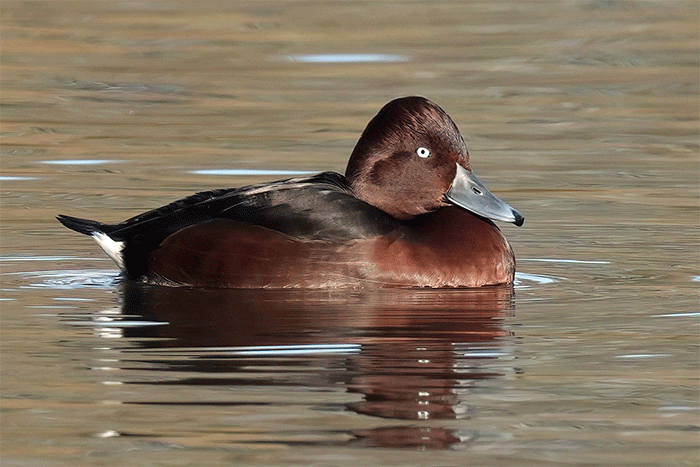
The short week proved fairly lively for Ferruginous Duck, with multiple birds reported. In Lincolnshire the drake remained at West End GPs on 19th-21st; on 20th one was seen in Cambridgeshire at Earith and Colne Fen GPs; another sighting on 20th came from Warwickshire at Napton Reservoir; while on 20th-23rd one was seen again at West Hyde GPs (Hertfordshire); and a drake in Hampshire at Brownwich Pond on 19th.
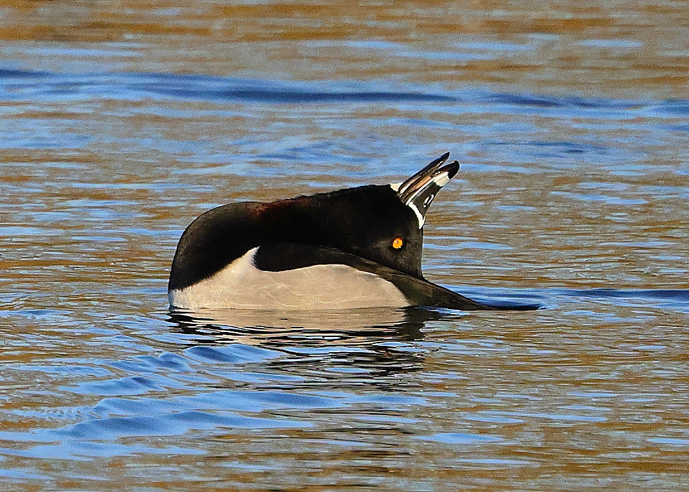
A handful of Lesser Scaup were still out there to be seen – two in Cornwall at Helston on 19th-23rd; one in Essex still on Abberton Reservoir on 19th-23rd; one still on Staines Reservoir (Surrey) on 22nd; the recent individual again at Lough Clubir (Co.Cork) on 19th; and two on 23rd at Loch Leven (Perth & Kinross).
Some 25 Ring-necked Duck were logged in recent days, with our peak counts being trios present on Loch Ballybrant (Argyll & Bute) on 20th, and at Knockaderry Reservoir (Co.Waterford) on 22nd still.
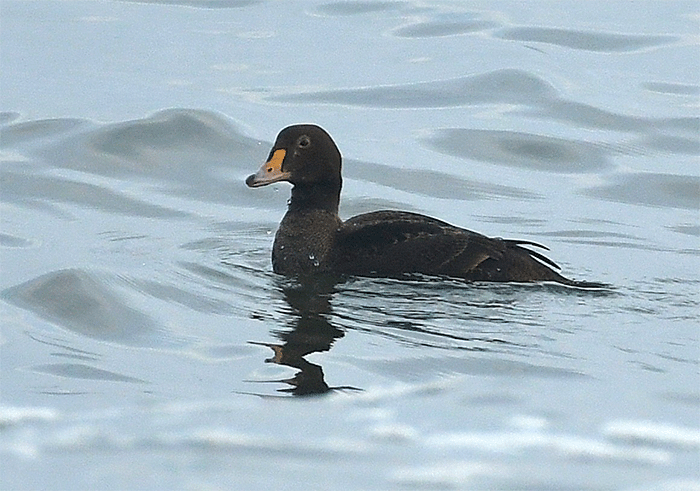
The recent drake Black Scoter lingered at Dornoch (Highland & Caithness) on 19th.
The drake White-winged Scoter was still in Gosford Bay (Lothian) on 20th-23rd.
Two Surf Scoter were also present at Dornoch (Highland & Caithness) on 19th-21st; as did the recent King Eider on 19th-23rd. The Shetland example of the latter species remained in Quendale Bay off Mainland on 19th-22nd also.
Finishing the quackers with a flourish, in Ireland the first-winter drake Harlequin Duck remained in Co.Donegal off Curransport on 20th-22nd.
Harequin Duck (Male) “Harley” @ Tra Na gCloch, Co. Donegal on 22nd, December, 2025.
— Vittorio Caschera (@Victor_Caschera) December 22, 2025
Went again for the plumage. pic.twitter.com/Wjq2DxD54L
Once again, not a huge volume of waders to distract us, but some quality in their number...
Starting in Co.Clare, the Semipalmated Sandpiper remained at Seafield on 20th-22nd.
Suffolk’s wintering Temminck’s Stint was still to be seen at Minsmere RSPB on 19th-23rd.
The juvenile Spotted Sandpiper remained at Ballynagaul (Co.Waterford) on 21st-23rd.
In Somerset the overwintering female Kentish Plover remained at Burnham-on-Sea on 20th-21st.
Angus meanwhile continued to boast a Long-billed Dowitcher at Montrose Basin on 19th-23rd.
Finally, both recent stalwart Lesser Yellowlegs remained on offer, at Truro (Cornwall) on 19th-23rd, and on Rathlin Island (Co.Antrim) on 19th still. A new bird was found on 23rd in Suffolk at Martlesham Wilds NR.
Into the gulls, and a little seasonal spice was provided by an adult Bonaparte’s Gull at Loch Gilp (Argyll & Bute) on 21st.
Ireland gave us Ring-billed Gull at Doorly Park (Co.Sligo) still on 19th, and at Cork Lough (Co.Cork) still on 19th-23rd; while the Cornish bird remained at Hayle Estuary RSPB on 23rd.
White-wingers were in precious short supply lately. Glaucous Gull were seen on 20th-23rd at Loch Oire (Moray); on 20th at Spiddal (Co.Galway); and on 22nd on Orkney Mainland at Loch of Stenness still, and on 22nd-23rd at Deerness; on Skye (Highland & Caithness) still on 23rd; on 22nd-23rd at Ardmair (Highland & Caithness); and on 23rd at Hartlepool (Cleveland).
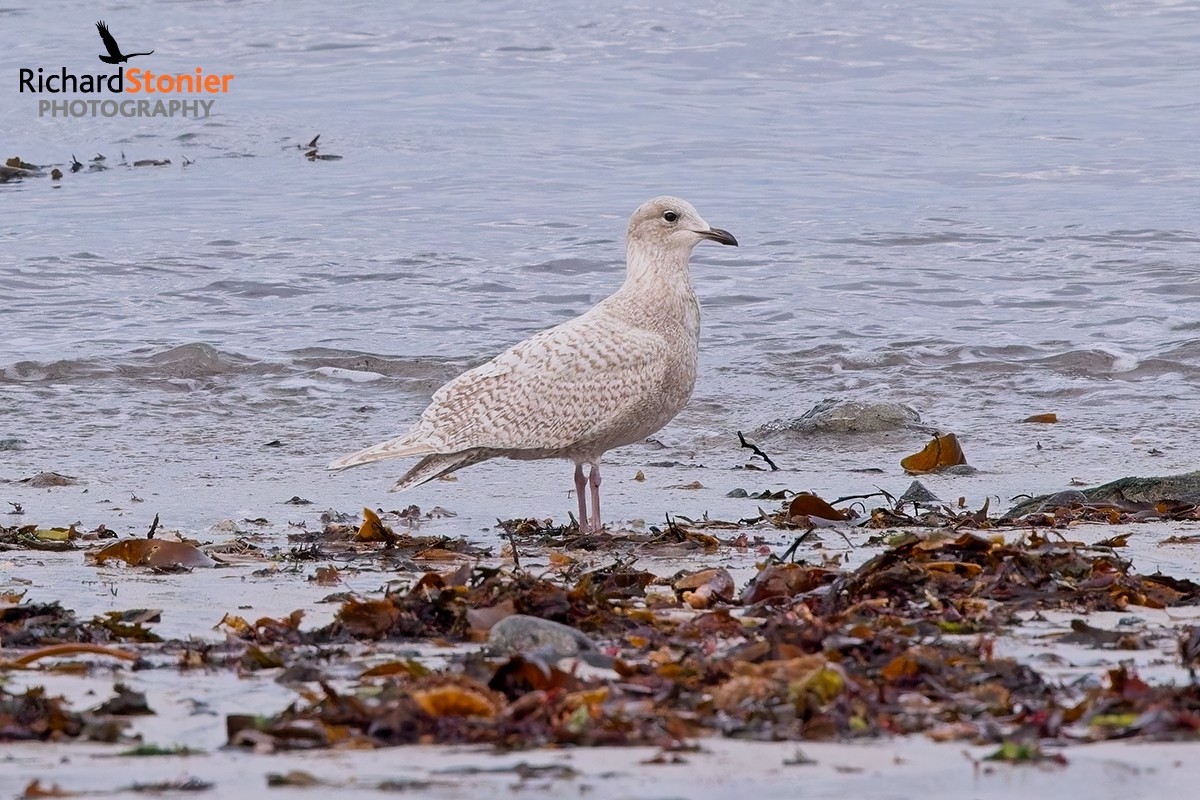
As for Iceland Gull, these are accounted for by birds seen on St Mary’s (Scilly) still on 20th-23rd; on 21st on Lewis (Western Isles), and at Dingle (Co.Kerry); and on 22nd at Ullapool (Highland & Caithness).
Sticking with Ireland, the juvenile Northern Harrier was again seen at Cahore Marsh (Co.Wexford) on 21st-22nd, and Tacumshin on 22nd.
Meanwhile in Wales the adult female Pallid Harrier was again to be found at Llanrhidian Marsh (Glamorgan) on 20th-22nd.
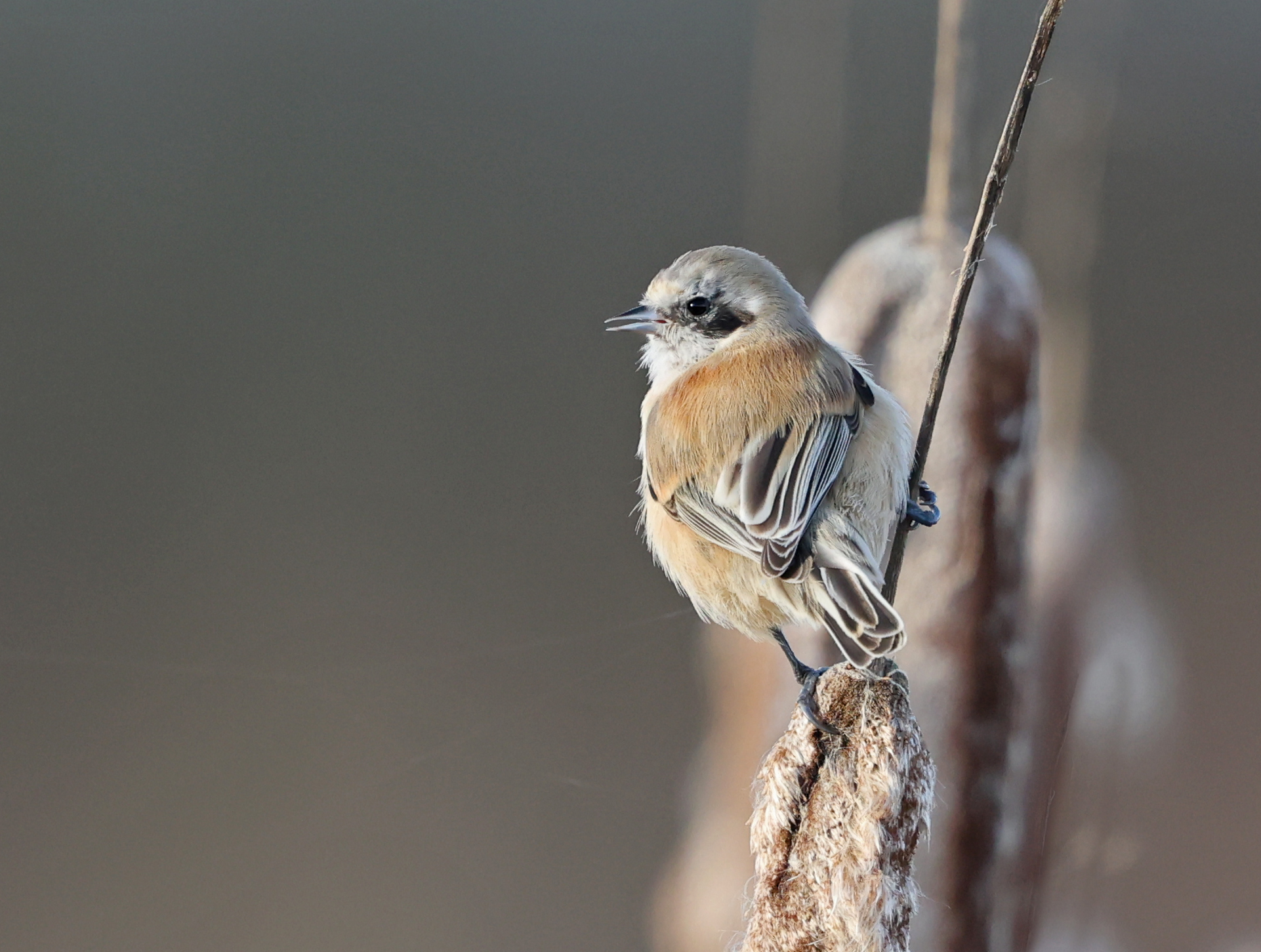
The denuded passerines kick off with three Penduline Tit in Gloucestershire at Aust Warth on 20th-23rd.
An Isabelline Shrike sp made a fleeting appearance at Flamborough (East Yorkshire) on 22nd, but soon moved on.
A new Great Grey Shrike was seen, at Girton Pits (Nottinghamshire) on 21st-22nd; the Beaulieu Road Station (Hampshire) bird was again noted there on 21st-22nd; and a bird was found in North Yorkshire at Harwood Dale Forest on 23rd.
Numbers of Waxwing were well down on the past couple of weeks – barely 30 were noted nationwide, with the largest flock reported comprising 14 birds in Northumberland on 23rd at Edlingham.
The recent Hoopoe was again seen near Erwarton (Suffolk) on 22nd.
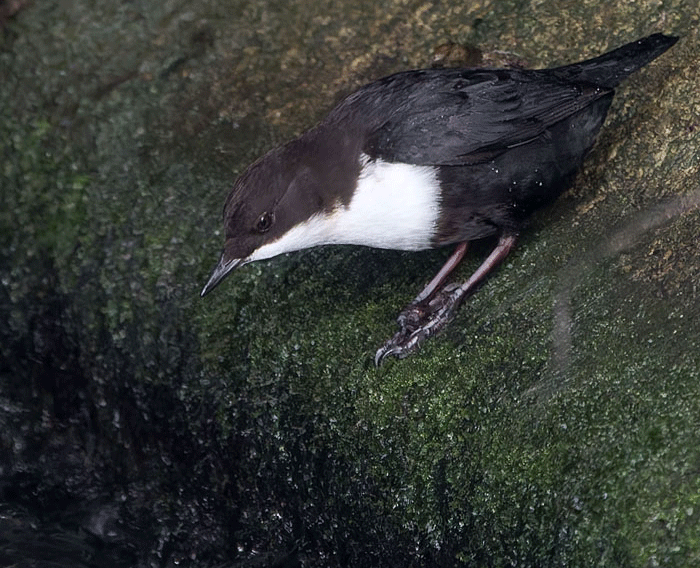
The Black-bellied Dipper was again seen in Norfolk at Bintree Mill on 20th-21st.
Suffolk had something much rarer still available – three Zitting Cisticola at Walberswick on 20th, with at least one still present on 21st.
One of the recent Hume’s Warbler remained at Holkham Pines (Norfolk) on 20th. A further possible was seen in Exeter (Devon) near Trews Wier on 19th.
Numbers of Yellow-browed Warbler nationally maintained their level of the preceding week, with a dozen reported in recent days.
Dusky Warbler remained at Dunhill (Co.Waterford) on 19th-22nd, and in Cornwall at Boscathnoe Reservoir still on 19th-23rd.
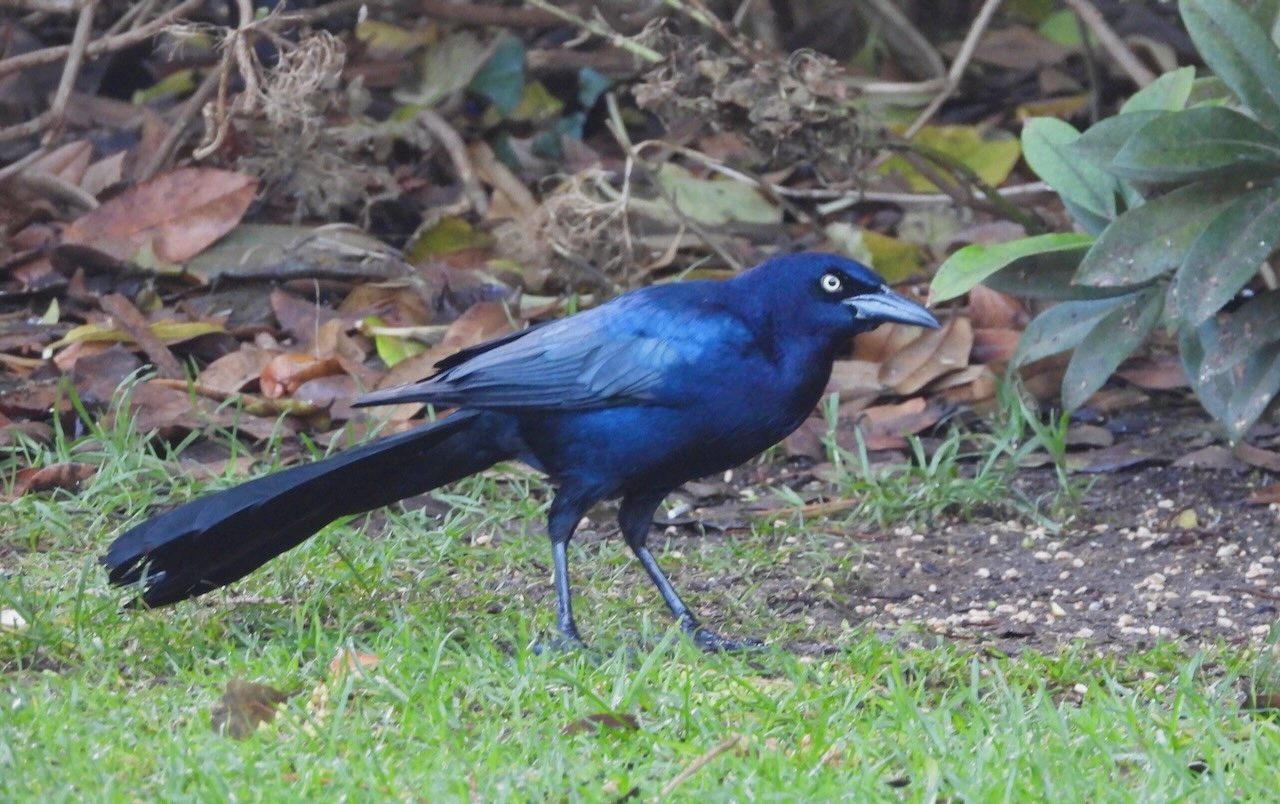
Finally, a twist in the tale of the recent grackle in Hampshire came courtesy of the dark DNA divining arts of the clever folk in Aberdeen in the past week – news that the settled male Boat-tailed Grackle hanging around the gardens at Holbury was, in fact, a Great-tailed Grackle. Some respectful credit due here to former Round Up stalwart Mark Golley, who expressed his doubts about the bird’s identity weeks ago. The bird, oblivious to the minor existential furore surrounding it, remained present at Holbury lately on 20th-23rd.
2025 continued to make a case for being the Year of the Black-faced Bunting, with still another bird found in recent days – this one in Sweden on 19th-20th at Appelbo.
In the Netherlands, meanwhile, the Black-faced Bunting remained on Texel on 19th-23rd; and the drake Spectacled Eider was also still off Texel on 19th-23rd.
In France the Belted Kingfisher remained on Canal de Nantes a Brest in Rostrenen on 19th-23rd; the Northern Harrier at Marais de Peychaud on 23rd; and the Lesser Short-toed Lark sp agonisingly close to us on the beach at Marck on 22nd-23rd.
This is the point in the birding year when your own correspondent signs off for a few days sitting in a darkened room, his head spinning after a year of yet more birding surprises, and more weekly twists and turns than the plot of a Dickensian penny dreadful.
The Round Up will be back in the early new year, landing in your inbox on Friday 9th January. Which gives us a little over a fortnight for some good birding cheer to interrupt a family Christmas or well-laid plans for quiet times over the New Year period.
We need only glance at the history books to know that the coming fortnight can spring a surprise or two. Heavyweight thrushes have been found in Christmas week – the likes of American Robin and Siberian Thrush, in 1988 and 1977 respectively. Egyptian Vulture, Tengmalm’s Owl, Glaucous-winged Gull, Mourning Dove - the potential for disruption from Christmas past is well-proven.
And as for the first week of a new year, we needn’t rest easy then either. More American Robin, plus Naumann’s Thrush, Western Swamphen, Common Yellowthroat… the list goes on. Surely, between wishing you a Happy Christmas, and greeting you anew in the New Year, something exciting will come our way. As ever, we live in hope.
So, Happy Christmas, everyone. Thanks for joining us for the ride through 2025. And here’s to plenty more excitement in the New Year.
Jon Dunn
23 December2025
Many thanks to all this week's contributors for your photos and videos and to everyone who contributed throughout the year.
Get Breaking Birdnews First
Get all the latest breaking bird news as it happens, download BirdAlertPRO for a 30-day free trial. No payment details required, and get exclusive first-time subscriber offers.
Share





