


Fourth White-tailed Eagle 'disappears' - RSPB Offers £10k reward
Police investigations into the suspicious disappearances of satellite-tagged White-tailed Eagles have taken a worrying new turn with the revelation that a fourth bird has vanished – prompting the RSPB to offer £10,000 for information leading to a conviction.
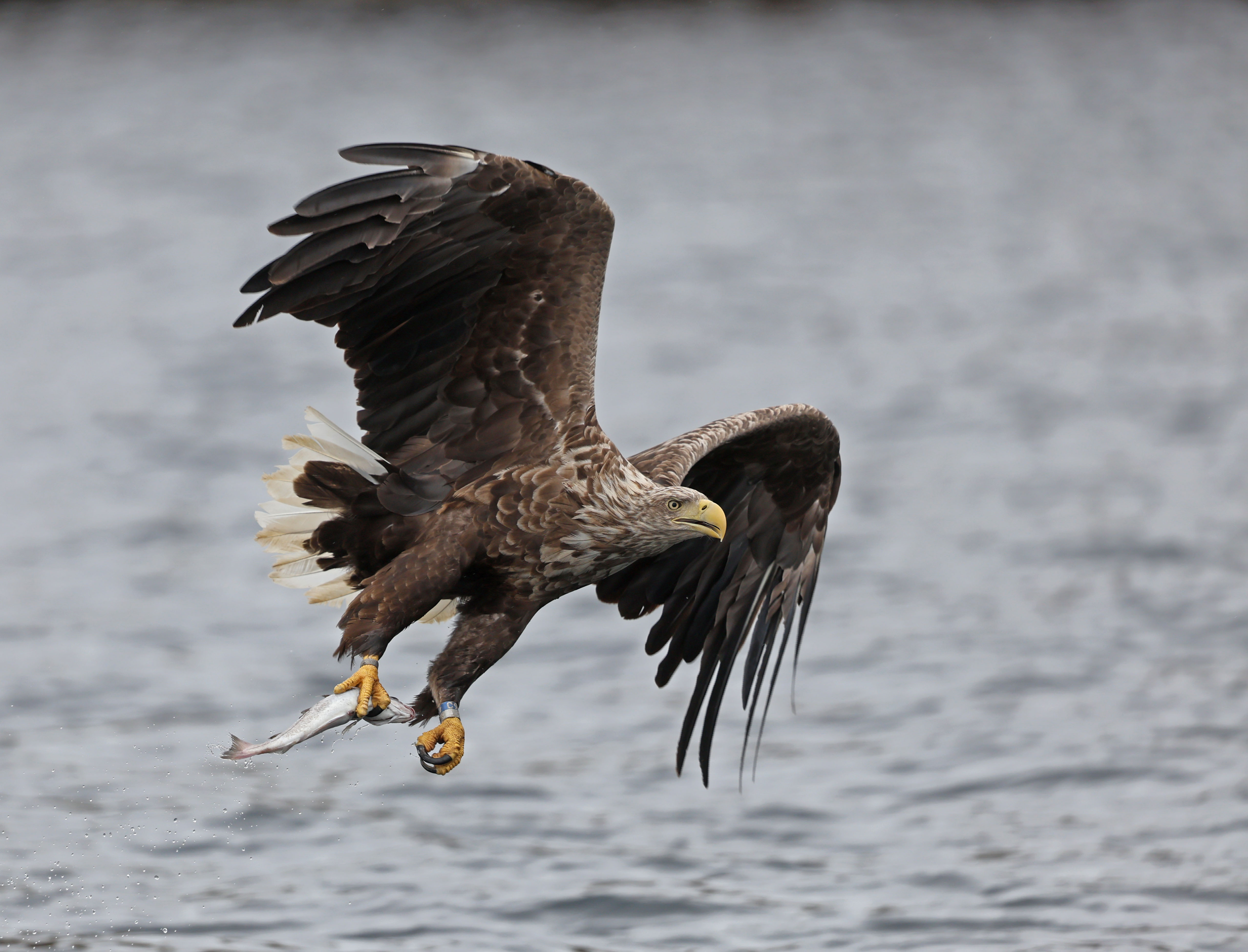
This update follows our earlier report on three White-tailed Eagles that disappeared in suspicious circumstances, with two satellite tags found deliberately cut off and one bird’s transmitter ceasing to send data – a story we published last week.
Fourth Eagle Goes Missing
According to a Raptor Persecution UK post by Dr Ruth Tingay, further details have emerged showing that in addition to the three birds central to the ongoing investigations, a fourth White-tailed Eagle — one that fledged from a nest in Perthshire in 2024 — disappeared on a grouse moor in Nairnshire in May this year. A police search was conducted, but neither the bird nor its satellite tag was found.
Dr Tingay highlights the broader context of this disappearance, noting:
“…it turns out that it hasn’t just been the three White-tailed Eagles from the England re-introduction project that have disappeared in recent months… this latest White-tailed Eagle to vanish is the third in the area since 2019.”
She describes the situation as “appalling” and underscores long-standing concerns about the disappearances of satellite-tagged raptors in certain upland areas.
RSPB Offers £10,000 Reward
In response to these developments, the RSPB has publicly offered a £10,000 reward for information leading to a conviction of anyone involved in the disappearance of these birds. This step is part of a growing effort by conservation organisations to assist police and encourage members of the public to come forward with credible leads.
Dr Tingay emphasises the significance of this offer, writing:
“The RSPB has not only expressed its disgust, but it has put its money where its mouth is and is offering a reward of £10,000 for information leading to a conviction of those involved.”
Ongoing Investigations and Conservation Concerns
The wider investigation spans multiple police forces, including those in England, Wales and Scotland, with the National Wildlife Crime Unit involved in coordinating efforts as reports of suspicious activity around satellite-tagged birds continue to grow.
Conservationists have repeatedly expressed alarm that the disappearance and suspected illegal targeting of such iconic birds could set back years of careful reintroduction work, threatening one of the UK’s most celebrated conservation success stories.
December 2025
Get Breaking Birdnews First
Get all the latest breaking bird news as it happens, download BirdAlertPRO for a 30-day free trial. No payment details required and get exclusive first-time subscriber offers.
Share this story





