Cold weather delays dawn singing in wetland warblers
New acoustic research from a South African high-altitude wetland shows that temperature, wind and rain strongly shape when warblers begin their dawn chorus
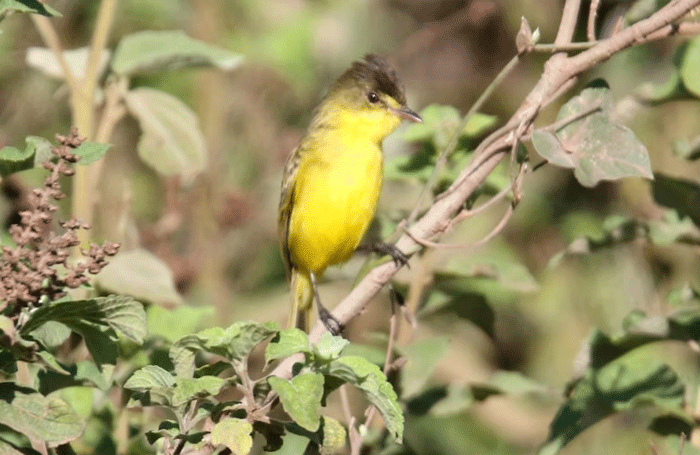
Dawn chorus under pressure from the weather
In many landscapes, the dawn chorus is one of the most reliable daily rhythms in nature. Yet in high-elevation wetlands, even this familiar soundscape can be sharply curtailed by the weather. New research from the Golden Gate Highlands of South Africa shows that cold mornings regularly delay the start of singing in wetland warblers, sometimes pushing the chorus well beyond sunrise.
The study focused on three widespread African wetland specialists – African Yellow Warbler, Little Rush Warbler and Lesser Swamp Warbler – all of which rely heavily on early-morning song during the breeding season. Using automated sound recorders deployed across a six-kilometre wetland, researchers monitored singing behaviour over several months and compared it with detailed weather data.
Cold mornings mean late starts
Across all three species, temperature emerged as the most consistent driver of dawn chorus timing. On colder mornings, warblers delayed the onset of singing, sometimes by many minutes after sunrise. Warmer nights and early mornings, by contrast, triggered earlier and more predictable choruses.
This pattern likely reflects the energetic cost of singing in cold conditions. At high elevation, where frosts are common and overnight temperatures drop sharply, birds may need to prioritise thermoregulation before committing energy to prolonged vocal display.
Humidity, wind and rain tell different stories
Beyond temperature, the study revealed striking species-specific responses to other environmental factors. Relative humidity, for example, affected the three warblers in different ways. African Yellow Warblers tended to sing earlier on more humid mornings, while Lesser Swamp Warblers delayed their chorus as humidity increased. Little Rush Warblers showed little consistent response.
Rainfall also produced contrasting effects. On wet mornings, African Yellow Warblers and Little Rush Warblers were slower to begin singing, whereas Lesser Swamp Warblers often advanced their chorus, possibly attempting to sing before rain intensified or background noise increased.
Wind produced one of the more unexpected results. Rather than suppressing singing, stronger winds were linked to earlier chorus onset in two of the three species. This may reflect an adaptive response, with birds singing earlier to avoid later acoustic interference from wind moving through dense wetland vegetation.
The moon’s influence is subtle but real
Moon phase played a minor but detectable role. On mornings following brighter nights, Little Rush Warblers and Lesser Swamp Warblers tended to start singing later, while African Yellow Warblers appeared unaffected. This suggests that nocturnal light levels can subtly shift daily activity rhythms, even in species that sing only after dawn.
Season matters as much as weather
Timing within the breeding season also shaped chorus behaviour. Singing tended to begin earliest during the middle of the breeding period, when territorial and mating pressures are likely at their peak. Early and late in the season, dawn chorus onset was consistently later, regardless of daily weather conditions.
Implications for monitoring wetland birds
These findings carry important lessons for bird monitoring, particularly as passive acoustic recording becomes more widely used. In high-elevation wetlands, survey results may vary substantially depending on temperature and weather conditions, potentially leading to under-recording of species on cold or wet mornings.
The study suggests that monitoring efforts in such habitats are most effective on warmer, calmer days, and that weather conditions should always be factored into interpretations of bird activity and apparent abundance.
A fragile soundscape in a harsh environment
High-altitude wetlands are among the most challenging environments birds inhabit, shaped by rapid weather changes and narrow thermal margins. This research highlights how finely tuned avian behaviour is to those conditions – and how easily a familiar natural soundscape can fall silent when the temperature drops.
January 2026
Get Breaking Birdnews First
Get all the latest breaking bird news as it happens, download BirdAlertPRO for a 30-day free trial. No payment details required and get exclusive first-time subscriber offers.
Share this story