Pet flea treatments may be harming wildlife
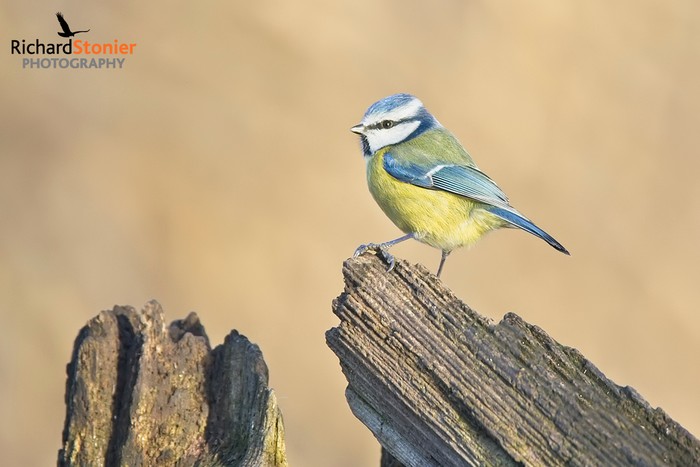
Toxic substances used in flea and tick treatments pet owners give to their dogs and cats have been detected in birds’ nests, according to new UK research.
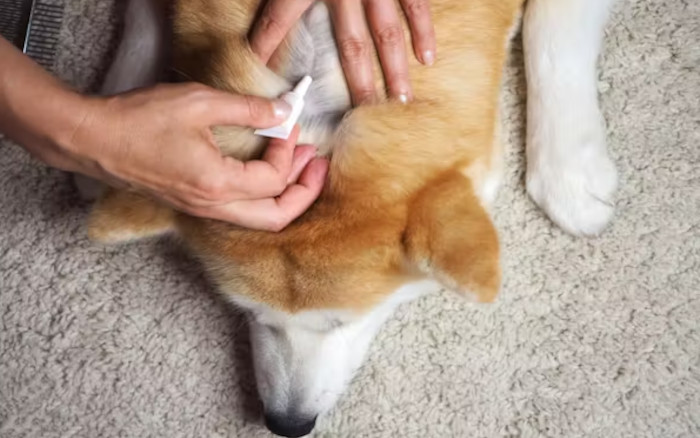
Fipronil and imidacloprid, two common insecticides distributed by vets in pipettes to kill or stunt fleas, were previously found in nearly all English rivers. These chemicals are known to harm aquatic insects, which has repercussions for the species that eat them. Birds are also known to ingest these insecticides in their food and water.
Our study now raises the risk of direct skin contact, as veterinary drugs were the most common insecticides colleagues and I found in bird nests. How do they get there – and what are they doing?
Many birds, including garden visitors such as blue tits and great tits, nest in tree hollows and nest boxes. To keep their eggs and chicks warm, these birds line their nests with soft materials such as fur. In fact, around 74% of European bird species use fur as nest insulation.
Across the UK, pet owners and wildlife enthusiasts leave brushed pet fur outside for birds to collect. But with around 80% of the country’s 22 million cats and dogs receiving regular flea and tick treatments, this well-meaning act can inadvertently expose birds to harm.
A previous study in the Netherlands found that insecticides used in flea treatment were appearing in birds’ nests. The study I led with colleagues is the first to identify the problem in the UK.
We examined 103 nests of blue tits and great tits and found the residue of 17 out of 20 insecticides commonly used as flea treatments in the UK. The most prevalent were fipronil, which we found in every single nest, imidacloprid and permethrin, which were both detected in 89% of nests.
All three of these chemicals are banned for use as pest control on EU farms due to their harmful effects on wildlife. Studies have shown that these insecticides can damage the nervous and reproductive systems of birds, and threaten their overall health. Yet they remain widely used in veterinary medicine.
We collected nests months after the breeding season, and so the concentrations of chemicals we found are likely to be lower than what was present in the nests during spring, when birds gather material for nests. This suggests that eggs and chicks were exposed during the whole breeding season.
The nests we found with higher concentrations of insecticides contained more unhatched eggs and dead chicks. Other factors could explain these deaths, such as predation. But the known dangers of these chemicals should make us question their wider impact on the environment. While more research is needed to fully understand their risks, the evidence already suggests that exposure could be harming nestlings, which are at a critical stage of development.
Scientists and conservation groups are urging the UK government to conduct a more thorough environmental risk assessment of veterinary treatments, particularly those used on dogs and cats.
Public awareness will also be key to addressing the problem. Many pet owners do not know that their routine flea treatments affect wildlife. Small changes could help reduce this impact. For example, year-round flea treatment is not necessary, particularly in winter when fleas and ticks are less active.
If treatment is required then tablets could be a better choice as they do not involve direct skin contact for birds and would not wash away every time a pet swims or is bathed either. They may be excreted in faeces and contaminate the soil, however – that’s why a thorough environmental risk assessment is necessary.
Pet owners who enjoy helping birds can still leave out fur as nesting material, perhaps by saving the brushed fur from untreated pets during winter and putting it out the following spring.
As awareness of this issue grows, pet owners, scientists and policymakers can ensure that veterinary treatments do not come at the cost of the UK’s wildlife.
The Conversation
4 Feb 2025
Share this story