EU lead shot ban clears Parliamentary hurdle
A continent-wide restriction is set to replace millions of toxic pellets with non-lead alternatives after a seven-year transition.

The European Union is moving towards a ban on lead gunshot across all habitats after the European Parliament rejected attempts to block the restriction on 8 October. The measure will extend protection beyond wetlands and apply to hunting and outdoor sport shooting after a seven-year transition.
BirdLife Europe and Central Asia, which campaigned for the change, says more than 44,000 tonnes of lead are dispersed across the EU each year through shooting, hunting and fishing. The new restriction addresses gunshot, the form that scatters large numbers of small pellets over fields, forests and waterways.
Lead shot has already been prohibited in and around wetlands across the EU since February 2023. The wider measure is intended to close the much larger exposure route across terrestrial landscapes, where birds can swallow pellets while taking grit or consume fragments in shot quarry and discarded remains.
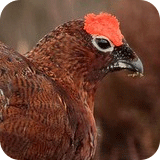
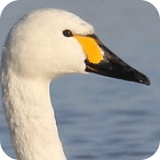
BirdLife says at least 92 bird species are exposed and estimates that lead ammunition kills about one million birds in Europe annually. Waterbirds, gamebirds and scavenging raptors are among those at risk. Species expected to benefit include Bewick's Swan, Grey Partridge, Red Kite, Golden Eagle, White-tailed Eagle and Bearded Vulture.
We have known for decades that lead poisons birds and people, and today Europe has finally acted on it.
Marion Bessol, BirdLife Europe and Central Asia
The restriction was developed under the EU's REACH chemicals framework. Two objections in Parliament sought to stop the Commission proposal, but neither secured enough support. The vote does not itself put the ban immediately into force; it clears a major scrutiny stage and leaves the measure on course for formal adoption and implementation.
Once the transition ends, lead gunshot will no longer be available for normal use across the EU, the European Economic Area and Northern Ireland. BirdLife says the extended period is intended to give hunters, ranges and suppliers time to move to non-toxic alternatives and adapt equipment and practices.
The public-health case sits alongside wildlife protection. People can be exposed through game meat, while pellets deposited in soil and water persist rather than breaking down. BirdLife estimates that the restriction will reduce risks for 135 million birds and one million children, figures that reflect modelled exposure rather than counts of individual poisoning cases.
Important gaps remain. Lead bullets were removed from the Commission proposal and are not covered by this restriction, so larger fragments and residues from rifle ammunition may continue to enter food chains. BirdLife says it will continue campaigning for bullets to be addressed.
Enforcement will also determine the practical effect. Member states will need clear rules for sales, use at shooting grounds and field checks, while affordable supplies of suitable alternatives must be available. The seven-year transition means environmental benefits will accumulate gradually rather than beginning with the Parliamentary vote.
For birds, the decision removes a preventable poisoning source across a far larger area than the earlier wetland rule. It does not address every form of lead ammunition, but it changes the default for shotguns throughout the EU landscape.
9 Oct 2026
Get Breaking Birdnews First
Get all the latest breaking bird news as it happens, download BirdAlertPRO for a 30-day free trial. No payment details required and get exclusive first-time subscriber offers.