Camera trap records a possible Suffolk Pine Marten first
Footage from Benacre National Nature Reserve may be the county's first live record, but Natural England says a lookalike species has not been ruled out.
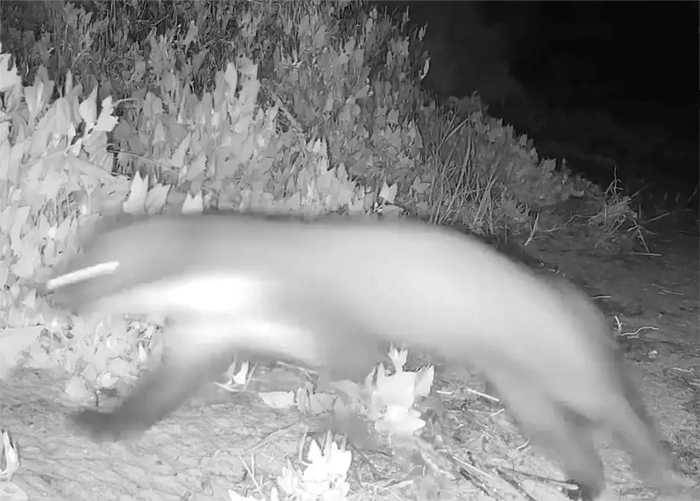
A camera trap installed to monitor predators and disturbance affecting breeding birds has recorded what may be Suffolk's first live Pine Marten. The animal was filmed on a beach at Benacre National Nature Reserve, near Lowestoft, in footage released by Natural England on 7 October.
The identification is not yet absolute. Natural England says the animal's pale bib and bushy tail support Pine Marten, but its background note acknowledges that Beech Marten can look almost identical and remains an alternative. The cautious description matters because the record would be a county first for a living animal.
The camera was not set specifically for martens. It forms part of work to understand predators and human disturbance around nesting birds at Benacre, where shingle, reedbed and wetland habitats support Little Terns, Avocets and a large breeding bird community.
Pine Martens are cat-sized mustelids related to stoats and weasels. Once widespread in Britain, they were reduced by woodland loss and sustained persecution. Their main British stronghold is now Scotland, with recovering populations in parts of Wales and small, expanding populations in northern and south-west England.
This fantastic find is a real thrill for everyone who works on this reserve.
Adam Burrows, Natural England
The nearest previous record cited by Natural England came from Heacham in Norfolk in 2024, on the opposite side of East Anglia. A confirmed Suffolk animal would not show that a breeding population has become established; it could represent a dispersing individual moving through suitable habitat.
Benacre National Nature Reserve forms part of the protected Suffolk coast. Natural England says more than 100 bird species breed across the reserve, including Bittern, Marsh Harrier and Bearded Reedling. The coastline also holds specialist plants such as Yellow Horned-poppy and Sea Holly.
That bird interest explains why cameras are being used. For ground-nesting species, managers need to distinguish pressure from people, dogs and different wild predators before choosing proportionate measures. Continued recording may also provide further angles or repeat detections that help settle the marten identification.
Pine Martens are largely nocturnal and use extensive home ranges, making occasional animals difficult to detect. Camera traps have become an important survey tool because they can operate without an observer and retain a record that specialists can review. A single clip, however, provides limited information about sex, origin or residency.
The Suffolk footage fits a wider pattern of Pine Martens reappearing in parts of England after a long absence. Some recoveries are natural expansions and others follow organised translocations, but Natural England has not linked this animal to a release project.
The agency intends to keep using the reserve's camera network. The immediate result is therefore both a possible county mammal record and an unexpected by-product of bird-conservation monitoring, rather than proof that Pine Martens have returned to breed on the Suffolk coast.
8 Oct 2026
Get Breaking Birdnews First
Get all the latest breaking bird news as it happens, download BirdAlertPRO for a 30-day free trial. No payment details required and get exclusive first-time subscriber offers.