RBA Round-up: 25 Sept - 1 Oct
That’s all it took, a decent easterly blow this week and we caught a glimpse – well, a smack in the chops, really – of what autumn can be all about at this time of the year – a modest deluge of rarities, with some real quality in their midst. And we’re only just moving into October. Ample time yet for more of the same, and more besides… but let’s not wish our lives away. There’s last week’s birds to be reckoning with first.
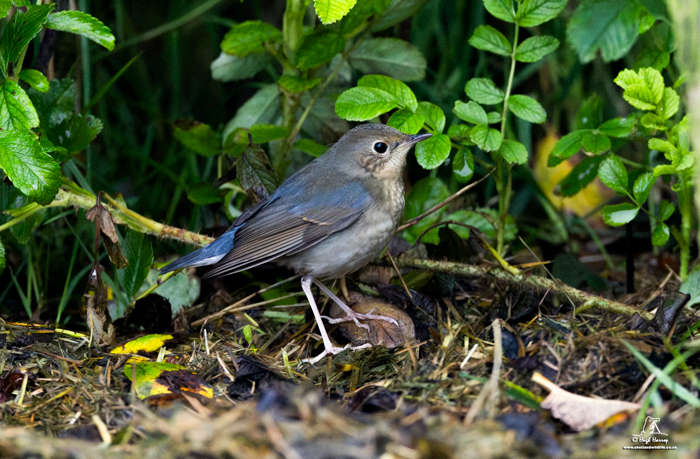
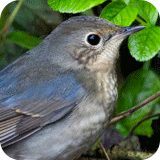
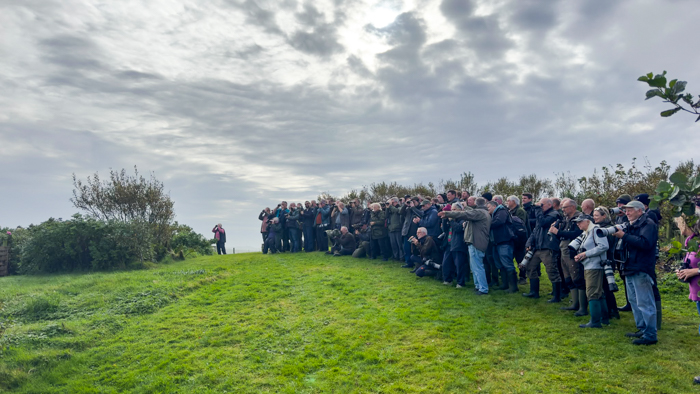
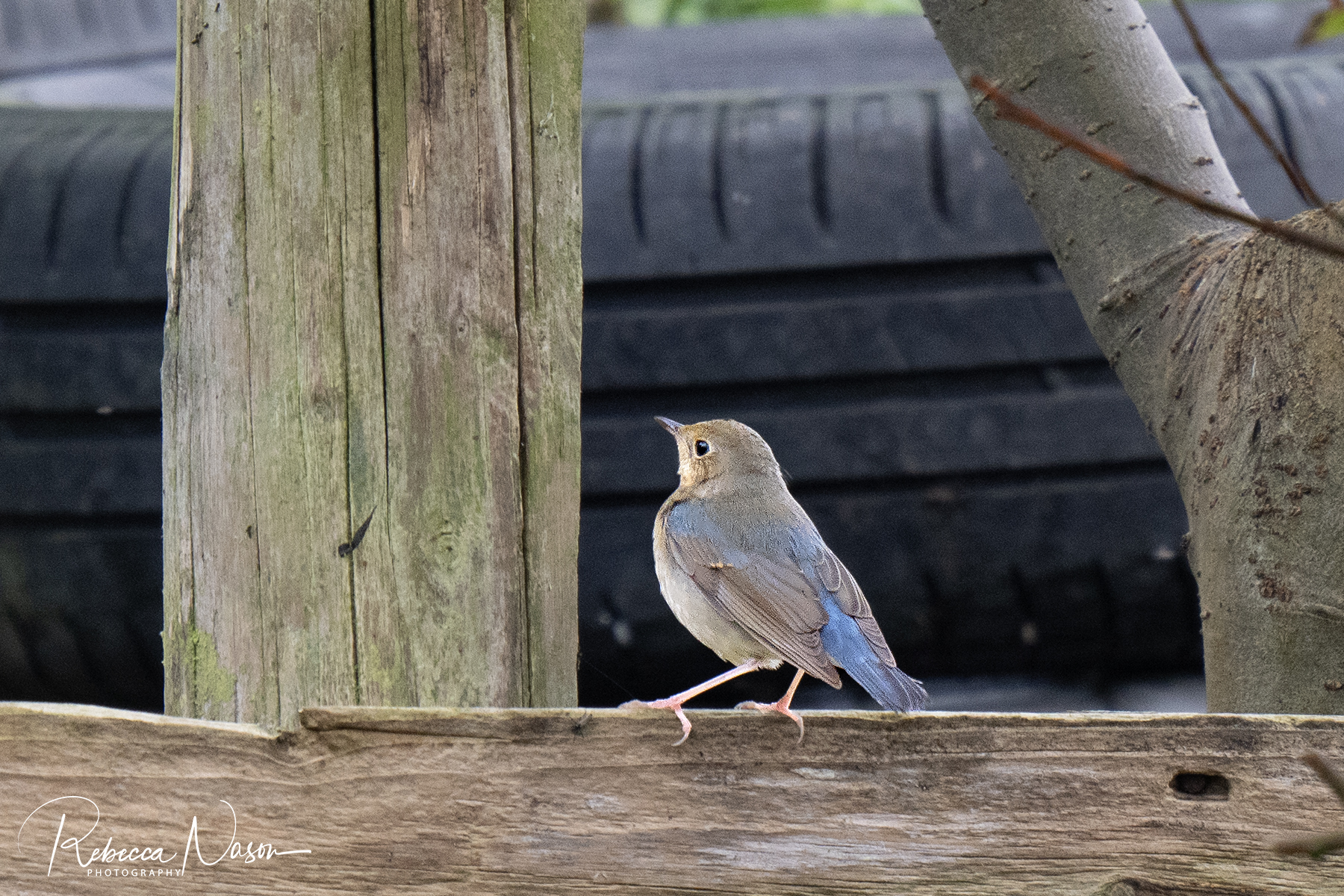
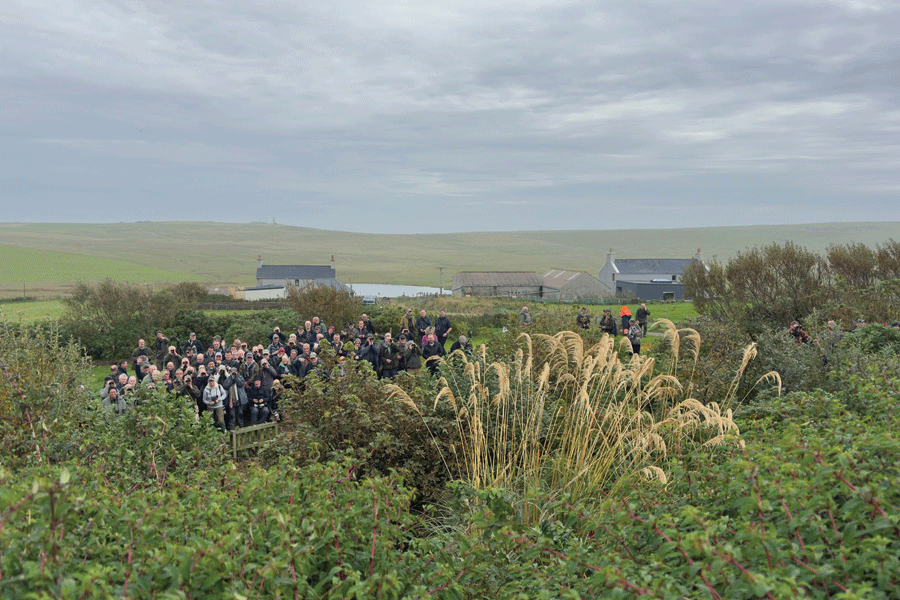
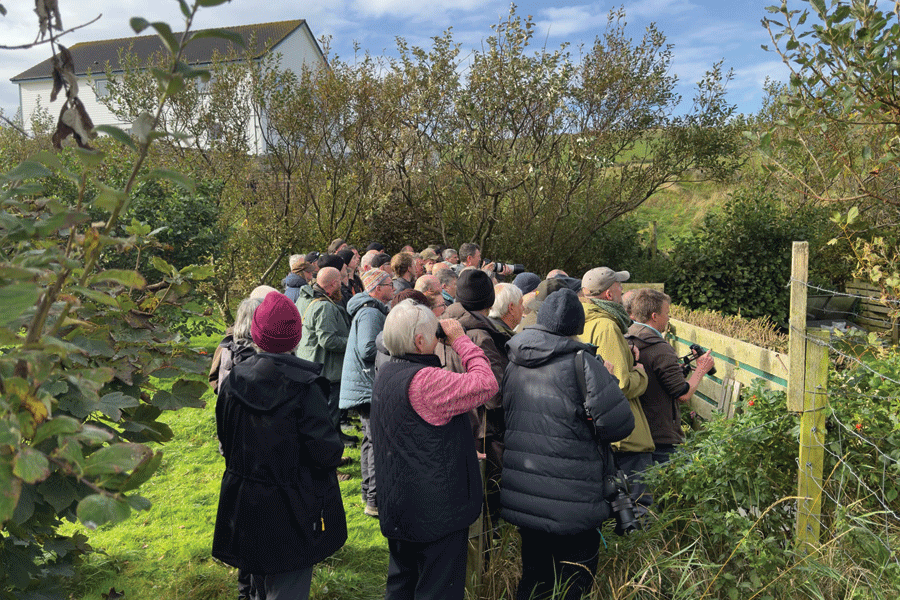
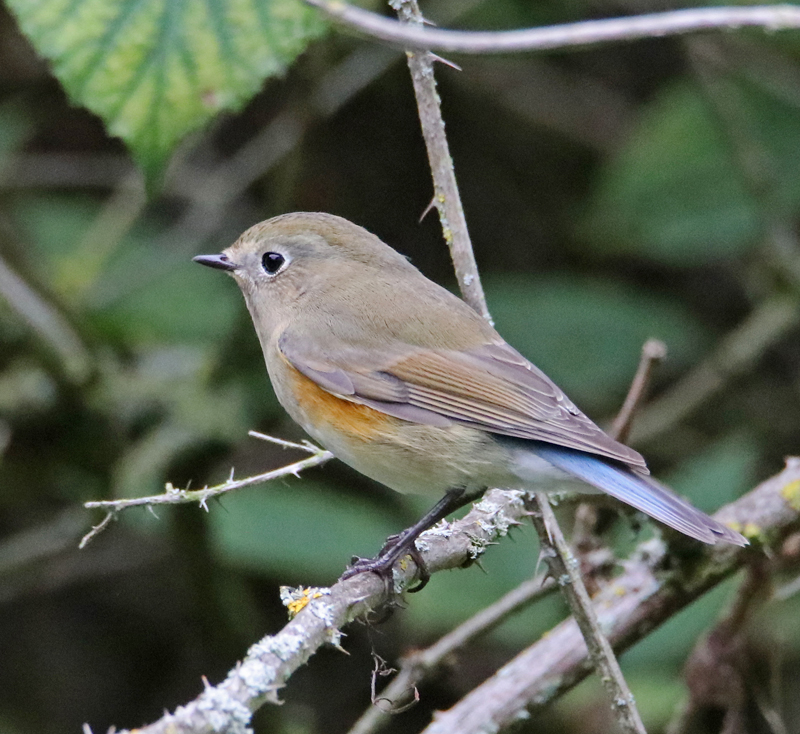
Fifteen years ago to the day since Shetland’s first and, to date, one and only Siberian Blue Robin was brought in freshly dead by a cat on Foula in 2011, the islands finally got a bird seen alive and kicking in the field. Or rather, not in the field – to be precise, in local birder Hugh Harrop’s garden at Hillwell in South Mainland. Since moving there, Hugh’s put a lot of time and effort into planting and developing the garden as a potent migrant bird magnet, and it’s been paying off with some excellent birds to date – but this week the garden surpassed itself in the morning of 1st with the discovery of a mint Siberian Blue Robin within it.
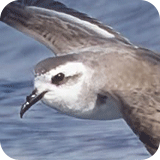
As we noted last week, the autumn seems to be shaping up to be one where some of the erstwhile unthinkable giga rarities of days gone by fall for the masses, or at the very least those fortunate enough to be in the right place at the right time. Last week it was the White-faced Storm Petrel seen by the birding crew out on Challenger on the continental shelf edge and, earlier in September, it was the Egyptian Nightjar that appeared, out of the blue, not a million miles from this week’s unblocking bird in Shetland’s South Mainland.
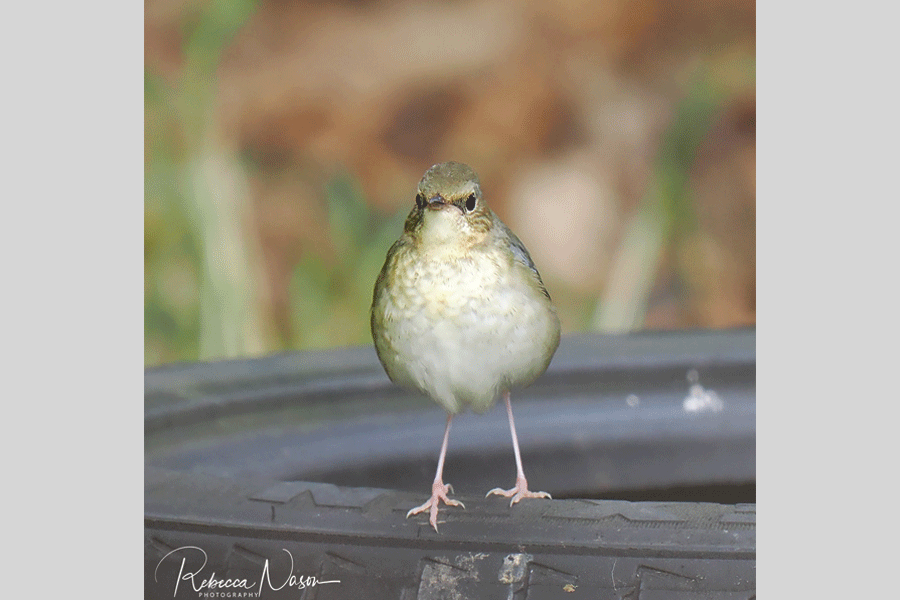
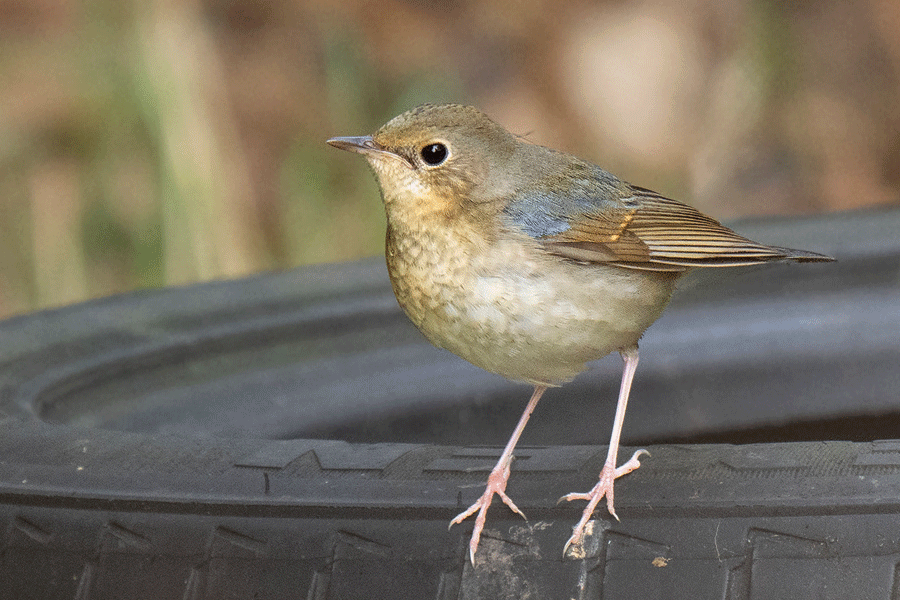
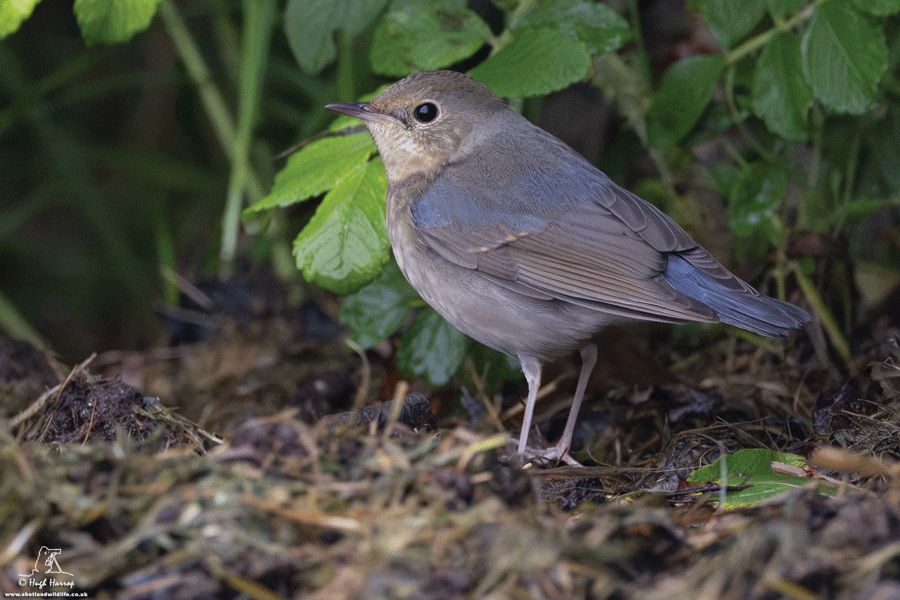
Our previous track record with Siberian Blue Robin hasn’t been particularly smooth. Discounting the Channel Islands and the bird on Sark on 27th October 1975, Britain’s first was the bird found in fading light in the late afternoon of 23rd October 2000 at Minsmere RSPB (Suffolk). Untwitchable, then.
This was followed by three records from the northern isles – the aforementioned and unfortunately catted bird on Foula sandwiched between two Orkney records, both one-day birds on North Ronaldsay – on 2nd October 2001, and trapped and ringed in the late afternoon of 8th October 2017.
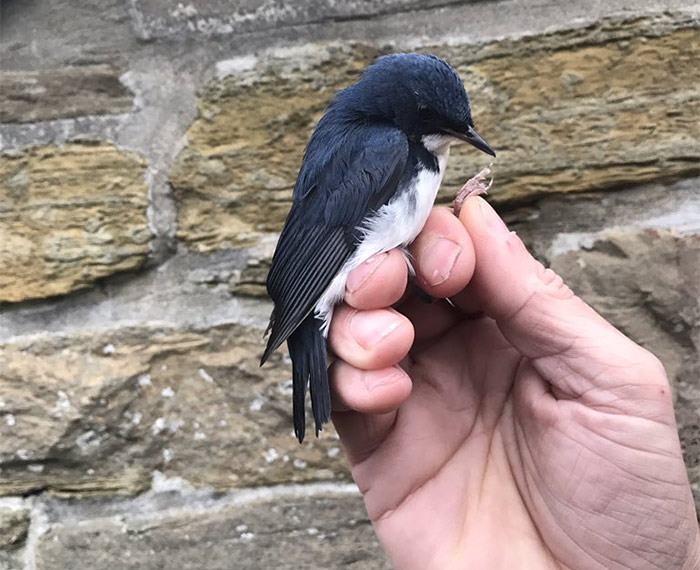
One-day birds all, and all on small outer islands where access is, by definition, restricted somewhat on the grounds of the scale and frequency of inter-island links. And, if we’re honest, those Orcadian records would only ever have spurred local birders to give it a go on the days in question, as Orkney generally doesn’t attract much by way of speculative visiting birder interest in any given autumn.
The same can’t be said for Shetland – the autumn birding scene has been growing with every passing year, the ranks of regular returning birders being swelled by new foot-soldiers wanting the chance to score the regular and semi-regular scarce and rare Sibe vagrants and, who knows, be in the right place at the right time for something really exceptional. A Lanceolated Warbler or Red-flanked Bluetail is all very well and good, and nobody’s day ever made the worse for the likes of either, but a locally twitchable Siberian Blue Robin? That’s the stuff autumnal dreams are made of.
And garden lists too. It’s fair to suppose Hugh will have had trouble getting to sleep on Thursday evening, such will the adrenaline rush of this turning up in his garden have been. Sure, it was a bird to be savoured by nearby locals and visitors alike, but in the end this was simply the ultimate Shetland garden bird.
After many birders had connected with the the bird, by lunchtime, it had vanished. Despite ensuring the garden was spared disruptive attention through the afternoon, and setting up trail-cams to monitor likely spots within, there was no further sign of it on 1st, nor as we go to press in the morning of 2nd. Hats off to Hugh for doing everything he possibly could to ensure birders had a chance to see one of the titanic rarities on the British list.
Some Siberian megas have become pretty much annual in these parts and, as such, more or less anticipated in the course of recent autumns. Red-flanked Bluetail is the poster-child for this shifting status, having journeyed from impossible rarity to annual arrival, but there are others besides – Brown Shrike, et al. Some species however remain stubbornly rare and hard to come by – or, indeed, have actively become harder for birders to catch up with. Yellow-breasted Bunting is the most dismal example of this, for all the wrong reasons in terms of changing land use and hunting pressure in its breeding and migratory range, but more wilfully, there’s also Eyebrowed Thrush to consider.
Were you a birder regularly spending a week or two on Scilly in October in the mid 1980s-1990s, you could scarcely have missed one. Between 1984 and 1993 Scilly racked up an impressive six birds. They seemed so easy… except, of course, they weren’t really, and the years that have elapsed since those halcyon days have only served to remind us, on the whole, that we should never have taken Eyebrowed Thrush for granted after all.
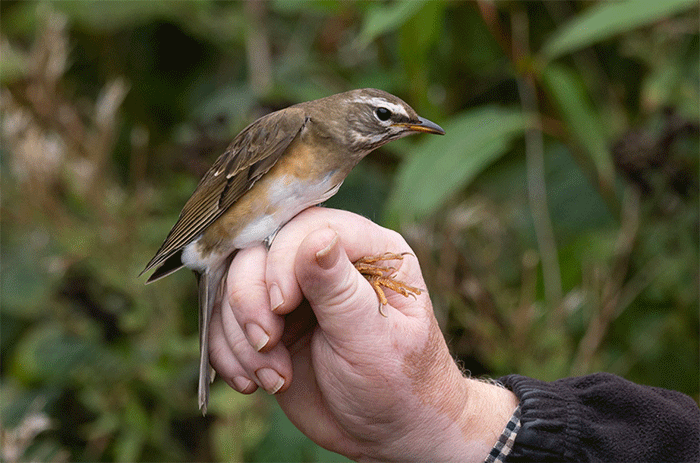
Sure, since 1993 there have been 15 more British records, but most of those have been short-stayers, the wintering individual in Kent near Wingham on 14th January – 3rd March 2021 being a notably anomalous exception to the rule. However, generally it’s fair to say that Eyebrowed Thrush has returned to being a right place, right time bird… or one that requires some notable effort on the part of a would-be admirer if they’re to connect, for the vast majority of those subsequent birds have been on Orkney or Shetland.
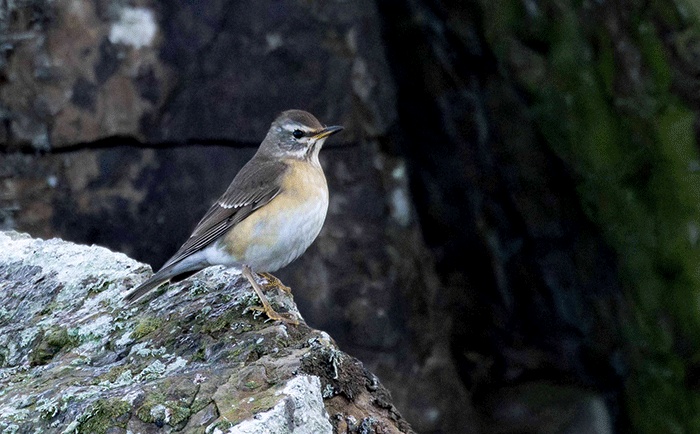
To that roster this week we can add one more bird, in every sense a typical record of its kind, a one-day bird on Fair Isle (Shetland) on 29th. What makes that bird a little easier to take – and all the more remarkable – is that it was found just a little later in the morning on 29th than another example, this one trapped and ringed in East Yorkshire at the redoubtable Kilnsea. Two birds in one day is good going by any standards, albeit not without precedent – two were found in Shetland on 7th October 2020. Neither of the latter were seen the following day and, sure enough, neither of this week’s two birds were sticking around either.
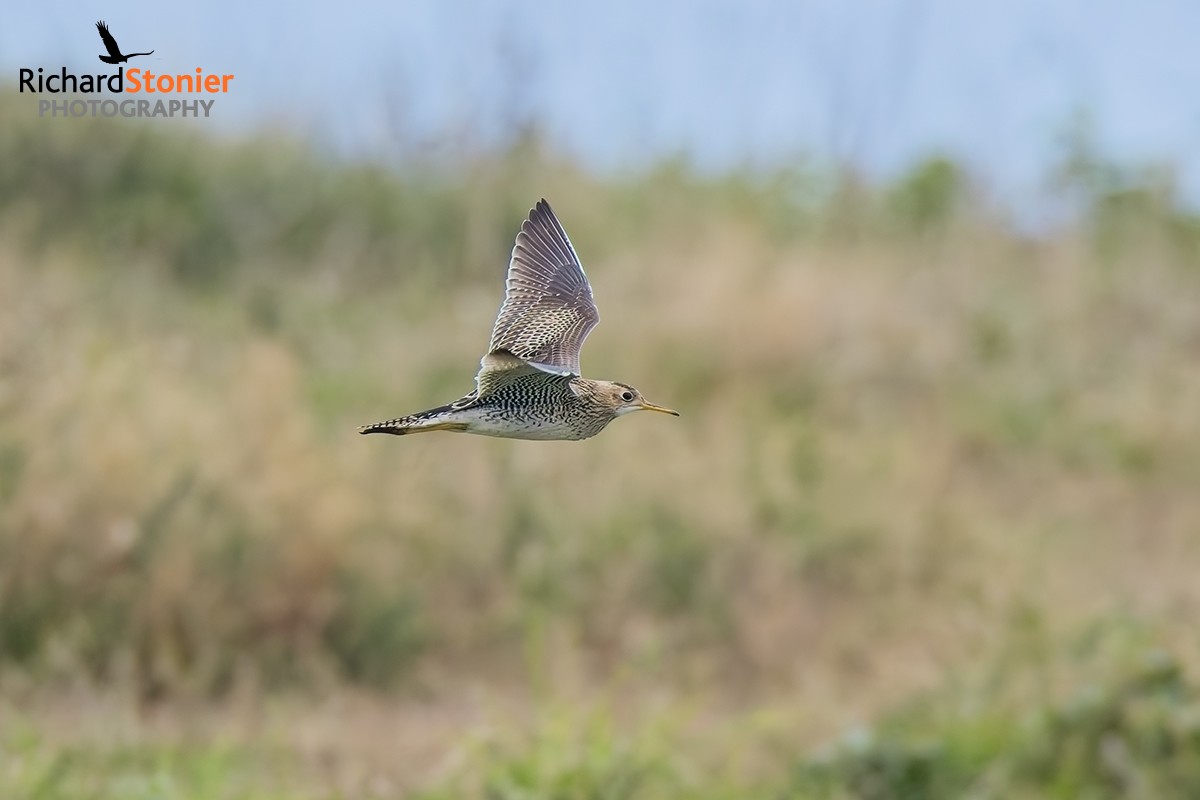
Having already enjoyed a couple of stand-out Nearctic waders these past couple of weeks in the form of Solitary Sandpiper and Short-billed Dowitcher, the English southwest was at it again this week with the pleasing discovery of an Upland Sandpiper on St Agnes (Scilly) on 25th-27th.
Scilly is certainly no stranger to these pencil-necked, googly-eyed waders – the islands have supplied almost a third of all accepted British records to date, with 15 birds on the books to the end of 2024. Having said all of that, it’s been quite a while since their last – a bird that settled on St Mary’s for nearly three weeks on 8th-27th October 2011. For a new generation of Scilly birders or visitors, this was a chance to unblock a local rarity.
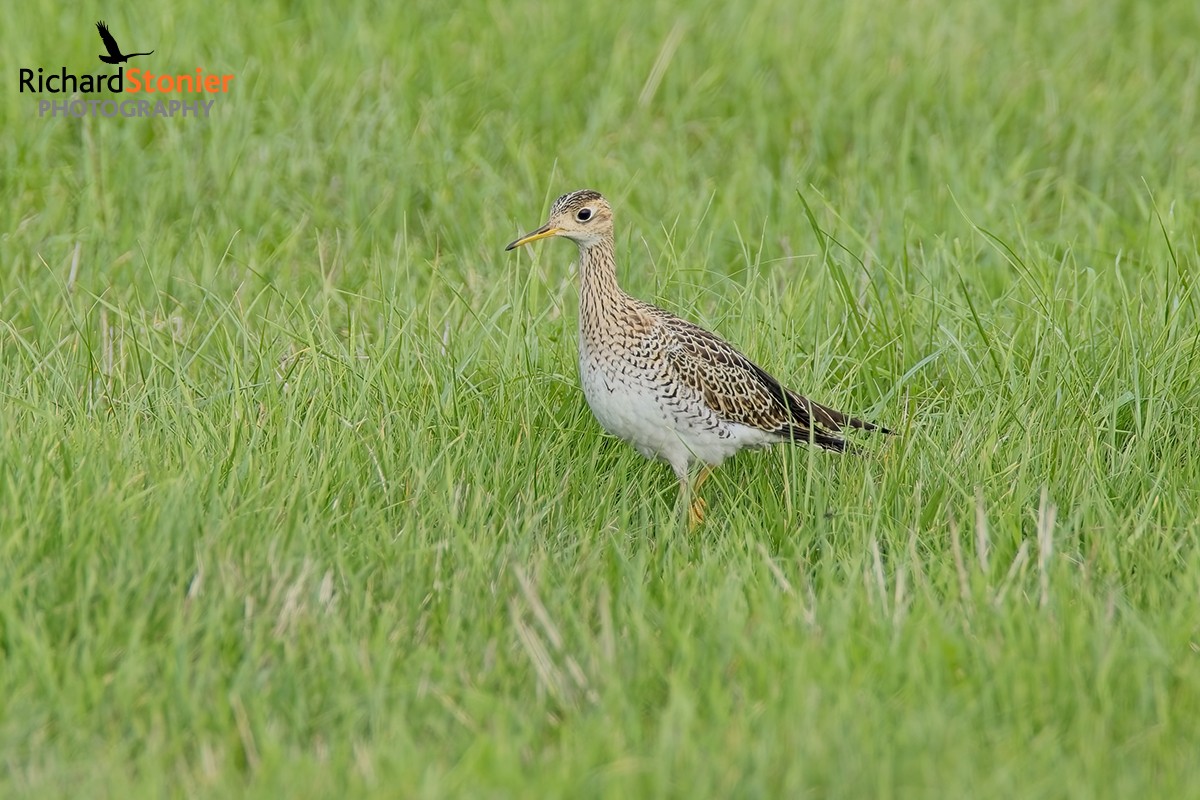
Those of us of a certain vintage will remember fondly another bird that spent almost a month on St Mary’s and Tresco in 1993, allowing a good few folk the opportunity to tick that and Hermit Thrush in the space of a glorious day. Judging by the resumption of westerlies in the week ahead, we may yet get a chance for a Scillonian Catharus of some description before the autumn’s done with us…
Almost (but not quite) annual in Britain, Black-winged Pratincole remains sufficiently rare that, at a county level, a bird can still be very significant indeed for those who maintain a county list. Take Lancashire & North Merseyside, where just two of the currently accepted 44 British records to date were seen, and the most recent of which was back in 1997, when a bird settled at Martin Mere on 22nd August – 16th September. Since then, not a whisper of another.
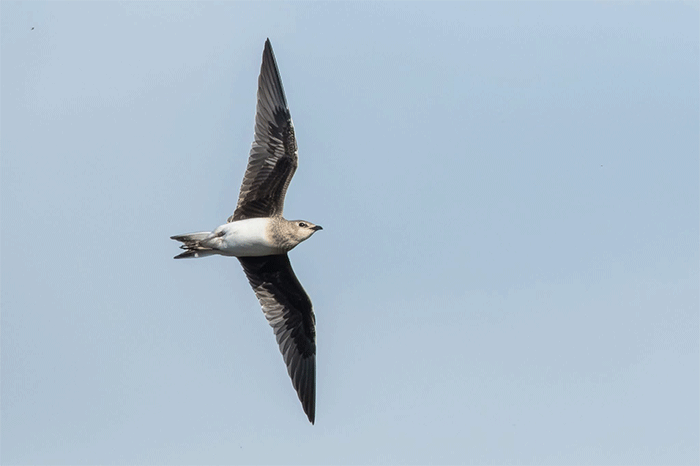
That changed this week, though the bird seen on 28th at Pilling Lane was not cut of the same long-staying cloth as its forebear – present a short while in the afternoon of 28th, it moved on and wasn’t seen again subsequently.
Had it not been somewhat eclipsed by a bird just a mile or two up the road on 1st, birders in Shetland might have been well-pleased with Two-barred Greenish Warbler alone that day when they’d caught up with a very crisply marked bird at Quendale.
As it was, it simply made for a mind-blowing double with Siberian Blue Robin. Had the stars aligned a little differently both might have been found on Fair Isle, visible on the horizon 25 miles to the south of Mainland Shetland. And it would have all been so near and yet so far for all but the most determined of vsiting and resident birders. But that’s not how it was. They were both on Mainland Shetland. And eminently twitchable if one only had the time to do so.
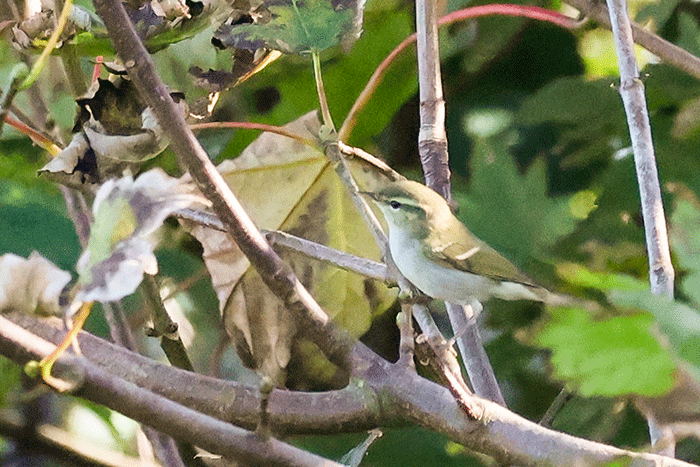
And while we’re knocking on the door of a dozen British records of this erstwhile giga rarity these days, for Shetland birders in particular Two-barred Greenish Warbler has a lot of resonance. Just like the blue robin, the only prior Shetland record was one on Foula – which might just as well be on the moon, for how readily accessible the island can be at short notice. That prior record was a one-day spring bird on 30th May 2017. The very definition of a right place, right time bird… so this week’s example at Quendale will have allowed some locals to assuage that past pain.
We’ve touched upon the descent of bird-status from mega to anticipated annual appearance already in this week’s headlines and, on the seabird front, also rapidly doing a Red-flanked Bluetail is Brown Booby - yet another bird was recorded this week, an adult seen from The Lizard (Cornwall) on 29th.
Cornwall also gave its seawatching faithful another treat in recent days, with a Barolo Shearwater logged at Pendeen on 30th.
Numbers of large shearwaters were fairly muted, with some 400 Cory’s Shearwater and 240 Great Shearwater recorded respectively, and as such no particularly notable tallies in their midst. Around 500 Balearic Shearwater were a little more of a presence, with a peak count on 30th of 141 seen off Dungeness (Kent).
After hundreds of Leach’s Petrel in the preceding week, things calmed down on that particular front in the week just gone – we barely made it into double figures nationwide. On 26th two were seen from the ferry between Lochmaddy and Uig (Western Isles / Highland & Caithness), and one from the ferry bound between Ullapool and Stornoway (Highland & Caithness / Western Isles); on 27th single birds from Tiree (Argyll & Bute), Flamborough (East Yorkshire), and East Tilbury (Essex); on 29th singletons at Gibraltar Point NNR (Lincolnshire), Southwold (Suffolk), and Greenore Point (Co.Wexford); and on 30th birds seen from Dursey (Co.Cork) and Barra (Western Isles).
Onto the skuas, where numbers took a bit of a dip – some 45 Pomarine Skua and 75 Long-tailed Skua were recorded as a whole across the region during the week.
Last but not least, a White-billed Diver was seen from Lewis (Western Isles) on 25th.
Suffolk remained the place to be for Black Stork sightings for yet another week, with a juvenile recorded at Iken again on 25th, and on 29th at Orford Ness once more, and Sudbourne Marshes.
A Night Heron was seen in flight at Ham Wall RSPB (Somerset) on 1st.
Easterlies swept some Corncrake our way in recent days, with Fair Isle (Shetland) recording birds on 25th and 27th; one seen in Co.Durham at Seaham on 29th; and one on St Agnes (Scilly) on 30th. A Spotted Crake was found at Lodmoor RSPB (Dorset) on 30th-1st.
Onto the honkers and quackers, and starting with the former, the Black Brant remained at Budle Bay (Northumberland) on 25th-26th.
Two American Wigeon remained on South Uist (Western Isles) on 25th, with one still present on the island on 28th; while an adult female was present on Islay (Argyll & Bute) on 26th; and a probable at Old Moor RSPB (South Yorkshire) on 30th.
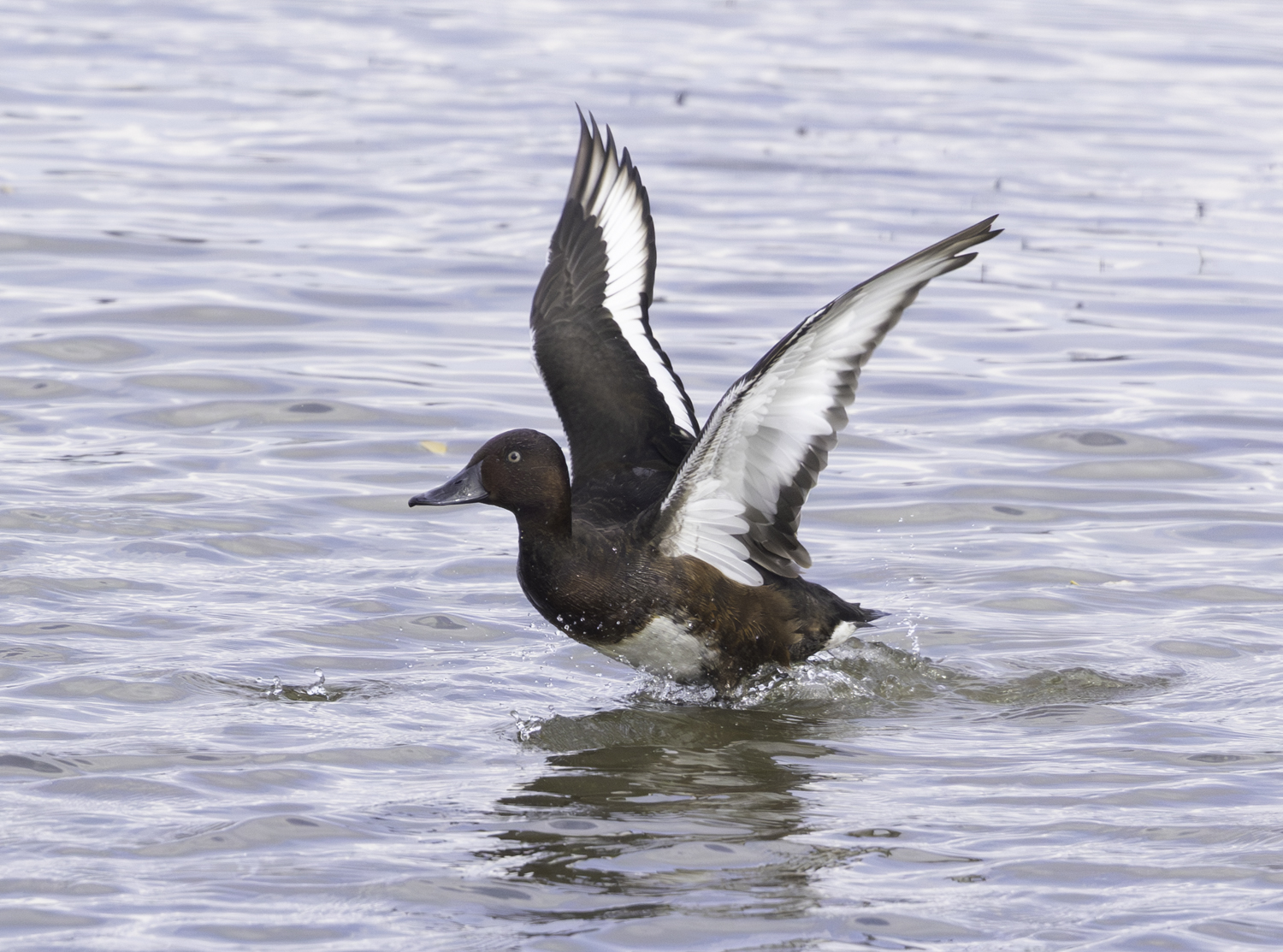
Two Ferruginous Duck were still to be seen at Abberton Reservoir (Essex) on 26th-28th, while one was again seen in Oxfordshire at Farmoor Reservoir on 27th, and one on Filby Broad (Norfolk) again on 1st.
Numbers of Ring-necked Duck picked up a little, with eight birds recorded during the week – the female still at Abberton Reservoir (Essex) on 26th-27th; Scottish birds at Loch of Butterstone (Perth & Kinross) on 25th, Tiree (Argyll & Bute) on 27th-1st with two birds present on 1st, South Uist (Western Isles) on 28th-1st, and Clifton Pits (Worcestershire) on 1st; and birds in Ireland at Tacumshin (Co.Wexford) on 26th-27th, and Broad Lough (Co.Wicklow) on 1st.
A possible Black Scoter was seen passing Whitburn CP (Co.Durham) on 26th, and another possible on 30th on the sea off South Uist (Western Isles). The drake White-winged Scoter remained in Lunan Bay (Angus) on 25th-27th. As for Surf Scoter, Lunan Bay also had one of those on 26th-30th, while another was seen off Lerwick (Shetland) on 26th.
Finally, also off Lerwick the lingering female King Eider was still to be seen on 26th-1st.
Multiple Nearctic waders are always a treat, and we’re becoming inured lately to small flocks of Buff-breasted and Pectoral Sandpiper, but it makes a notable change for a site to enjoy a couple of Lesser Yellowlegs - what a sight that must have been this week on South Uist (Western Isles) on 26th. Elsewhere this week single birds were noted at Chew Valley Lake (Somerset) still on 25th-1st and Rutland Water (Leicestershire) still on 25th-1st; on the Eden Estuary (Fife) on 25th-29th; at Inch Island Lake (Co.Donegal) on 25th-29th; and at Devoran (Cornwall) on 30th-1st.
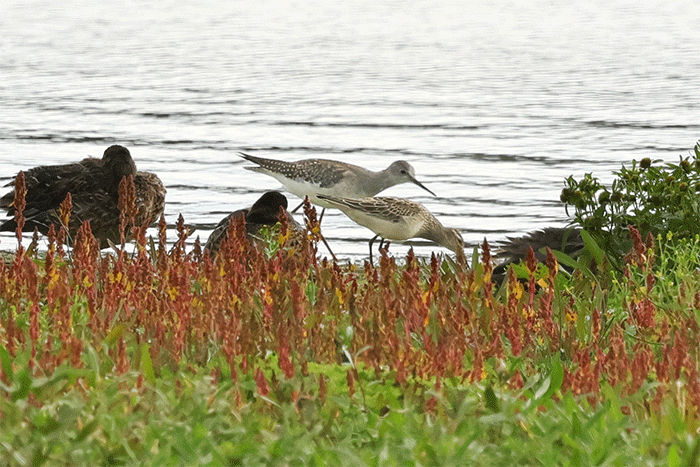
But to sandpipers we must now turn. We’ll start with Spotted Sandpiper, and a juvenile in Cornwall on the shores of Drift Reservoir on 25th-1st, and another on 30th-1st on Bardsey (Gwynedd).

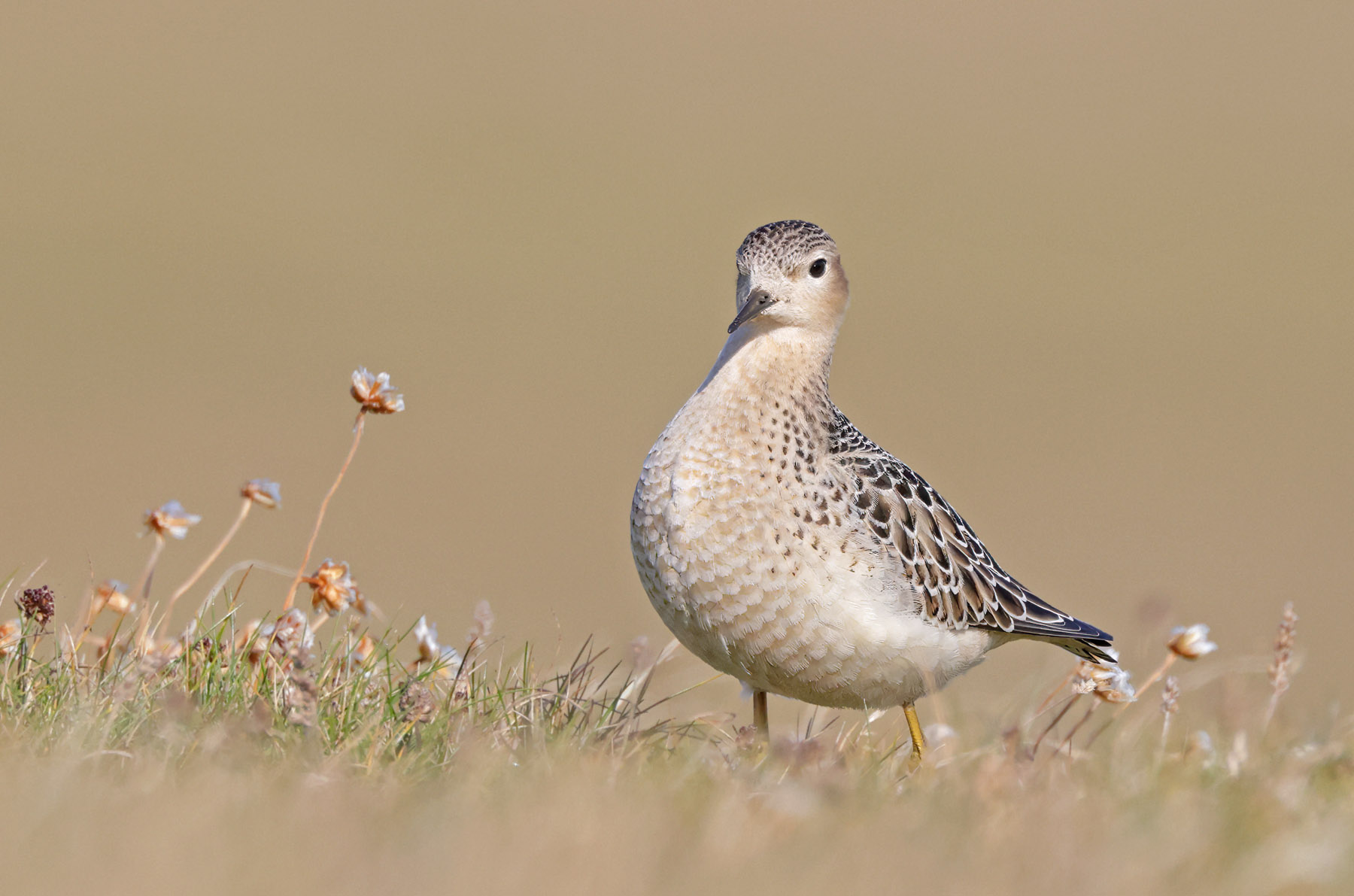
And then to Buff-breasted Sandpiper… they had another great week, with some 35 birds logged in Britain and Ireland. A fair few sites enjoyed multiples, with four birds present on South Uist (Western Isles) on 25th; four on Unst (Shetland) on 26th; four at Davidstow Airfield (Cornwall) on 1st; and a peak of six birds present at Tacumshin (Co.Wexford) on 26th.
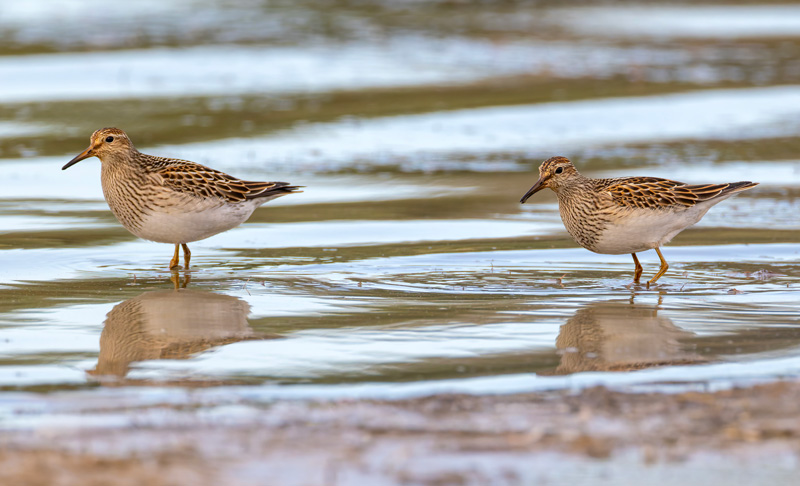
Some 35 Pectoral Sandpiper were another strong showing, with a peak count of three present at Lough Beg (Co.Derry) on 25th and three at Tacumshin (Co.Wexford) on 1st the best of the lot.
Numbers of Baird’s Sandpiper more or less halved on the prior week, with a little over a dozen birds noted in all across Britain and Ireland. Irish examples were seen at Tacumshin (Co.Wexford) on 25th, Courtmacsherry (Co.Cork) on 25th-27th, and Owenahincha (Co.Cork) on 28th. British birds were logged at St Cyrus NR (Aberdeenshire) still on 25th; at Black Pill (Glamorgan) on 25th-29th still; at Burleydam Pool (Cheshire & Wirral) on 25th-26th still; on Barra (Western Isles), where one on 25th was followed by two present on 27th; at Goswick (Northumberland) on 26th; at Morfa Madryn LNR (Conwy) on 26th; on North Ronaldsay (Orkney) on 26th-30th; at St Aidan’s RSPB (West Yorkshire) on 30th-1st, and Rossbeigh Strand (Co.Kerry) on 30th; and on 1st at Slains Pools (Aberdeenshire).
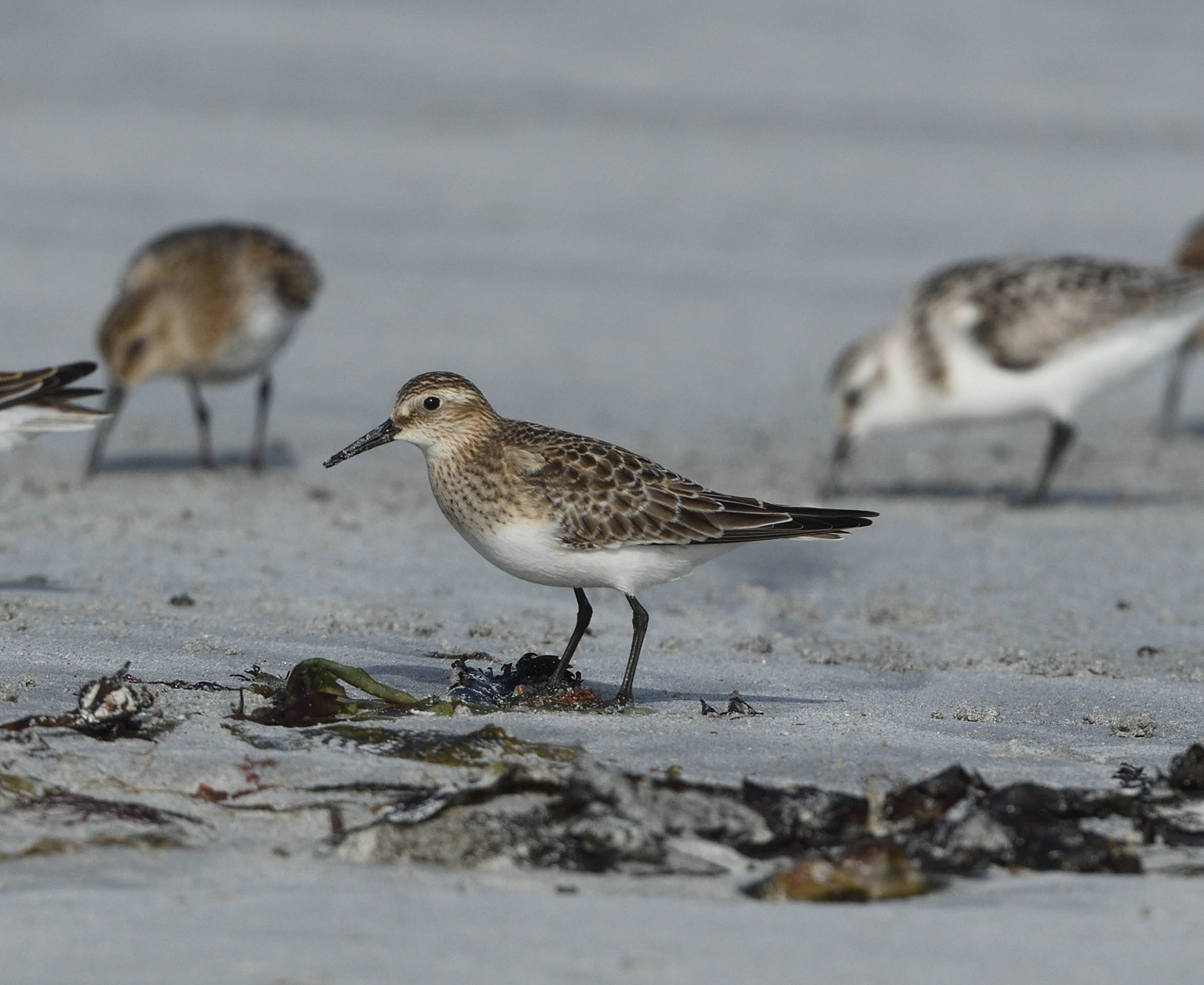
Orkney also enjoyed one of the week’s handful of Semipalmated Sandpiper, a bird seen on Westray on 28th again; further individuals were seen in Hampshire at Keyhaven and Pennington Marshes on 25th-1st still, at Blennerville (Co.Kerry) on 25th-27th still, and on South Uist (Western Isles) on 1st.
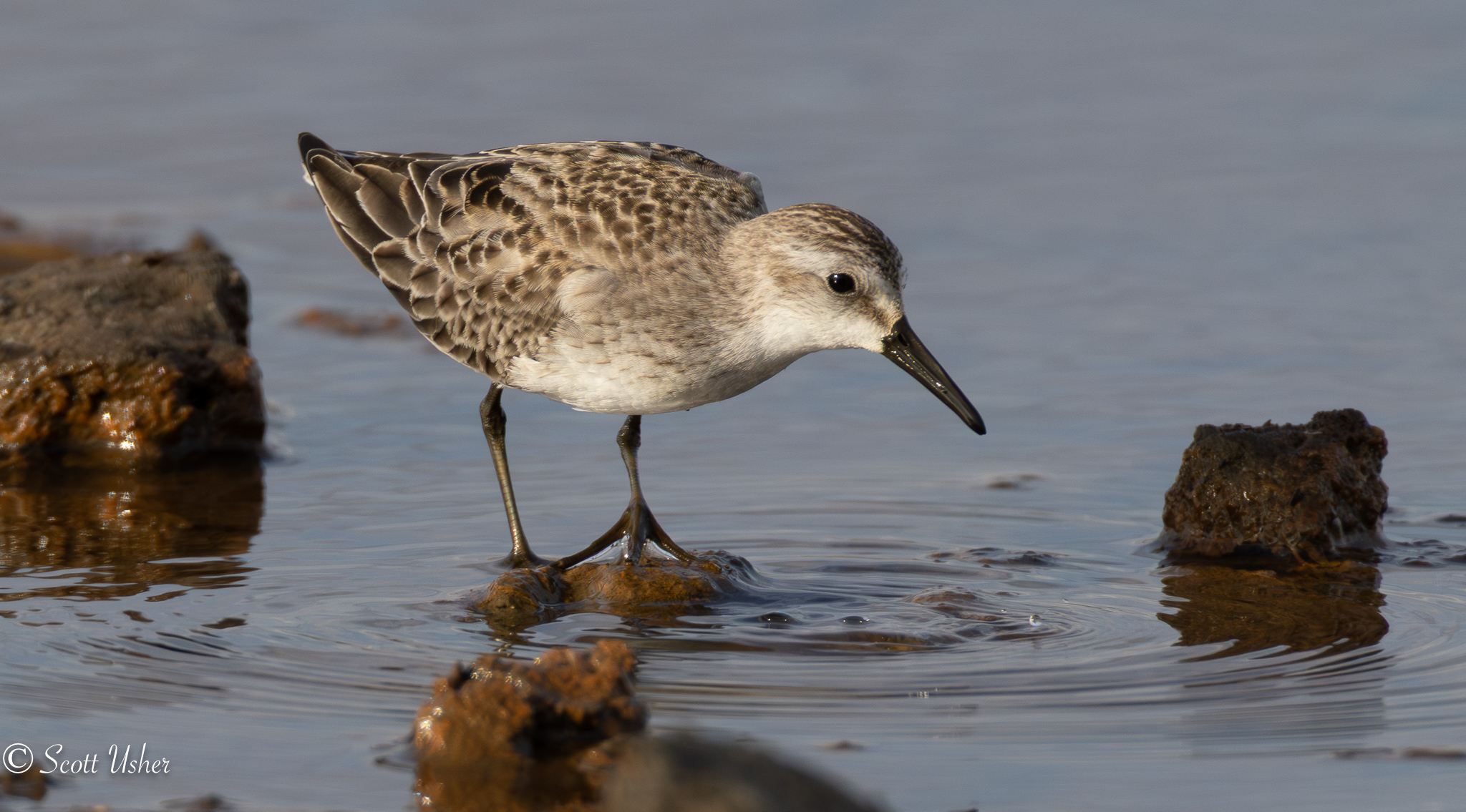
A Temminck’s Stint was found on 28th at Gronant (Flintshire).
On Orkney the Long-billed Dowitcher was again present on North Ronaldsay on 29th-1st, while another was seen on South Uist (Western Isles) on 27th-30th.
American Golden Plover again flirted with double figures during the week as a whole. In Ireland, birds were seen at Leam Lough (Co.Mayo) still on 25th, and Carrahane Strand (Co.Kerry) where two were seen on 28th. British birds were the Jury’s Gap (East Sussex) individual again on 25th and 27th-1st; at Nybster (Highland & Caithness) on 26th; on Tiree (Argyll & Bute) on 25th-1st; on Vatersay (Western Isles) on 27th-1st; on St Kilda (Western Isles) still on 25th; on South Uist (Western Isles) on 29th-1st; and at Kilnsea (East Yorkshire) on 29th.
Following a Dotterel sound-recorded in East Yorkshire at Buckton on 26th, two were present the same day at Flamborough. A single bird was present in Northumberland on 29th at Longhoughton, and one on St Mary’s (Scilly) on 30th-1st.
Numbers of Grey Phalarope fell away compared to the previous week, though 150 birds recorded in Britain and Ireland as a whole was still none too shabby. Best of those were 27 birds seen from Dursey (Co.Cork) on 26th.
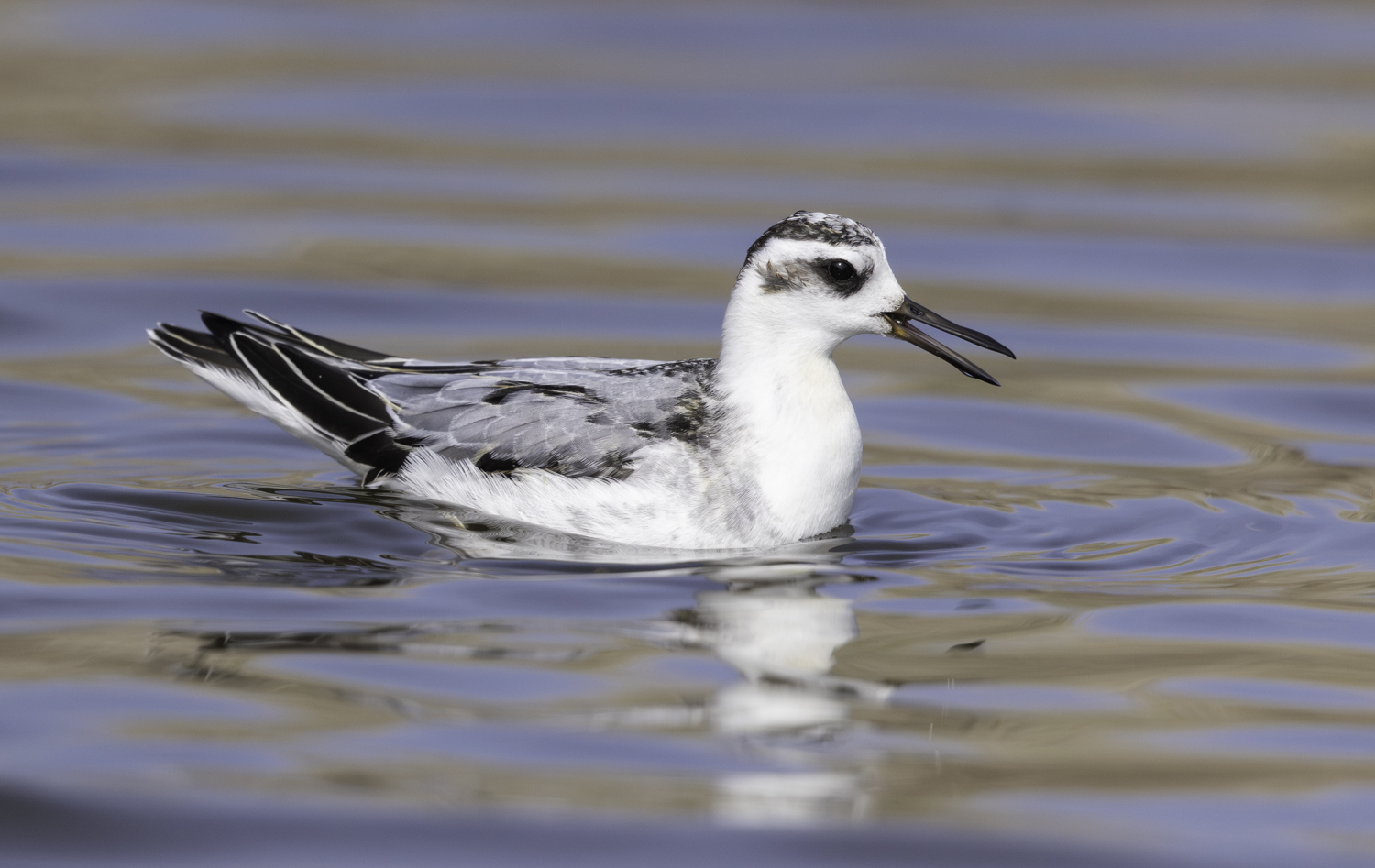
Finally, in Co.Kerry the recent Red-necked Phalarope remained at Blennerville on 25th-27th.
Where the gulls were concerned this week, Bonaparte’s Gull were about the best of it. Three or four were recorded – one at Newcastle (Co.Down) again on 25th; and further birds at St Cyrus NR (Aberdeenshire) on 28th, and a possible the same day in Cardiff Bay (Glamorgan); and on 1st at Ballygalley (Co.Antrim).
The adult Ring-billed Gull was again seen at Blackrock (Co.Louth) on 27th; and another adult on 1st at Blennerville (Co.Kerry).
The regular Glaucous Gull was once more seen on Orkney Mainland at Stenness on 26th; one was reported from South Gare (Cleveland) on 27th. Benbecula (Western Isles) scored an Iceland Gull on 29th; while one was seen on Orkney Mainland on 26th at Bay of Skaill; and one in Cornwall again at Drift Reservoir on 29th.
Around 40 Sabine’s Gull were recorded during the week; seven seen from Pendeen (Cornwall) on 1st were the peak count.
A Forster’s Tern flew through Coverack (Cornwall) on 30th.
Finally, in Co.Dublin the adult White-winged Black Tern remained in the Barnageeragh Beach general area on 26th-29th, though it could prove mobile.
Again providing local patch delight on the British mainland this week, a Pallid Harrier was brightening Marshside RSPB (Lancashire & North Merseyside) on 30th-1st. Another was seen on the British mainland at Thurso (Highland & Caithness) on 30th, while a possible was seen that day at Ramsley Reservoir (Derbyshire). Up in Shetland birds continued to crop up – one on Unst was seen regularly on 25th-1st, while one flew through Out Skerries over the sea towards Whalsay on 29th.
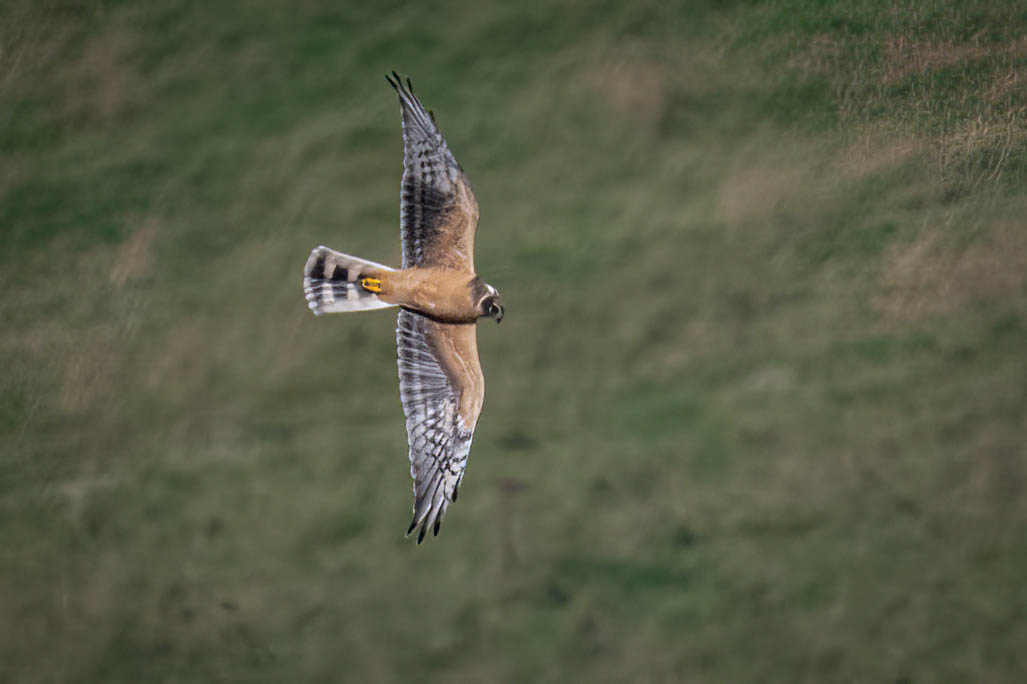
Suffolk retained a juvenile Montagu’s Harrier at Havergate Island RSPB on 29th; and another was seen in Norfolk at Berney Marshes RSPB on 30th.
Kent landed a Red-footed Falcon on 26th at Bough Beech Reservoir.
A Black Kite was found in Cornwall on 28th at Gwithian.
Norfolk held onto the resident Black-winged Kite in the Sea Palling area for another week until 25th-1st.
And lastly, a probable Gyr was present on Lewis at Coll Beach on 27th.
The weekly warbler news begins with sad news from Scilly, where the recent Eastern Olivaceous Warbler on Gugh was found dead on 25th.
More brightly, a Sykes’s Warbler was found on 30th-1st at Girdle Ness (Aberdeenshire).
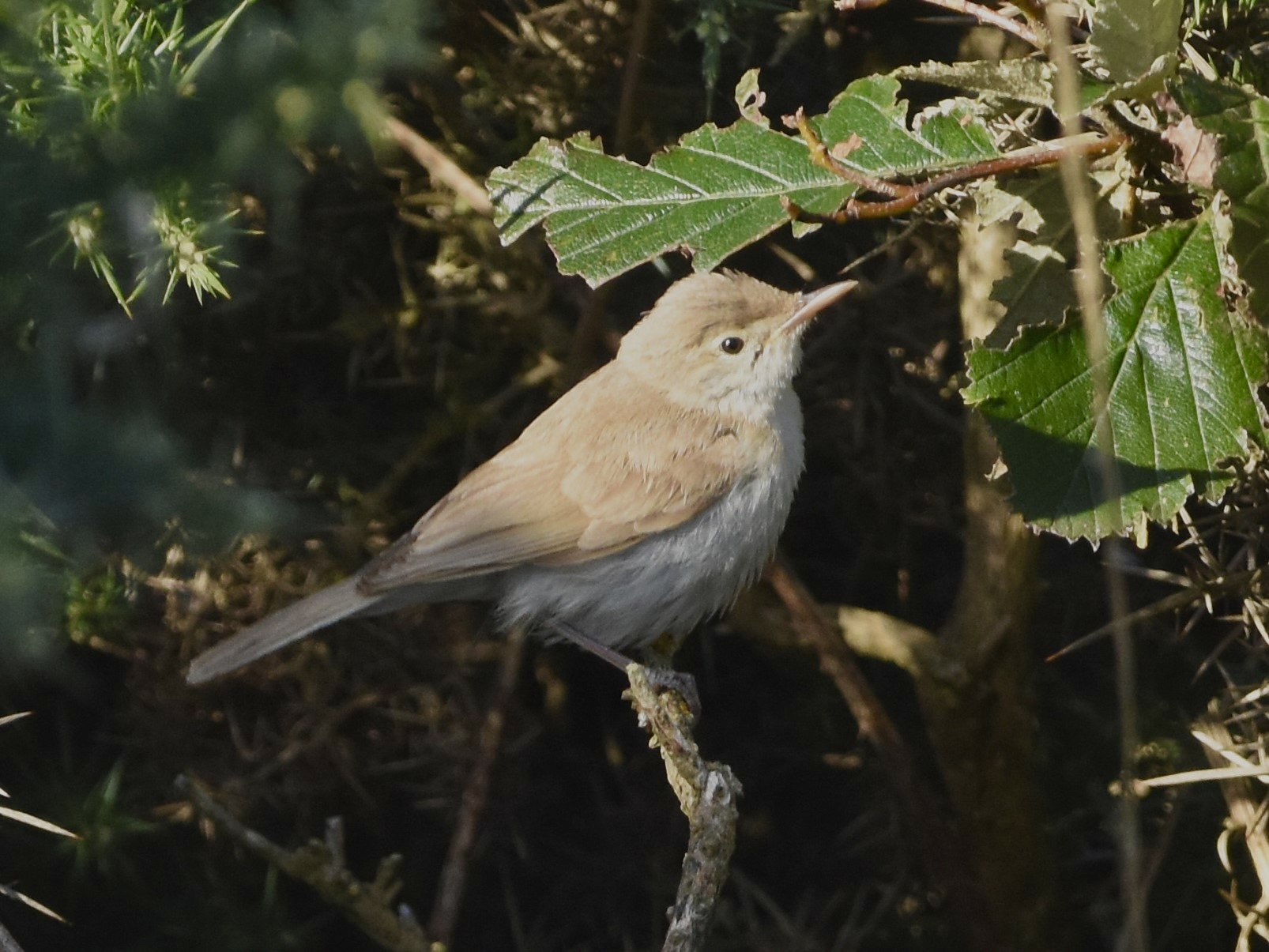
The preceding day, on 29th, Shetland had landed a classic Sibe rarity in the form of a Lanceolated Warbler on Mainland at Aswick. This was followed on 1st by another in the locus classicus, on Fair Isle.
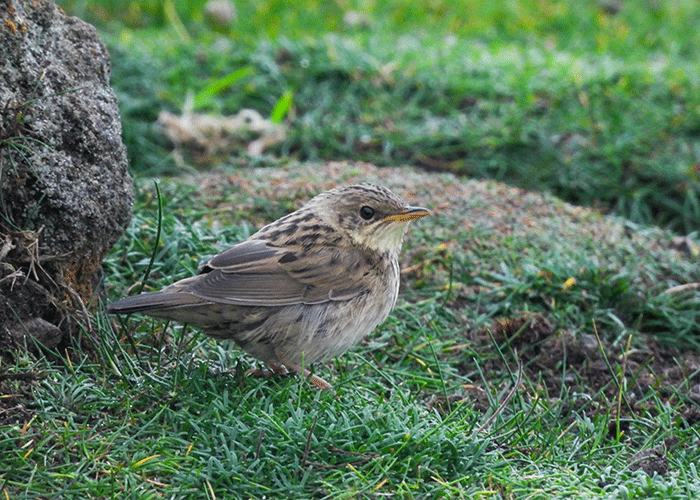
The vanguard of this easterly action came in surprising form and in surprising quarters – a very early indeed Hume’s Warbler, and in Ireland at that – found on 26th-27th at Helvick Head (Co.Waterford).
While nowhere near floodgate-opening metaphors just yet, some 450 Yellow-browed Warbler spoke well of the doors opening for migrants from the east to find their way to our shore. A candidate for message of the week came with the news of one present in the rhino enclosure at Africa Alive in Suffolk on 27th.
A Greenish Warbler was present at Galley Head (Co.Cork) on 26th. Arctic Warbler meanwhile were found on Out Skerries (Shetland) on 29th, and Unst (Shetland) on 1st.
A Dusky Warbler was found on North Ronaldsay (Orkney) on 30th; and a Radde’s Warbler on Fair Isle (Shetland) on 1st.
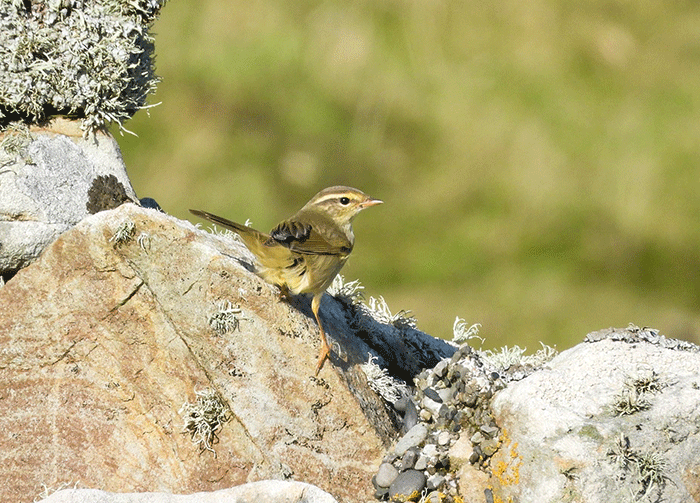
A Western Bonelli’s Warbler was found on Shetland at Eswick on 29th. As night drew in on 30th, a probable Eastern Bonelli’s Warbler was present at Gibraltar Point NNR (Lincolnshire); it remained there on 1st.
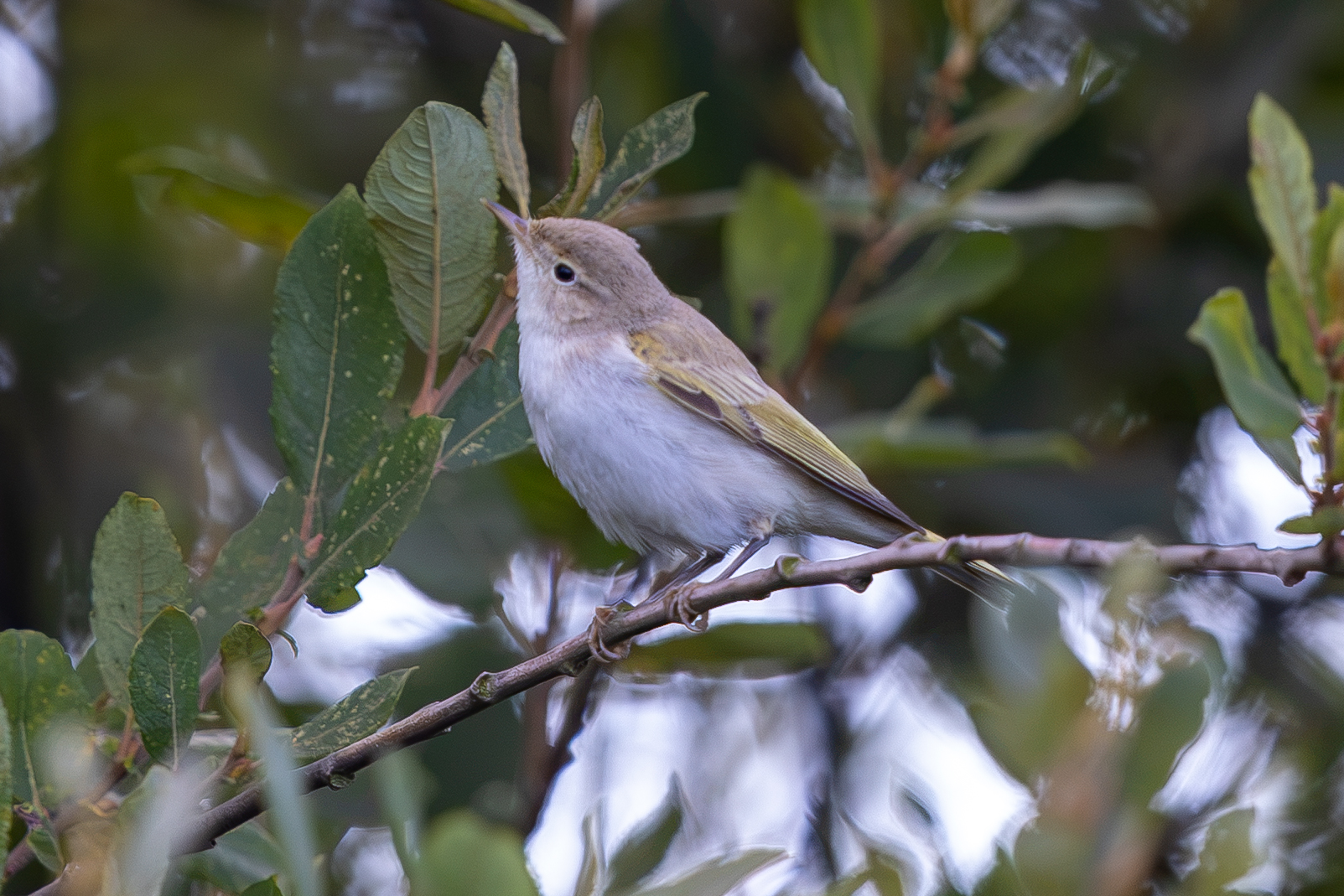
A Melodious Warbler was present on Mizen Head (Co.Cork) on 28th.
Birders on St Mary’s enjoyed a male Subalpine Warbler sp on 25th-28th. Doubtless that one’s identity will come out in the wash in due course.
Numbers of Barred Warbler picked up across the week with around 30 recorded, around half of them in Shetland alone.
Another classic sign of autumn migration underway checked in this week, with Great Grey Shrike found on 29th at Gibraltar Point NNR (Lincolnshire), Flamborough (East Yorkshire), and Llyn Cefni (Anglesey); and on 30th at Hendon (Co.Durham), while the Gibraltar Point and Flamborough birds remained present too.
On Scilly the recent Red-backed Shrike remained on St Agnes on 26th-30th, with a bird also seen on St Mary’s on 28th and 30th-1st. One was present in Cornwall at Helston Loe Pool on 28th; another at Galley Head (Co.Cork) on 26th-27th; and on 30th-1st one at Warham Greens (Norfolk).
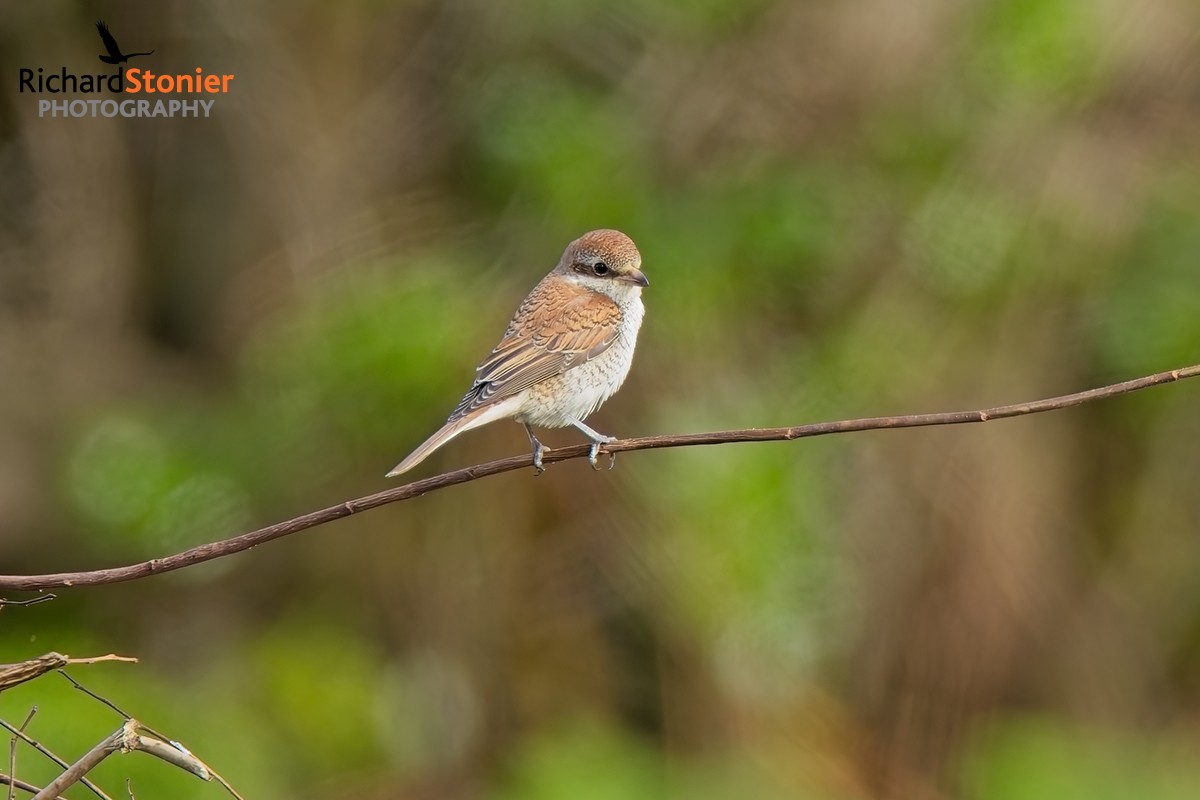
Around 15 Wryneck marked another slight decrease on the preceding week’s figures.
A Hoopoe remained on Eigg (Highland & Caithness) on 25th-30th; further birds were seen on 26th at Edwinsford (Carmarthenshire), near Moniaive (Dumfries & Galloway), and at Tilford (Surrey).
A Bee-eater was noted at Holme Dunes NOA (Norfolk) on 26th.
A probable Pallid Swift was seen at Spurn (East Yorkshire) on 1st.
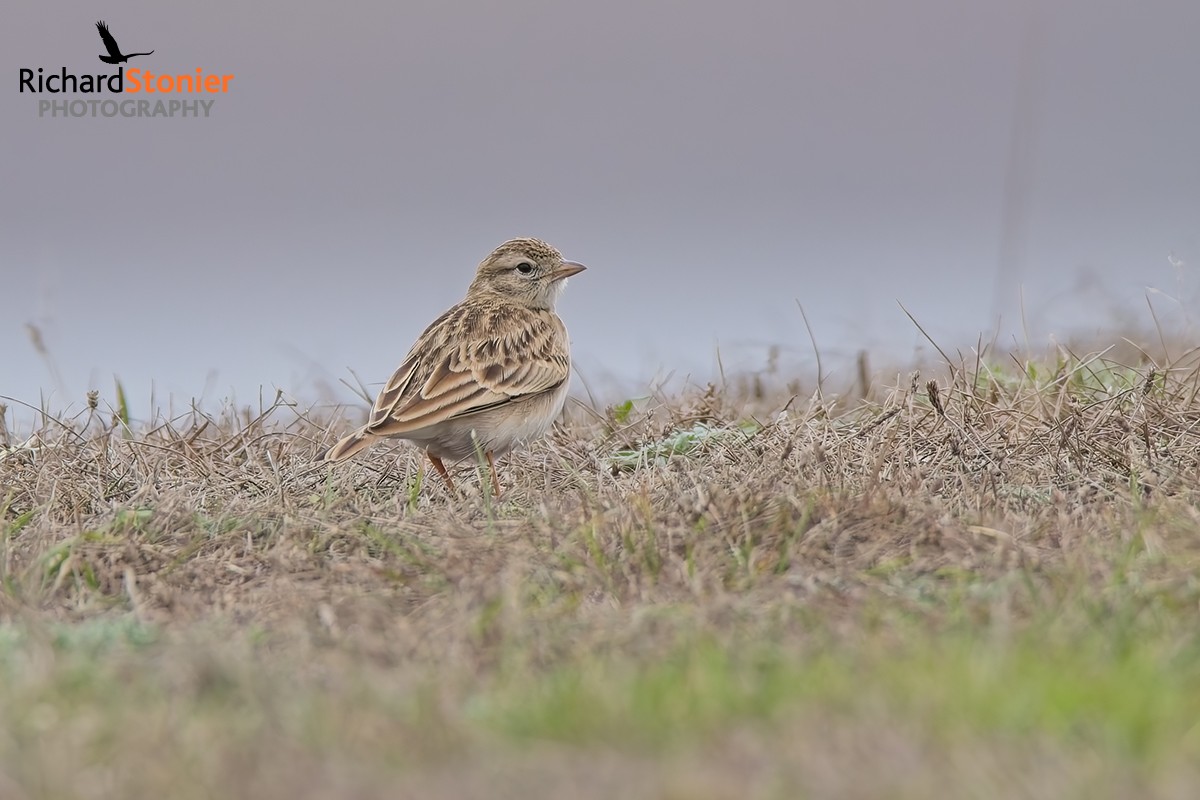
The recent Short-toed Lark remained on St Mary’s (Scilly) on 25th-1st, while another was found on Fair Isle (Shetland) on 28th-1st.
The prior week’s Rose-coloured Starling was still present at Moelfre (Anglesey) on 25th-26th.
On Inishbofin (Co.Galway) the recent Swainson’s Thrush remained present but elusive on 25th-26th.
A small arrival of Bluethroat landed on 29th, with birds found on Fair Isle (Shetland), at Anstruther (Fife), and at Flamborough (East Yorkshire). A further bird was found on 30th on Unst (Shetland), and one on 1st on Shetland Mainland at Scousburgh.
Better still, 29th was also marked by a trio of Red-flanked Bluetail - on Fair Isle (Shetland), Isle of May (Fife), and Skateraw (Lothian). The Isle of May and Skateraw birds remained present on 30th, the latter still on 1st too.
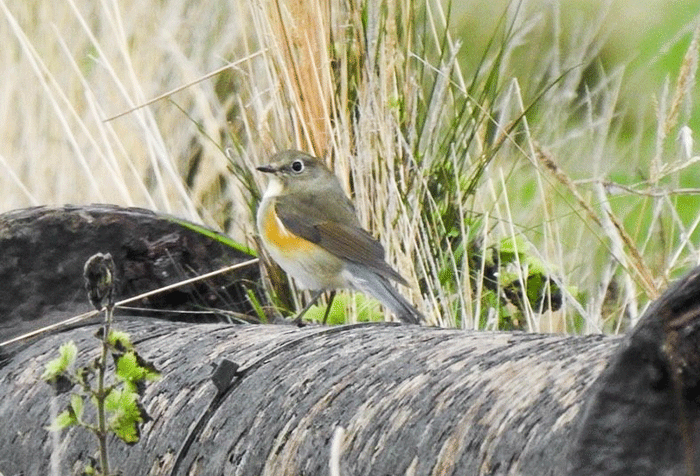
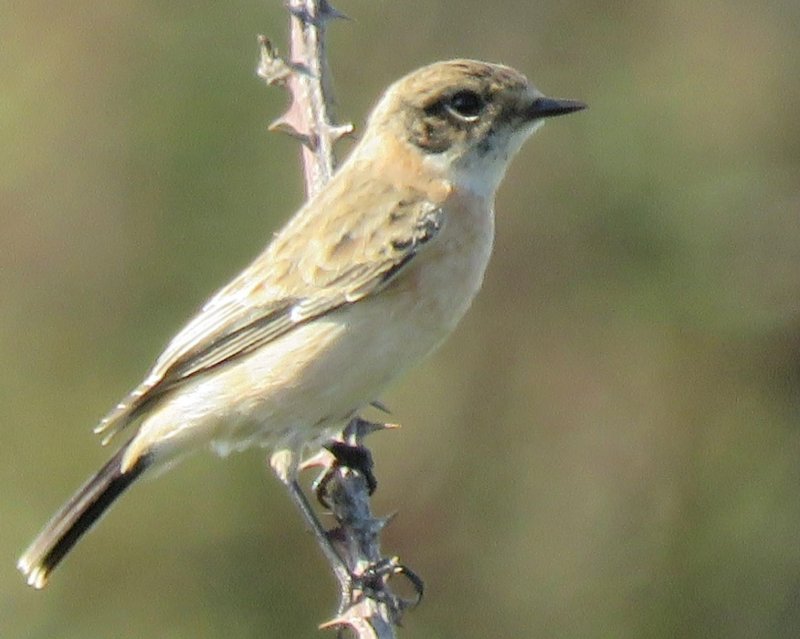
A Siberian Stonechat was found on 25th at The Naze (Essex); an eastern stonechat sp was present on Shetland Mainland at Levenwick on 1st.
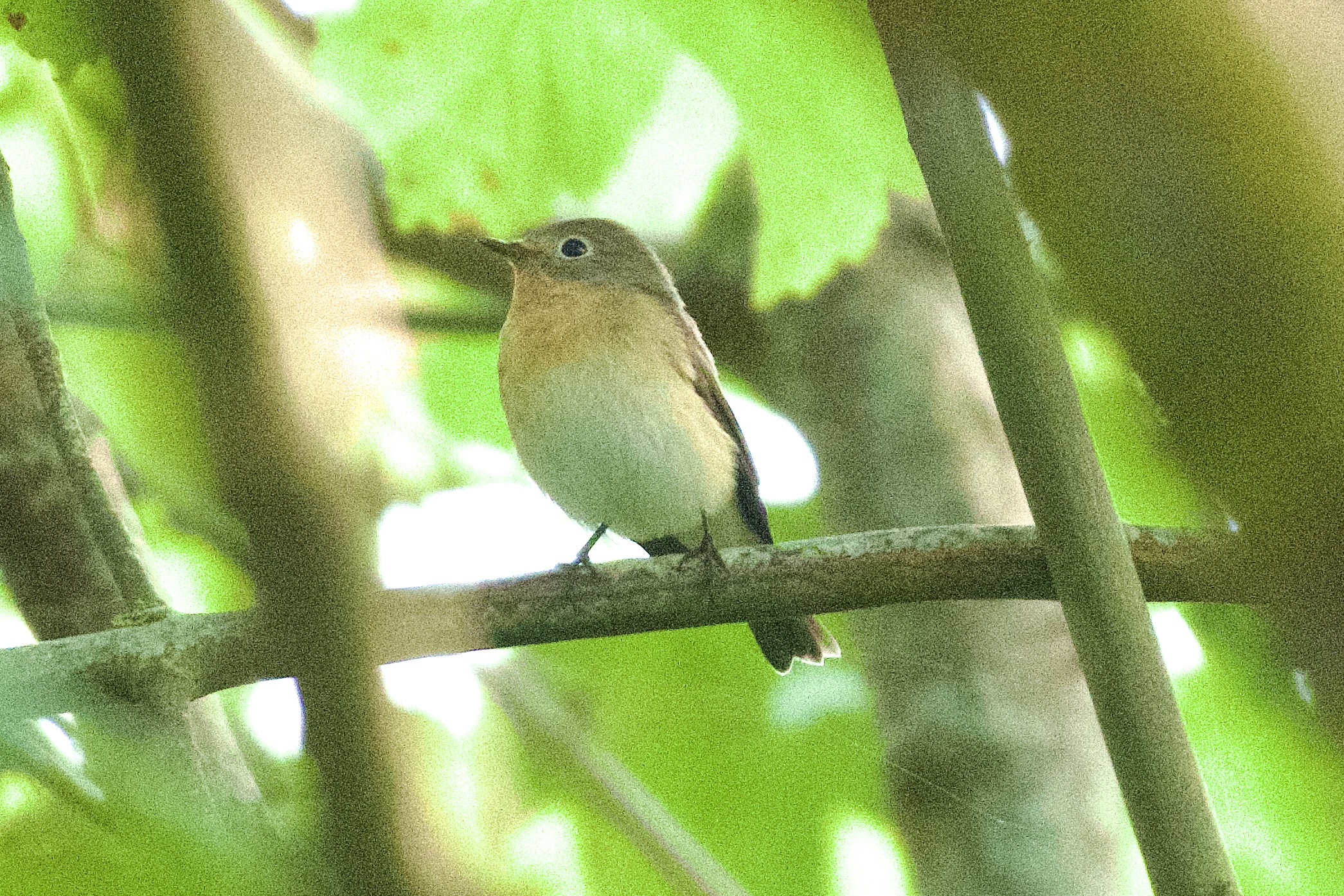
And suddenly, there were Red-breasted Flycatcher to be had too – a dozen or so birds logged in the latter half of the week, mostly down the east coast, but with westerly outliers on Barsdey (Gwynedd) on 26th, and at Neyland (Pembrokeshire) on 30th.
A few Citrine Wagtail were noted in recent days – birds present at Quendale (Shetland) on 25th-28th, and then on 1st at Sumburgh (Shetland) and Westray (Orkney).
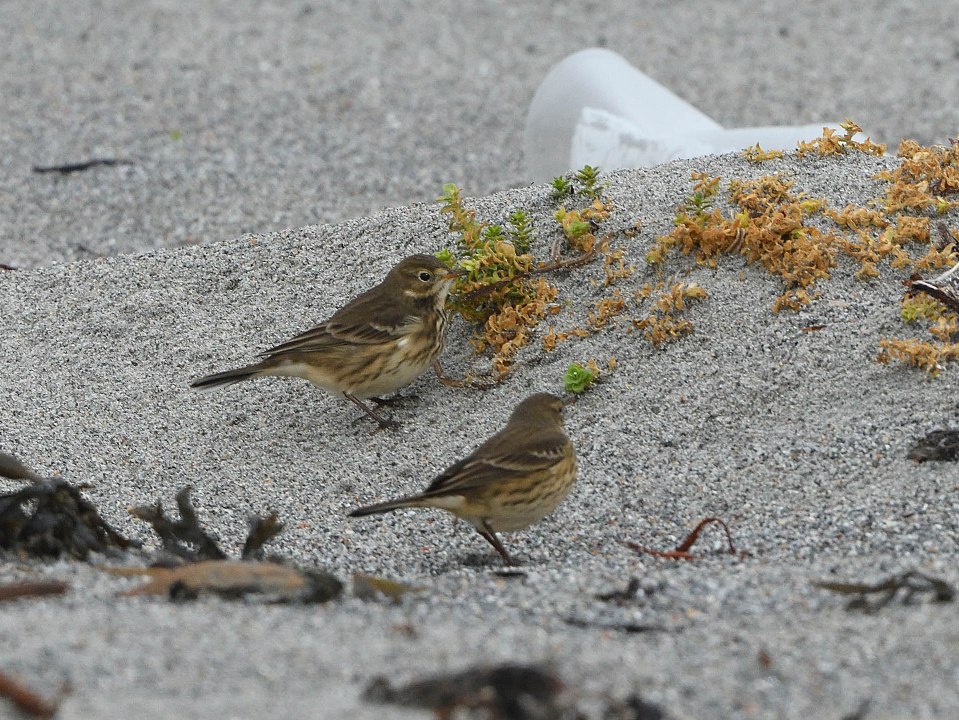
American Pipit remained this week on Fair Isle (Shetland) on 25th-26th, and North Ronaldsay (Orkney) on 25th-29th. One present on South Uist (Western Isles) on 26th was joined on the island by a second individual on 27th.
Eastern pipits began to make their presence felt at last. Olive-backed Pipit were found on 27th on Shetland Mainland at Levenwick, on Holy Island (Northumberland) on 29th, and on 30th at Whitburn CP (Co.Durham). On 1st further Shetland birds were found on Mainland at Walls and Boddam.
Red-throated Pipit were seen on Portland (Dorset) on 25th, and on North Ronaldsay (Orkney) on 28th, with a further report on 30th at Holme Dunes NOA (Norfolk). One was present at Tarbat Ness (Highland & Caithness) on 30th; and one on St Mary’s (Scilly) on 1st.
And Richard’s Pipit were found on 29th on Fair Isle (Shetland), North Ronaldsay (Orkney), and at Holme Dunes NOA (Norfolk). On 30th birds in Orkney were noted on North Ron and Mainland; one was in Highland & Caithness at John o’ Groats; another on Holy Island (Northumberland); and one in East Yorkshire at Withernsea. The Holy Island bird remained present on 1st.
One might have expected we’d start to be knee-deep in Common Rosefinch, but we weren’t, at least not just yet – just shy of a dozen or so birds were reported during the week.
Down on Portland (Dorset), a Serin was seen again on 26th.
Numbers of Little Bunting however were on the rise, with almost 30 birds logged in recent days. Predictably these were for the most part down the east coast, but one did make it to the west, found on St Mary’s (Scilly) on 29th.
A Rustic Bunting was found on 30th at Girdle Ness (Aberdeenshire), and another on 1st on North Ronaldsay (Orkney).
An Ortolan Bunting was noted heading over Wareham (Dorset) on 1st.
Remarkably steadfast, the White-throated Sparrow was still to be seen on Isle of May (Fife) on 29th.
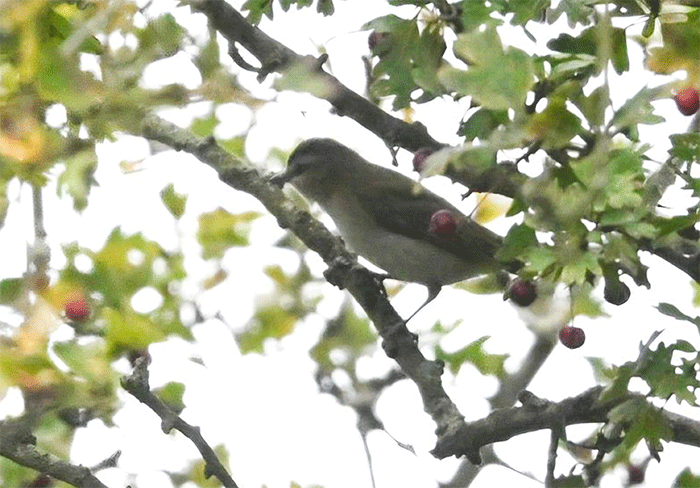
And finally, Red-eyed Vireo - one was trapped and ringed on Lundy (Devon) on 26th, while one found in Suffolk on 29th-1st at Minsmere RSPB was the first for the county in decades – the last Suffolk records were way back in 1995 at Southwold and Thorpeness.
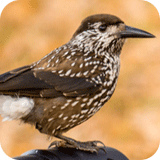
Potentially the most exciting overseas news of the week, at least from a British perspective, was the arrival of a Nutcracker in the Netherlands at Rotterdam on 27th-28th, another sighting in the country on 30th at Sirjansland, and two more on 1st, at Vilsteren and Ellemeet. There’s been an unfolding influx of them heading west through Scandinavia in the past few weeks and, with records now abutting the North Sea coast, can we possibly dare to dream?
In Spain, an Elegant Tern remained at Playa de Montijo on 27th.
Finally, it’s that time of year again when we have to turn our eyes to the Azores. Corvo was getting busier this week, notching up Tennessee Warbler on 25th, Black-and-White Warbler on 25th-30th, Northern Waterthrush on 25th-30th, Yellow Warbler on 27th, and two Red-eyed Vireo by 27th.
While the past week felt more like autumn, with a good rush of birds coming in the latter half of the week, the coming week may prove to be something of a reality check – a glance at the weather forecast for the coming days indicates a westerly influence is going to dominate proceedings once more.
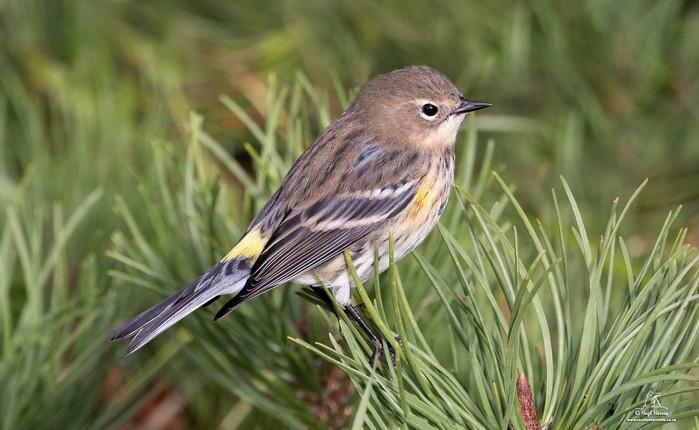
Meh. Of course, westerlies in early October can be productive, but we’re talking longer shots here. It’s historically a good week for Blackpoll Warbler and Myrtle Warbler, the latter gem always particularly well-received. And other Nearctic warblers are all possible, but this is all the stuff of highly wishful thinking. Speaking of which, there may yet be some eastern goodies to come out of the woodwork from the past week. Any week that delivers as the one just gone did so surely has some potential up its sleeve for another mega or two…
Jon Dunn
2 Oct 2026
Many thanks to all this week's contributors for your photos and videos.
Get Breaking Birdnews First
Get all the latest breaking bird news as it happens, download BirdAlertPRO for a 30-day free trial. No payment details required, and get exclusive first-time subscriber offers.
Share this round-up