From fairways to flyway: birds move into Lincolnshire's newest wetland
A former golf course is welcoming new arrivals as a coastal restoration project opens to visitors.
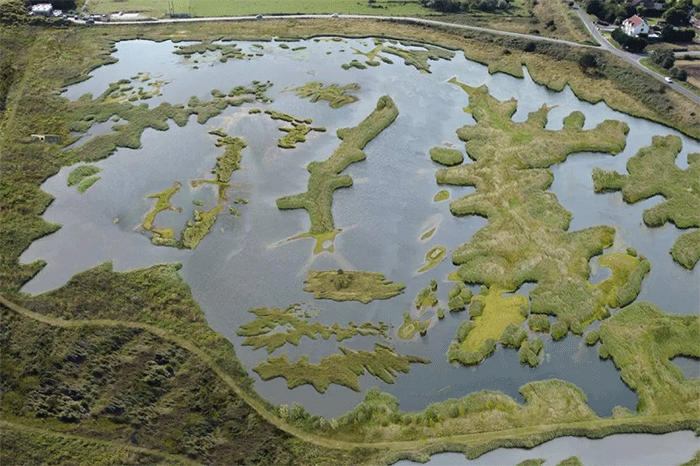
Avocets and Oystercatchers have bred on a former Lincolnshire golf course as its conversion into a wetland nature reserve reaches a new stage. Sandilands officially opened on 26 September, following a programme of planning, consultation and habitat creation near Sutton-on-Sea.
The National Trust reports that Little Ringed Plover chicks were also recorded for a second consecutive season. Those breeding records provide early evidence of birds using the new habitat, although the reserve's wider wildlife community is still developing.
Katie Scott, the National Trust's Area Ranger at Sandilands, said:
"Even before the project was officially complete, nature had begun to return."
Katie Scott, National Trust Area Ranger
The 30-hectare site now combines wetland, grassland and coastal scrub. Creating that landscape involved moving almost 52,000 cubic metres of earth, planting more than 35,000 native shrubs and spreading green hay from a nearby Lincolnshire Wildlife Trust reserve to help establish wildflowers.
Work had to be scheduled around nesting birds and migration, with drought and extreme heat adding to the challenges. The Trust expects the habitats to continue developing over the next decade, rather than treating the opening as the end of the restoration.
Sandilands occupies a stretch of coast with a long recreational history: golf was played here from 1894, and Sandilands Golf Club was established in 1952. The National Trust acquired the site in March 2020, using a donation directed towards Lincolnshire and support from its Neptune Coastline Campaign.
Its position gives the reserve a role beyond its own boundary. Birds travelling along the east coast need places to pause and feed between stages of their journeys. The Trust designed the wetlands with migrants such as Black-tailed Godwits, Spotted Redshanks and Spoonbills in mind, alongside breeding birds and the Skylarks, Meadow Pipits, Reed Buntings and Linnets already associated with the area.
The new habitat includes open water, islands, ponds and reedbeds, creating a range of conditions within a relatively compact site. The project also aims to support plants already present, including Bird's-foot Clover and Bee Orchid, rather than focusing solely on wetland birds.
Coastal scrub adds another element. As Hawthorn, Blackthorn, Sea Buckthorn and wild roses mature, they will provide flowers, berries and nesting cover. Taller vegetation will also offer shelter for birds moving along the coast. Grassland and wetland areas are intended to support insects, amphibians and other wildlife as well as birds.
Visitors can explore using new paths and boardwalks, with a firm-surfaced route running through the reserve. The northern visitor building contains the Flyway Cafe and community space. Accessible toilets and a Changing Places facility are provided, and Trampers can be booked in advance. Dogs must remain on short leads to reduce disturbance to ground-nesting birds.
The next phase of work centres on maintaining the habitats and monitoring how wildlife uses them. The National Trust says management will be adapted as planting establishes and the reserve changes through successive breeding and migration seasons.
2 Oct 2026
Get Breaking Birdnews First
Get all the latest breaking bird news as it happens, download BirdAlertPRO for a 30-day free trial. No payment details required and get exclusive first-time subscriber offers.