Why Puffins Get the Love and Storm-Petrels Don’t
New research finds communities respond far more warmly to Atlantic Puffins than Leach’s Storm-Petrels – with real consequences for light-induced strandings and volunteer rescue.
What the study looked at
Researchers surveyed 320 residents across four Conception Bay communities in Newfoundland and Labrador to understand how people perceive Atlantic Puffins Fratercula arctica and Leach’s Storm-Petrels Hydrobates leucorhous. They analysed word associations and grouped respondents by “wildlife value orientations” – mutualists, traditionalists, pluralists and distanced – to see how attitudes varied.
Response rates were strong overall (51%), peaking at 79% in Bay de Verde, the town closest to the world’s largest storm-petrel colony on Baccalieu Island. Most respondents were lifelong Newfoundlanders; mutualists (36%) and pluralists (30%) predominated, followed by distanced (19%) and traditionalists (16%).
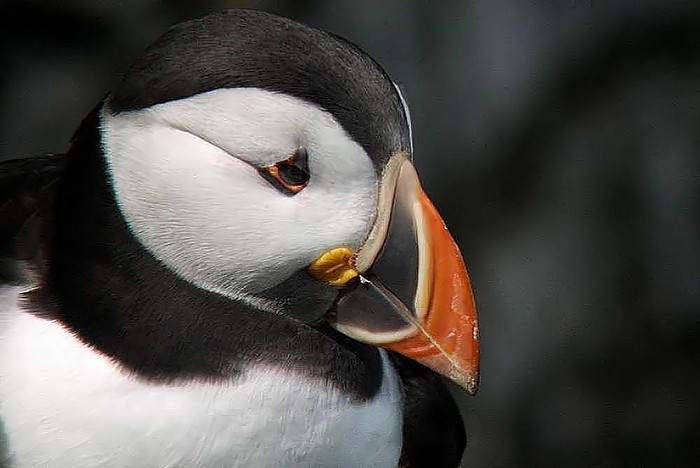
Puffins: positive, local, iconic
Asked for the first words that came to mind, residents overwhelmingly chose positive descriptors for Puffins – “beautiful,” “cute,” and “colourful” dominated – and frequently linked the birds to place and identity (e.g. Elliston, Bonavista, “Buddy the Puffin”). In short: Puffins are beloved and “of here.”
That cultural visibility matters. Puffins function as a local keystone for tourism and identity, which makes it far easier to mobilise volunteers for rescue programmes like CPAWS-NL’s long-running Puffin Patrol around Witless Bay.
Storm-Petrels: less known, more “problem-framed”
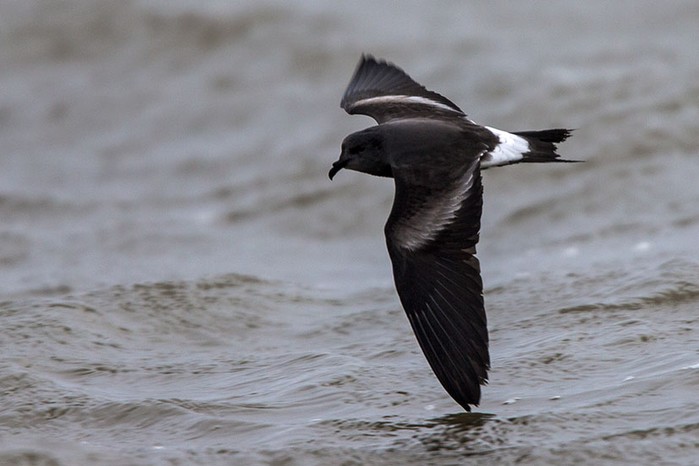
For Storm-Petrels, the most common association was “I don’t know.” Where words did flow, they skewed neutral or referenced threats and conditions – wind, lights, predators – rather than place or affection. Negative terms (“smelly,” “foolish”) surfaced more often than for Puffins, and traditionalists were least positive overall.
This gap aligns with lived reality: fledgling Storm-Petrels strand widely across the Avalon Peninsula in autumn, often at industrial sites and over a longer window than Puffins, making structured, family-friendly patrols harder to run. Mass events can be episodic and behind gates or within safety-controlled facilities.
Light pollution is the shared driver
Both species strand because artificial lights disorient fledglings at night. Turning down or shielding lights, especially during fledging peaks (August for Puffins; September–October for Storm-Petrels), reduces strandings. Where lights could not be eliminated, “safe haven” boxes at problem sites cut predation on grounded birds.
What works: pair the “icon” with the “unknown”
The authors argue for co-promoting Puffins and Storm-Petrels under one story – same coast, same light problem, different seasons – to borrow Puffins’ cultural warmth while lifting Storm-Petrels out of obscurity. Frame messages to the local audience mix: affirm kinship and shared place for mutualists and pluralists; provide clear, practical actions for traditionalists and the distanced.
Practical steps include: concise “when the winds turn north, turn lights down” messaging; simple night-time rescue how-tos; industrial-site partnerships for lighting audits, nightly searches in season, and safe-haven setups; and public “release mornings” that make petrels visible, not just problematic.
Limits – and why this still matters now
The survey ran in 2021 under COVID restrictions and outside peak Storm-Petrel stranding season, and sample sizes per value-type limit fine-grained comparisons. Even so, the pattern is clear: knowledge and affection strongly predict engagement – and Storm-Petrels start at a disadvantage. With the species declining in Atlantic Canada and potentially moving towards tighter risk listings, community-ready messaging and site-level lighting fixes are urgent.
October 2025
Get Breaking Birdnews First
To get all the latest breaking bird news as it happens, download BirdAlertPRO for a 30-day free trial – no payment details required – and access exclusive first-time subscriber offers.
Share this story