When Cities Bleach the Birds
In the parks and streets of Paris, Great and Blue Tits are quietly evolving in order to survive the pressures of urban life
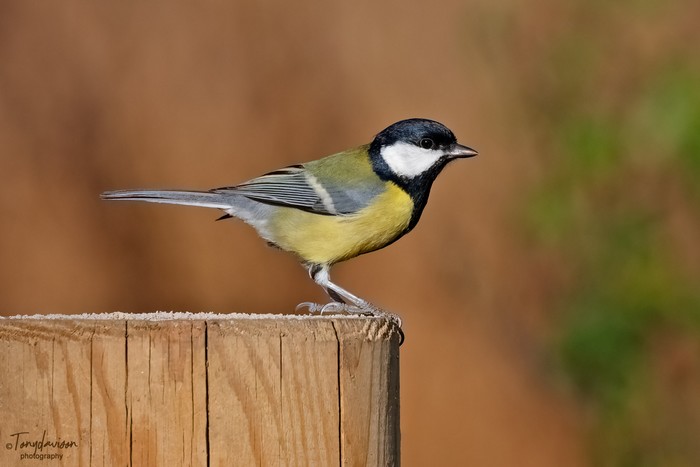
The fading glow of city birds
In cities, even the birds are changing colour. A major new study published in Oikos finds that the yellow plumage of Great Tits and Blue Tits – long admired for its brightness – has grown noticeably duller in urban environments. The findings, based on over a decade of field data from Paris and nearby rural woodlands, suggest that duller feathers are not merely a side effect of pollution or poor diet, but may represent a real evolutionary response to city life.
Researchers from Sorbonne Université and the CNRS studied nearly 1,000 birds breeding in nest boxes across Paris, its suburbs, and the forests of Fontainebleau. They measured the carotenoid-based pigments in the birds’ yellow breast feathers and compared these to breeding success – from clutch size to fledging rates – across urban and rural habitats. Their conclusion was striking: in the city, less brightly coloured birds tend to produce larger clutches and more fledglings, suggesting that natural selection is favouring a more subdued palette.
When dullness pays off
Carotenoids – the pigments responsible for the vivid yellow of a tit’s plumage – come entirely from the diet, mainly from caterpillars and other insects. Urban areas, however, offer fewer native plants and insects rich in these pigments. At the same time, pollutants, artificial light, and heat stress increase birds’ physiological demands for carotenoids as antioxidants. The result is an evolutionary trade-off: city birds appear to prioritise survival and reproduction over colourful display.
In Great Tits, the effect was most pronounced. Urban females with less yellow plumage laid more eggs and fledged more chicks than their brighter counterparts, while urban males with duller feathers also achieved higher fledging success. In rural populations, no such pattern was seen – colour and reproductive success were largely unrelated. Blue Tits showed similar but weaker trends, with younger females in cities producing more fledglings when their plumage was less saturated.
Interestingly, the study also examined pairs of birds, finding that in the city, the most successful breeding pairs tended to be those in which both partners were less brightly coloured – a form of “matched dullness” that correlated with larger clutches and higher fledging numbers. The same was not true in rural areas, where colour made little difference.
Selection in the streets
These results suggest that urban environments are actively shaping the evolution of visual signals in common garden birds. What was once an “honest” sexual signal of health and vitality may be becoming a liability in the city. Bright plumage, costly to produce and maintain, may now drain resources that birds need for stress resistance or chick rearing. Over time, this selective pressure could lead to permanent genetic differences between urban and rural populations.
“We found consistent selection against highly pigmented individuals in the city,” explains lead author Nicolas Bekka. “Urban Great Tits that were less colourful had greater reproductive success, suggesting that reduced ornamentation may be a cost-effective adaptation to the constraints of city life.”
Rather than being a sign of pollution damage alone, the duller feathers of city birds may therefore represent an adaptive response – an evolutionary adjustment to new environmental realities.
What dull feathers reveal about adaptation
The implications extend beyond colour. Carotenoid-based plumage is tied to a bird’s immune system and oxidative balance. If urban stressors are reshaping how these pigments are used, it could signal broader physiological shifts in urban wildlife. The study’s authors call for similar long-term investigations into other traits – from song and behaviour to immune function – to reveal how urbanisation is sculpting animal evolution in real time.
For now, the message is clear: in the glow of the city, bright feathers may be fading, but they are fading with purpose.
October 2025
Read the full paper here
Get Breaking Birdnews First
To get all the latest breaking bird news as it happens, download BirdAlertPRO for a 30-day free trial – no payment details required – and access exclusive first-time subscriber offers.
Share this story