



Weekly birding round-up: 15 - 21 May
Given the time of the year, we might have been forgiven for feeling the past week wasn’t the most remarkable of examples of its kind – those pesky, cold northerly winds did their utmost to suppress any meaningful migrant action, let alone the arrival of any notable, outstanding rarities. Yet, as the week wore on, the door cracked open a little, and some classic Scandinavian overshoots began to filter through… nothing to trouble the headlines, but some quality regardless.
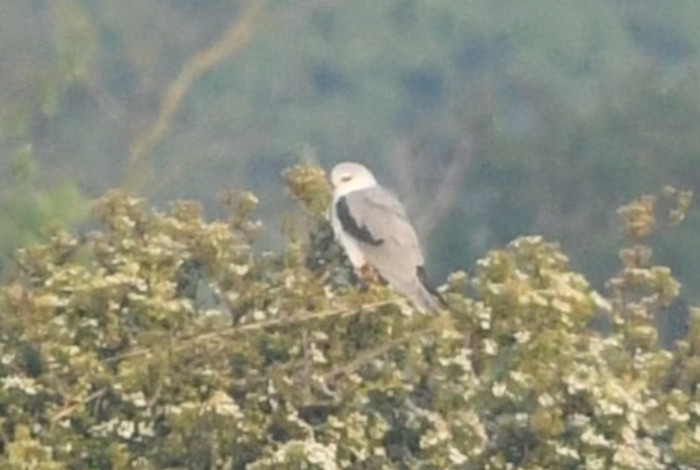
Seemingly now well settled into being a fixture in the area, the Black-winged Kite remained on offer for another week in the Hempstead Marshes area of Norfolk on 15th-21st. Until we’re receiving multiple records in any given year the novelty of this species is unlikely to wear thin any time soon, and no wonder – it’s an absolute belter wherever it’s found, let alone in Norfolk.
Most intriguing seabird record of the week was comfortably the Fea’s Petrel sp seen passing Portland (Dorset) in the morning of 19th. Oh for that to be pinned down and identified conclusively…
For early season novelty, it was given a run for its money by the Wilson’s Petrel seen on 21st off Rosscarbery (Co.Cork).
Also in Ireland, the long-staying Pacific Diver remained present off Achill Island (Co.Mayo) on 15th-16th.
White-billed Diver continued to fade into the background, with a mere few seen this past week. One was seen in Highland & Caithness at Golspie still on 15th; and another sighting came from Holborn Head on 17th.
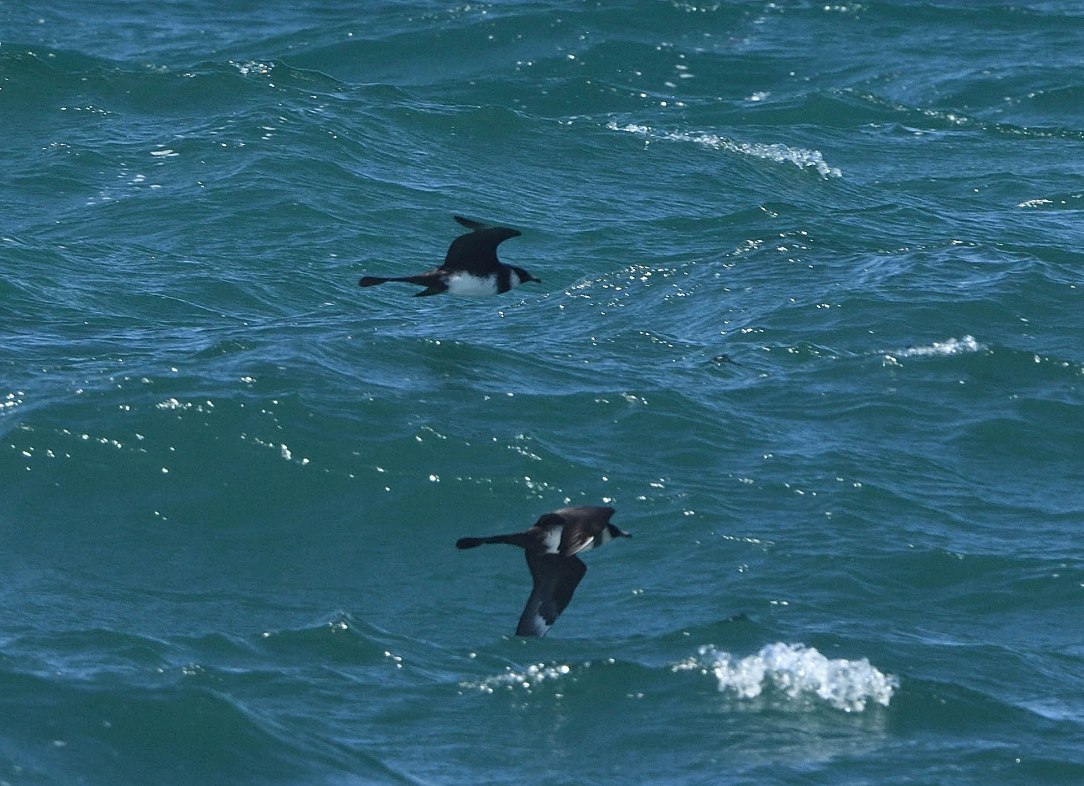
If the week belonged to any seabird, it was the scarcer skuas. Some 145 Pomarine Skua were noted, eclipsed however by Long-tailed Skua, of which around 325 birds were logged, with a peak count of 117 birds seen from Bunowen (Co.Galway) on 17th.
As the week drew to a close, some Balearic Shearwater sightings – in Dorset at Portland and Chickerell, and in Cornwall from Porthgwarra, all on 20th, with Portland again notching a sighting on 21st also.
Among the anticipated long-legged beasties Purple Heron continued to feature consistently, and sightings came in almost daily – at Higham Marshes (Kent) on 16th; on 17th at Cleethorpes CP (Lincolnshire); on 18th at Marazion Marsh RSPB (Cornwall); on 19th-20th at Etton-Maxey Pits (Cambridgeshire); and on 21st at Grove Ferry and Stodmarsh NNR (Kent).
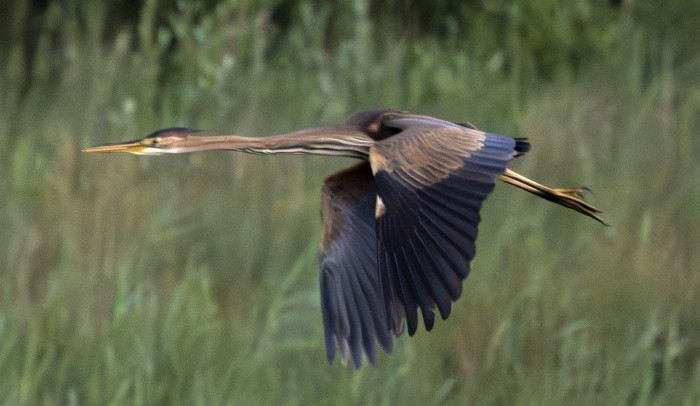
On 21st a further Purple Heron, and a Little Bittern, were reported from Ham Wall RSPB (Somerset).
A probable Night Heron was logged over Goonhavern (Cornwall) on 16th.
Ever more quiet and peaceful among the weekly honkers and quackers, on the whole...
Of The Goose Formerly Known As Canada, a Richardson’s Cackling Goose was present at Bellanoch (Argyll & Bute) again on 15th; and the Todd’s Canada Goose remained on Yell (Shetland) on 17th-21st.
The recent Black Brant was still to be found in the Kilnsea (East Yorkshire) area on 15th-20th.
A drake American Wigeon was seen on Tiree (Argyll & Bute_) on 18th.
A Green-winged Teal was reported on 20th on Orkney on Hoy.
The female Ferruginous Duck remained in Cambridgeshire at Ouse Fen RSPB on 16th-17th; a drake was present on 21st again at Napton Reservoir (Warwickshire).
Our sole Lesser Scaup was the drake again present on College Lake NR (Buckinghamshire) on 16th-21st.
Scotland gave us most of the week’s precious few Ring-necked Duck - one on Shetland at Loch of Asta on 18th-21st still, and Loch of Tingwall on 20th; an Orkney bird on Loch of Bosquoy on 16th still; in Highland & Caithness at Loch Laide on 17th, and Loch Tulla on 18th-19th; on Colonsay (Argyll & Bute) on 20th; on St John’s Loch (Highland & Caithness) on 21st; and, away from Scotland, on Doon Lough (Co.Leitrim) on 17th still, and on Beesands Ley (Devon) on 20th.
The young drake King Eider remained in Highland & Caithness on Loch Fleet on 15th-20th.

Two drake White-winged Scoter were present at Kirkcaldy (Fife) on 15th-18th, with one still present there on 19th, and two again on 20th-21st; a drake Black Scoter was also present there on 15th-21st; and a Surf Scoter too, for good measure, on 15th-17th.
The weekly waders were headed, by some margin, by the fleeting Great Snipe found on Fair Isle (Shetland) on 19th. Even in autumn these days they’re a scarce commodity – spring birds are rarer still. One to savour for those fortunate to see it this week.
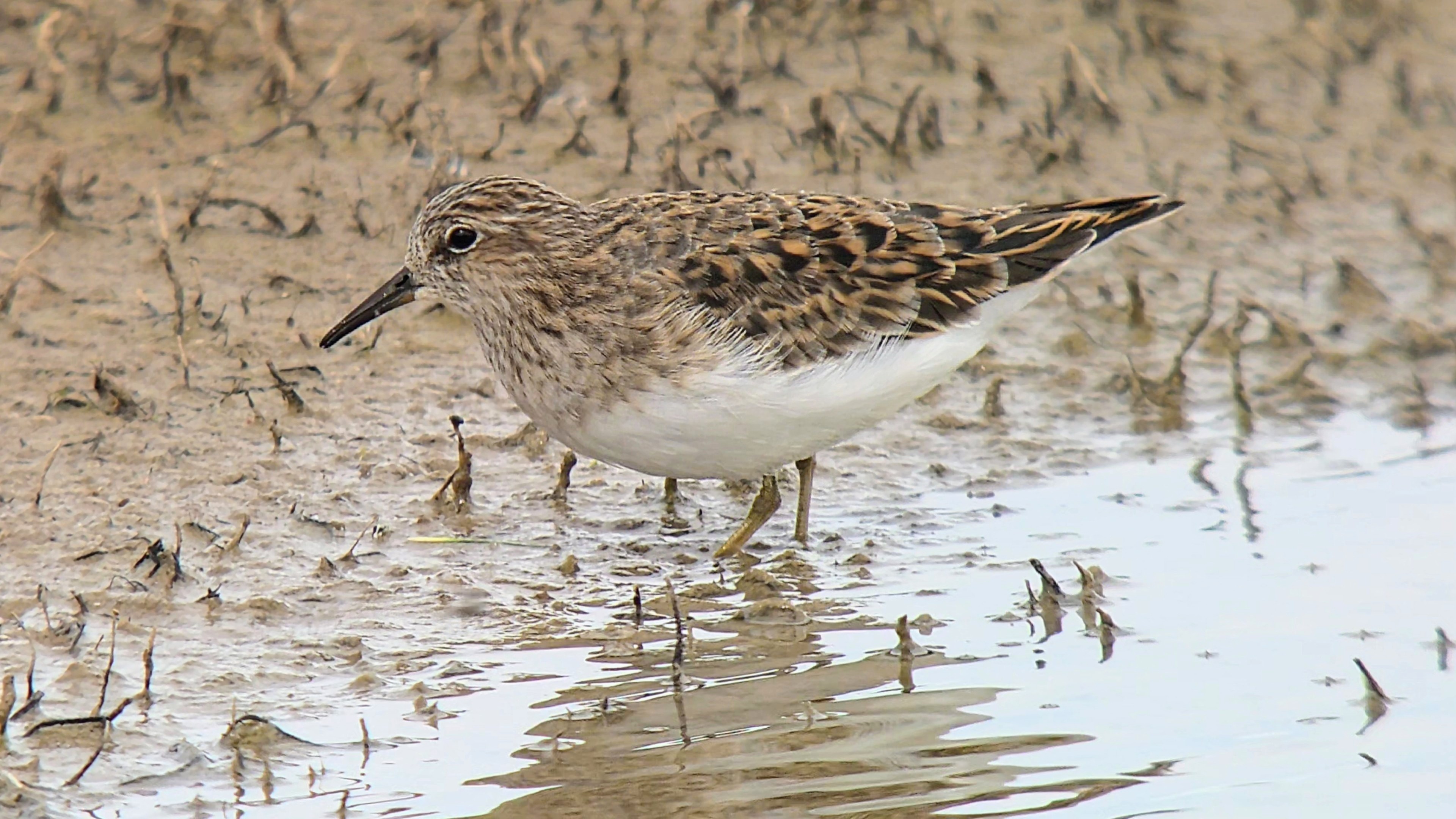
Temminck’s Stint meanwhile were very much on the move, and in some numbers – around 45 birds were logged over the course of the week, with a peak count of four present at Cley NWT (Norfolk) on 15th.
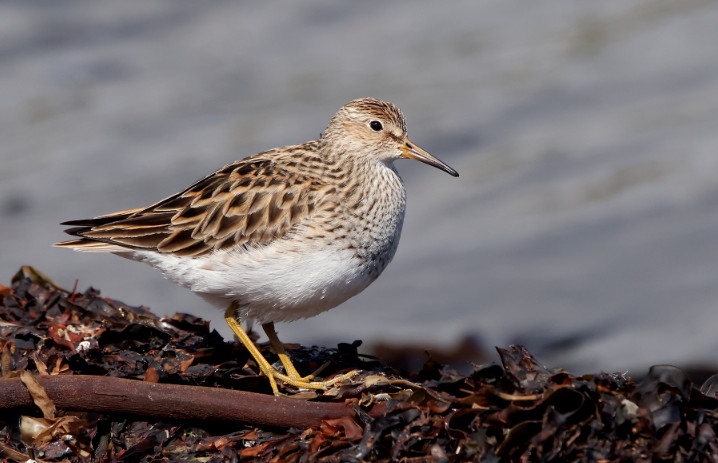
Scarcer fare was also heading through Britain – several Pectoral Sandpiper were seen, well-scattered across the region. One was present on 15th-16th at Nosterfield LNR (North Yorkshire); on 15th-17th birds settled in to Theale GPs (Berkshire), and Old Hall Marshes RSPB (Essex); on 16th one was present at Ouse Fen RSPB (Cambridgeshire); on 17th another in Cornwall at Walmsley Sanctuary CBWPS; on 18th-20th a bird on Shetland Mainland at Leebitton; on 19th one at Anderby Creek (Lincolnshire); and on 20th birds at Cowpen Marsh (Cleveland) and on the Bann Estuary (Co.Derry).
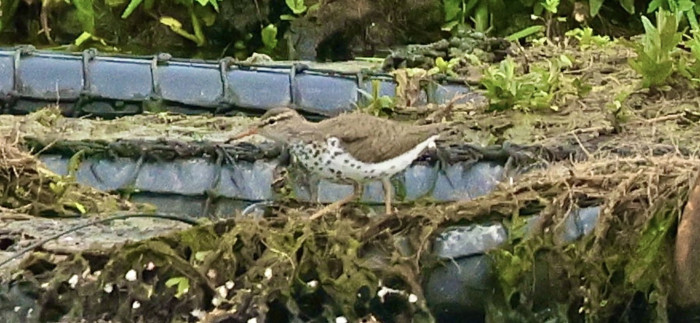
A Spotted Sandpiper was found in Warwickshire at Earlswood Lakes on 21st.
A handful of Black-winged Stilt made the news – three at Frampton Marsh RSPB (Lincolnshire) on 17th, two at Worth Marsh RSPB (Kent) on 15th, and one at Dungeness RSPB (Kent) on 21st.
Frampton Marsh RSPB also sported an American Golden Plover on 15th-16th. Further birds were noted at Fishtoft (Lincolnshire) on 15th, Spurn (East Yorkshire) on 16th, Old Hall Marshes RSPB (Essex) on 15th-18th still, and on Holy Island (Northumberland) on 20th-21st.
A male Kentish Plover was enjoyed at Marazion (Cornwall) on 16th-19th and, on 21st, another was seen at Egleton NR (Leicestershire).
Numbers of Dotterel continued to pass through, with some 25 birds in all noted across the week. Our peak count was eight birds seen on Benbecula (Western Isles) on 16th.

A Lesser Yellowlegs settled at Tacumshin (Co.Wexford) on 15th-17th; another was present on Lewis (Western Isles) on 20th-21st.
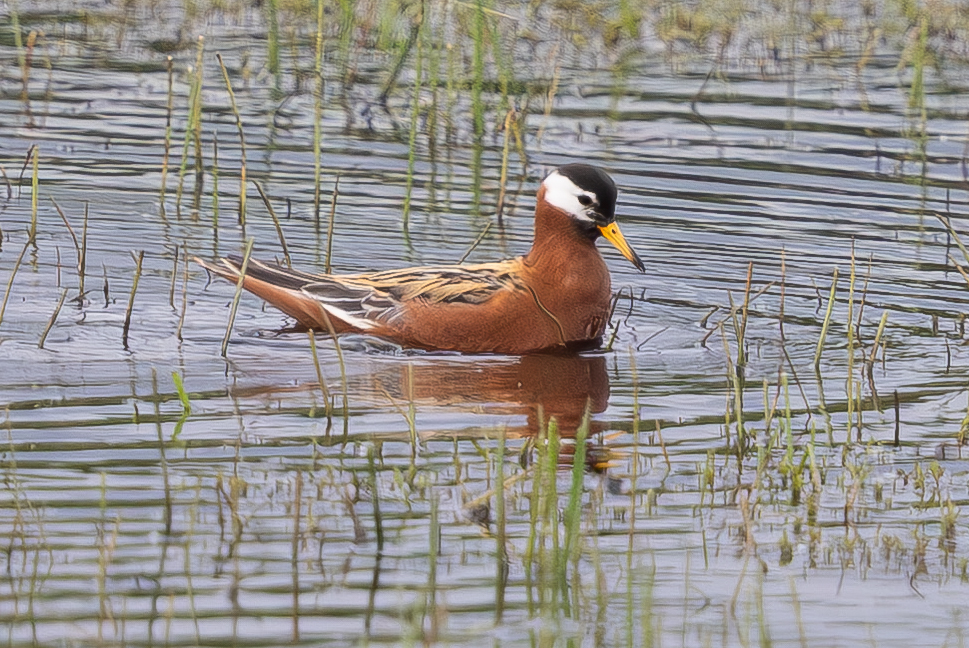
Away from their usual summer quarters, a Red-necked Phalarope was seen in East Yorkshire on 19th at Kilnsea Wetlands and The Outstrays NR, remaining at the latter the following day; on 20th more appeared, at Grindon Lough (Northumberland), and Lough Boora Parklands (Co.Offaly).
Finally, a female Grey Phalarope was a fine find in South Yorkshire at Wombwell Ings RSPB on 20th.
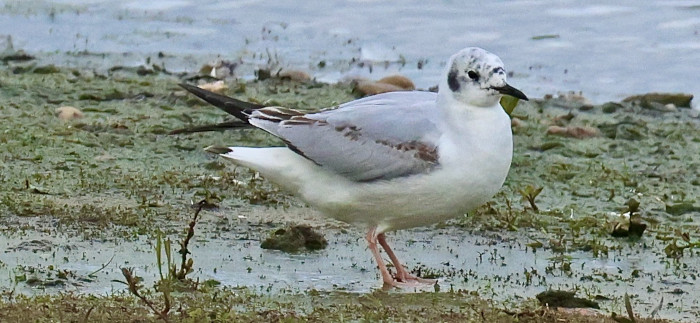
Several Bonaparte’s Gull continued their recent rich run of form in these parts in recent days – birds were noted at Abbotsbury Swannery (Dorset) again on 15th; on 15th-21st still at Belvide Reservoir (Staffordshire); on 16th still at Inch Island Lake (Co.Donegal); on 18th at Leighton Moss RSPB (Lancashire & North Merseyside); and on 19th at Topsham (Devon).
Devon featured prominently in the week’s sightings of Sabine’s Gull, with singles seen on 19th at Berry Head and Prawle Point, and further reports that day of a single at Slapton Sands and two probables off Lundy. A further singleton was seen on 17th off North Uist (Western Isles), and one off Coverack (Cornwall) on 21st.
The adult Ring-billed Gull was again seen at Blennerville (Co.Kerry) on 17th.
Of the white-wingers, Glaucous Gull enjoyed a minor renaissance, with 11 birds logged over the week, including two present on North Uist (Western Isles) on 18th. Iceland Gull were harder to come by, with birds seen on North Uist on 15th, South Uist on 17th-18th, and Achill Island (Co.Mayo) on 19th.
Happy news – the female, green-ringed surinamensis American Black Tern is back for another season at Long Nanny (Northumberland), seen again there this week on 20th-21st.

A mobile duo of adult White-winged Black Tern brightened many a birder’s week lately – seen on 15th at Egleton NR (Leicestershire); on 16th in West Yorkshire at Wintersett Reservoir and St Aidan’s RSPB; on 16th-17th at Nosterfield LNR (North Yorkshire); and on 19th-21st at Marton Mere LNR (Lancashire & North Merseyside).
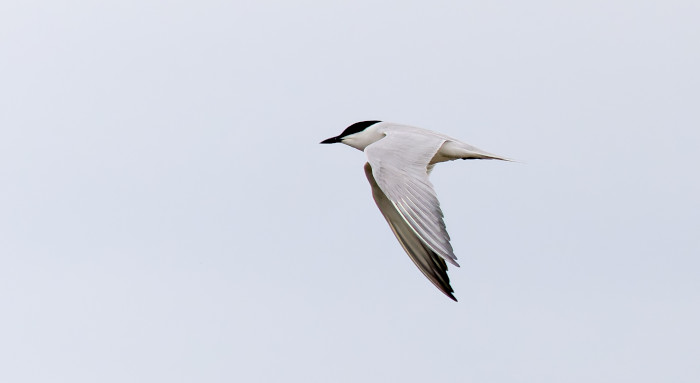
Last but not least, a Gull-billed Tern was found at Minsmere RSPB (Suffolk) on 20th.
Red-footed Falcon continued to crop up this week here and there. In East Yorkshire two seen near Bubwith Ings on 15th reverted to one bird present on 16th-21st; North Yorkshire meanwhile enjoyed a single bird at North Duffield Carrs on 15th-19th, and one at Ellerton Ings on 17th. Further south, one was reported from Norfolk at Hopton-on-Sea on 19th, while another was seen in Dorset at Holt Heath on 18th-21st; a probable was also seen in Dorset at Durlston CP on 21st.
A scatter of Montagu’s Harrier made the news this week – one at Kilnsea (East Yorkshire) on 16th; another at Tealham Moor (Somerset) on 18th-19th; and a bird at Cley (Norfolk) on 18th.
Starting the passerines with the colourful stuff, Hoopoe were seen this week at Crackpot (North Yorkshire) on 15th; in Lowestoft (Suffolk) on 15th-20th still; and near Rosslare (Co.Wexford) on 18th.
A Bee-eater was a quality garden bird near Chippenham (Wiltshire) on 19th. On 21st in Kent one was seen near Bockhill Farm, and heard only at South Foreland.
(© Phil Cheeseman)
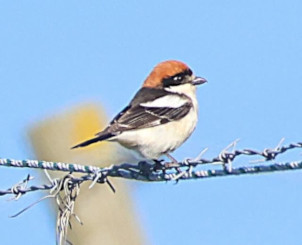
In Highland & Caithness the Woodchat Shrike remained near Brora on 15th-16th. Further birds arrived on 21st, on Skokholm (Pembrokeshire) and Portland (Dorset), while another was belatedly reported from Durlston CP (Dorset) on 17th.
Red-backed Shrike trickled in… Shetland’s Fair Isle and Foula enjoyed one apiece on 19th; while another was found at Rye Harbour NR (East Sussex) on 19th also. On 20th Shetland’s Loch of Spiggie area produced records at Bakkasetter and Symblisetter. Another sighting came from Fair Isle on 21st, while Shetland Mainland sightings came from Bakkasetter again, Mossy Hill, and Twatt.
Golden Oriole were similarly scattered – one was seen on Shetland in Scalloway on 15th; another in East Sussex at Oreham Common on 16th; one on 20th at North Point Pools (Norfolk); while one was reported from South Yorkshire at Tickhill on 18th, and another reported on 17th from Colonsay (Argyll & Bute). On 21st further arrivals were seen on Barra (Western Isles), at Spurn (East Yorkshire), and at North Foreland (Kent).
A Short-toed Lark was found on Orkney Mainland at Deerness on 18th; on 20th it was the turn of Shetland Mainland for a bird at Levenwick.
Onto the warblers, Iberian Chiffchaff remained at Hardwick Hall CP (Co.Durham) still on 15th-20th, and in Suffolk at Westleton Heath on 15th-16th. Another in song was present at Strumpshaw Fen RSPB (Norfolk) on 20th.
A Savi’s Warbler remained in song at Stodmarsh NNR (Kent) on 15th.
In Shetland a Marsh Warbler was found along Swinister Burn on 21st.
In Norfolk a Great Reed Warbler was present and in song at Snettisham CP on 17th.
The northern isles enjoyed a small fall of Icterine Warbler - on Shetland birds were found on Mainland at Scousburgh on 18th, and on Fair Isle on 19th; while one was trapped and ringed on North Ronaldsay (Orkney) on 18th. Two were present on Fair Isle on 20th-21st; and another was on Mainland Shetland along Swinister Burn on 21st.
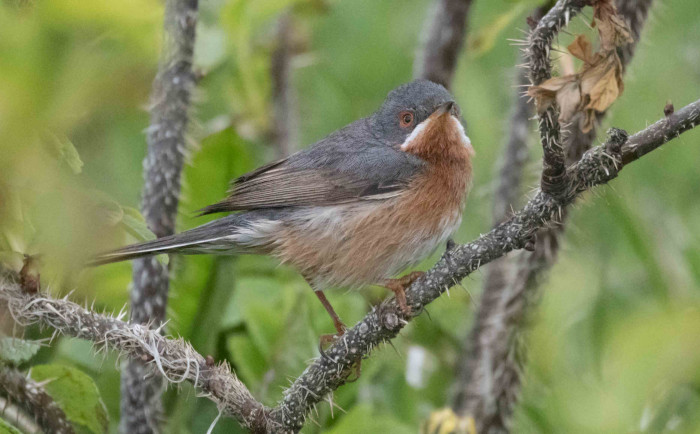
Fair Isle also was blessed with a male Western Subalpine Warbler on 19th; while the first-summer male Eastern Subalpine Warbler remained in East Sussex at Beachy Head on 15th-18th.
Shetland began to feel properly under way as the week wore on, with a good variety of scarce interest to be found there, and much of the remaining passerine news owes itself to the archipelago.
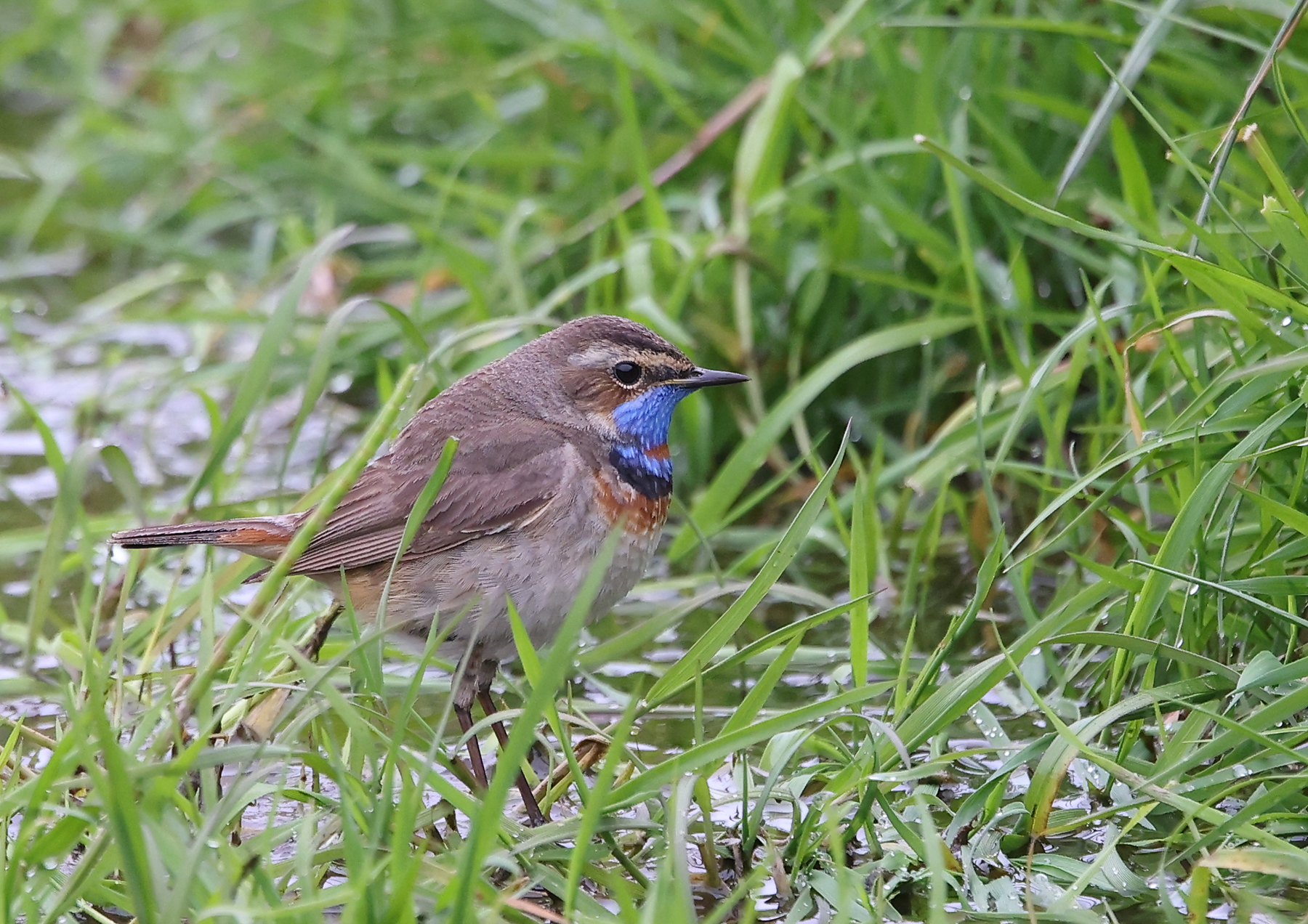
While a pale shadow of former spring falls, a small arrival of Bluethroat was welcome – two on Fair Isle on 18th, one still on 19th, had risen to four by 20th; birds on Mainland at Sumburgh on 19th-21st, and Quendale on 19th; on Out Skerries on 19th, with two present on 20th; and on Whalsay on 20th. Two were present on North Ronaldsay (Orkney) on 20th, and one on Papa Westray on 21st.
A male Red-breasted Flycatcher was singing at Dungeness (Kent) on 21st.
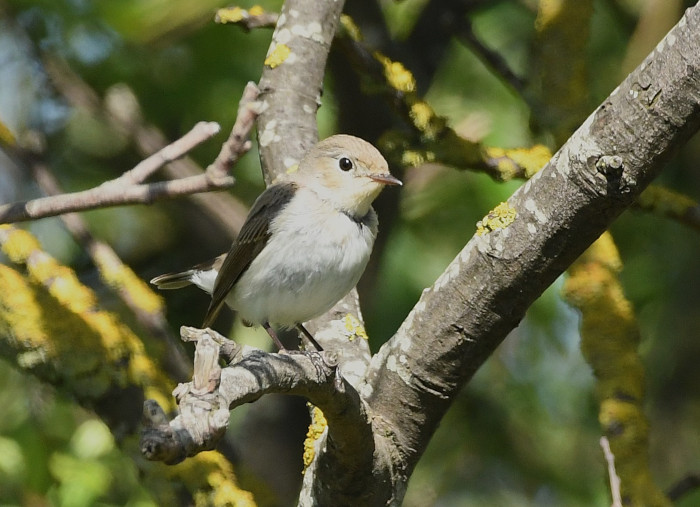
A Thrush Nightingale was found on Foula on 19th, followed by another on Fair Isle on 20th.
Fair Isle also contributed a Red-throated Pipit on 17th; another overflew Lundy (Devon) on 21st.
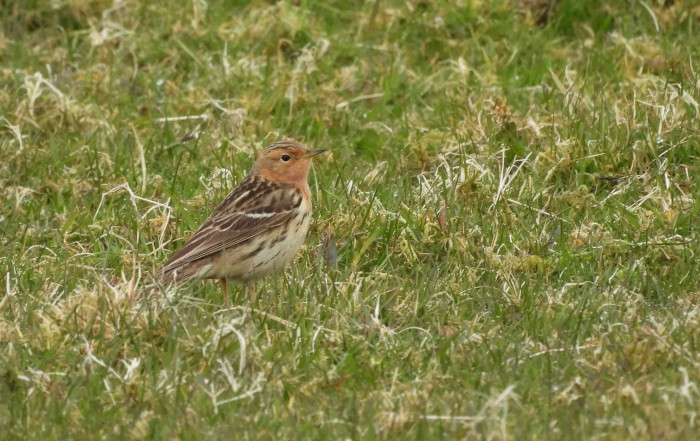
A Common Rosefinch was present on Unst on 15th-16th; while an Arctic Redpoll was on Mainland at Hillswick on 17th-18th.
A female Serin was seen at North Foreland (Kent) on 17th-18th.
On Orkney, a male Rustic Bunting brightened Papa Westray on 16th-20th.
Finally, in Lancashire & North Merseyside the male Great-tailed Grackle continued to hold his ground at Speke Hall on 15th-21st.
The overseas news starts again in Scandinavia where, in Norway, east met west in some style this week with the male Black-faced Bunting still at Vagsvollmarka on 17th followed by a White-throated Sparrow on 18th at Myken.
In Sweden the displaying Wilson’s Snipe remained at Storsjo on 17th.
Finland meanwhile landed a Green Warbler on 15th at Lagskar.
In France, the Great White Pelican remained on Lac de Vesoul-VaivreIle on 15th, while a singing Red-necked Nightjar was present at Ortaffa on 17th.
Spain retained an Elegant Tern at Salinas de Pinet on 17th-19th, and a Western Reef Heron was present at Lagunas de Villafranca on 17th.
Out on Madeira a Green Heron was present on 21st.
Short-tailed Shearwater were seen off Kuwait this week, with five still at sea off Al Ahmadi on 17th.
Edging into the final gasps of May, what might the coming week hold in store for us should the winds and the birding gods alike be suitably benevolent and kindly disposed towards us?
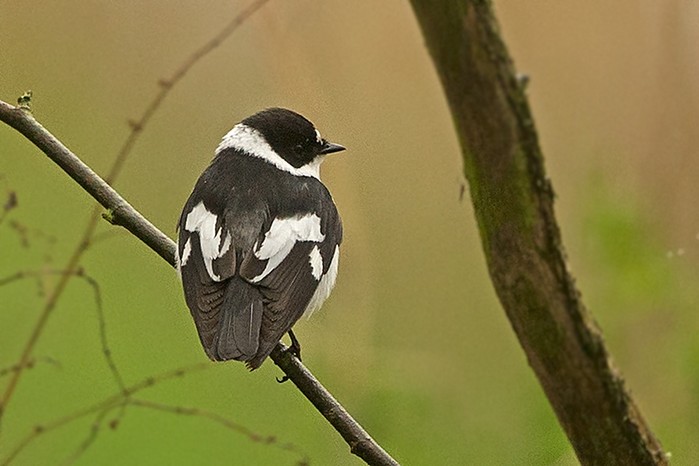
More Thrush Nightingale really feel like a foregone conclusion, as does another Rustic Bunting. If we dare aim a little higher, the coming week traditionally has plenty of form for a Black-headed Bunting and, on a rarer note, Collared Flycatcher.
Jon Dunn
22nd May 2026
Many thanks to all this week's contributors for your photos and videos and to everyone who contributed throughout the year.
Get Breaking Birdnews First
Get all the latest breaking bird news as it happens, download BirdAlertPRO for a 30-day free trial. No payment details required, and get exclusive first-time subscriber offers.
Share





