


Peacock named Britain's favourite butterfly after national public vote
The familiar garden species topped the first vote of its kind, as Butterfly Conservation urges people to take part in this summer’s Big Butterfly Count.
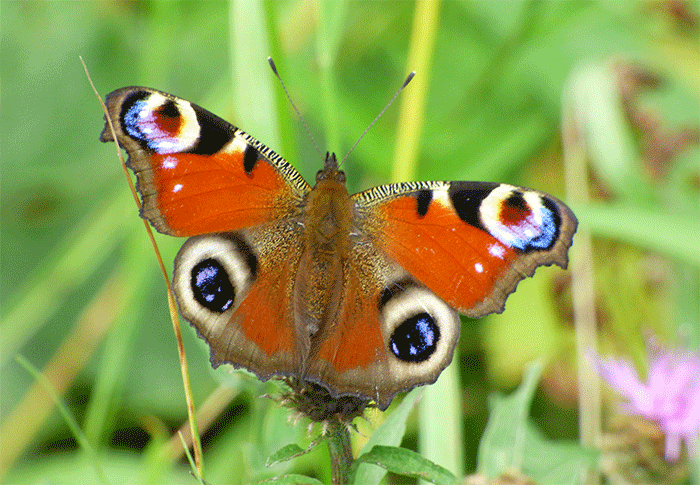
Butterfly Conservation has announced the Peacock as Britain’s favourite butterfly, following a public vote that attracted more than 20,000 votes from across the UK.
The colourful species beat 59 other butterflies to take the title in the first national vote to find Britain’s favourite butterfly. Voting ran from 15 May to 7 June, with the Peacock finishing ahead of Orange-tip, Red Admiral, Holly Blue and Brimstone.
A familiar winner with broad appeal
The Peacock is one of Britain’s most recognisable butterflies, known for its rich red wings and bold eye-spots. Those markings are not just decorative - they are an evolutionary defence, helping to startle or deter predators.
The species is a regular visitor to gardens, parks and other green spaces across the UK, particularly where nettles are allowed to grow. Nettles are the main foodplant for Peacock caterpillars, making untidy corners and wildlife-friendly patches important for the butterfly’s life cycle.
Kate Merry, Butterfly Conservation’s Head of Engagement, said the response to the vote had been “absolutely wonderful”, adding that the result showed how strongly people across the country care about butterflies.
She described the Peacock as a “worthy winner” and a “true showstopper”, and said the charity was now looking forward to seeing how many are recorded during this summer’s Big Butterfly Count.
Colourful favourites complete the top five
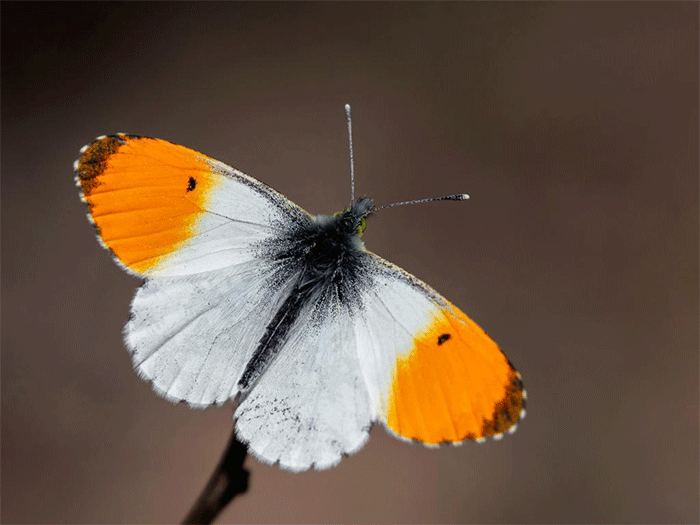
The Orange-tip finished second in the vote, with the Red Admiral third, Holly Blue fourth and Brimstone fifth. Together, the top five reflect some of the most familiar and well-loved butterflies seen in gardens, hedgerows and countryside across Britain.
The Orange-tip is closely associated with spring, while the Red Admiral remains one of the most striking and widely recognised species, traditionally known as a long-distance migrant. The Holly Blue has become more widespread in recent decades, while the yellow Brimstone is often seen as one of the first clear signs of spring.
Vote comes after a worrying year for butterflies
The announcement comes against a difficult backdrop for Britain’s butterflies. In 2024, Butterfly Conservation declared a butterfly emergency after numbers recorded during the Big Butterfly Count fell to their lowest ever level.
The charity is now calling for people to take part in this year’s Big Butterfly Count, which runs from Friday 17 July to Sunday 9 August. Participants are asked to spend 15 minutes in any outdoor space, count the butterflies and day-flying moths they see, and submit their sightings.
Butterfly Conservation says the survey helps build a clearer picture of how common species are faring, while also encouraging more people to notice and support butterflies in their local area.
Kate Merry said taking part was simple, fun and a good reason to get outside, with the records helping conservationists understand wider trends affecting butterflies and moths.
June 2026
Get Breaking Birdnews First
Get all the latest breaking bird news as it happens, download BirdAlertPRO for a 30-day free trial. No payment details required and get exclusive first-time subscriber offers.
Share this story





