Weekly birding round-up: 1 - 7 May
Spring continued to do its thing this week, with migrants continuing to arrive on our shores, and with them some unexpected surprises including a county first. Cornwall, meanwhile, was proving to be on a roll with a second consecutive week marked by a rare raptor. What could it possibly manage to pull out of the hat next week?
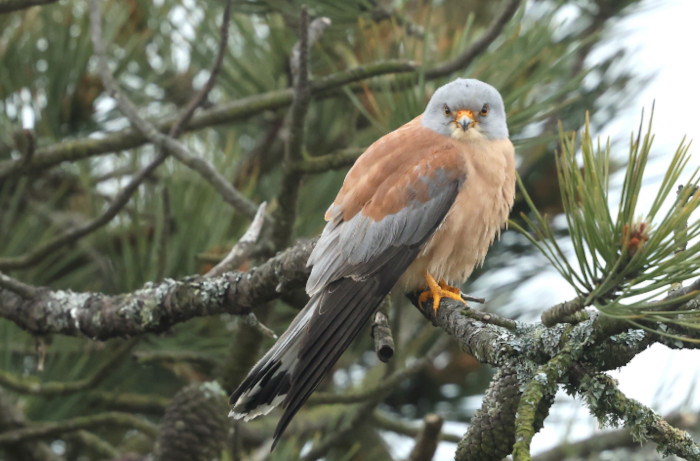
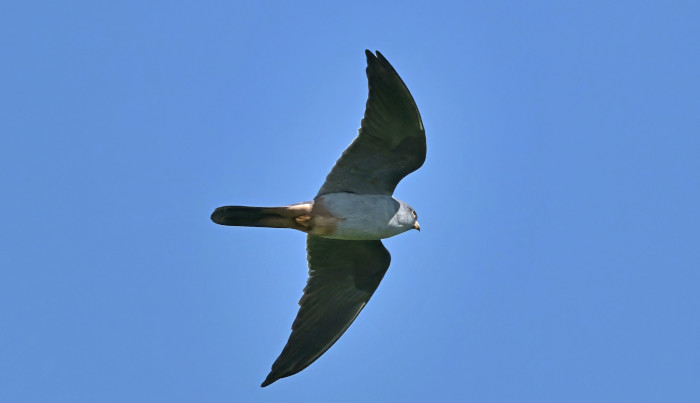
You just can’t keep a good county down, and Cornwall’s enjoying a rich vein of form at the moment, doubling down on the preceding week’s Booted Eagle with a fine male Lesser Kestrel during the week just gone. And, better yet, unlike aforesaid eagle, this week’s rare raptor was to prove settled and eminently twitchable.
First found on 1st in the Croft Pascoe Woods (Cornwall) area, the aforementioned Lesser Kestrel was for the most part a most obliging creature, remaining in the vicinity until 6th and, judging by the images that were appearing online, proving a potent draw for admirers.
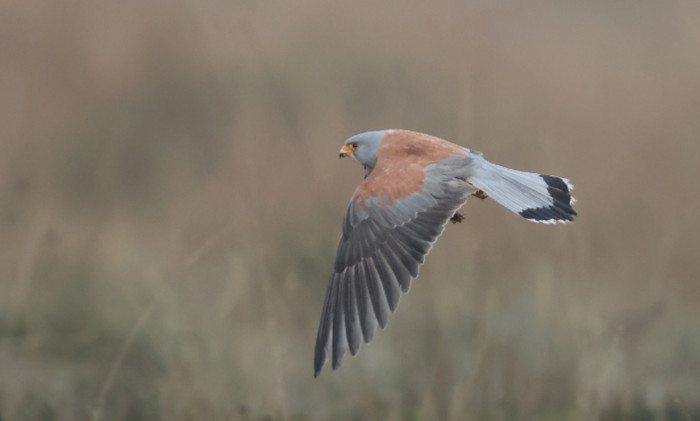
There’ve been a couple of relatively recent near-misses for Cornwall, with neighbouring Scilly scoring Lesser Kestrel in both 2020 and 2023, but for a Cornish record we need to look way back into the mists of time to a one-day bird in St Ives on 30th May 1968. To say another was long overdue would be something of an understatement, though any county that’s enjoyed American Kestrel and Amur Falcon in the meantime can scarcely complain about that…

The discovery of an adult Ross’s Gull at Thurrock Thameside Nature Park (Essex) in the morning of 3rd will certainly go down as one of the highlights of the year for local birders – not least because it was conveniently found on a Sunday morning, and remained showing well on site into the late afternoon.
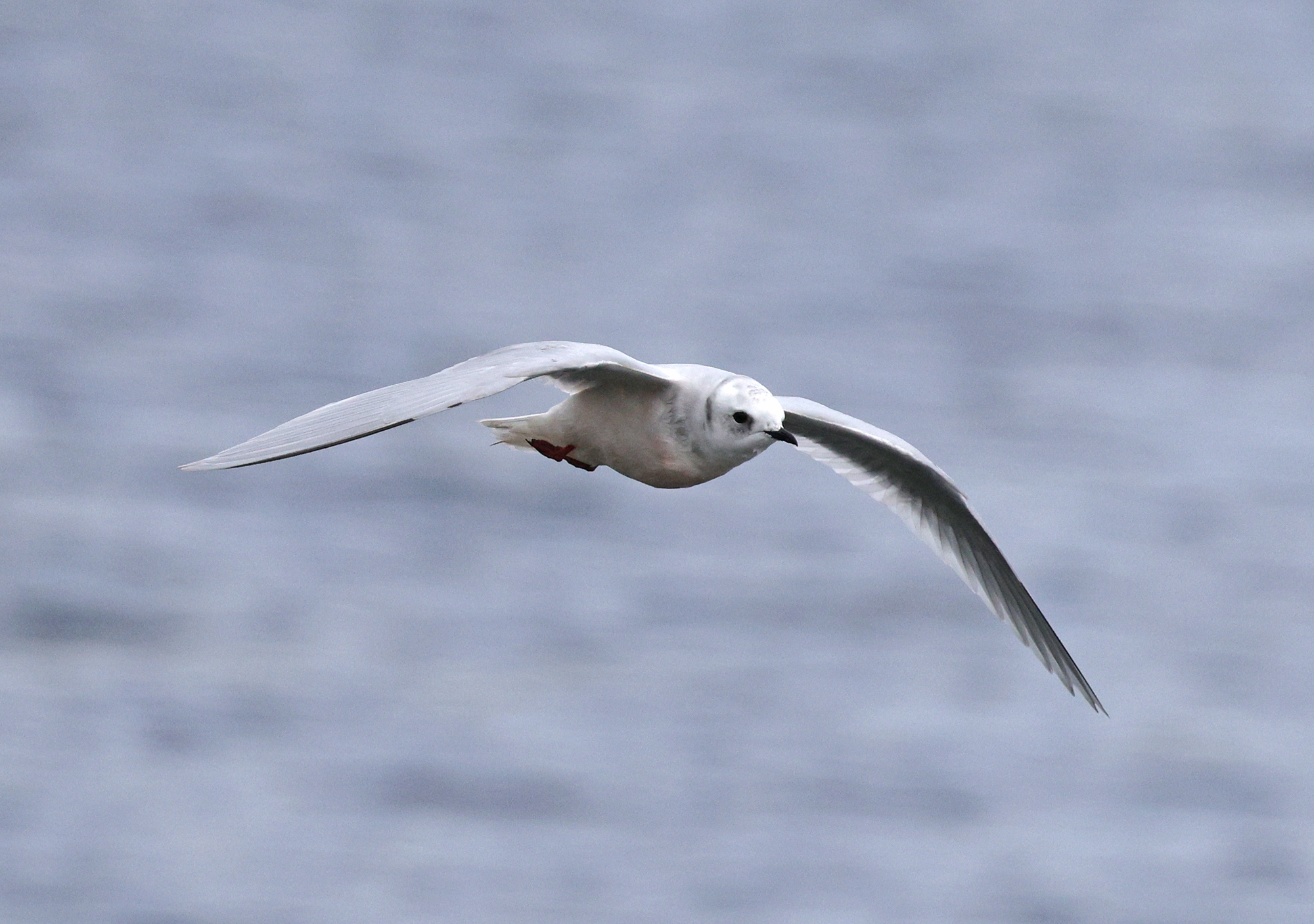
That and it was an adult Ross’s Gull, which we all know is officially the most beautiful of all the world’s gulls. Oh, and – no small thing this – it was a county first too. Despite neighbours Suffolk and Kent having both enjoyed birds down the years, poor Essex was still wanting. Until now.
As the week drew to a close in the evening of 7th, Norfolk’s irregular mega made another appearance – the Black-winged Kite once more, this time seen at Hempstead.
The weekly seabirds begin as ever lately in Ireland, where the Pacific Diver was still present off Achill Island (Co.Mayo) on 2nd-6th.
Numbers of White-billed Diver struggled to scale the giddy heights of double figures. Two were present off Portknockie (Moray) on 4th; and single birds were seen elsewhere in Scotland in Cullen Bay (Moray) on 1st, off Mousa (Shetland) still on 1st, at Loch Venachar (Forth) on 1st-7th still, off Unst (Shetland) on 2nd, from Portsoy (Aberdeenshire) still on 2nd-5th, on 4th from Dunure (Ayrshire) and Lewis (Western Isles), on 6th from Kennedy’s Pass (Ayrshire) and Mull (Argyll & Bute), and on 7th off Roseisle (Moray) again.
A Great Shearwater was seen at sea from a boat off North Rona (Western Isles) on 3rd.
Two Balearic Shearwater were logged off The Lizard (Cornwall) on 2nd.
Skua passage continued to tick over modestly this past week, with some 70 Pomarine Skua noted, and a peak count of 26 birds seen from Dungeness (Kent) on 1st, and a Long-tailed Skua also seen from Dunge that day; two of the latter species were seen from North Uist (Western Isles) on 5th, and one from Kennedy’s Pass (Ayrshire) on 6th. On 7th the pace quickened appreciably for Long-tailed Skua, with 35 birds logged passing North Uist in the evening.
It was another busy-ish week for the usual, anticipated long-legged beasties. A Purple Heron remained at Walmsley Sanctuary CBWPS (Cornwall) on 1st-6th, while birds were again seen on 3rd on Tresco (Scilly) and at Ham Wall RSPB (Somerset). Additional sightings came from Pymoor (Cambridgeshire) on 1st, Welney WWT (Norfolk) on 1st, on 3rd from Pett Level (East Sussex) and Trevilley (Cornwall), on 6th-7th at South Slob (Co.Wexford), and on 7th at Iford Brooks (East Sussex).
On Scilly, a Night Heron was still to be seen on St Mary’s on 2nd, while a bird was also logged over St Agnes on 5th and 6th. A bird was sound-recorded at night in Kent at Bishopstone Glen in the small hours of 1st; one was seen on 2nd at Iford (Dorset); sightings came from Devon on 3rd at Bigbury-on-Sea and near Bantham; and a bird was seen at Sunderland Bridge (Co.Durham) on 7th.
Last, but far from least, a Squacco Heron was found on 7th at Ballinrostig (Co.Cork).
The Great Disappearance continued apace this week, with honkers and quackers alike continuing to move on to pastures new.
Our sole notable geese were the Black Brant still hanging around in the Kilnsea (East Yorkshire) area on 1st-3rd, and a hutchinsii Richardson’s Cackling Goose at Bellanoch (Argyll & Bute) on 6th.
Scottish islands did the heavy lifting lately for American Wigeon, with birds found in the Western Isles heading east past St Kilda on 2nd and latterly on Lewis on 2nd-6th; and on Fetlar (Shetland) on 3rd-6th.
Just two Green-winged Teal were logged this week – one still at St Aidan’s RSPB (West Yorkshire) on 1st-4th, and another in Somerset at Steart WWT on 1st-5th.
A female Ferruginous Duck was present at Paxton Pits (Cambridgeshire) on 2nd.
Sightings of drake Lesser Scaup this week coagulated around Buckinghamshire and Hertfordshire – at College Lake NR (Buckinghamshire) still on 1st; straddling the county border on 3rd-5th again at Startop’s End Reservoir; and then at Tringford Reservoir (Hertfordshire) on 5th.
Ring-necked Duck struggled towards double figures… in Shetland at Loch of Housetter on 1st-2nd still, and at Loch of Brow on 3rd-7th; on Harris (Western Isles) on Loch Sgailleir on 1st; on Loch Laide (Highland & Caithness) on 2nd-6th, and Loch Shiel still on 6th-7th; on Stanford Reservoir (Northamptonshire / Leicestershire) on 3rd-7th; in Wiltshire at Langford Lakes NR still on 1st; in Devon still on 3rd-4th at Saltpill Duckpond, and on 1st on Beesands Ley again; reported again at Ham Wall RSPB (Somerset) on 6th; and on Fanad Head (Co.Donegal) on 1st-3rd.
Shetland held onto its recent female King Eider off Lerwick on 1st-2nd.
A drake White-winged Scoter was again present off Methil (Fife) on 3rd and 6th; and the second-winter Stejneger’s Scoter was still present in Fife at East Wemyss on 2nd-3rd.
Our weekly waders were a busy lot, as we’d expect at this time of year as they head for their breeding grounds. Hopefully on the subject of which, the Black-winged Stilt influx continued apace in recent days. Some 25 birds were logged across the region, albeit some were rather mobile and hence we may be looking at a little duplication within that number. Peak count were four present at Carlton Marshes SWT (Suffolk) on 3rd; three were noted at Rye Harbour NR (East Sussex) on 2nd; and duos at Brandon Marsh NR (Warwickshire) on 1st-3rd, Rainham Marshes RSPB (London) still on 2nd-3rd, at Buckenham Marshes RSPB (Norfolk) on 1st, Slimbridge WWT (Gloucestershire) on 4th, at Shinewater Lake (East Sussex) on 4th, and Pilning Wetland (Gloucestershire) on 6th-7th.
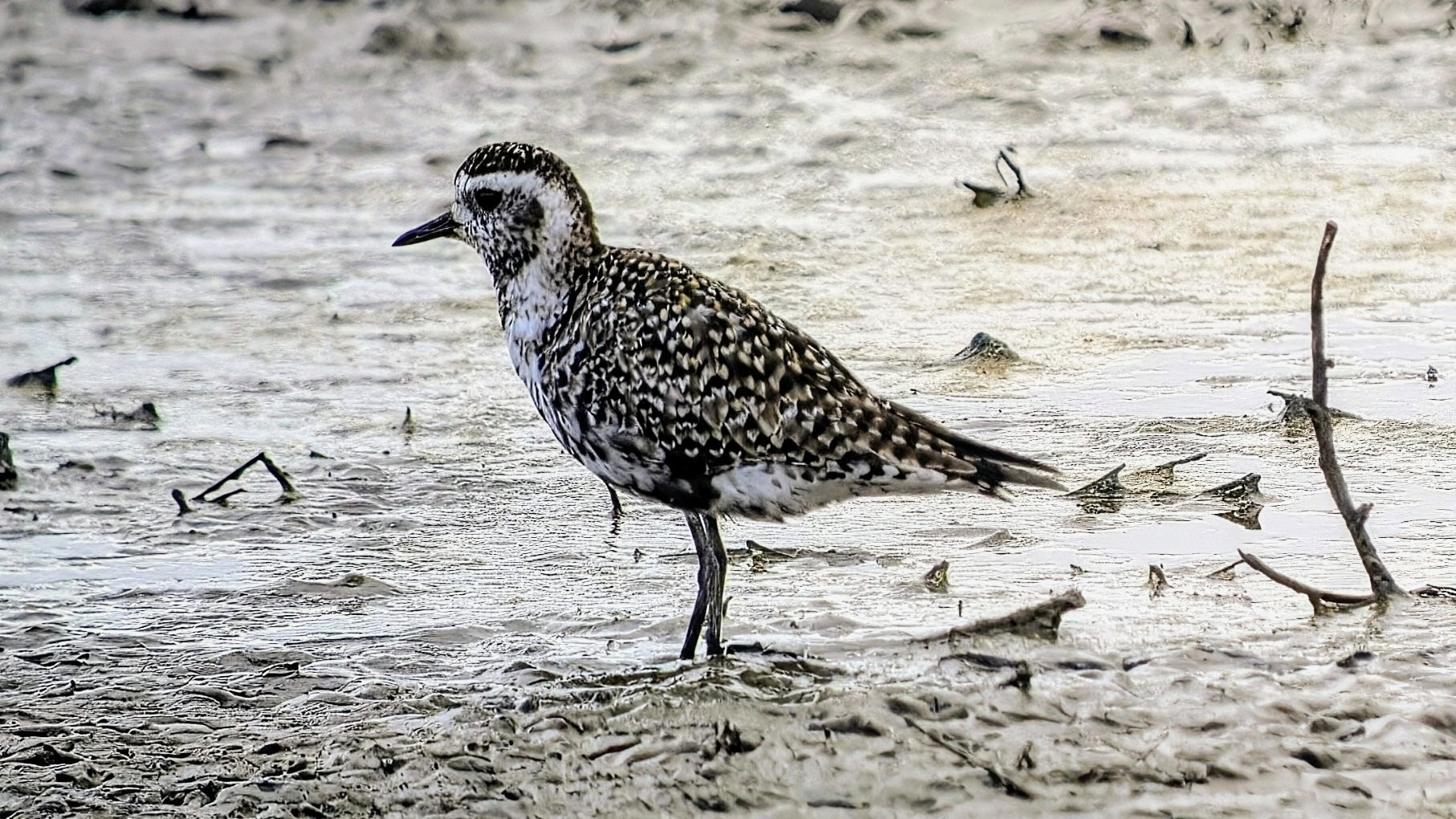
Numbers of American Golden Plover picked up nicely recently, with the adult in Lincolnshire at Frampton Marsh RSPB still on 1st-4th joined in the dailies by further individuals at Lough Beg (Co.Derry) on 1st; an adult in Lancashire & North Merseyside at Banks Marsh NNR on 2nd-5th; another adult at Old Hall Marshes RSPB (Essex) on 3rd-7th; and a possible at Sandwich Bay (Kent) on 4th.
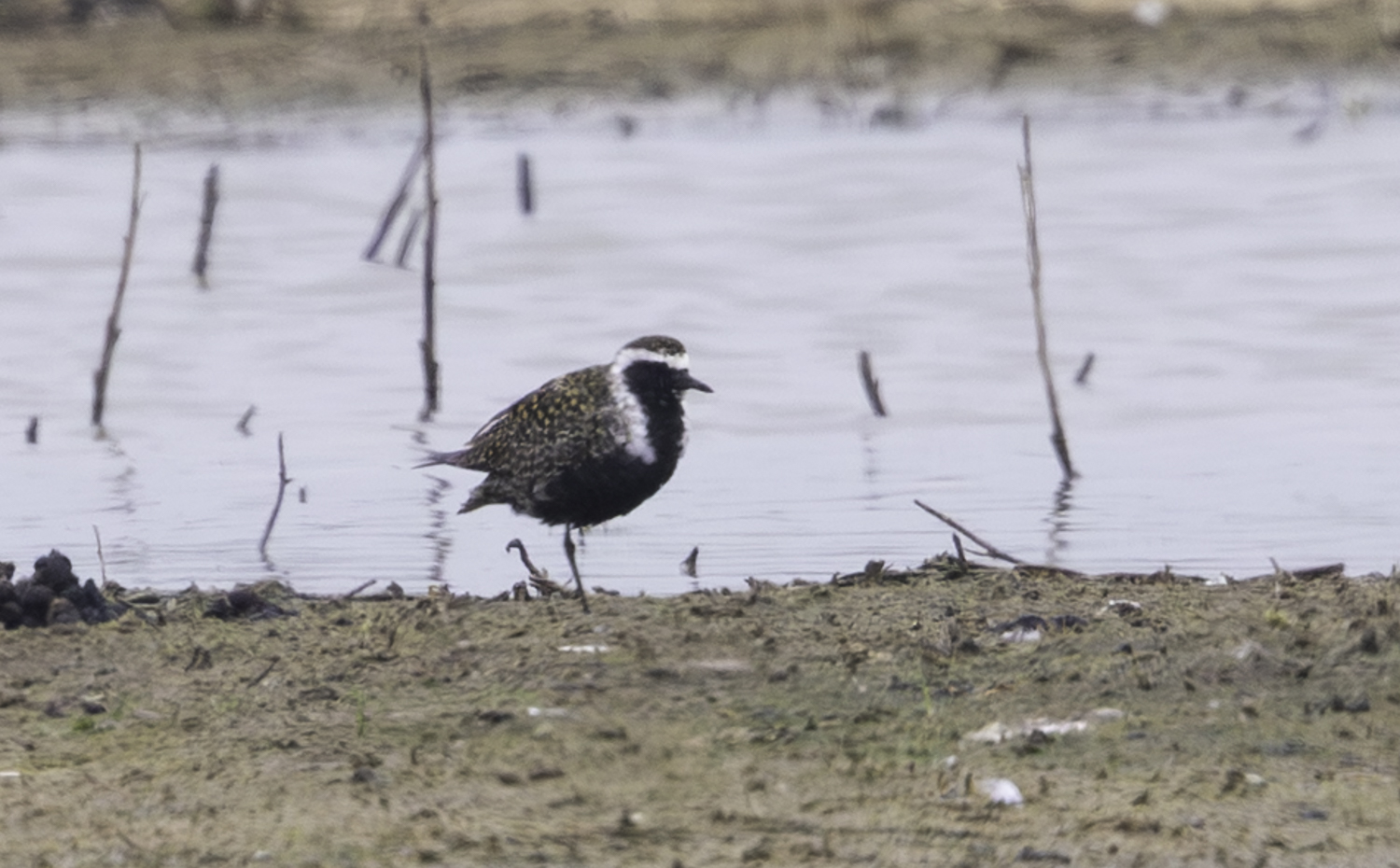
A male Kentish Plover was a great inland find at Broom GPs (Bedfordshire) on 4th-6th.
Dotterel continued to pour in, with some 55 birds logged over the course of the week. Our peak counts were trips of 11 birds near Gamlingay (Cambridgeshire) on 1st-3rd, and at Foel Grach (Gwynedd) on 1st.
Pectoral Sandpiper were noted at Tacumshin (Co.Wexford) on 3rd, Crook of Baldoon RSPB (Dumfries & Galloway) on 4th-7th, and on 5th at Mossblown (Angus) and Fail Flood (Ayrshire).
A Buff-breasted Sandpiper was found on 7th at Cemlyn Bay NWWT (Anglesey).
The recent Marsh Sandpiper remained on the Ythan Estuary (Aberdeenshire) on 1st-3rd.
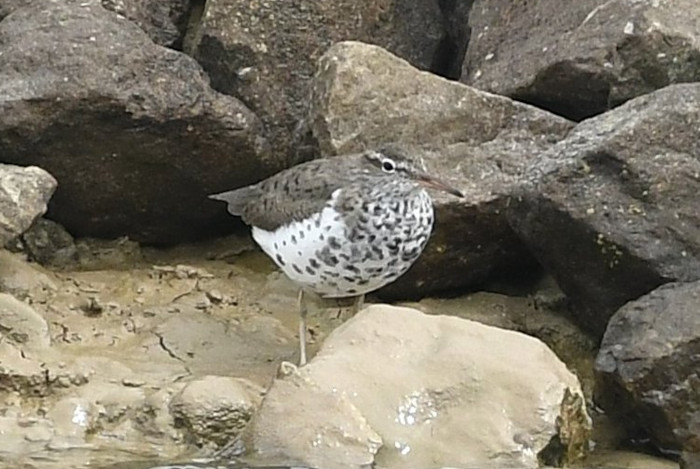
New in were two Spotted Sandpiper near Piddinghoe (East Sussex) on 3rd-7th.
Numbers of Temminck’s Stint picked up nicely this week, with a peak count of three present at Manby Flashes (Lincolnshire) on 3rd-7th. Duos were noted at Breydon Water (Norfolk) on 3rd, Cley NWT (Norfolk) on 3rd-5th, and Titchwell RSPB (Norfolk) on 4th-7th; and single birds at Buckenham Marshes RSPB (Norfolk) on 1st, Frampton Marsh RSPB (Lincolnshire) on 2nd-4th, Saltfleetby-Theddlethorpe Dunes NNR (Lincolnshire) on 6th, Rimac (Lincolnshire) on 7th, Dungeness RSPB (Kent) on 2nd-3rd, Worth Marsh RSPB (Kent) on 2nd, and Cotswold Water Park (Gloucestershire) on 7th.
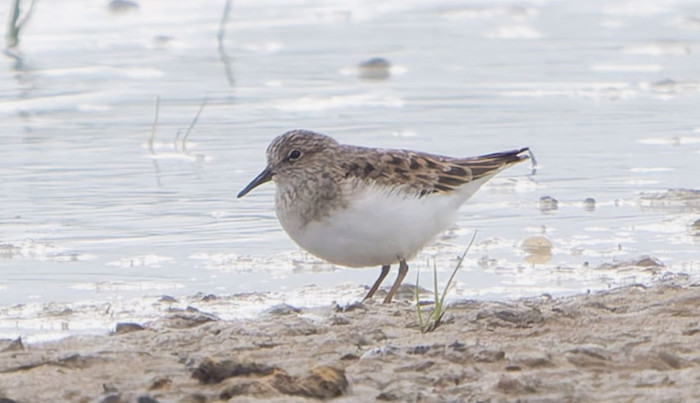
In Co.Wexford an adult Long-billed Dowitcher was seen at Lady’s Island Lake on 2nd-3rd.
Finally, a Lesser Yellowlegs was found in Lancashire & North Merseyside at Newton Marsh on 3rd-4th.
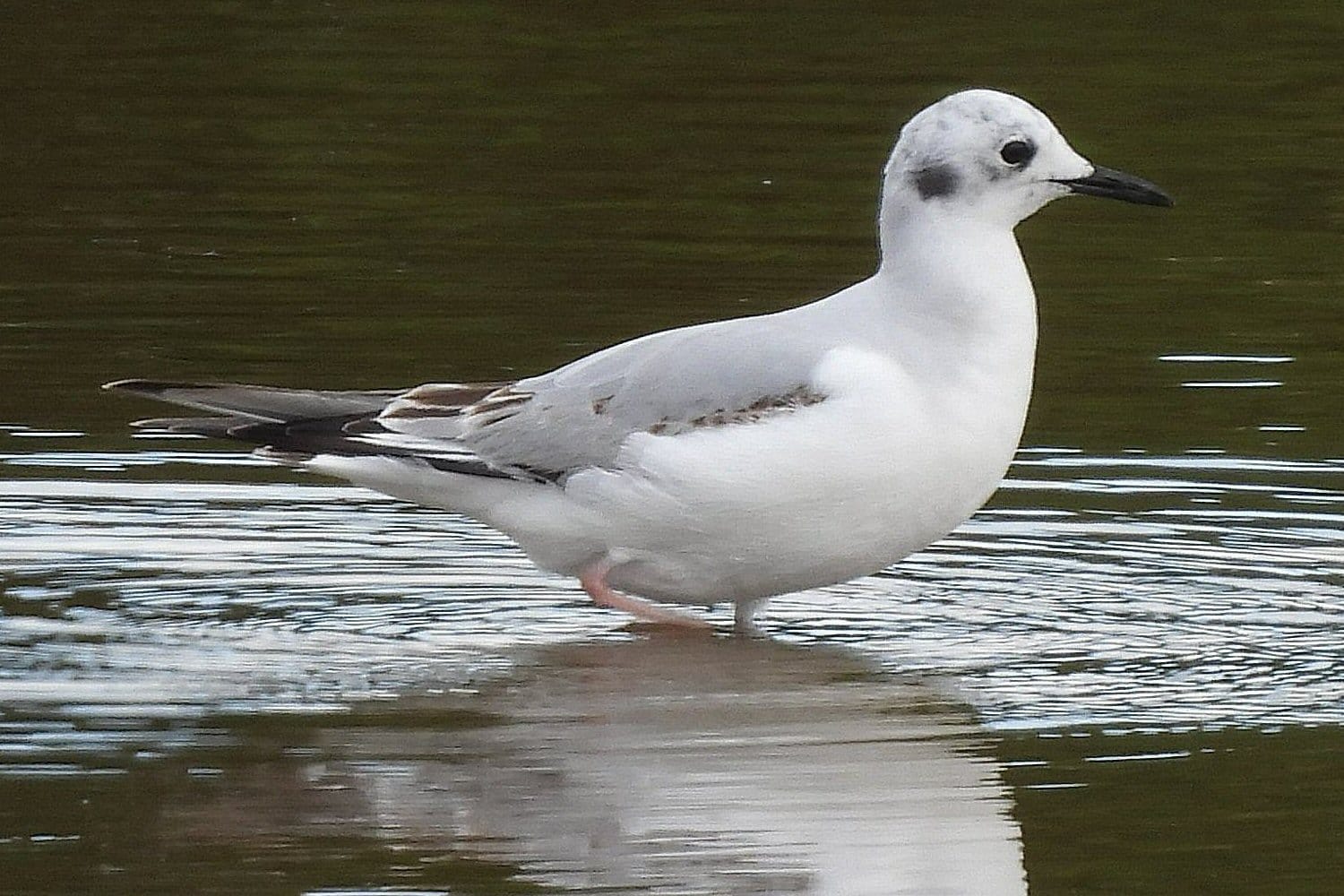
There were still plenty of Bonaparte’s Gull to go arouond this week, not least in the English southwest – here one remained in Cornwall on the Hayle Estuary on 1st-7th, and Dorset sightings came from Lodmoor RSPB on 1st-5th still, and Chickerell again on 6th; London meanwhile gave us records from Rainham Marshes RSPB on 1st, and Crossness on 3rd; and a bird was seen in Co.Donegal at Inch Island Lake on 4th-6th.
Up in Shetland, the recent adult Ring-billed Gull continued to haunt Noss NNR on 2nd-3rd.
Sightings of Sabine’s Gull came from the Lochmaddy / Uig (Western Isles / Highland & Caithness) ferry on 1st and 3rd.
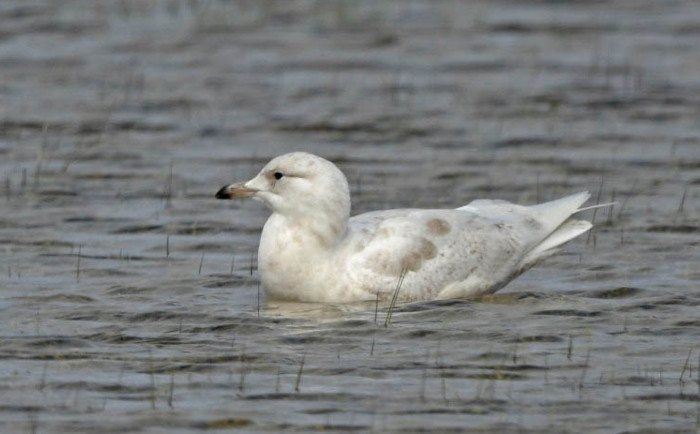
Just a handful of Glaucous Gull were logged this week - one in Orkney on Westray again on 4th-7th, another at Spiddal (Co.Galway) on 1st-3rd, and in the Western Isles on North Uist and South Uist on 6th. Iceland Gull did little better, accounting for birds seen at Ruan High Lanes (Cornwall) on 3rd, on South Uist (Western Isles) on 4th-7th, on 6th at Dingle (Co.Kerry) and Tiree (Argyll & Bute), and on 7th at Cromer (Norfolk).
Thank goodness for rare terns. The adult Whiskered Tern was still to be seen at Walmsley Sanctuary CBWPS (Cornwall) on 1st-2nd…
…and the Elegant Tern continued to find the Sandwich Terns on Lob Island (Co.Galway) very interesting indeed on 1st-7th, with a foray to Nimmo’s Pier in the evening of 5th for good measure.
As we’ve seen in the headlines, this was an excellent week for a rare raptor, and the supporting cast was pretty decent too. Red-footed Falcon were seen in Kent at Stodmarsh NNR on 1st-2nd, North Foreland on 2nd, and Worth Marshes RSPB on 3rd-7th; on 2nd on The Lizard (Cornwall) and at Sammy’s Point (East Yorkshire); and on 4th-7th at Carlton Marshes SWT (Suffolk). A probable was seen on 7th in Norfolk at Hempstead.
A Montagu’s Harrier was found on 2nd at Spurn (East Yorkshire); a probable Pallid Harrier was logged on 2nd in the evening at Gamlingay (Cambridgeshire).
A Black Kite was seen on 2nd at Polegate (East Sussex); and a probable on 5th at Seacombe Cliff (Dorset). On 7th in Somerset a bird was seen at Steart WWT and Priddy.
Without doubt we need to start the weekly passerines in East Yorkshire at Grimston where, on 5th, a first-winter female Desert Wheatear put in an appearance. The species is surprisingly rare, given Yorkshire’s pedigree, in those parts, with just 10 records since 1950. It’s a stone-cold local mega, the last bird having attempted to overwinter at Whitby on 18th December 2017 – 20th January 2018, at which point it was found dead. This week’s bird was, therefore, to prove locally popular.
A maurus Siberian Stonechat brought further late autumn vibes to the north-east on 6th, seen at South Shields (Co.Durham).
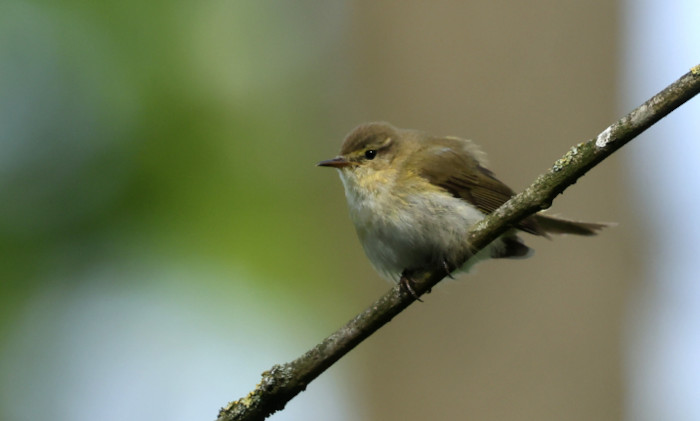
Onto the warblers, where two prior Iberian Chiffchaff stayed put, and a new bird dropped in – songsters remained belting out the tunes at song at Hardwick Hall CP (Co.Durham) still on 1st-7th, and in Suffolk at Westleton Heath on 1st-6th, while new singing birds were found in Kent at Dungeness on 4th, and in Dorset at Durlston CP on 4th-7th.
In Cornwall, the Dusky Warbler remained at Boscathnoe Reservoir on 1st.
The Melodious Warbler remained at St Abb’s Head (Borders) on 1st, while another was trapped and ringed at Landguard NR (Suffolk) on 3rd.
The recent male Western Subalpine Warbler remained on North Ronaldsay (Orkney) on 2nd. A Subalpine Warbler sp was on St Agnes (Scilly) on 7th.
A Great Reed Warbler was present at Lakenheath Fen RSPB (Suffolk) on 1st.
Also in Suffolk, Zitting Cisticola remained present at Walberswick until 3rd, with two again confirmed there on 2nd.
Around a dozen Hoopoe were logged in recent days across Britain and Ireland.
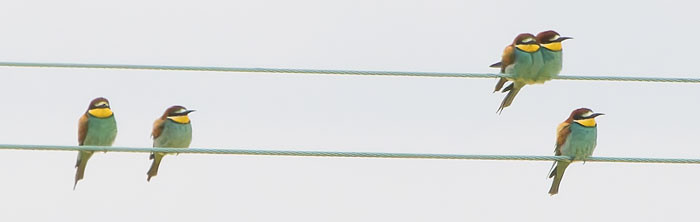
Bee-eater meanwhile continued to distract. Six were reported from Bridlington (East Yorkshire) on 1st; two were also seen on 1st at Selsey Bill (West Sussex), and one at Helvick Cove (Co.Waterford) that day also; on 2nd, one was seen in Kent at Pegwell Bay. A bird was heard only at Knockadoon Head (Co.Cork) on 1st, and a probable was heard only at Skelmersdale (Lancashire & North Merseyside) on 5th. On 6th 13 birds were seen heading north over Eccles-on-Sea (Norfolk), and remained in the area the following day too. Also on 7th a single bird was seen at Kirby (Cheshire & Wirral).
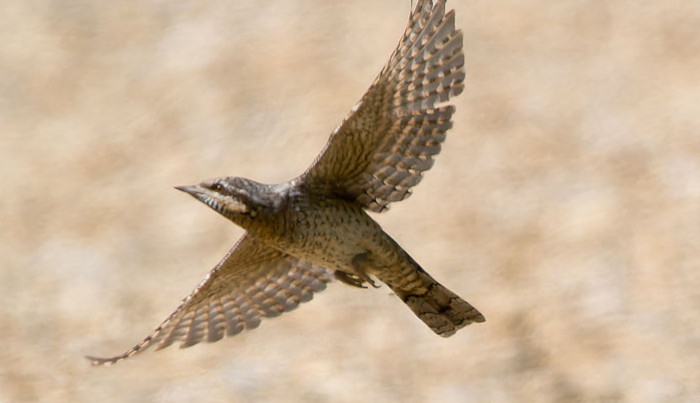
A handful of Wryneck were again noted during the past week – these being birds at Cley (Norfolk) on 1st-5th; Holy Island (Northumberland) on 3rd-5th; on 1st at Kilnsea (East Yorkshire) and Castlecomer (Co.Kilkenny); and at Spurn (East Yorkshire) on 2nd.
Woodchat Shrike faded a little from sight – birds were noted on Scilly on Tresco on 3rd and Bryher on 2nd-7th; at Dunwich Heath (Suffolk) on 2nd-3rd; at White Sands (Lothian) on 5th-6th; and at Brora (Highland & Caithness) on 7th.
Around a dozen Golden Oriole were logged this week, with Scilly once more proving popular with this fruity singer.
In Co.Galway the Pied Crow was seen in Galway again on 4th.
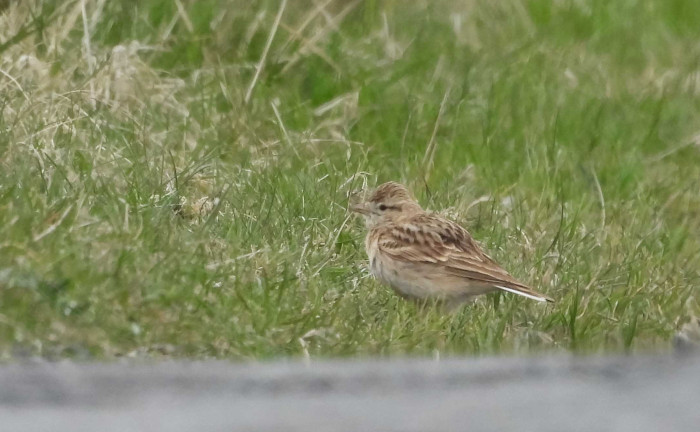
A Short-toed Lark was present on Fair Isle (Shetland) on 1st-2nd and again on 7th.
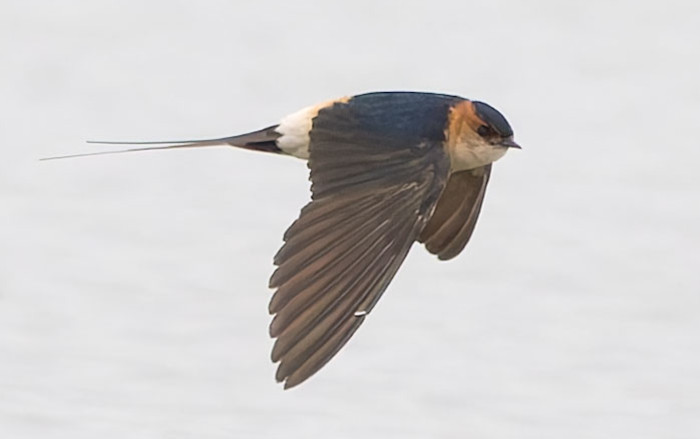
Yorkshire was the nexus for sightings of Red-rumped Swallow this week, with two present at Flamborough Head on 1st followed by singletons noted at Scarborough on 2nd, Spurn on 2nd and 5th, Old Moor RSPB on 3rd, and Wintersett Reservoir on 4th. Breaking the mould, one was seen in Norfolk at Cley NWT on 4th.
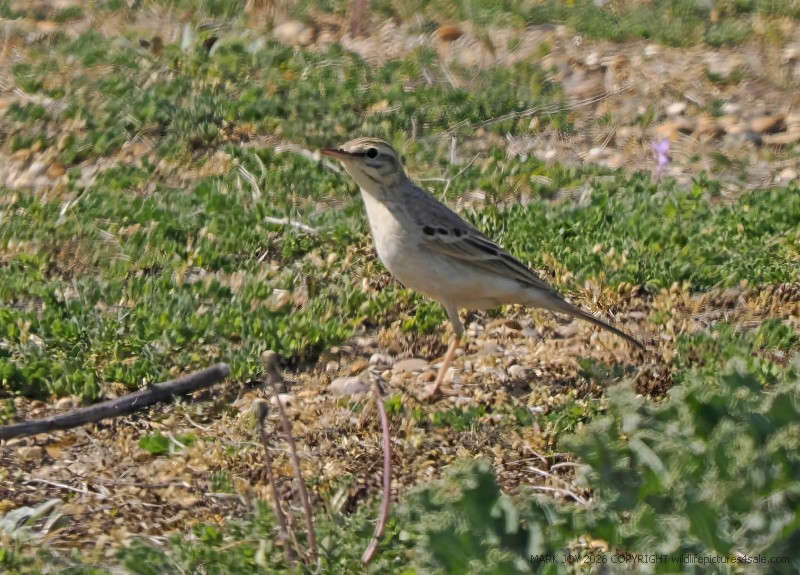
The recent Tawny Pipit remained at Landguard NR (Suffolk) on 1st, with another seen in a Shingle Street garden on 5th.
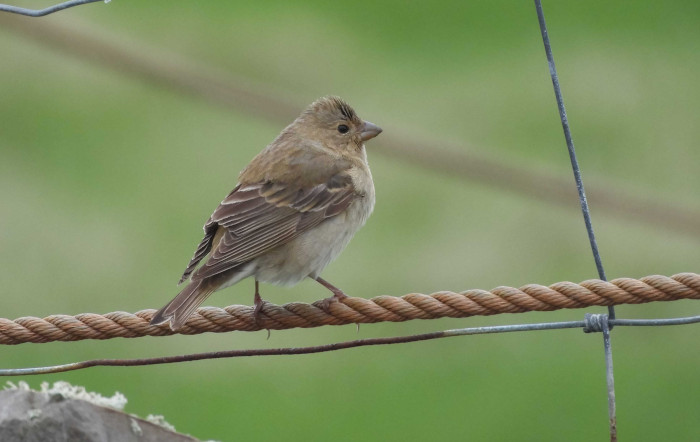
A Red-throated Pipit was reported passing over Pilning Wetland (Gloucestershire) on 1st.
On Fair Isle (Shetland), a Common Rosefinch dropped in on 2nd-3rd.
Finally, in Lancashire & North Merseyside the male Great-tailed Grackle continued to hold his territory at Speke Hall on 1st-5th.
Scandinavia gave us plenty of food for thought and wishful thinking this week, not least in Finland at Ilonmantsi on 2nd, where a Pallas’s Sandgrouse was to be seen.
Sweden was busy too, with a displaying Wilson’s Snipe at Storsjo on 2nd-5th; and Dalmatian Pelican again at Smedstorp on 1st, Banudden on 2nd, and Snottipen on 7th.
Up on Iceland the flavour was distinctly Nearctic with American Kestrel at Floi NR on 2nd, and American Coot on 1st-4th at Sandgeroistjorn.
Drawing closer to home, in the Netherlands a Black-faced Bunting was brightening a Horrelshoogte garden on 1st; the Pygmy Cormorant remained in Natuurpark Lelystad on 1st also; and a Bearded Vulture was seen over Natuurontwikkeling Binnendijks on 1st, and Kwakels on 2nd.
In France, the Bridled Tern remained on Ile aux Moutons on 1st-6th; and a Blue-cheeked Bee-eater was present at Chemin de Ferrat on 1st-2nd.
On we forge into the heart of May, and what can we muster for the coming week?
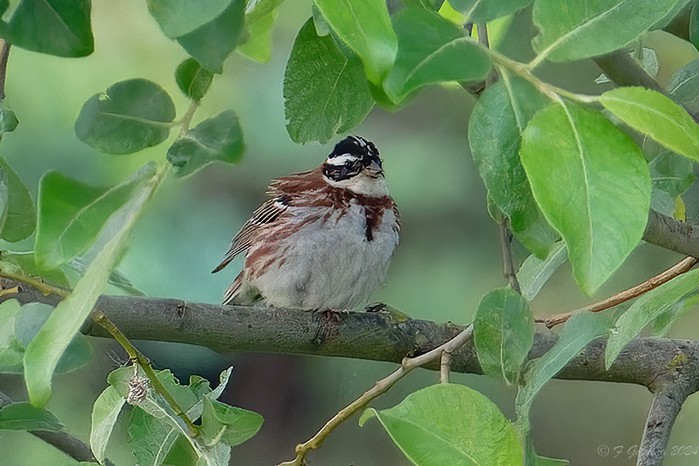
The time of year is, of course, propitious and boasts a stellar cast of all manner of enticing rarities. A smidgen of easterlies across the North Sea could be all it takes for a couple of well-established and always welcome scarcities to put in an appearance – step forward Rustic Bunting and Thrush Nightingale. One fairly obvious, the other typically more of a skulker, both always welcome whenever they’re found.
Jon Dunn
8th May 2026
Many thanks to all this week's contributors for your photos and videos and to everyone who contributed throughout the year.
Get Breaking Birdnews First
Get all the latest breaking bird news as it happens, download BirdAlertPRO for a 30-day free trial. No payment details required, and get exclusive first-time subscriber offers.
Share