Veterinary insecticides turn up in Great Tit nests
A Hungarian study detected several flea- and tick-control chemicals in fur-lined nests, including at a protected forest site, but found no measurable breeding effect.
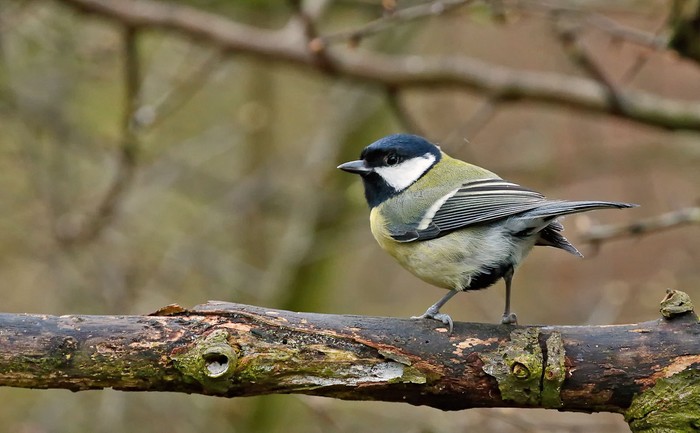
Chemicals used to control fleas and ticks on domestic animals have been detected in Great Tit nests in both an urban area and a protected forest in Hungary, revealing a potential route by which veterinary insecticides can reach wild birds.
The study in Environmental Research examined 63 nests containing fur during the 2025 breeding season. Forty-three came from nest boxes at an urban site and 20 from a nearby Natura 2000 forest. Samples were collected during the nestling period and again after fledging, then screened using high-performance liquid chromatography and gas chromatography coupled with mass spectrometry.
Researchers detected fipronil, its breakdown product fipronil sulfone, imidacloprid and permethrin. These compounds are used in veterinary products, including treatments applied to companion animals. Acetamiprid was found in eight of the 43 urban nests, although the authors say that compound may have reached nests from a non-veterinary source.
The urban nests contained a greater number of compounds and generally higher concentrations. However, fipronil sulfone, imidacloprid and permethrin were also present at the protected forest site. Residue levels declined as the breeding cycle progressed, consistent with exposure being strongest after fresh fur was brought into the nest.
The authors describe nest material as a possible overlooked link between chemical use around people and wildlife.
Bird nests may represent a previously under-recognised exposure pathway.
Varga-Szilay and colleagues, Environmental Research
Great Tits commonly line their nests with mammal hair, which can provide insulation and a soft cup for eggs and chicks. Fur from treated pets could therefore carry insecticides into a nest box. The study did not identify the mammal species represented in each sample, however, so it cannot demonstrate that companion animals were the sole source of the detected residues.
Nor did the research show a measurable breeding cost. The team compared chemical detections with unhatched eggs, nestling mortality and nestling body size and found no association with those reproductive measures. That is an important negative result, but it does not prove that exposure is harmless: the sample was modest, effects could occur below the level measured, and consequences may depend on concentration, compound mixtures and the burden of nest parasites.
Some of the chemicals have attracted environmental concern beyond their intended veterinary targets. Fipronil and neonicotinoids such as imidacloprid act on insect nervous systems, while permethrin is a synthetic pyrethroid. Their presence in a nest does not establish the dose absorbed by an adult bird or chick, and residues in material cannot be translated directly into toxicological risk without further work.
The finding also raises a difficult ecological question. Fur treatment might expose birds to chemicals, yet insecticidal residues could also reduce fleas, mites or other nest parasites. The balance between those effects was not tested here. Future experiments would need to quantify transfer into birds, identify the fur source and measure both parasite control and possible sublethal effects.
For now, the study supplies evidence of environmental movement rather than evidence of population harm. It extends concern about veterinary parasiticides from waterways and invertebrates to the nest microhabitat of a common bird, including nests within a legally protected forest landscape.
5 Nov 2026
Get Breaking Birdnews First
Get all the latest breaking bird news as it happens, download BirdAlertPRO for a 30-day free trial. No payment details required and get exclusive first-time subscriber offers.