Vast Areas of Peatland Destroyed as Peat Ban Remains Unfulfilled
Three years after Government pledge to ban peat sales, extraction continues on an industrial scale, prompting sharp criticism from The Wildlife Trusts
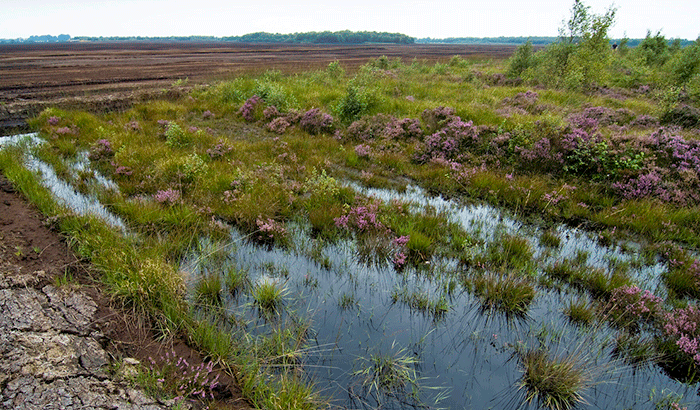
A broken promise on peat
It is now three years since the UK Government announced its intention to ban the sale of peat for amateur gardening by 2024. Yet no legislation has followed, and vast areas of peatland continue to be destroyed. The Wildlife Trusts report that between 2022 and 2023 alone, 859,660 cubic metres of peat were dug up for horticulture – enough to fill over 7,600 double-decker buses.
“The ban on selling peat to amateur gardeners is absurdly overdue – it’s been mooted for over thirty years and promised for the last three,” said Joan Edwards, Director of Policy and Public Affairs at The Wildlife Trusts. “The dither and delay over its implementation puts the UK’s climate and nature targets at risk and has entirely avoidable consequences for emissions, wildlife and water quality.”
Why peatlands matter
Peatlands are among the UK’s most vital habitats for climate regulation and biodiversity. When left intact, they store carbon, reduce flood risk by retaining water, and provide nesting grounds for rare birds such as Curlew and Golden Plover.
As Edwards explains: “Healthy peatlands are one of the UK’s most effective natural tools in managing the impacts of climate change and extreme weather events such as flooding and wildfires. By contrast, extracting peat releases huge quantities of carbon dioxide and destroys important ecosystems that take centuries to form.”
A chance for action
In the absence of a Government Bill, a Private Member’s Bill has been introduced to Parliament by Sarah Dyke MP. The Horticultural Peat (Prohibition of Sale) Bill is due for its second reading on 12 September.
The Wildlife Trusts have welcomed the initiative, calling on ministers to finally act. “The Government must urgently support this Bill and enshrine the ban in law,” Edwards said. “Every delay allows more damage to be done, undermining climate targets and destroying irreplaceable habitats.”
The cost of inaction
The continued use of peat not only compromises climate goals but threatens the survival of wildlife that depends on these unique wetlands. The longer the delay, the more difficult and costly restoration will become.
The Wildlife Trusts are urging gardeners to take matters into their own hands by rejecting peat products entirely and choosing sustainable alternatives. The organisation stresses that individual choices, combined with legislative change, are essential if peatlands are to be safeguarded for the future.
August 2025
Share this story