BTO bans AI designs from Bird Atlas logo competition
The winning designer will receive £1,500, but BTO says entries must be human-made and not drafted or created using generative AI.
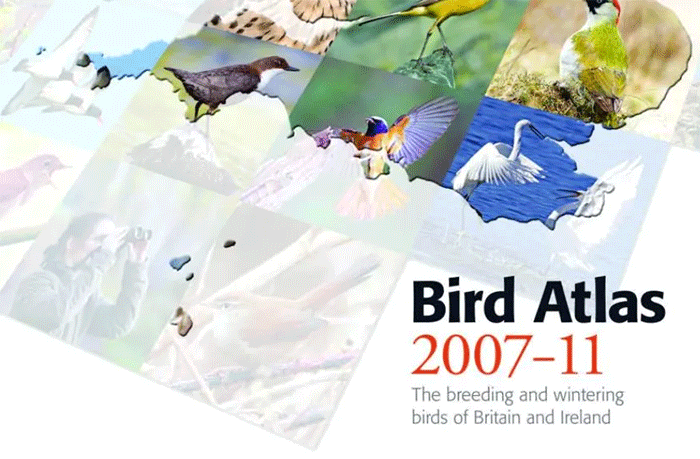
BTO has launched a public competition to design the logo for Bird Atlas 2027–31, one of the most ambitious citizen science projects in British and Irish ornithology.
The winning design will receive a prize of £1,500 and will be used to help present the new atlas to birdwatchers, volunteers, supporters and wider audiences across Britain and Ireland.
Bird Atlas 2027–31 will build a detailed picture of the distribution and abundance of birds in both winter and the breeding season, showing where species occur and how their fortunes are changing.
The project will follow earlier bird atlases in providing a major evidence base for conservation, research and public engagement. BTO says the new atlas will help inform responses to the linked challenges of climate change and biodiversity loss, while also encouraging more people to get involved in nature and science.
The logo will play a central role in how the project is presented. BTO says it is looking for a design that is accessible, inclusive and engaging, and which can work across a range of uses, from large banners to the spine of a book.
The competition is open to residents of the United Kingdom, the Republic of Ireland, the Channel Islands and the Isle of Man. Entrants aged 18 or over can enter directly, while younger entrants must have the consent of a parent or legal guardian.
Each entrant may submit up to three designs. Entries must be sent by email to communications@bto.org by midnight on Sunday 9 August 2026, with designs accepted in PDF, JPEG, Illustrator, PNG or PSD format.
BTO has also set out specific design requirements. The logo should work well alongside other logos and should tend towards filling a square space, rather than being especially long or tall. The preferred font for any text is Interstate Condensed, although Raleway may be used at the drafting stage if Interstate is not available.
A notable condition of the competition is that generative AI is not allowed. BTO says it believes in the power of human creativity and asks that submissions are “human-made” and not drafted or created using generative AI.
Entrants must confirm that they have not used generative AI in creating their design, and shortlisted designers may be asked to sign a document confirming this. The charity also reserves the right to disqualify an entry if it reasonably believes generative AI tools have been used.
Eligible entries will be assessed by a judging panel, with criteria including originality, relevance, visual impact, versatility and practicality for use across different media.
The winning entrant will retain copyright until a winner is selected and the rights for the chosen design are transferred to BTO through a signed agreement. BTO says the winner will be notified within 14 days of the judging decision.
Further details, including the full design brief and competition terms, are available from BTO here.
July 2026
Get Breaking Birdnews First
Get all the latest breaking bird news as it happens, download BirdAlertPRO for a 30-day free trial. No payment details required and get exclusive first-time subscriber offers.
Share this story