Scotland appoints first official gull ranger
The RSPCA has welcomed the appointment of Scotland’s first official Gull Ranger, describing the role as an example of how communities can take a more constructive approach to living alongside gulls.
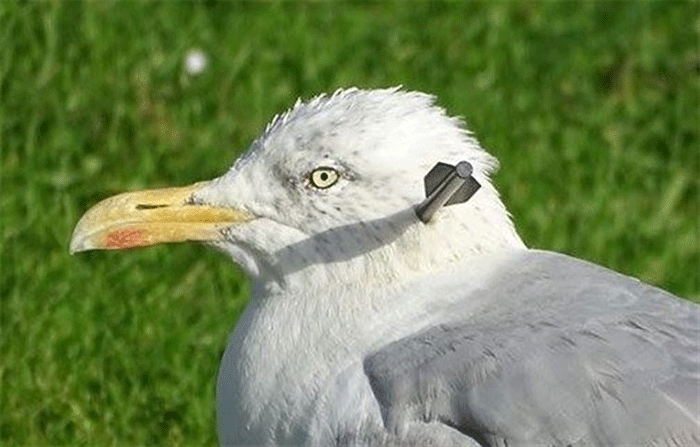
The new post has been created in Scotland at a time of year when reports of conflict between people and gulls often increase, particularly in coastal towns and urban areas where birds nest close to homes, businesses and visitor areas.
Rather than treating gulls simply as a nuisance, the role is intended to help improve understanding of their behaviour, reduce avoidable conflict and encourage practical steps that allow people and birds to coexist more successfully.
The RSPCA says it hopes local authorities and communities in England and Wales will consider similar initiatives, focused on education, public engagement and better understanding of gull behaviour.
Dr Rebecca Machin, Scientific and Policy Officer for wild animals at the RSPCA, said the appointment was “exactly the kind of positive approach” the charity would like to see adopted more widely.
She said gulls had gained an unfair reputation and were “massively misunderstood”, adding that they are intelligent birds which form strong social bonds and are “simply trying to survive”.
The charity said education and understanding are more effective than simply labelling gulls as pests, and suggested that similar posts could act as “re-gull-nal ambassadors” in other coastal communities and urban areas.
Although gulls are often viewed negatively when they nest on buildings, scavenge food or defend chicks, they are protected wild birds and several species face significant conservation challenges.
In Britain, urban gull issues often involve species such as Herring Gull and Lesser Black-backed Gull, both of which can nest on rooftops and feed around towns, harbours and landfill sites. During the breeding season, adult gulls may become more defensive around eggs or young, particularly when people pass close to nest sites or fledged chicks.
The RSPCA is encouraging people to take simple steps to reduce conflict, including disposing of litter responsibly, not feeding gulls, keeping food covered when eating outdoors and giving nesting birds space.
The call forms part of the RSPCA’s Summer of Kindness campaign, which encourages people to show compassion towards animals, including wildlife.
The charity is also encouraging members of the public to become RSPCA Wildlife Friends, a volunteering scheme designed to support positive action for animals in local communities.
The RSPCA said the Gull Ranger appointment shows how practical engagement can help address human-wildlife conflict, while recognising the conservation pressures facing many gull species.
July 2026
Get Breaking Birdnews First
Get all the latest breaking bird news as it happens, download BirdAlertPRO for a 30-day free trial. No payment details required and get exclusive first-time subscriber offers.
Share this story