


Urban Birds and Pedestrians: A Surprising Connection in Our Cities
In the bustling city of Utrecht, birds and pedestrians may have more in common than you think. A new study suggests that urban planners could help both thrive by designing greener, more connected cities.
The research, published in Urban Ecosystems, examined how bird movement corridors overlap with pedestrian pathways in Utrecht. Scientists from Wageningen University and São Paulo State University used advanced mapping techniques to identify areas where urban birds and humans are most likely to cross paths. Their findings offer fresh insights into how cities can be designed to benefit both wildlife and people.
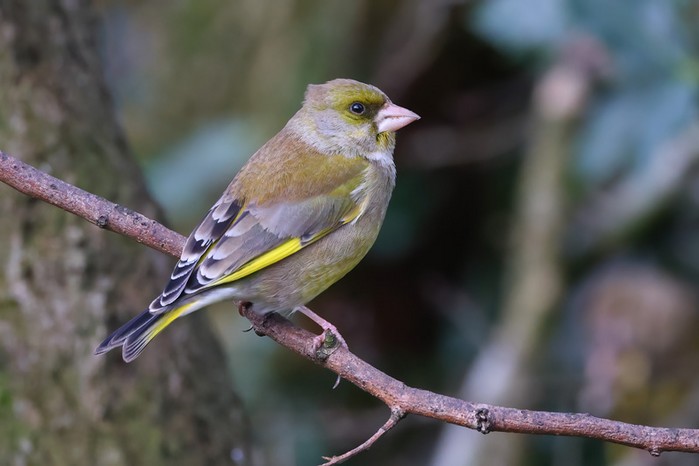
Birdwatching is a beloved pastime for many city dwellers, with studies linking bird encounters to improved mental well-being. However, urbanization has led to habitat loss and declining bird populations. By mapping the movement of six bird species—including the Barn Swallow, European Greenfinch, and Grey Heron—researchers discovered that many bird corridors run surprisingly close to pedestrian pathways.
While there is limited direct overlap, most bird corridors lie within 20 meters of walking routes, particularly near the city center. “This suggests that targeted urban planning could enhance both bird conservation and pedestrian experiences,” explains lead author Emma Verweij.
The study’s authors propose several practical solutions for city planners. By increasing the amount of greenery along key pedestrian routes—such as adding hedgerows, native plants, and tree cover—planners could create richer habitats for birds while also improving the urban environment for residents. The researchers also suggest limiting car traffic in key areas during certain hours to create quieter, more bird-friendly spaces.
The study aligns with Utrecht’s existing green infrastructure plan, which seeks to connect parks and recreational areas while preserving ecological corridors. If implemented effectively, these ideas could transform Utrecht into a city where human-wildlife encounters become a daily delight.
As cities continue to expand, balancing urban development with biodiversity conservation remains a challenge. However, this research shows that by carefully designing green spaces, we can create vibrant urban environments that benefit both people and wildlife.
With cities like Utrecht leading the way, the future might just be one where morning commutes are filled with birdsong, and pedestrians and wildlife can coexist harmoniously in the heart of our cities.
20 February 2025
Share this story





