Three protected Squacco Herons illegally shot in Malta
Environmental police apprehended two suspects after a BirdLife Malta team filmed the shooting at a coastal park during autumn migration.
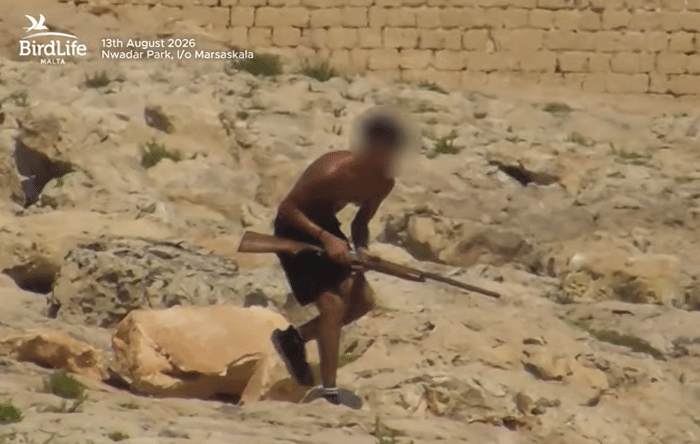
Three protected Squacco Herons have been shot dead on Malta's Żonqor coast in an incident filmed by BirdLife Malta and followed by the apprehension of two suspects by environmental police.
The shooting took place on the morning of 13 August at Inwadar Park, between Xgħajra and Marsaskala. A BirdLife Malta team had located about 30 Squacco Herons resting along the shoreline and was watching the flock from a distance.
According to the organisation's first-hand account, a vehicle arrived carrying two men. One allegedly left the vehicle with a firearm and approached the birds. BirdLife Malta called the police emergency number and requested assistance from the Environmental Protection Unit.
While the team remained on the phone to the police control room, two shots were allegedly fired towards the flock. Two herons were killed and fell into the sea. A third, wounded bird reached the shore, where it was flushed and then shot again. It later died.
An Environmental Protection Unit team reached the site while the two people were reportedly attempting to recover the birds. A police vessel retrieved two carcasses from the water and the third was also secured as evidence. The two individuals were apprehended and are understood to face proceedings.
What we witnessed yesterday was an extremely serious incident of illegal hunting.
Squacco Herons are protected and are not a legal quarry species in Malta. The legal autumn bird-hunting season was not due to open until 1 September, although a rabbit-hunting season was in progress.
BirdLife Malta alleges that the open rabbit season was being used as cover to target protected birds and that the herons were intended for taxidermy. Those claims form part of the organisation's account; the suspects have not been convicted and any criminal responsibility will be determined through legal proceedings.
The group praised the speed of the Environmental Protection Unit response on land and at sea, saying the interception showed what effective enforcement can achieve when incidents are reported immediately and officers are available to act.
It also warned that the case occurred in broad daylight at a popular stretch of coast, and that the shooting might never have reached the authorities had its staff not been present to document it.
Squacco Herons are long-distance migrants between European breeding grounds and sub-Saharan Africa. Malta lies on a major central Mediterranean route, and coastal resting places can attract groups of tired birds as southbound migration gathers pace.
BirdLife Malta is urging anyone who witnesses suspected illegal hunting to contact the police immediately and ask for the Environmental Protection Unit. Reports can also be made directly to the organisation.
21 Aug 2026
Get Breaking Birdnews First
Get all the latest breaking bird news as it happens, download BirdAlertPRO for a 30-day free trial. No payment details required and get exclusive first-time subscriber offers.
Share this story