Thirty Turtle Doves released in South Downs recovery trial
The captive-bred birds face a 3,000-mile migration, with their return from Africa next spring set to provide the trial's crucial test.
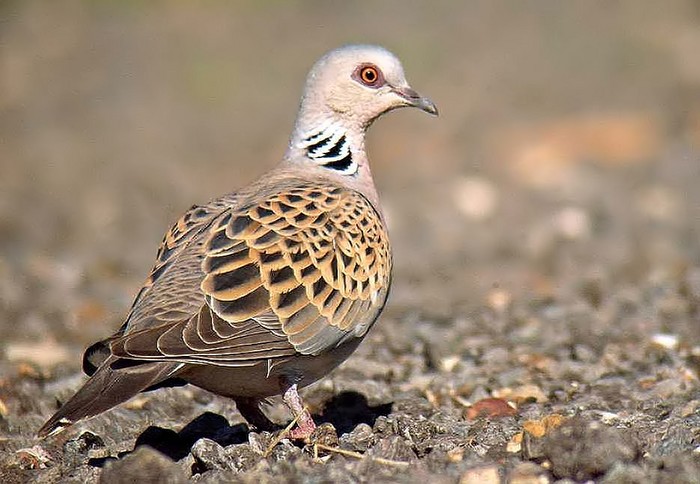
Thirty captive-bred Turtle Doves have been released in the South Downs National Park in an attempt to re-establish one of Britain's most rapidly declining summer visitors.
The birds were released during late spring at an undisclosed location near Selborne in Hampshire, a landscape closely associated with the naturalist Gilbert White. They have since been observed flying and giving their characteristic purring song around the area.
At least one female later returned to the release enclosure and laid eggs. The observation is encouraging evidence that the birds entered breeding condition, but it does not yet demonstrate that eggs hatched or that the release produced fledged young.
The doves' next challenge is considerably greater. They are expected to travel about 3,000 miles through France, Spain and Morocco to wintering grounds in sub-Saharan Africa. Whether released birds survive that journey and return to the South Downs in spring 2027 will be a critical measure of the trial.
“It is an incredible and moving experience to see and hear the birds back in the landscape where they belong.”
Paul Bushell, South Downs National Park ranger
Farmers, landowners, park rangers and conservation partners have been preparing habitat around the release area. Work includes restoring seven ponds, managing hedgerows and scrub for nesting cover and increasing the supply of seed-producing plants such as fumitory and vetch.
Turtle Doves require a combination of dense scrub or hedges for nesting, accessible seed-rich ground for feeding and water within reach of breeding territories. The loss of those features in intensively managed countryside has contributed to their severe decline, alongside pressures encountered on migration and in Africa.
A further 100 birds are being cared for and prepared for possible release in 2027. Decisions about later stages will need to draw on the survival, movements and behaviour of the first group rather than simply the number of birds released.
The South Downs project is therefore best described as an early recovery trial, not the return of a self-sustaining population. Captive-bred birds must learn to use the restored landscape, complete two long migrations and contribute successfully to future generations before the intervention can be judged a lasting success.
For now, hearing Turtle Doves again near Selborne provides a powerful glimpse of what habitat restoration and carefully managed releases are trying to achieve. The decisive evidence should begin to emerge if marked birds are recorded back in Hampshire next spring.
9 Sep 2026
Get Breaking Birdnews First
Get all the latest breaking bird news as it happens, download BirdAlertPRO for a 30-day free trial. No payment details required and get exclusive first-time subscriber offers.