


The RSPB Big Garden Birdwatch Results 2025
Starlings drop out of UK’s top three garden birds as the lowest number ever is recorded
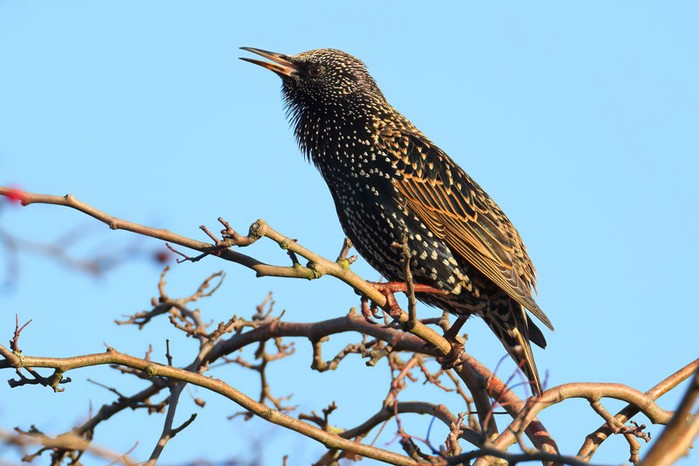
Starlings have fallen from number three to four in the latest Big Garden Birdwatch results as their lowest number ever was recorded.
Almost six hundred thousand people across the UK took part this year, counting more than nine million birds.
The Big Garden Birdwatch is the world’s largest garden wildlife survey and the results highlight how our much-loved garden birds are faring and what you can do to help.
The results from this year’s Big Garden Birdwatch have revealed the Starling has dropped from third to fourth place as the lowest number ever was recorded. House Sparrow held onto top spot once again and Blue Tit remains at number two, with Woodpigeon and Blackbird making up the other top five most recorded species in UK gardens.
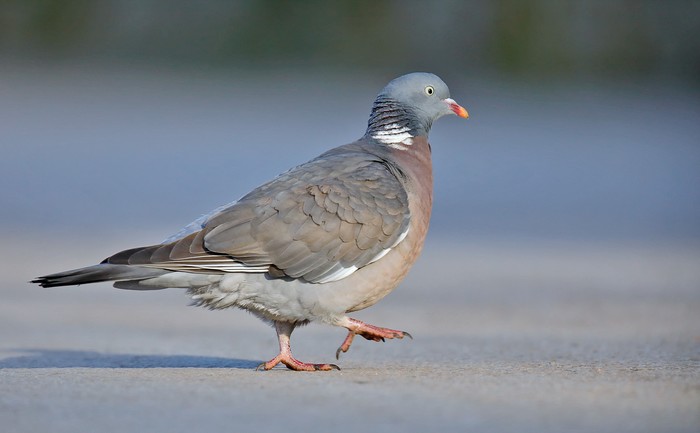
Almost 600,000 people took part in the world’s largest garden wildlife survey, counting more than nine million birds of over 80 species during this year’s Big Garden Birdwatch – an amazing achievement. The survey provides a valuable snapshot of how our most common garden birds are faring and taking part is one important way to help birds and nature.
Starlings are medium-sized birds with glossy plumage that has a purple and green sheen, often with white spots during winter. They are also excellent mimics and can make a huge variety of tweets, cheeps and clicks. They can be found across the UK with their numbers swelling during winter when birds arrive from northern Europe, gathering together to perform spectacular murmurations.
Despite these displays sometimes reaching hundreds of thousands of individuals, Starlings are a red listed species in the UK and considered a high conservation concern due to their declining numbers. Although there is not currently enough evidence to confirm what is causing these decreases, the UK breeding population declined by 82% between 1970 and 2022. Prior to 2000, the Starling was regularly the most numerous species recorded in the Big Garden Birdwatch.
The RSPB’s Chief Executive, Beccy Speight said: “Starlings are one of our most charismatic garden birds, but this year’s Big Garden Birdwatch results is a reason for concern. With one in six species at risk of extinction from Great Britain, we’ve done more damage to our natural world than we realise. However, we can all do our bit to support these threatened birds by taking small actions that can not only benefit Starlings, but a wealth of other garden wildlife.”
Thankfully, there are ways to support these colourful, charming birds in our gardens. Avoiding the use of pesticides and keeping a natural lawn allows Starlings to forage for invertebrates, especially leatherjackets (cranefly larvae). They also need short grass to watch out for predators whilst feeding, so mowing the lawn now and again is beneficial. Putting up nest boxes also provides Starlings with a readymade nesting site and a box with a 45mm entrance hole is the ideal size for these birds.
Beccy Speight continued: “To halt nature’s decline and turn around the fortunes of our native species, we need to help them return to healthy levels, so they become a feature of everyday life once more. Our countryside, our farms and our towns all need support to encourage nature, and while our homes and gardens often provide the perfect place for individual people to help, we also urgently need governments and businesses to join us in the wider fight to restore our natural world”
The Big Garden Birdwatch is a large-scale citizen science survey that started in 1979, providing an annual snapshot of the status of garden birds in the UK. Participants are asked to count the maximum number of each species recorded at their chosen location (mainly gardens but also parks or other green spaces) during a one-hour period over the last weekend in January. Teachers and pupils can also take part in Big Schools’ Birdwatch, which reached over 100,000 participants this year for the first time ever.
Thanks to our members and supporters, the RSPB can carry out vital conservation efforts to support nature throughout the year. To find out the full Big Garden Birdwatch results, more about joining the RSPB, and all the ways you can help garden birds and other wildlife, visit: https://www.rspb.org.uk/whats-happening/big-garden-birdwatch
RSPB
11 April 2025
Share this story





