Summer wildfires burn key habitats for threatened British birds
Fires at Abernethy, Dunwich Heath and in the New Forest have damaged important wildlife habitats, with conservation managers warning that some areas could take decades to recover.
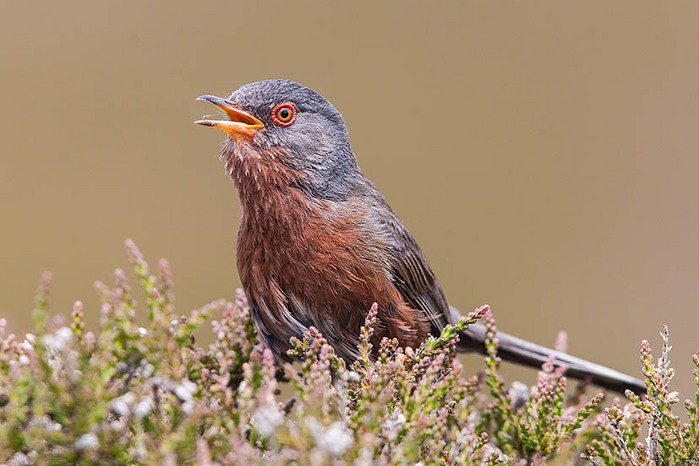
A series of summer wildfires has damaged some of Britain's important bird habitats, leaving reserve managers facing long restoration work and uncertainty over the full effects on wildlife.
Accounts from the RSPB, National Trust and Forestry England describe extensive damage at Abernethy in the Cairngorms, Dunwich Heath on the Suffolk coast and heathland in the New Forest. The fires affected very different landscapes, but all three organisations warn that ecological recovery will take time.
At Dunwich Heath, the National Trust reported on 7 August that 104 hectares had been devastated. The site and neighbouring Minsmere form an important area of lowland heath, supporting Dartford Warblers, Nightjars and Skylarks, alongside reptiles and specialist invertebrates.
The loss extends beyond the immediate fire damage. Surviving wildlife faces reduced shelter and food supplies, while restoration depends on the condition of the soil, remaining vegetation and the potential for natural regrowth.
The Trust said its recovery work would include making the site safe, carrying out surveys and assessing where active restoration, potentially including reseeding, was needed. It also called for investment in more resilient landscapes and better support for fire and rescue services.
In the New Forest, an assessment published by Forestry England on 20 August found that more than 100 hectares had been affected. The fire removed heather, gorse and other vegetation, burned into underground seed banks and damaged bog habitat. Some ancient Beech and Oak trees were also lost after fire penetrated their roots.
It will take decades for nature to fully recover but there are things we can do to help.
Michael Pittock, head of planning and environment at Forestry England
Forestry England said it planned to use heather cuttings from a nearby restored site to protect damaged soils and help reseed the burned area. That neighbouring habitat had itself recovered from a fire almost four decades earlier.
At Abernethy, a blaze that began on 15 July required a prolonged response involving emergency services, RSPB staff, volunteers, gamekeepers, neighbouring estates and other partners. In its 7 August update, the RSPB said it was still too early to establish the full effect on the reserve's wildlife.
The organisation expected less-mobile species to have been particularly vulnerable, while some animals would have found refuge. It warned that recovery would vary considerably between locations, with the most severely affected areas potentially taking decades or longer.
These accounts document habitat damage and the likely demands of restoration. They do not provide a combined estimate of bird deaths, breeding failures or population losses across the three sites. Those effects will require subsequent monitoring.
22 Sep 2026
Get Breaking Birdnews First
Get all the latest breaking bird news as it happens, download BirdAlertPRO for a 30-day free trial. No payment details required and get exclusive first-time subscriber offers.