Strumpshaw Fen marks 50 years as Norfolk wetland refuge
The RSPB reserve celebrates five decades of management for Bitterns, Cranes, Marsh Harriers and Swallowtails.
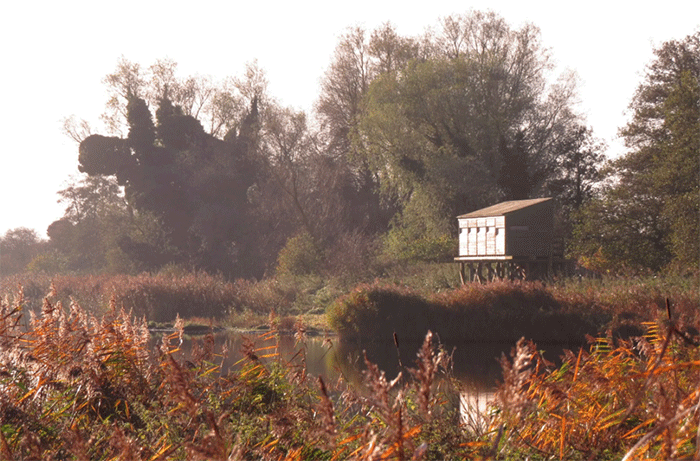
The RSPB has marked 50 years of conservation management at Strumpshaw Fen, celebrating the Norfolk Broads reserve's development into an important refuge for wetland wildlife.
In an anniversary account published by the charity, the RSPB looks back to the mid-1970s, when it first took on land at Strumpshaw. A visitor hub opened in 1981 and the reserve has since grown into a 450-hectare mosaic of reedbed, fen, wet woodland and meadow.
The RSPB reports that the reserve now supports rare and threatened birds including Bittern, Crane, Marsh Harrier and Bearded Tit. Lapwing and Redshank use the managed wet grassland, while winter brings concentrations of wildfowl and other visitors to the Yare Valley.
Long-term work is needed to prevent reedbed and open fen from drying out or turning into scrub. Water levels, grazing and vegetation are managed to maintain different stages of wetland habitat, giving birds places to feed, nest and shelter throughout the year.
Different species require different structures within the same wet landscape. Tall reed provides cover for Bitterns and Bearded Tits, open pools create feeding space, and wet grassland kept short enough for waders can support displaying and nesting Lapwings and Redshanks.
Strumpshaw Fen is also one of Britain's most important sites for Swallowtail butterflies. Its wet fen supports Milk Parsley, the food plant needed by the butterfly's caterpillars, making continued hydrological and vegetation management essential.
The reserve sits within the wider Norfolk Broads and along a coastline used by huge numbers of migrating birds. The East Coast Wetlands are on the United Kingdom's tentative list for UNESCO World Heritage status, reflecting the international significance of this linked network of estuaries and wetlands.
“Staff and volunteer teams across the years have created a reserve that helps populations of rare species not only survive, but thrive.”
Helen Deavin, RSPB Strumpshaw Fen reserve manager
Its location beside the River Yare also means that Strumpshaw cannot be managed in isolation. Water quality, flooding, drought and changes elsewhere in the catchment can all affect the fen, while connected habitats allow birds and other wildlife to move through the Broads landscape.
As well as protecting wildlife, the reserve has introduced generations of visitors to the Broads. Staff and volunteers carry out monitoring, practical habitat work and public engagement, while changing water conditions and climate pressures require management to keep adapting.
The anniversary gives the RSPB an opportunity to recognise that accumulated work. Many of the results visible today depend on repeated cutting, grazing, water control and survey effort rather than a single restoration intervention.
The 50-year feature is the RSPB's retrospective account of the reserve and its wildlife rather than a newly published population assessment. It nevertheless demonstrates how sustained protection and habitat management can allow specialist wetland species to retain a foothold in a heavily modified landscape.
3 Sep 2026
Get Breaking Birdnews First
Get all the latest breaking bird news as it happens, download BirdAlertPRO for a 30-day free trial. No payment details required and get exclusive first-time subscriber offers.