Sparrowhawk killed with banned poison in Aberdeenshire
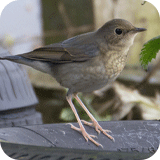
Police Scotland have issued the following appeal for information after a Sparrowhawk was poisoned in Aberdeenshire.
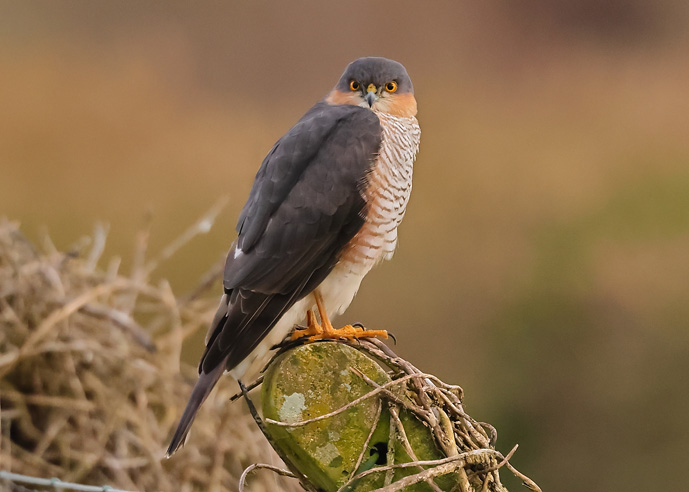
On Saturday, 6 September, 2025 a member of the public found a dead sparrowhawk in a wooded area near to Lumphanan.
Following enquiries, it has been established that the sparrowhawk had been poisoned.
Police Scotland Wildlife Crime Liaison Officer Constable Ann Ashman said:
“From enquiries carried out so far, we know this sparrowhawk has been poisoned with insecticide carbosulfan, resulting in a harrowing death.
“Sparrowhawks are protected under the Wildlife and Countryside Act 1981, and it is an offence to intentionally or recklessly kill or injure them.
“The use of carbosulfan is illegal, with the substance having been banned in the UK since 2008. This substance can cause death in humans, so its illegal use is extremely reckless.
“We are carrying out an investigation in relation to this incident and will be working with a range of partner organisations. The public has an important role to help up combat wildlife crime. If you see anything suspicious, please report it to us via 101, or anonymously to Crimestoppers on 0800 555 111.”
Anyone with information is asked to contact Police Scotland on 101, quoting incident number 1179 of 2 October, 2025.
October 2025
Get Breaking Birdnews First
To get all the latest breaking bird news as it happens, download the BirdAlertPRO app for a 30-day free trial – no payment details required – and access exclusive first-time subscriber offers.
Share this story