Solar Farms: A Surprising Haven for Britain’s Birds
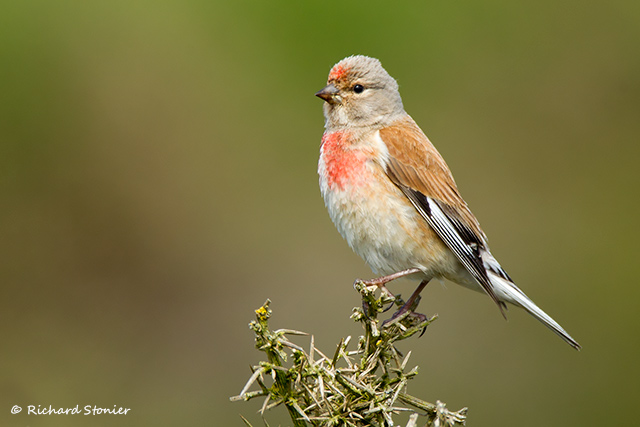
As the UK races towards a greener future, solar farms are rapidly expanding across the countryside. While these vast arrays of panels help cut carbon emissions, concerns have been raised about their impact on wildlife, particularly bird populations. However, new research suggests that, with the right management, solar farms could actually boost biodiversity and provide a much-needed refuge for farmland birds.
A recent study published in Bird Study by researchers from the University of Cambridge and the RSPB has revealed that solar farms managed with biodiversity in mind support greater bird abundance and species richness compared to intensively farmed arable land. The study surveyed six solar farms in the East Anglian Fens, comparing two different management styles: ‘simple habitat’ solar farms with short, regularly mown grass, and ‘mixed habitat’ solar farms that included taller vegetation, wildflowers, and hedgerows.
The results were striking. Solar farms with mixed habitats supported an average of 31.5 birds per four-hectare area, significantly higher than simple habitat solar farms (17 birds) and arable farmland (11.9 birds). Species richness followed the same pattern, with mixed habitat solar farms hosting an average of 13.5 different species, compared to just over five in arable land.
The study suggests that incorporating diverse vegetation and reducing intensive land management practices could make solar farms an unexpected boon for wildlife. "Our findings highlight the potential for solar farms to play a role in conservation efforts," said lead author Joshua Copping. "When managed properly, they can enhance biodiversity, especially in landscapes dominated by intensive agriculture."
The research aligns with previous studies showing that solar farms can provide essential habitats for birds, pollinators, and other wildlife. Some conservation groups are now calling for policy changes to ensure that new solar developments incorporate biodiversity-friendly features such as wildflower meadows, hedgerows, and limited mowing.
However, experts also caution that careful planning is needed. While solar farms can benefit bird populations, they should still be located away from sensitive wildlife areas and designed to minimize disruption to existing ecosystems.
With the UK government aiming to increase solar capacity to 70 GW by 2035, the findings offer hope that renewable energy expansion doesn’t have to come at the cost of biodiversity. If managed thoughtfully, solar farms could help tackle both the climate crisis and the decline of Britain’s farmland birds, proving that clean energy and conservation can go hand in hand.
20 Feb 2025
Share this story